The Gletness Penny: the most northerly Anglo-Saxon coin ever found in Britain, dug from a Shetland shore
Famous find Struck about 991 to 997 · Found in 2026 See it on the timeline →
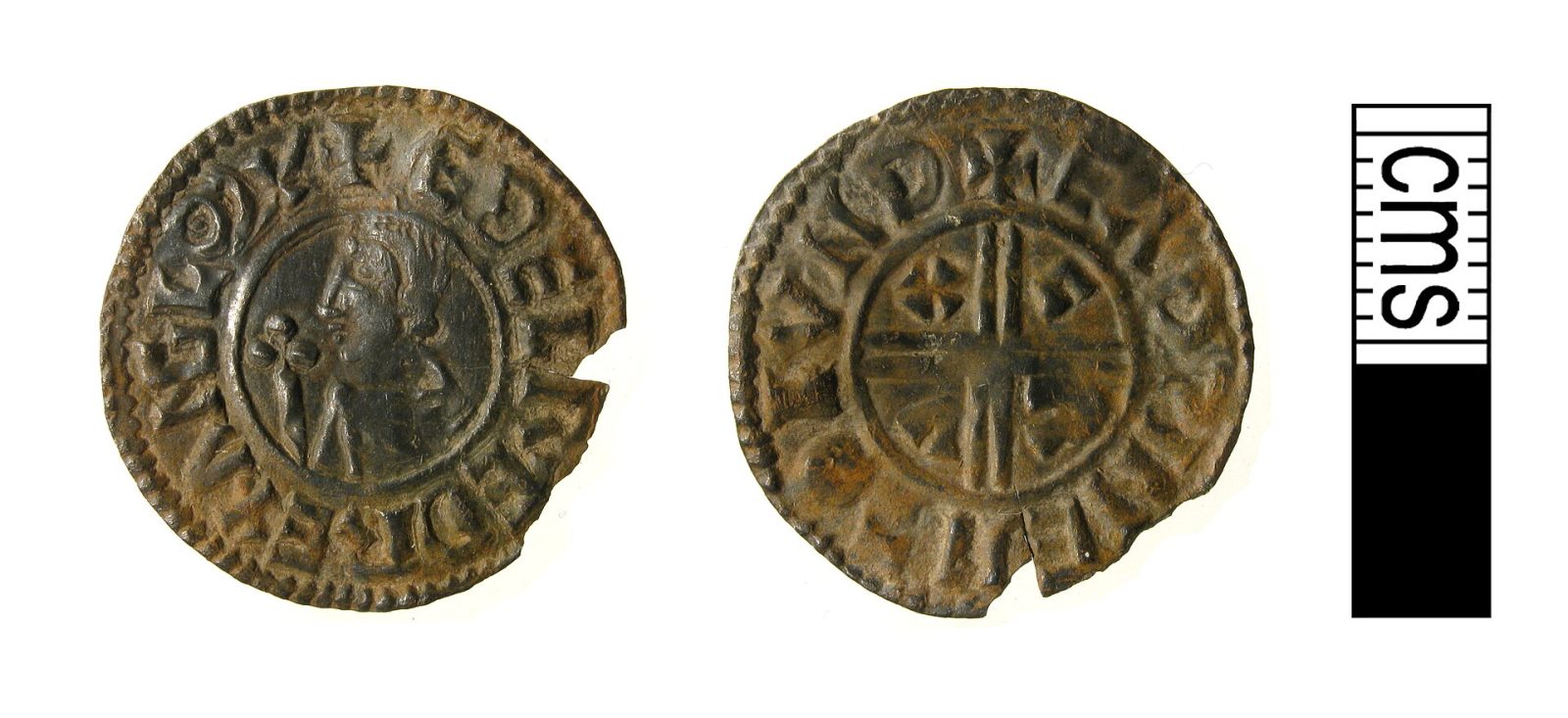
In September 2026 Stephen Jennings of Archaeology Shetland, digging an eroding coastal site at Gletness in Nesting, found a mud-caked silver penny of Æthelred the Unready. Struck in the 990s, it is the most northerly Anglo-Saxon coin ever found in the UK.
In September 2026, a team from Archaeology Shetland, led by Dr Ellie Graham of the University of Aberdeen, returned to dig an eroding coastal site at Gletness, in Nesting on the east side of Shetland's Mainland. The site holds a Bronze Age burnt mound and Iron Age buildings, perhaps part of a settlement around a nearby broch. Stephen Jennings, chairman of Archaeology Shetland, found a small disc. "I knew it was a coin of some type, but it was caked in mud," he said.
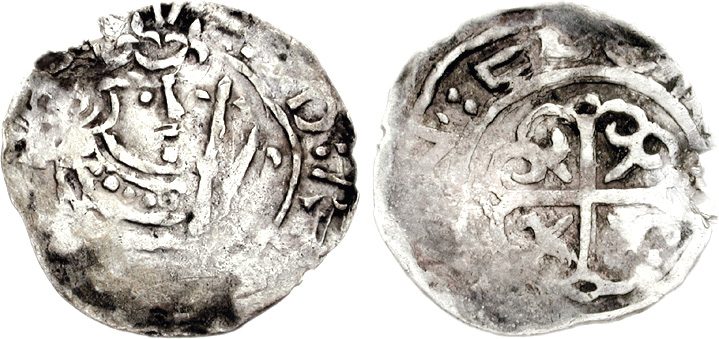
When it was cleaned, it turned out to be a silver penny of Æthelred II, known as the Unready, King of the English from 978 to 1016, of the type collectors call Crux. Crux pennies, struck around 991 to 997, show the king's bust with a sceptre on one side and, on the other, a cross with the letters C, R, V and X in its angles. "The writing is still so sharp," said Graham, who had given up her holiday to lead the dig: "This is exactly how I wanted to spend my holiday."
The coin is the most northerly Anglo-Saxon coin ever found in the United Kingdom; the only other Anglo-Saxon coin known from Shetland came from the excavations at Old Scatness. Shetland at the time was part of the Norse world, settled by Scandinavians, and English silver reached it through trade or through raiding. Jennings pointed out that the Norse highly prized silver for its weight. The 990s were also the years when the English paid huge sums in silver, the Danegeld, to Viking armies, and enormous numbers of Æthelred's pennies ended up in Scandinavia.
As Scots law requires for every archaeological find, the coin has been reported to Scotland's Treasure Trove Unit, and Graham hopes it will go to the Shetland Museum and Archives in Lerwick.
Written for Global Finds from The Shetland Times (2026) and BBC News (2026). Photo: another Crux penny of Æthelred II, not the Gletness coin, Birmingham Museums Trust, Portable Antiquities Scheme, Wikimedia Commons, CC BY-SA 4.0.
Linked finds
Source: The Shetland Times (2026)