The Newark Viking Penny: on Boxing Day a welder found the coin of a conqueror, a few yards from a field gate
Famous find Struck about 920 to 927 · Found in 2016 See it on the timeline →
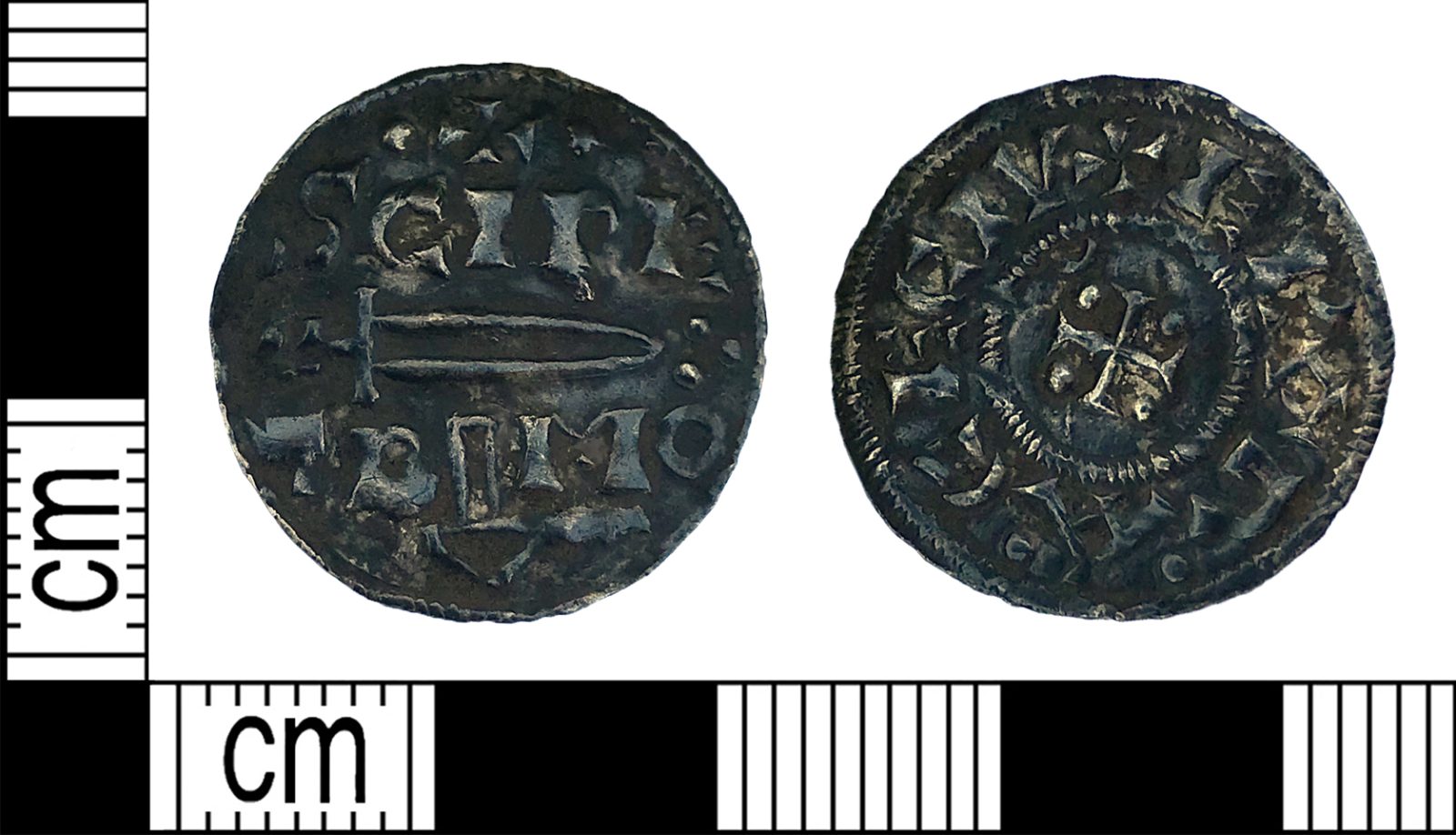
On Boxing Day 2016 Richard Scothern, a welder detecting with friends near Newark in Nottinghamshire, found a silver Viking penny of the sword and hammer type, attributed to Sihtric Cáech, king of York in the 920s. It sold for £12,000.
On Boxing Day, 26 December 2016, Richard Scothern, a 45-year-old welder, was out detecting with friends on a farmer's field near Newark in Nottinghamshire, with the farmer's permission. He decided to try a slightly different area, about 20 yards from the field gate. The signal was, he said, as clean as a whistle, and the coin was only a couple of inches down. He recognised it as Viking straight away, because he had seen replicas at the Jorvik Viking Centre in York. "I must have walked over the coin so many times," he said.
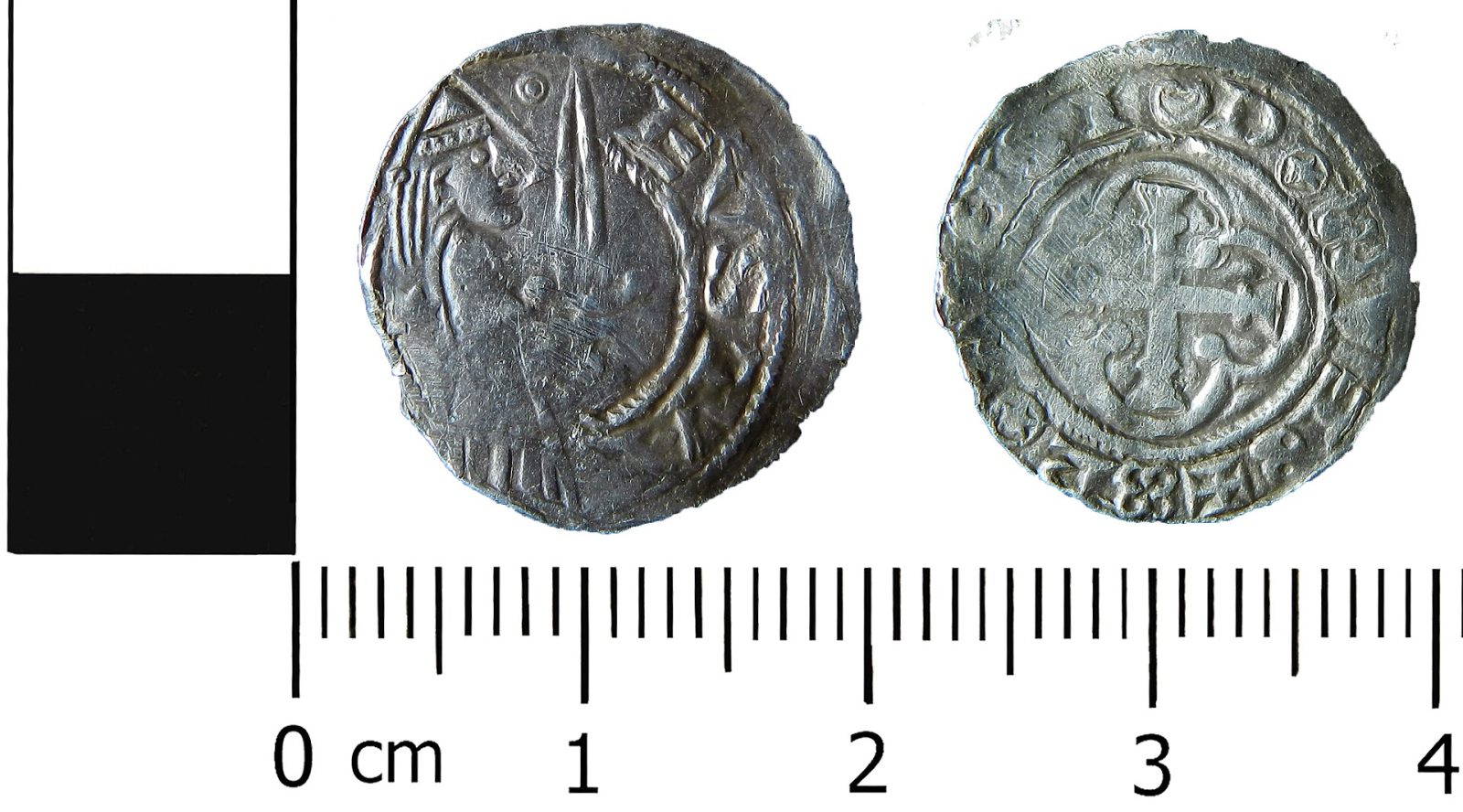
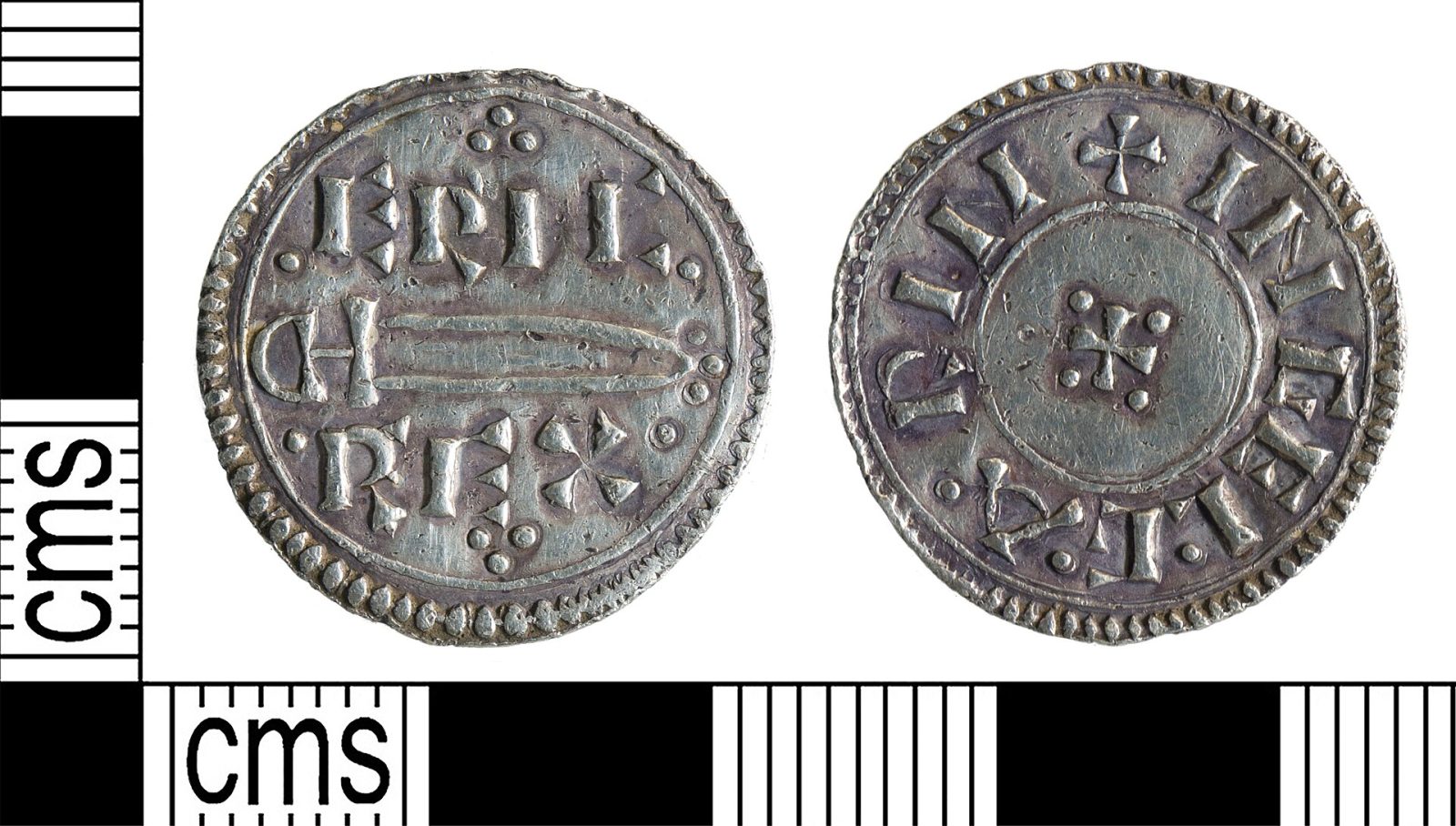
The coin is a silver penny weighing 1.38 grams, of the type collectors call Sword and Hammer, with a sword on one side and a hammer, perhaps the hammer of the god Thor, on the other. It was struck by the Viking rulers of York in the early 920s. The auctioneers Dix Noonan Webb attributed it to Sihtric Cáech, Sihtric "the One-Eyed", who was king of Dublin before seizing York and ruling there from about 921 to 927, and thought it was probably struck at Lincoln. The Fitzwilliam Museum's record of the coin is more cautious, describing it as an anonymous Viking penny of the same sword and hammer type, with no readable moneyer's name. Either way, it belongs to the short period when Viking kings from Dublin ruled York, and Christian and pagan symbols appeared side by side on their coins.
Sihtric married a sister of King Æthelstan of England in 926, but died the following year, and soon afterwards Æthelstan took York for himself. DNW's Will Bennett called the find the coin of a conqueror.
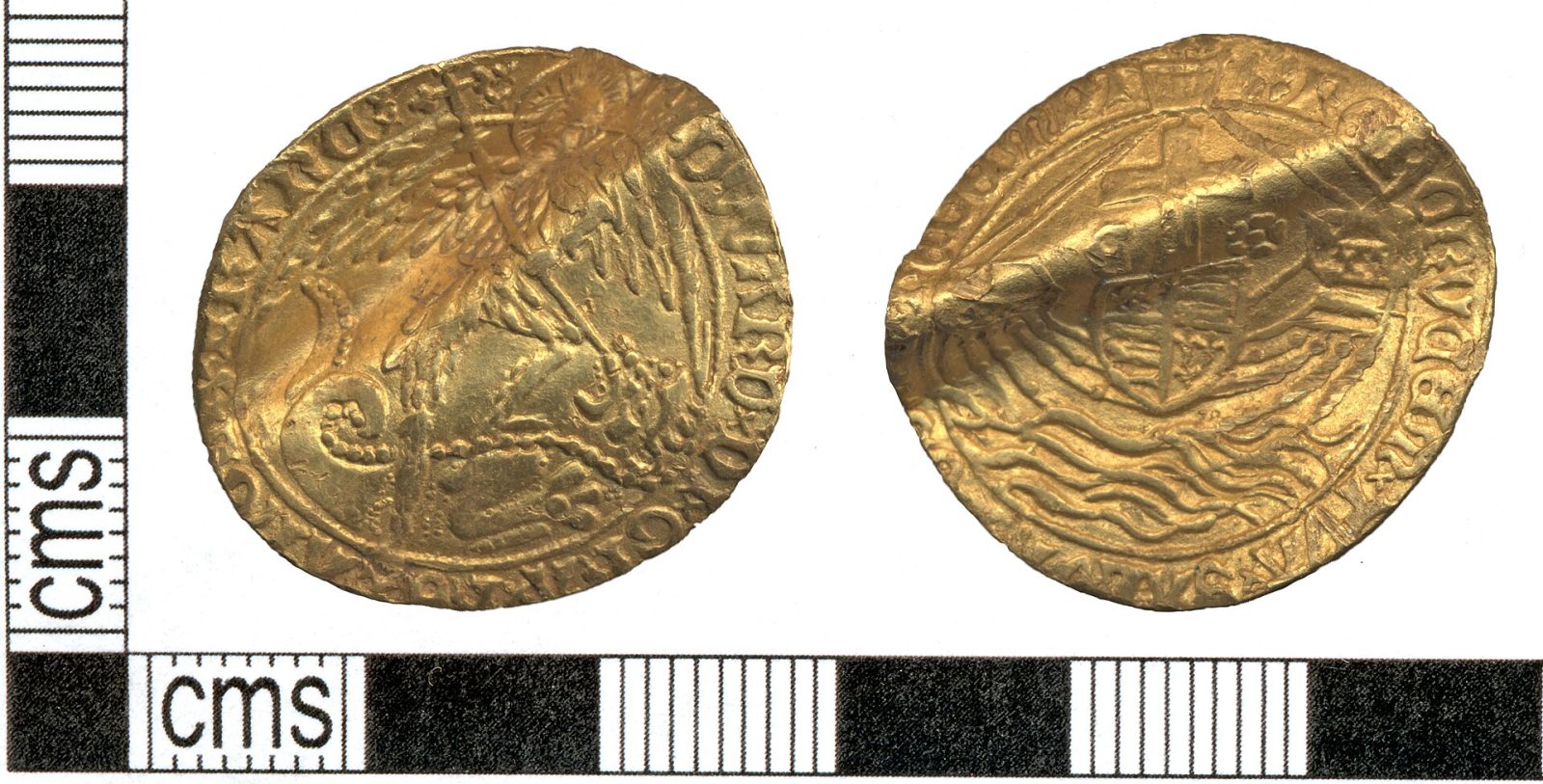
As a single silver coin, the penny was not Treasure. It was sold by Dix Noonan Webb in London on 15 March 2017, in the same sale as a gold angel of Edward V that is also on Global Finds, and made £10,000 hammer, £12,000 with commission. It is in a private collection.
Written for Global Finds from the Newark Advertiser (2017), the Fitzwilliam Museum's Early Medieval Corpus (EMC 2017.0001) and Dix Noonan Webb (2017). Photo: a York Viking penny of the same years with a sword, struck in the name of St Peter, not the Newark coin, Alastair Willis, Derby Museums Trust, Portable Antiquities Scheme, Wikimedia Commons, CC BY 2.0.
Linked finds
Source: Newark Advertiser (2017)