The Eadbald Shilling: a Kentish gold coin naming the king who refused Christianity, found near where St Augustine landed
Famous find Struck about AD 620 to 635 · Found in 2023 See it on the timeline →
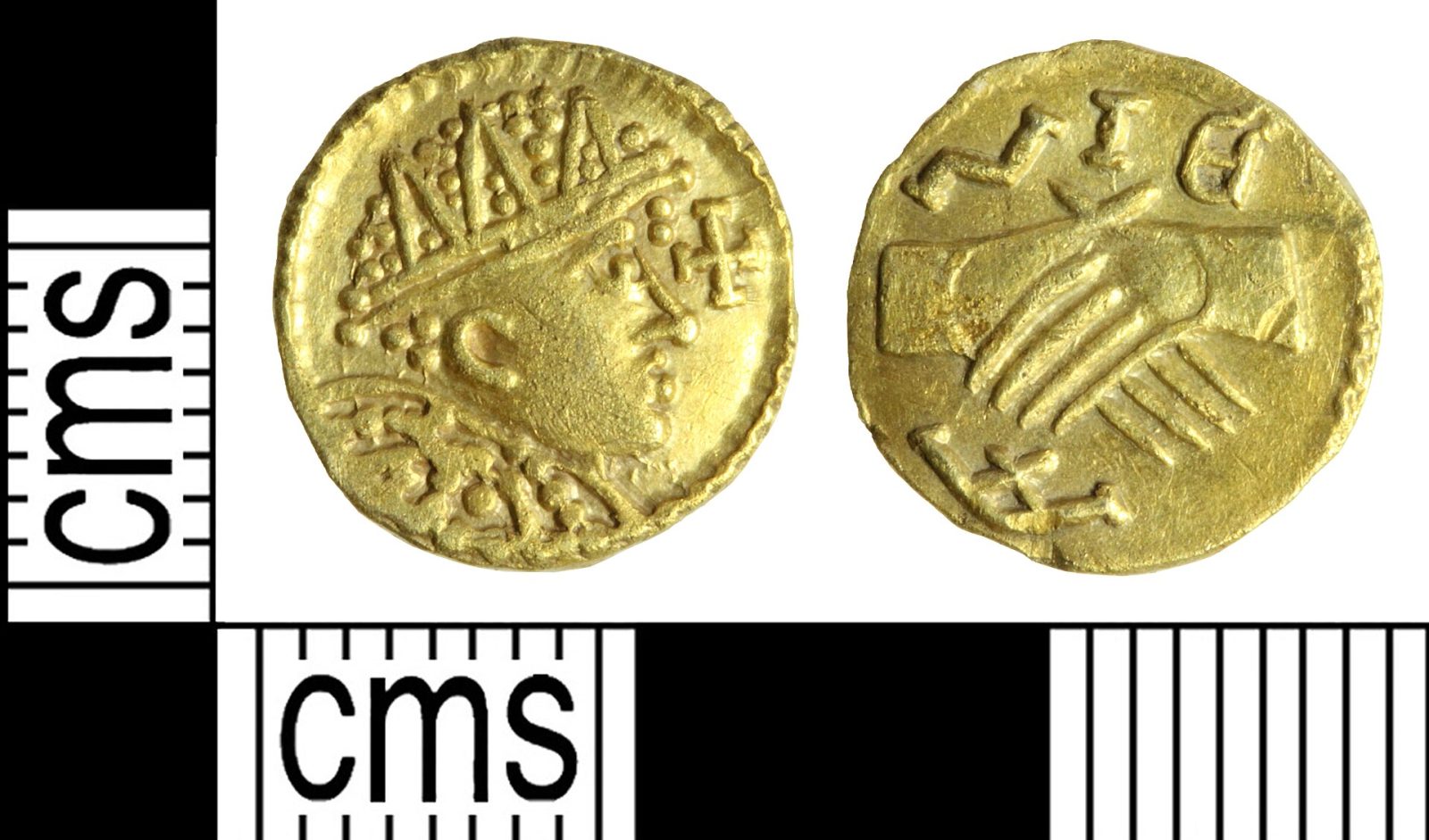
On 26 November 2023 a gold shilling of Eadbald, King of Kent from 616 to 640, was found near Woodnesborough, close to where St Augustine's mission landed in 597. It belongs to the first English coins to bear a king's name, and only a handful are known.
On 26 November 2023, a metal detectorist found a tiny gold coin near Woodnesborough, inland from Sandwich in east Kent. The magazine Detecting Finds reported that one of its readers had found an Eadbald gold shilling in Kent that Sunday, and the coin was later recorded with the Fitzwilliam Museum's Early Medieval Corpus.
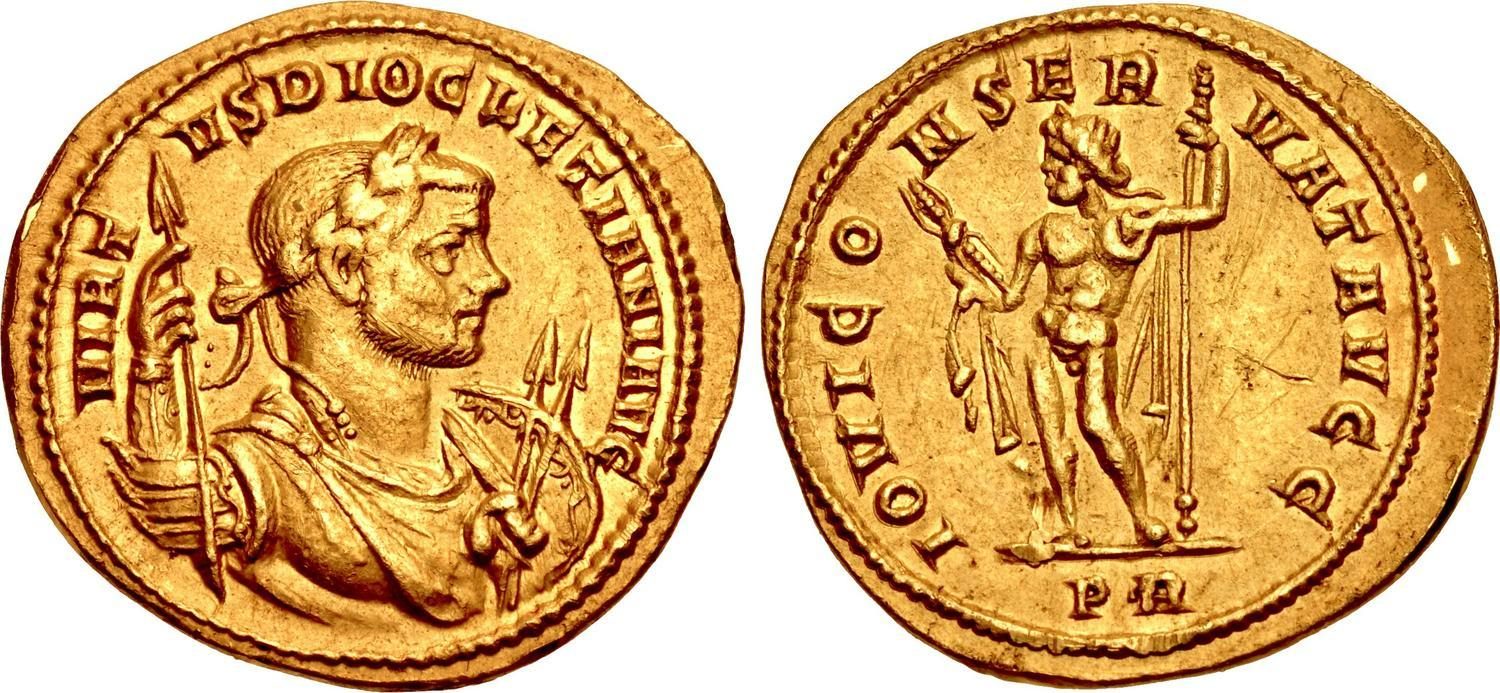
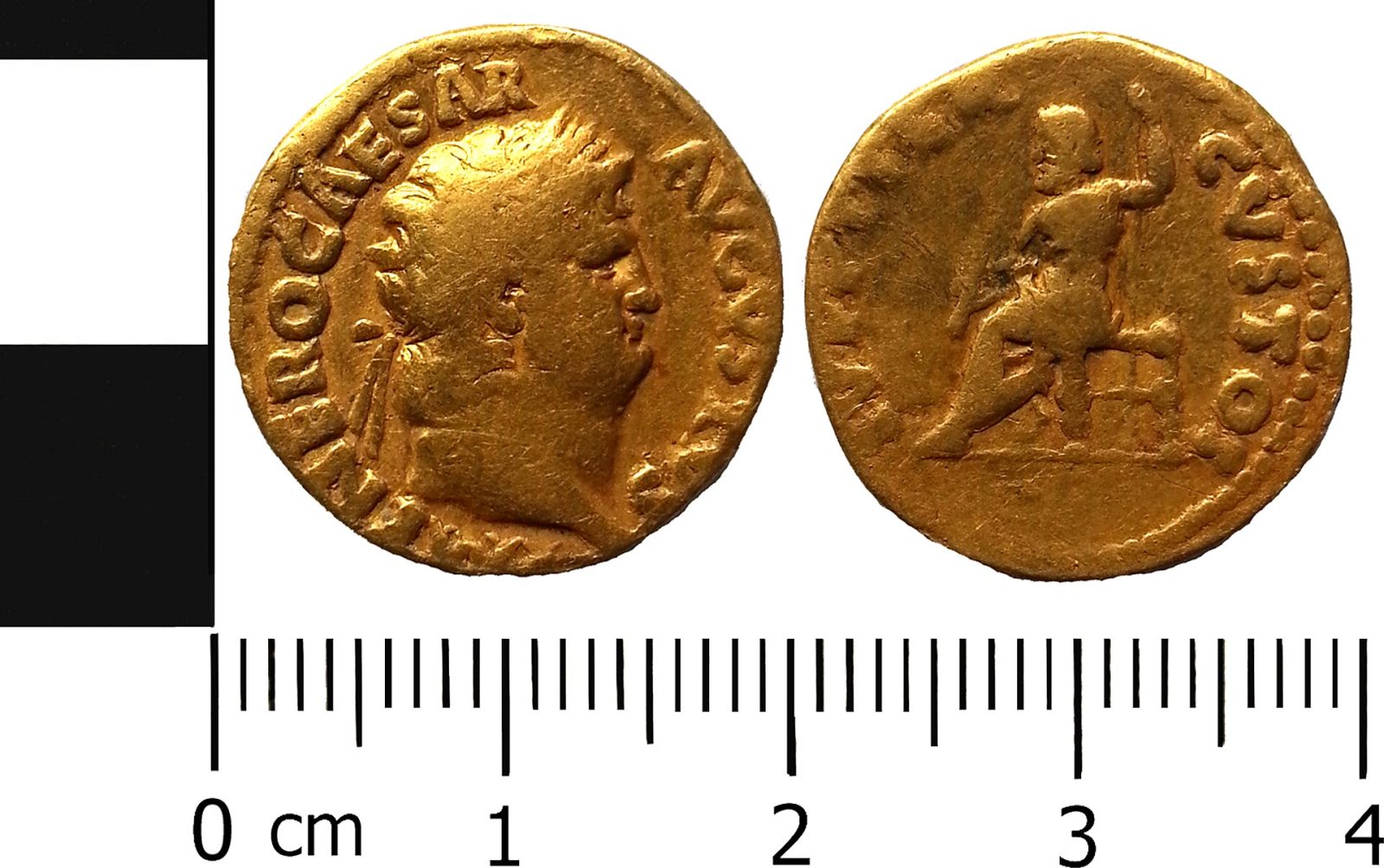
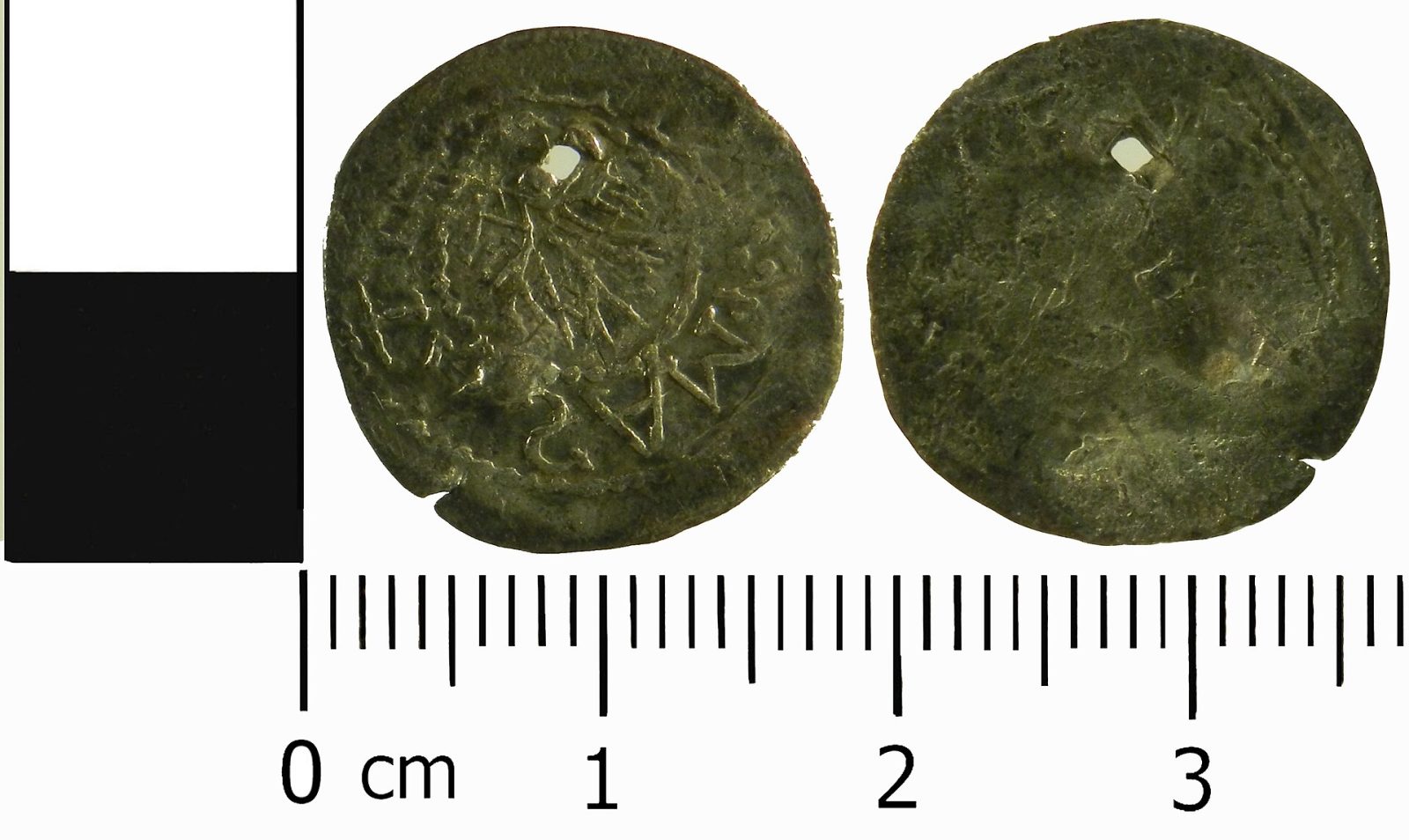
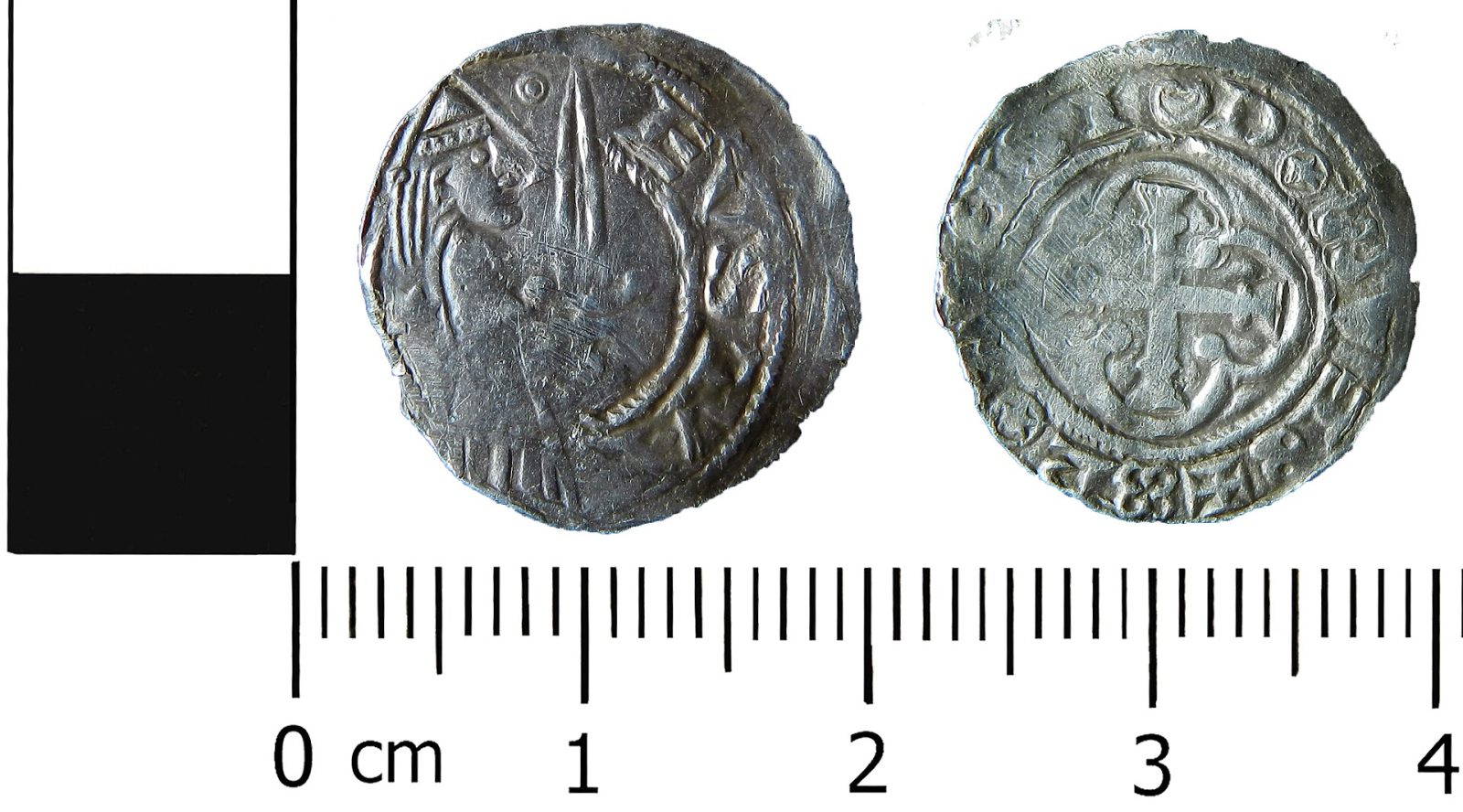
It is a gold shilling, or thrymsa, of Eadbald, King of Kent from 616 to 640, struck around 620 to 635, probably at London. It weighs 1.29 grams and is only about 11 millimetres across, and it is about 78 per cent gold. On the front is a bust with a diadem and a cross on a globe, with a legend naming the king; on the back is a cross on a globe and the name, it seems, of the moneyer. A large scuff marks the king's cheek. Coins of this type were only recognised as naming Eadbald in 1998, and they are among the first English coins to carry the name of a king. Only a handful are known, most of them in museums.
Eadbald's story is a dramatic one. His father, King Æthelberht, had welcomed St Augustine's mission from Rome, which landed in this corner of Kent in 597, and became the first English king to accept Christianity. When Æthelberht died in 616, Eadbald, according to the historian Bede, rejected the new faith and married his father's widow, his own stepmother. The missionaries thought of leaving England altogether. Eadbald was later converted, and Kent became Christian for good. A gold coin of his, bearing a cross on both sides, found near the landing place of the mission, is a vivid link with those events.
As a single gold coin, it was not Treasure. It was sold by Spink in London on 26 September 2024 for £10,000, and its buyer has not been named.
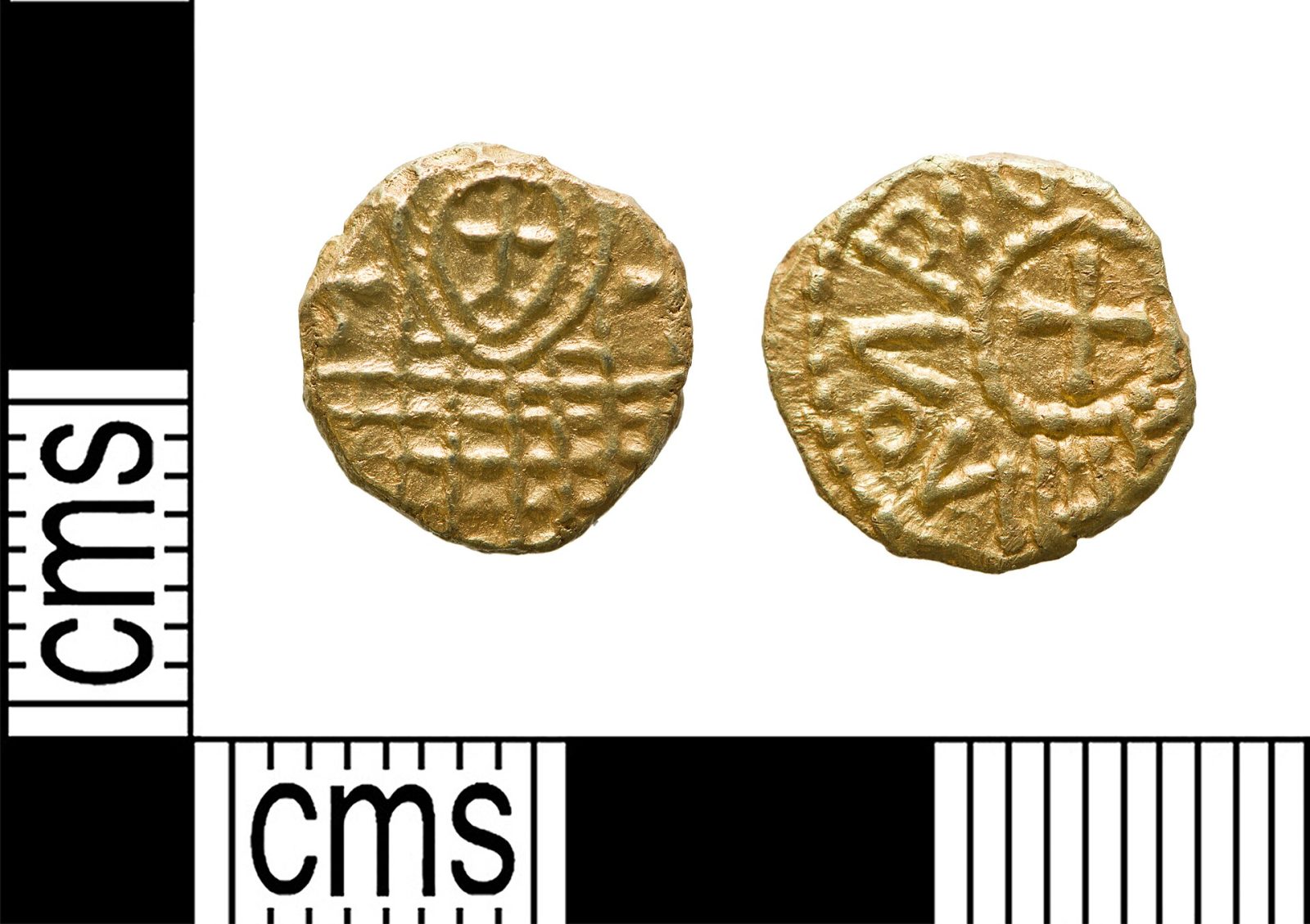
Written for Global Finds from Spink (2024), Detecting Finds (2023) and Bede's Ecclesiastical History. Photo: a Kentish gold shilling of a slightly later type, not an Eadbald coin, Richard Henry, Salisbury and South Wiltshire Museum, Portable Antiquities Scheme, Wikimedia Commons, CC BY 2.0.
Linked finds
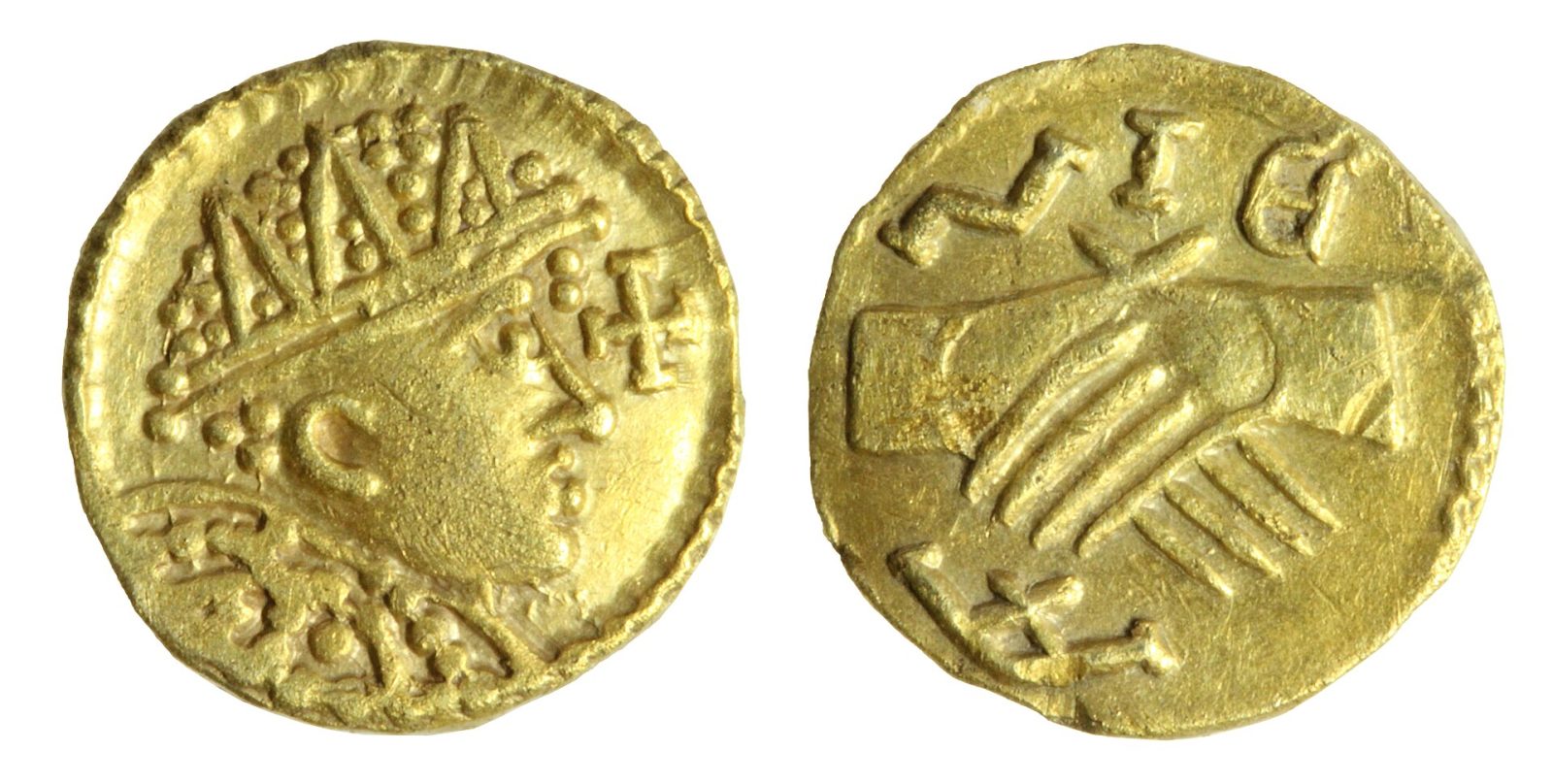
Source: Spink (2024)