The Sudbury Quarter Noble: two gold coins 1,400 years apart, an hour apart, at a charity dig
Famous find Struck 1351 to 1361 · Found in 2023 See it on the timeline →
In summer 2023 Jasper Hyde, detecting for only nine months, found an Iron Age gold stater at a charity dig in a pasture at Sudbury, Derbyshire, and an hour later a gold quarter noble of Edward III, struck in the 1350s. He hoped to see them shown in a local museum.
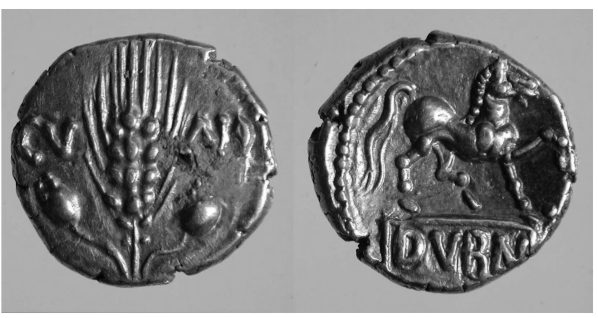
At the end of July or the beginning of August 2023, Jasper Hyde, from Stone in Staffordshire, who had been detecting for only about nine months, joined a Down To Earth charity dig on a 47-acre pasture at Sudbury, Derbyshire. The digs, organised by Matt Probart, charge players a fee that goes to charities chosen by the landowner, and they had raised more than £6,000. "The first couple of hours were not good," Hyde said. Then, about 30 metres from where the cars were parked, he found an Iron Age gold stater, struck around 65 BC. An hour later, about 400 metres away, his detector found a second gold coin.
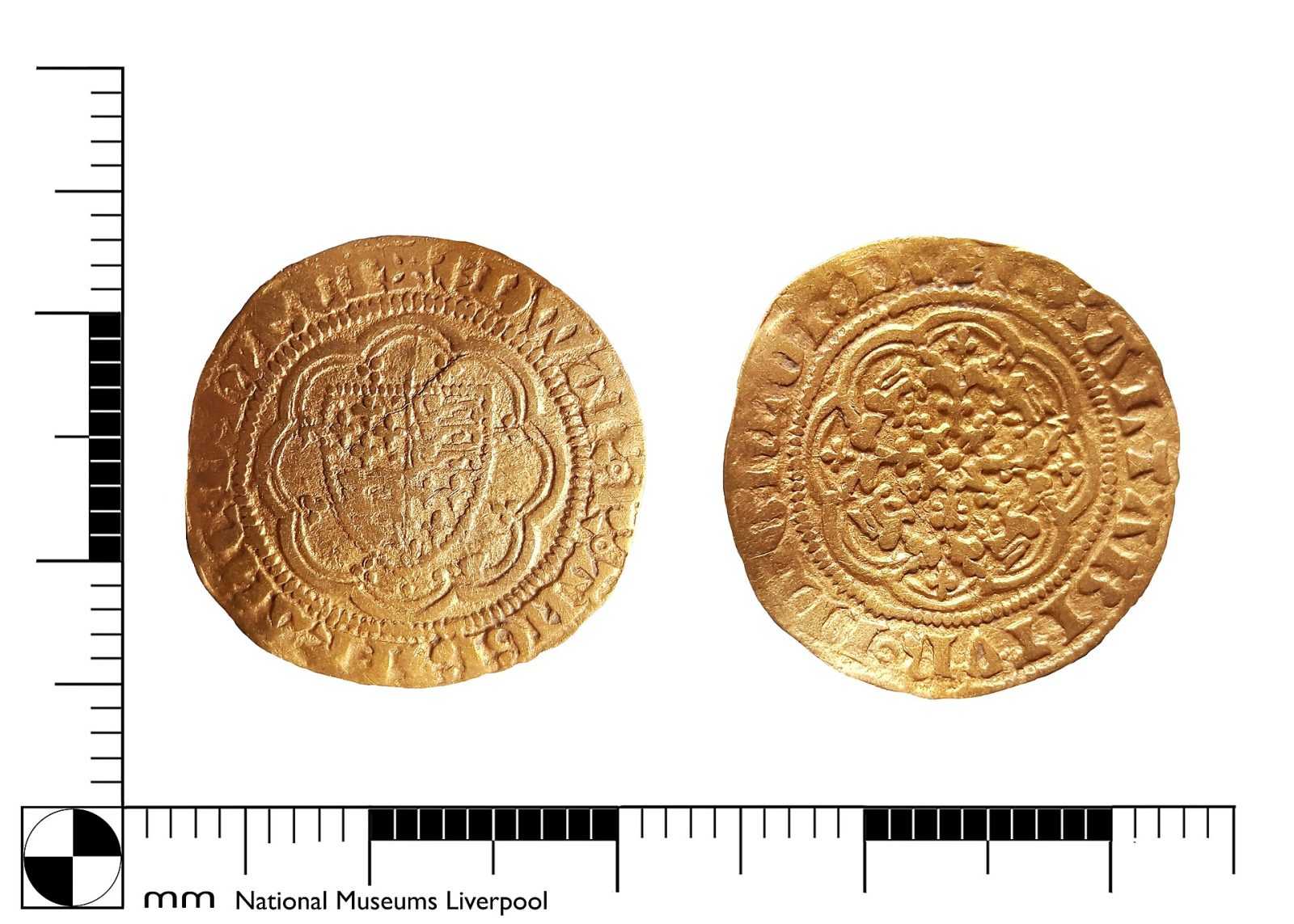
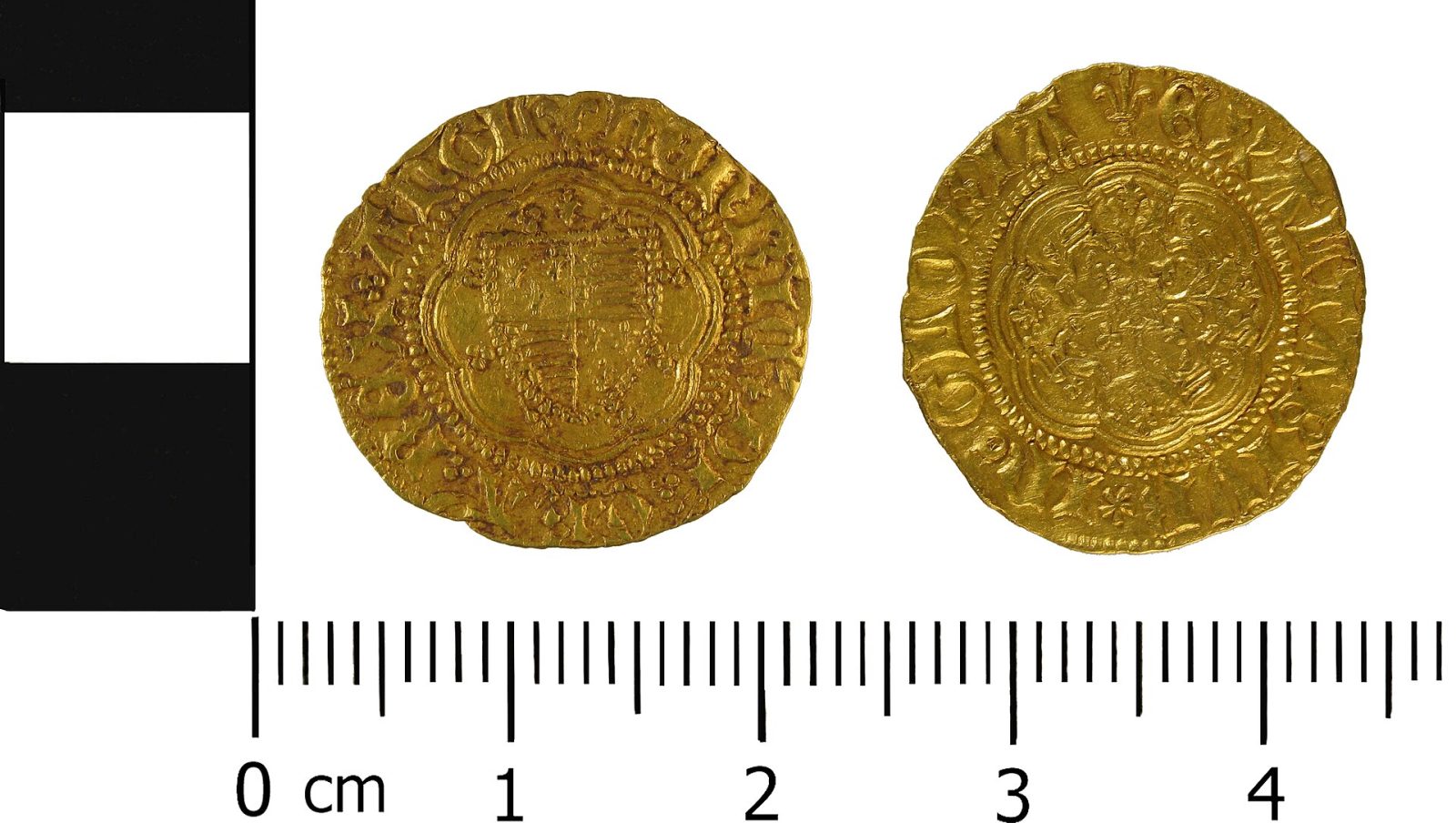
It was a quarter noble of King Edward III, struck between 1351 and 1361. Quarter nobles were the smallest of Edward's gold coins, worth one shilling and eightpence. On one side is the royal shield with the arms of England and France, the two kingdoms Edward claimed, and on the other a decorated cross with the Biblical motto EXALTABITUR IN GLORIA, "he shall be exalted in glory". Edward introduced England's first successful gold coinage in the 1340s, in the early years of the Hundred Years' War with France. Roger White of the University of Birmingham said its colour showed the high purity of English gold, and that it was relatively unworn, so it had not been in circulation for long. He thought it highly unlikely that the two coins had been buried together.
Hyde reported both coins to the Finds Liaison Officer and was told they were not Treasure, as single coins. "It's not about commercial gain at all," he said; he hoped to have them displayed at Redfern's Cottage, the museum of Uttoxeter life. Of the charity digs, he said: "It's hard to overexaggerate the joy on people's faces." The same field has produced Bronze Age axes, a Roman coin and musket balls.
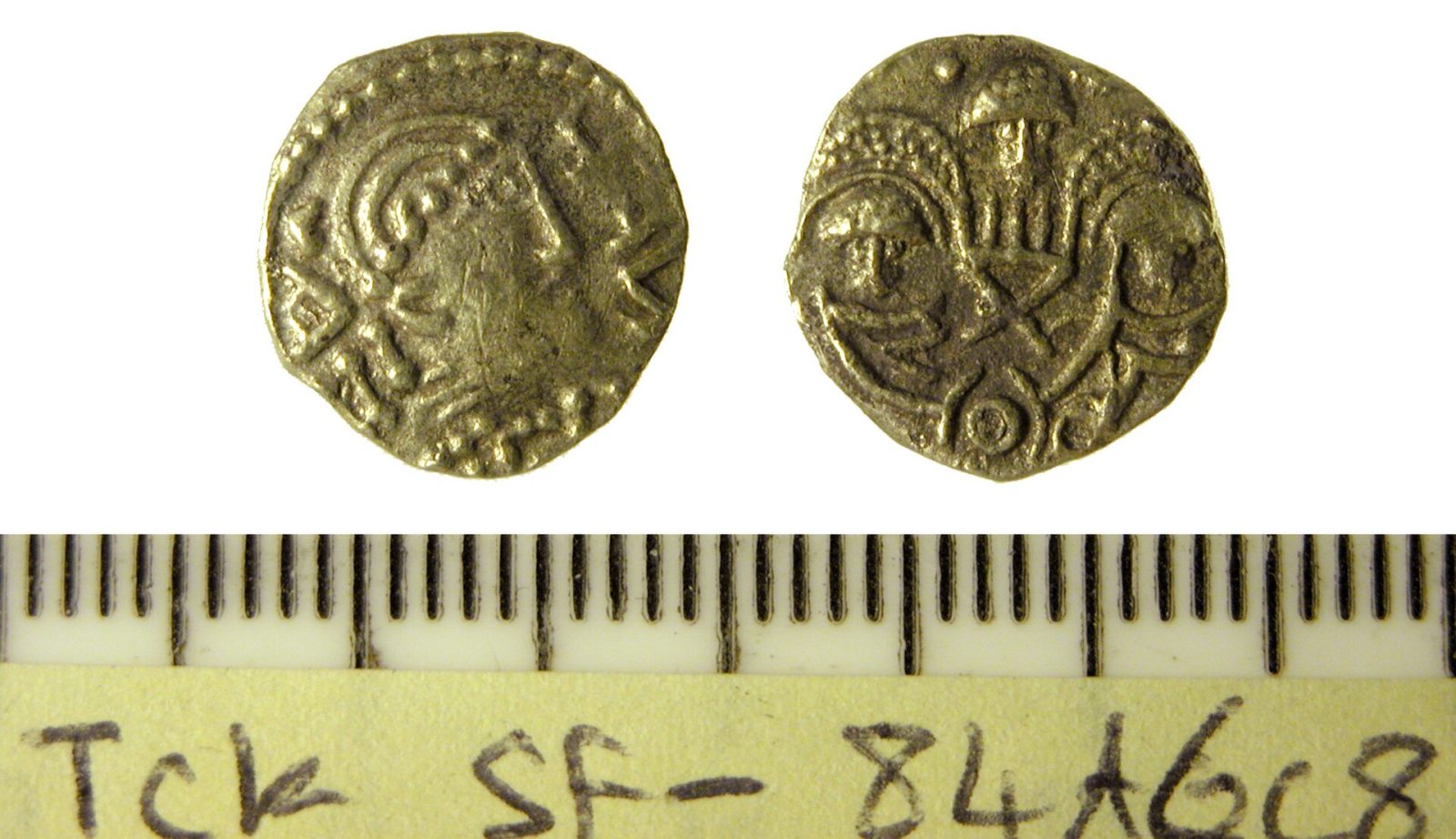
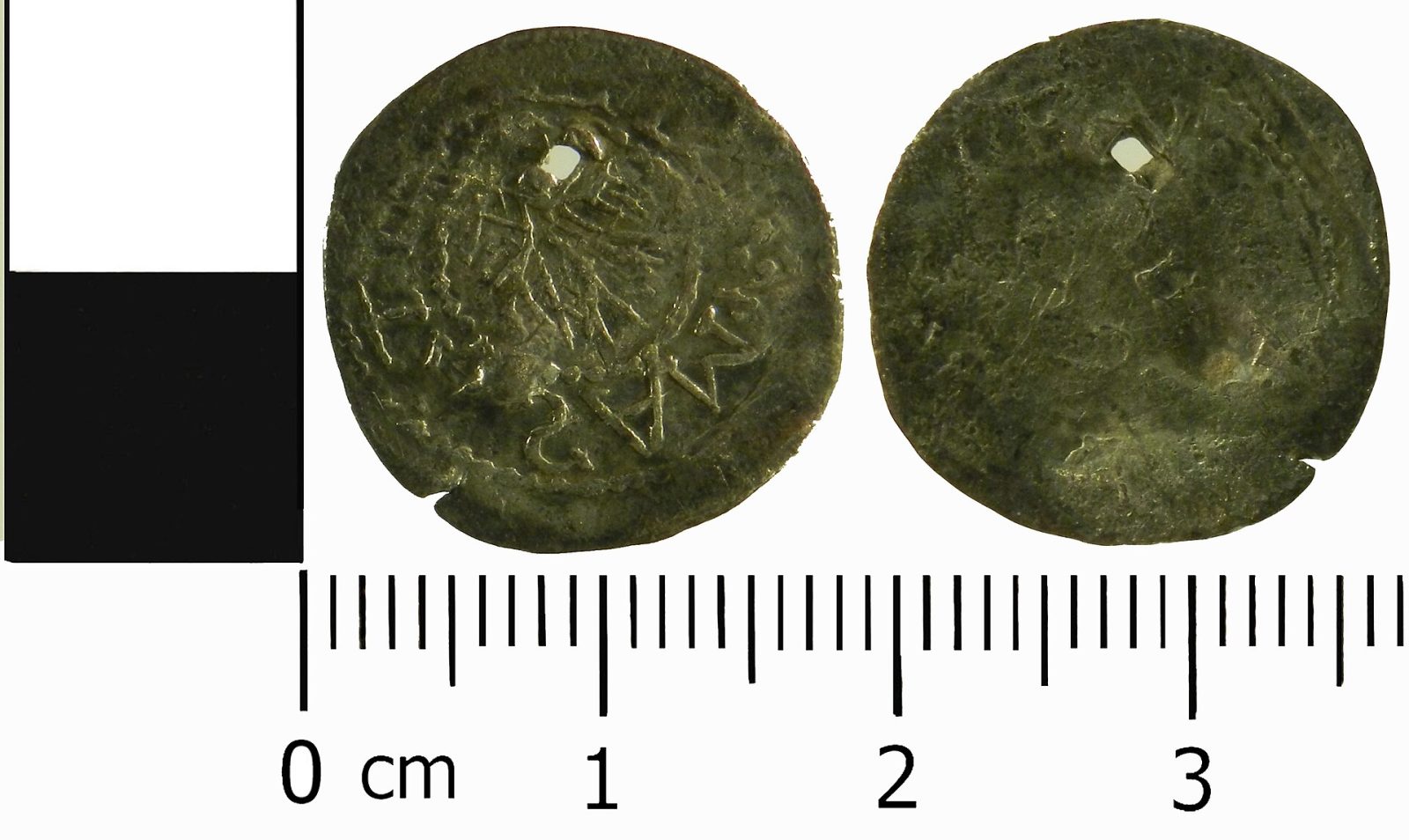
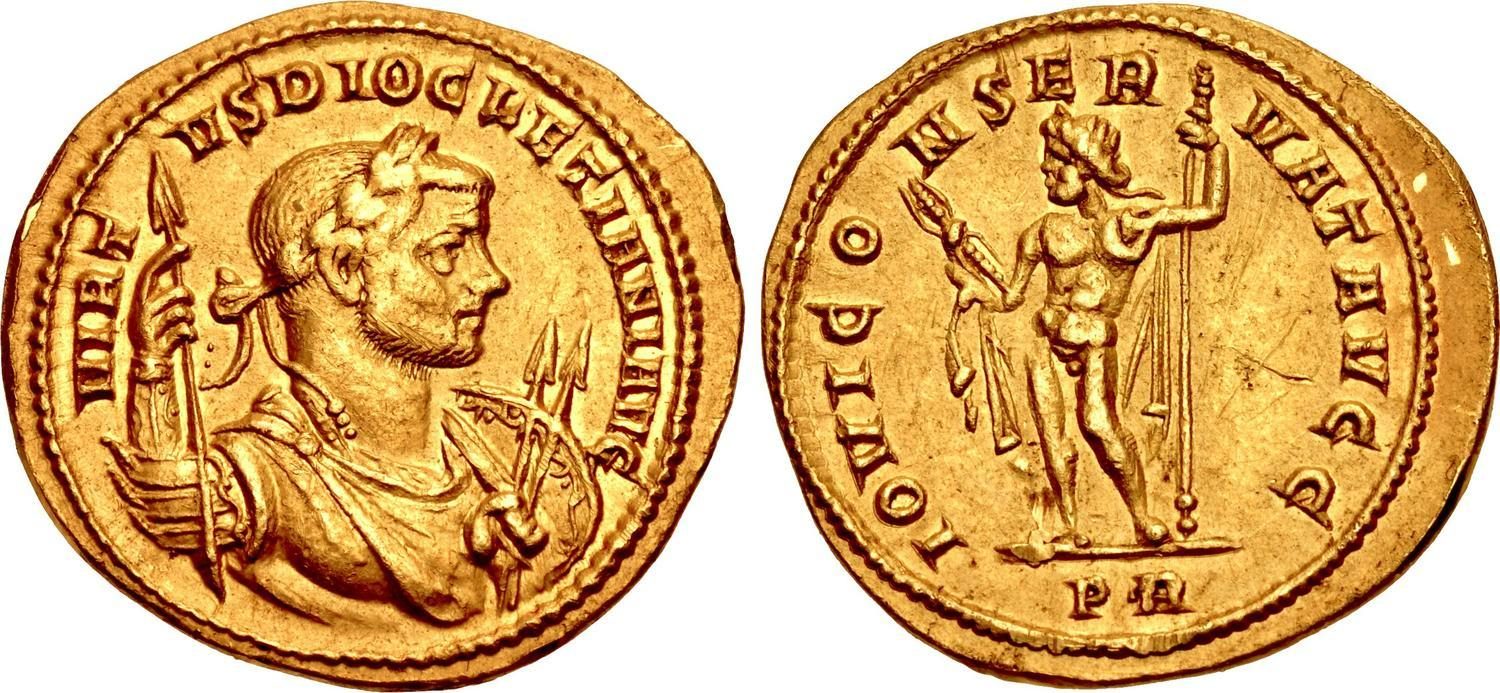
Written for Global Finds from BBC News (2023) and Newsweek (2023). Photo: another gold quarter noble of Edward III of the same period, not the Sudbury coin, Heather Beeton, National Museums Liverpool, Portable Antiquities Scheme, Wikimedia Commons, CC BY-SA 4.0.
Linked finds
Source: BBC News (2023)