The Clipstone Threepence: one of America's first coins, found in a Sherwood Forest potato field
Famous find Dated 1652, struck about 1660 to 1667 · Found in 2014 See it on the timeline →
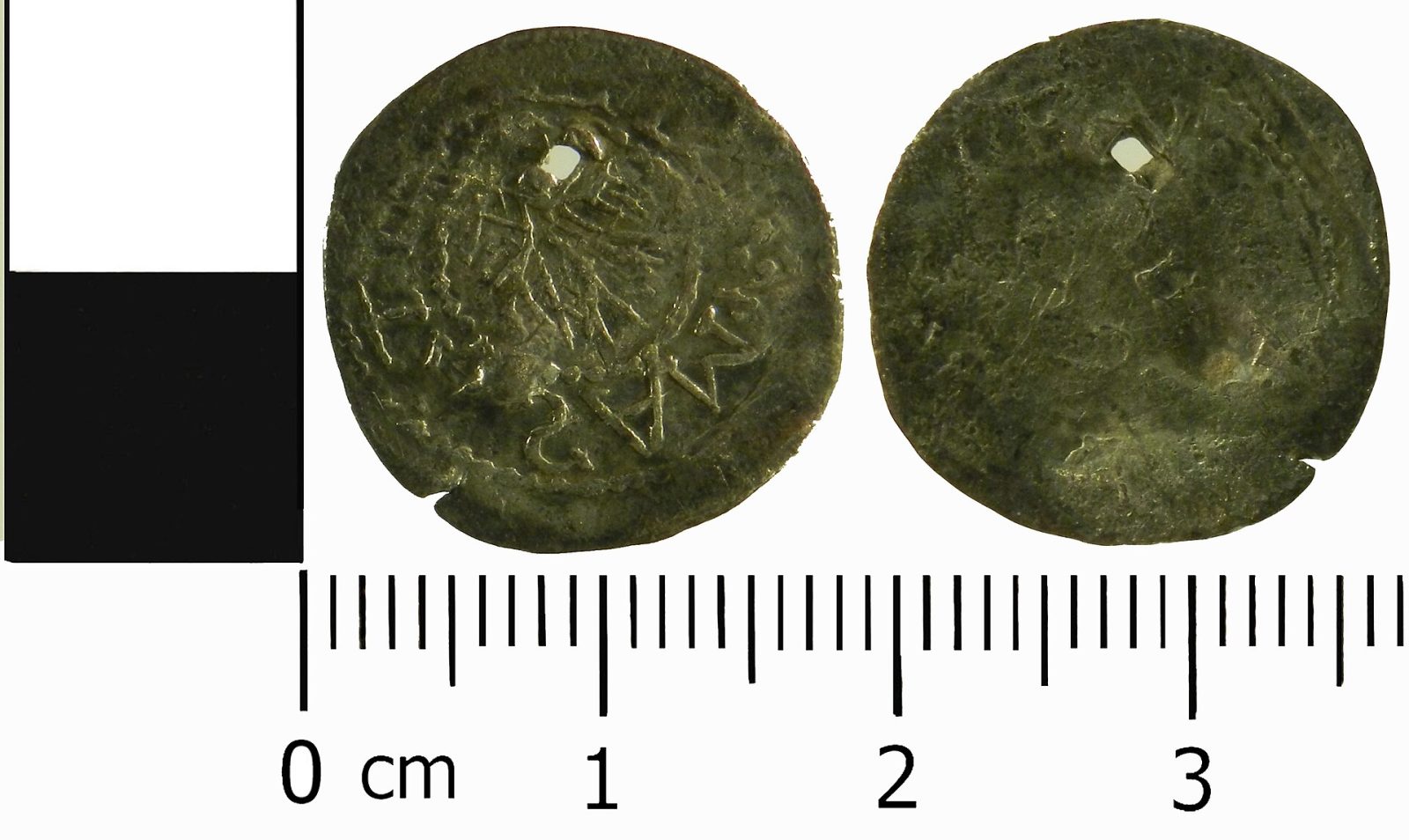
On 31 August 2014 John Stoner, on a club dig in a potato field at King's Clipstone in Nottinghamshire, found a thin silver coin he knew was not English. It was a Massachusetts Oak Tree threepence dated 1652, one of the first coins made in what became the United States.
On Sunday 31 August 2014, John Stoner, a 42-year-old father of two from the Worksop area, was searching with his detecting club, Coil to the Soil, on Roy Bowring's ploughed potato field at King's Clipstone, in the heart of Sherwood Forest in Nottinghamshire. His second signal of the day led to a thin hammered silver coin in a clod of soil about five inches down. "I knew it wasn't English," he said, and he briefly mislaid it in his excitement. When a coin expert, Peter Spencer, confirmed what it was the next day, he went, he said, as white as a ghost.
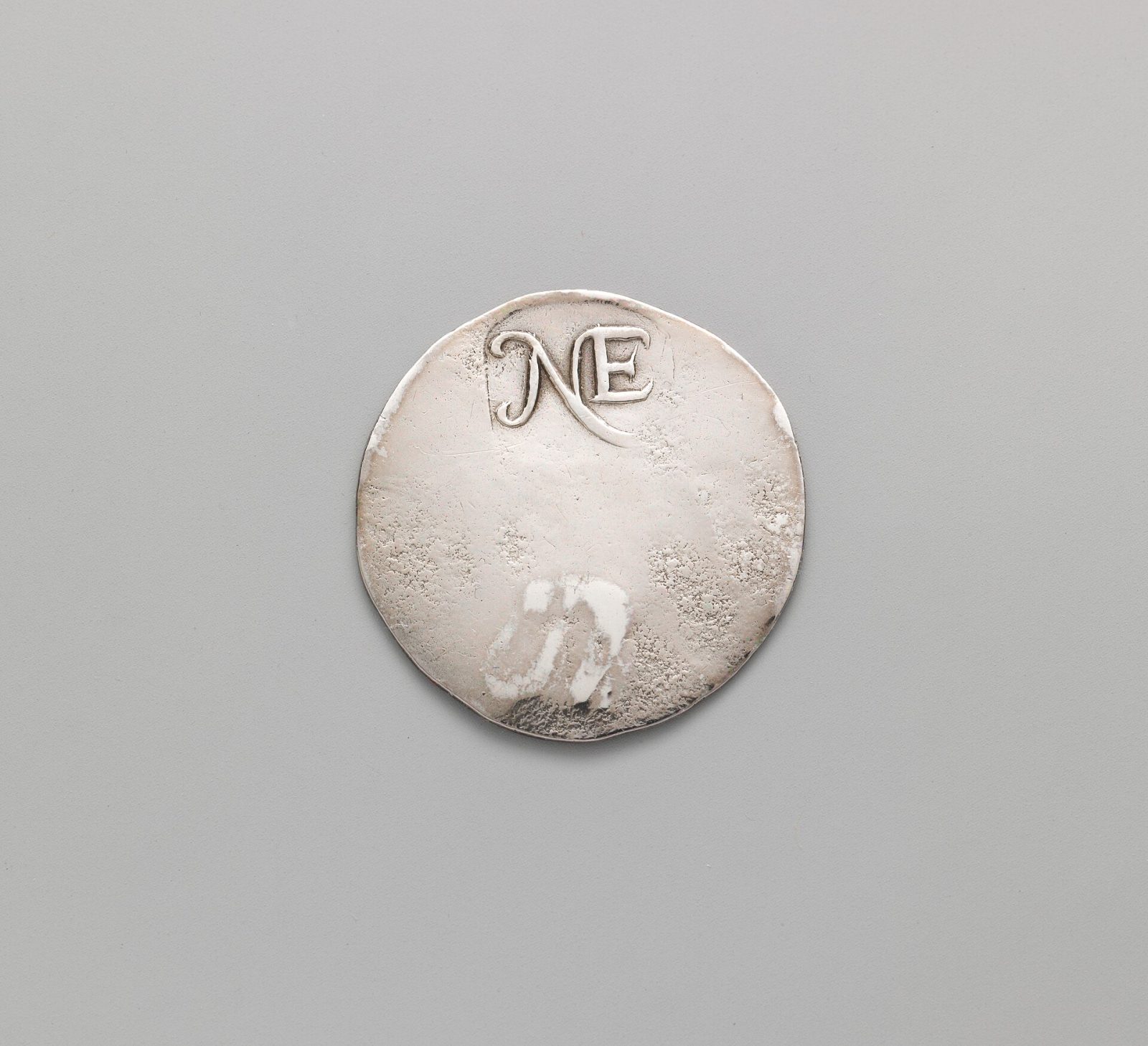
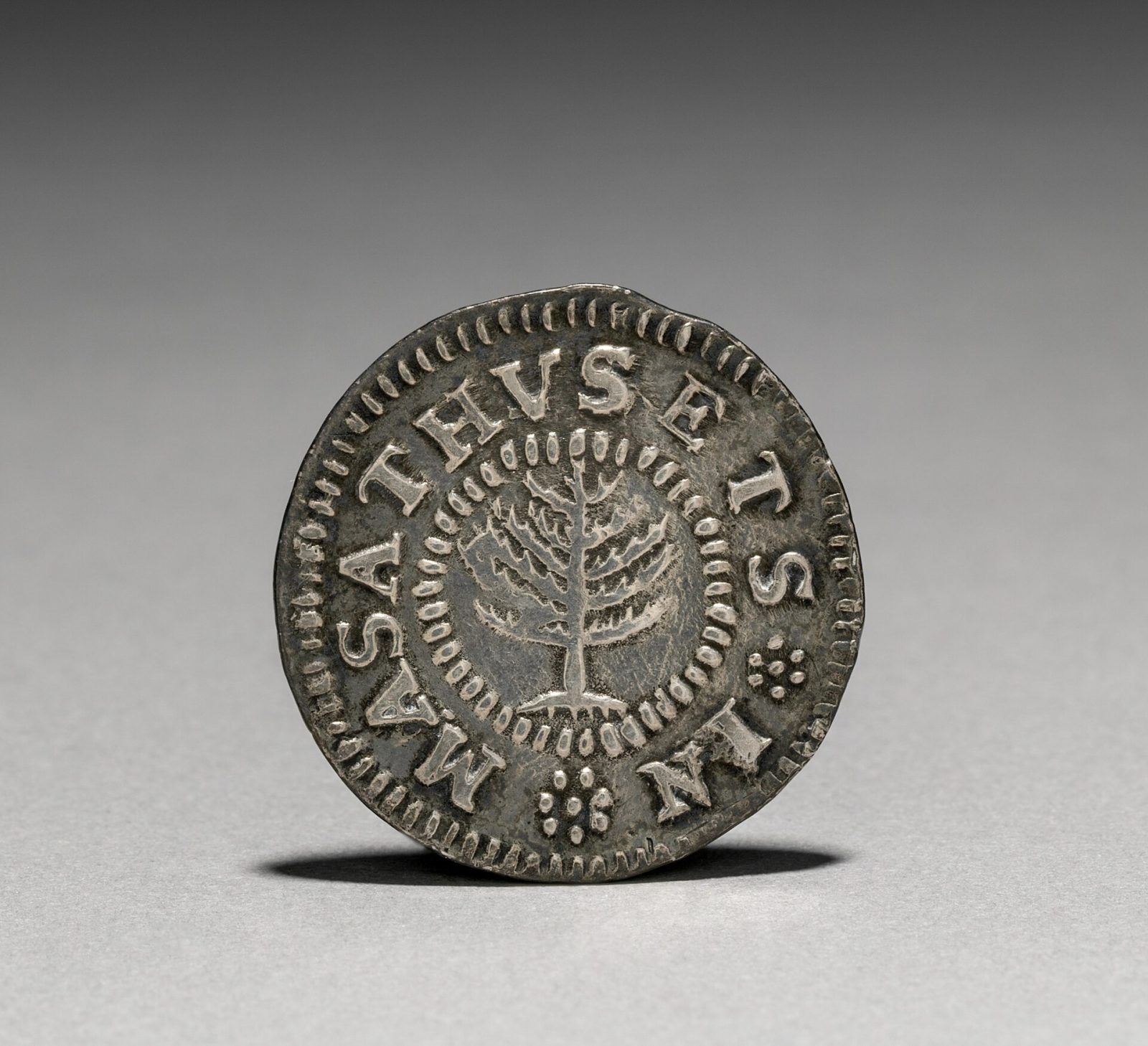
It was a silver threepence of the Massachusetts Bay Colony, from the mint set up in Boston by the silversmiths John Hull and Robert Sanderson. On one side is an oak tree with the name of the colony, MASATHVSETS IN, and on the other NEW ENGLAND ANO 1652 around the value, III. All Massachusetts silver coins carried the date 1652, though Oak Tree coins were actually struck in the 1660s; keeping the old date was a way of avoiding trouble with the Crown, which alone had the right to make coins. These coins, with the earlier NE and Willow Tree types, were the first struck in what would become the United States.
How one reached a Nottinghamshire field is unknown. The auctioneers suggested that it might have been brought back by someone involved in the hunt for the regicides, the men who had signed the death warrant of Charles I, some of whom fled to New England after 1660, but that is speculation.
The coin was not Treasure, and under the club's rules any value would be shared equally with the landowner. The press reported wildly different valuations, from tens of thousands of pounds to more than a million dollars, while an American specialist suggested $8,000 to $10,000. After being graded in the United States, it was offered by St James's Auctions in London in December 2014. Its sale price and present owner have not been published.
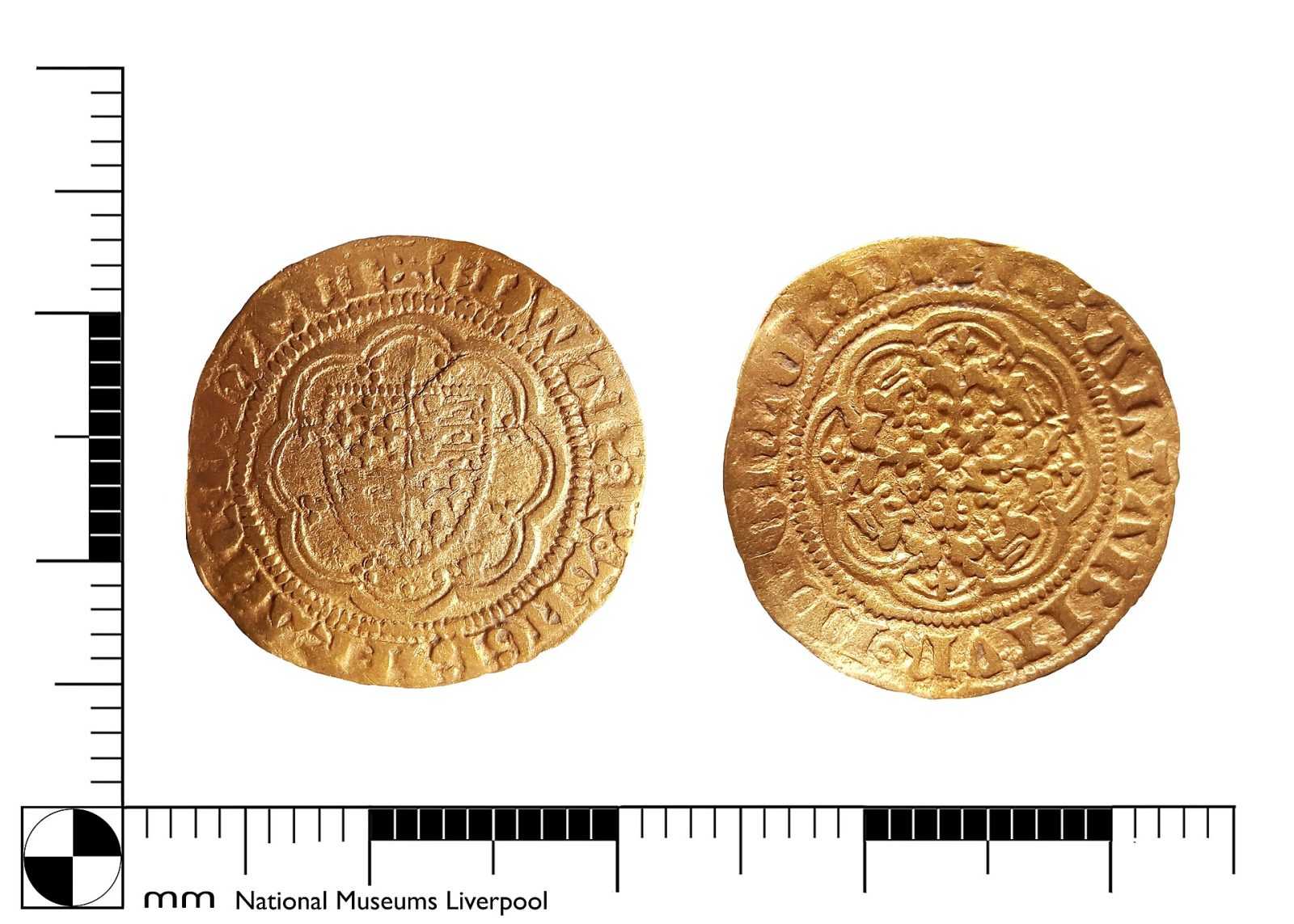
Written for Global Finds from Coin World (2014), Farmers Weekly (2014), The E-Sylum (2014) and St James's Auctions (2014). Photo: another Massachusetts Oak Tree threepence found in England, not the Clipstone coin, Vanessa Oakden, National Museums Liverpool, Portable Antiquities Scheme, Wikimedia Commons, CC BY-SA 2.0.
Linked finds
Source: Coin World (2014)