The Wallingford Penny: a father and two sons found a coin of the young Henry II, struck while he fought for the crown
Famous find Struck about 1139 to 1148, during the Anarchy · Found in 2020 See it on the timeline →
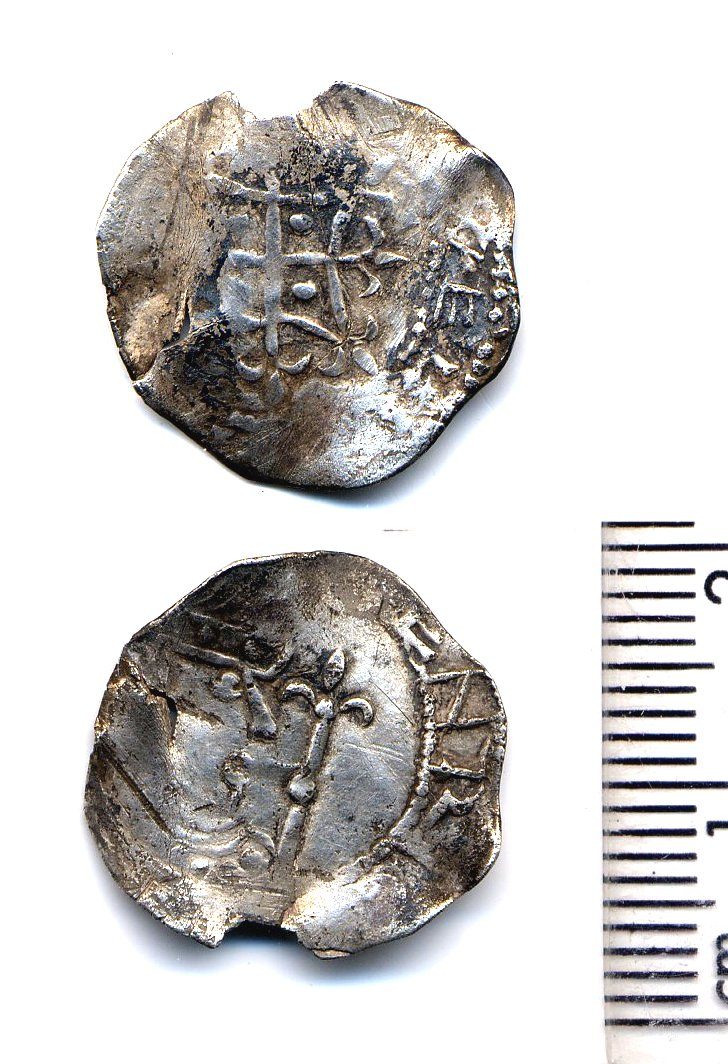
In September 2020 John Denham, detecting with his sons Simon and Steven near Wallingford in Oxfordshire, found a penny of Henry of Anjou, the future Henry II, struck during the Anarchy. It was the only complete coin of its type with a readable mint and moneyer.
In September 2020, John Denham, a landscaper from South Oxfordshire, was detecting with his sons Simon and Steven in a recently ploughed and planted field at Wallingford, a favourite site of theirs. After about five hours, four inches down, they found a small silver penny. It was the first find the family had ever decided to sell; earlier discoveries had included a Saxon brooch that went to a museum in Oxford.
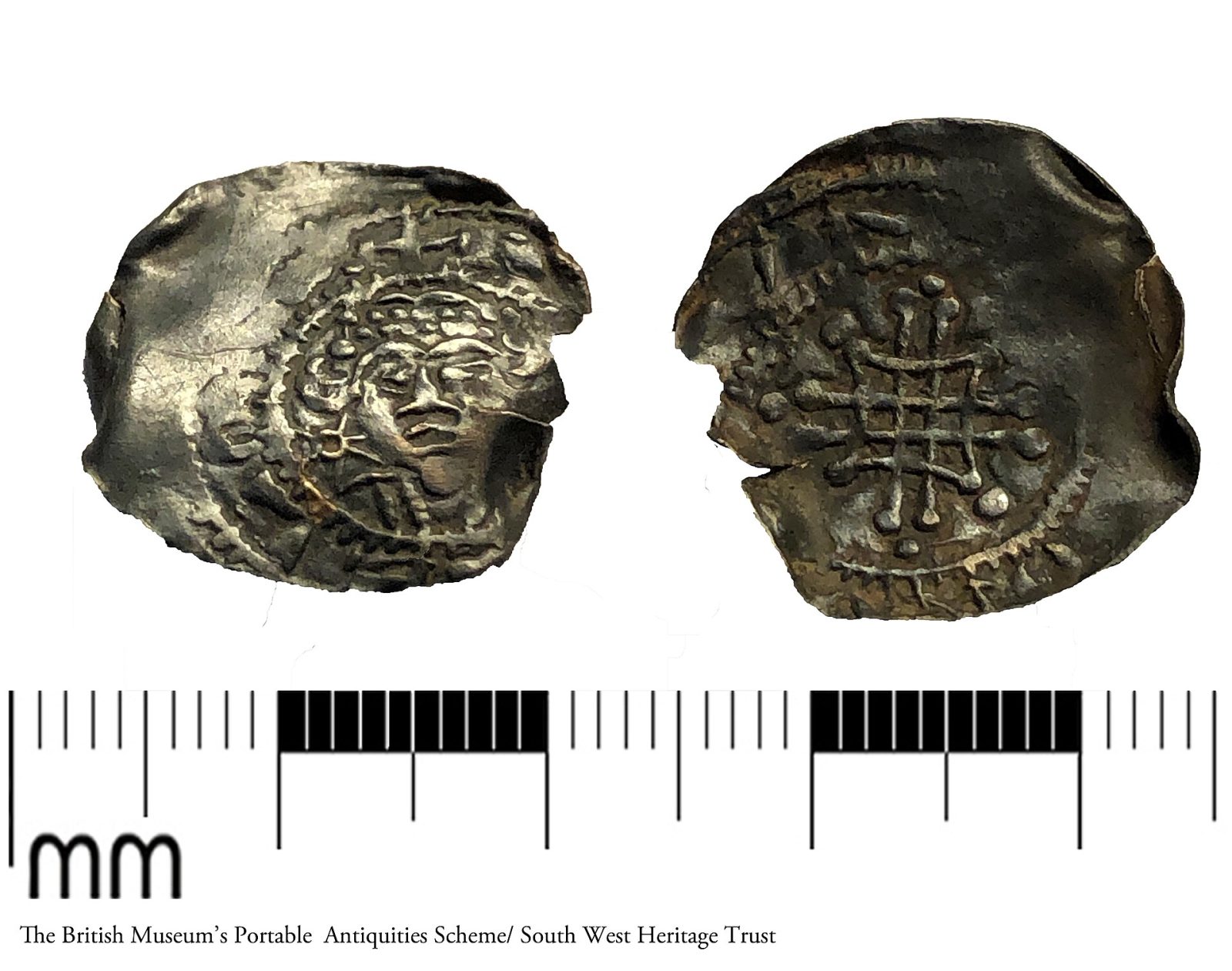
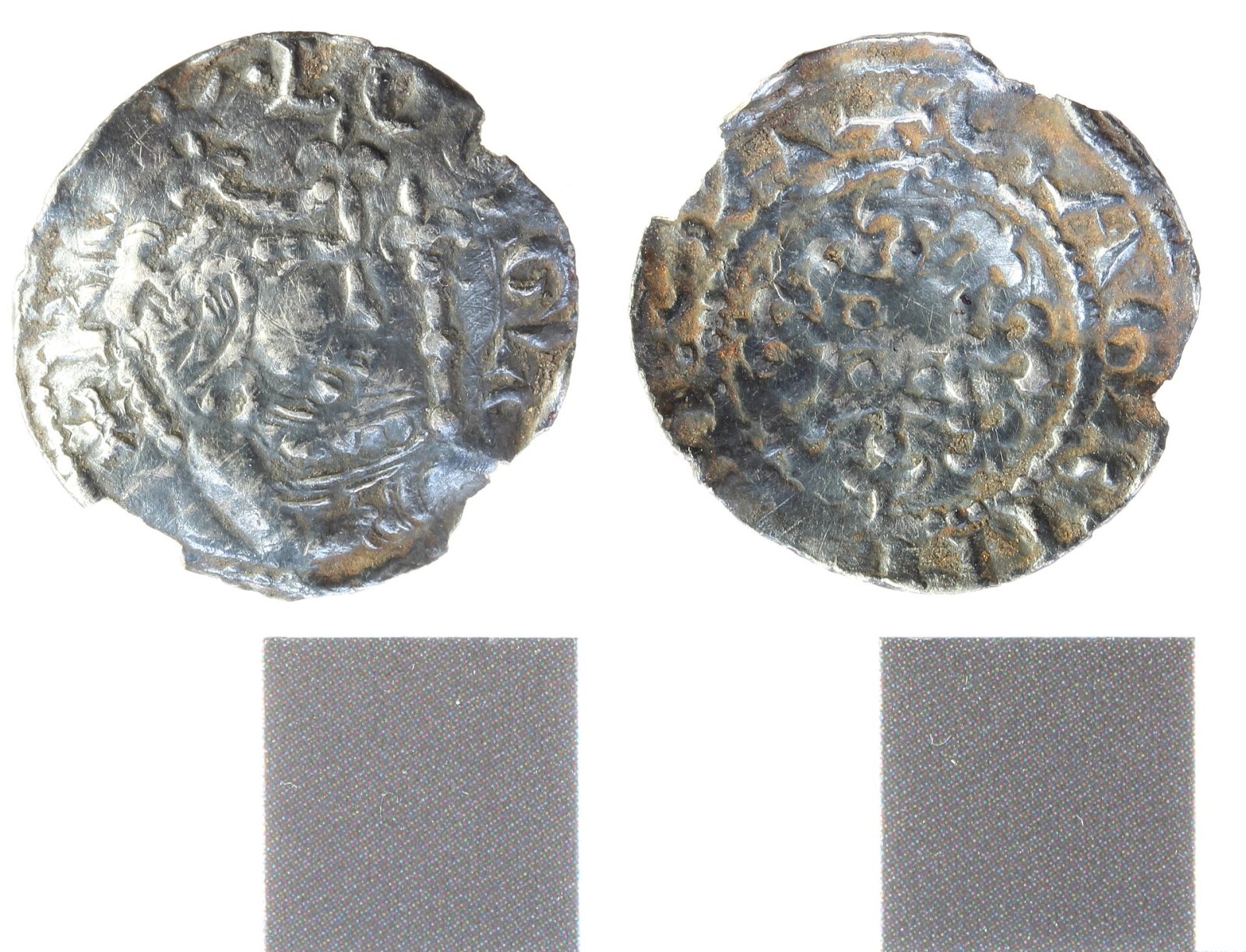
The coin is a penny of Henry of Anjou, who later became King Henry II. During the Anarchy, the civil war between King Stephen and Henry's mother, the Empress Matilda, the young Henry led campaigns in England to win the crown for his family, and coins were struck in his name in the parts of the country that supported him. Wallingford, with its great castle, held out for the Empress through the whole war and was besieged by Stephen more than once. This penny is of the type collectors call "Round Cap", and the name on the back shows that it was struck at Wallingford by a moneyer called Robertus, who had not previously been known at that mint.
Adam Staples of Hansons Auctioneers called the coin excessively rare. The national record of early medieval coin finds held at the Fitzwilliam Museum listed nine other coins of the type, most of them broken or cut into halves, and the Wallingford penny was the only complete example on which both the mint and the moneyer could be read. John Denham said that farm machinery damages most coins like this.
The war ended in 1153 with an agreement that Stephen would keep the crown for life and Henry would succeed him, and on 19 December 1154 Henry was crowned Henry II, the first of the Plantagenet kings. The penny was sold by Hansons on 26 October 2020 for £6,000, which the family shared equally with the landowner. "It's not about money," Simon said. The coin is in a private collection.
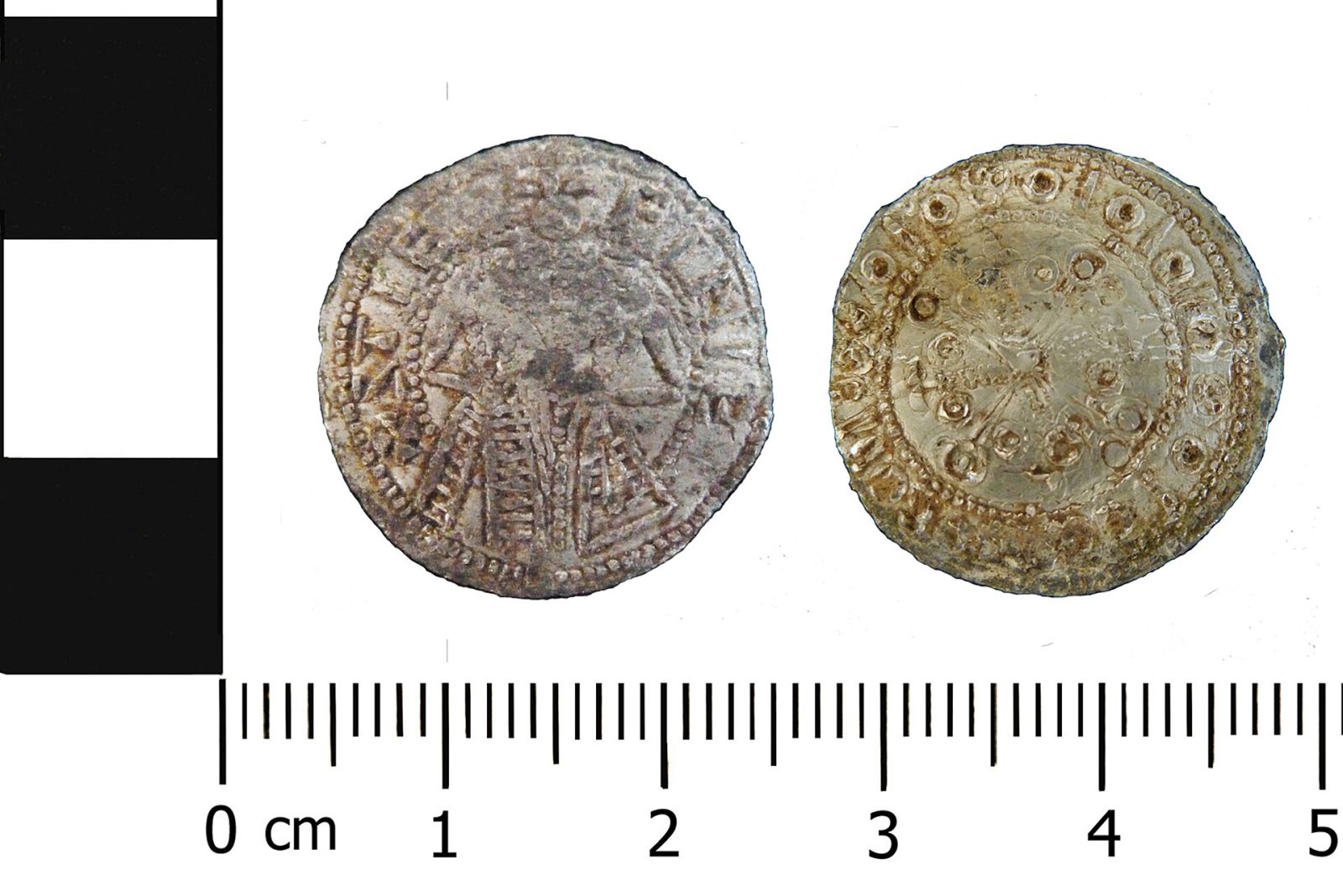
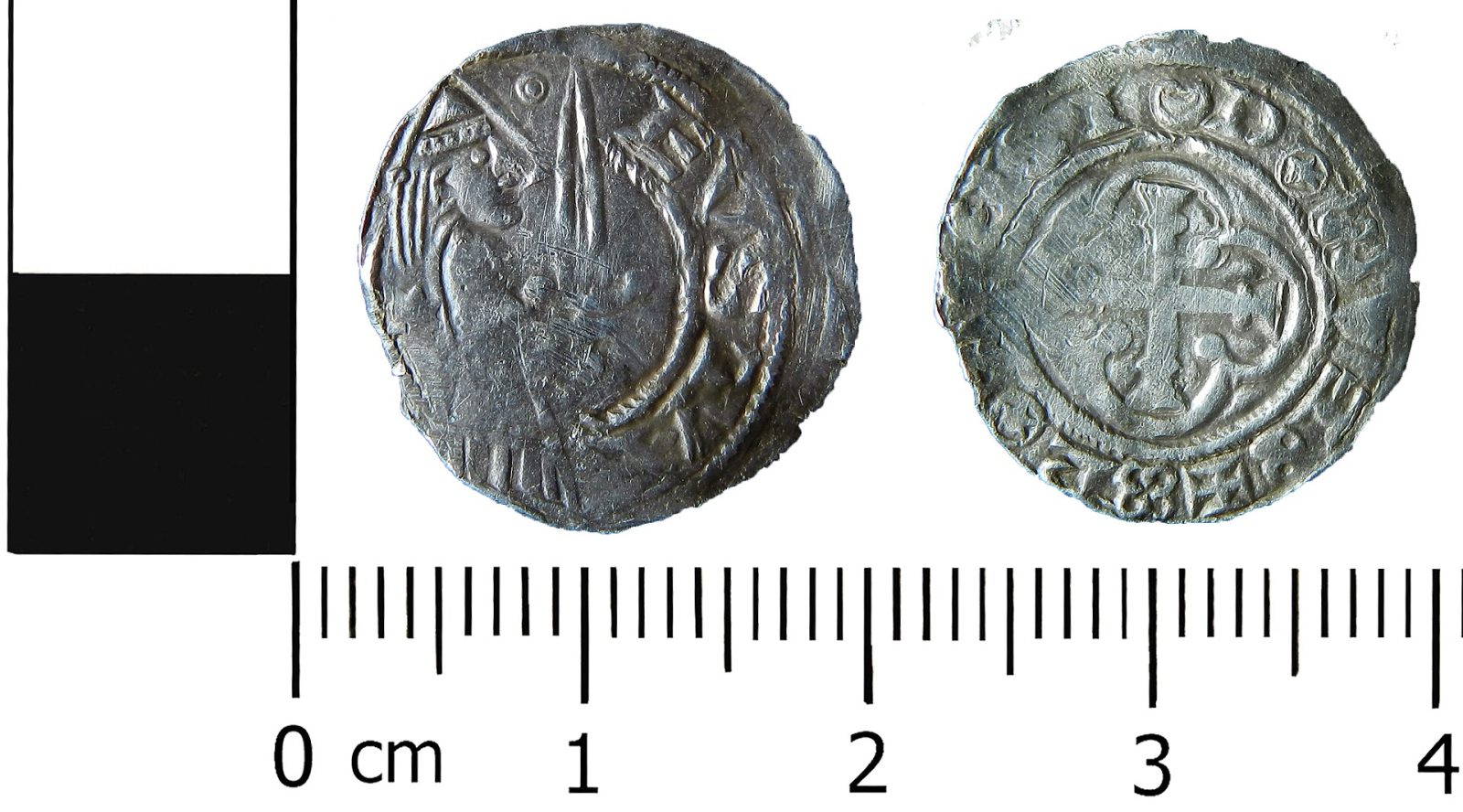
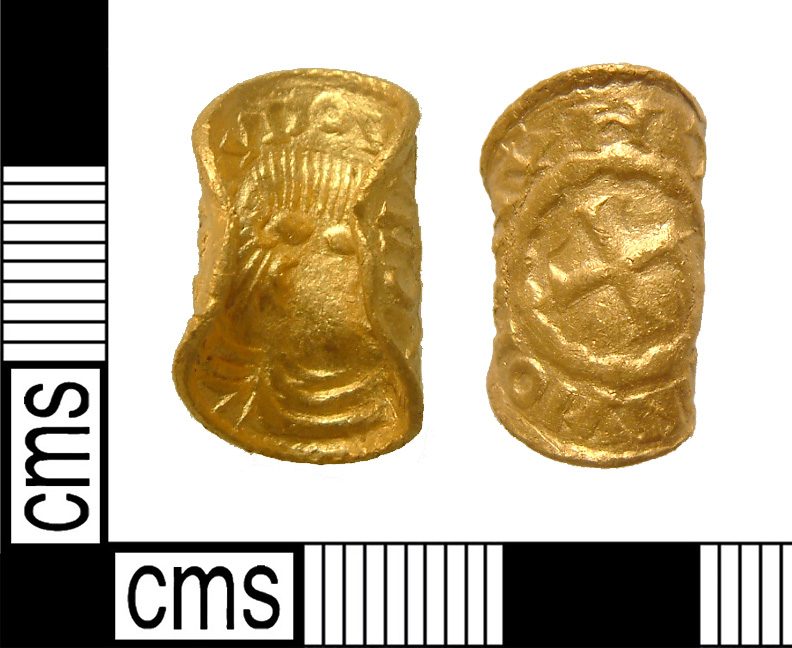
Written for Global Finds from the Press Association (2020), Medievalists.net (2020) and Hansons Auctioneers (2020). Photo: another penny of Henry of Anjou of the same type, not the Wallingford coin, Jennifer Moss, Buckinghamshire County Council, Portable Antiquities Scheme, Wikimedia Commons, CC BY-SA 2.0.