Famous finds

The finds every detectorist knows: hoards turned up by ploughs, builders and fellow detectorists, and the treasures that changed what we know about the past. Oldest first, by when they were made or buried. Each one is on the finds timeline too.

507 famous finds, oldest first · page 10 of 13. Jump to: Prehistoric · Bronze Age · Iron Age · Roman · Early Medieval · Medieval · Post-Medieval · Modern

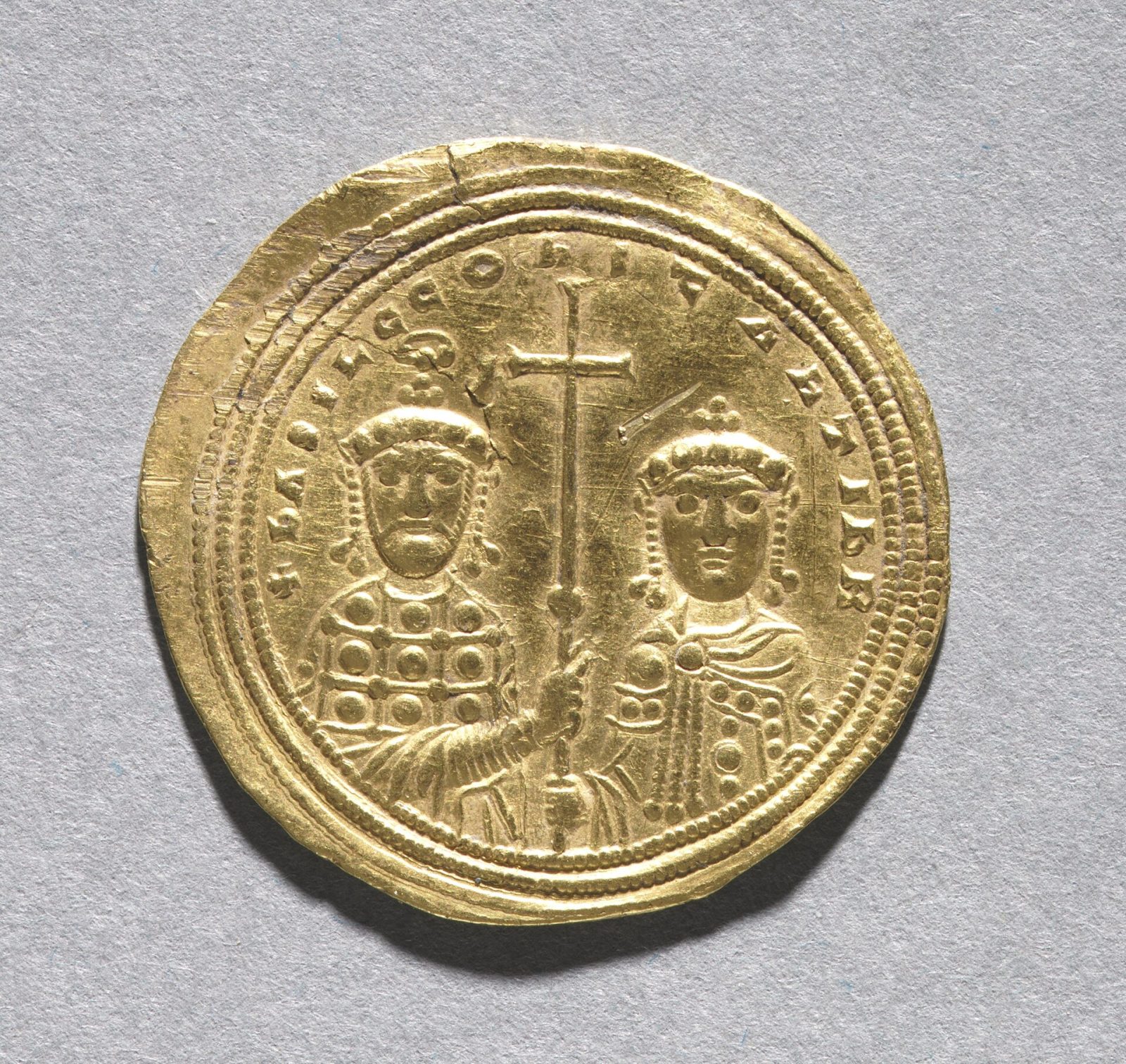
FF 460

Struck in Constantinople about AD 977 to 1025 · found 2023

Vestre Slidre Byzantine coin

Norway · Coins

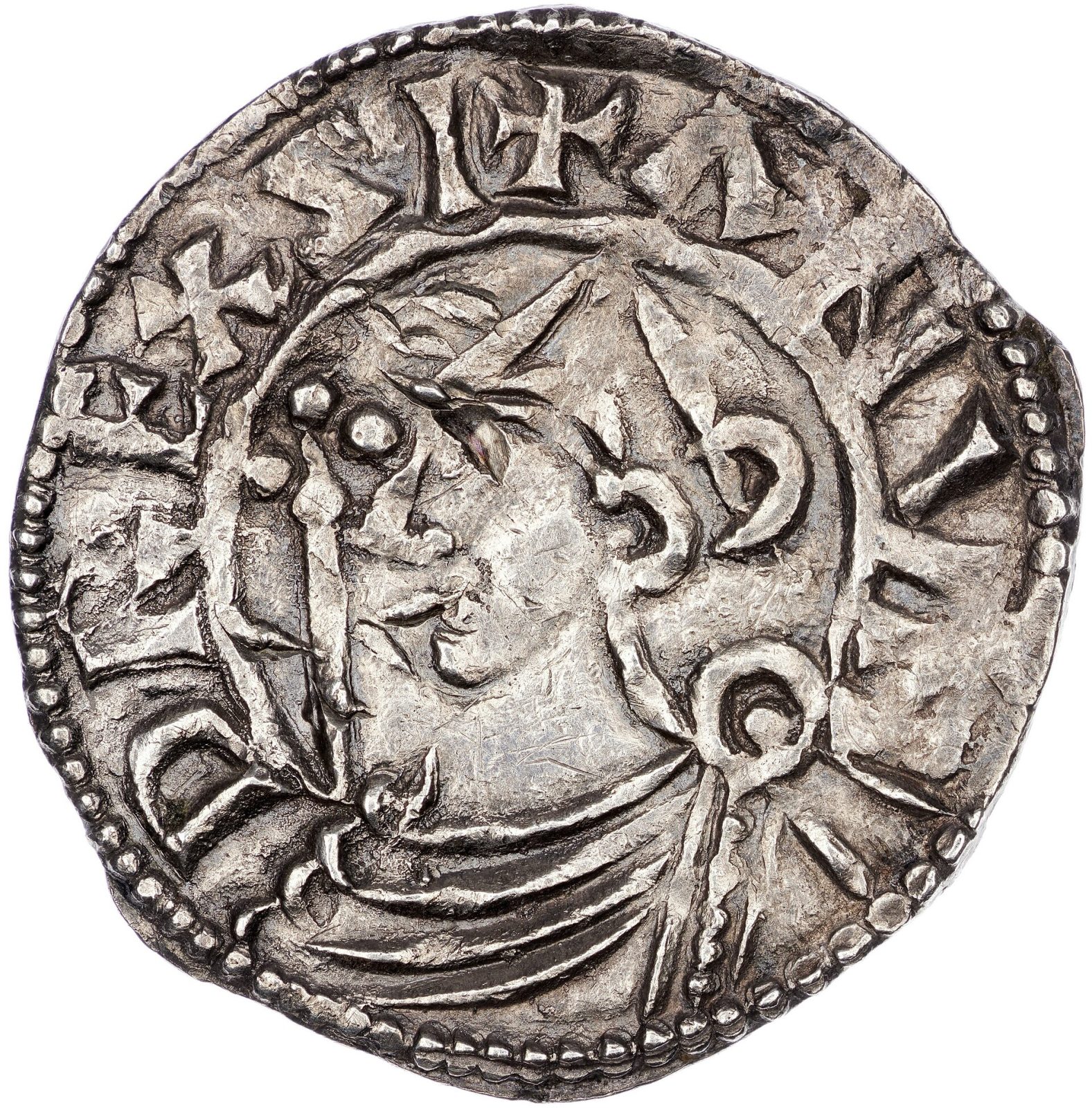
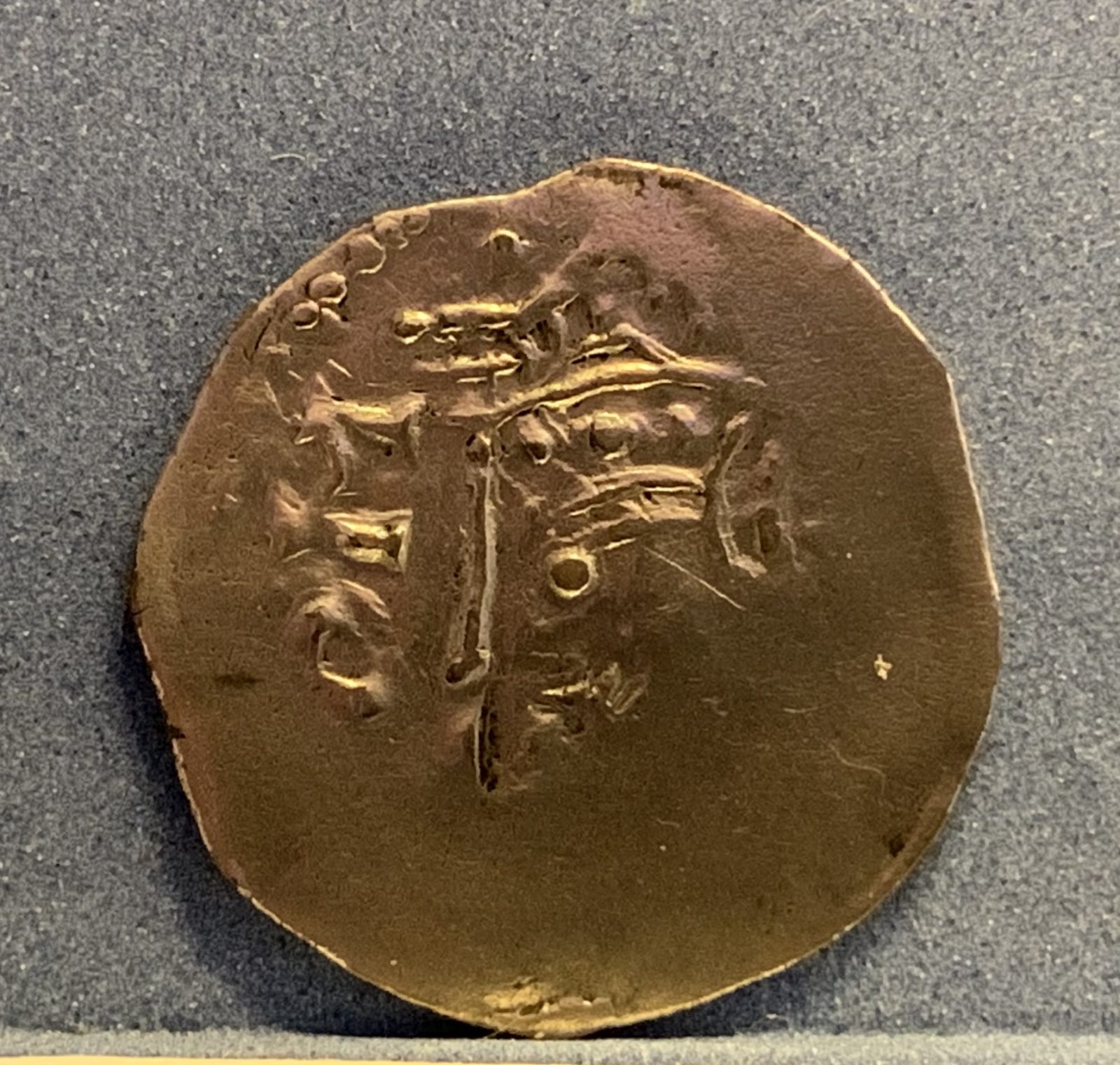
In autumn 2023 a hobby metal detectorist found a Byzantine gold coin of the emperors Basil II and Constantine VIII in the mountains of Vestre Slidre, Valdres, Norway. It is the only coin of its kind found in Norway, more than 2,500 kilometres from where it was struck.
FF 516

Struck about 991 to 997 · found 2026

Æthelred II penny, Shetland

Scotland · Coins

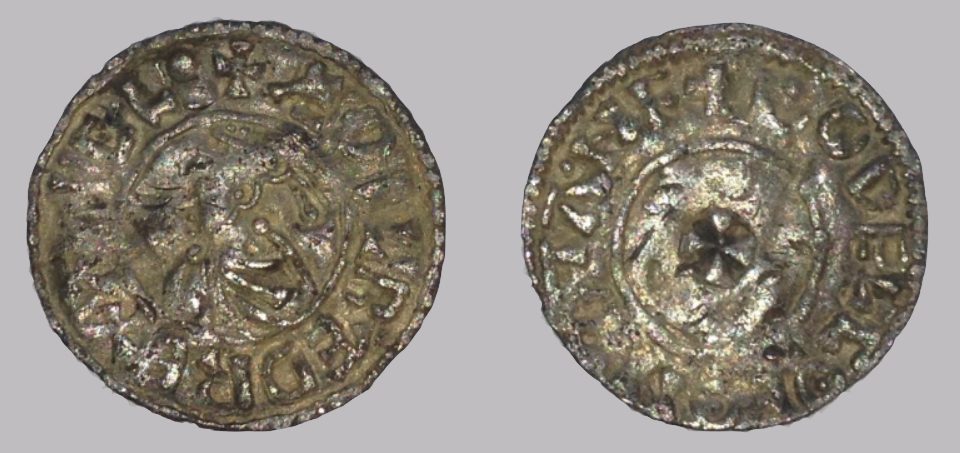
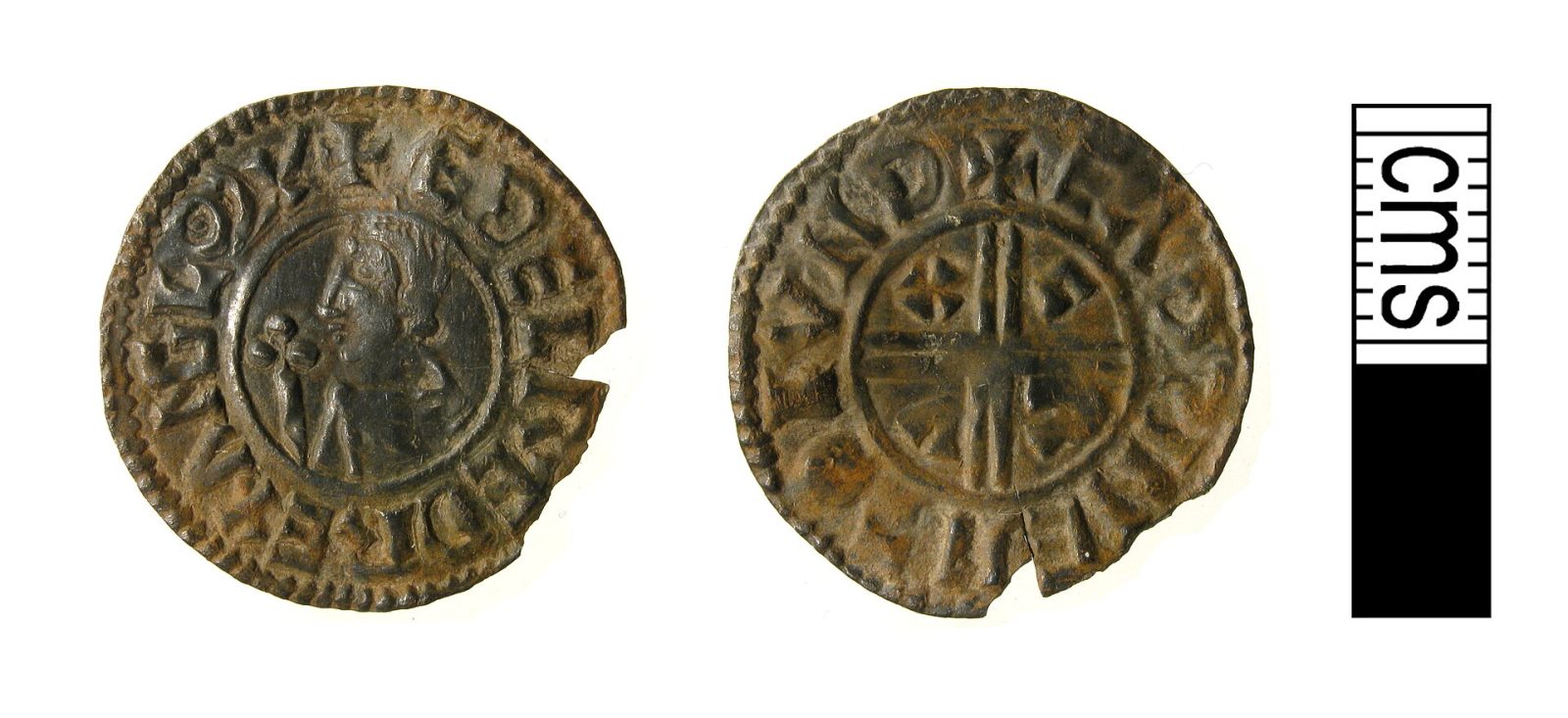
In September 2026 Stephen Jennings of Archaeology Shetland, digging an eroding coastal site at Gletness in Nesting, found a mud-caked silver penny of Æthelred the Unready. Struck in the 990s, it is the most northerly Anglo-Saxon coin ever found in the UK.

FF 291

Carved about AD 1000 to 1200 · found 1868

Hoa Hakananai'a

Chile · Artefacts

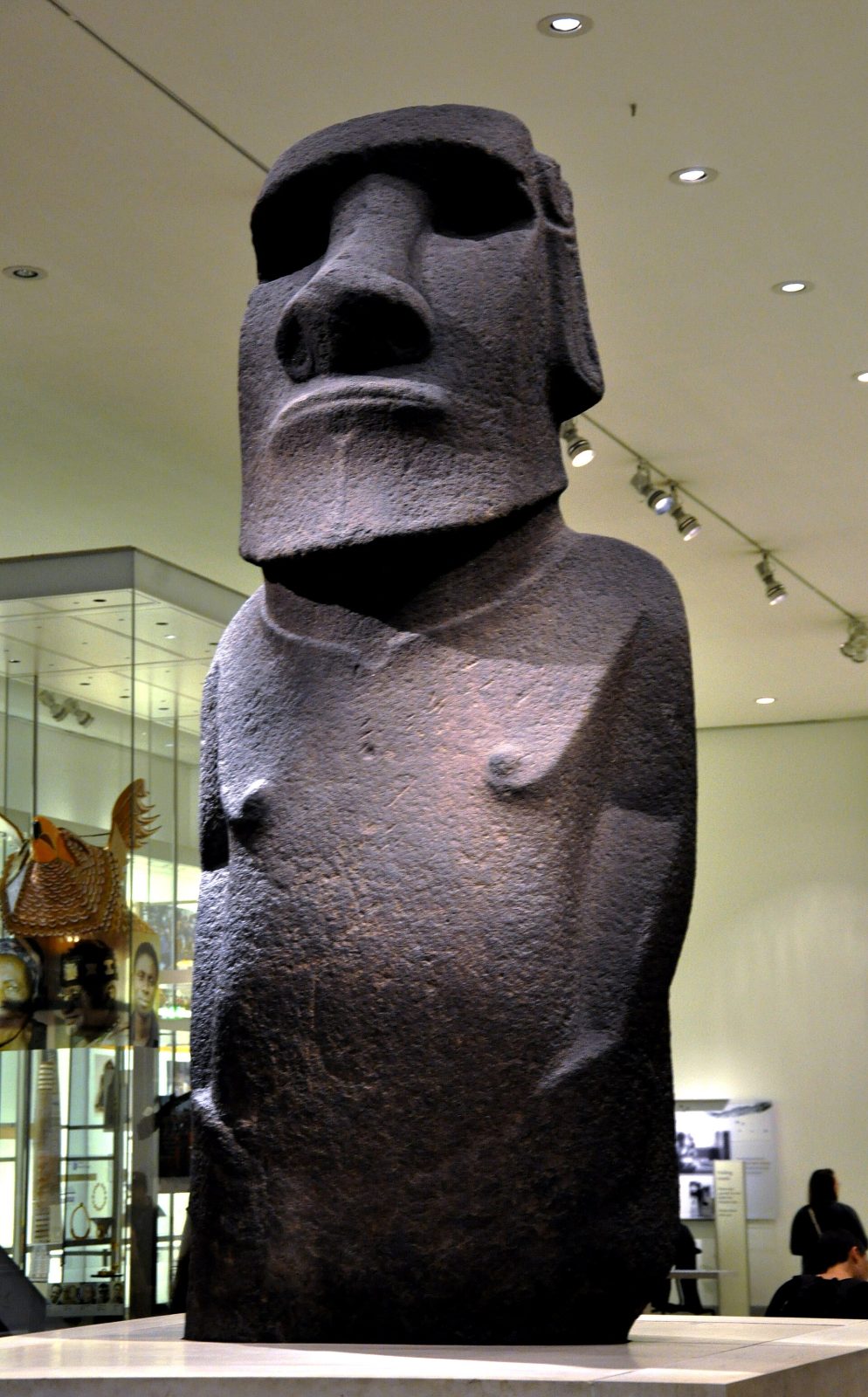
In November 1868 sailors from the Royal Navy ship HMS Topaze dug a stone statue out of a house at the ceremonial village of Orongo on Easter Island and took it to England. Hoa Hakananai'a has been in the British Museum since 1869, and Rapa Nui has asked for its return.

FF 315

Figures made about AD 1000 to 1400 · found 1977

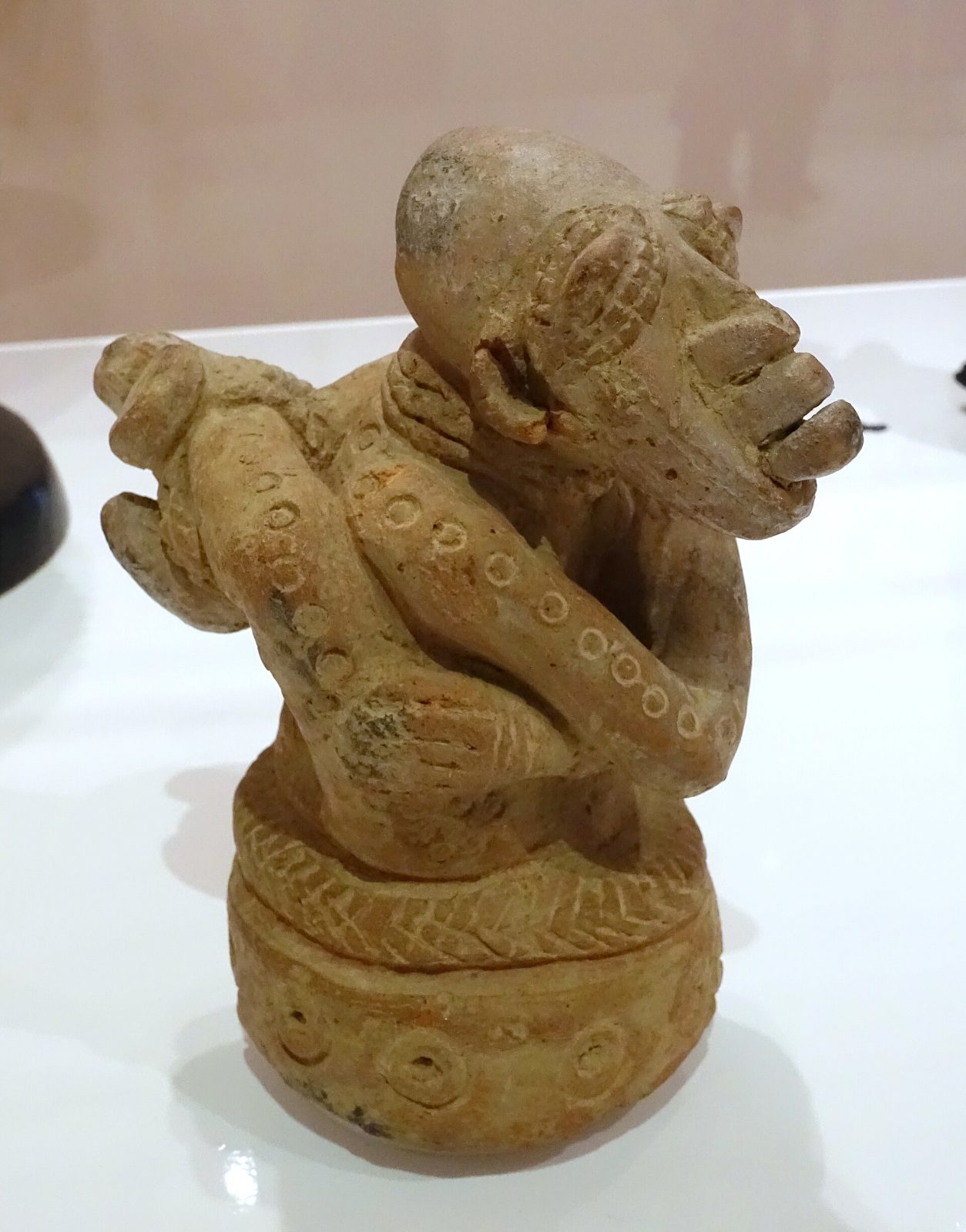
Jenné-jeno terracottas

Mali · Artefacts

In 1977 archaeologists Roderick and Susan McIntosh began excavating Jenné-jeno in Mali, one of the oldest known cities in sub-Saharan Africa, where people made terracotta figures between about AD 1000 and 1400. Within a few years, looters digging for the art market were destroying the sites faster than they could be studied.

FF 400

Made in the early 11th century · found 1694

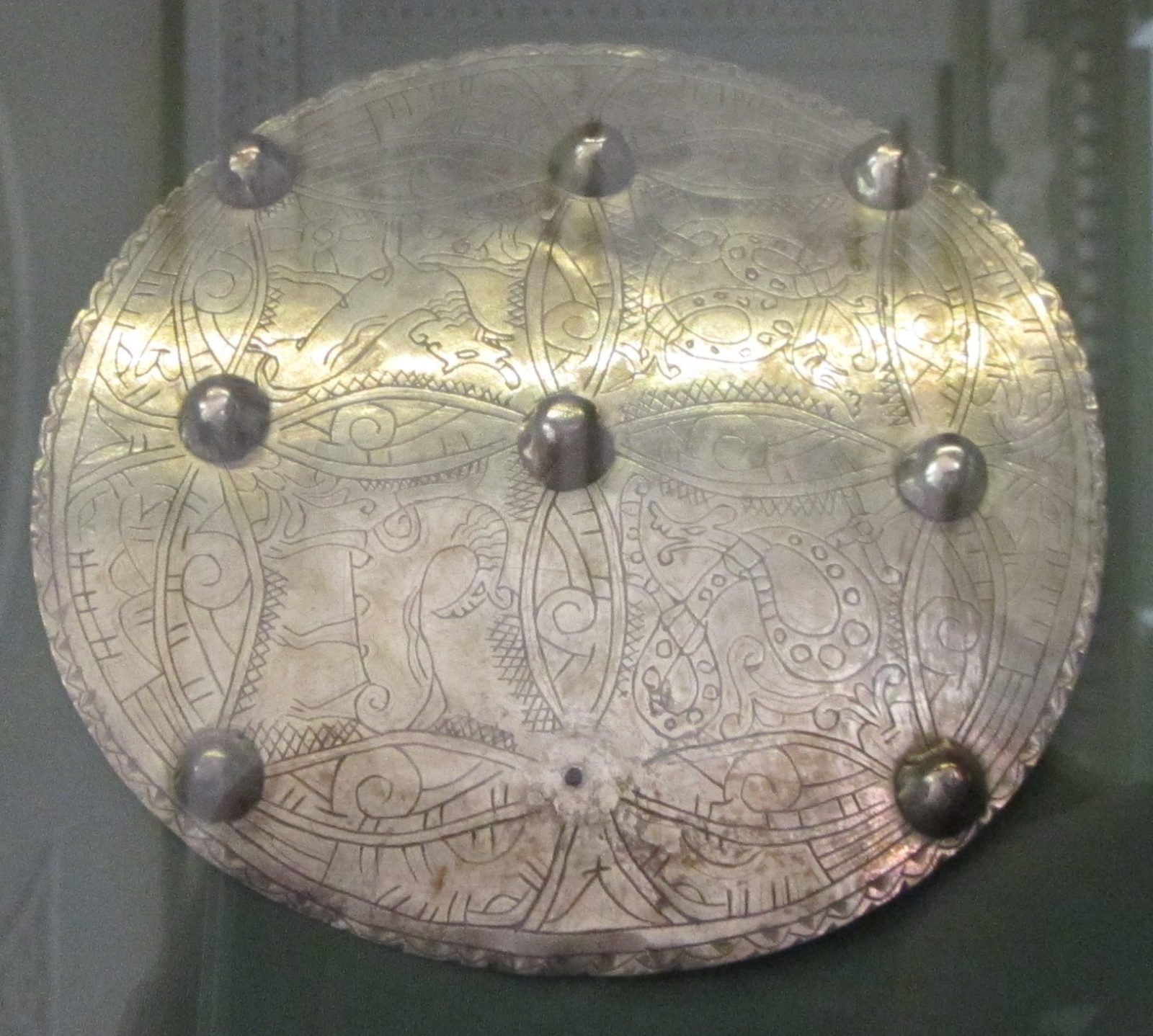
Sutton brooch (Ædwen's brooch)

England · Jewellery

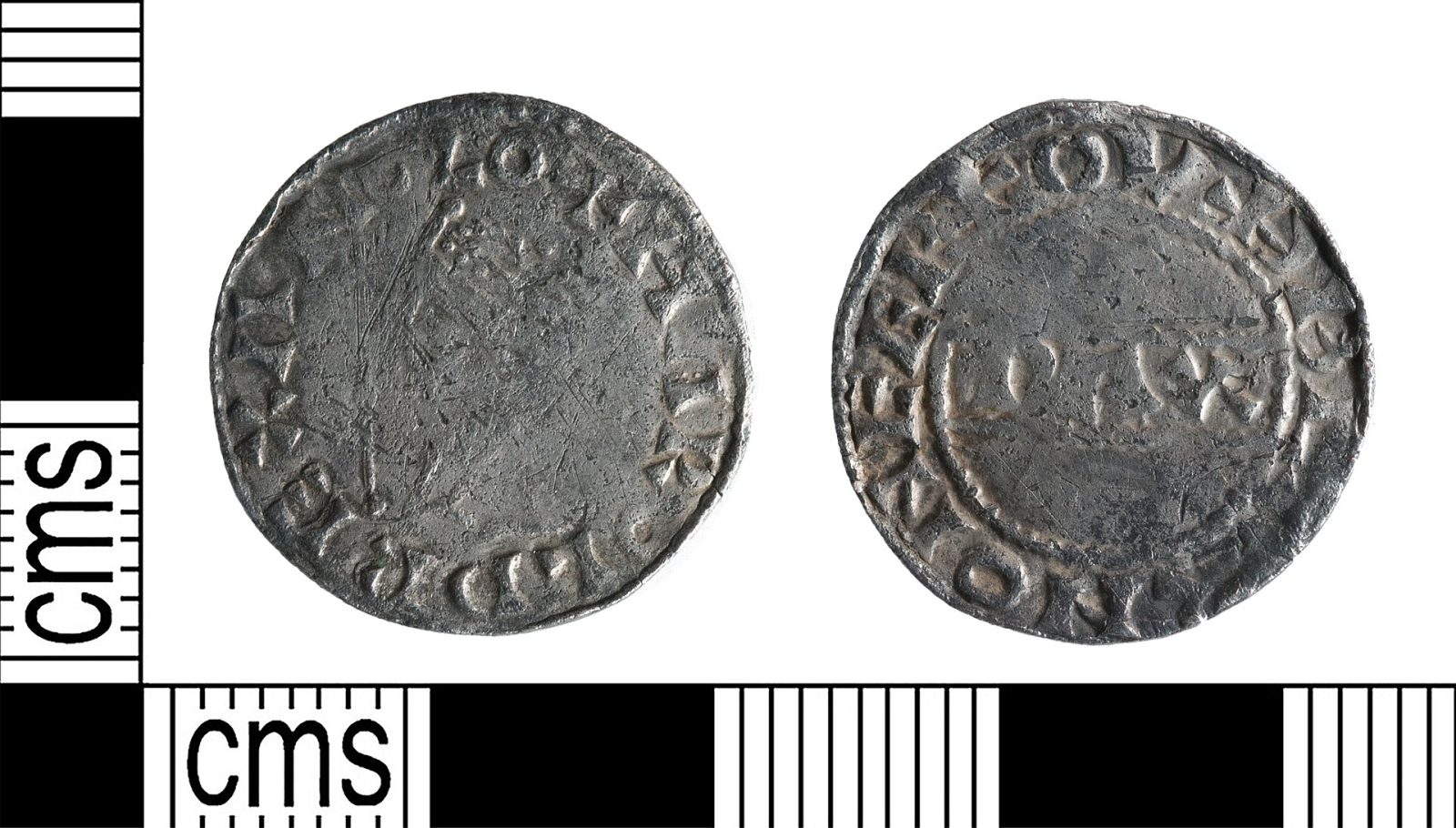
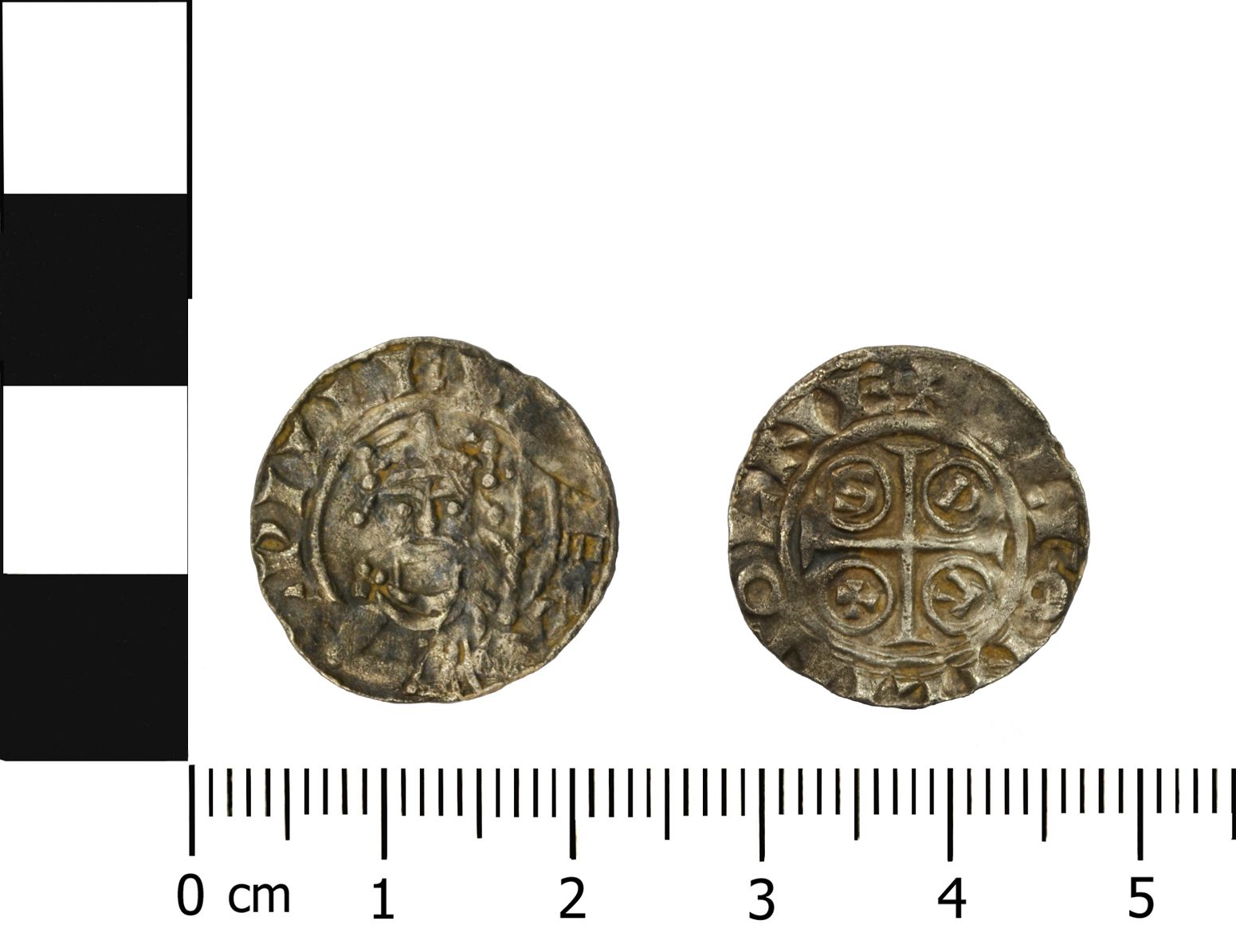
In 1694 a plough at Sutton on the Isle of Ely turned up a lead box holding about 100 silver pennies of William the Conqueror and a large silver brooch. Its edge carries an Old English curse on anyone who takes it from its owner, a woman called Ædwen.

FF 402

Made in the 11th or 12th century · found 1683

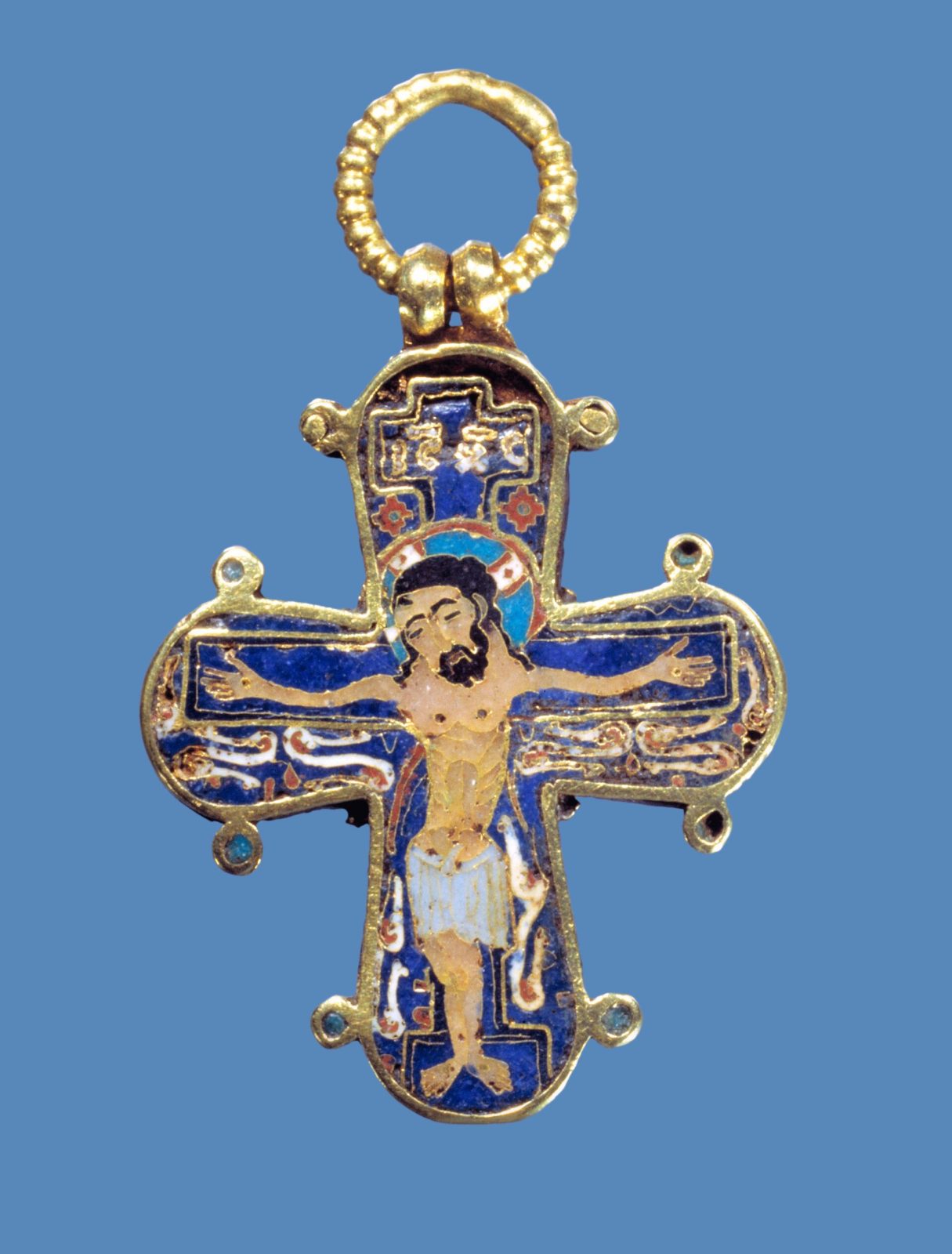
Dagmar Cross

Denmark · Jewellery

In 1683 royal graves in St Bendt's Church at Ringsted in Denmark were opened, and one held a tiny Byzantine gold and enamel reliquary cross. Legend gave it to Queen Dagmar, who died in 1212, and copies of it are still given to Danish children today.

FF 560

11th century AD, buried in or after 1066 · found 1984

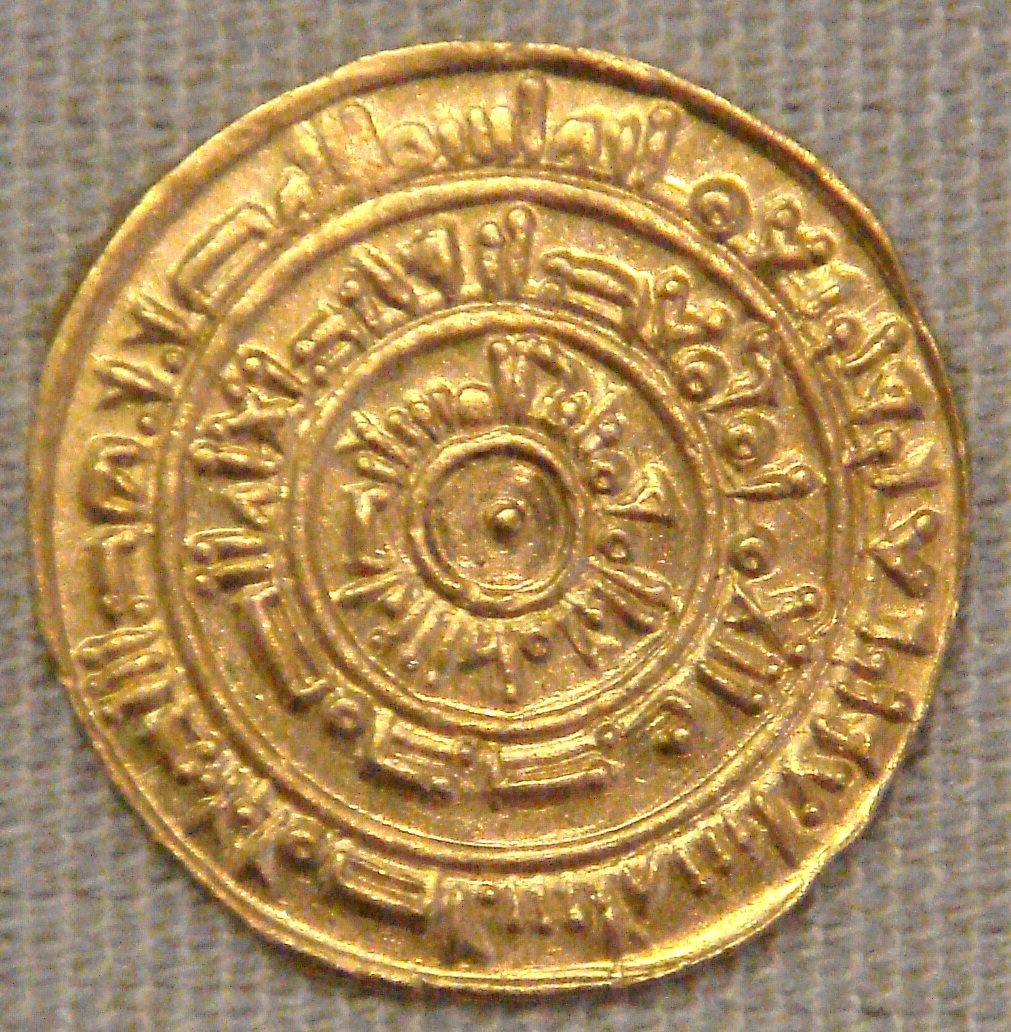
Mtambwe Hoard

Tanzania · Hoards

In December 1984 coins picked up by local people on Mtambwe Mkuu, an islet off Pemba in Tanzania, led archaeologists to a hoard under a house floor. It held about 650 silver coins struck in East Africa and eight gold dinars from the Fatimid world, hidden after 1066.

FF 576

Made in Colombia AD 1000-1500, buried early 1500s · found 1986

Chorro de Maíta gold bird

Cuba · Jewellery

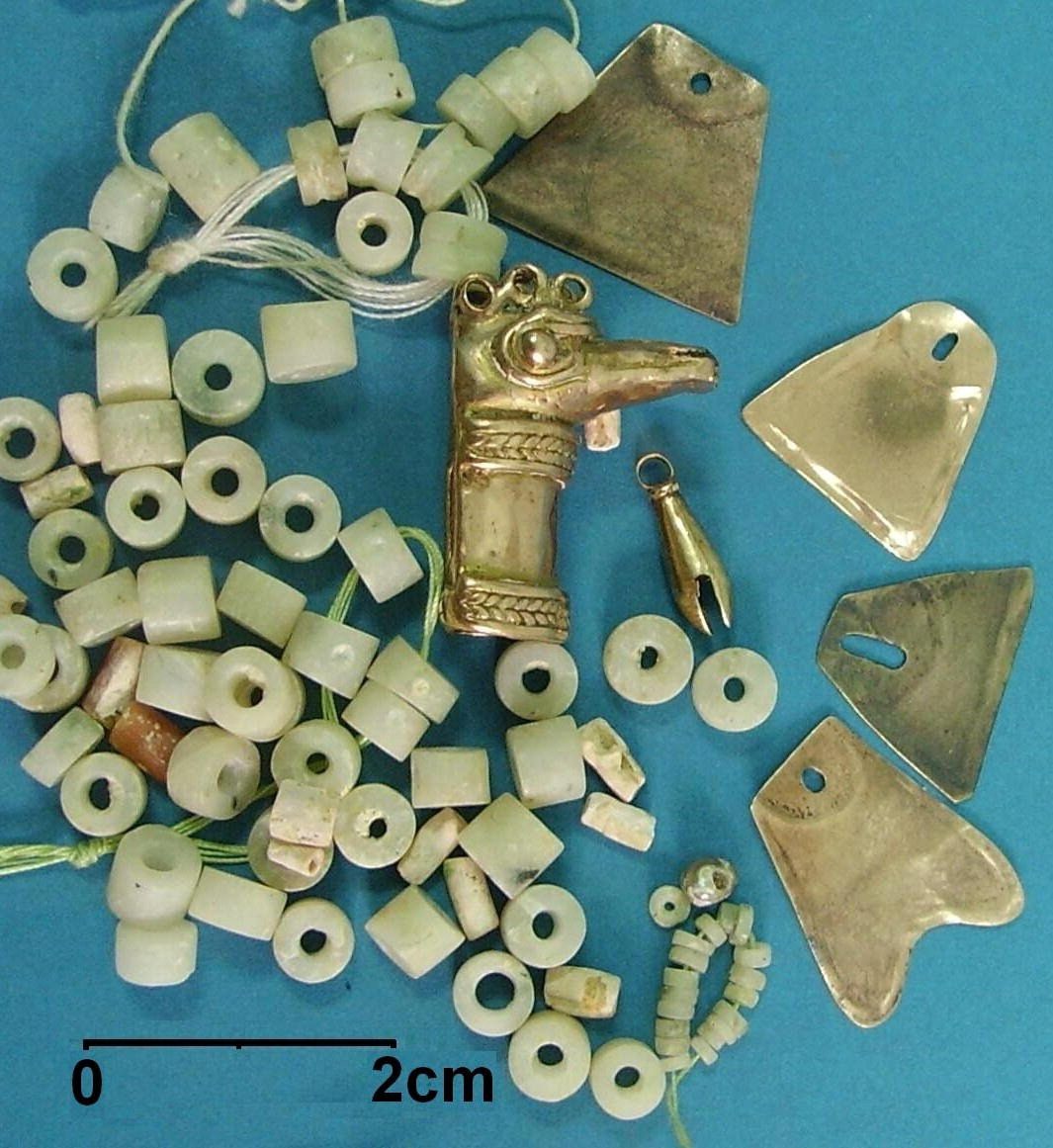
Between 1986 and 1988 Cuban archaeologists excavated a cemetery at El Chorro de Maíta, near Banes, long known to local farmers for the bones in their fields. A young woman's grave held a hollow gold-alloy bird head 2.3 cm long, later shown to be the work of Tairona goldsmiths in Colombia.

FF 474

Struck about AD 1009 · found 2018

Agnus Dei penny

England · Coins

In 2018 a metal detectorist in south Lincolnshire found a silver penny of Æthelred the Unready with the Lamb of God where the king's head should be. Struck around 1009 during a Viking invasion, it is only the 22nd known coin of its type, and its die-twin is in Estonia.

FF 593

Buried about 1023 to 1030 · found 1924

Stein hoard

Norway · Hoards

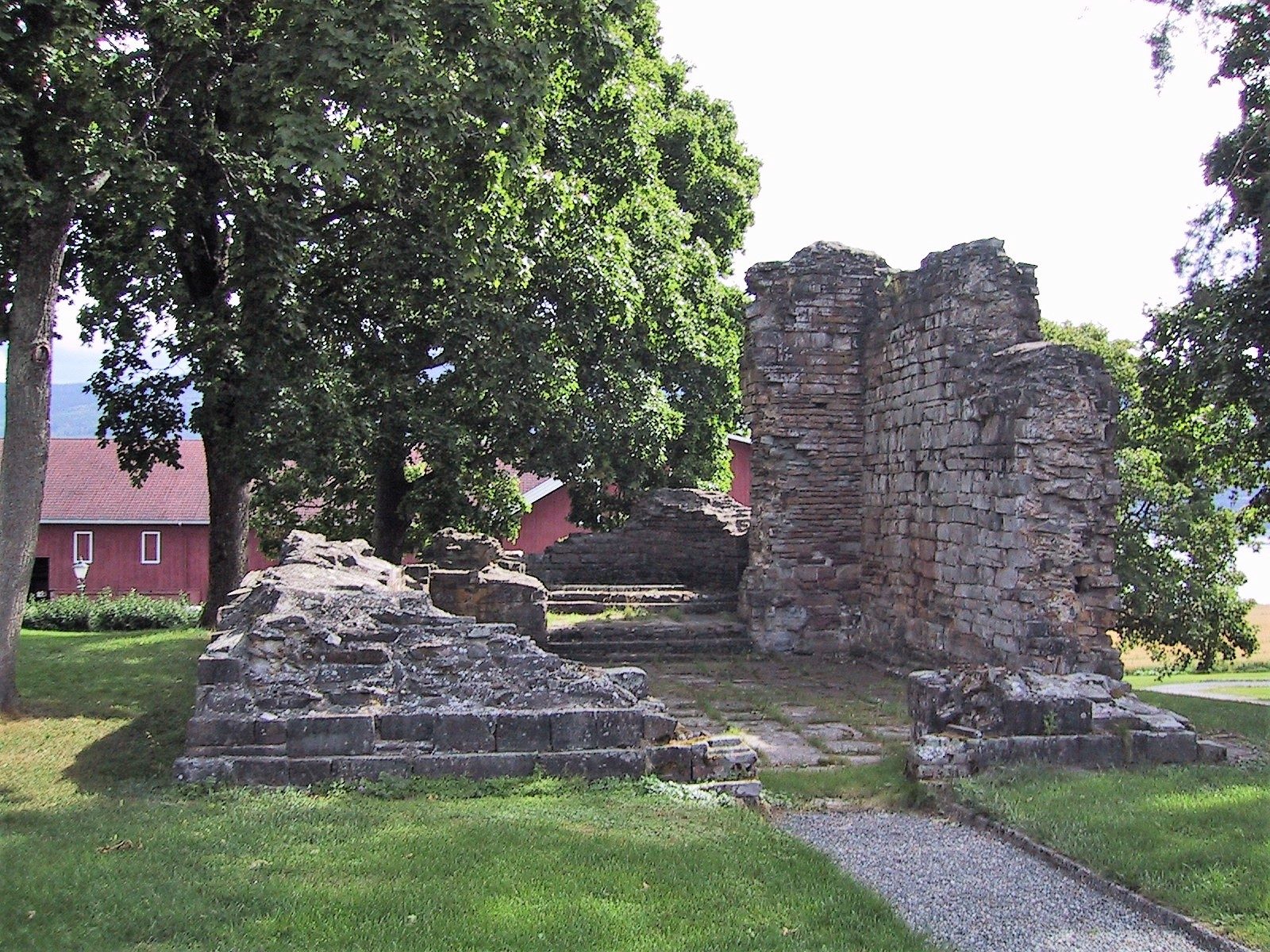
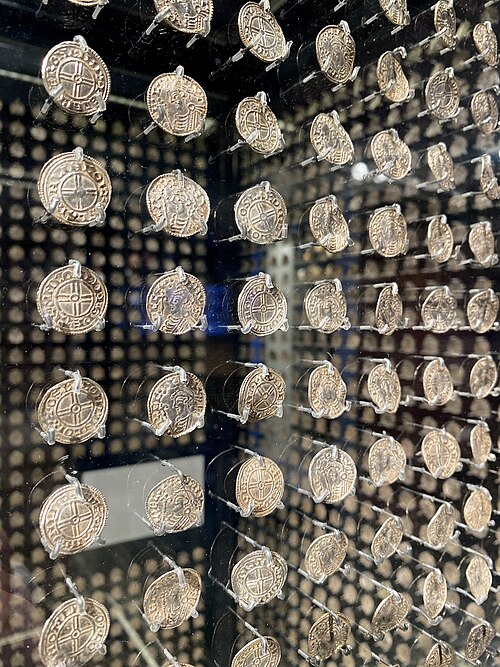
In May 1924, during repairs to the ruined church at Stein in Ringerike, Norway, a hoard of about 55 silver coins came to light under the floor. Buried about 1023 to 1030, it held three pennies of King Olaf Haraldsson, some of the rarest coins in Norway.

FF 591

Buried after about 1029 · found 1836

Årstad hoard

Norway · Hoards

In 1836 Ole Sivertsen Aaberg was clearing stones at Egersund, in south-west Norway, when he found about 1,500 Viking Age silver coins. More came up until 1843, taking the total to 1,849. It remained Norway's largest coin hoard until the Mørstad find of 2026.

FF 72

Buried around 1035 · found 2014

Lenborough Hoard

England · Hoards

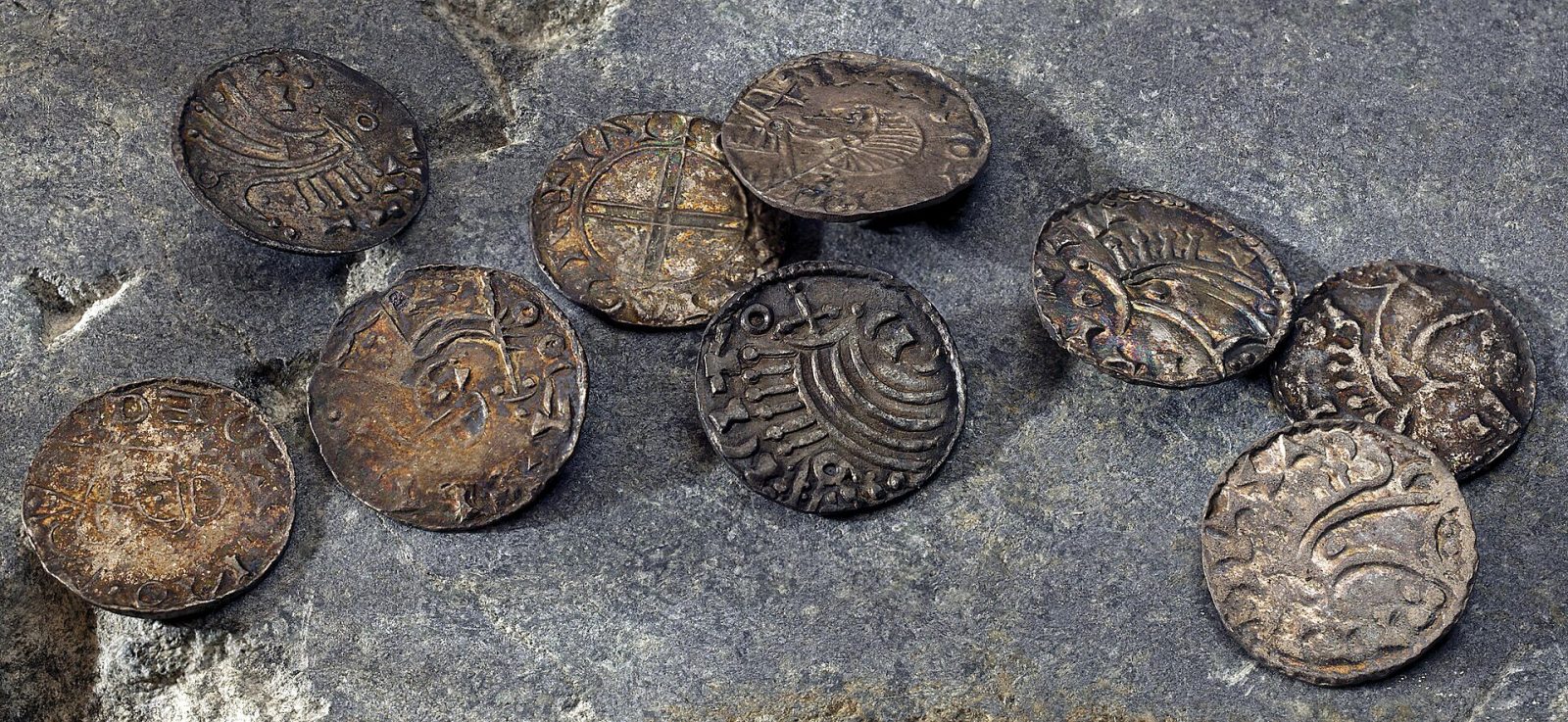
More than 5,000 silver pennies of Æthelred II and Cnut, buried in a lead parcel around 1035 and found at a detecting club rally near Buckingham in 2014. Valued at £1.35 million, the hoard is now in Aylesbury.

FF 237

Lost in the 11th century AD · found 2015

Caesarea gold hoard

Israel · Hoards

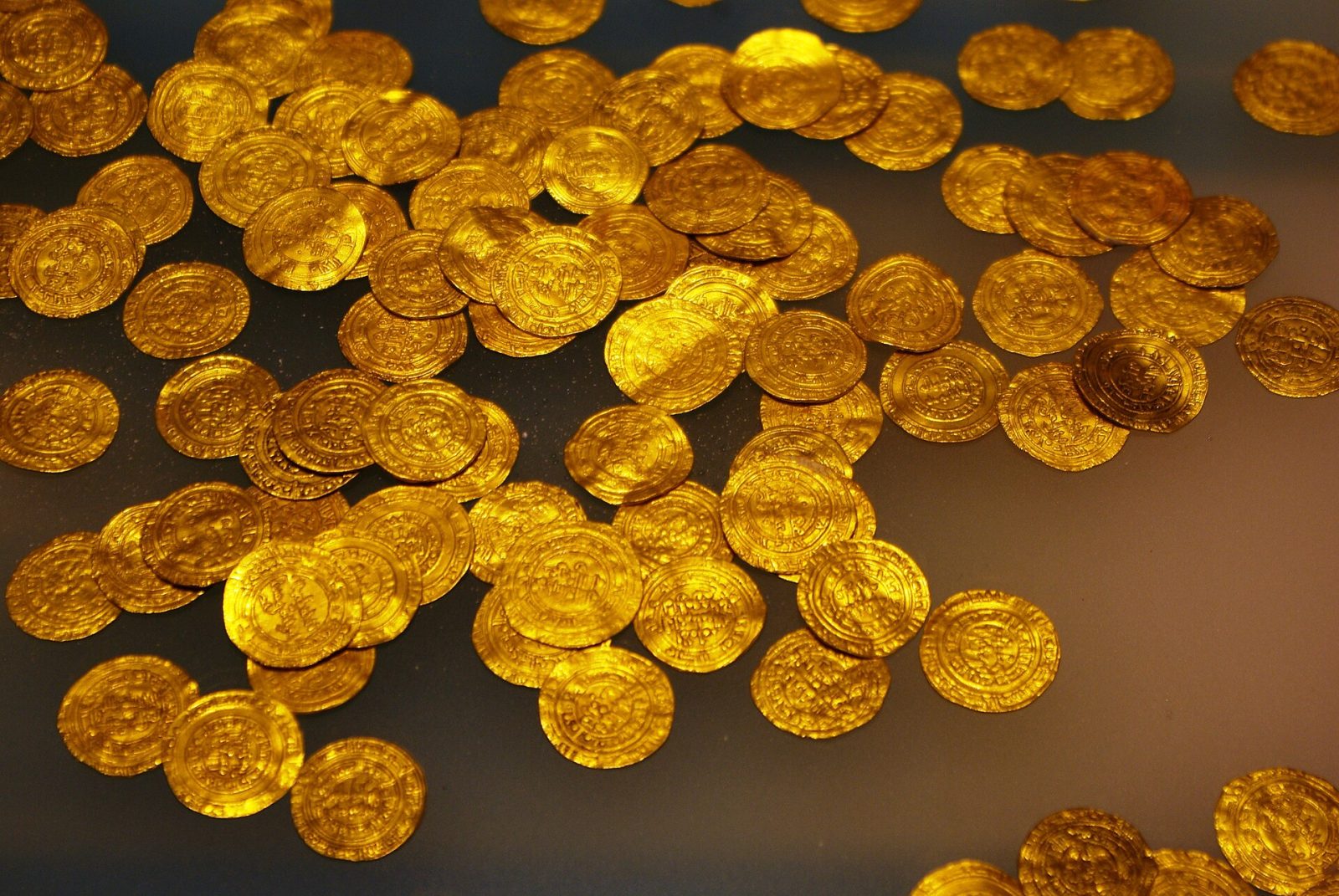
In February 2015 amateur divers exploring the ancient harbour of Caesarea in Israel saw gold coins glinting on the seabed. Marine archaeologists recovered more than 2,500 Fatimid gold dinars, the largest gold hoard ever found in Israel.

FF 302

Grave dated about AD 1040 to 1174 · found 1968

Suontaka sword

Finland · Weapons

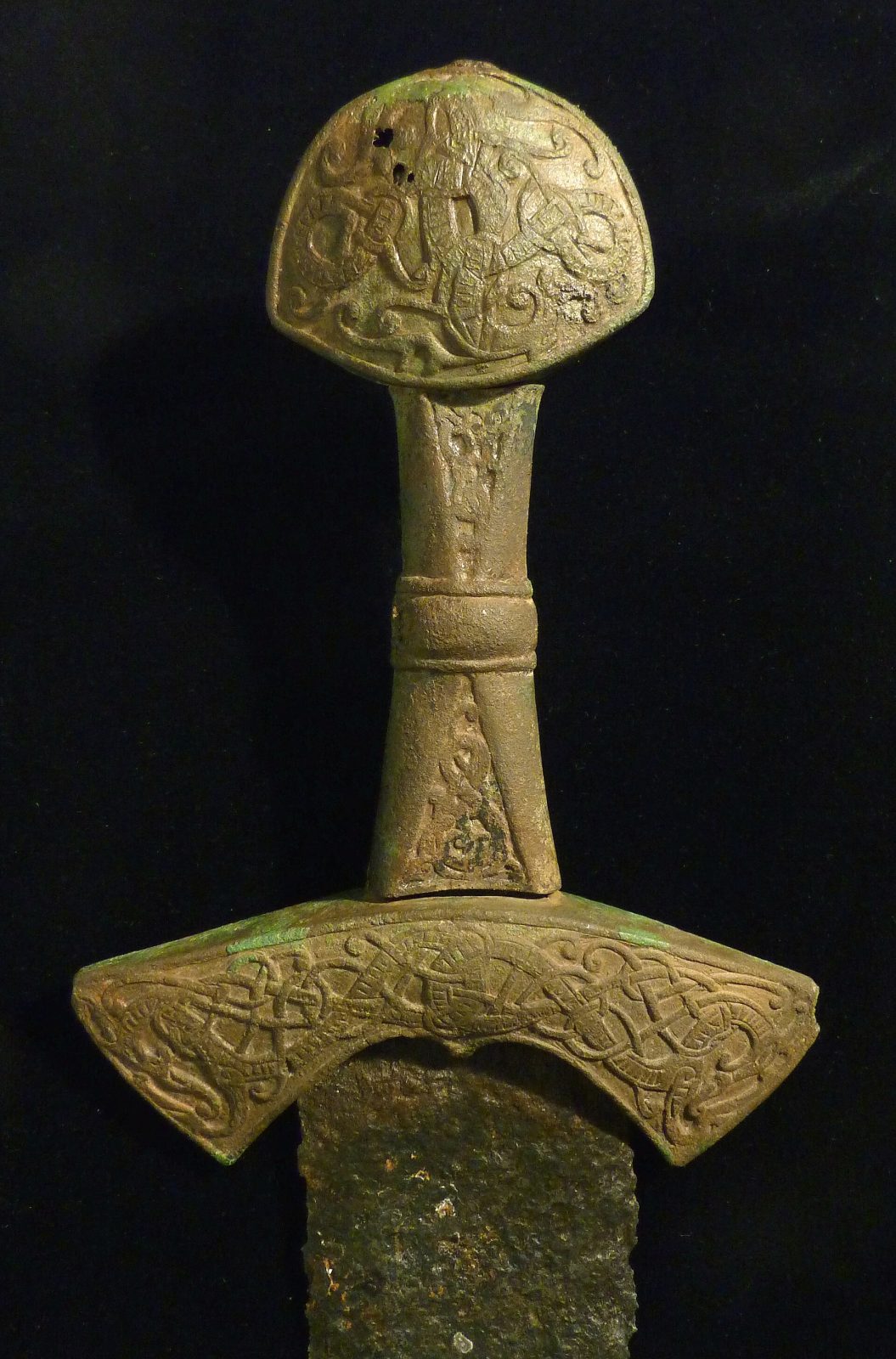
In October 1968 workers laying a water pipe at Suontaka in Hattula, southern Finland, uncovered a sword with a hilt cast in bronze. The grave it came from has been reinterpreted several times, most recently by a 2021 study of the person buried there.

FF 367

Buried about 1066 · found 1866

Chancton Hoard

England · Hoards

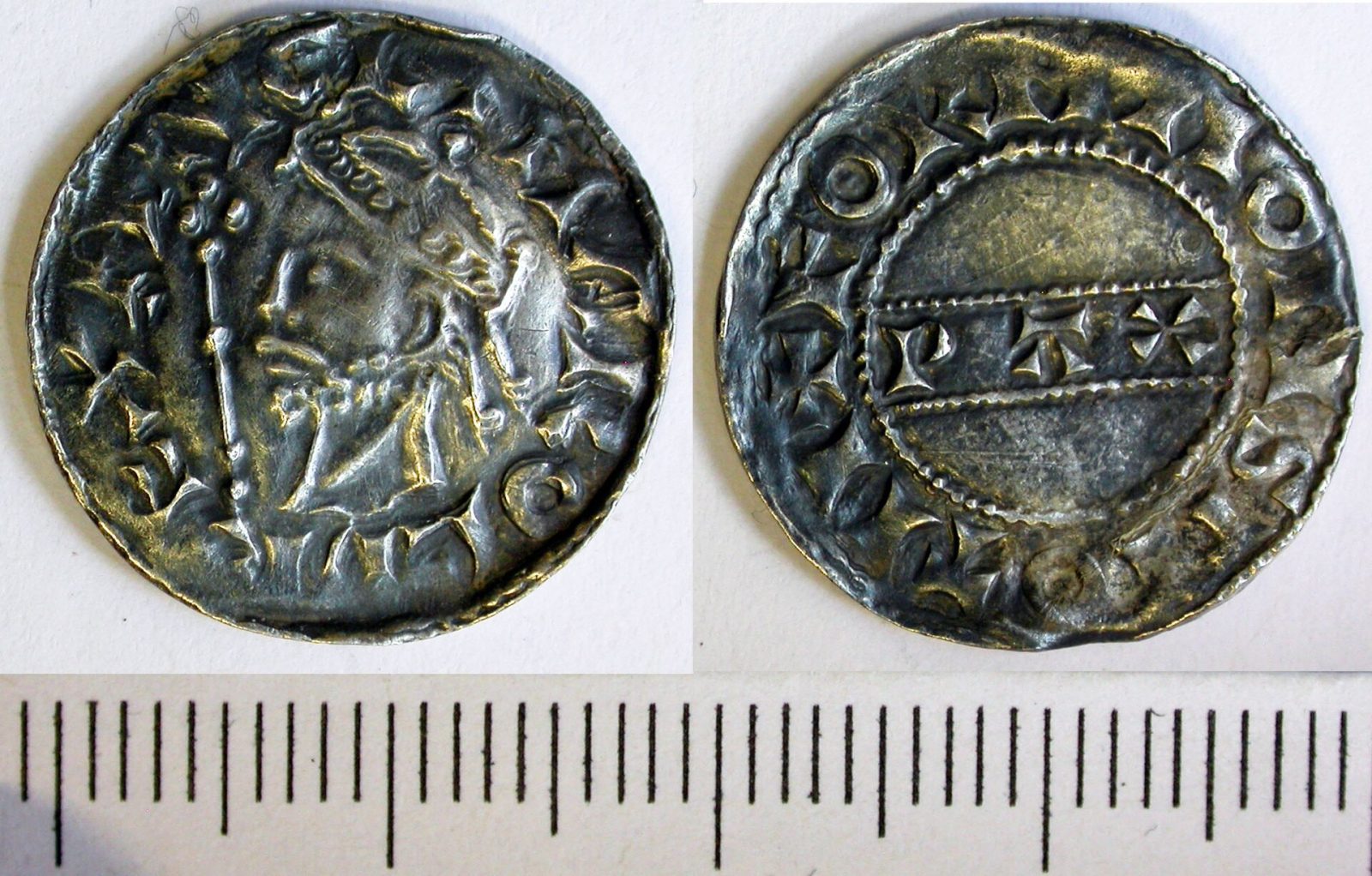
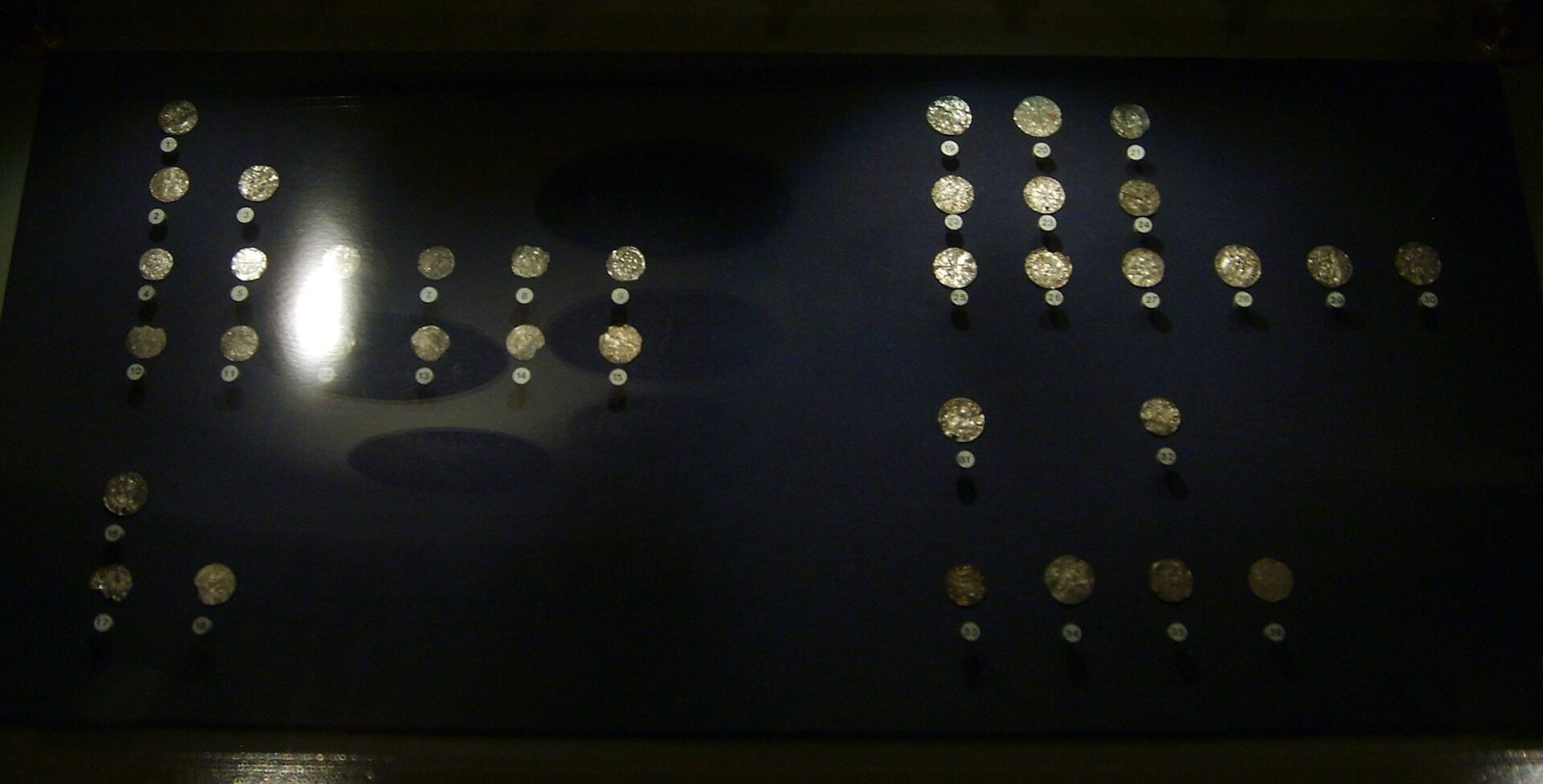
On 21 December 1866 a plough at Upper Chancton Farm in West Sussex smashed a crock of silver pennies hidden under a hedgerow root. About 1,720 were recovered, Edward the Confessor's and 58 of King Harold II's, buried in or just after 1066.

FF 297

Second half of the 11th century AD · found 1936

West Mebon Vishnu

Cambodia · Artefacts

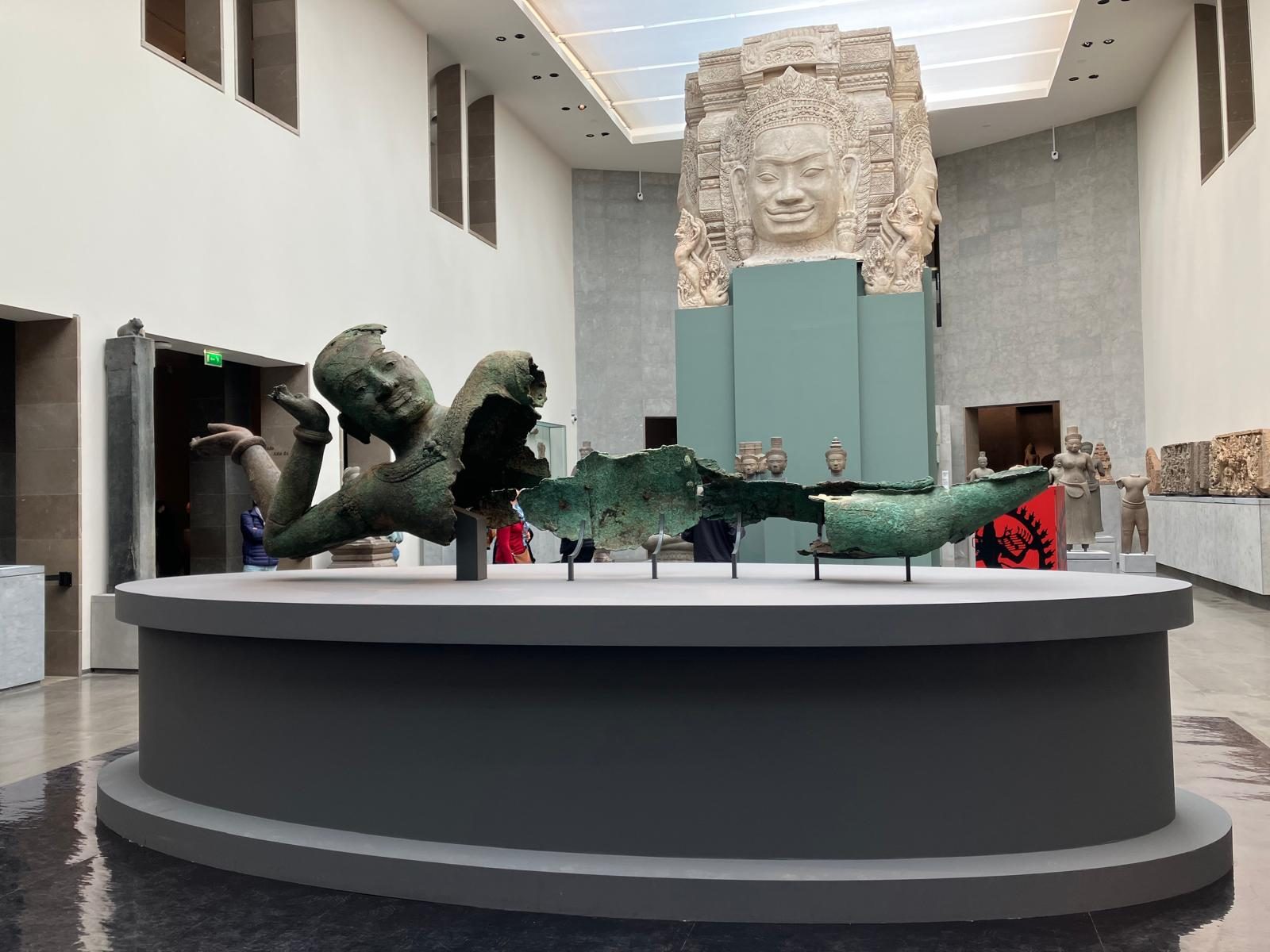
In 1936, the story goes, a farmer at Angkor in Cambodia dreamed the Buddha asked to be freed from the earth. Digging at the West Mebon temple uncovered the head and shoulders of a giant bronze Vishnu, the largest bronze ever cast in Southeast Asia, now reassembled for the first time.

FF 386

Struck about 1065 to 1080 · found 1957

Maine Penny (Goddard coin)

United States · Coins

In August 1957 amateur archaeologist Guy Mellgren dug up a worn silver coin at a Native American village site on the coast of Maine. Twenty years later it was identified as a penny of the Norwegian king Olaf Kyrre, minted around 1065 to 1080.

FF 117

Struck 1066 to 1068 · found 2019

Chew Valley Hoard

England · Hoards

In January 2019 a group of detectorists in Somerset found thousands of silver pennies of Harold II and William the Conqueror. Valued at £4.3 million, it is the most valuable Treasure find on record.

FF 464

Struck in 1066 · found 2020

Harold II penny, Topcroft

England · Coins

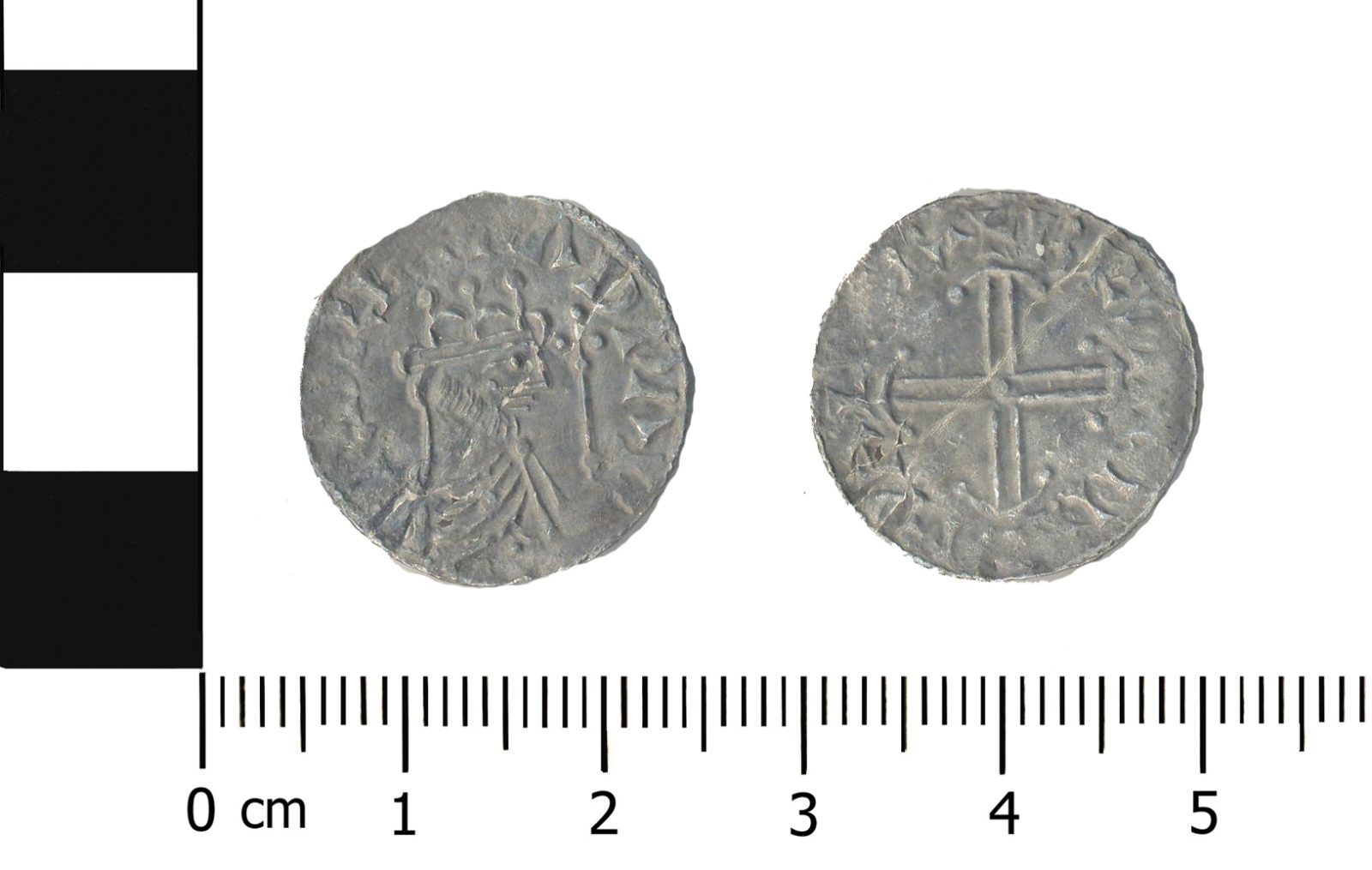
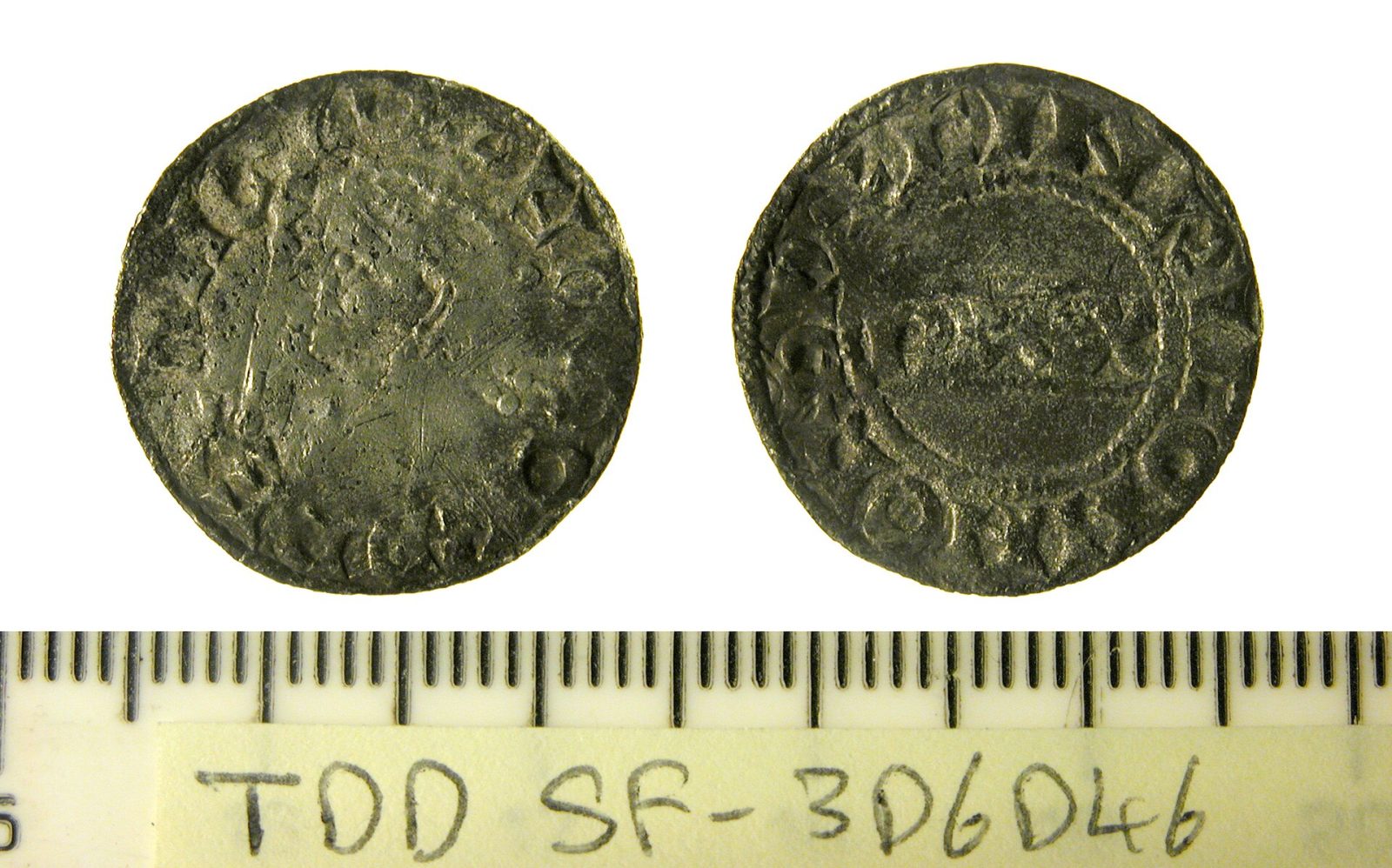
In August 2020, 16-year-old Reece Pickering was metal detecting with his father at Topcroft, near Bungay in Norfolk, when he found a silver penny of Harold II, the last Anglo-Saxon king, killed at Hastings in 1066. It was struck at Cambridge.

FF 544

Buried in 1066, in the reign of Harold II · found 2023

York area hoard, 1066

England · Hoards

In 2023 a metal detectorist found a hoard of 179 silver pennies near York, every one struck for King Harold II, who reigned for just nine months in 1066. It was probably hidden as Norwegian and then Norman invaders closed in, and the British Museum is appealing for £200,000 to keep it together.

FF 549

Buried about AD 1070-1090 · found 1863

Sandur Hoard

Faroe Islands · Hoards

In 1863 a grave-digger in the churchyard at Sandur, on the Faroese island of Sandoy, uncovered 98 silver coins buried around 1070 to 1090. Struck in England, Ireland, Germany, Hungary, Norway and Denmark, they are the only coin hoard ever found in the Faroe Islands.

FF 351

Made in the late 11th century

Clonmacnoise Crozier

Ireland · Artefacts

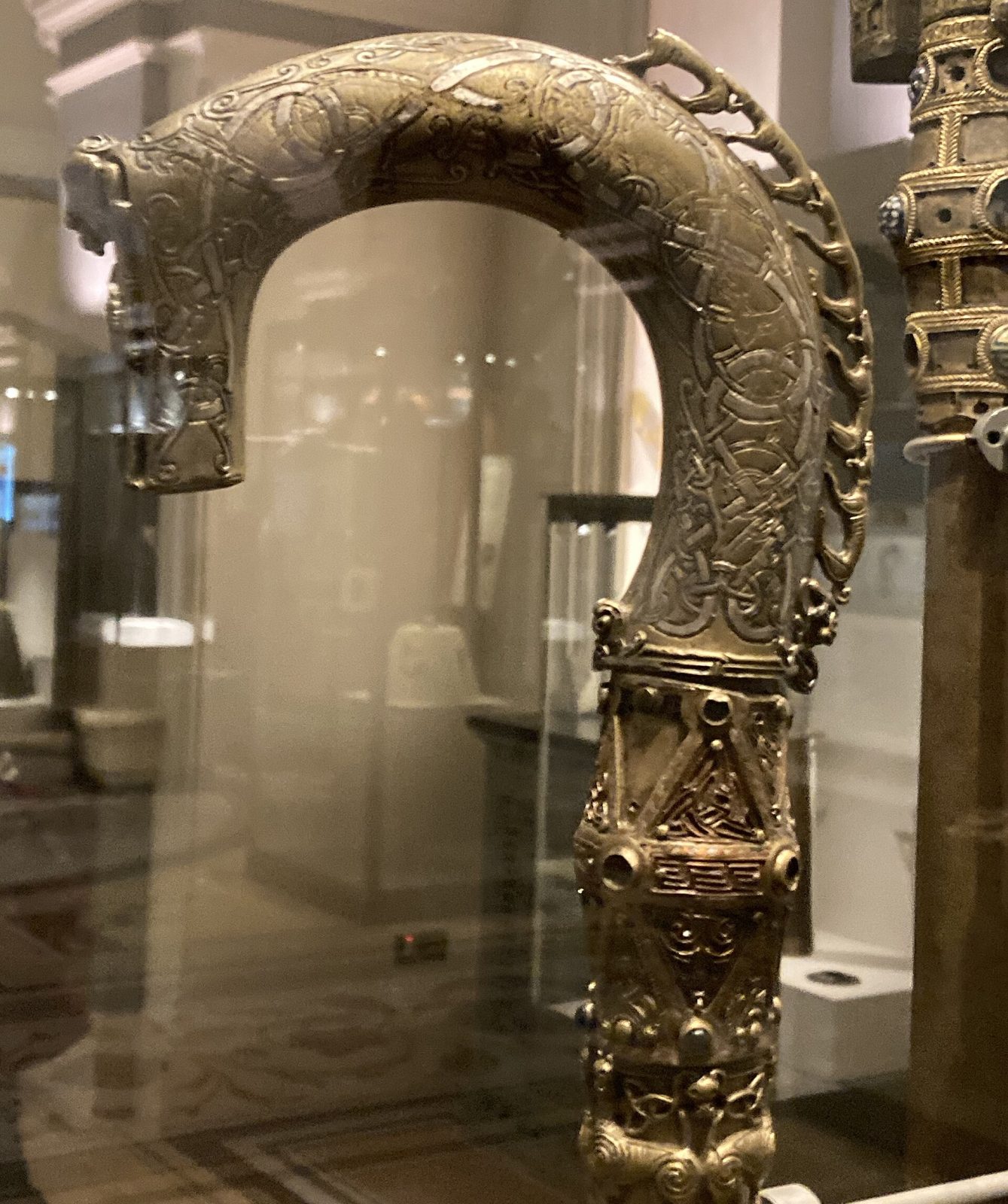
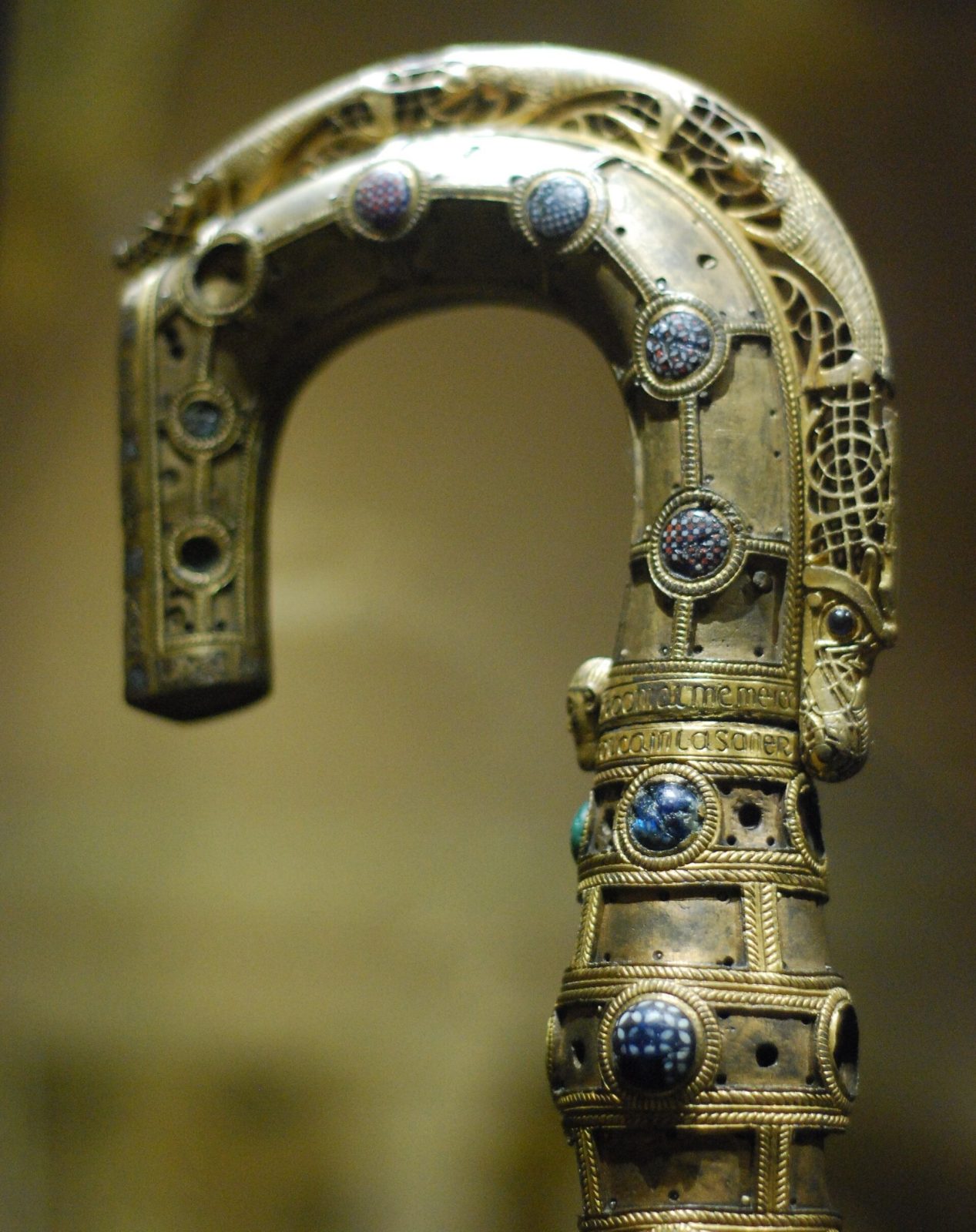
The Clonmacnoise Crozier is one of Ireland's finest medieval objects, a bishop's or abbot's staff of bronze and silver made in the late 11th century. Nobody recorded who found it, where or when; by 1821 it was said to have been dug up at Clonmacnoise some thirty years before.

FF 405

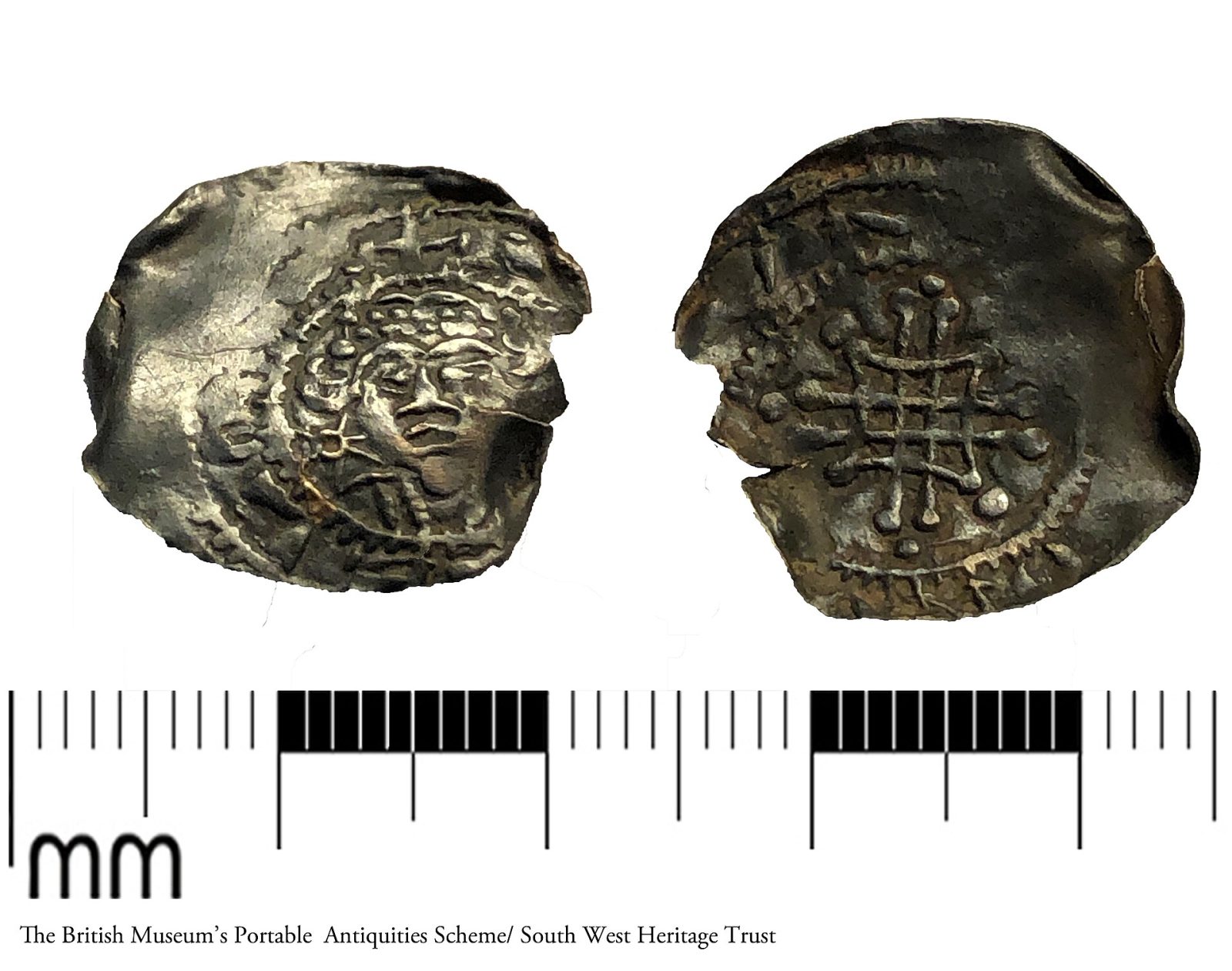
Struck about 1077 to 1080 · found 2011

William I Gloucester penny

England · Coins

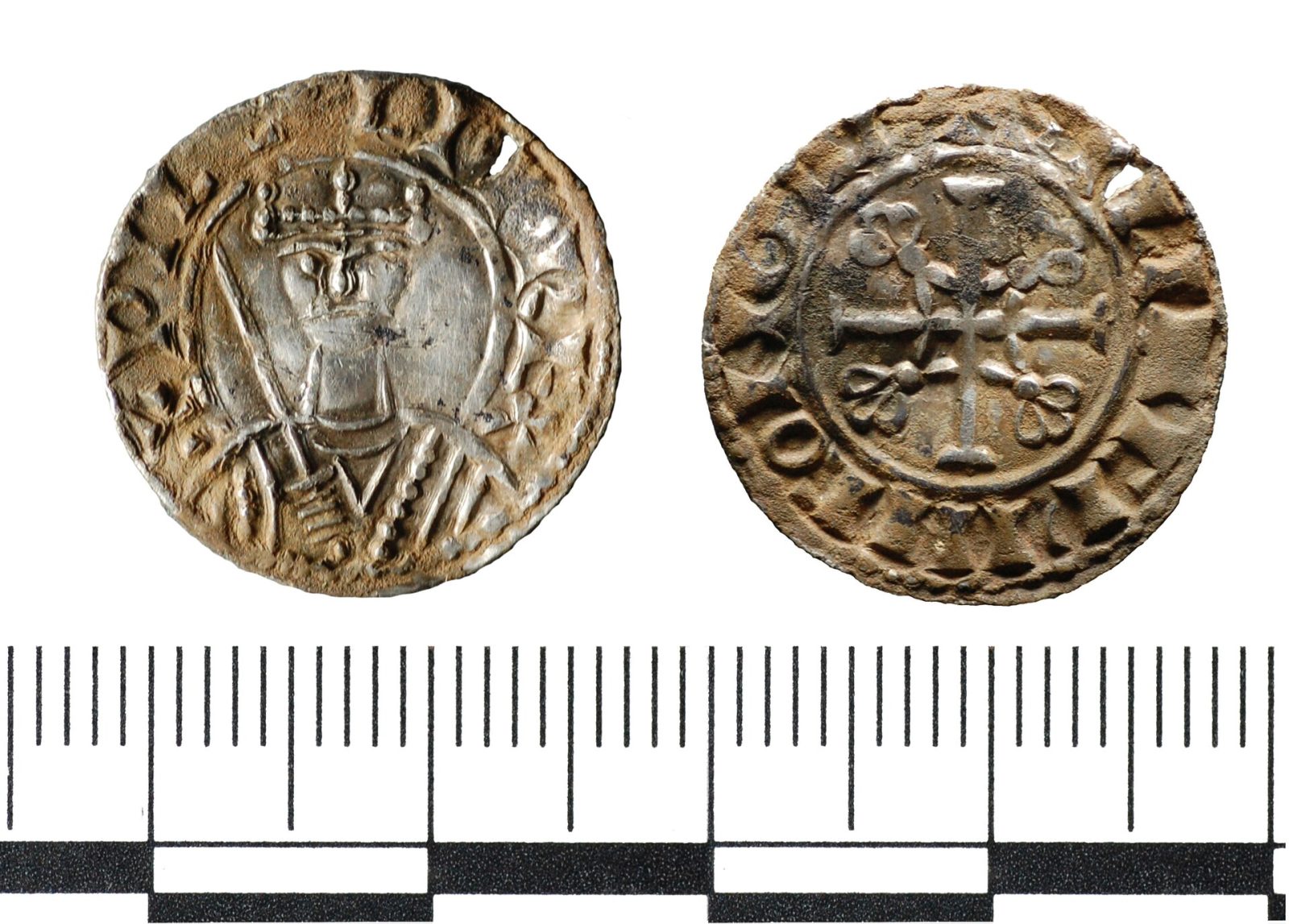
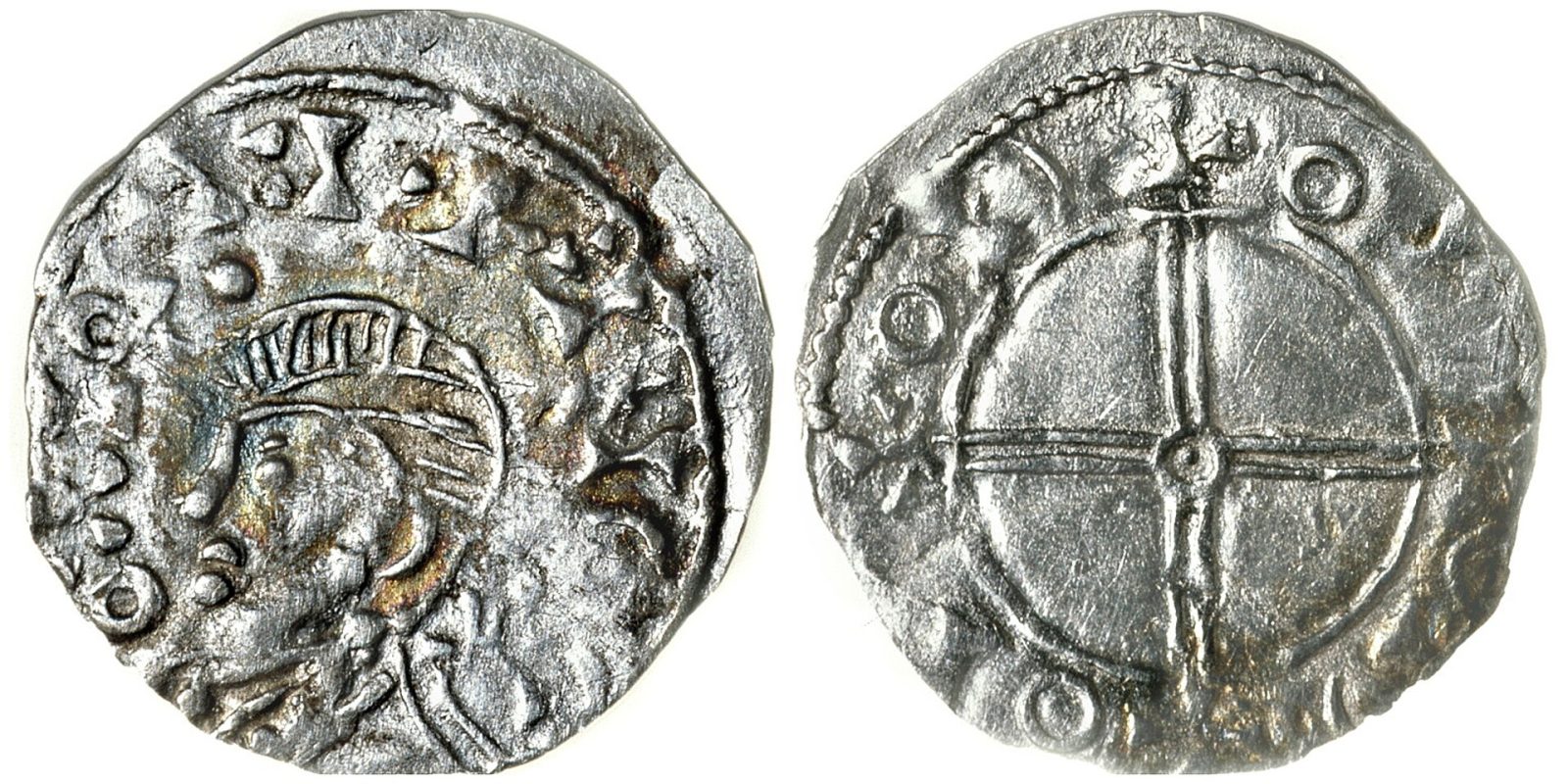
In November 2011 Maureen Jones of the Taynton Metal Detecting Club found a silver penny of William the Conqueror in a field just north of Gloucester. It was the only known Gloucester coin of its type, proving the city's mint worked through his whole reign.

FF 321

Made about 1080 to 1120

Cawood sword

England · Weapons

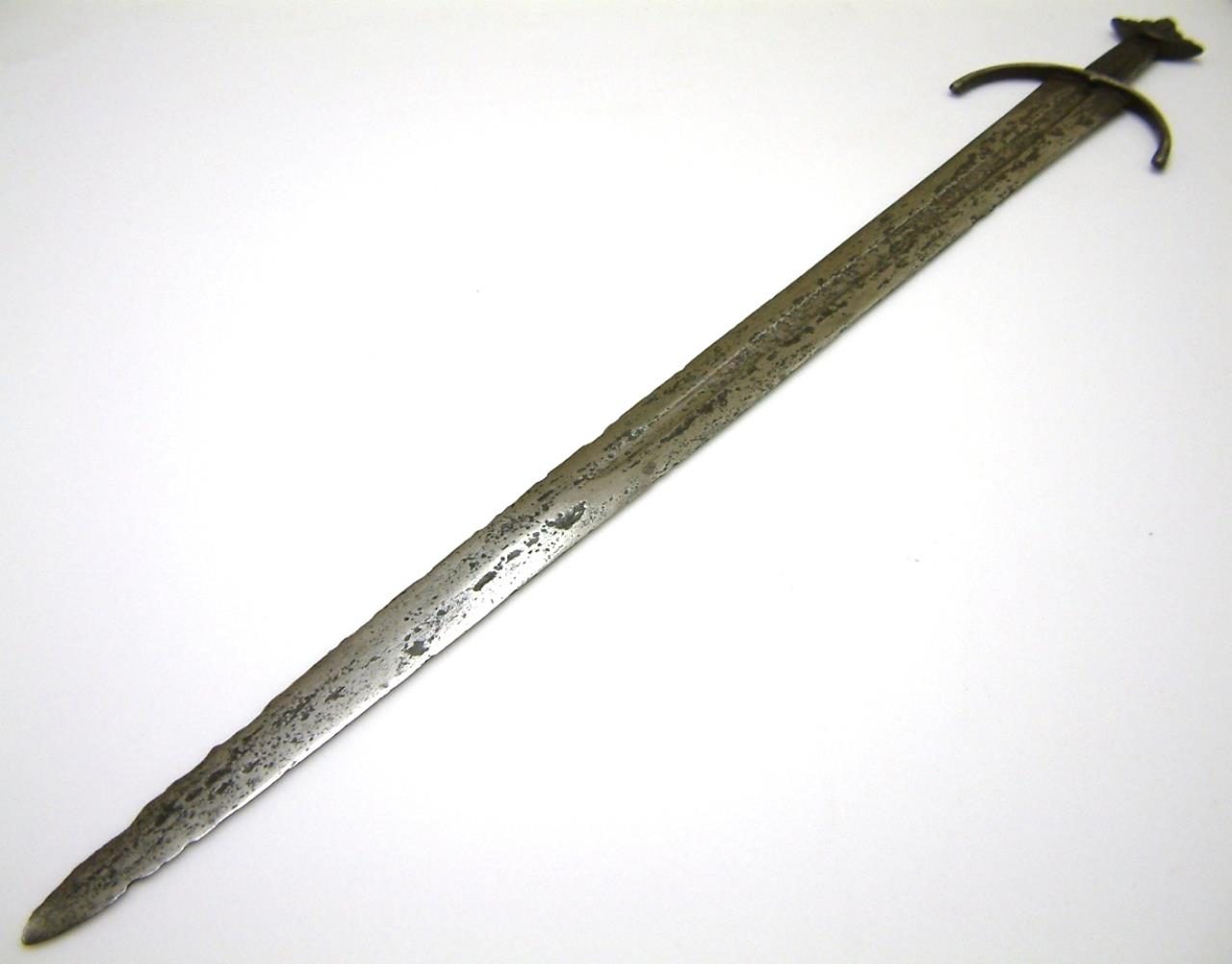
In the late 1800s a sword was pulled from the River Ouse near Cawood, south of York. Made around 1100, at the end of the Viking age, it carries mysterious inscriptions on both sides of the blade and is one of the best-preserved swords of its kind.
FF 353

Buried about 1086 · found 1833

Beauworth Hoard

England · Hoards

On 30 June 1833 four small boys playing marbles near Winchester spotted lead in a cart rut and pulled out silver coins. They thought they were buttons. The hoard held thousands of pennies of William the Conqueror, almost all of a type that had been nearly unknown.

FF 175

Made about AD 1100, before 1113 · found 1814

Lismore Crozier

Ireland · Artefacts

In 1814 workmen rebuilding Lismore Castle in County Waterford opened a blocked doorway and found a wooden box. Inside were a medieval Irish manuscript, the Book of Lismore, and a magnificent bishop's crozier made around 1100 and signed by its maker.

FF 477

Struck about 1093 to 1103 · found 2025

Magnus Barefoot penny

Norway · Coins

In April 2025 detectorist Morten Eek found what he took for a dirty button in a field near Utstein Abbey in Norway. Months later, fellow detectorists recognised it as a silver penny of Magnus Barefoot, king from 1093 to 1103, of a type known from only four other coins.

FF 545

Buried in the first quarter of the 12th century · found 2024

Kutná Hora hoard, Bohemia

Czech Republic · Hoards

In spring 2024 a woman walking through a field near Kutná Hora, east of Prague, noticed silver coins lying in the ploughed soil. Archaeologists recovered more than 2,150 silver pennies of three Přemyslid princes, buried around 900 years ago in a pottery jar.

FF 577

12th-13th century AD · found 1941

Rao pectoral

Senegal · Jewellery

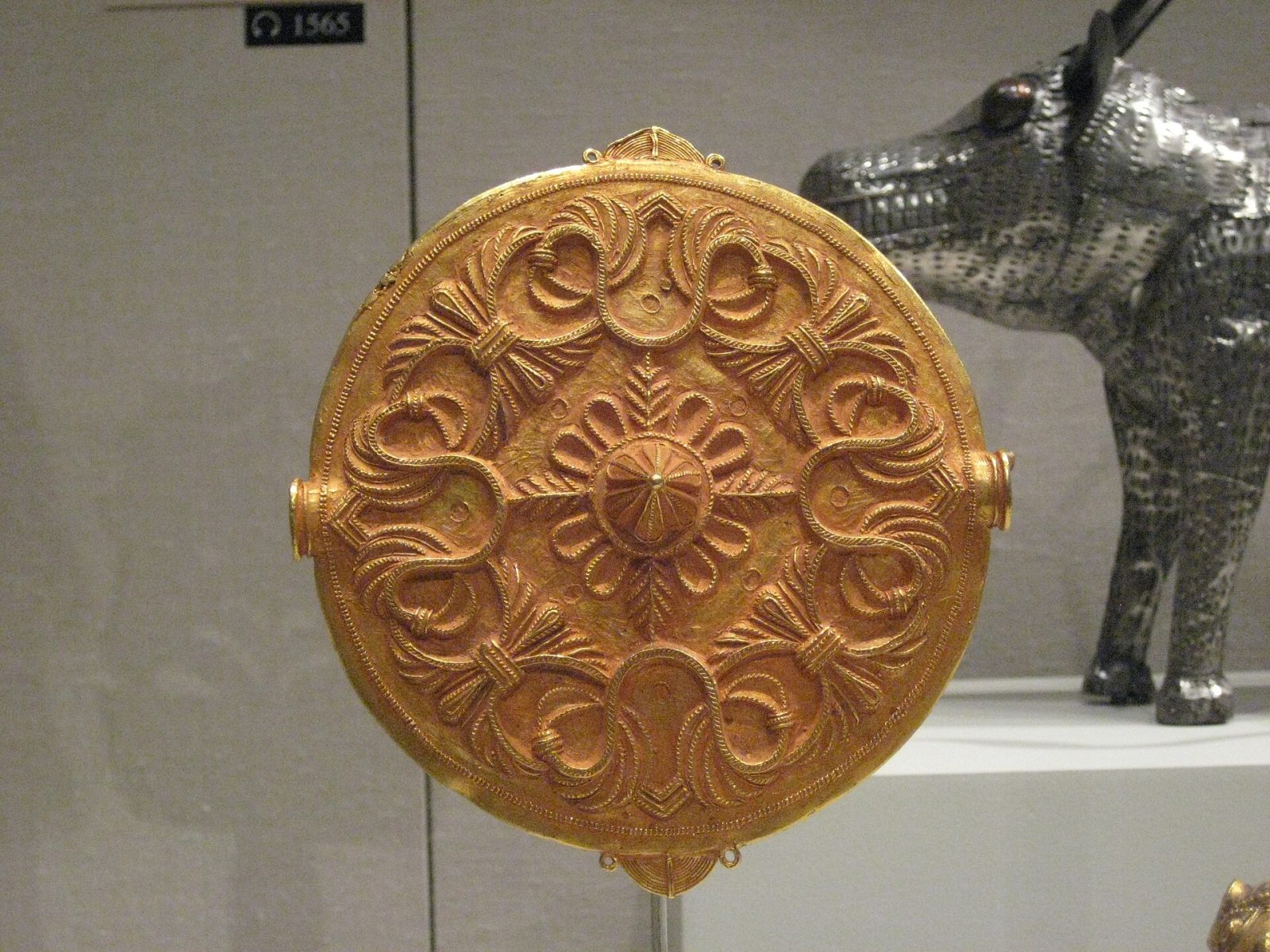
In 1941 Jean Joire excavated a sand burial mound at Rao, south of Saint-Louis in Senegal, and found a skeleton wearing a gold disc 18.4 cm across, with gold beads. Made in the 12th or 13th century, the Rao pectoral is now one of Senegal's national treasures.

FF 472

Struck about 1106 · found 2020

Henry I 'comet' penny

England · Coins

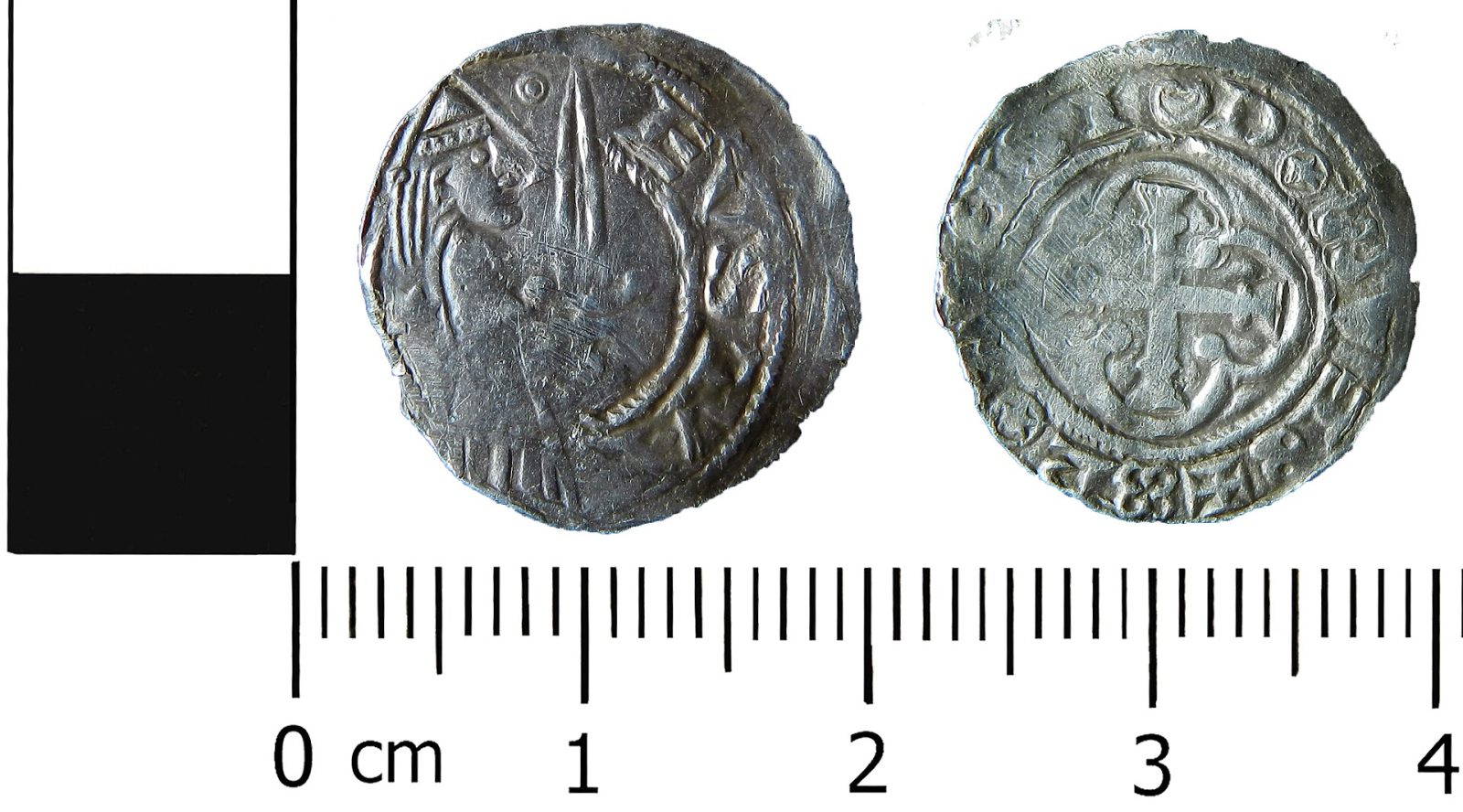
In September 2020, 15-year-old Walter Taylor was metal detecting with his father and uncle in a field in south Essex when he found a silver penny of Henry I, showing the king pointing towards stars, a design linked with the great comet and his victory at Tinchebrai in 1106.

FF 445

Struck during the Anarchy, probably about 1141 to 1147 · found 2019

Robert of Gloucester penny

England · Coins

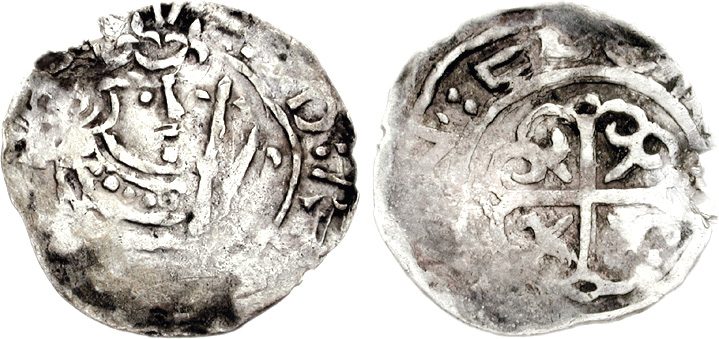
A silver penny found at Downton in Wiltshire and recorded in 2019 was struck in the name of Robert, Earl of Gloucester, half-brother of the Empress Matilda, during the civil war with King Stephen. It was a previously unrecorded type, described as unique.

FF 476

Struck at Edinburgh in the late 1130s · found 2023

David I penny, Penicuik

Scotland · Coins

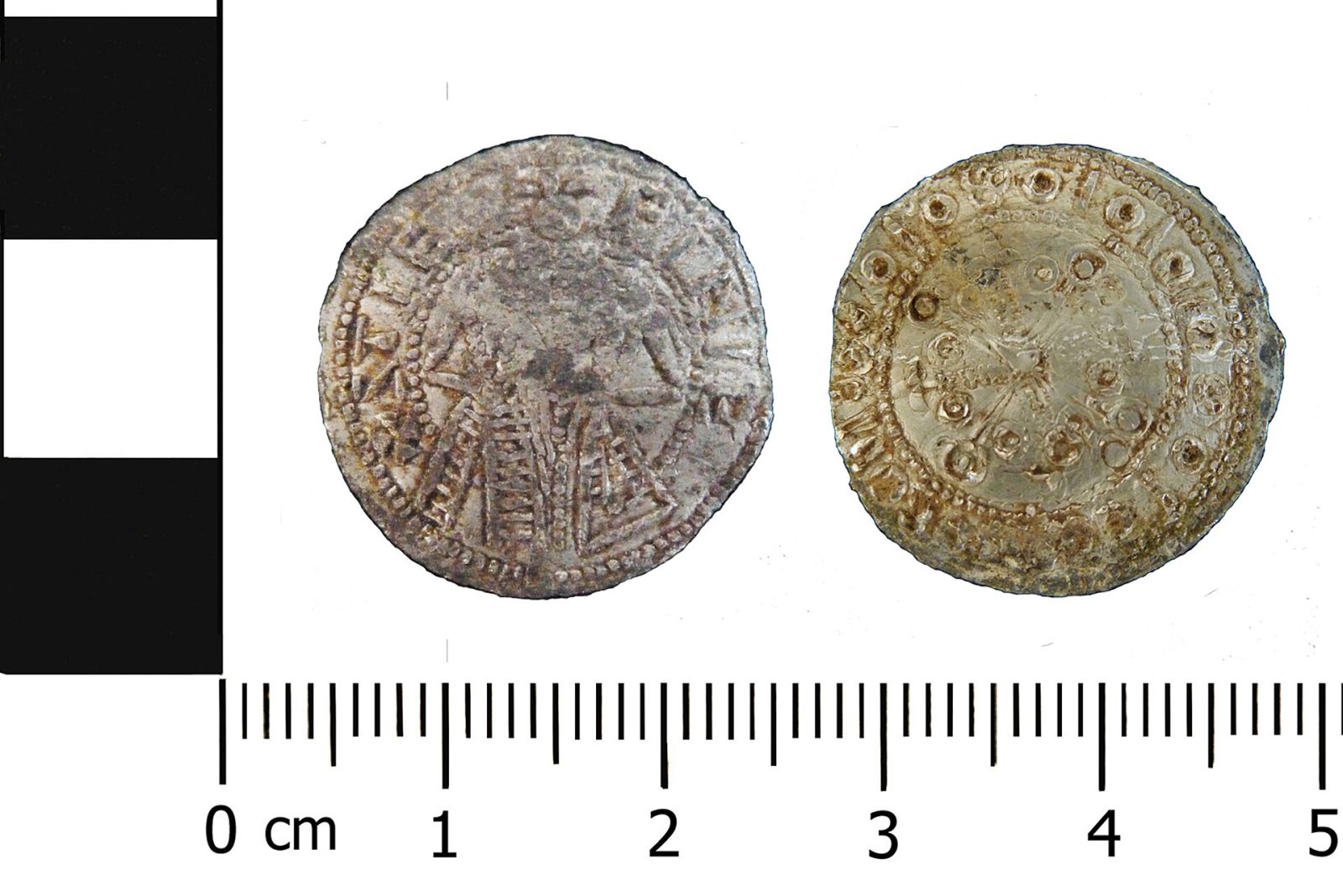
In 2023 a metal detectorist searching woodland near Penicuik in Midlothian found a silver penny of David I, struck at Edinburgh in the late 1130s. It is the earliest known coin minted in Scotland, and National Museums Scotland acquired it for £15,000.

FF 505

Struck at York during the Anarchy, 1135 to 1154 · found 2020

Eustace FitzJohn penny

England · Coins

On 15 August 2020 Rob Brown, detecting a stubble field near Pickering in North Yorkshire, got his first signal of the day after twenty paces. It was a penny struck by Eustace FitzJohn, a baron who minted his own coins during the Anarchy. It sold for £29,760.

FF 485

Struck about 1139 to 1148, during the Anarchy · found 2020

Henry of Anjou penny

England · Coins

In September 2020 John Denham, detecting with his sons Simon and Steven near Wallingford in Oxfordshire, found a penny of Henry of Anjou, the future Henry II, struck during the Anarchy. It was the only complete coin of its type with a readable mint and moneyer.

FF 484

Struck at York in the early 1140s · found 2018

Stephen and Matilda penny

England · Coins

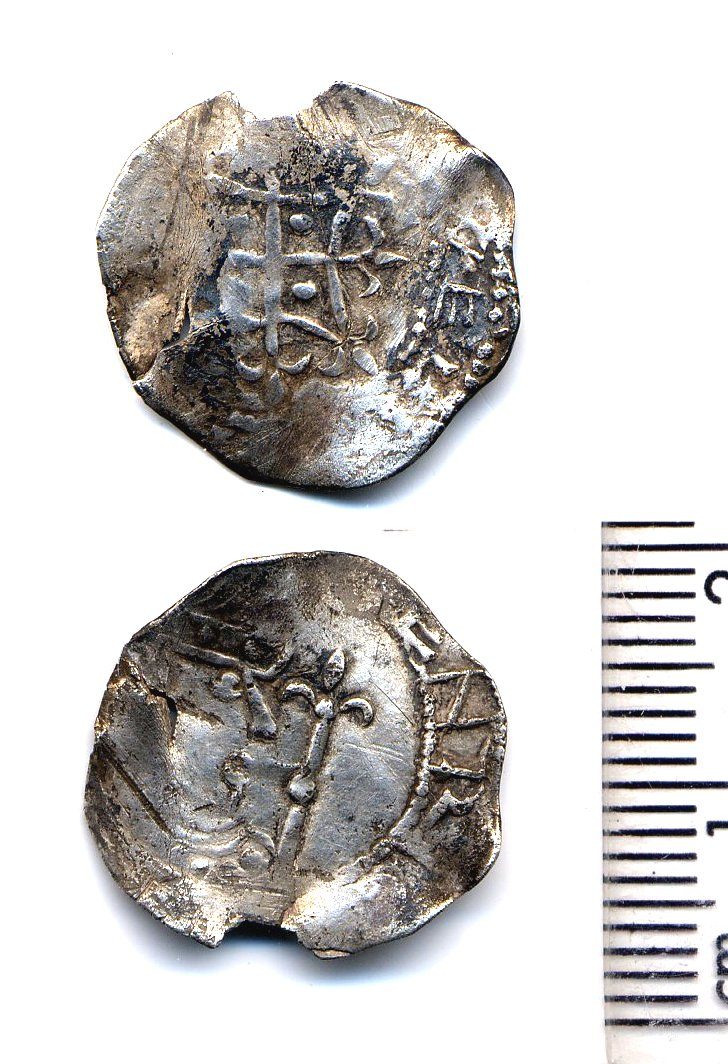
In October 2018 detectorist Graeme Rushton, on only his second visit to a ploughed field on the South Yorkshire and Lincolnshire border, found a York penny showing King Stephen and Queen Matilda holding a sceptre between them. About 25 are known.

FF 406

Struck about 1147 · found 2020

William FitzRobert penny

England · Coins

On 30 August 2020 a silver penny was found at Stalbridge Weston in Dorset, struck about 1147 by William FitzRobert, son of the Earl of Gloucester, during the civil war between Stephen and Matilda. It was only the ninth coin of his known.

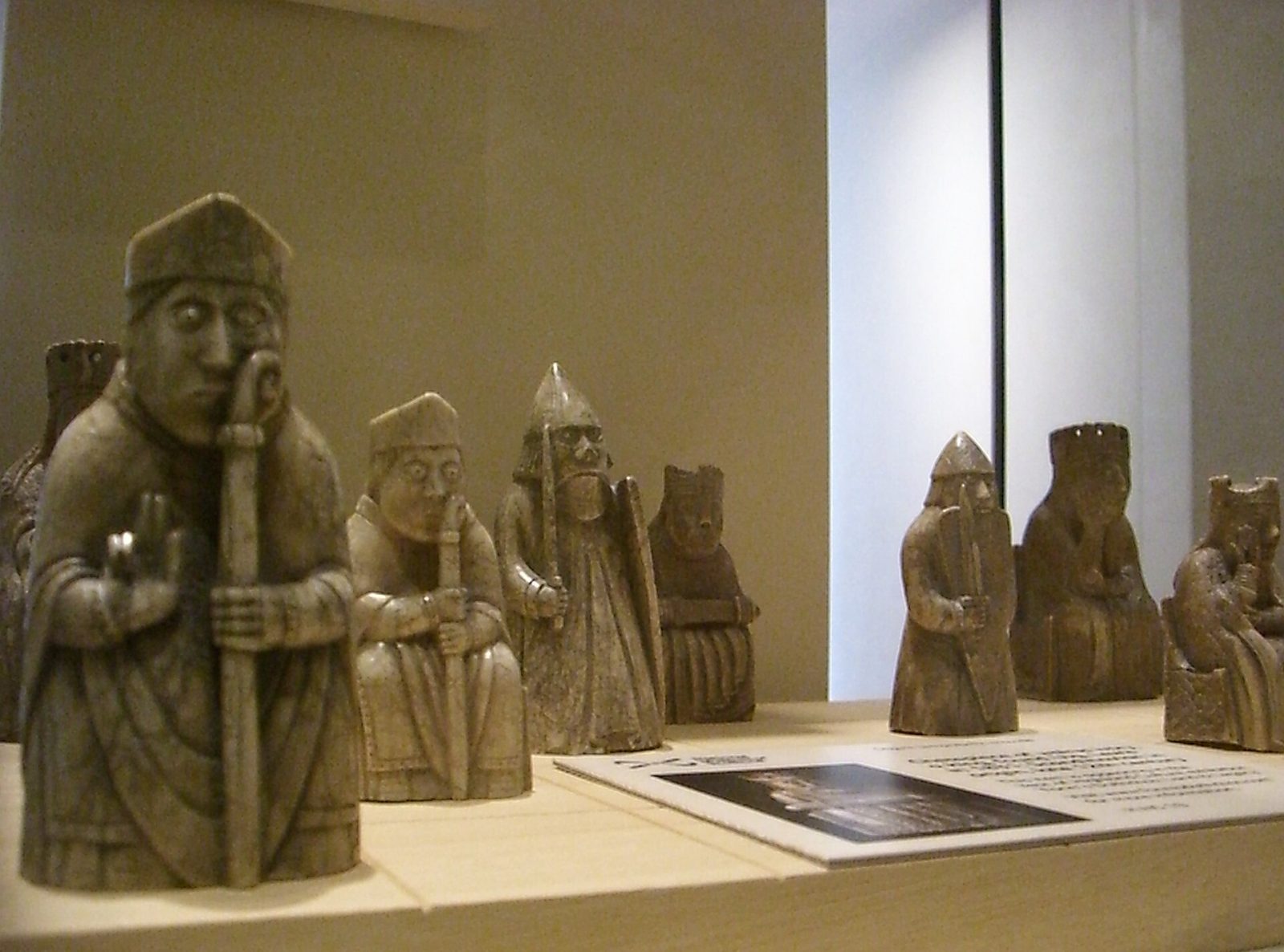
FF 88

Made about 1150 to 1200 · found 1831

Lewis Chessmen

Scotland · Artefacts

Found on the Isle of Lewis by 1831, the Lewis Chessmen are 93 pieces carved from walrus ivory and whale tooth in the late 1100s, among them the famous shield-biting warriors. They are now split between London and Edinburgh.

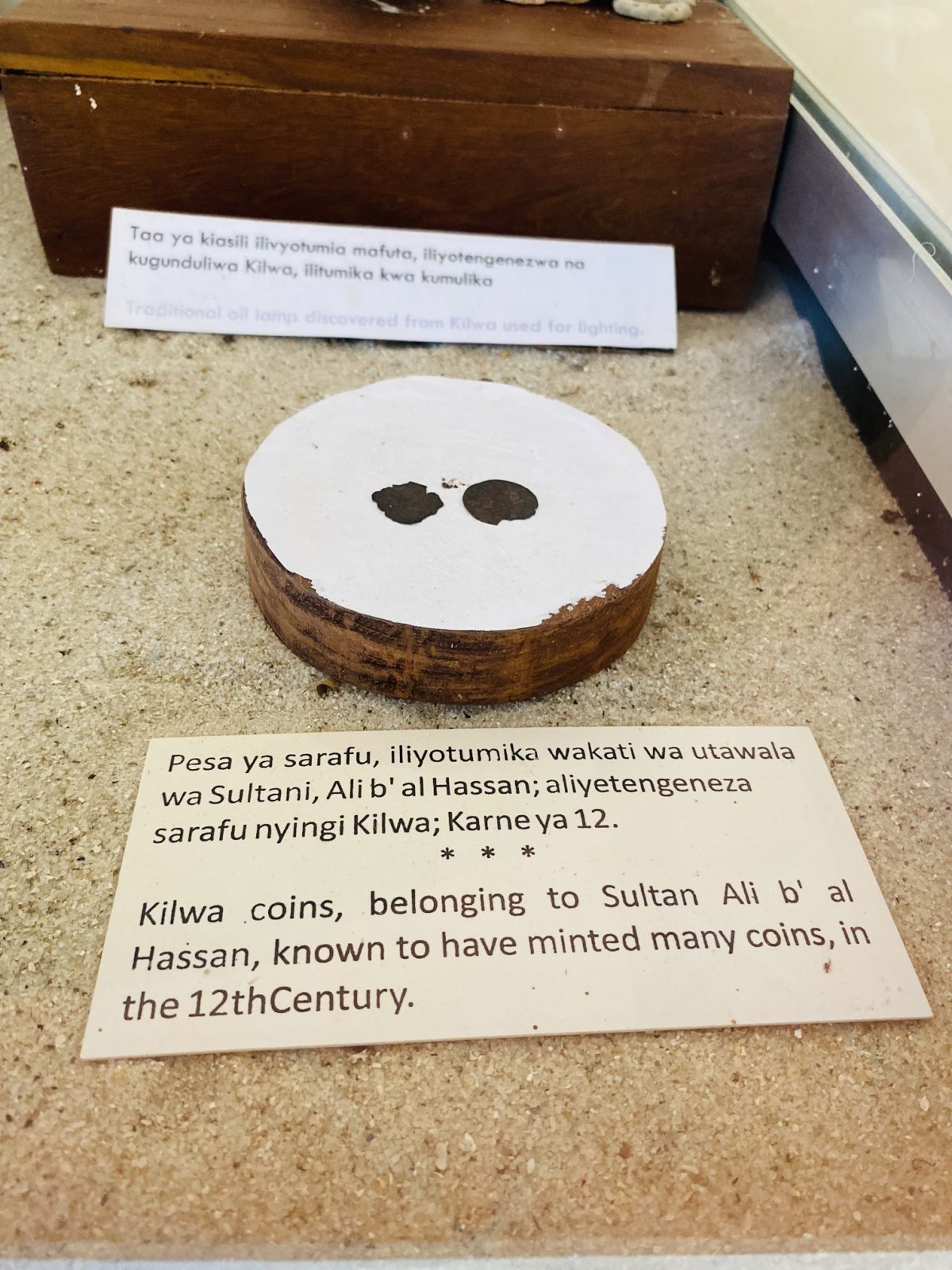
FF 246

Coins struck in the 12th to 14th centuries · found 1944

Kilwa coins, Marchinbar Island

Australia · Coins

In 1944 an Australian airman fishing on Marchinbar Island, off the coast of Arnhem Land, picked up a handful of coins from the sand. Five turned out to be copper coins of the Sultanate of Kilwa in East Africa, struck centuries before Europeans reached Australia.

FF 506

Struck in the reign of Malcolm IV, 1153 to 1165 · found 2020

Malcolm IV penny, Aberdour

Scotland · Coins

In 2020 a metal detectorist found a silver penny of Malcolm IV, King of Scots from 1153 to 1165, in a field near Aberdour in Fife. Claimed as Treasure Trove, it was acquired by the OnFife museums and shown in Dunfermline, where the king is buried.

FF 578

12th century, reign of Parakramabahu I (1153-1186) · found 1951

Dedigama elephant lamp

Sri Lanka · Artefacts

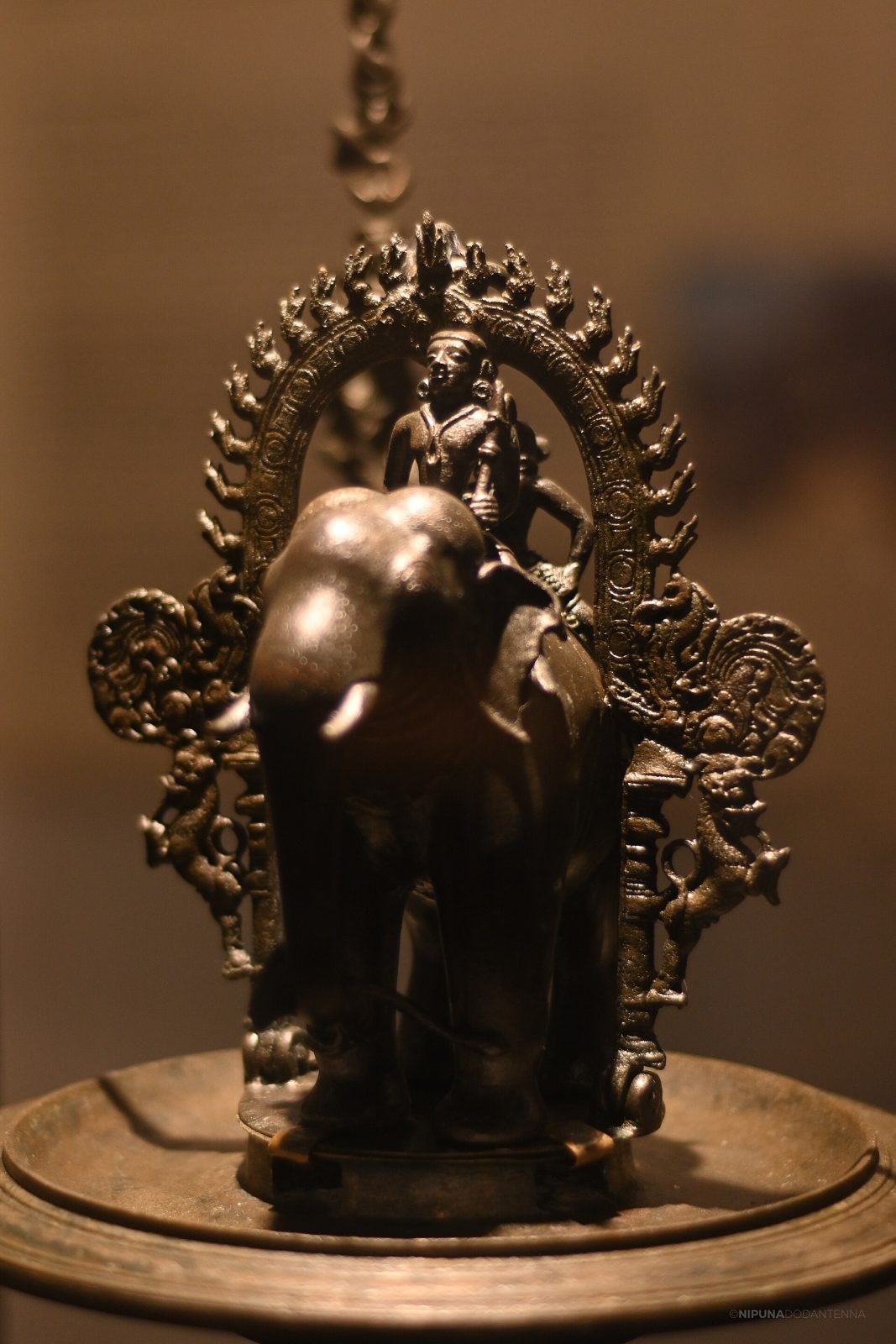
In 1951 archaeologists opening the relic chamber of the Kota Vehera stupa at Dedigama, Sri Lanka, found two bronze elephant lamps standing in its corners, their oil dishes still sooty. Made in the 12th century, the lamps refill themselves from oil stored inside the elephant.