Famous finds

The finds every detectorist knows: hoards turned up by ploughs, builders and fellow detectorists, and the treasures that changed what we know about the past. Oldest first, by when they were made or buried. Each one is on the finds timeline too.

507 famous finds, oldest first · page 11 of 13. Jump to: Prehistoric · Bronze Age · Iron Age · Roman · Early Medieval · Medieval · Post-Medieval · Modern

FF 417

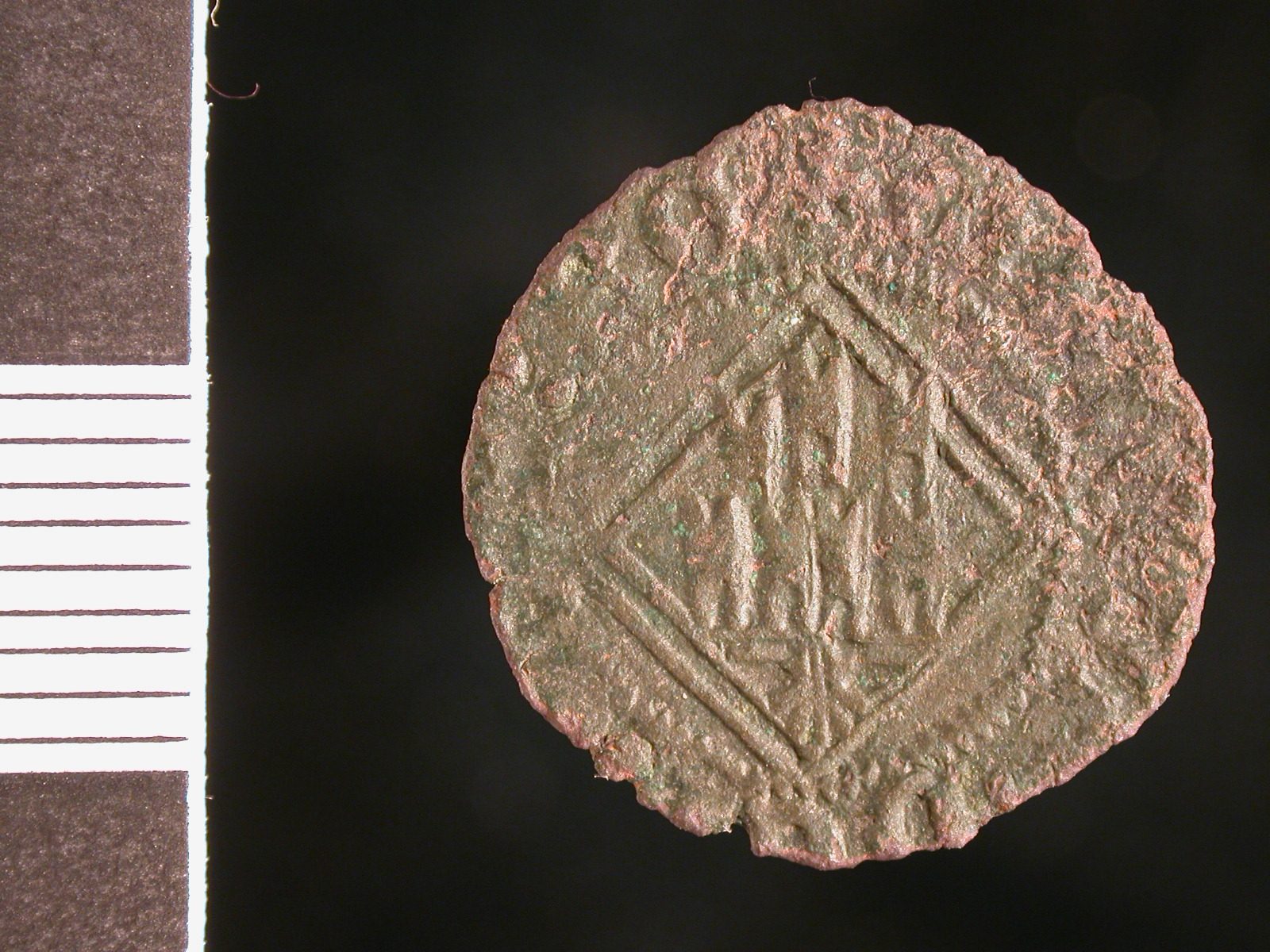
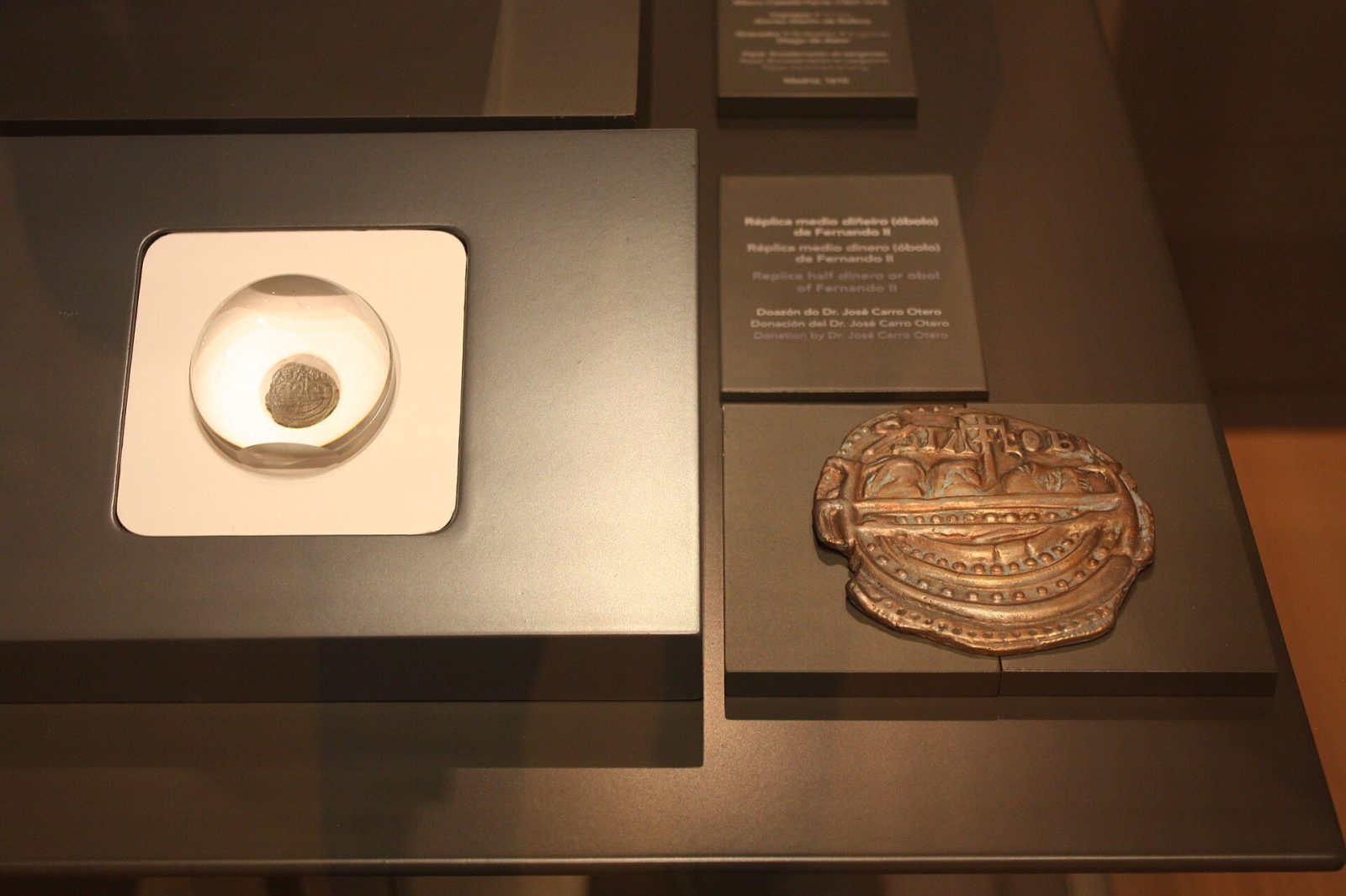
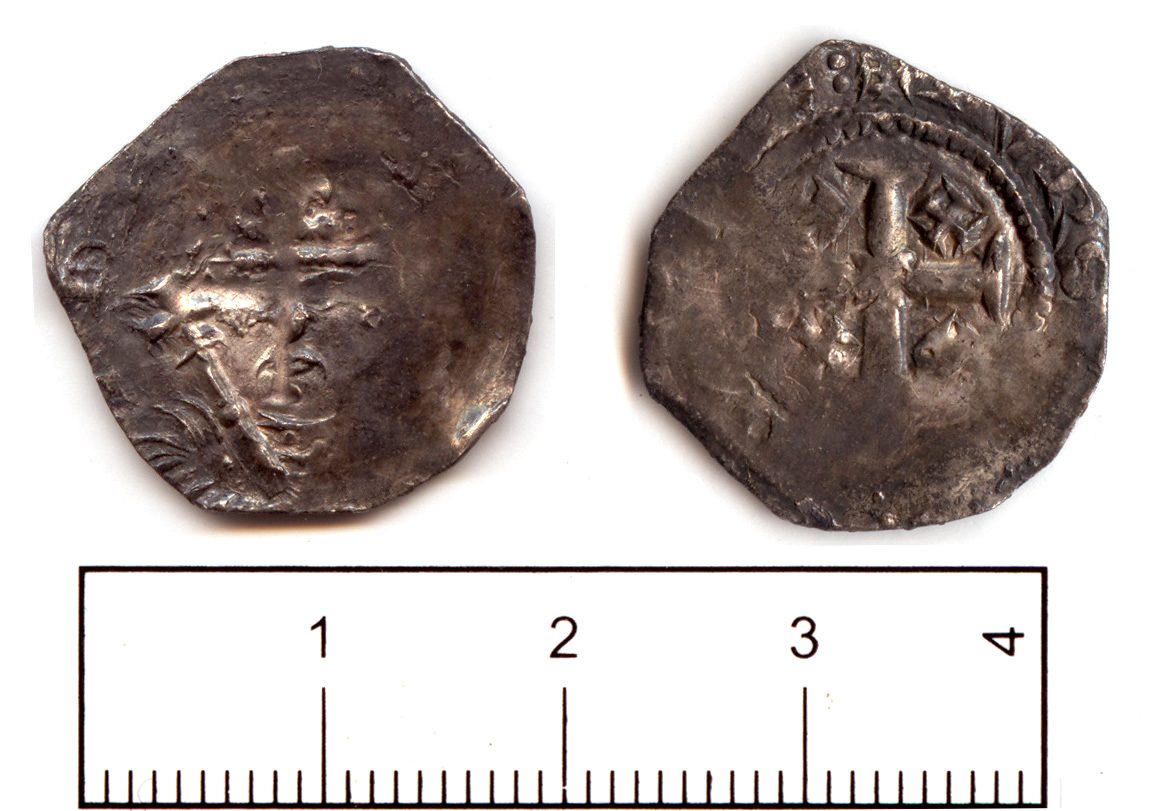
Struck in the reign of Fernando II of León, 1157 to 1188 · found 1985

Adro Vello Translatio coin

Spain · Coins

In 1985 excavators at Adro Vello, a sand-buried church and cemetery on the Galician coast of Spain, found a tiny 12th-century coin of King Fernando II of León. It shows St James's body arriving by boat, the founding legend of the Camino de Santiago, and is unique.
FF 330

Buried in the mid-1170s · found 1807

Tealby Hoard

England · Hoards

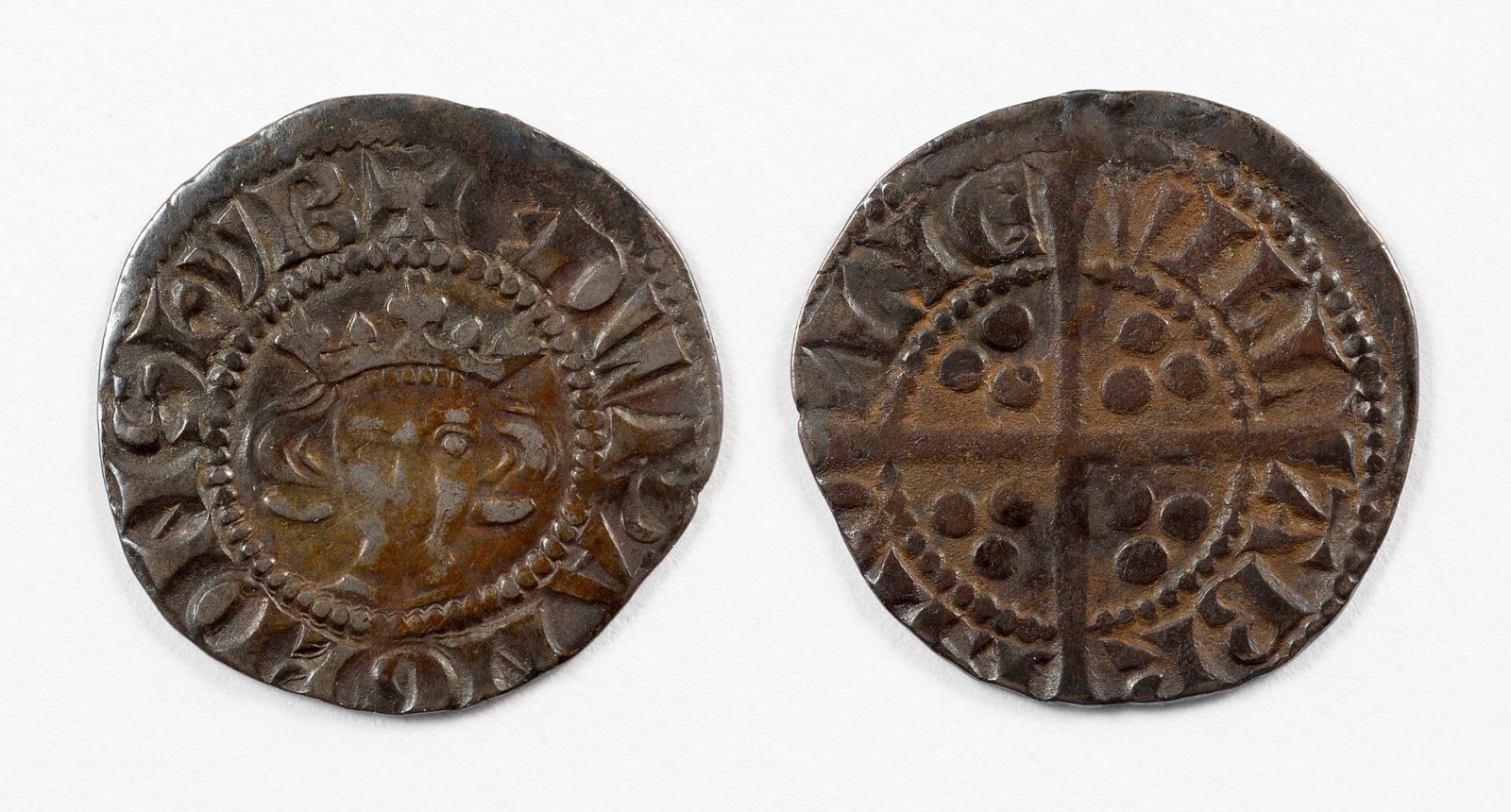
In 1807 a ploughman near Tealby in Lincolnshire turned up a pot holding about 6,000 silver pennies of Henry II. More than 5,000 were melted down at the Tower mint, but the hoard gave its name to the whole coin type, still known to detectorists as 'Tealby' pennies.

FF 434

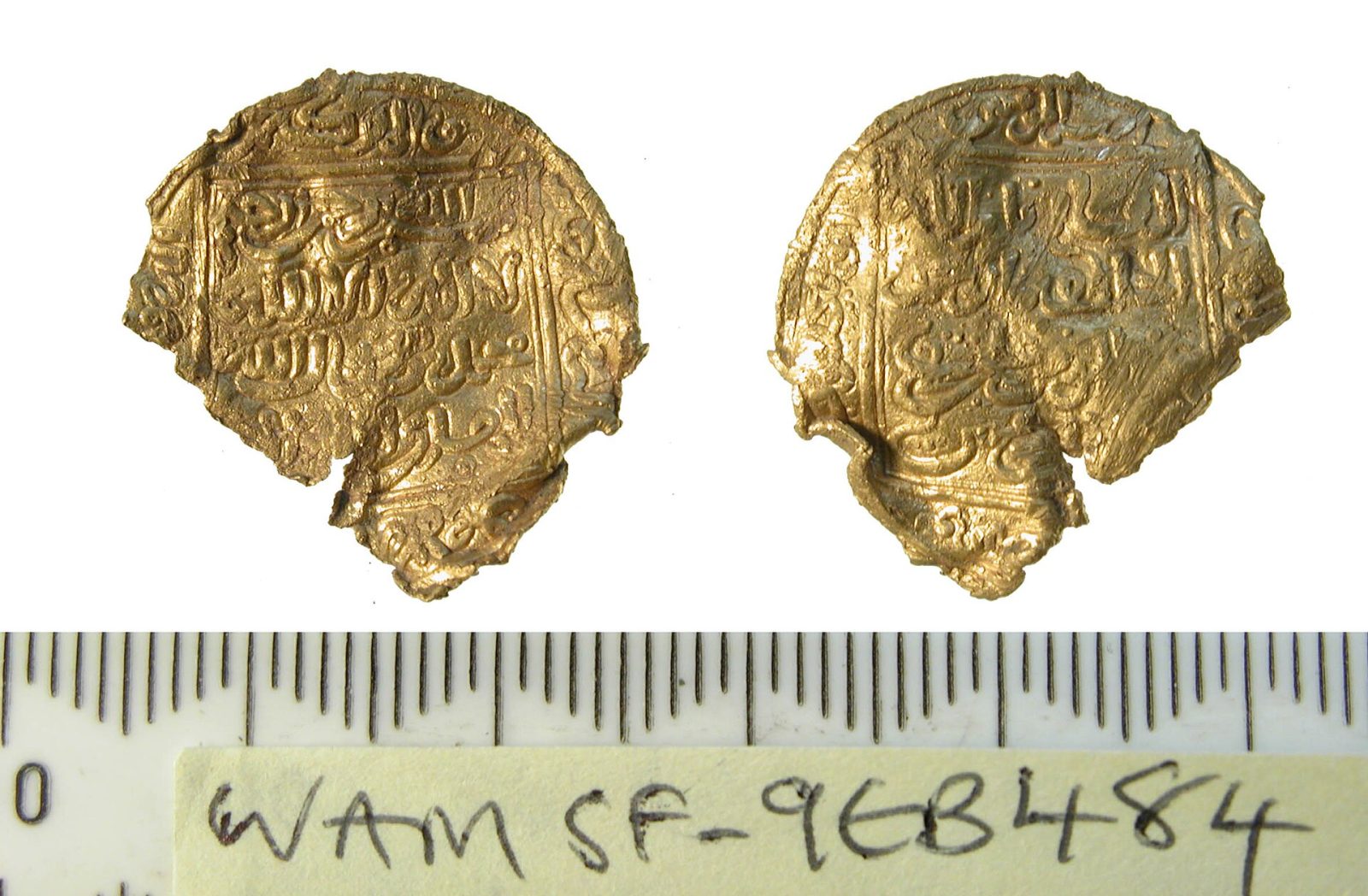
Struck about 1168 to 1184 · found 2006

Almohad gold half-dinar

England · Coins

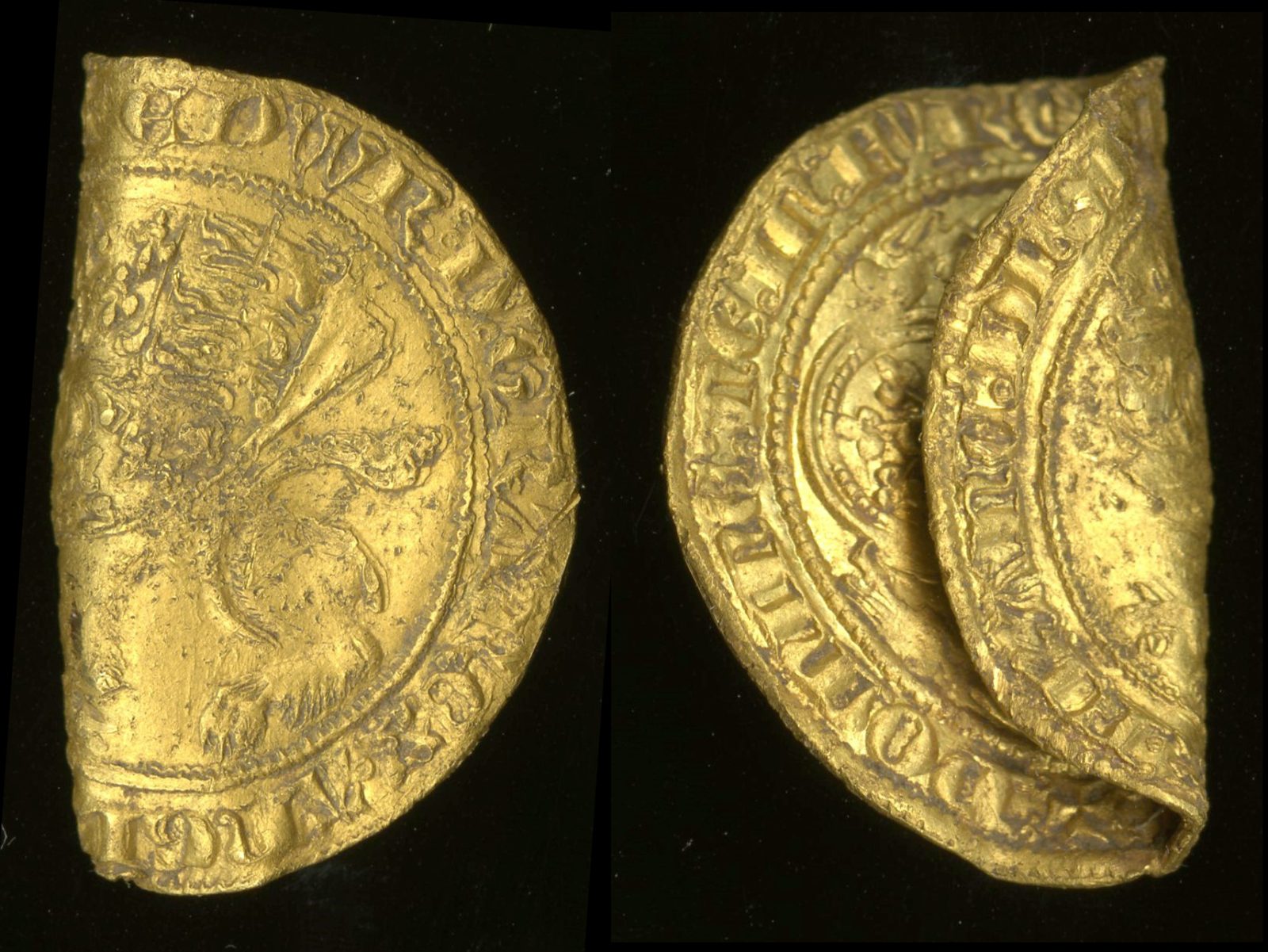
On 25 April 2006 a detectorist at Wattisham in Suffolk found a folded gold coin covered in Arabic script. It was a half-dinar of the Almohad caliph Abu Ya'qub Yusuf, struck in North Africa in the 1160s to 1180s. The Fitzwilliam Museum in Cambridge bought it.

FF 198

Hidden by 1349 · found 1863

Colmar Treasure

France · Hoards

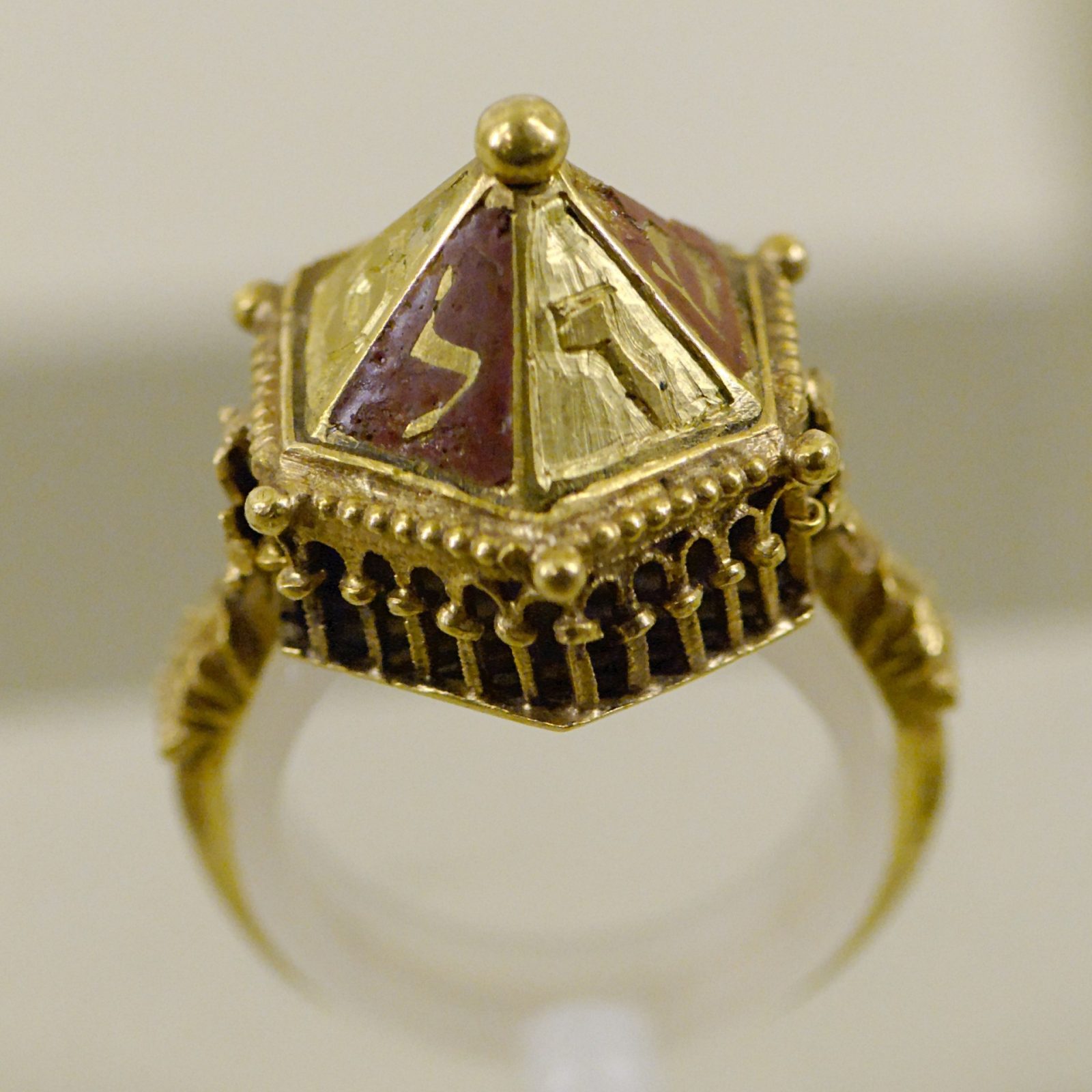
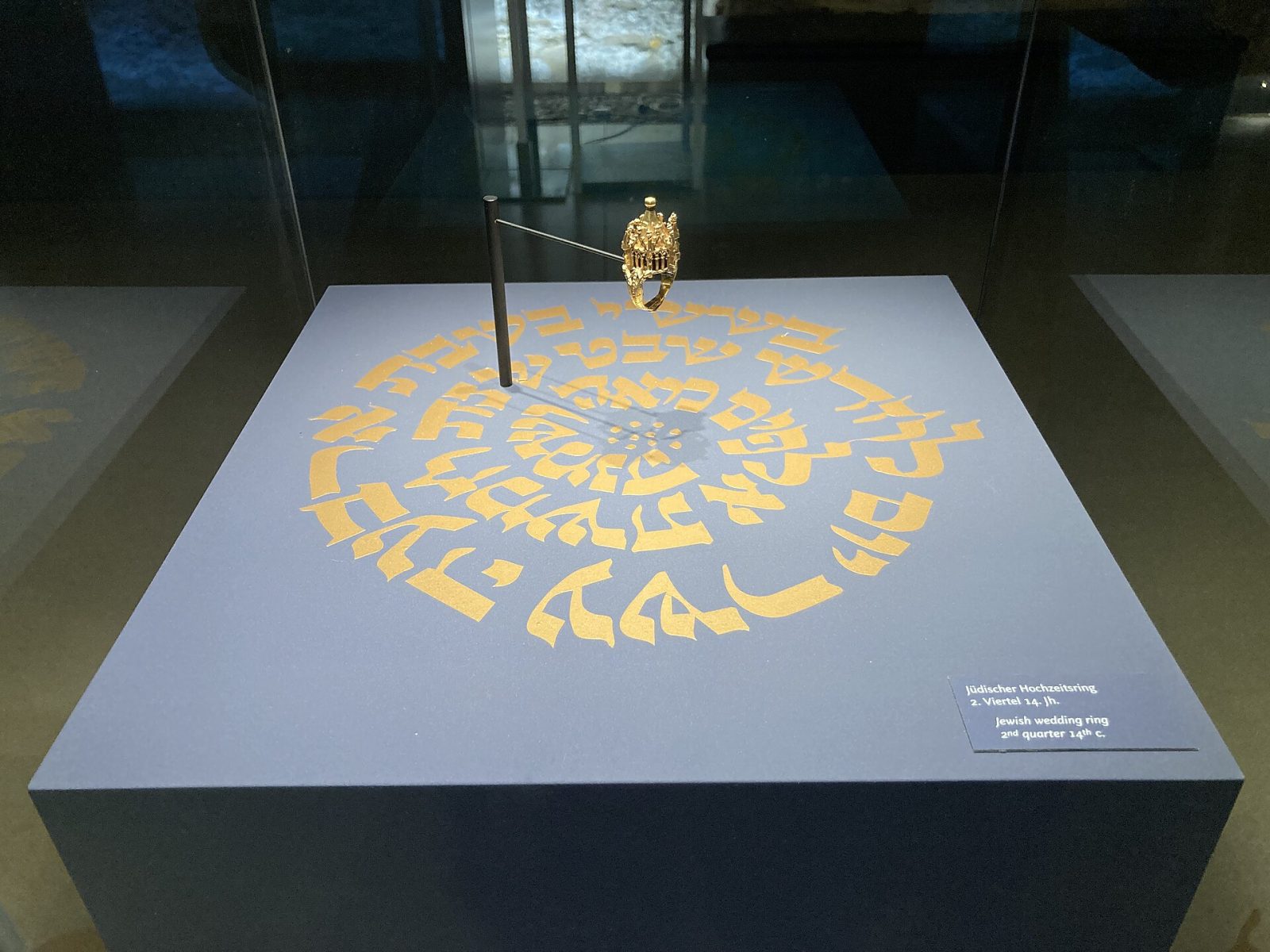
In 1863 builders renovating a shop in the old Jewish street of Colmar, in Alsace, broke through a wall and found a pot of medieval coins and jewellery. Hidden as the Black Death swept Europe in 1348–49, it includes one of the finest Jewish wedding rings known.

FF 247

Carved about the 13th to 15th centuries · found 1889

Great Zimbabwe birds

Zimbabwe · Artefacts

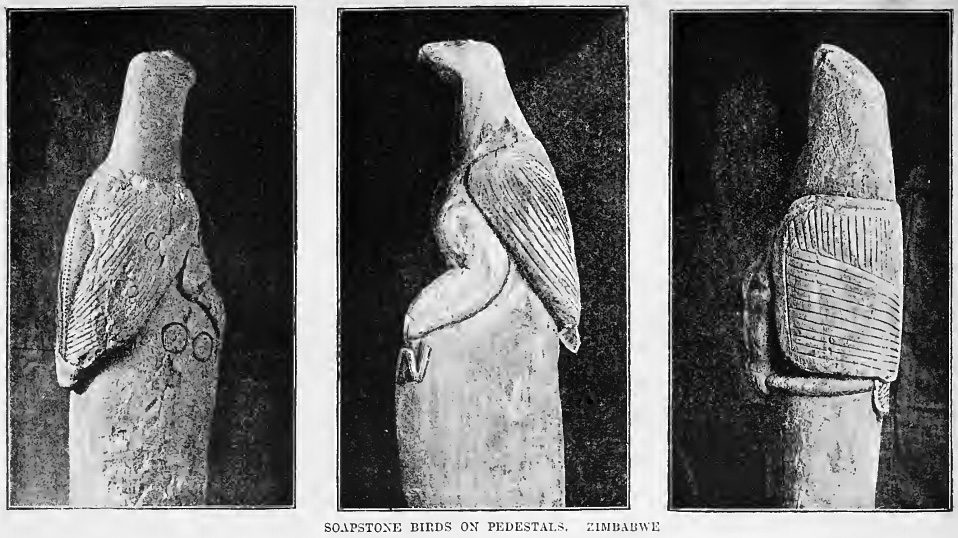
In 1889 a hunter cut a carved soapstone bird from its column at the ruins of Great Zimbabwe and sold it to Cecil Rhodes. Seven more were taken to South Africa and Germany. The last bird came home to Zimbabwe in April 2026.

FF 310

Made about AD 1200 to 1450 · found 1933

Spiro Mounds

United States · Artefacts

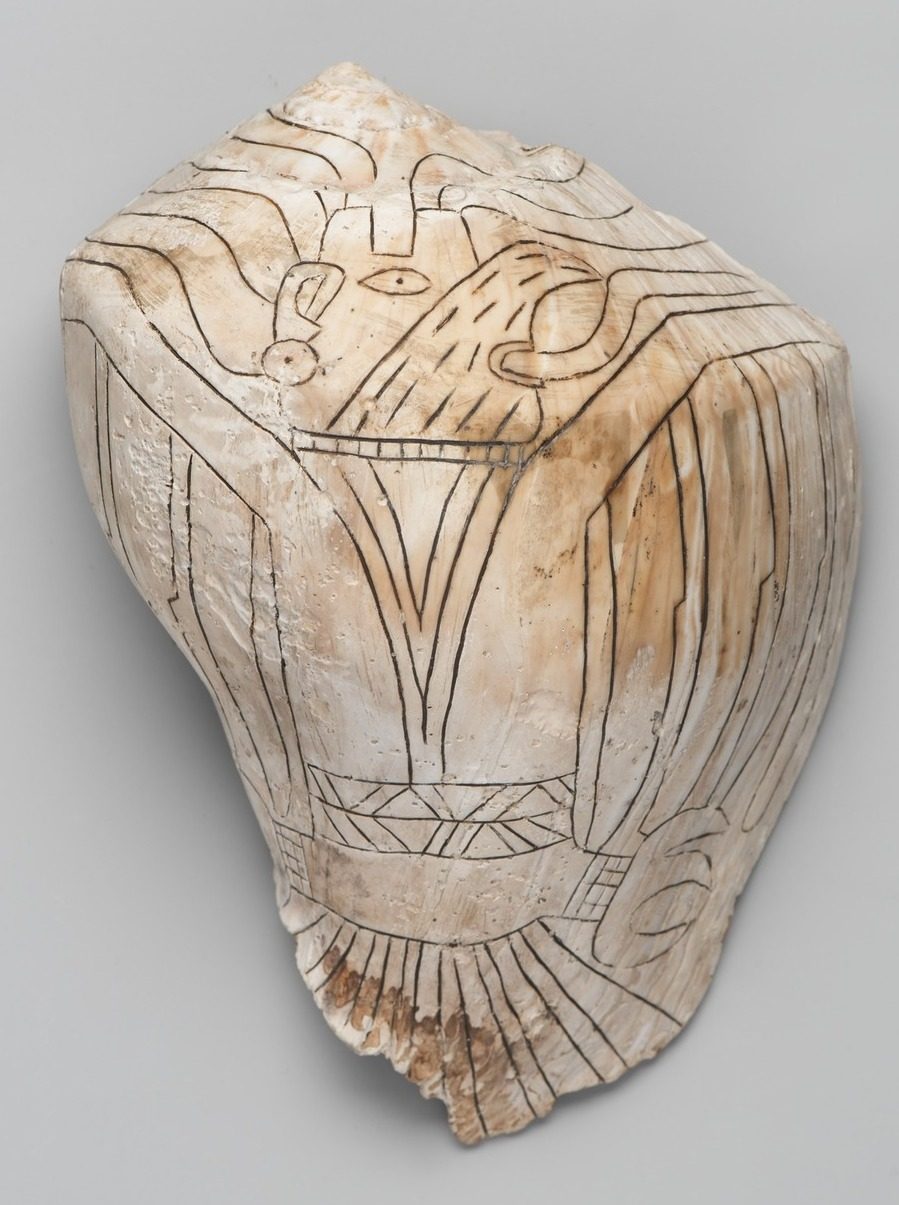
In 1933 six men paid $300 for a lease to dig Craig Mound at Spiro, Oklahoma. Over two years their 'mining company' tunnelled into one of the richest burial mounds in North America and sold thousands of engraved shells, copper plates and textiles around the world.

FF 190

About AD 1220 to 1290 · found 1933

Golden Rhino of Mapungubwe

South Africa · Artefacts

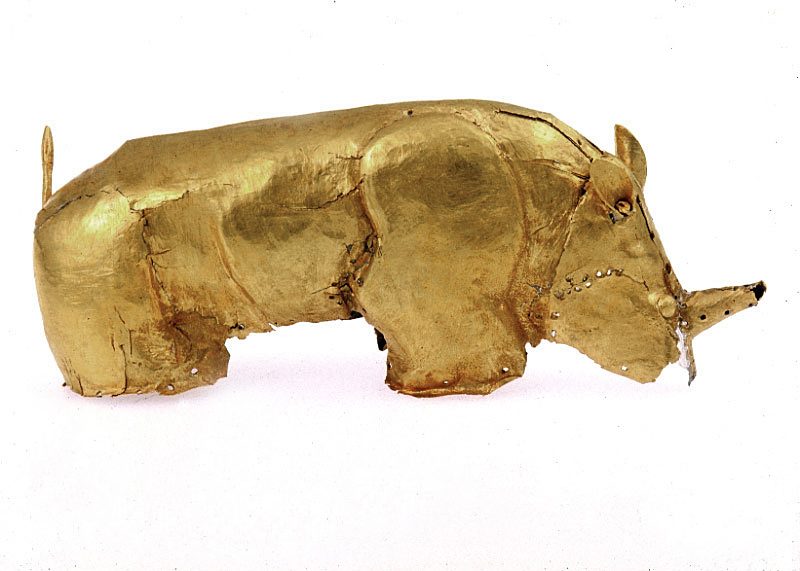
On New Year's Eve 1932 a local guide led a South African farmer and his companions up Mapungubwe Hill, where they picked up gold. Excavations then uncovered royal graves holding a small gold-foil rhinoceros, now the emblem of South Africa's highest honour.

FF 312

Carved about 1250 to 1333 · found 1824

Kingittorsuaq runestone

Greenland · Artefacts

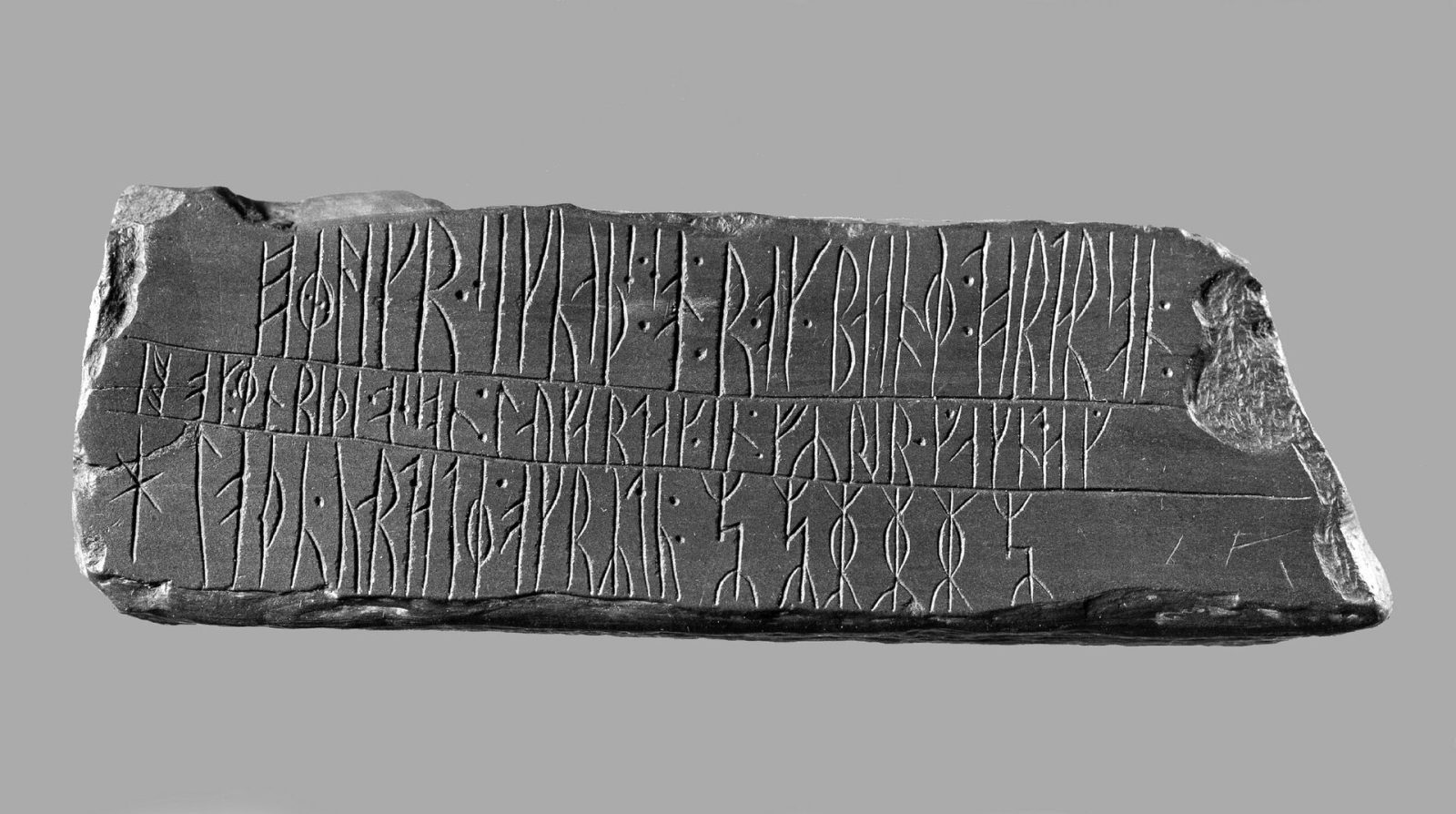
In 1824 the Greenlandic hunter Pelimut found a small stone carved with runes on the island of Kingittorsuaq, north of Upernavik. It records three Norsemen who built cairns there in the 13th or 14th century, and it is the most northerly Norse runic inscription known.

FF 343

Buried about 1322 · found 1831

Tutbury Hoard

England · Hoards

On 1 June 1831 workmen improving a mill race in the River Dove below Tutbury Castle found medieval silver pennies by the thousand. Hundreds of local people rushed to dig, the Crown claimed the hoard, and the yeomanry were sent in. It may have been the war chest of Thomas, Earl of Lancaster.

FF 320

Buried about 1256, with more added about 1268 to 1278 · found 1969

Colchester Hoard (1969)

England · Hoards

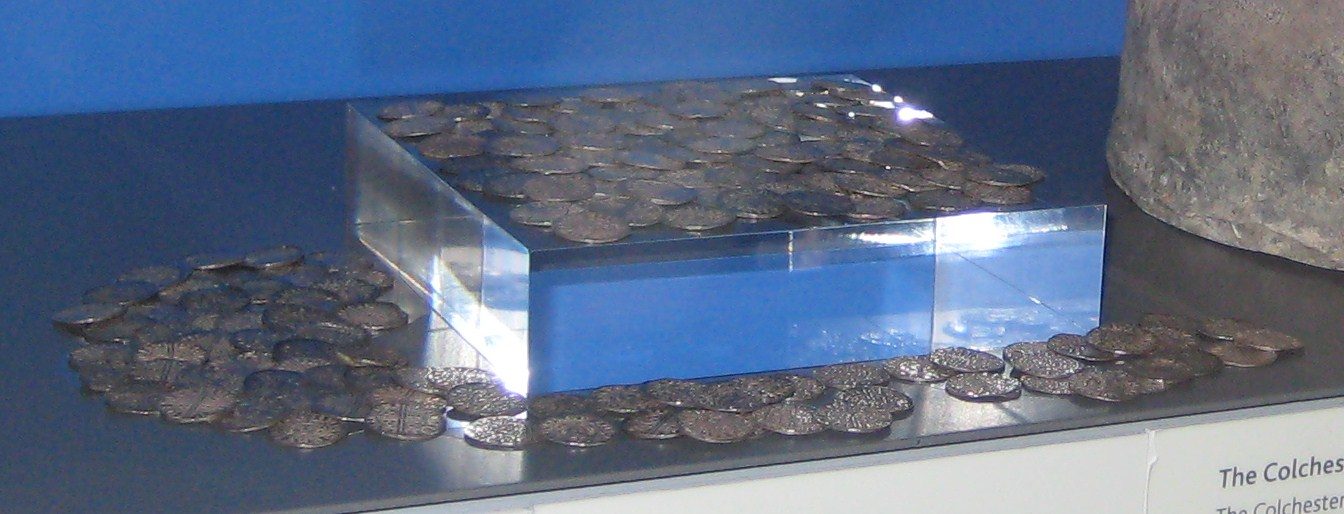
In February 1969 workmen digging a lift pit behind the new Boots store on Colchester High Street hit a lead canister holding more than 14,000 silver pennies of Henry III. It is the largest medieval hoard ever recovered intact in Britain.

FF 375

Struck in or after 1257 · found 2021

Henry III gold penny

England · Coins

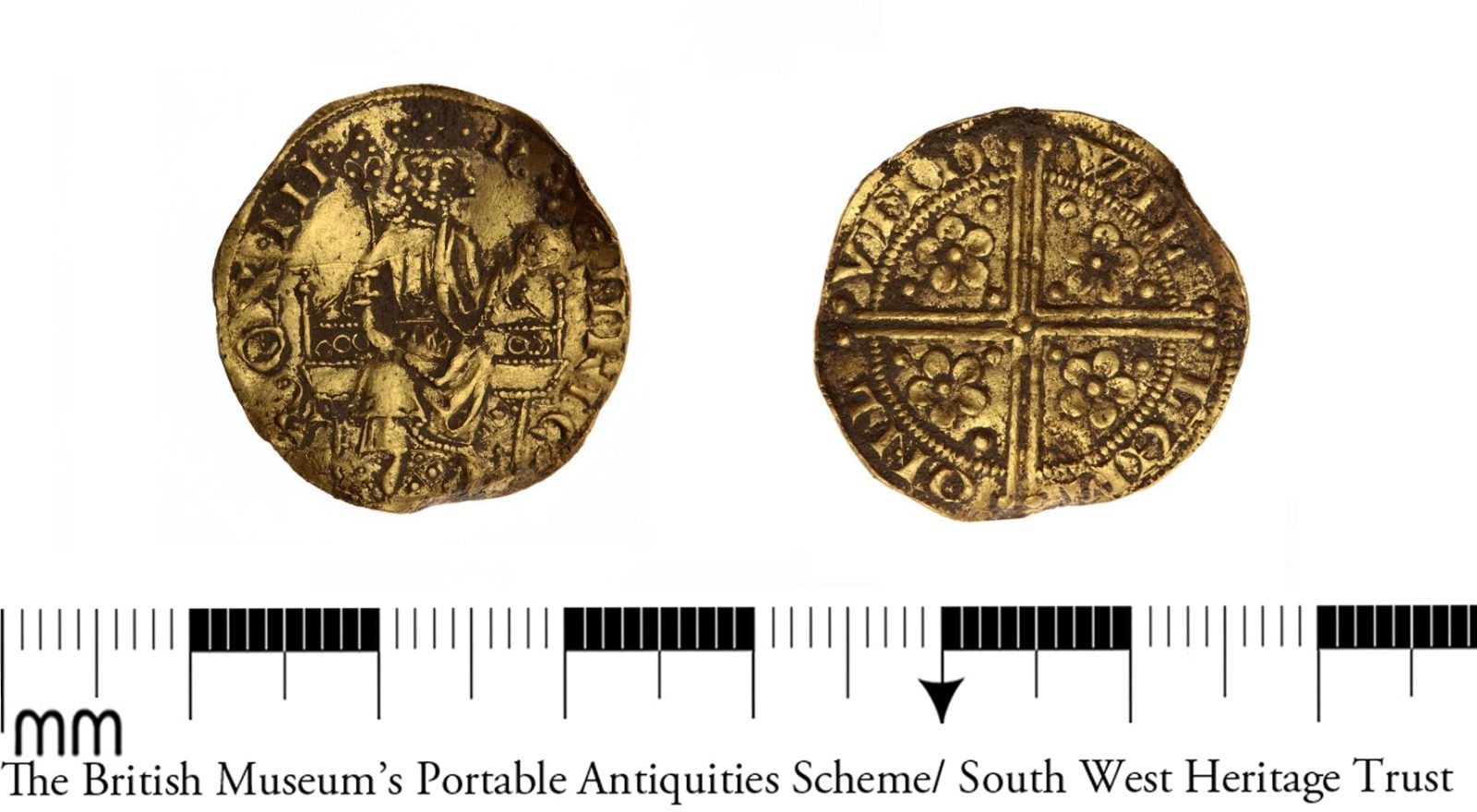
On 26 September 2021 Michael Leigh-Mallory took his new metal detector out for the first time near Hemyock in Devon and found a gold penny of Henry III within fifteen minutes. Only eight are known. It sold for £648,000.

FF 178

Hidden before the pogrom of 1349 · found 1998

Erfurt Treasure

Germany · Hoards

In 1998 builders working beside Erfurt's medieval synagogue found a silver bowl under a cellar wall, and took it for tin. It led to nearly 28 kilograms of coins, silver and jewellery, including a gold Jewish wedding ring, hidden before the town's Jewish community was destroyed in 1349.

FF 209

Made about AD 1295 to 1410 · found 1969

Muisca raft

Colombia · Artefacts

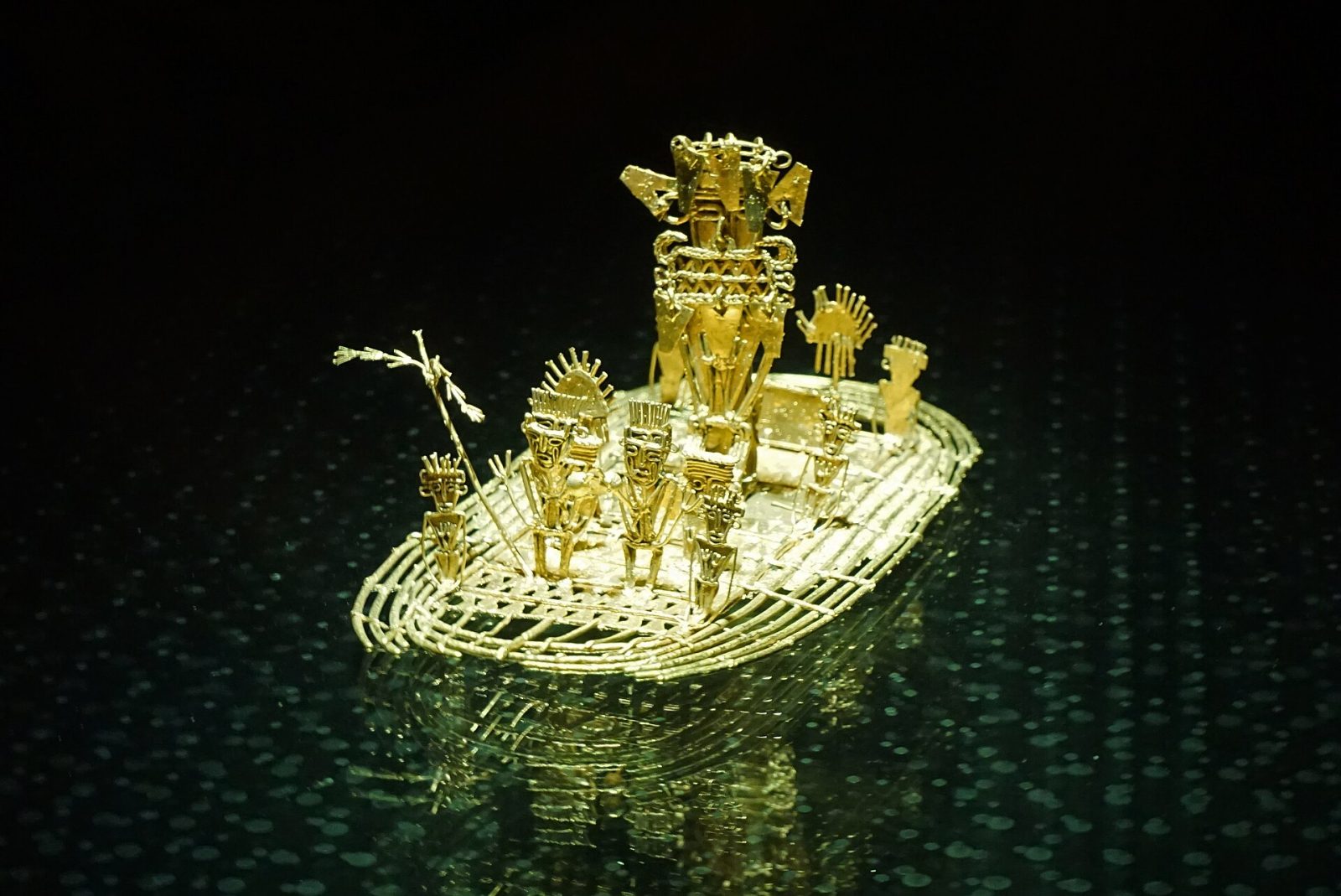
In 1969 a farmworker found a small gold model of a raft carrying a chief and his attendants in a cave above Pasca, near Bogotá. It brings to life the ceremony behind the legend of El Dorado, and it is the most famous object in Colombia's Gold Museum.

FF 158

Hidden in the mid 14th century · found 1988

Środa Treasure

Poland · Hoards

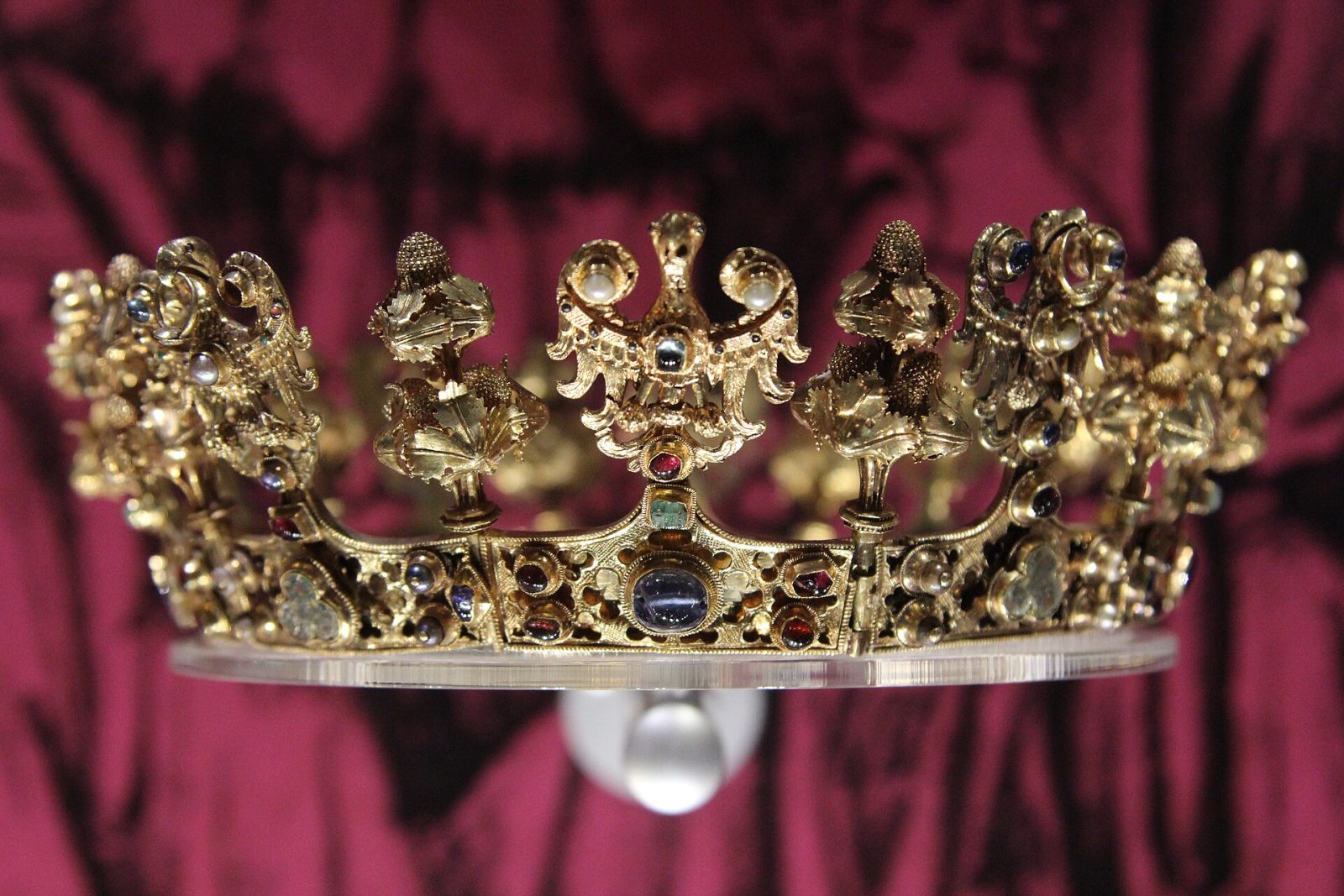
In 1985 and again in 1988, building work at the same address in Środa Śląska in south-west Poland broke open two caches of medieval treasure: thousands of silver coins, gold florins and a jewelled gold crown that may have belonged to the wife of Emperor Charles IV.

FF 221

Mixtec burials of the 14th to 15th centuries AD · found 1932

Monte Albán Tomb 7

Mexico · Artefacts

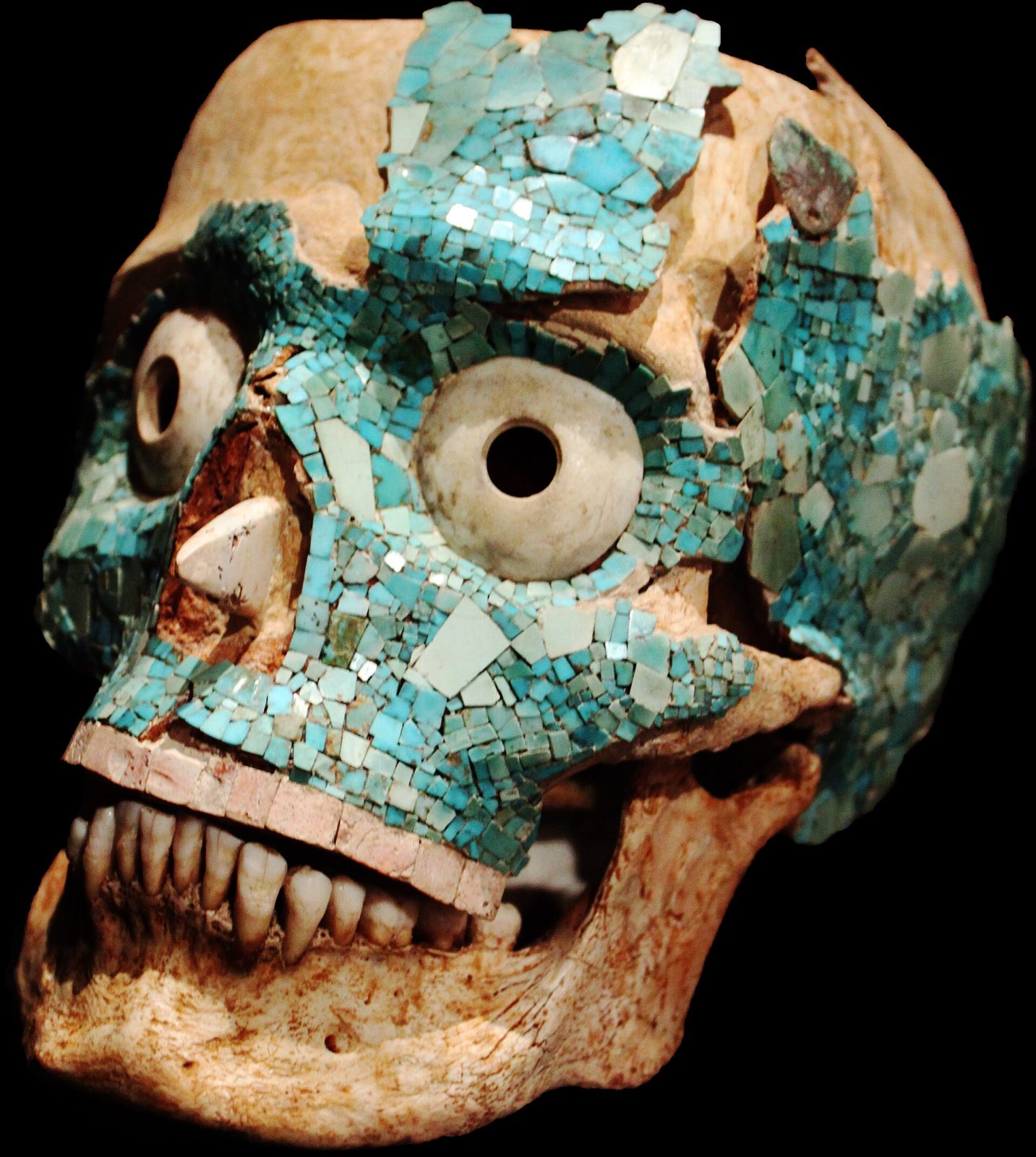
In January 1932 the Mexican archaeologist Alfonso Caso opened a tomb at Monte Albán in Oaxaca and found it filled with Mixtec treasure: gold pectorals, jade, pearls, carved jaguar bones and a skull covered in turquoise mosaic. It made headlines around the world.

FF 347

Made in the 14th or 15th century

Nanteos Cup

Wales · Mystery

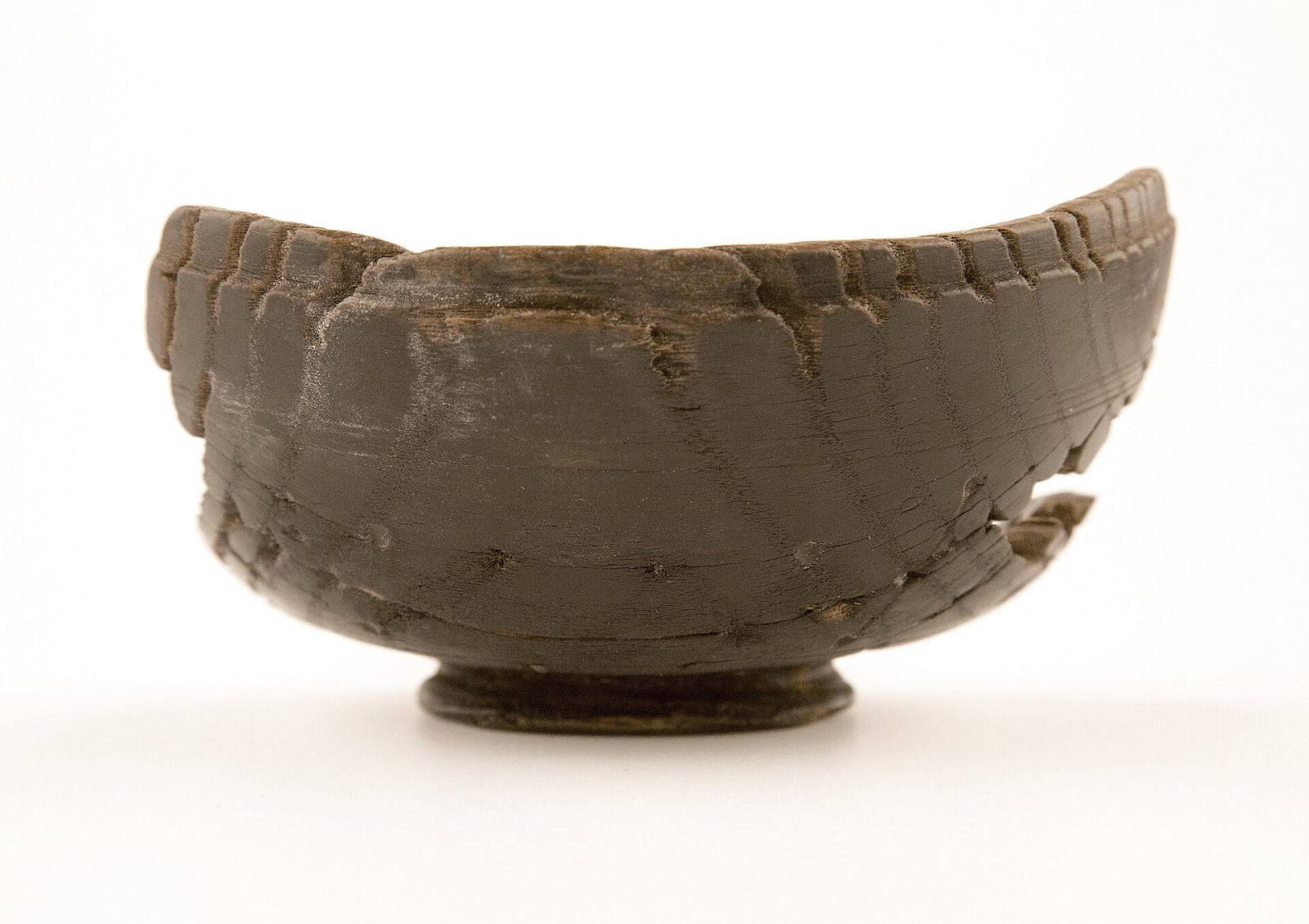
The Nanteos Cup is the broken half of a medieval wooden bowl, kept for generations at Nanteos mansion near Aberystwyth and lent to the sick to drink from. Legend made it the Holy Grail; experts call it a 14th or 15th-century mazer. Stolen in 2014, it was returned in 2015.

FF 372

Sank about 1323 · found 1975

Sinan shipwreck

South Korea · Artefacts

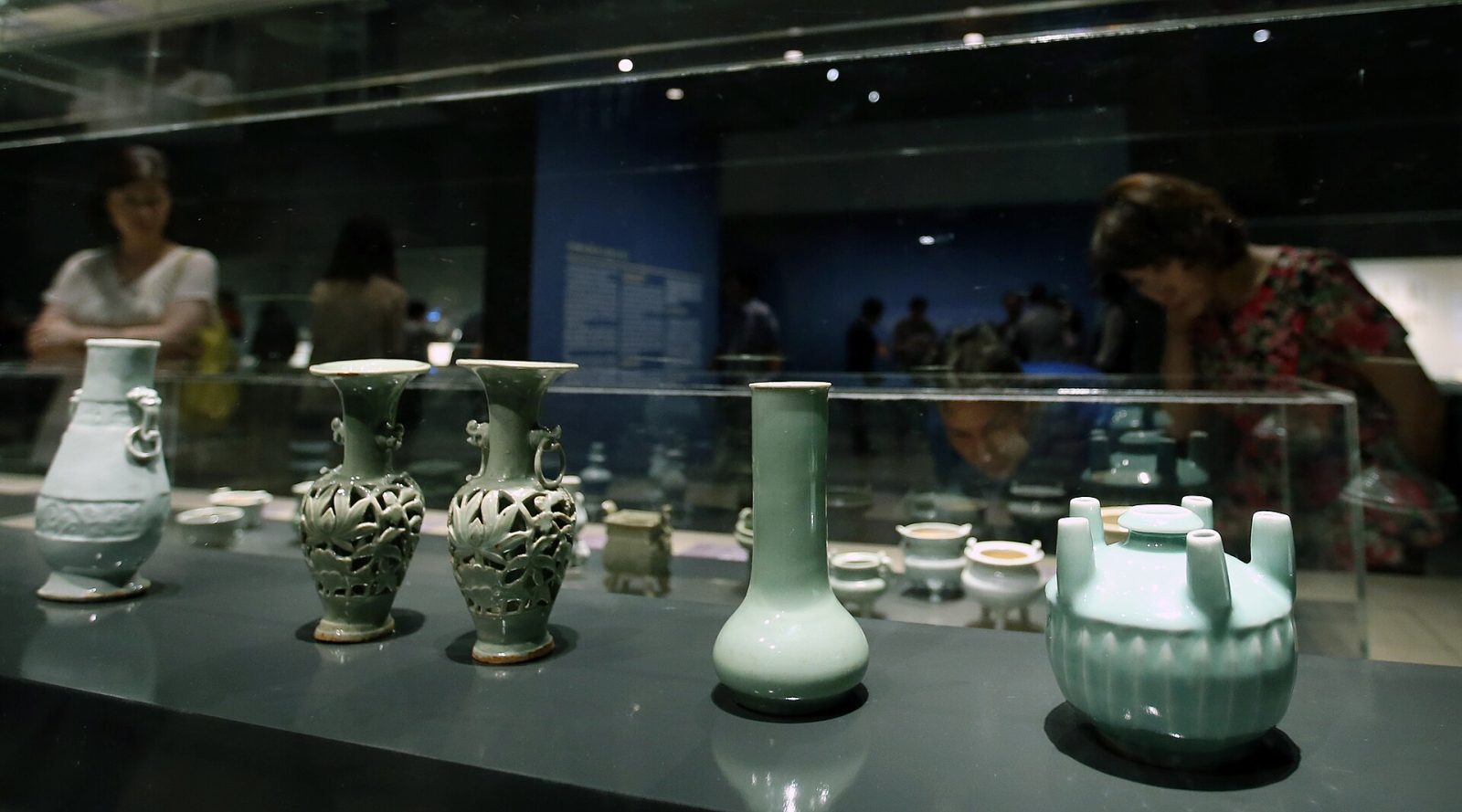
In 1975 a fisherman off Sinan in South Korea hauled up Chinese celadon in his net. Divers found a trading ship that sailed from China for Japan in 1323, carrying more than 20,000 ceramics, 28 tonnes of copper coins and wooden cargo labels naming a Kyoto temple.
FF 377

Struck between January and July 1344 · found 2006

Edward III Double Leopard

England · Coins

In February 2006 a metal detectorist in southern England found a gold double leopard of Edward III, a coin issued for barely six months in 1344. Only two others were known, found in the River Tyne in 1857. It sold for £460,000, a record for a British coin.
FF 395

Struck in 1344 · found 2015

Edward III gold helm

England · Coins

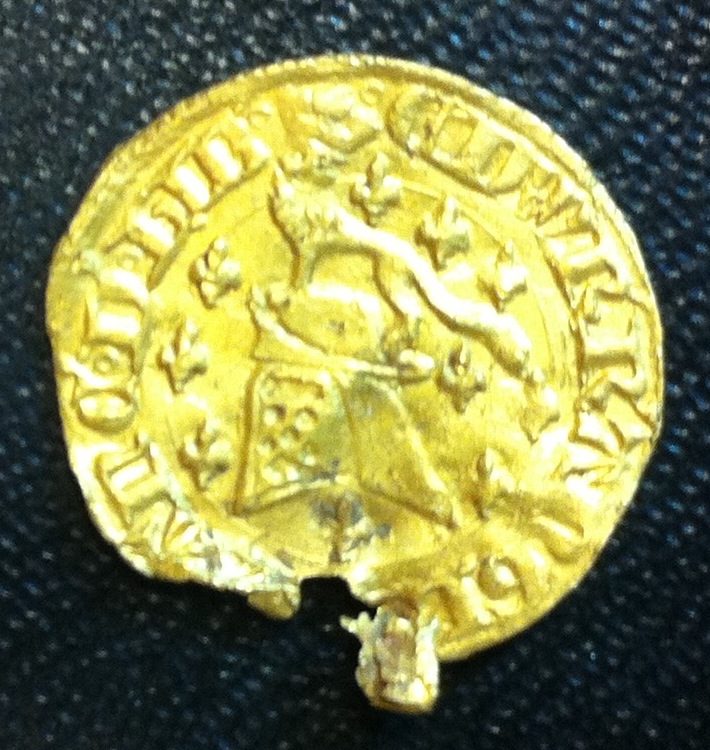
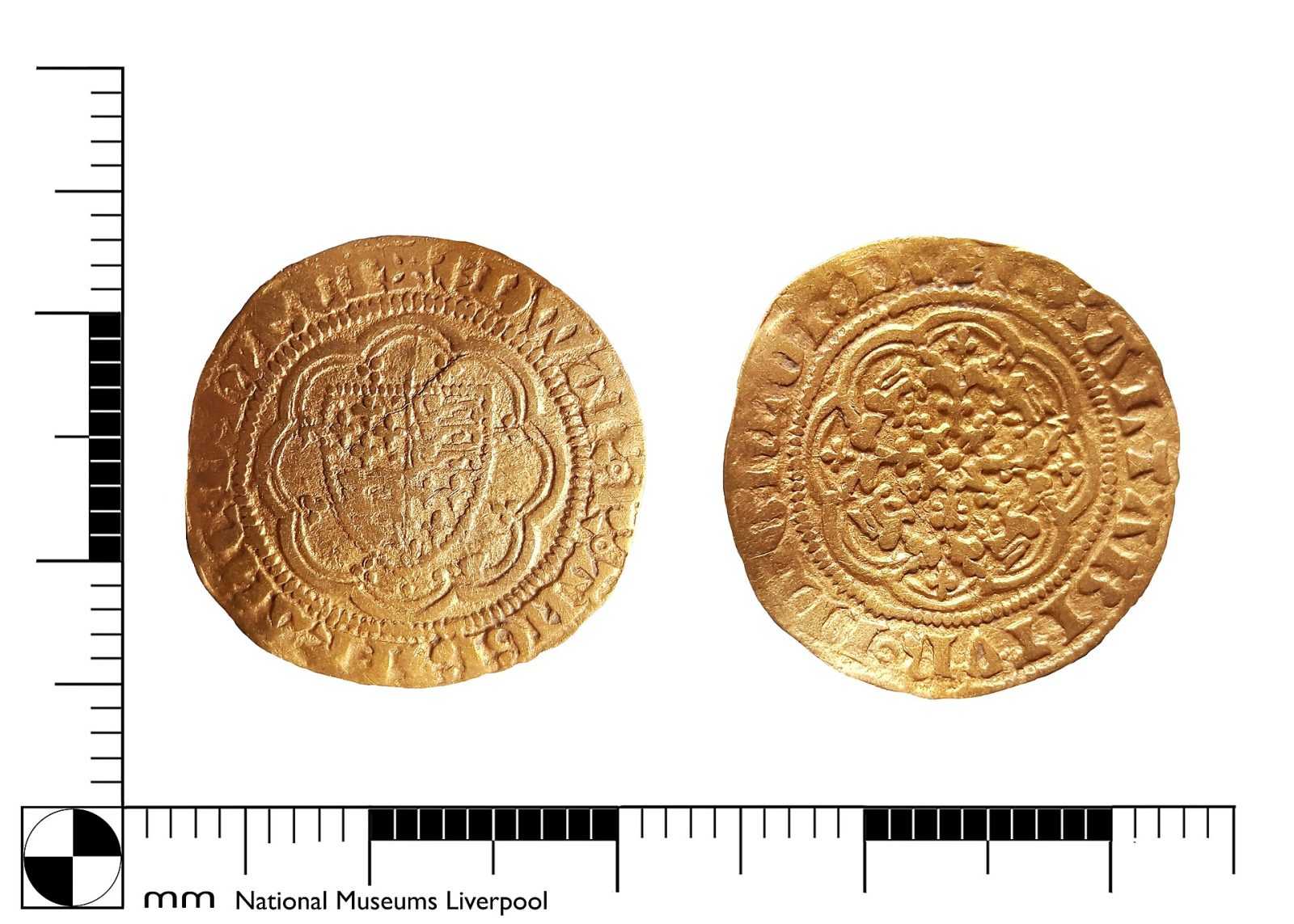
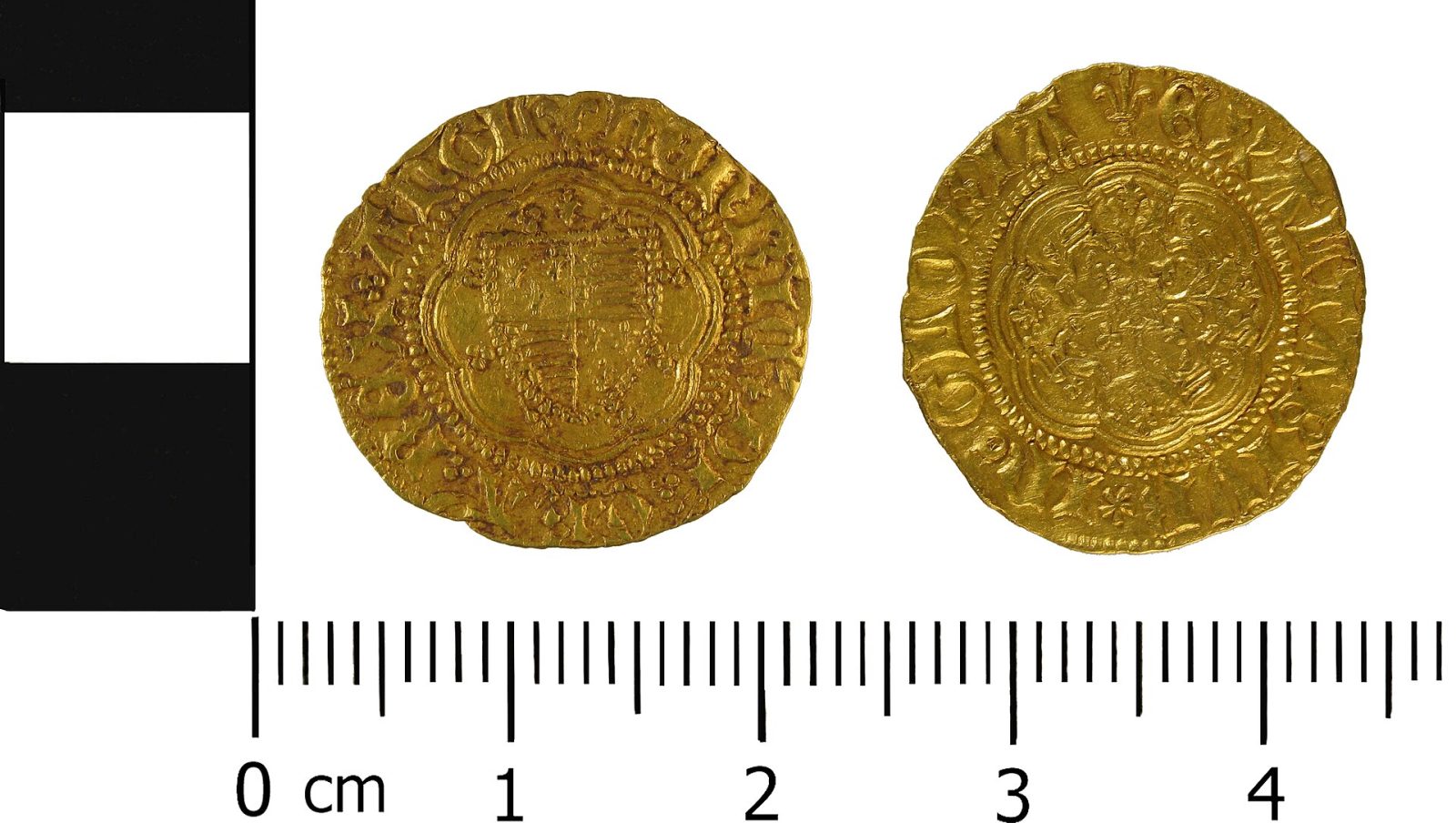
In April 2015 a detectorist near Colyton in Devon found a gold helm, or quarter-florin, of Edward III, struck in 1344 and withdrawn within months because nobody would accept it. Only about five are known, and it sold for £50,000.

FF 428

Made about 1350 to 1550, probably in the 15th century · found 2017

St Martin's windmill ring

England · Jewellery

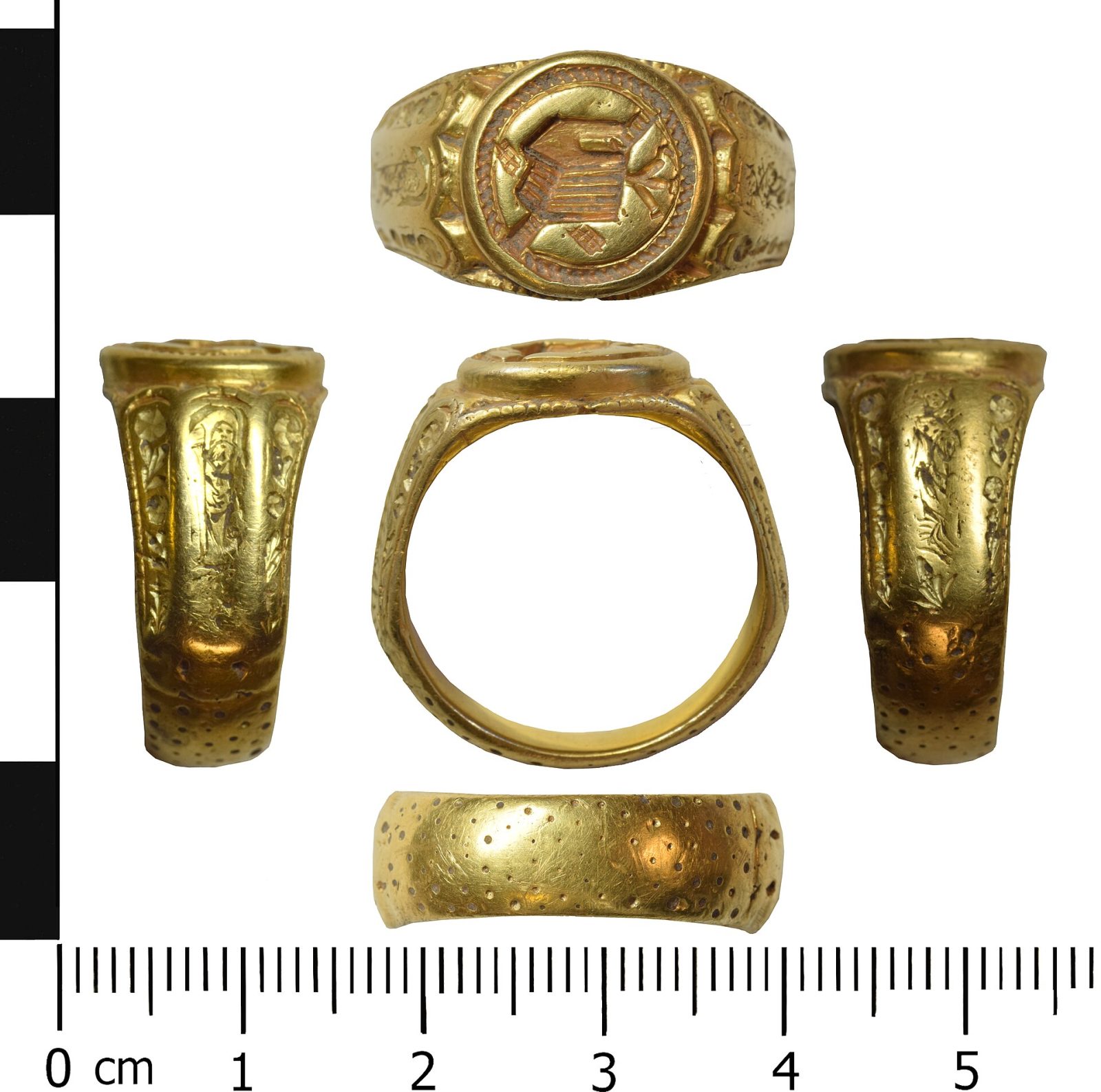
On 23 June 2017 a detectorist in a ploughed field near St Martin's in north Shropshire found a heavy gold signet ring of the late Middle Ages. Its bezel shows a windmill, its shoulders two saints, and inside, against the wearer's finger, the Virgin holding Christ.

FF 515

Struck 1351 to 1361 · found 2023

Edward III gold, Sudbury

England · Coins

In summer 2023 Jasper Hyde, detecting for only nine months, found an Iron Age gold stater at a charity dig in a pasture at Sudbury, Derbyshire, and an hour later a gold quarter noble of Edward III, struck in the 1350s. He hoped to see them shown in a local museum.

FF 336

Battle fought on 27 July 1361 · found 1905

Battle of Visby armour

Sweden · Weapons

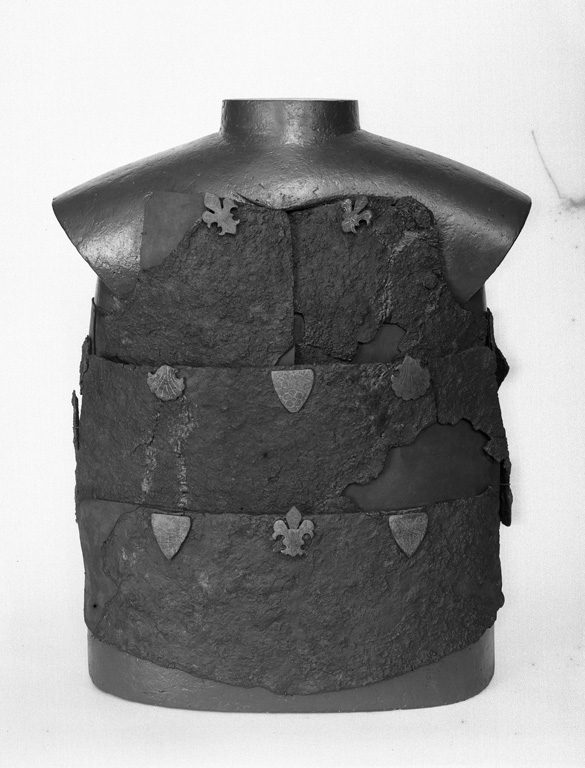
In 1361 a Danish army slaughtered about 1,800 Gotlanders outside the walls of Visby, and many were buried still in their armour. Excavated from 1905, the mass graves at Korsbetningen gave up some two dozen coats of plates and nearly 200 mail hoods, a unique record of medieval armour.

FF 233

Made about 1400 · found 1965

Dunstable Swan Jewel

England · Jewellery

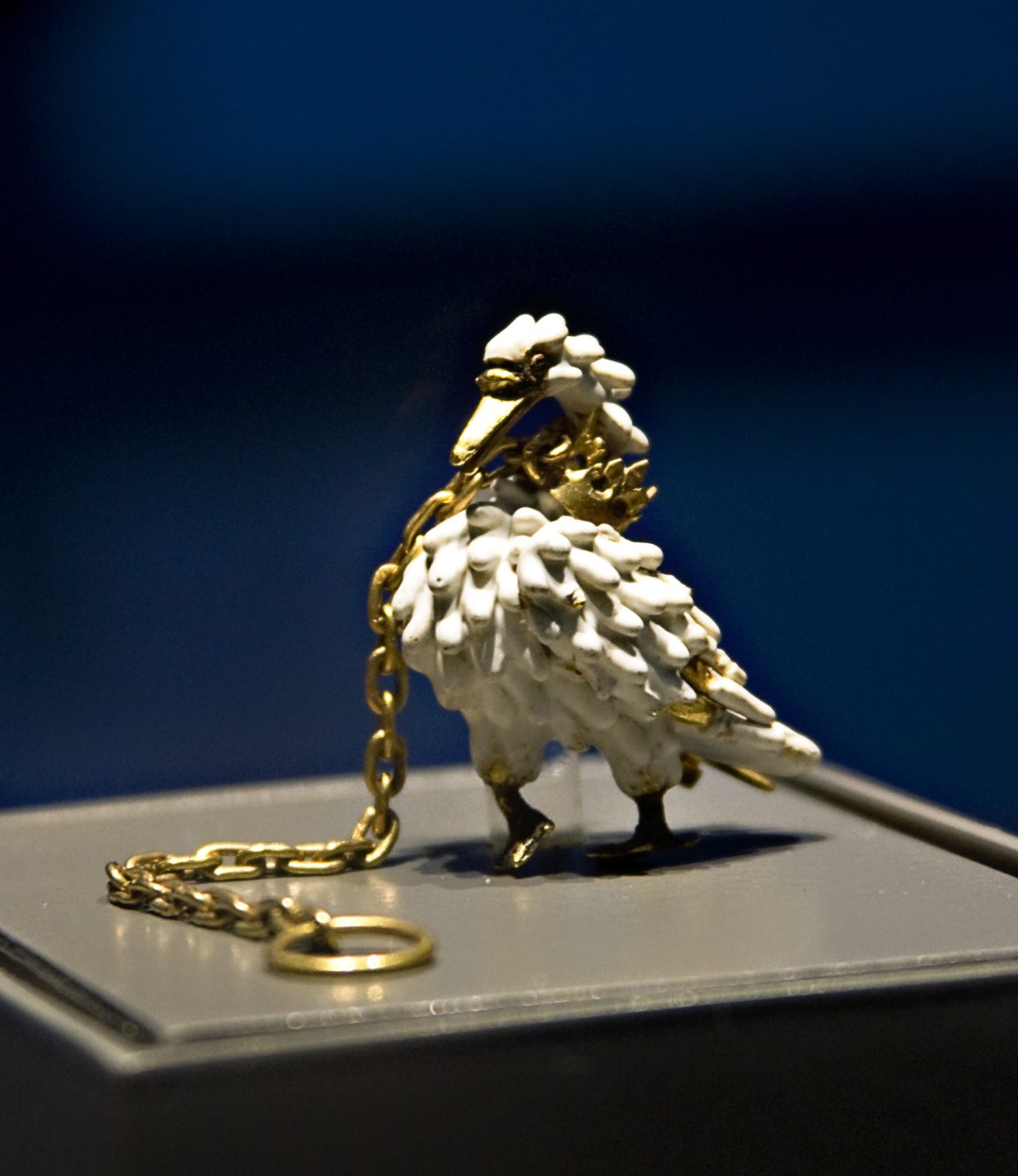
In 1965 volunteers excavating the site of Dunstable's medieval friary in Bedfordshire found a tiny gold swan covered in white enamel. It is a royal livery badge of about 1400, the only one of its kind to survive, and is now in the British Museum.

FF 554

15th century, perhaps about 1400-1420 · found 1855

Rangoon gold relics

Myanmar · Artefacts

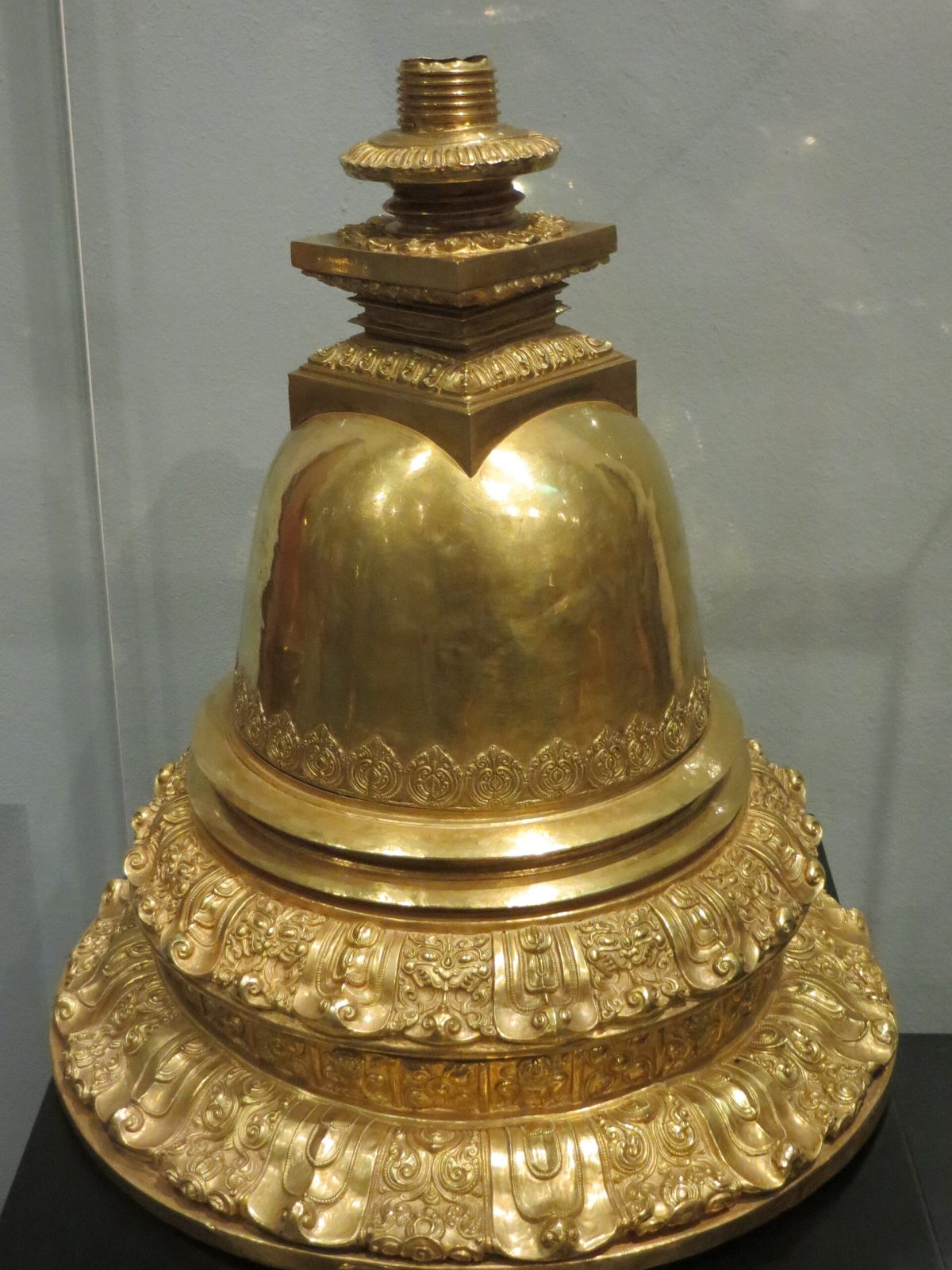
On 13 April 1855, labourers clearing an old brick stupa near the Shwedagon Pagoda in Rangoon for new British barracks found nine gold objects, among them reliquaries, a jewelled headdress and a bowl of burnt bone. The surviving pieces are in the V&A in London.

FF 409

Made in the 15th century · found 2016

Fulford Ring

England · Jewellery

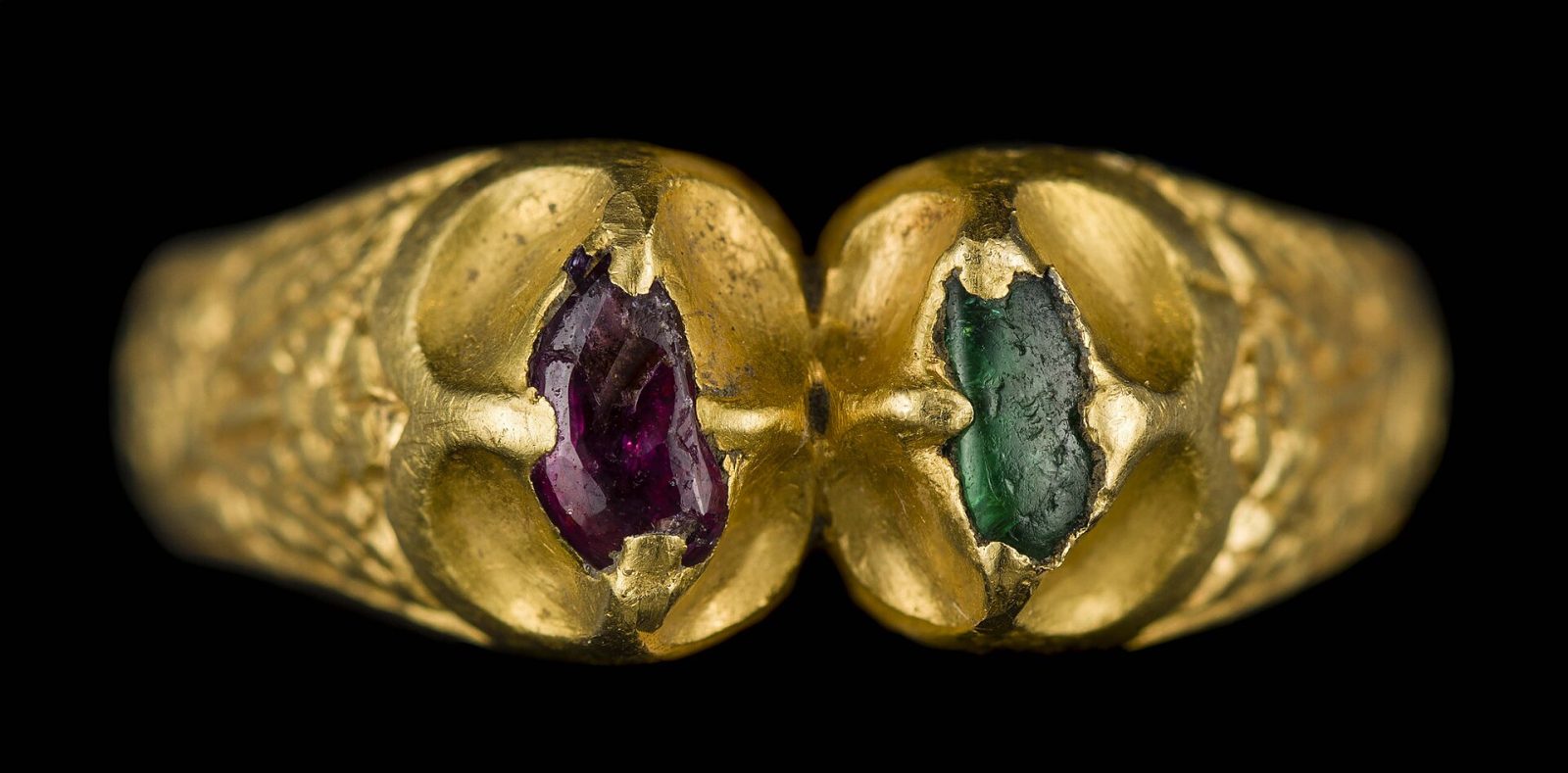
On 29 December 2016 detectorist Paul Ibbotson, searching a frozen potato field at Fulford near York, found a 15th-century gold ring set with a ruby and an emerald. It was declared Treasure and bought by the Yorkshire Museum in 2019.

FF 429

Made about 1400 to 1450 · found 2017

Brigstock cluster brooch

England · Jewellery

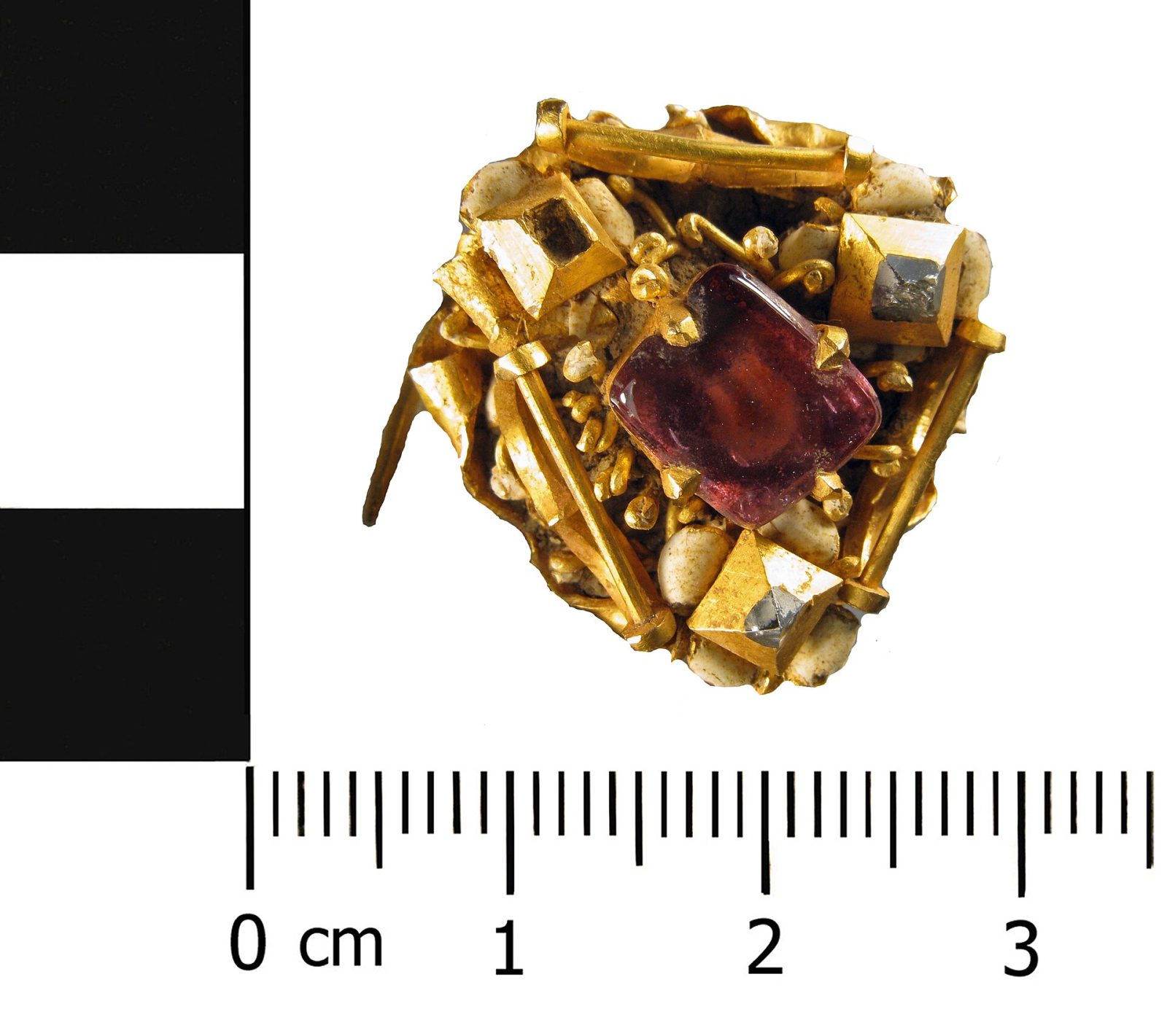
On 10 June 2017 detectorist Justin Owens, on a group dig near Brigstock in Northamptonshire, dug what he took for a bottle cap. It was a 15th-century gold cluster brooch set with a spinel and diamonds, the only one of its kind found in the UK. The V&A bought it.

FF 493

Made in the 15th century · found 2016

Kirby Muxloe heart brooch

England · Jewellery

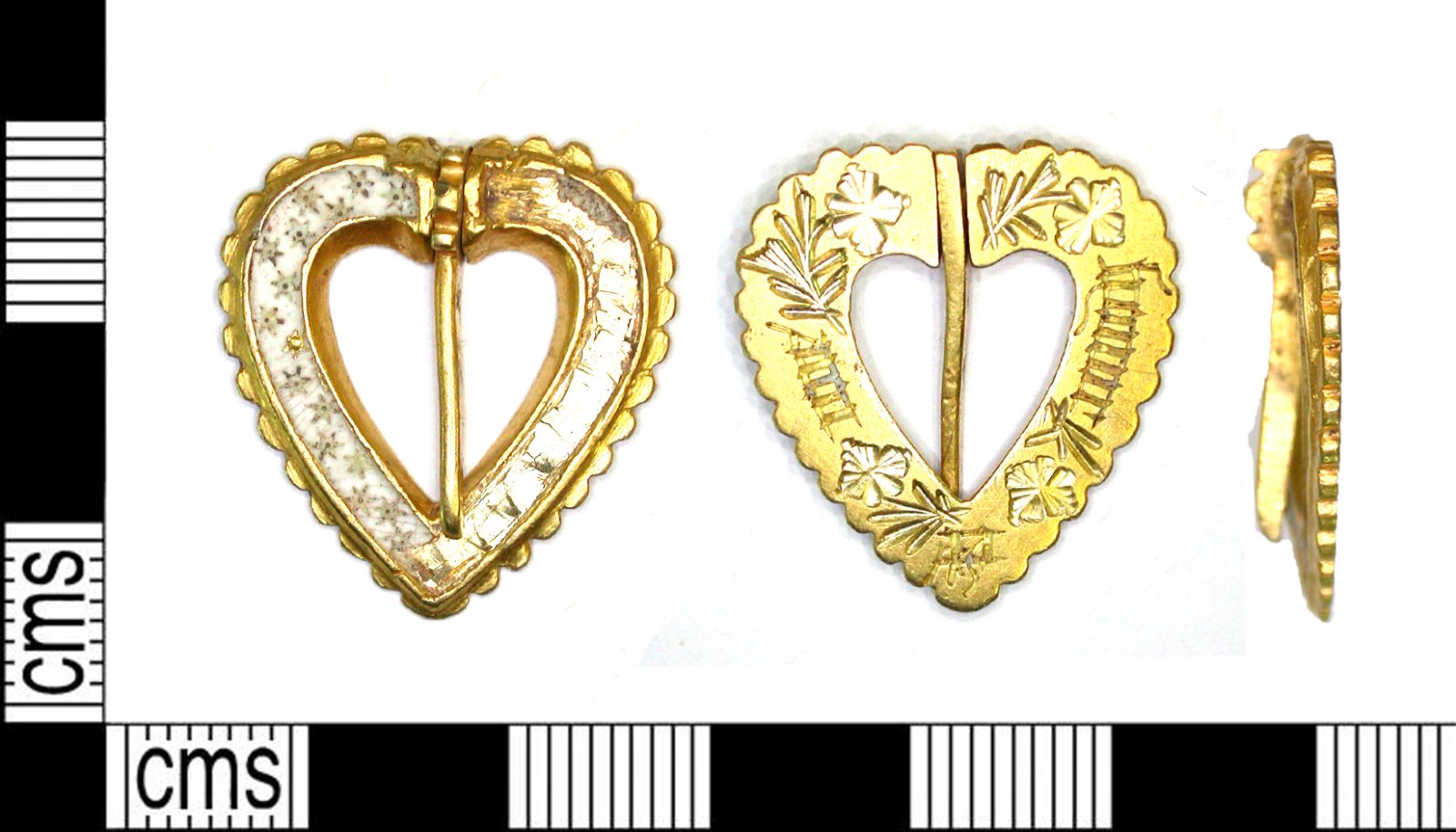
In 2016 a metal detectorist searching a field by the moat of Kirby Muxloe Castle in Leicestershire found a gold and enamel heart-shaped brooch, engraved on its hidden back 'honor et ioie', honour and joy. The castle's builder, Lord Hastings, was executed by Richard III in 1483.

FF 547

Engraved in the 15th century

Priest's brass, Ingham

England · Artefacts

Stephen Wells, who travels from Alaska every year to detect in Norfolk, found a piece of engraved brass in a field near Holy Trinity Church, Ingham. It was part of a 15th-century monumental brass showing a tonsured priest, and he gave it to Norwich Castle Museum.

FF 388

Cast in the Yongle reign, about 1408 to 1424 · found 2012

Manda Island Ming coin

Kenya · Coins

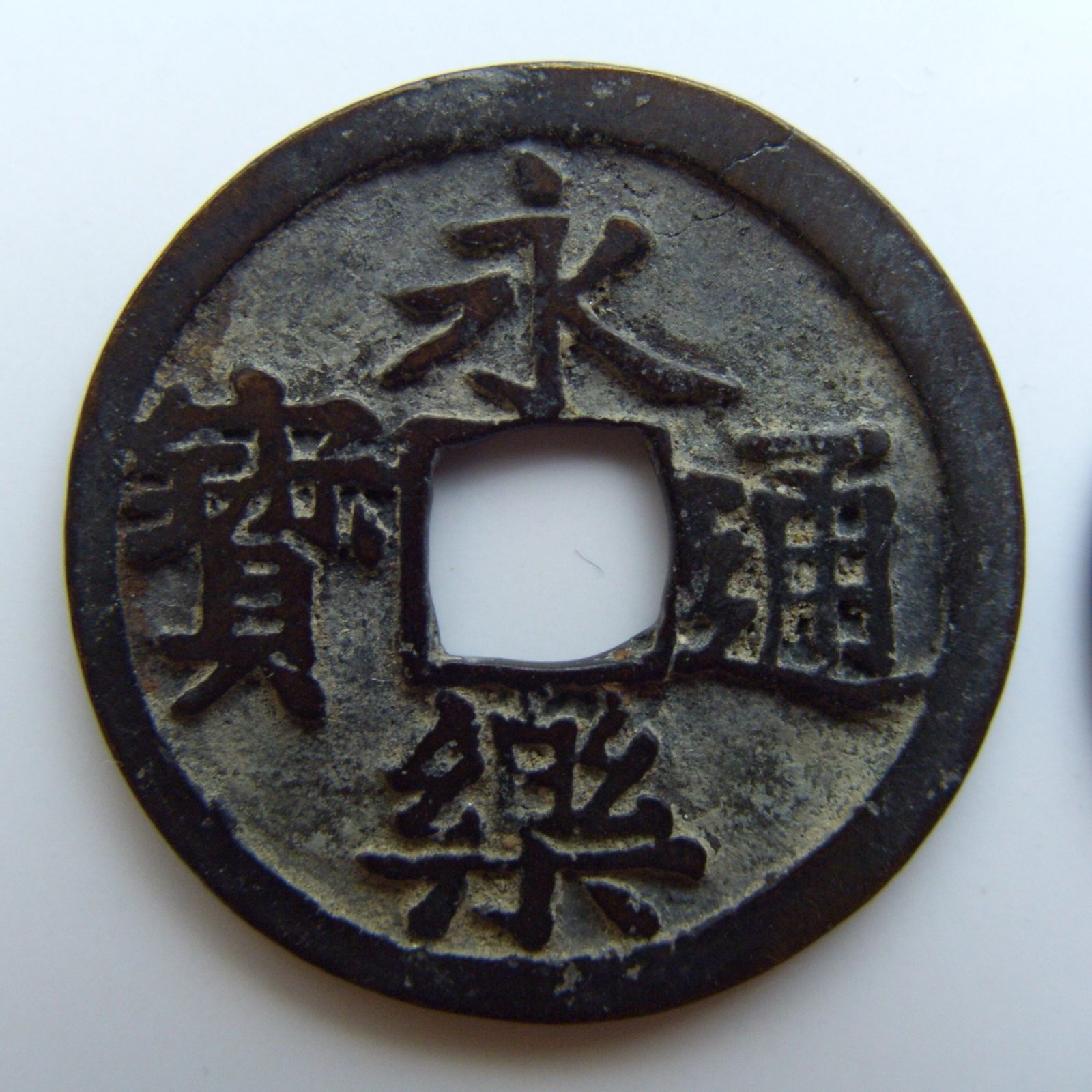
In December 2012, on the first day of excavation on Manda Island off the coast of Kenya, a Field Museum team found a Chinese coin of the Yongle Emperor. It shows that trade linked Ming China and the Swahili coast in the early 1400s.

FF 541

Buried around 1432 · found 1994

Litva Hoard, Belarus

Belarus · Hoards

In the early 1990s workers in a field near Litva, west of Minsk in Belarus, found a hoard of thousands of Prague groschen and a gilded silver belt. Most of it was sold off before scholars heard of it; after a court case in 2006 the belt went to the National Historical Museum.

FF 513

Struck in London about 1422 to 1427 · found 2022

Henry VI coin, Newfoundland

Canada · Coins

In summer 2022 detectorist and amateur historian Edward Hynes found a thin, bright gold coin on a beach on Newfoundland's south coast. It was a quarter noble of Henry VI, struck in London around 1422 to 1427, possibly the oldest English coin ever found in Canada.

FF 535

Buried between the mid-1400s and the 1600s, probably in the 1500s · found 1960

Ing'ombe Ilede graves, Zambia

Zambia · Jewellery

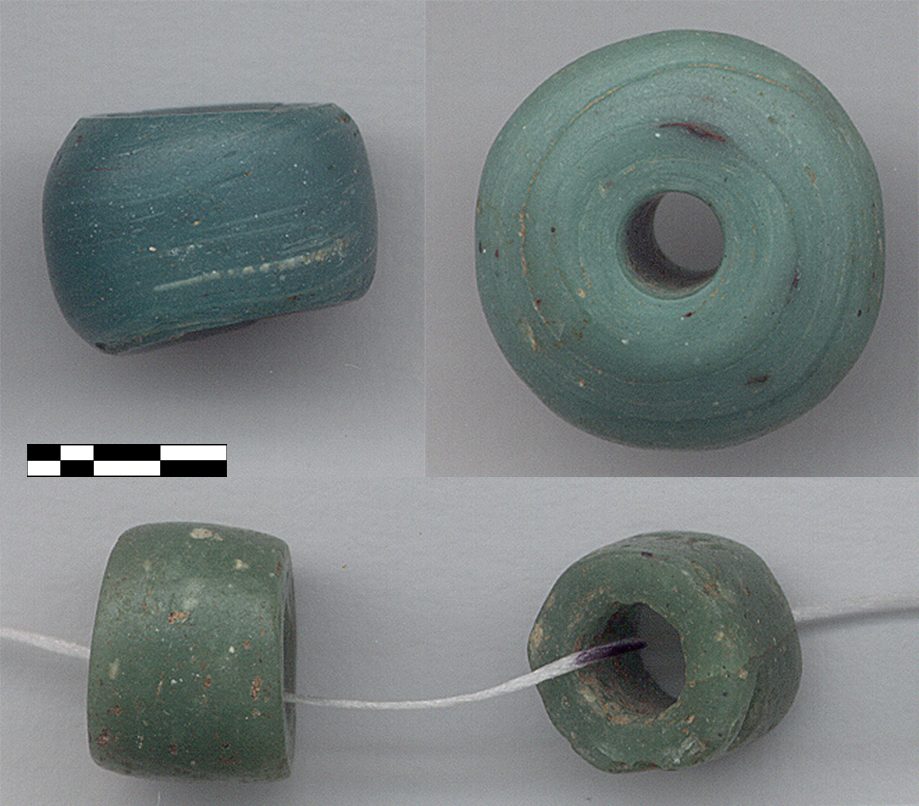
In 1960 a construction crew digging a water tank on a hill above the Zambezi in southern Zambia broke into a cemetery. The richest graves held gold, copper and imported glass beads, bangles, copper cross ingots and wire-drawing tools, the belongings of long-distance traders.

FF 420

Made in the late 15th century · found 1925

Kindrochit Brooch

Scotland · Jewellery

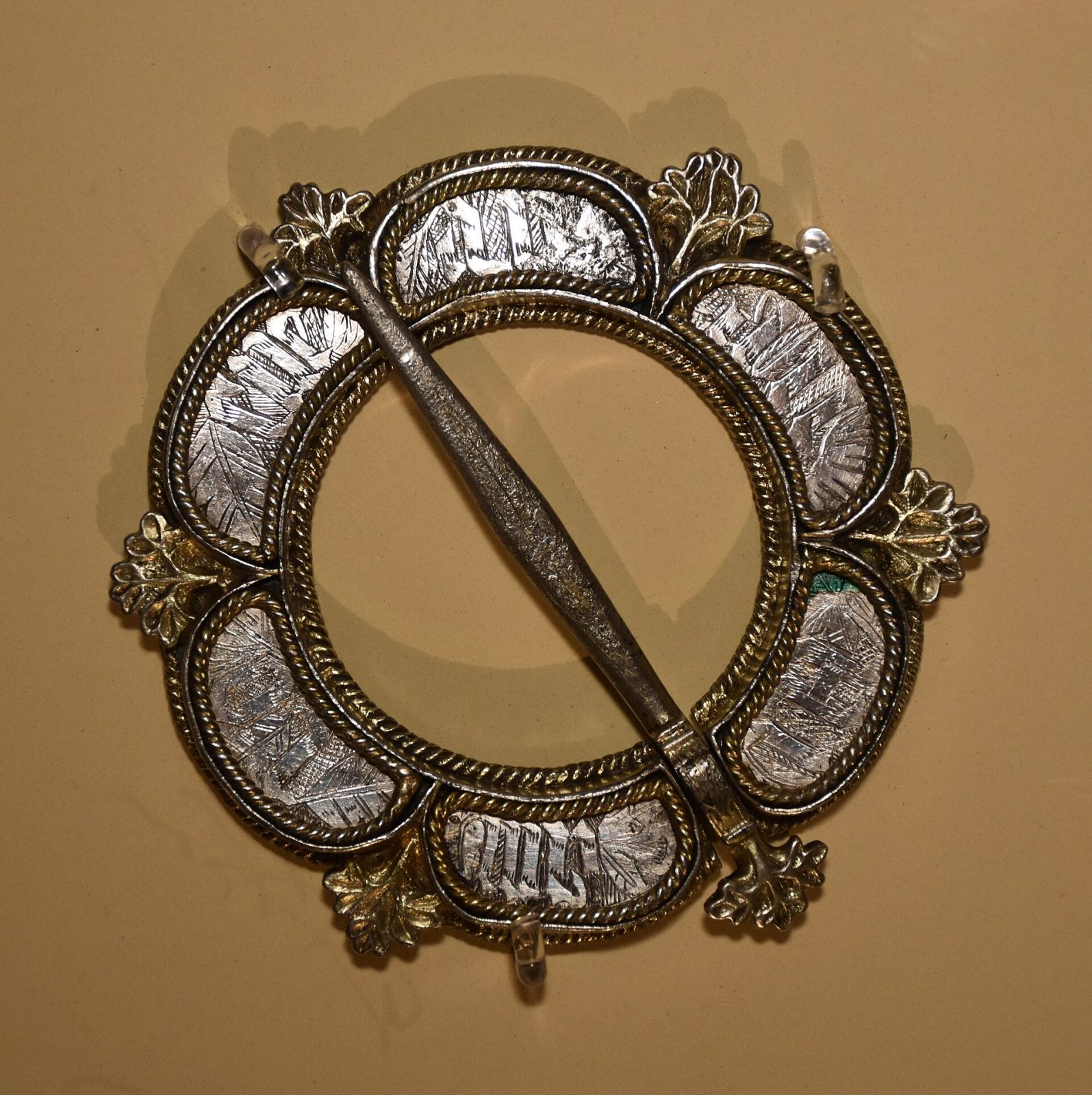
In 1925 Boy Scouts clearing the ruins of Kindrochit Castle at Braemar in Aberdeenshire dug up a late medieval silver-gilt brooch from the old prison. Its inscription seems to be an old French love formula, copied by a Scottish maker who did not understand it.

FF 365

Fought on 29 March 1461 · found 1996

Towton battlefield finds

England · Weapons

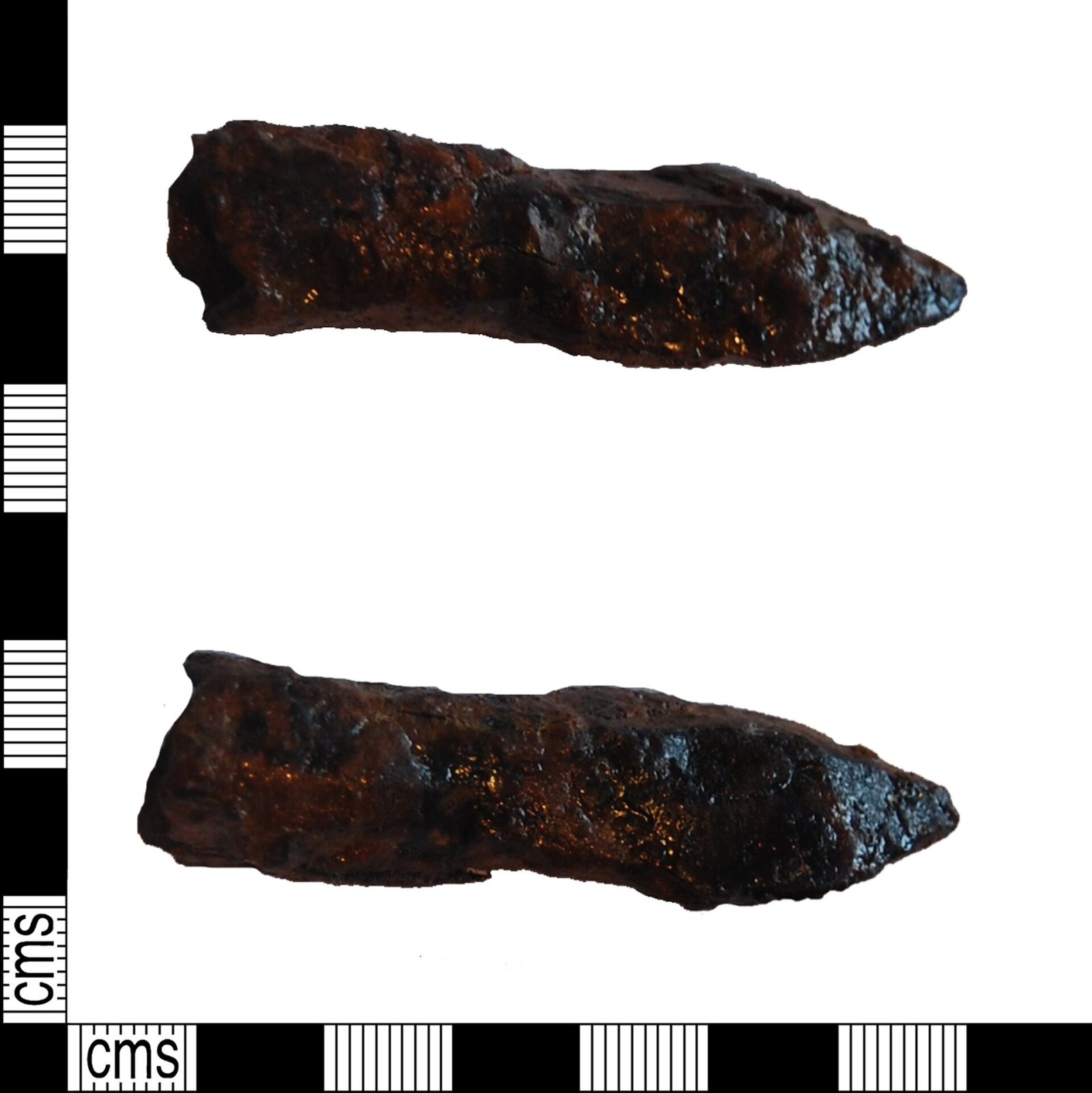
After a mass grave was found at Towton Hall in 1996, archaeologist Tim Sutherland and detectorist Simon Richardson spent years plotting finds from the battlefield of 1461: over 150 arrowheads, spurs, armour, a Yorkist badge, and fragments of two of the earliest handguns found in Britain.

FF 96

Buried between winter 1463 and summer 1464 · found 1966

Fishpool Gold Hoard

England · Hoards

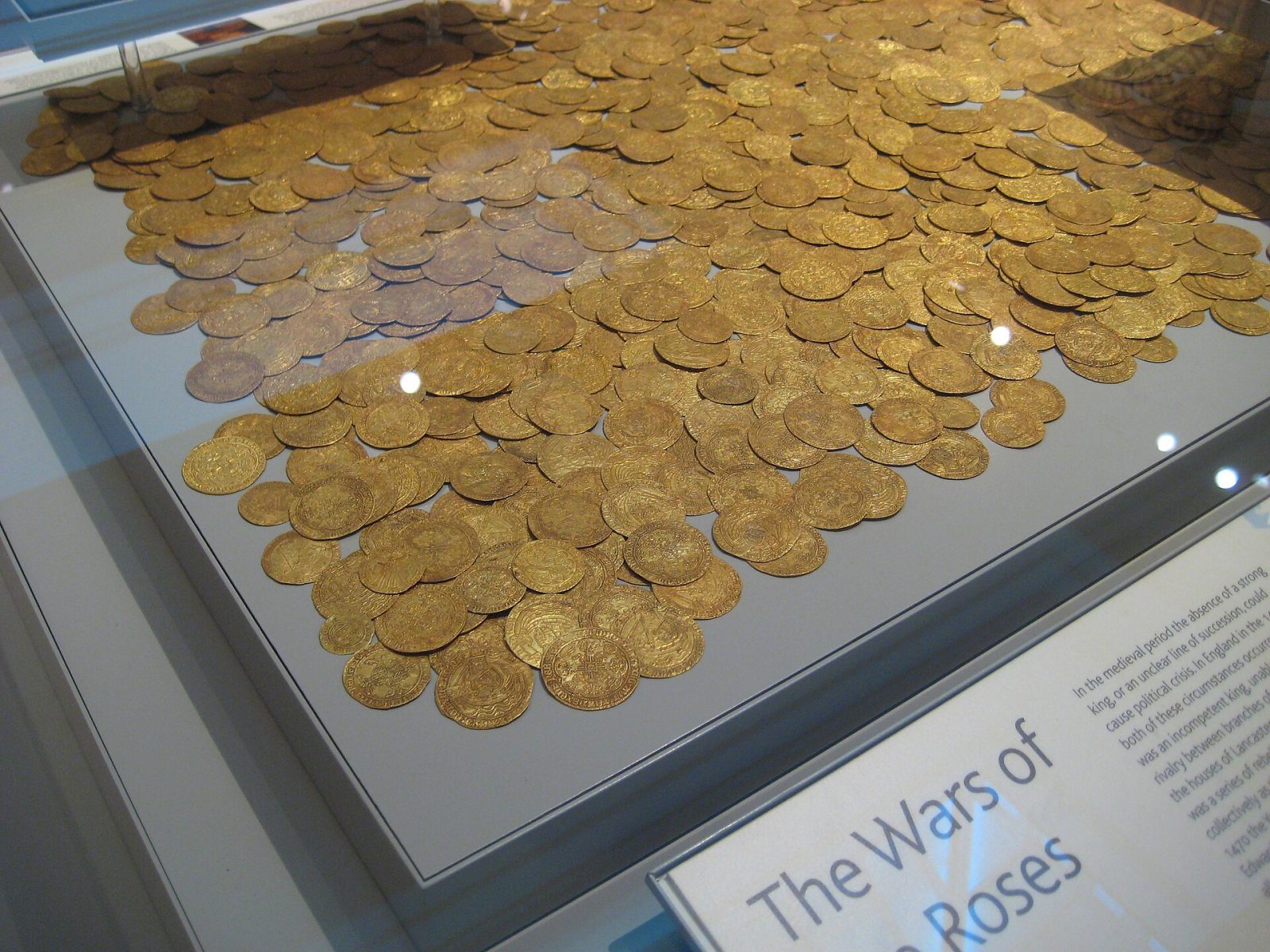
In 1966 a mechanical digger on a building site at Ravenshead in Nottinghamshire turned up 1,237 gold coins and pieces of jewellery, hidden during the Wars of the Roses. It is the largest hoard of medieval coins ever found in Britain.

FF 437

Struck between 1471 and 1474

Long Bay blanca, San Salvador

Bahamas · Coins

In the 1980s excavations at Long Bay on San Salvador in the Bahamas, a traditional candidate for Columbus's first landfall in 1492, uncovered Spanish beads, buckles and a single small coin: a blanca of Henry IV of Castile, struck between 1471 and 1474.

FF 465

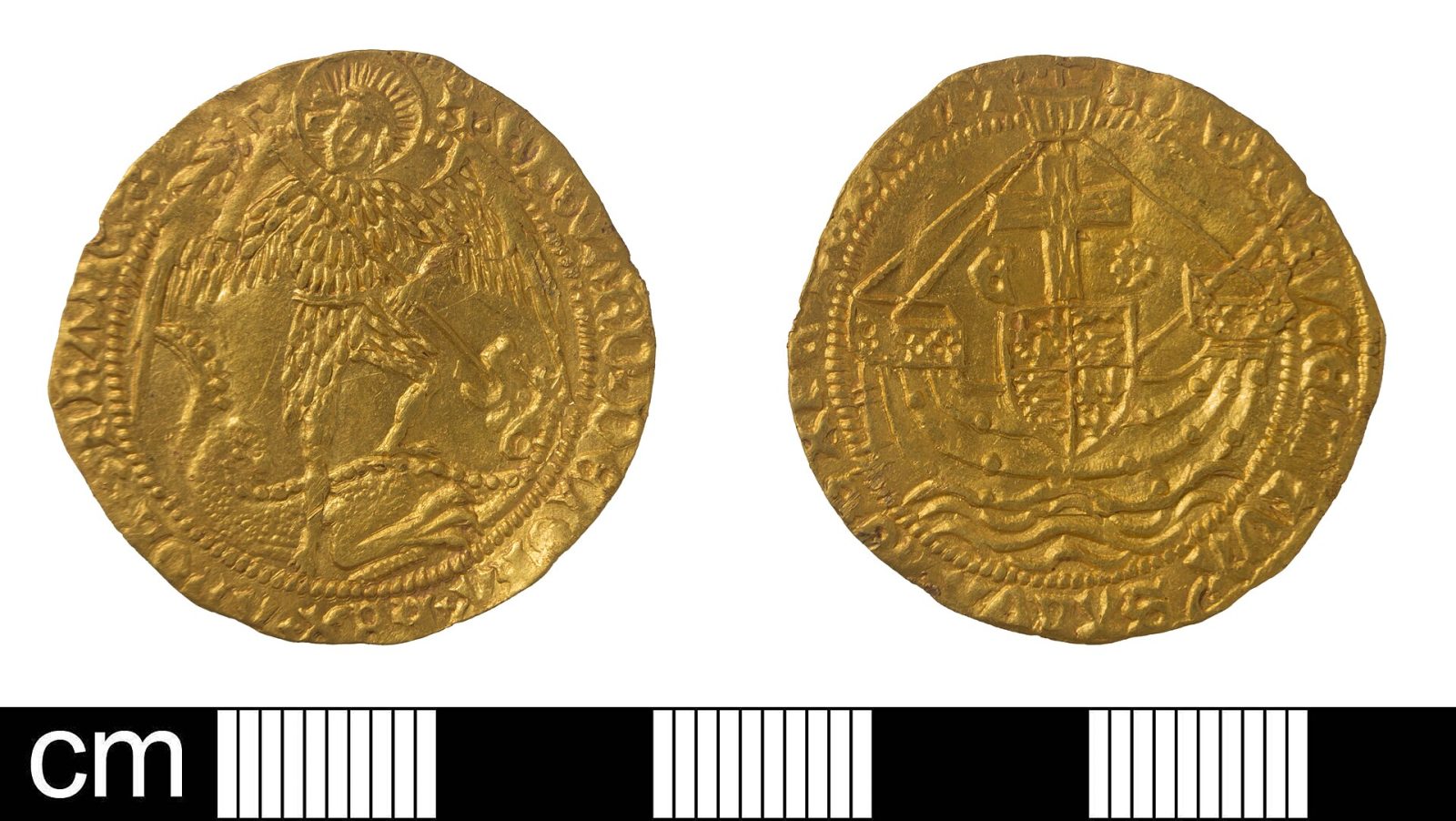
Struck in London in 1473

Edward IV gold angel, Shropshire

England · Coins

A metal detectorist in mid-Shropshire found a gold angel of Edward IV, struck in London in 1473. It was the first of its kind recorded from Shropshire, one of only 17 across the UK, and in 2019 the Friends of Shrewsbury Museum bought it for the county.

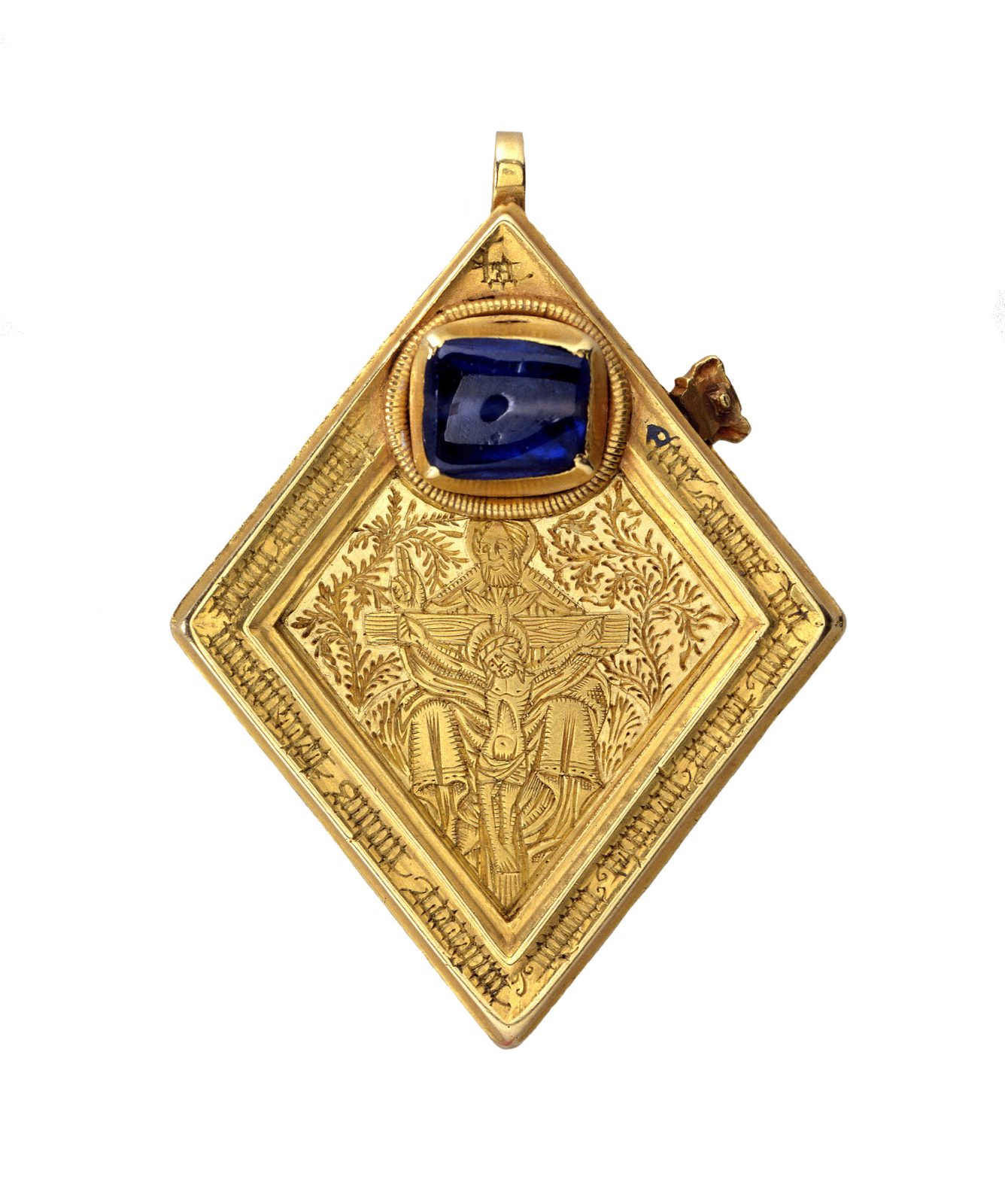
FF 102

Made in the late 1400s · found 1985

Middleham Jewel

England · Jewellery

In 1985 a metal detectorist searching beside a bridle path near Middleham Castle in Wensleydale found a 15th-century gold pendant set with a sapphire. It sold for £1.3 million, and the Yorkshire Museum raised £2.5 million to keep it.

FF 563

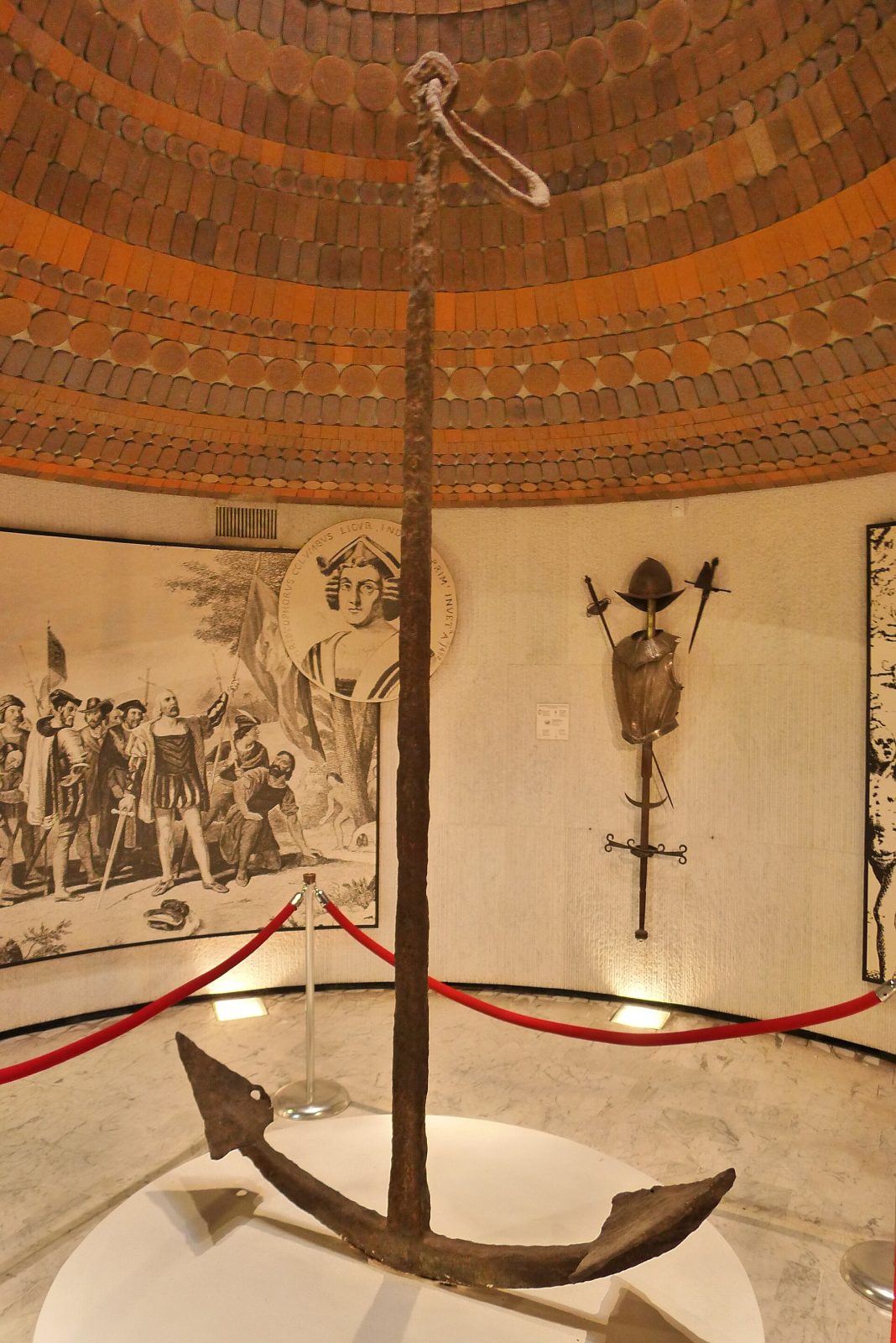
Late 15th century, lost in 1492 · found 1796

Santa María anchor

Haiti · Artefacts

Columbus's flagship, the Santa María, ran aground off the north coast of Haiti at Christmas 1492. In 1796, Haitian accounts say, a great iron anchor was dug up on a plantation about a kilometre from the sea. It is traditionally identified as hers and is held in Port-au-Prince.

FF 579

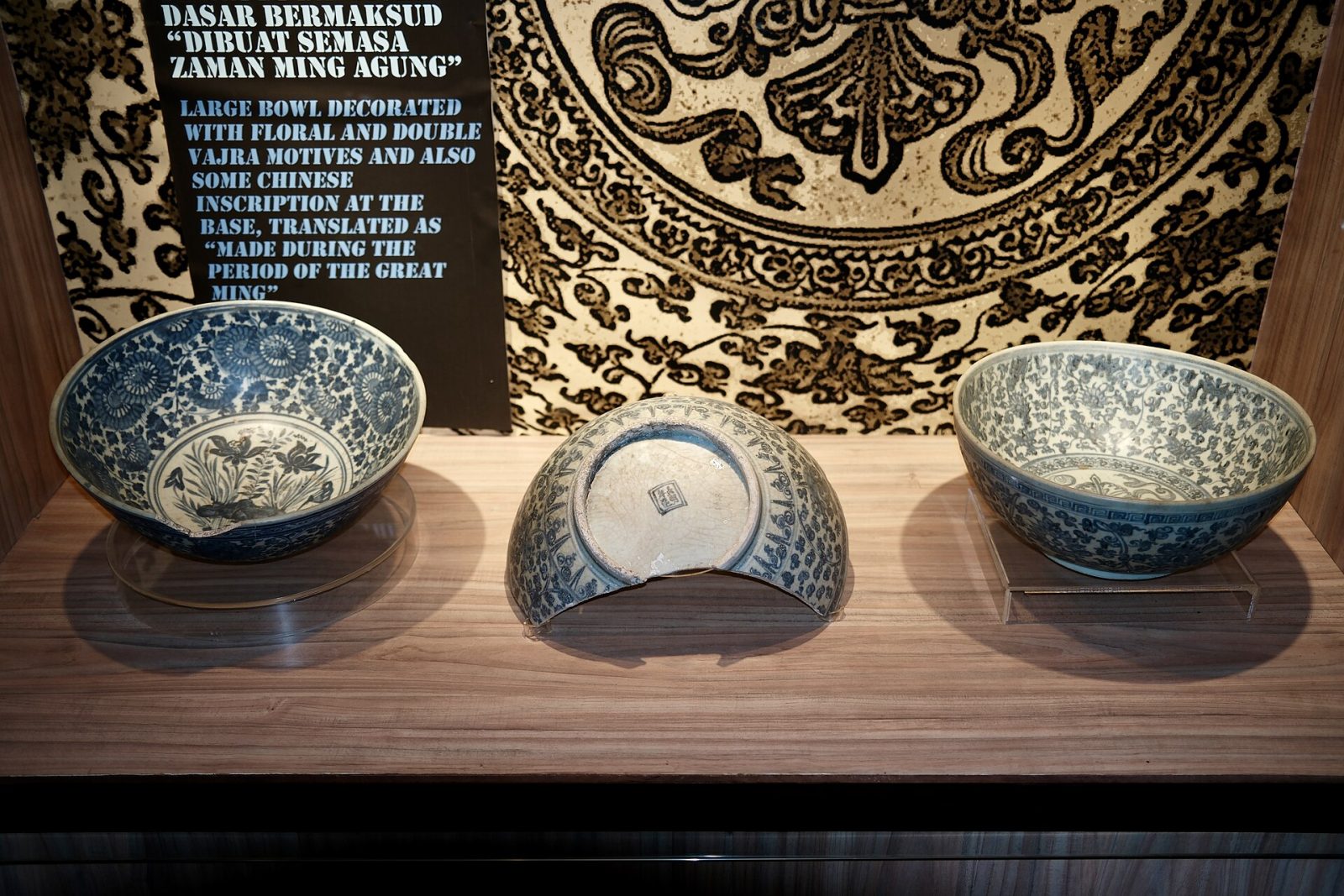
Sank around 1500 · found 1997

Brunei shipwreck

Brunei · Artefacts

In 1997 crews from the oil company Elf, surveying the seabed off Brunei for a pipeline, found a wreck about 63 m down. French underwater archaeologists raised more than 13,000 objects in 1998, from Ming porcelain to bronze gongs and metal ingots, carried by a trading ship that sank around 1500.