Famous finds

The finds every detectorist knows: hoards turned up by ploughs, builders and fellow detectorists, and the treasures that changed what we know about the past. Oldest first, by when they were made or buried. Each one is on the finds timeline too.

507 famous finds, oldest first · page 8 of 13. Jump to: Prehistoric · Bronze Age · Iron Age · Roman · Early Medieval · Medieval · Post-Medieval · Modern

FF 508

Struck about AD 620 to 635 · found 2023

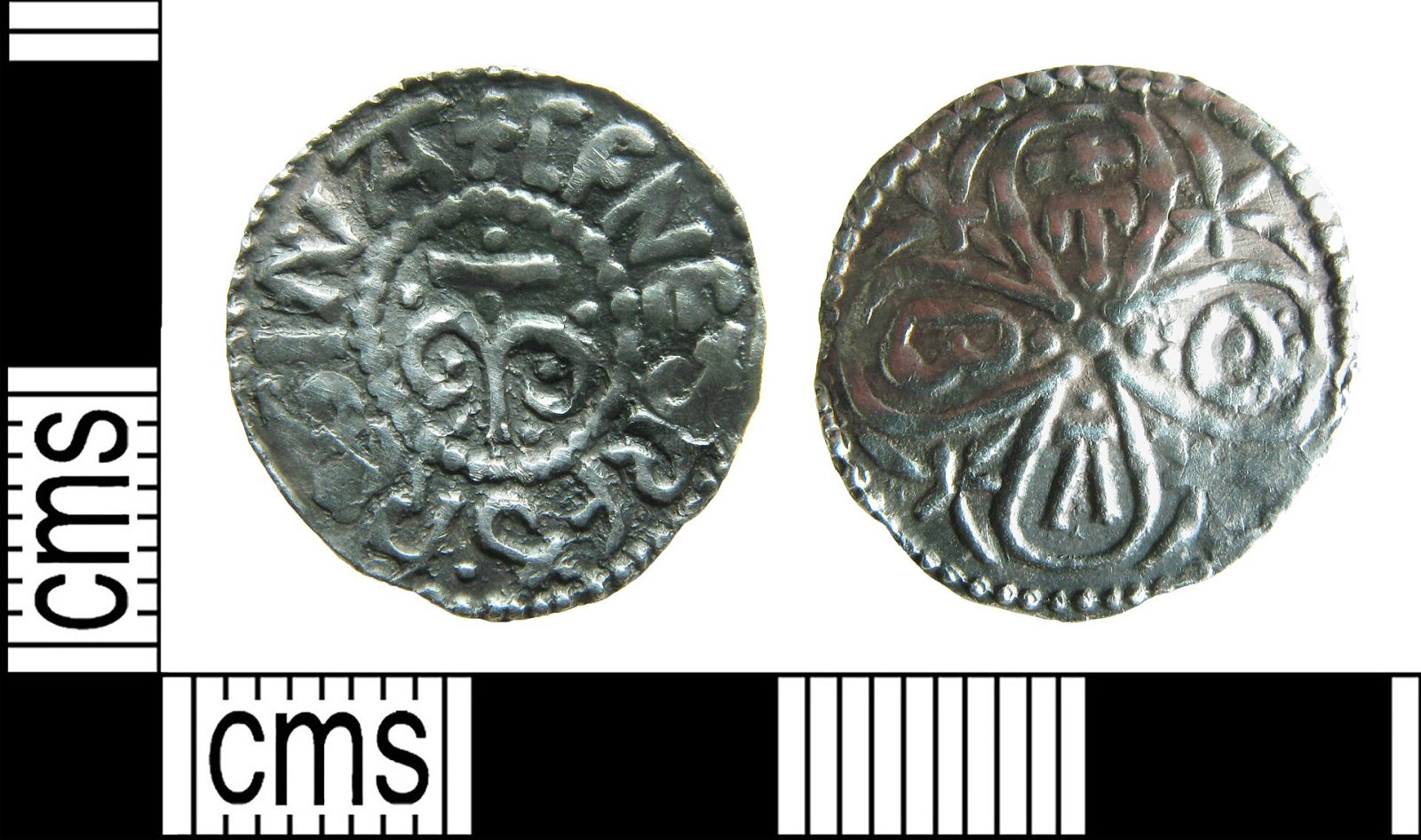
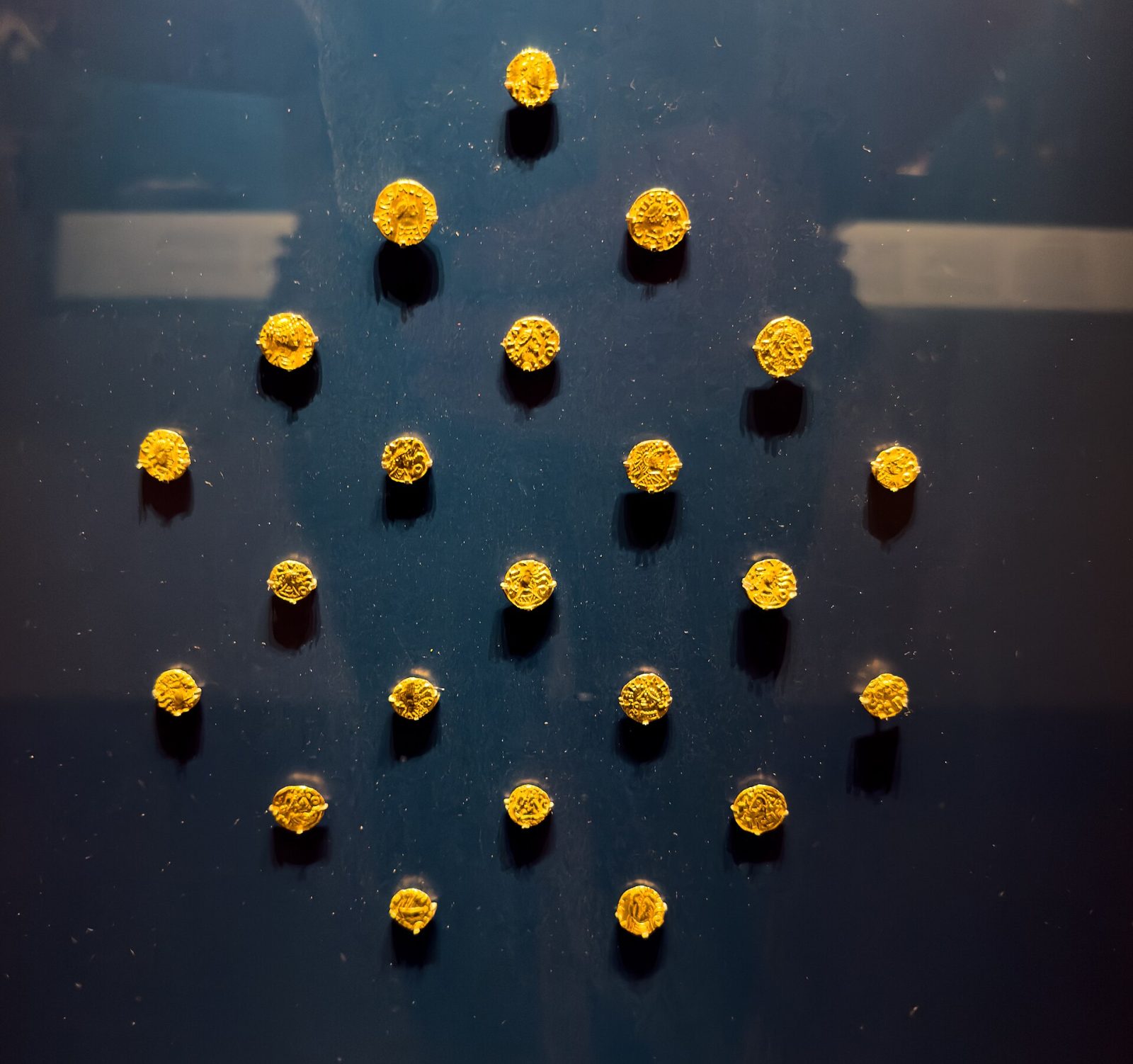
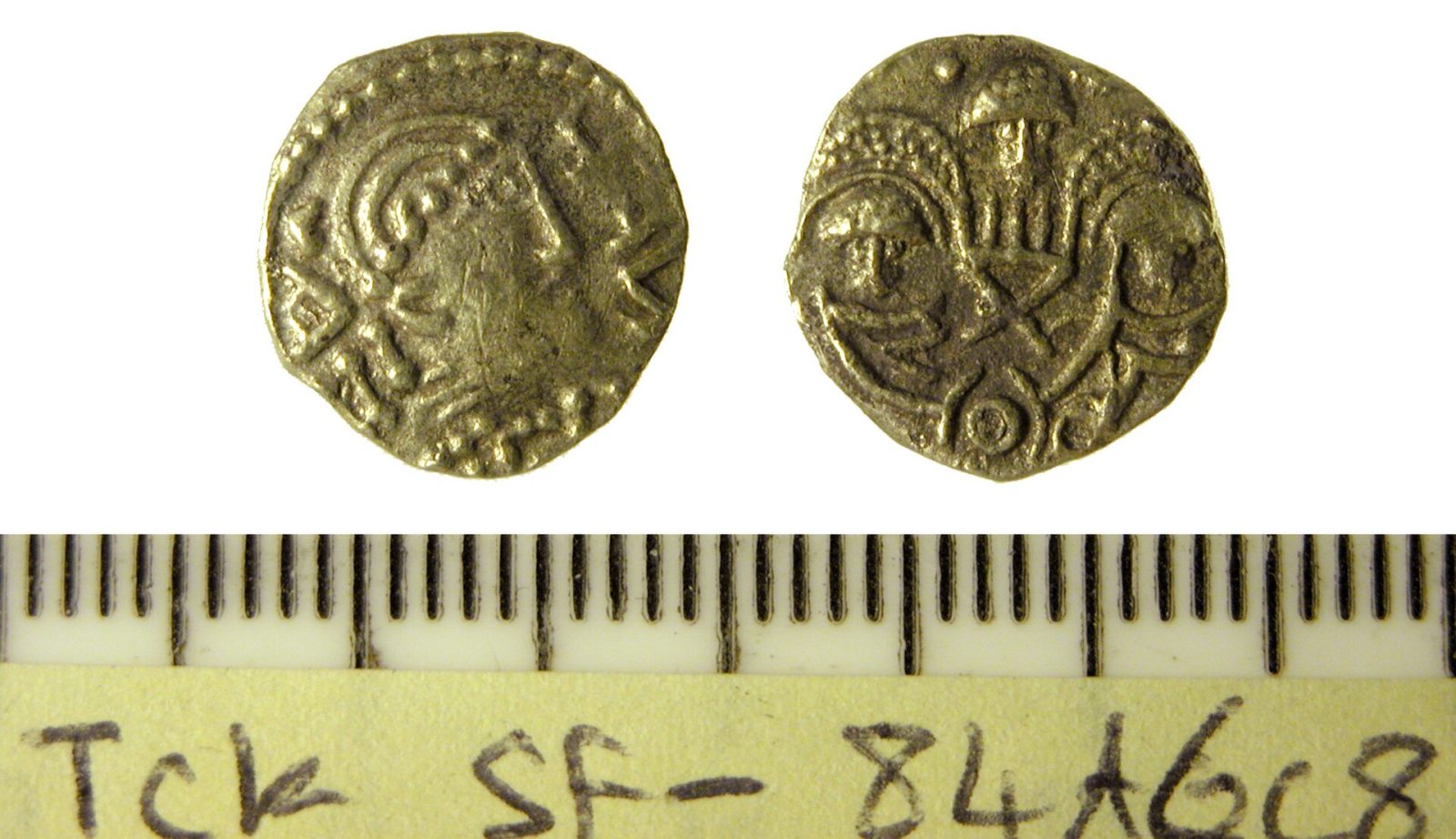
Eadbald gold shilling

England · Coins

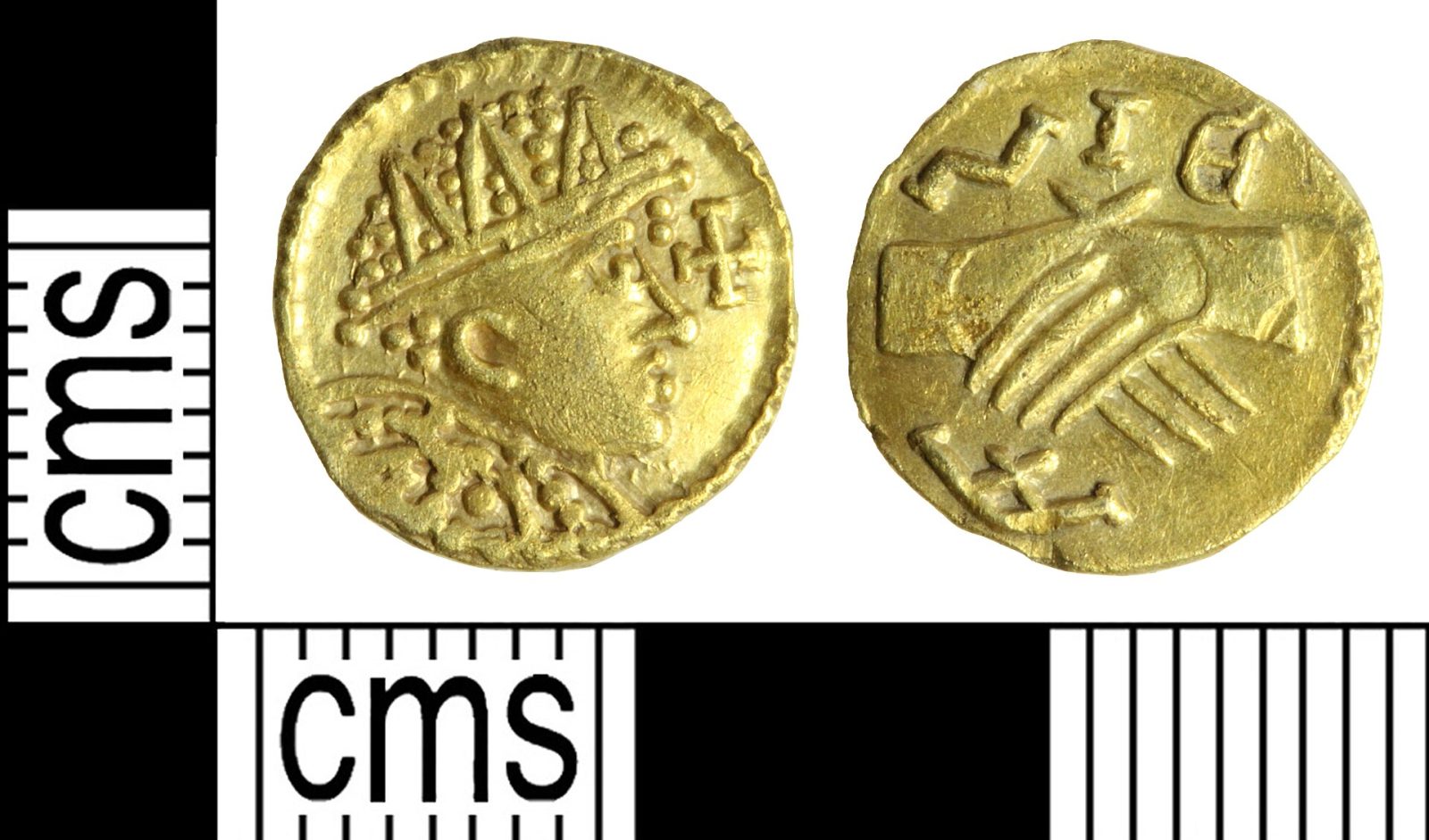
On 26 November 2023 a gold shilling of Eadbald, King of Kent from 616 to 640, was found near Woodnesborough, close to where St Augustine's mission landed in 597. It belongs to the first English coins to bear a king's name, and only a handful are known.
FF 193

Buried about AD 635 to 650 · found 1828

Crondall Hoard

England · Hoards

In 1828 eighteen-year-old Charles Lefroy found a purse of about 100 early Anglo-Saxon gold coins on his family's land at Crondall in Hampshire. Buried before AD 650, they are the most important evidence for the beginning of English coinage.

FF 517

Struck about AD 640 to 660 · found 2024

Valknut gold shilling, Norwich

England · Coins

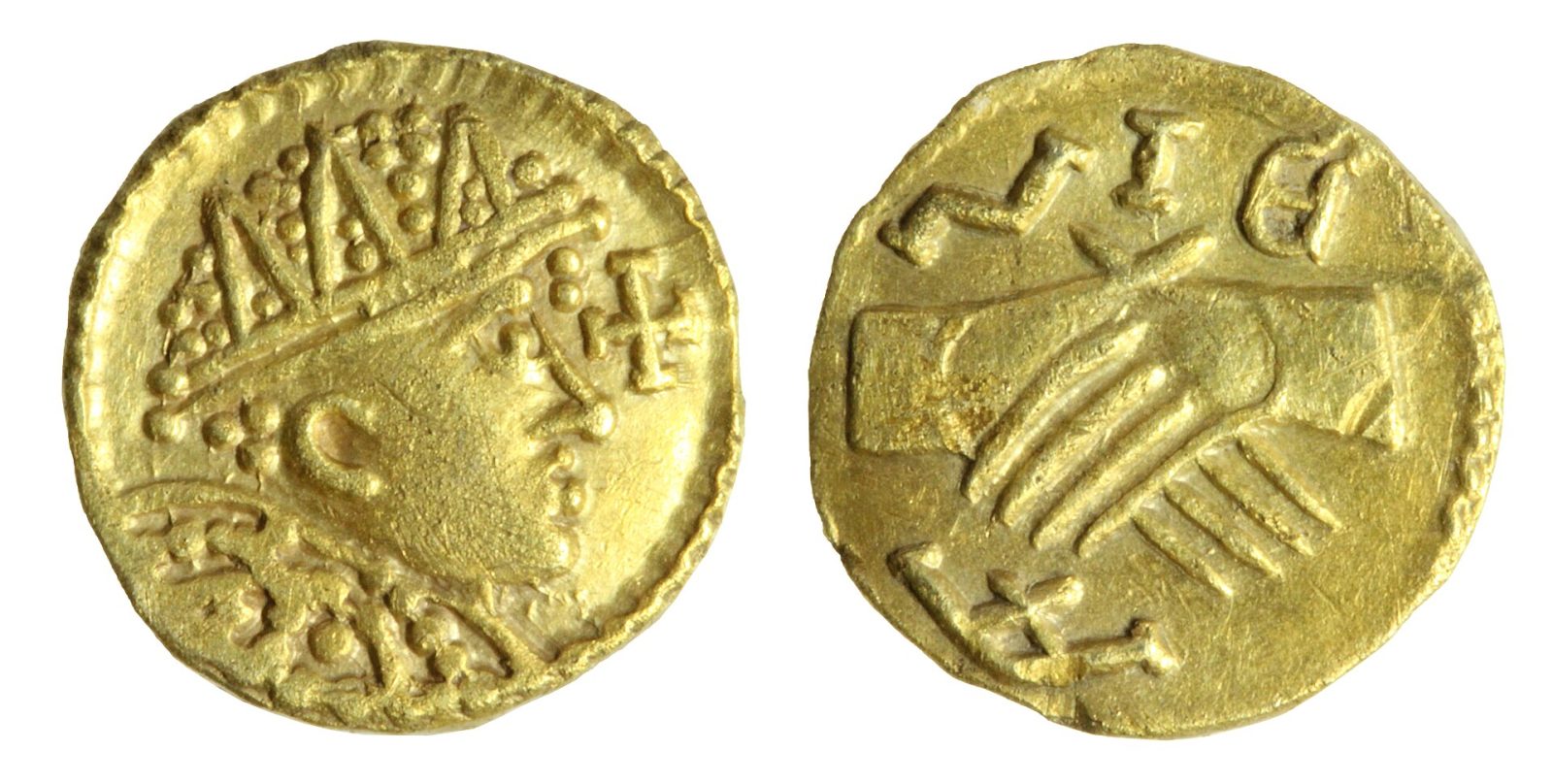
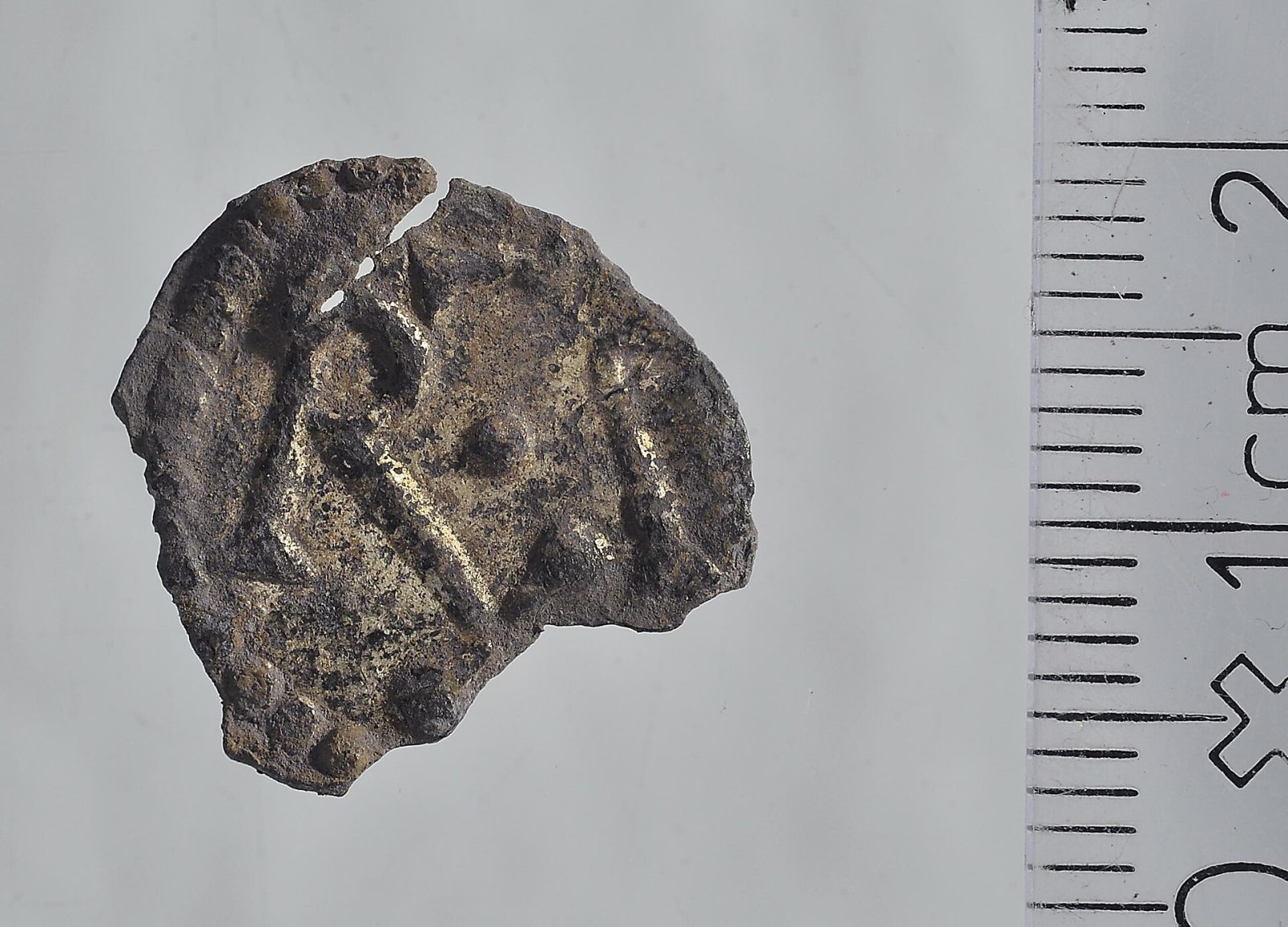
In autumn 2024 a metal detectorist found a tiny gold shilling near Norwich showing a figure dancing a jig with a Christian cross held over a valknut, a pagan symbol linked with Odin. Struck around AD 640 to 660, it is thought to be the earliest Anglo-Saxon coin from East Anglia.

FF 383

Buried after AD 646 · found 1912

Pereshchepina Treasure

Ukraine · Hoards

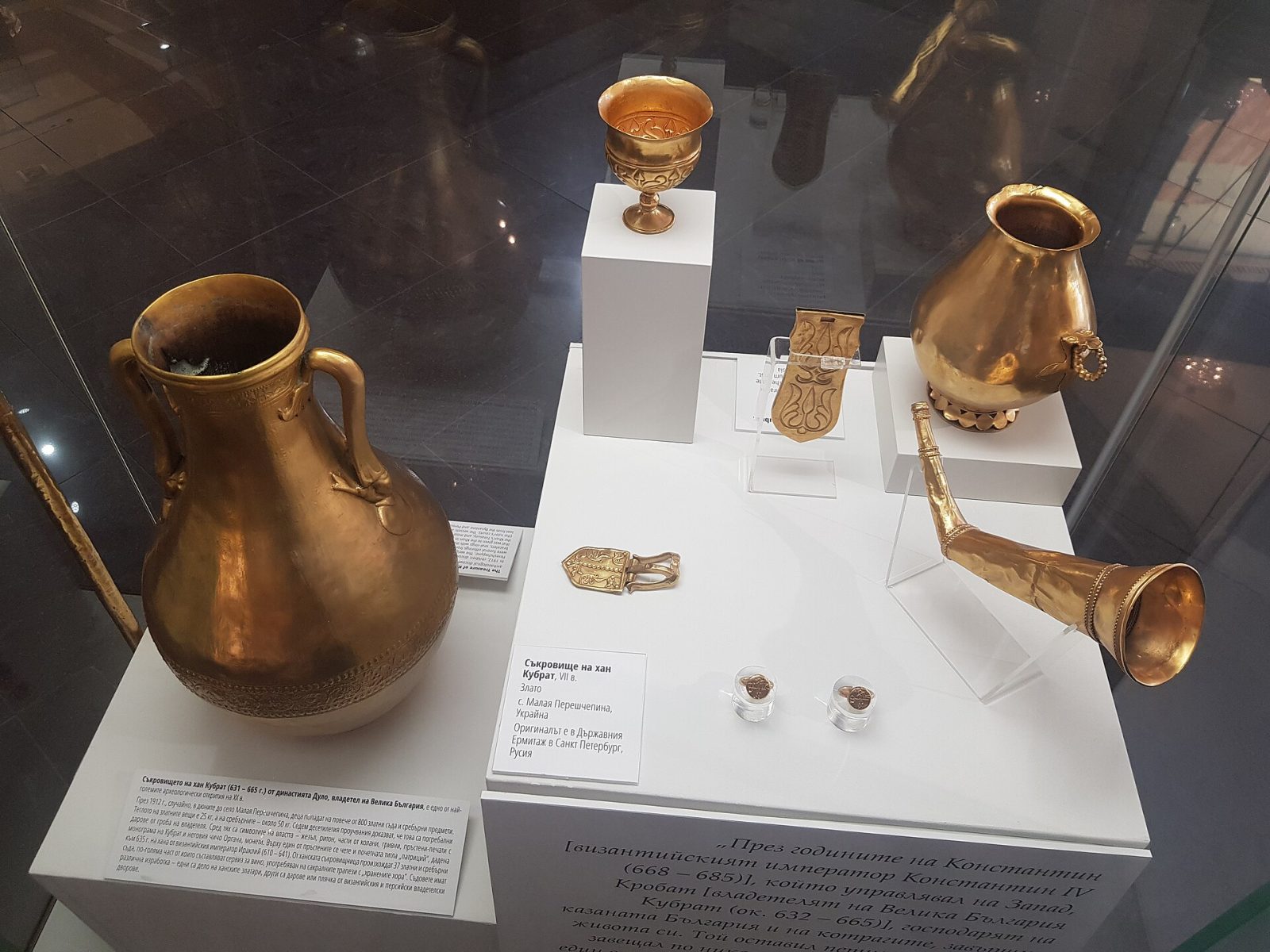
In June 1912 shepherd children on the bank of the Vorskla near Mala Pereshchepyna in Ukraine found a buried chest of gold and silver: about 25 kilograms of gold and 50 of silver, with Byzantine and Persian vessels and rings naming Kubrat, ruler of Old Great Bulgaria.

FF 74

Buried between AD 650 and 675 · found 2009

Staffordshire Hoard

England · Hoards

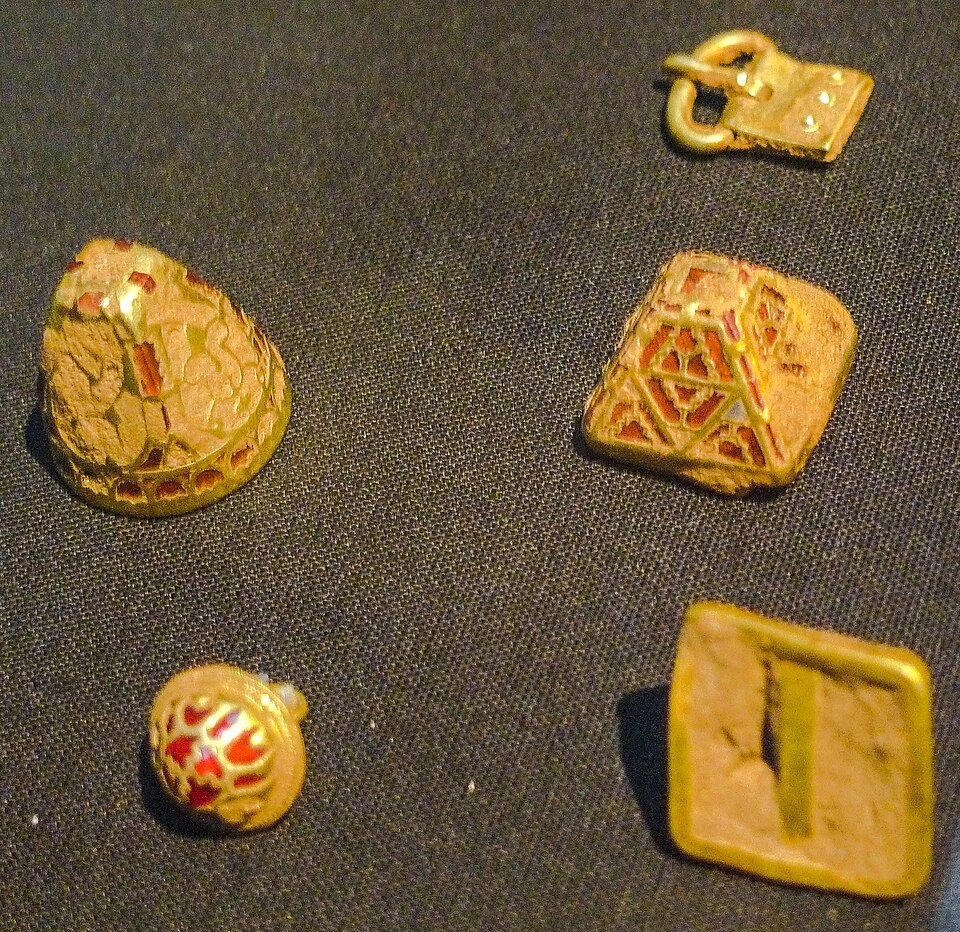
In 2009 a Staffordshire detectorist found the first pieces of what is still the largest hoard of Anglo-Saxon gold ever discovered: almost 4,000 objects and fragments, most of them fittings from weapons.

FF 331

Buried in the late 7th century AD · found 1997

Pioneer Helmet

England · Weapons

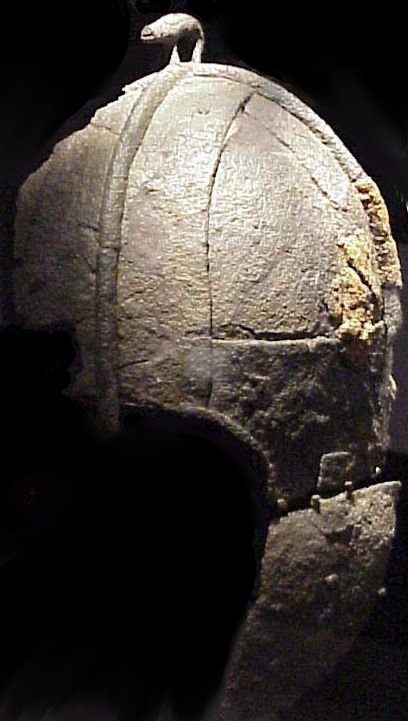
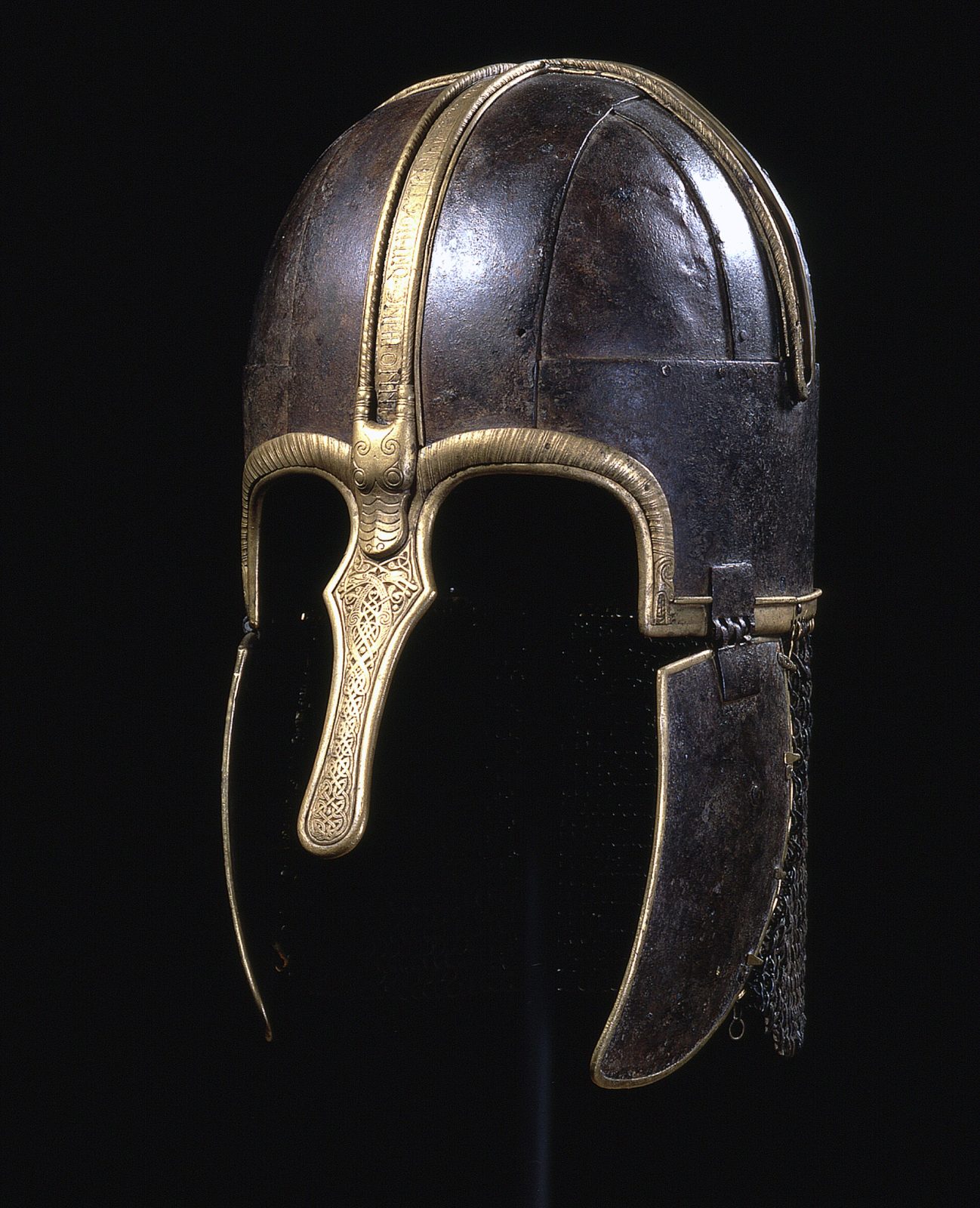
At Easter 1997, a metal-detector survey ahead of gravel quarrying at Wollaston in Northamptonshire found a bronze hanging bowl, which led archaeologists to a 7th-century warrior's grave. In it lay an iron helmet with a boar crest, one of only six Anglo-Saxon helmets known.

FF 378

Buried about AD 650 to 675 · found 2014

Winfarthing pendant

England · Jewellery

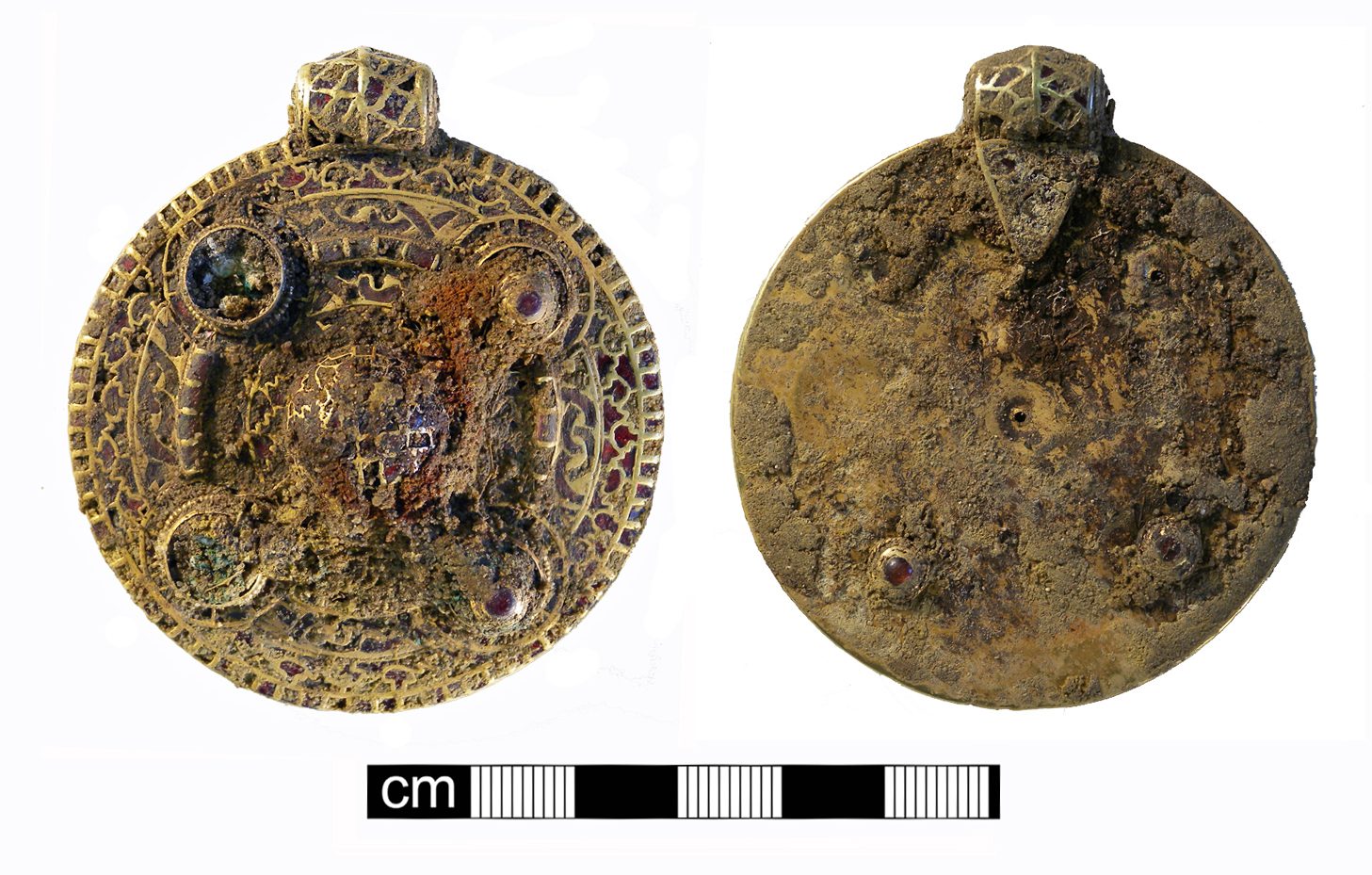
On 21 December 2014 student Tom Lucking hit the rim of a bronze bowl in a Norfolk field, stopped and called the archaeologists. Beneath it was the undisturbed grave of a 7th-century woman wearing a gold and garnet pendant, now voted Britain's favourite museum acquisition of 2018.

FF 430

Made about AD 650 to 680 · found 2011

Trumpington Cross

England · Jewellery

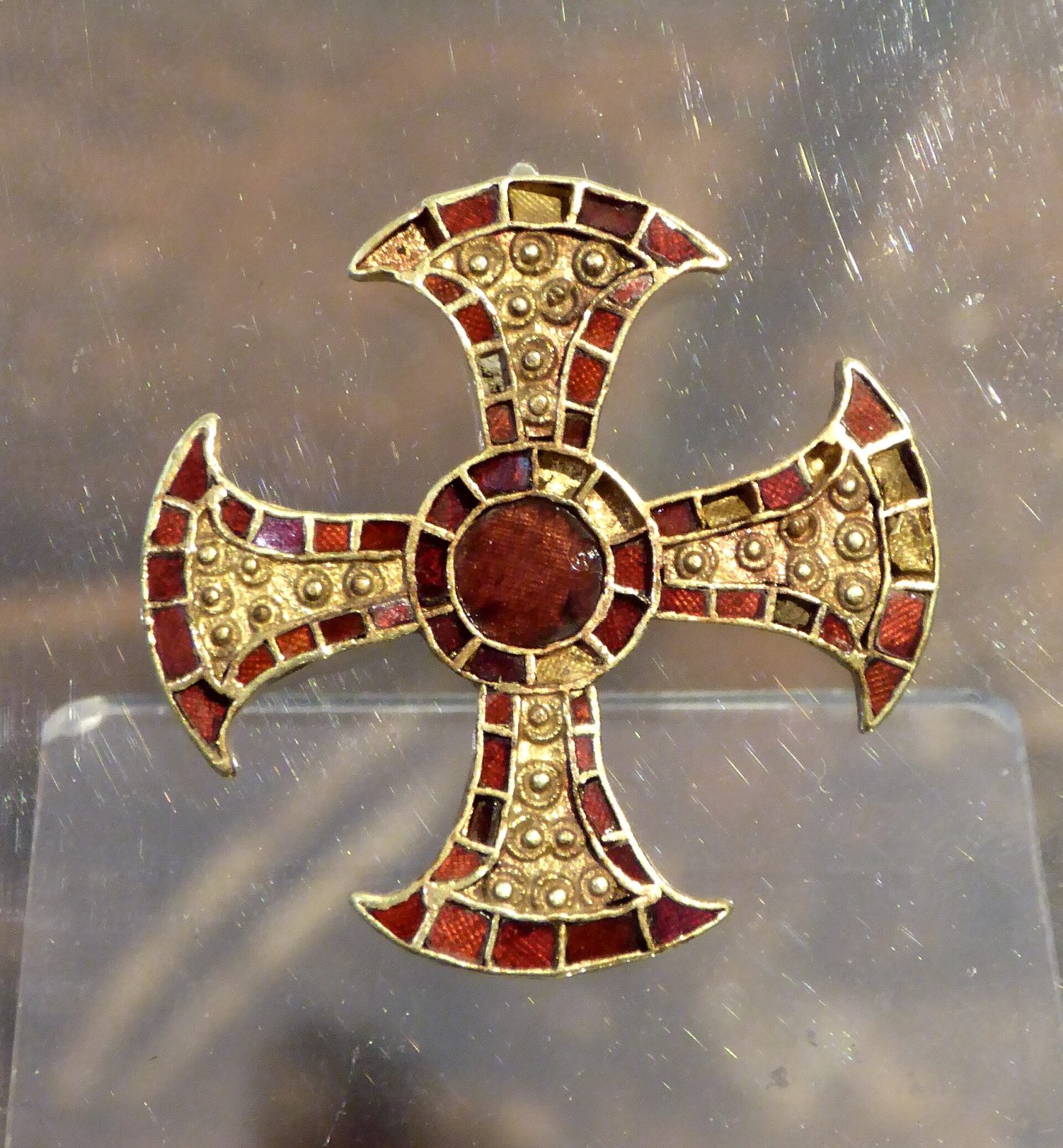
In 2011, archaeologists excavating ahead of new housing at Trumpington, Cambridge, found the grave of a girl of about 16 laid on a wooden bed. On her chest was a gold cross set with garnets, made around AD 650 to 680. Only a handful of such crosses are known.
FF 450

Made in the late 7th century AD · found 1876

Desborough necklace

England · Jewellery

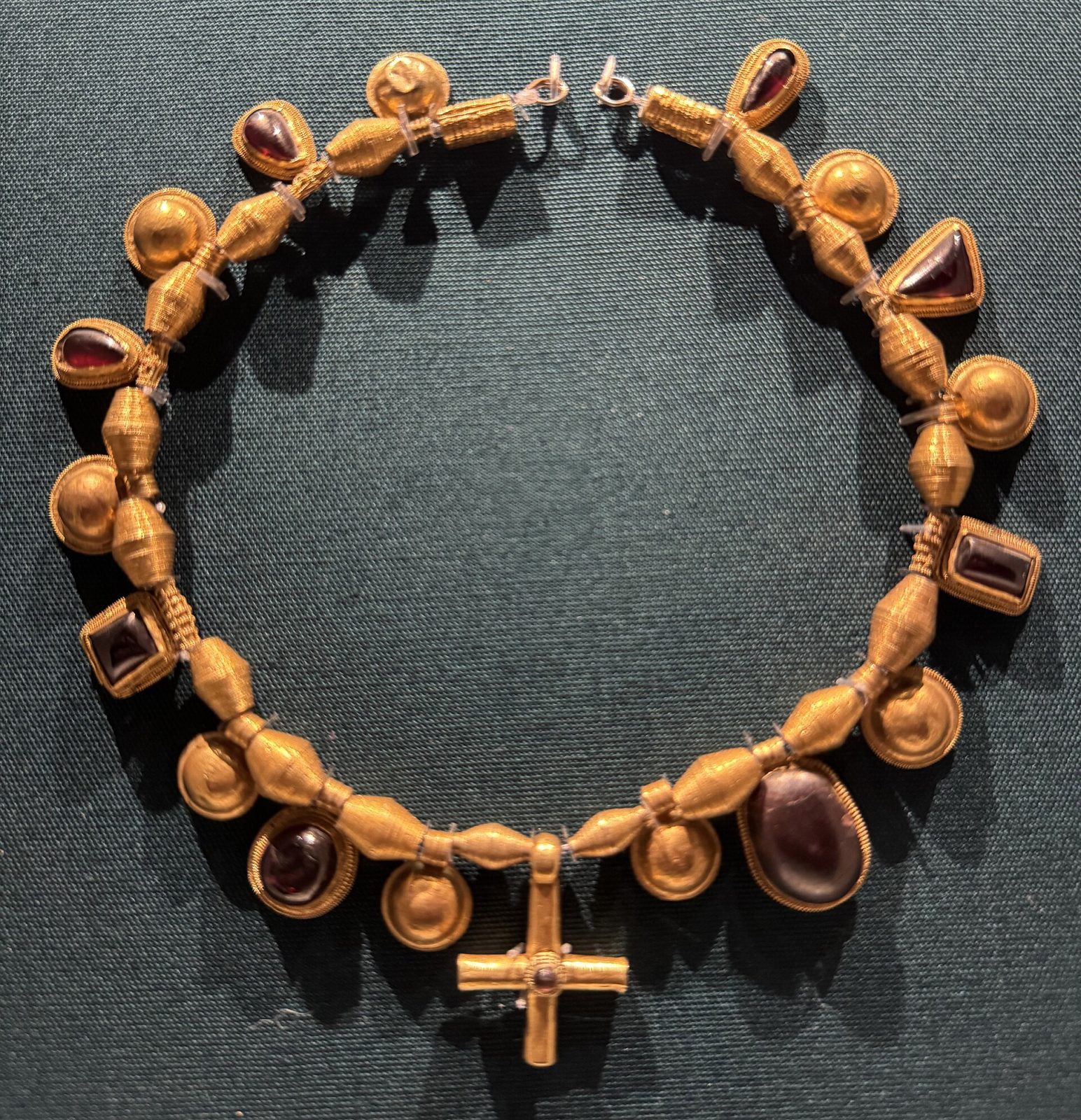
In 1876 workmen digging ironstone at Desborough in Northamptonshire broke into an Anglo-Saxon cemetery. One grave held a gold and garnet necklace with a gold cross. The men divided the pieces among themselves and had to be persuaded to return them.

FF 496

Struck about AD 650 to 675 · found 2022

Crispus gold thrymsa

England · Coins

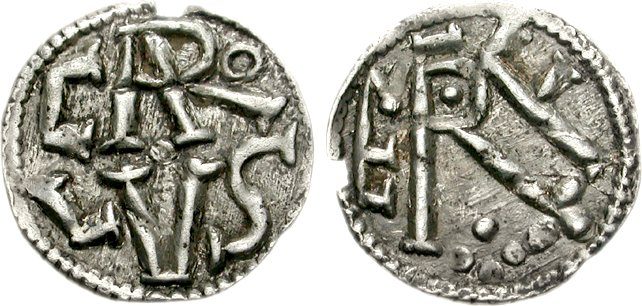
On 3 January 2022 detectorist Mark Pallett found what he took for a button in a stubble field at Haslingfield, Cambridgeshire. It was a tiny 7th-century Anglo-Saxon gold shilling copied from a coin of the Roman prince Crispus, only the ninth known.

FF 124

Made about AD 700 · found 1830

Hunterston Brooch

Scotland · Jewellery

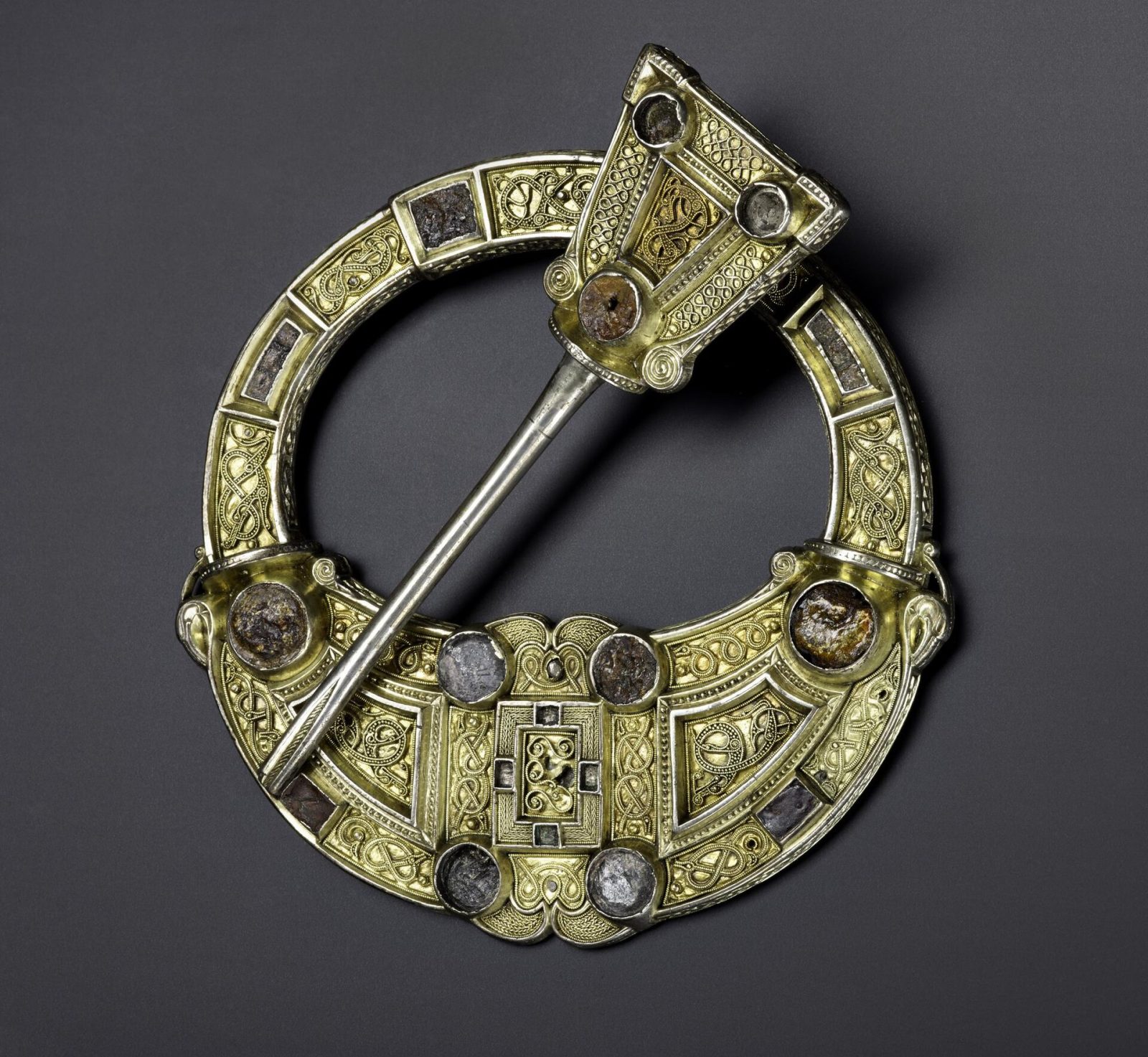
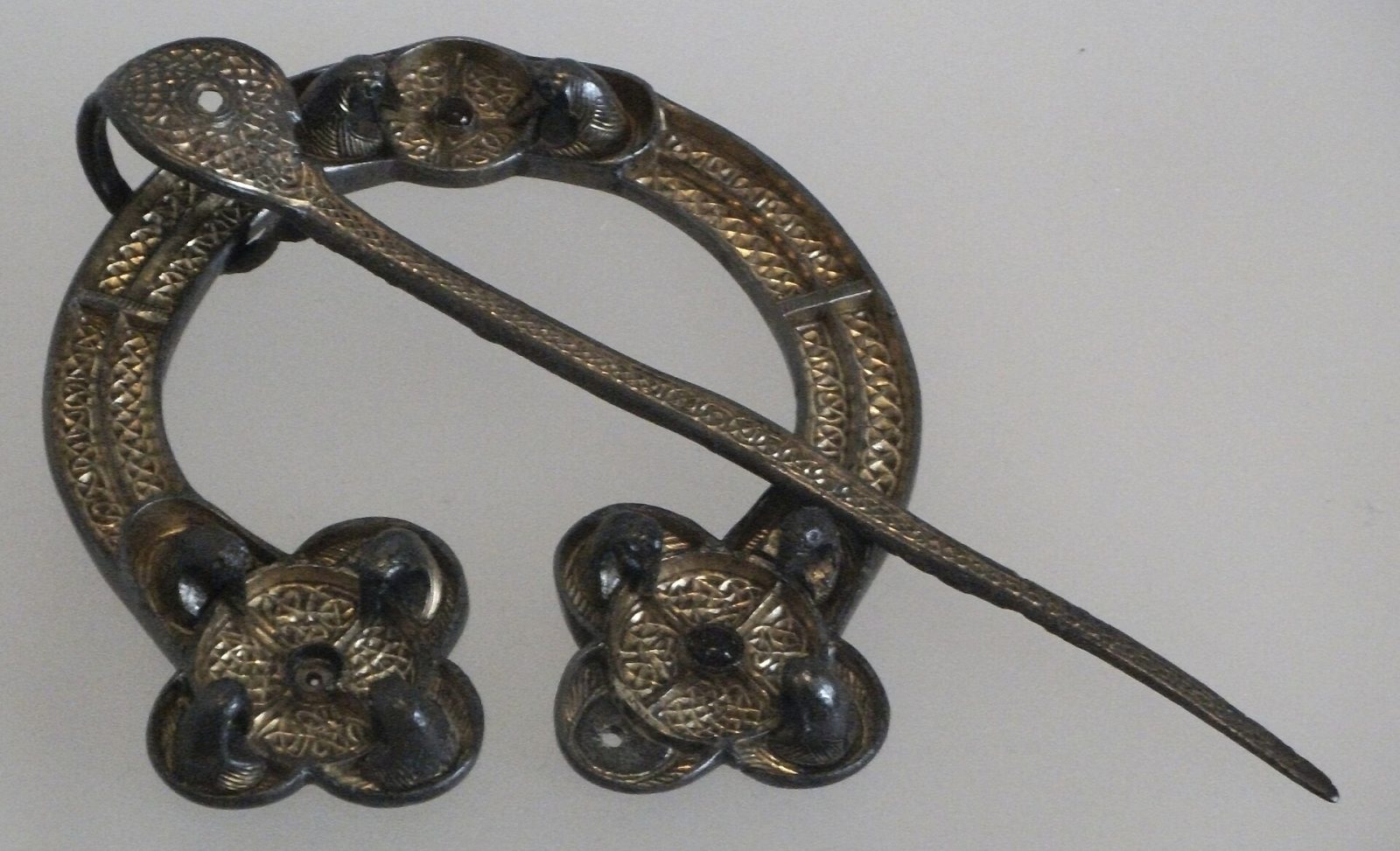
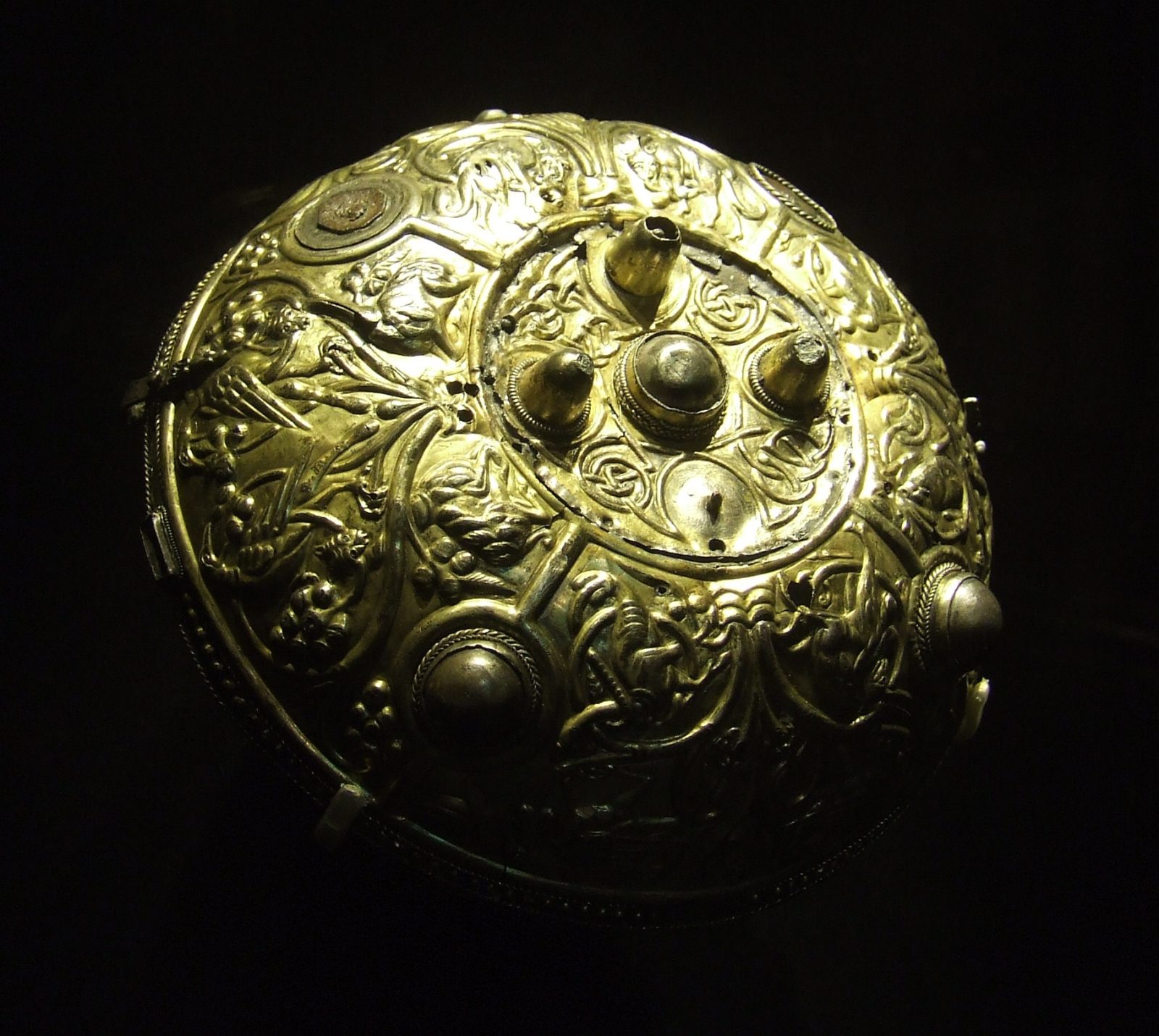
Found lying near the surface on the Hunterston estate in Ayrshire around 1830, this gilded silver brooch is one of the finest ever made in Scotland or Ireland. Two centuries after it was made, an owner scratched his name on it in runes.

FF 123

Made about AD 700 · found 1850

Tara Brooch

Ireland · Jewellery

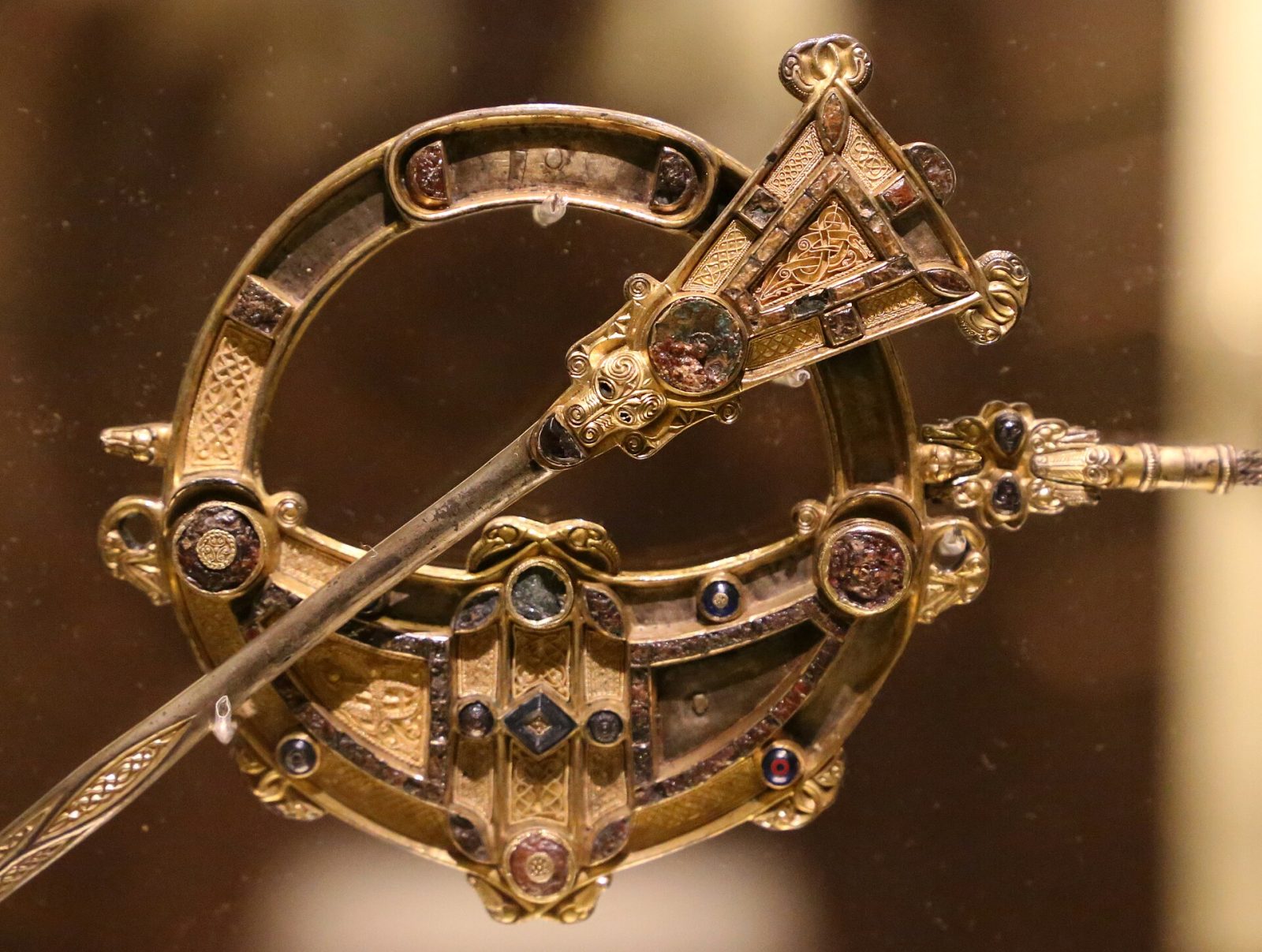
In 1850 a brooch of gilded silver, gold filigree, glass and amber came to light near Bettystown in County Meath. A Dublin jeweller named it after Tara to sell copies, and the true findspot is still uncertain.

FF 101

Made in the 8th and 9th centuries AD · found 1980

Derrynaflan Hoard

Ireland · Hoards

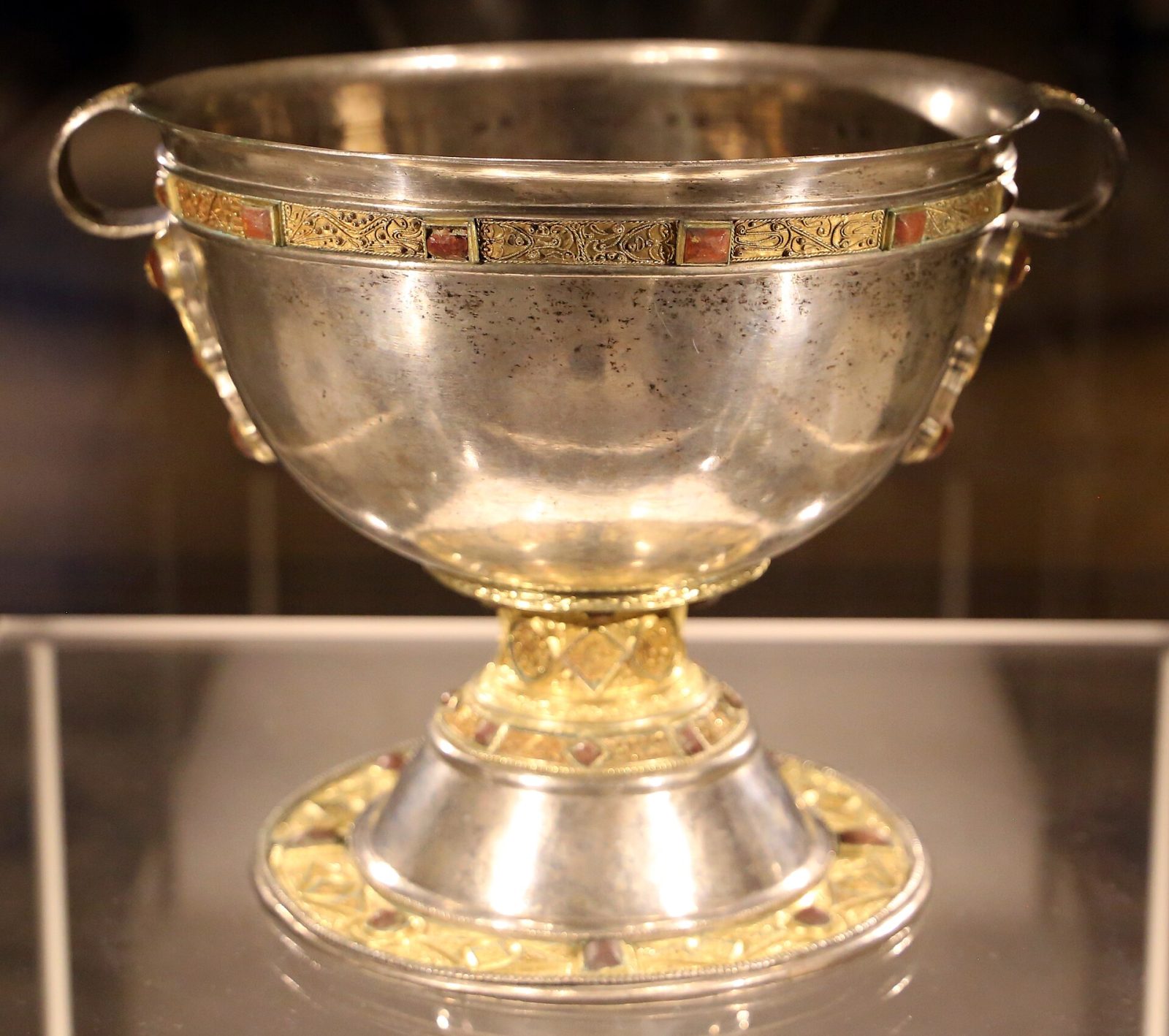
In 1980 a father and son with metal detectors found a hoard of early medieval church silver on a monastic island in a Tipperary bog. The court battle that followed made the State the owner of Ireland's buried past.

FF 111

Made in the 8th century AD · found 1868

Ardagh Chalice

Ireland · Hoards

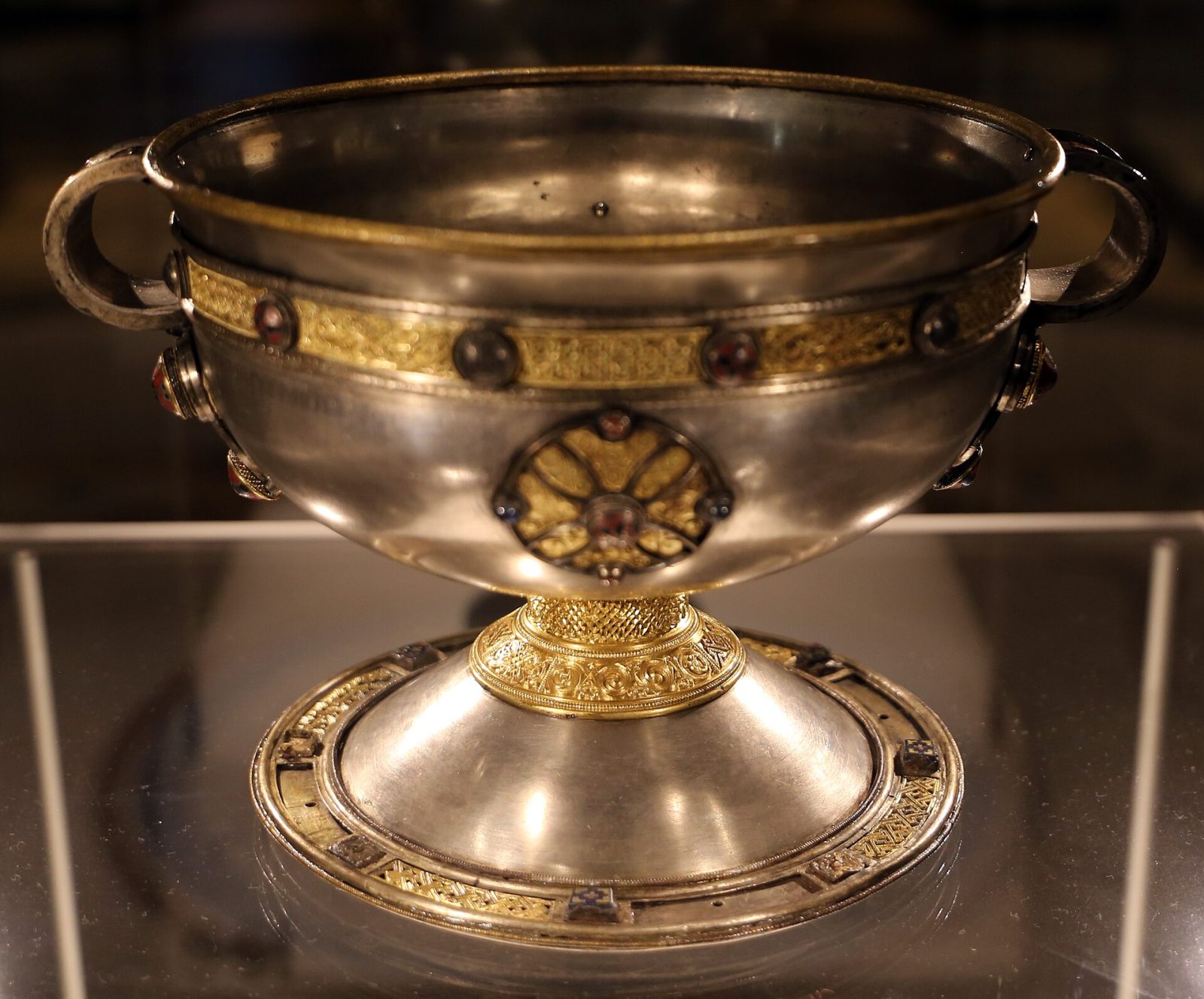
In 1868 two young men digging potatoes in a ringfort near Ardagh in County Limerick found a silver chalice, a bronze cup and four brooches. The chalice is one of the masterpieces of early Irish metalwork.

FF 185

8th century AD · found 1945

Moylough Belt Shrine

Ireland · Artefacts

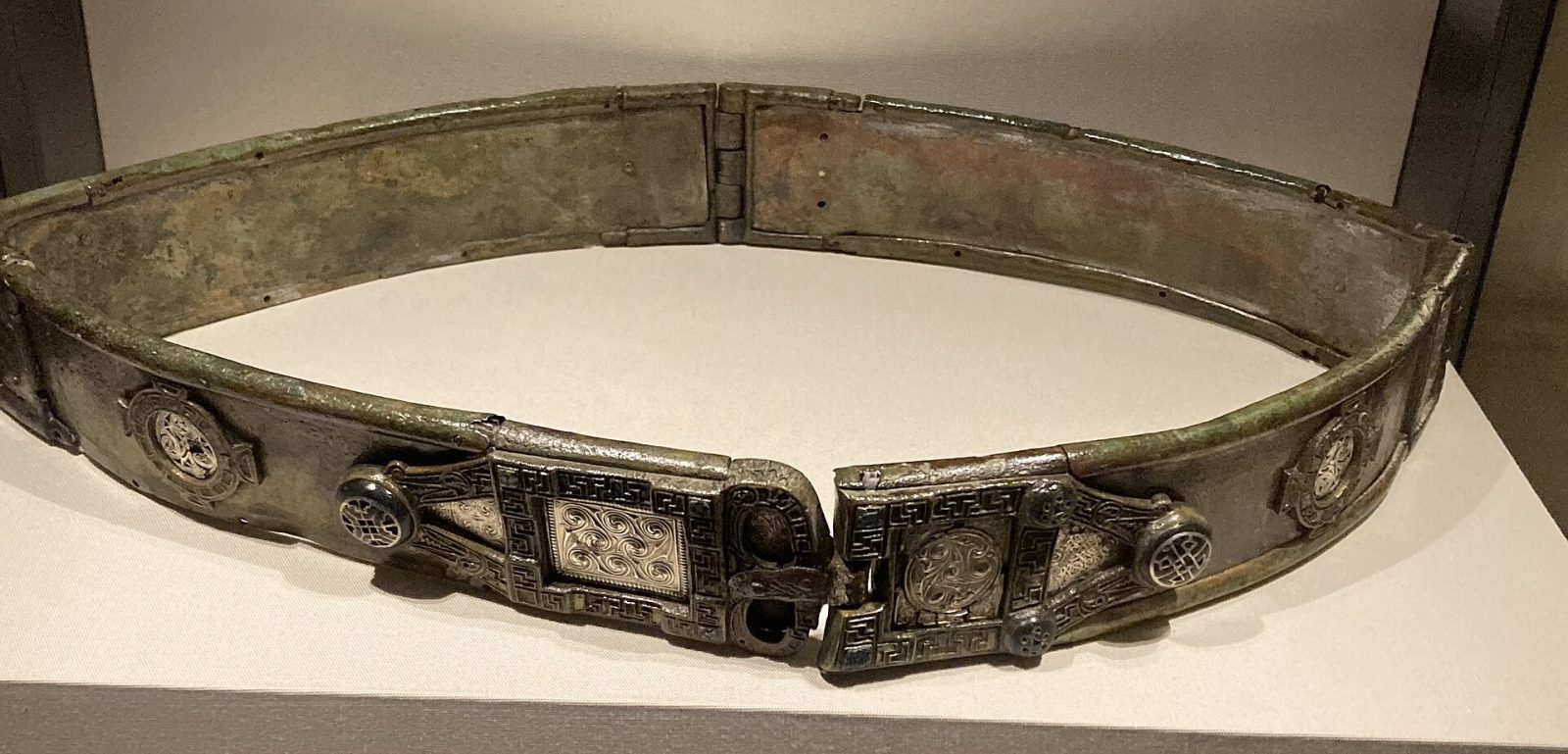
In the spring of 1945 a young man cutting turf on his father's land in County Sligo struck what he thought was a stone. It was an early medieval reliquary made to hold a saint's leather belt, the only one of its kind ever found in Ireland.

FF 204

8th century AD · found 1868

Rogart Brooch

Scotland · Jewellery

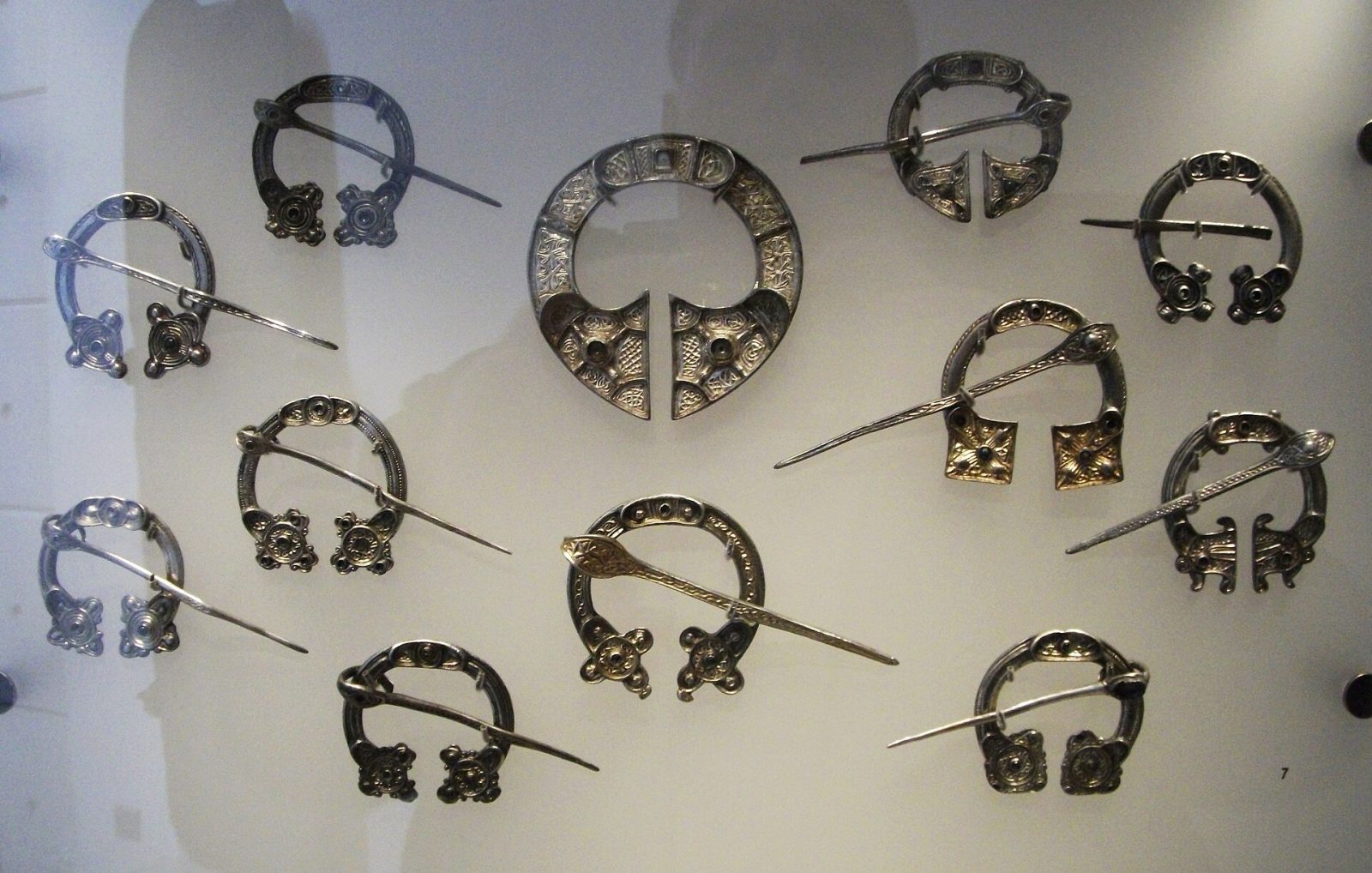
In 1868 workmen building the railway through Rogart in Sutherland blasted a boulder and found a hoard of silver brooches beneath it. Most were sold and lost; the finest survivor, decorated with tiny glass-eyed birds, is in the National Museum of Scotland.

FF 217

8th or 9th century AD · found 1986

Tully Lough Cross

Ireland · Artefacts

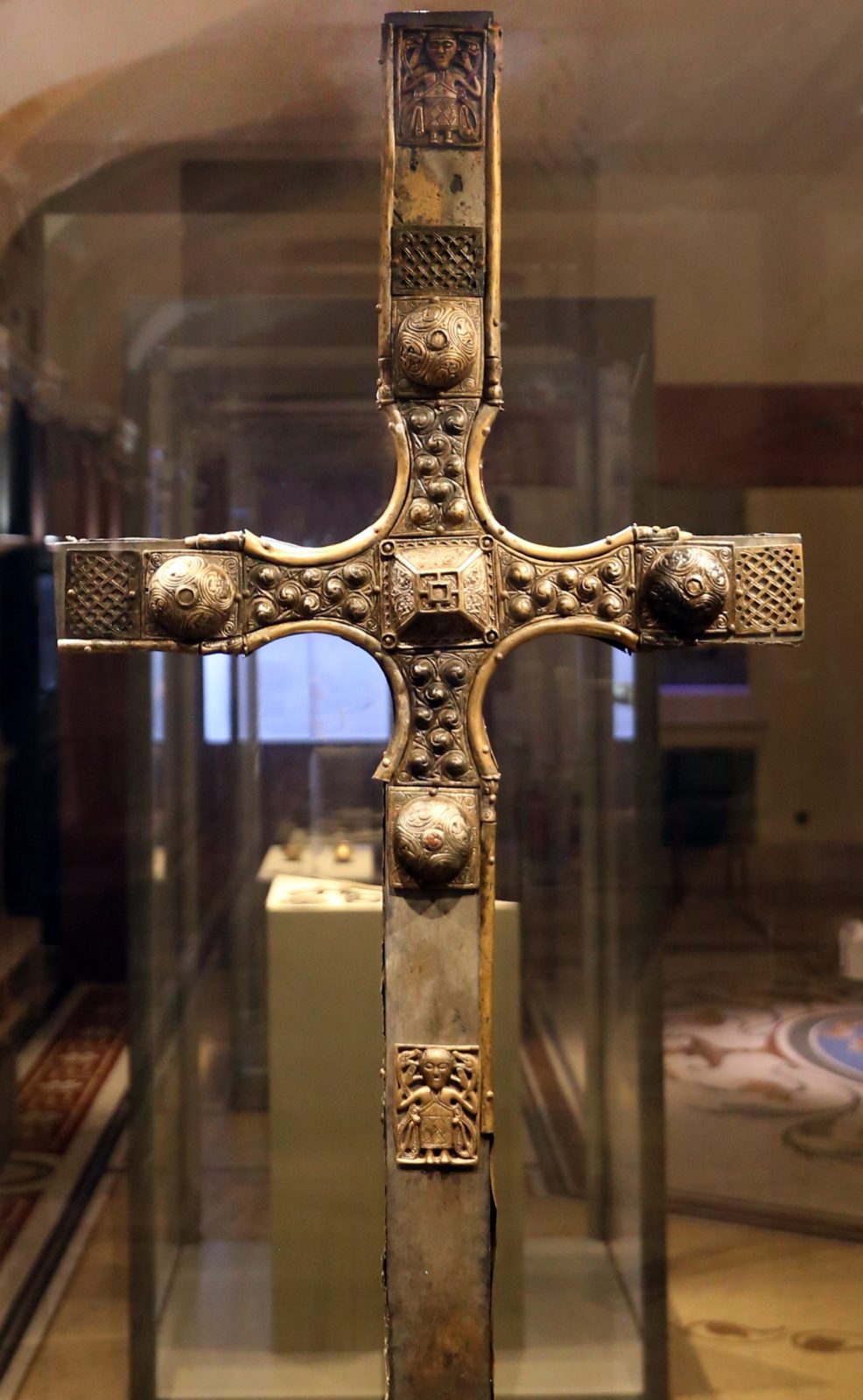
In 1986 divers found the pieces of an 8th or 9th-century bronze-covered processional cross on the bed of Tully Lough in County Roscommon. Instead of reporting it, they tried to sell it, and a few months later it was offered to the Getty Museum for 1.75 million dollars.

FF 284

8th to 9th century AD · found 1891

Lough Erne Shrine

Northern Ireland · Artefacts

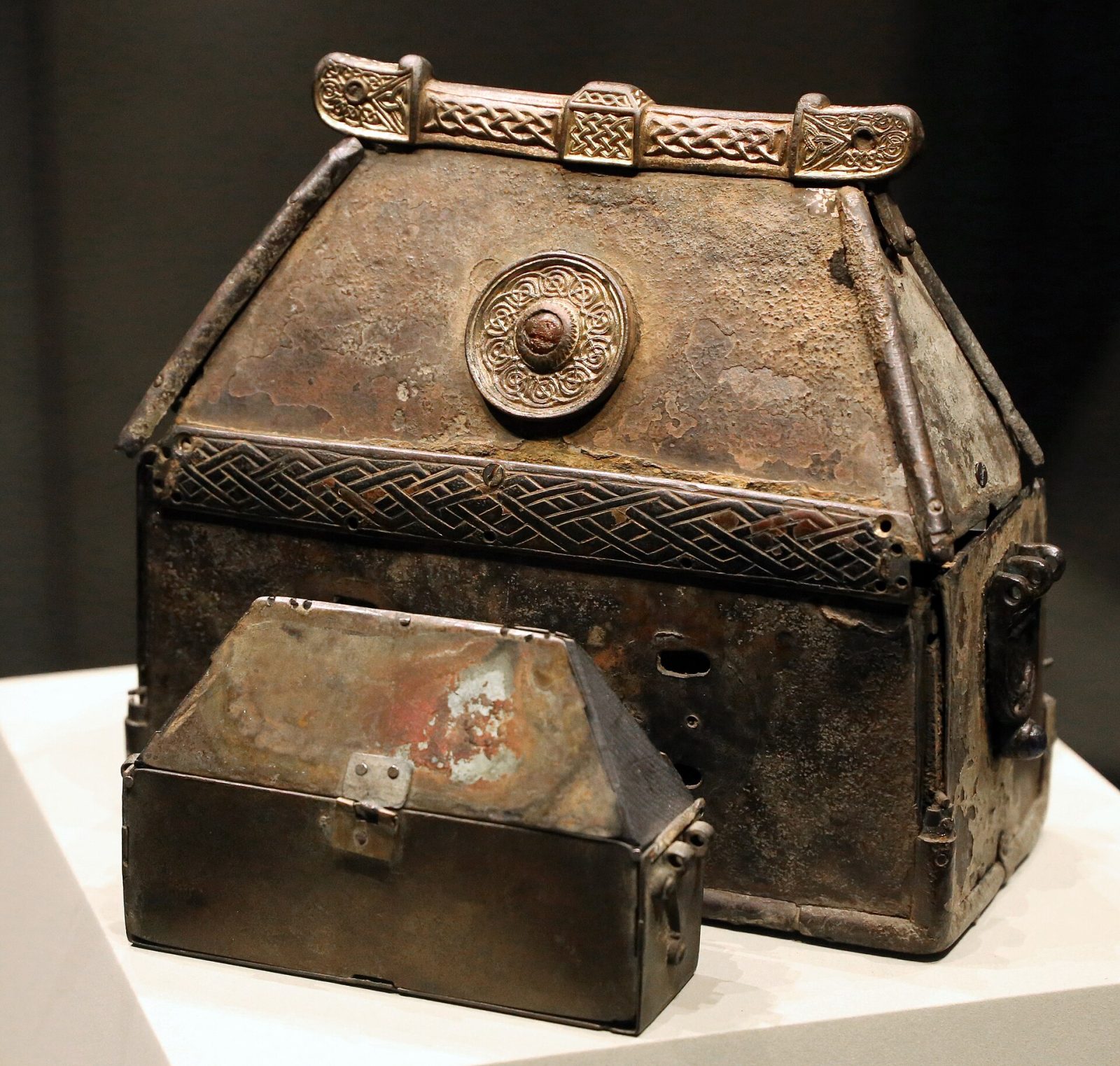
In the summer of 1891 a fisherman on Lower Lough Erne in County Fermanagh felt his line snag on what he took for a tree stump. When he landed his fish, the stump turned out to be an early medieval house-shaped shrine of bronze, with a second shrine inside it.

FF 107

Made about AD 800 · found 1958

St Ninian's Isle Treasure

Scotland · Hoards

In 1958 a 15-year-old Shetland schoolboy helping on a university dig found 28 pieces of Pictish silver under a slab in the floor of a ruined church. The court case that followed settled who owns treasure in Scotland.

FF 133

Made in the second half of the 8th century AD · found 1982

Coppergate Helmet

England · Weapons

In May 1982 a mechanical digger working on a building site in the centre of York struck an 8th-century Anglo-Saxon helmet at the bottom of an old well. It is the best preserved Anglo-Saxon helmet ever found.

FF 213

Made about AD 750 to 800 · found 1823

Ormside Bowl

England · Artefacts

In 1823 a richly decorated bowl of gilded silver and bronze was found in the churchyard at Great Ormside in Cumbria. First thought to be medieval, it is in fact a masterpiece of 8th-century Anglo-Saxon art, and how it came to be buried there is still a puzzle.

FF 255

Written about AD 800 · found 2006

Faddan More Psalter

Ireland · Artefacts

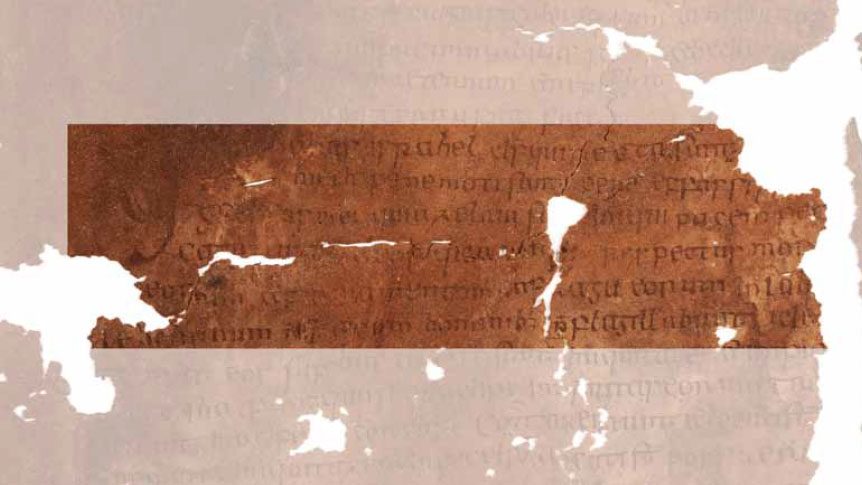
On 20 July 2006 a digger cutting peat in Faddan More bog in County Tipperary scooped up an early medieval book of psalms, still in its leather cover. It was the first manuscript of its age found in Ireland for some two centuries.

FF 398

Struck about 768 to 794 · found 2013

Ranheim Charlemagne coin

Norway · Coins

In June 2013 archaeologists searching for the lost farm of Vik at Ranheim, near Trondheim in Norway, found with a metal detector a silver penny of Charlemagne as King of the Franks, struck before 794. It was hailed as the oldest Charlemagne coin found in Norway.

FF 457

Struck about AD 770 to 792 · found 2013

Cynethryth penny

England · Coins

On 25 September 2013 a metal detectorist near Combe Bissett in Wiltshire found a silver penny of Cynethryth, wife of King Offa of Mercia. She is the only Anglo-Saxon queen known to have had coins struck in her own name, and only about 54 of her coins are recorded.

FF 532

Struck about 771 to 794 · found 2017

Charlemagne coin, Bratislava

Slovakia · Coins

In 2017 archaeologists digging ahead of a motorway at Podunajské Biskupice in Bratislava, Slovakia, found an 8th-century Avar cemetery of more than 460 graves. On one woman's chest lay a pierced silver penny of Charlemagne, struck between 771 and 794.

FF 376

Made about AD 774 to 796

Offa's gold dinar

Italy · Coins

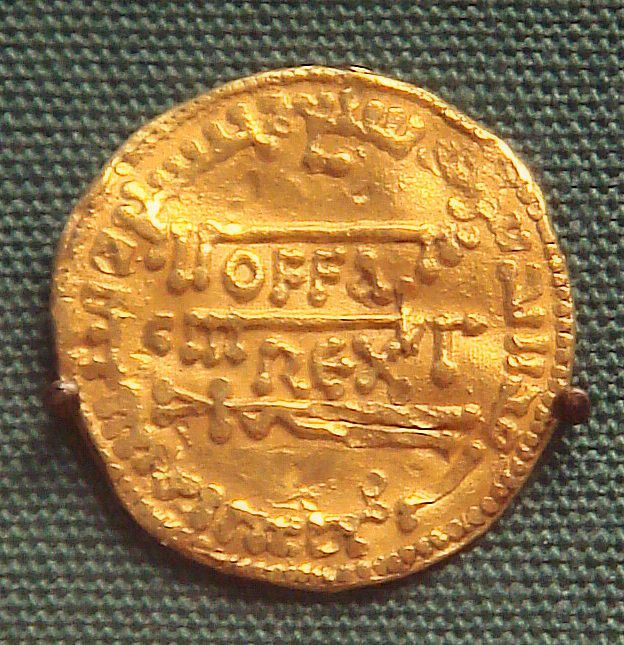
A gold coin first recorded in Rome and published in 1841 copies an Islamic dinar of AD 774, Arabic declaration of faith and all, but adds the words OFFA REX: Offa, king of Mercia. It is the only one known, and nobody knows why it was made.

FF 248

Made about AD 800 · found 1969

Dorestad Brooch

Netherlands · Jewellery

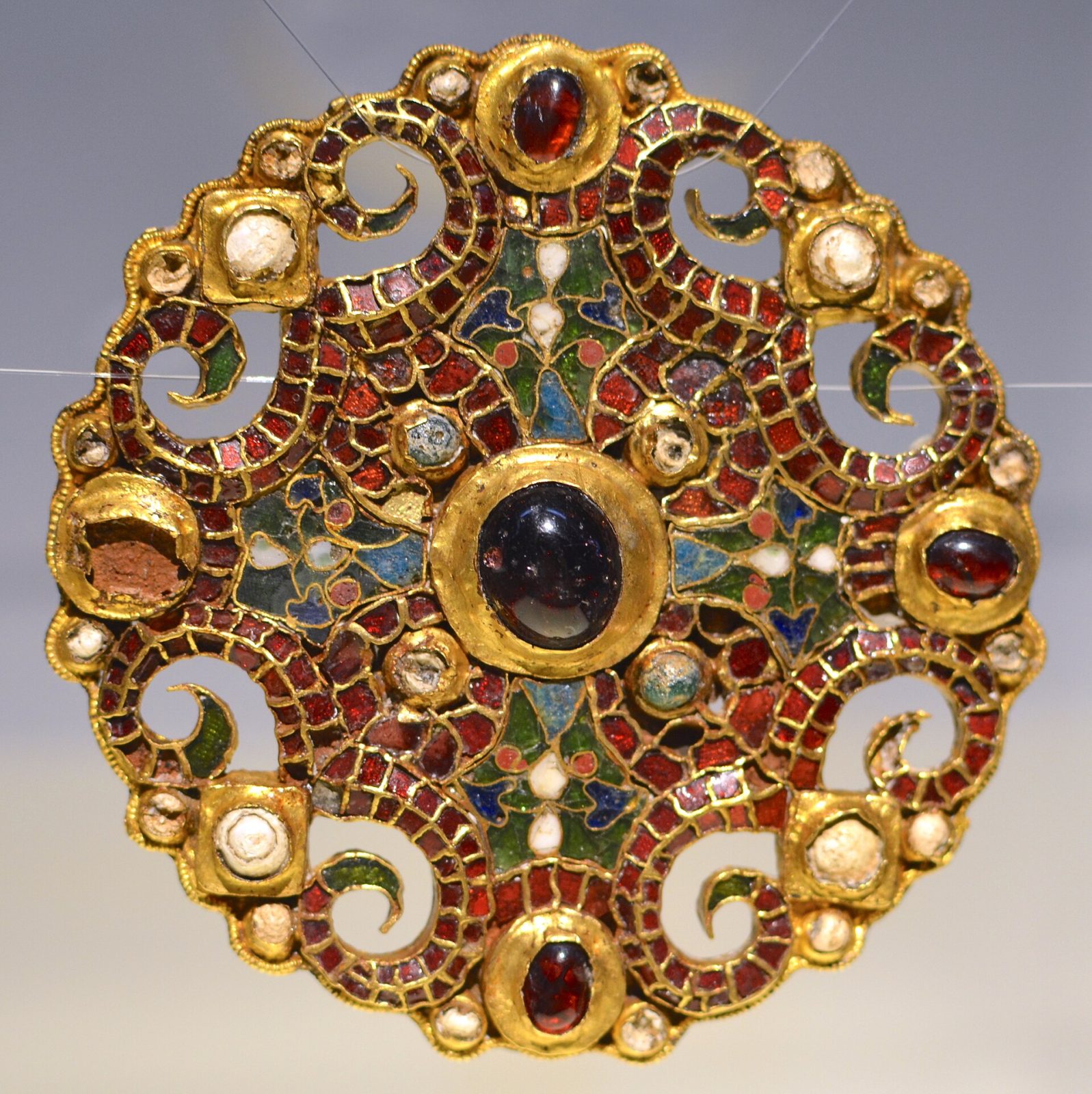
On 18 July 1969 archaeologists excavating the Viking-age trading town of Dorestad, at Wijk bij Duurstede in the Netherlands, found a gold brooch set with garnets and coloured glass at the bottom of a well. Made around 800, it is one of the finest jewels of its age.

FF 301

Made in the late 8th and early 9th centuries AD · found 1978

Pentney Hoard

England · Jewellery

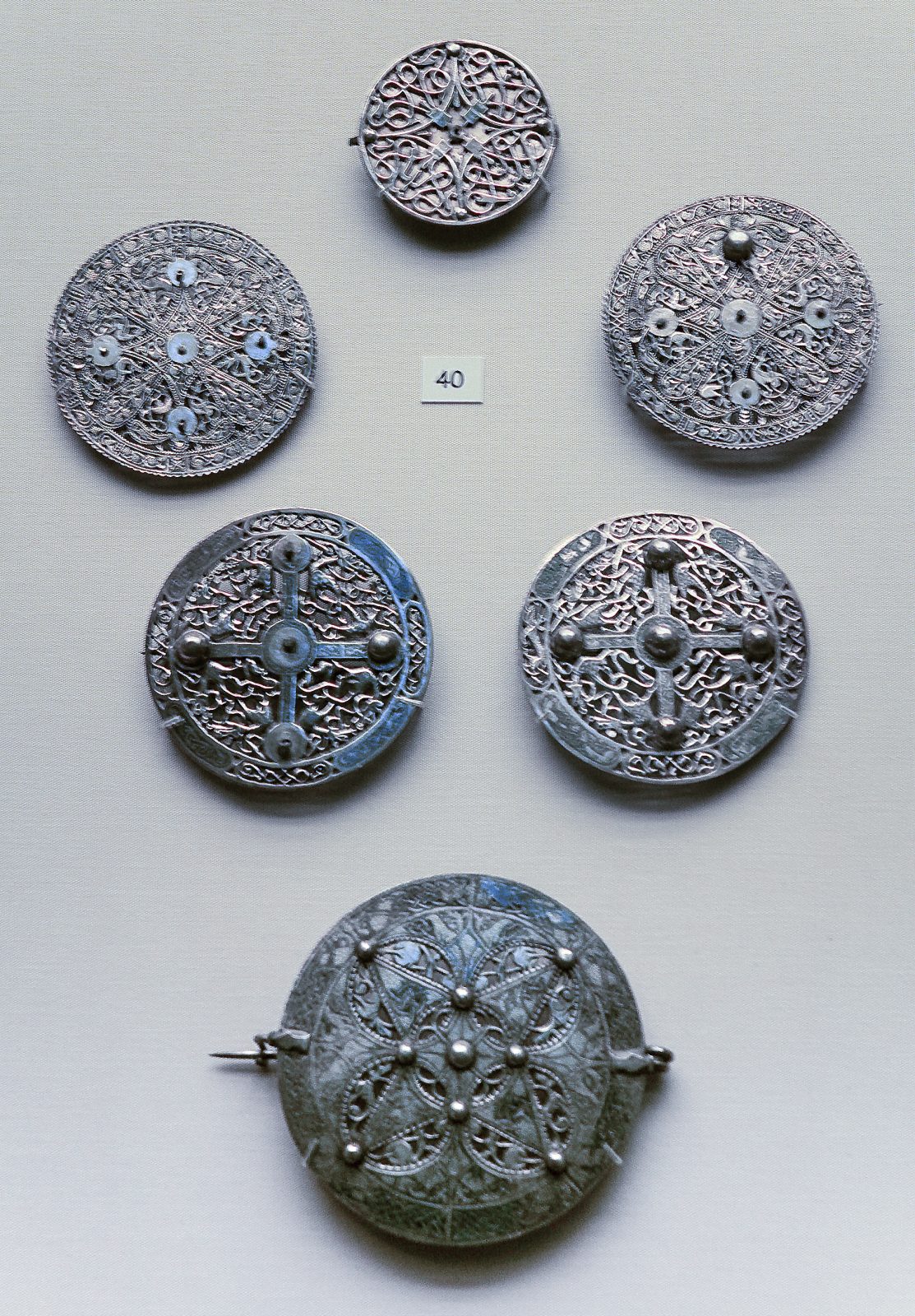
In 1978 William King, gravedigger at Pentney in west Norfolk, was digging a grave when he found six silver disc brooches in the soil. They turned out to be among the finest Anglo-Saxon brooches ever found, made around AD 800 and now in the British Museum.

FF 387

Struck about AD 779 to 794 · found 2014

Æthelberht II penny

England · Coins

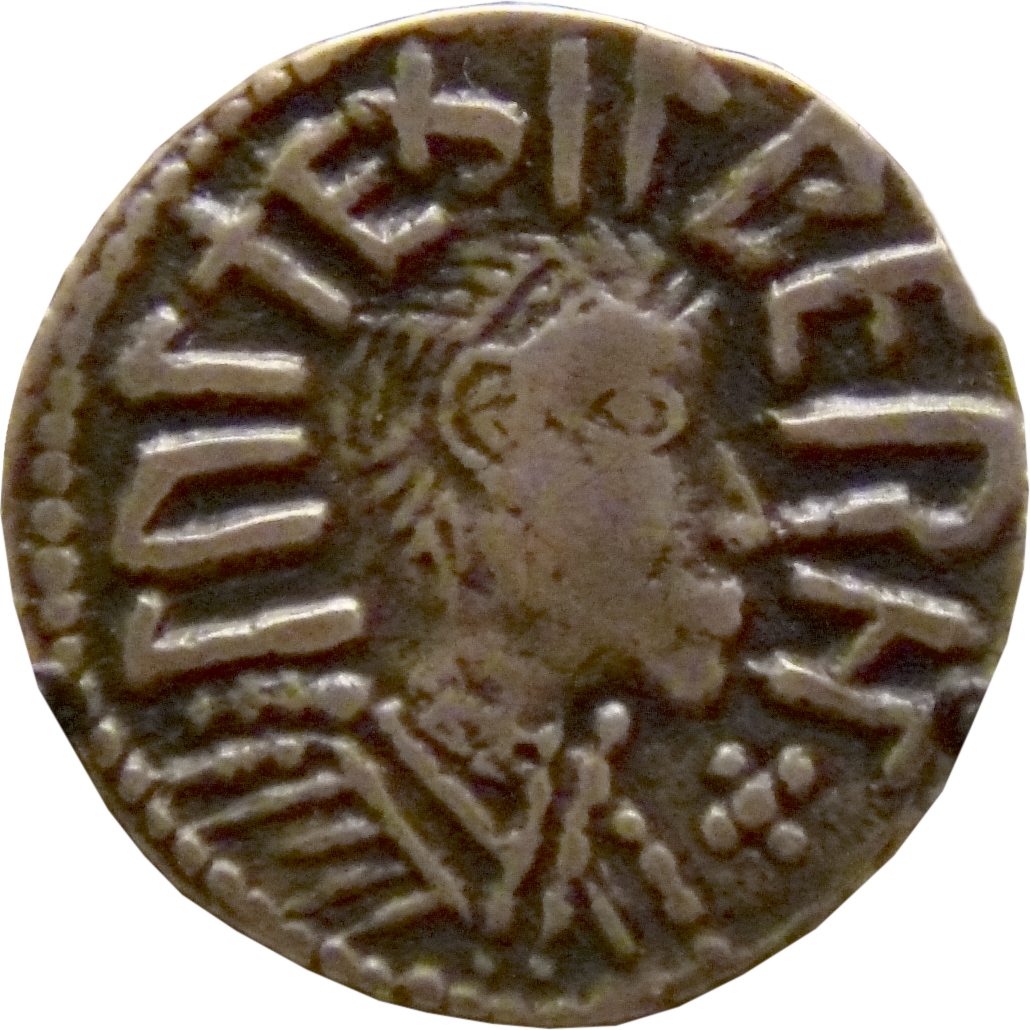
In March 2014 detectorist Darrin Simpson, hurrying to shelter from a hailstorm in a Sussex field, dug a silver penny of Æthelberht II of East Anglia, the king Offa of Mercia had executed in 794. Only the fourth coin of the king known, it sold for £78,000.

FF 415

Struck about AD 796 to 798 · found 2012

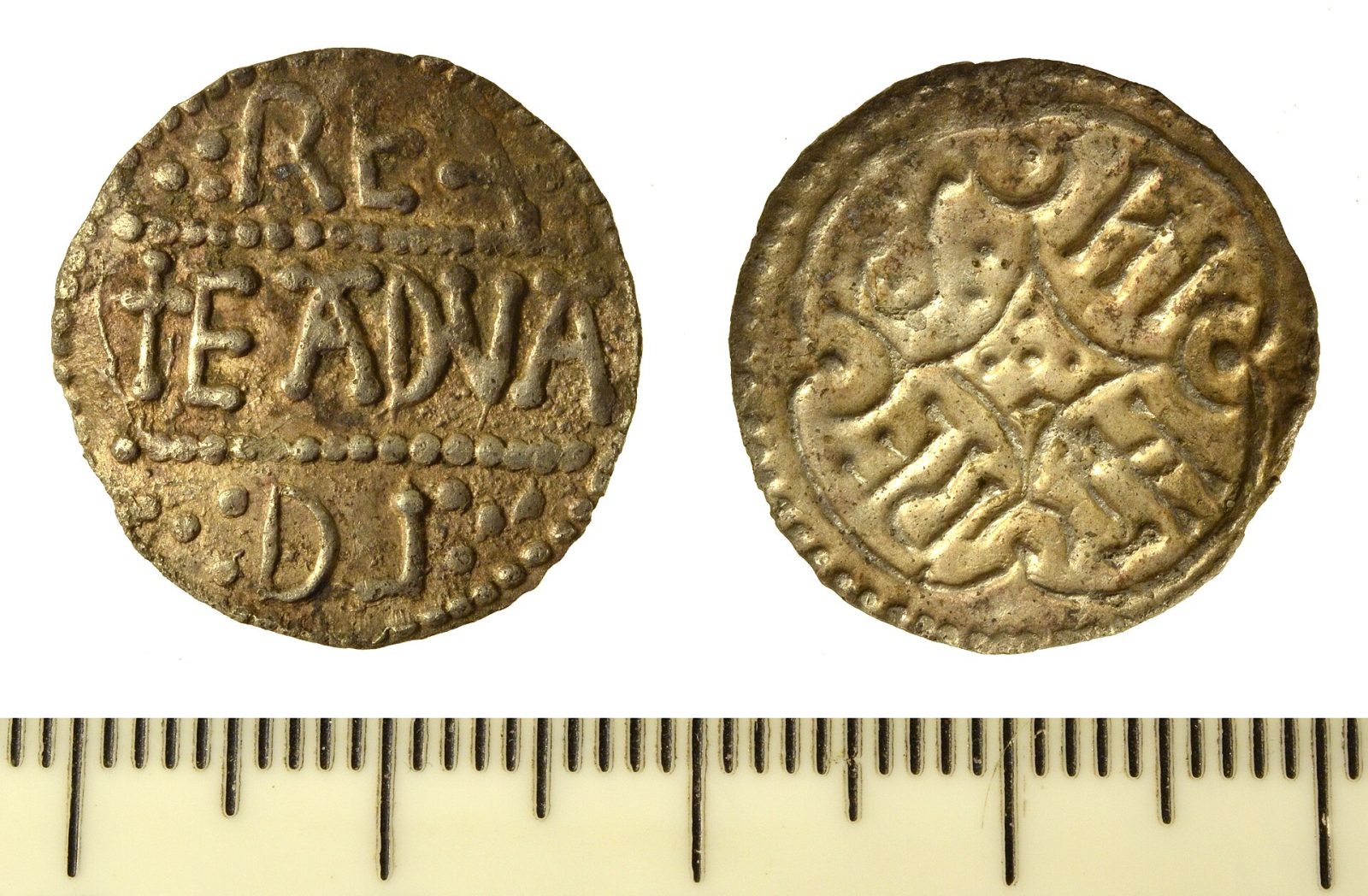
Eadwald of East Anglia penny

England · Coins

In August 2012 a detectorist near Eye in Suffolk found a silver penny of Eadwald, a king who seized East Anglia after Offa of Mercia died in 796. No chronicle mentions him; his short reign is known almost entirely from coins like this one.

FF 475

Struck AD 796 to 821 · found 2001

Coenwulf gold mancus

England · Coins

In 2001 a metal detectorist found a gold coin of Coenwulf, King of Mercia, beside a public footpath along the River Ivel in Bedfordshire. Unique and in near-perfect condition, it was sold to America, stopped from leaving the country, and bought by the British Museum in 2006.

FF 212

9th century AD · found 1976

Gilling Sword

England · Weapons

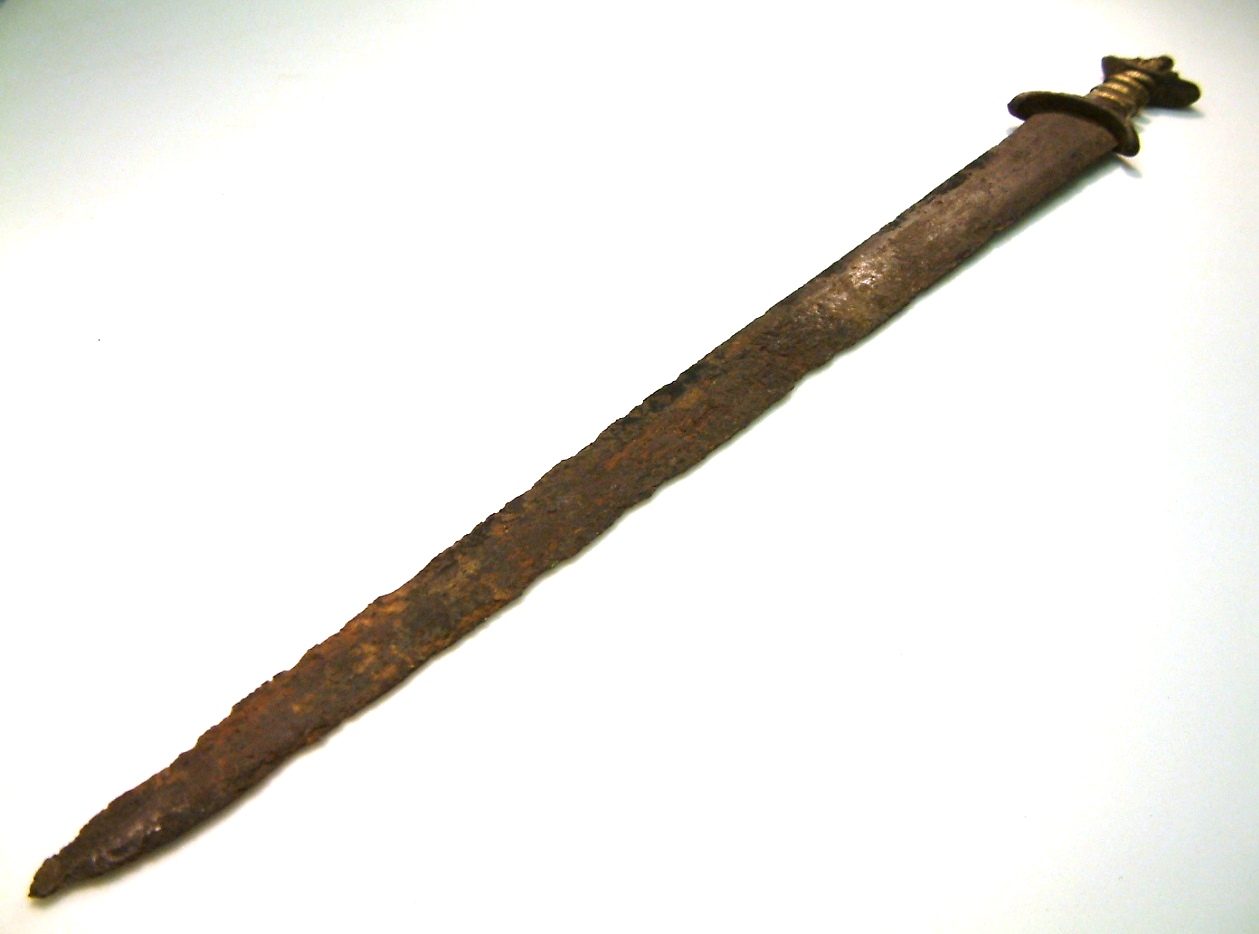
On 9 April 1976 a nine-year-old boy playing beside Gilling Beck in North Yorkshire noticed metal in the bank. It was a 9th-century Anglo-Saxon sword with a silver-decorated hilt, one of the finest ever found in Britain, and it earned him a Blue Peter badge.

FF 283

9th and 10th centuries AD (Viking Age) · found 1989

Llanbedrgoch

Wales · Hoards

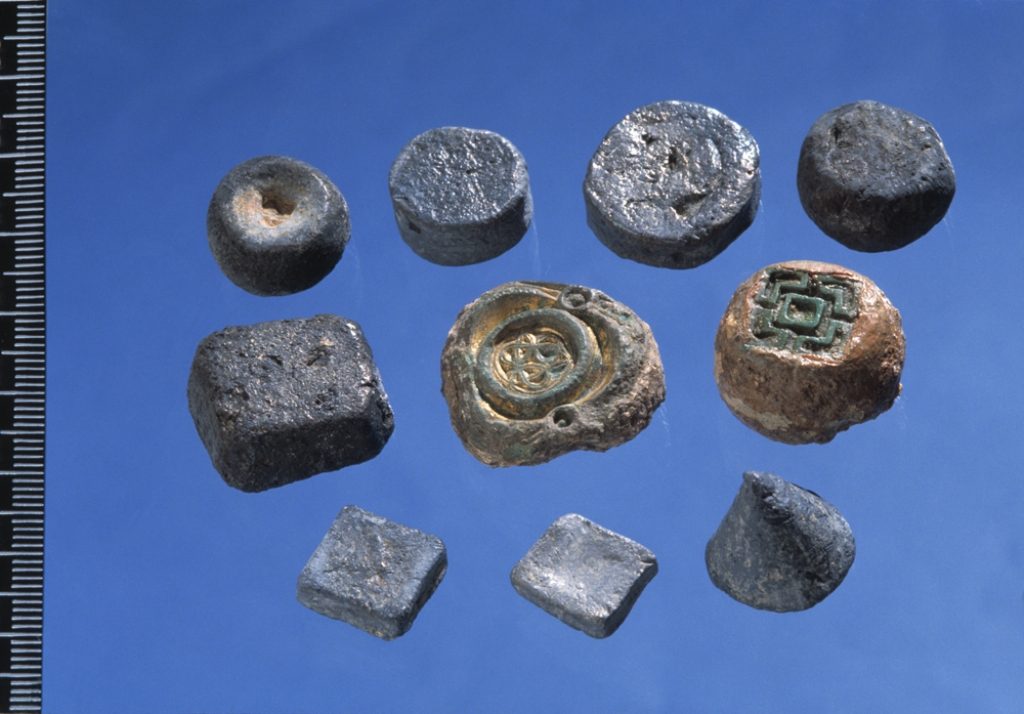
Between 1989 and 1993 two metal detectorists searching fields at Llanbedrgoch on Anglesey found early medieval coins and lead weights and reported them to the National Museum of Wales. Excavation revealed a trading centre unique in Wales, full of hacksilver.

FF 385

Made in the 9th century AD · found 1817

Kingmoor runic ring

England · Jewellery

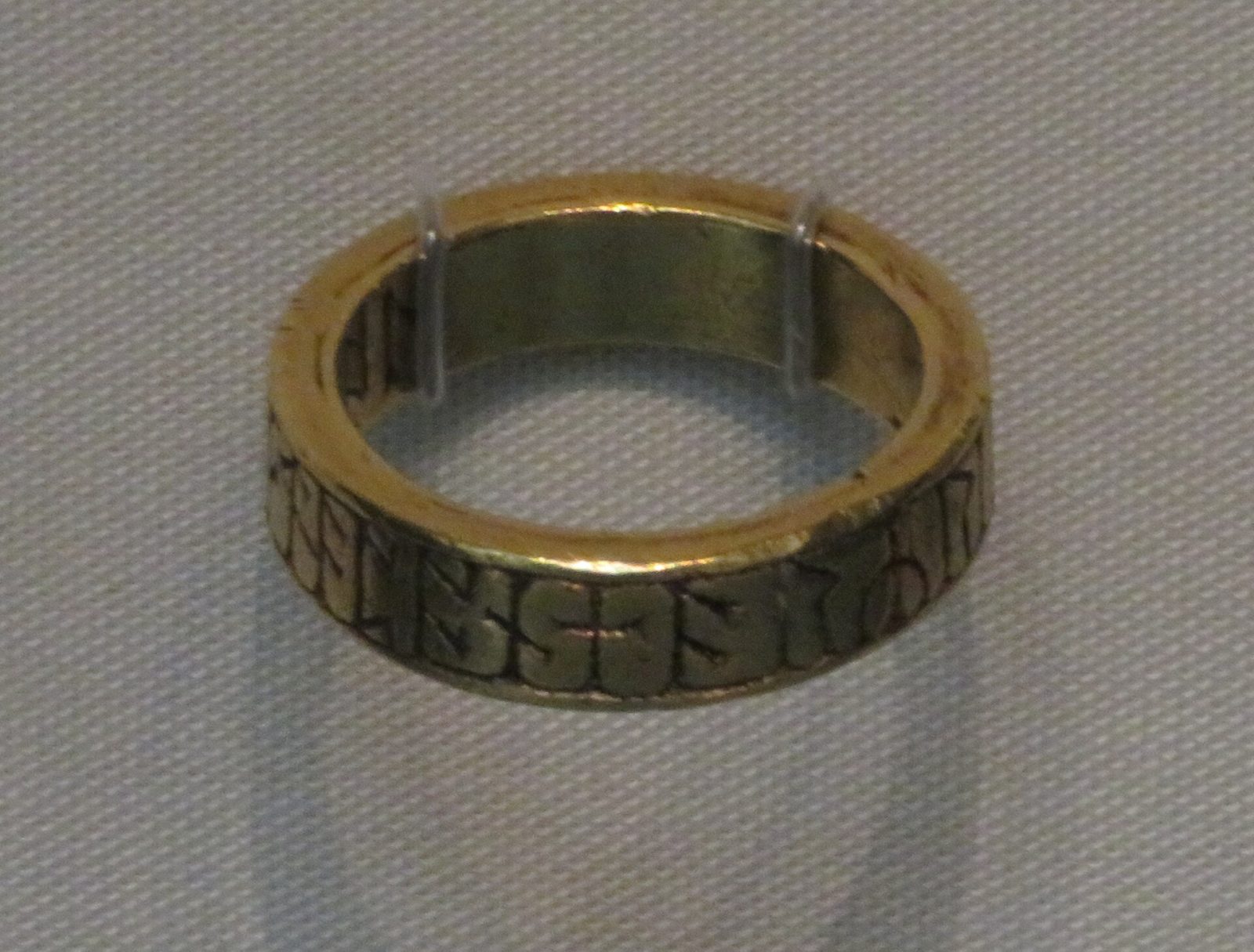
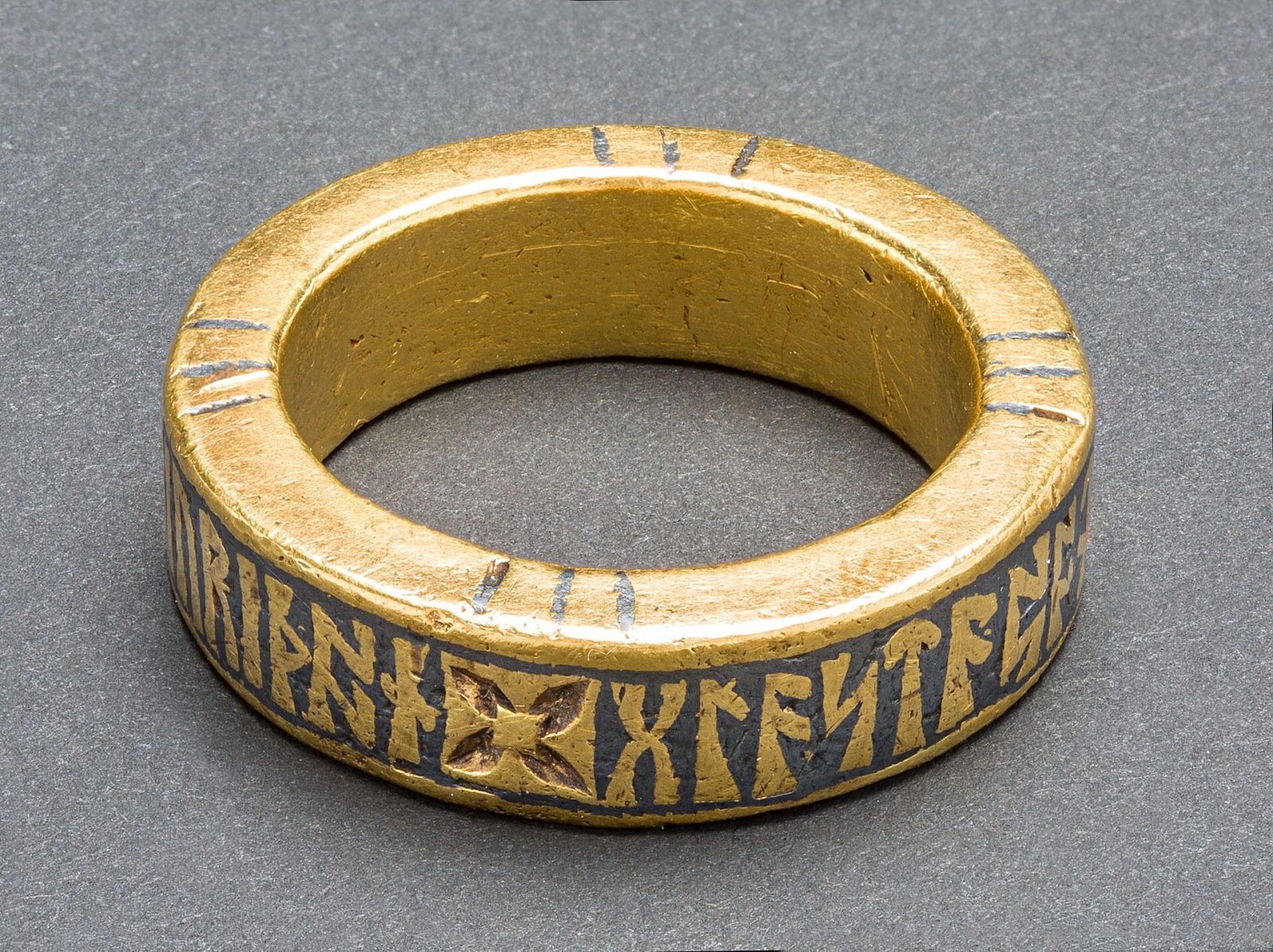
In June 1817 a young man levelling a fence on Greymoor Hill at Kingmoor, near Carlisle, found an Anglo-Saxon gold ring carved with 30 runes. They spell a charm that makes no sense in any language, and an almost identical ring was found on Bramham Moor in Yorkshire.

FF 390

Buried in the 9th century AD · found 1877

Birka "Allah" ring

Sweden · Jewellery

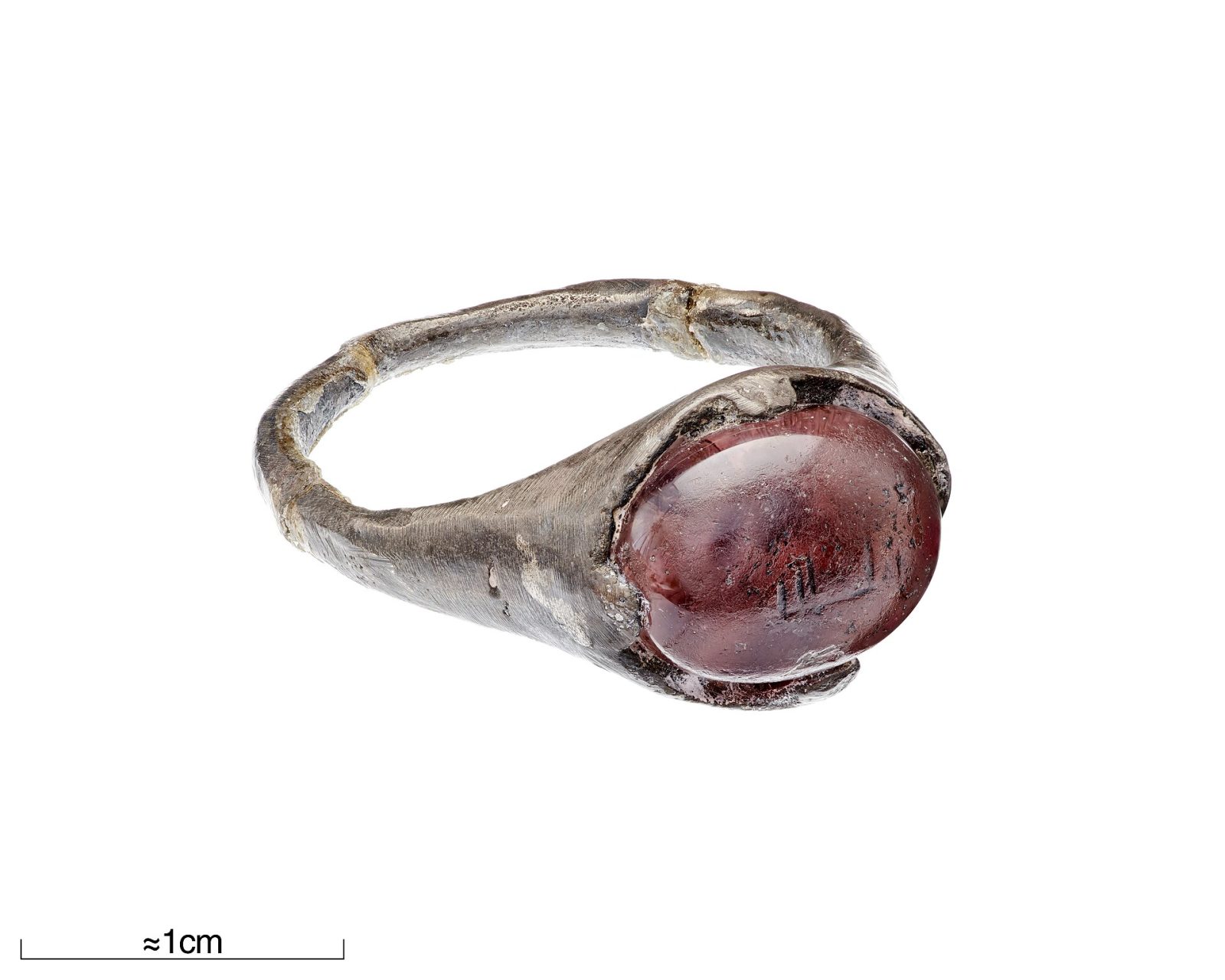
In 1877 Hjalmar Stolpe excavated a 9th-century woman's grave at the Viking town of Birka in Sweden and found a silver ring set with a violet stone engraved in Arabic. A 2015 study showed the stone is glass and the inscription probably reads "for Allah".

FF 456

Made in the 9th century AD

Bramham Moor runic ring

England · Jewellery

Some time before 1736, a gold ring inscribed with runes was found by chance on Bramham Moor in West Yorkshire. Its 9th-century inscription is not a name or a message but a string of magic letters, and it now belongs to the National Museum of Denmark.

FF 463

Made in the 9th century AD · found 2014

Revninge woman pendant

Denmark · Jewellery

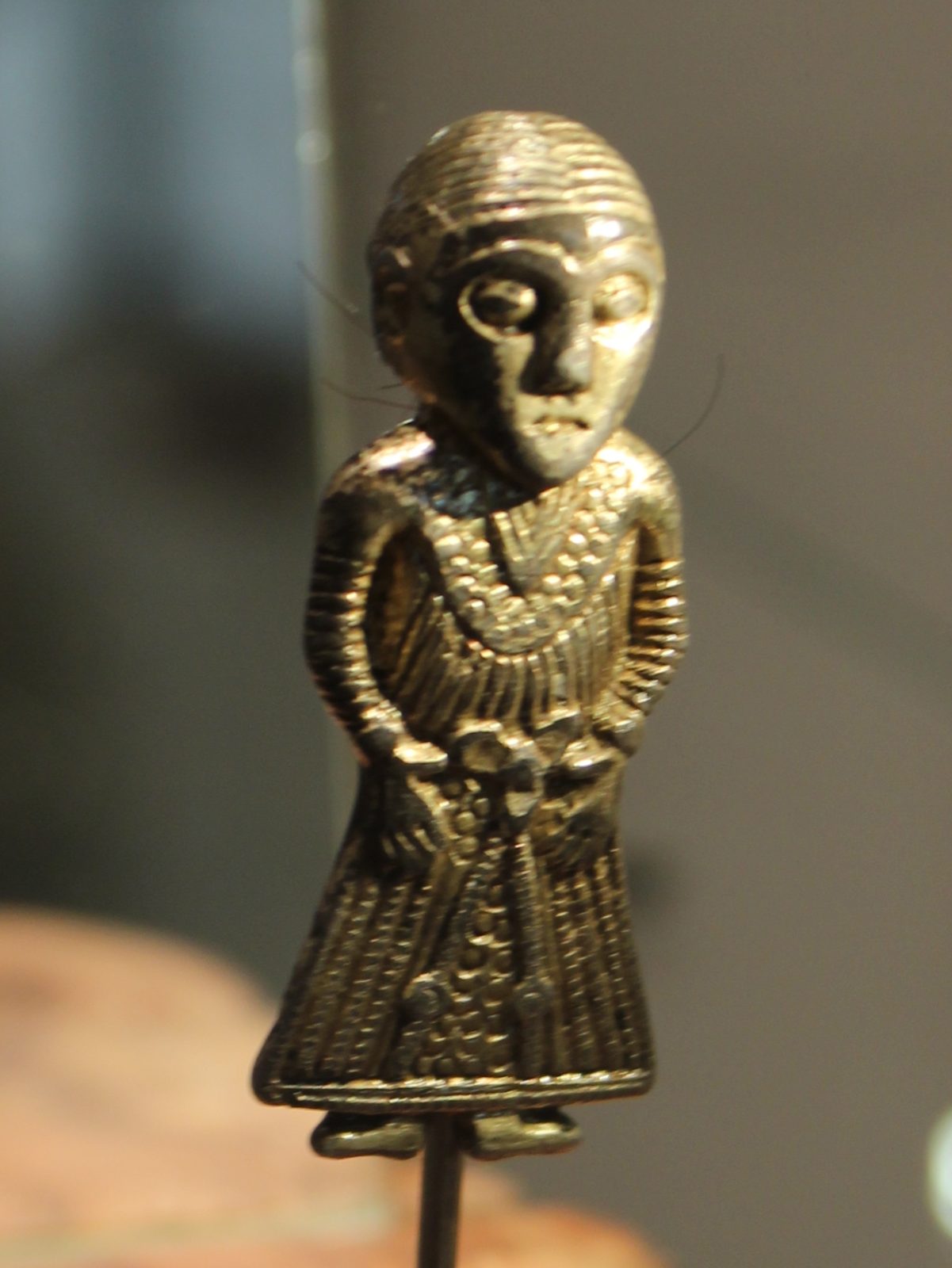
On 22 April 2014 metal detectorist Paul Uniacke found a gilded silver figure of a woman, 4.6 centimetres tall, in a field at Revninge on the Danish island of Funen. The Viking-age pendant shows how women of the 9th century wore their clothes and jewellery.

FF 537

Most made between about AD 800 and 1500

Diquís stone spheres

Costa Rica · Artefacts

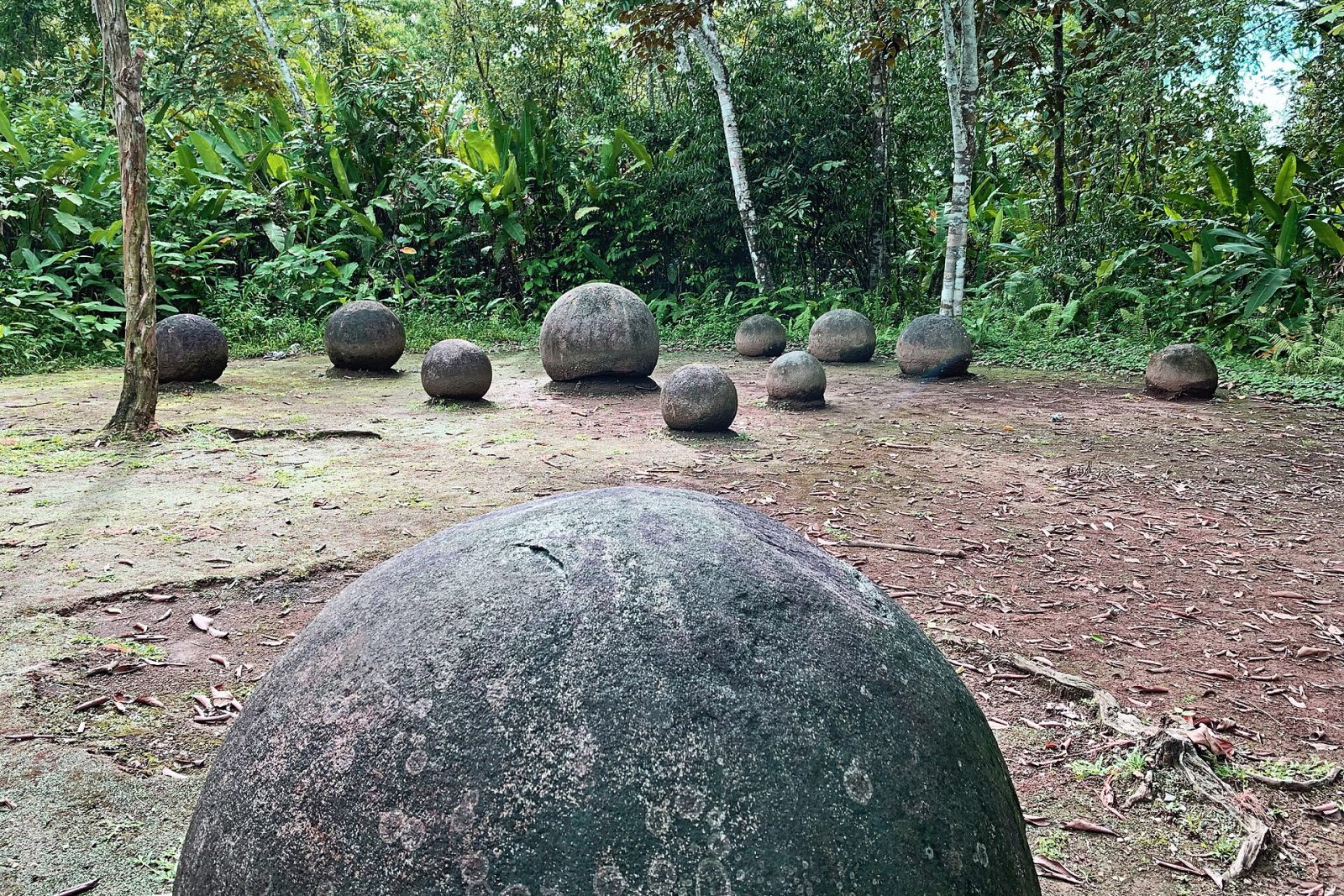
In the 1930s workers clearing jungle for United Fruit Company banana plantations in the Diquís Delta of southern Costa Rica found hundreds of nearly perfect stone spheres, some over two metres across. Made between about AD 800 and 1500, their purpose is still unknown.

FF 416

Struck about AD 825 to 827 · found 2009

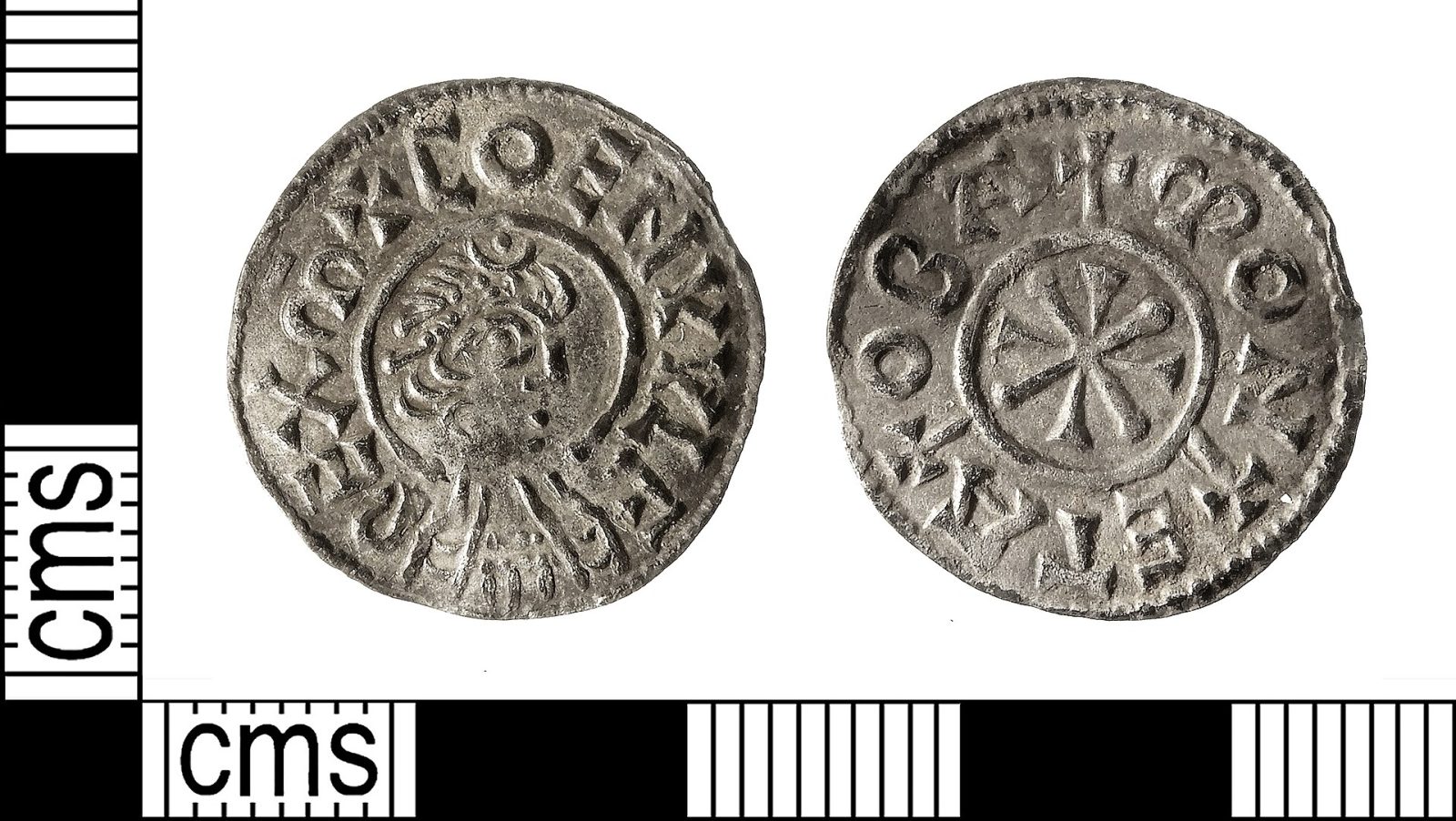
Ludica of Mercia penny

England · Coins

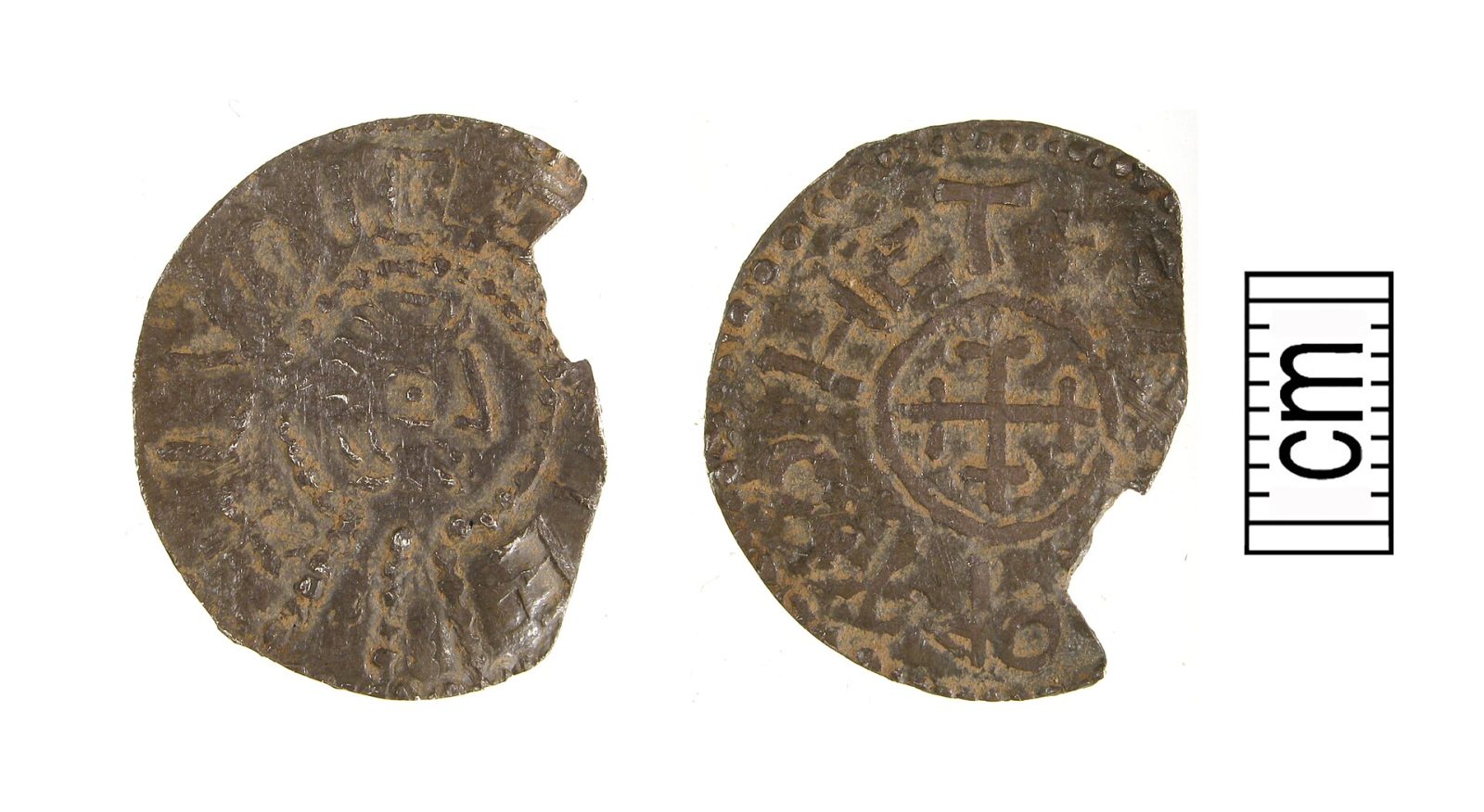
On 1 February 2009 a detectorist found a worn silver penny at Wall in Staffordshire, the site of the Roman town of Letocetum. It was struck for Ludica, king of Mercia for barely two years before he was killed in 827. Only about ten of his coins are known.
FF 482

Made about AD 850 · found 1867

Canterbury Cross

England · Jewellery

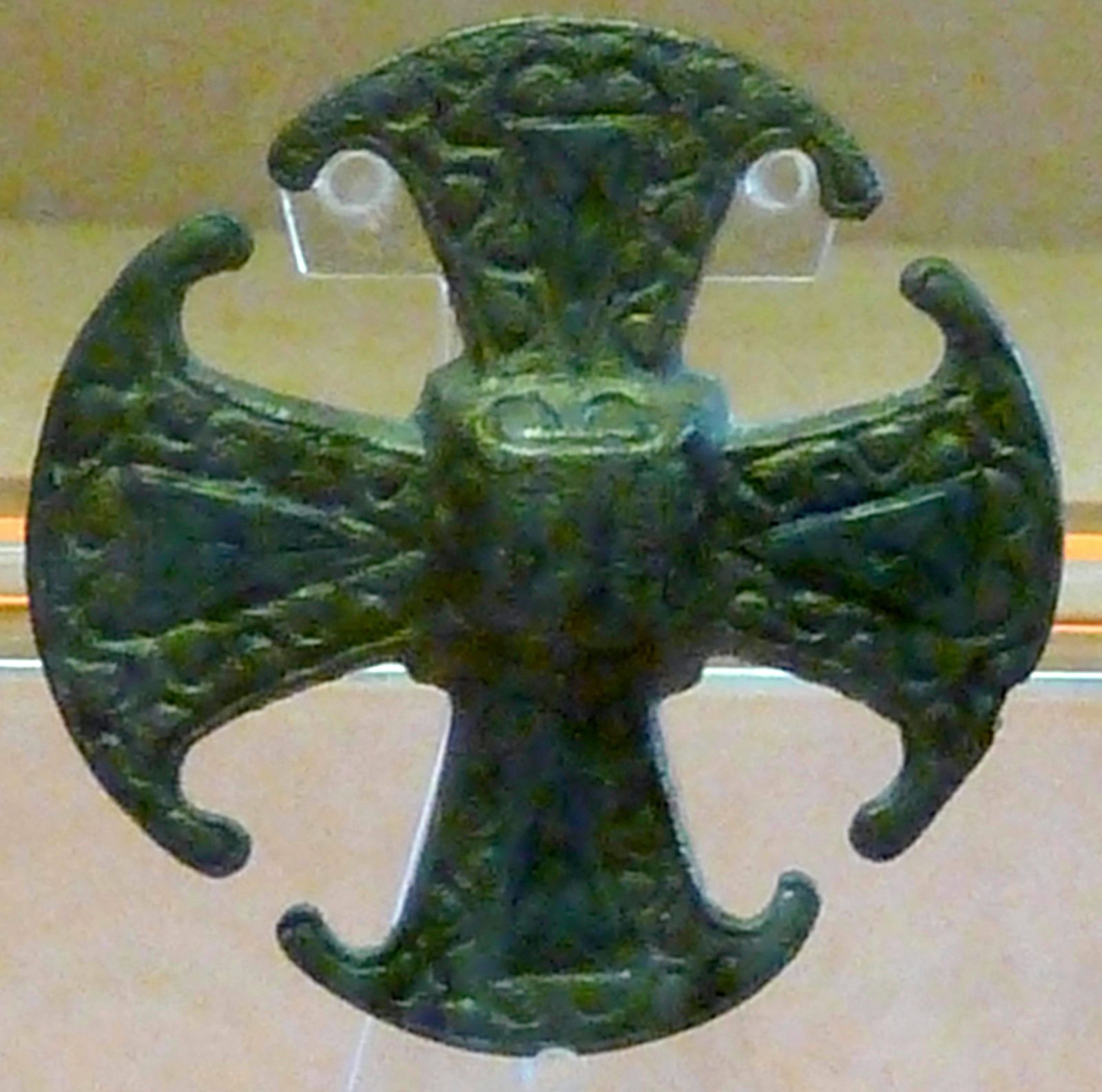
In 1867 workmen digging in St George's Street, Canterbury, turned up a small Anglo-Saxon bronze brooch shaped like a cross, inlaid with silver. Copies of it were later sent to Anglican cathedrals across the world, and it became the emblem of Canterbury itself.