Famous finds

The finds every detectorist knows: hoards turned up by ploughs, builders and fellow detectorists, and the treasures that changed what we know about the past. Oldest first, by when they were made or buried. Each one is on the finds timeline too.

507 famous finds, oldest first · page 2 of 13. Jump to: Prehistoric · Bronze Age · Iron Age · Roman · Early Medieval · Medieval · Post-Medieval · Modern

FF 262

Reign of Tutankhamun, about 1332 to 1323 BC · found 1922

Tutankhamun's tomb

Egypt · Artefacts

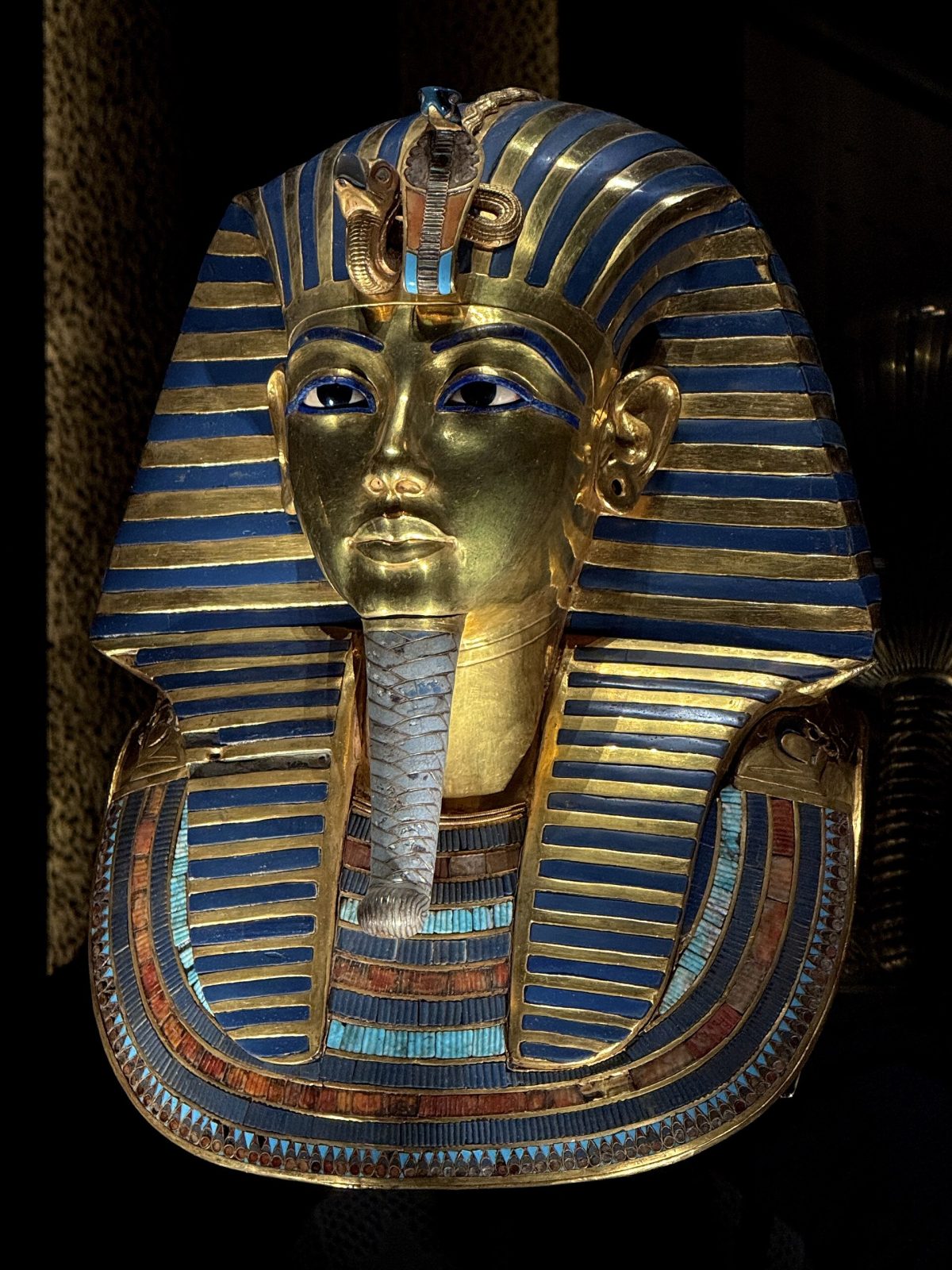
On 4 November 1922 Howard Carter's team in Egypt's Valley of the Kings uncovered a step cut into the rock beneath some ancient workmen's huts. It led to the almost untouched tomb of the boy-king Tutankhamun, packed with more than 5,000 objects and his gold mask.
FF 148

Made about 1300 to 1000 BC · found 1823

Caergwrle Bowl

Wales · Artefacts

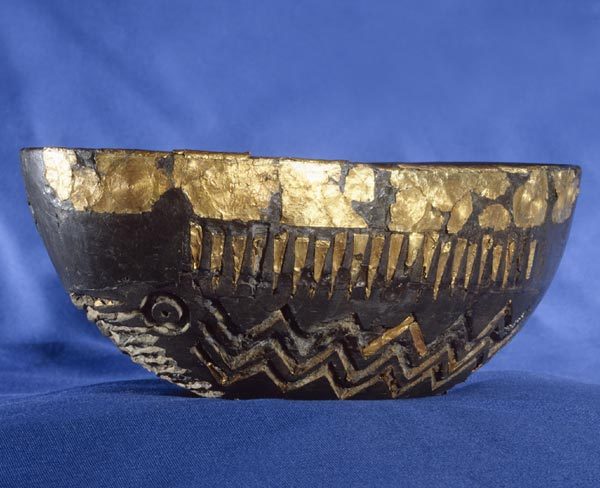
In about 1823 a workman digging a drain below Caergwrle Castle in Flintshire found a small shale bowl decorated in tin and gold to look like a boat, with oars, waves and an eye on its prow.
FF 346

Made about 1300 to 1000 BC · found 1784

Moel Hebog shield

Wales · Weapons

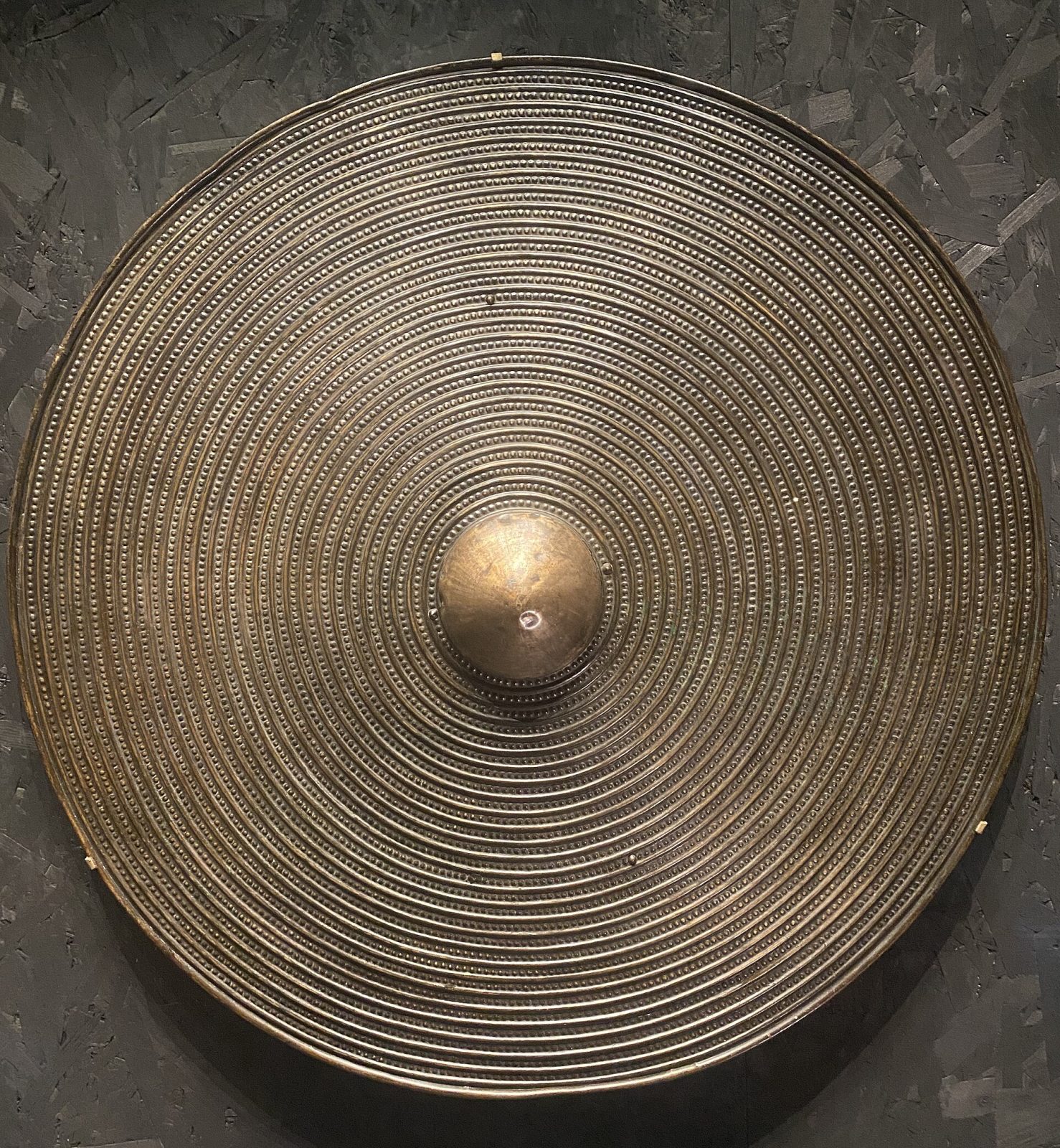
In 1784 peat-cutters on a mountain bog in Snowdonia dug up a round bronze shield in near-perfect condition. Made around 1300 to 1000 BC, it is one of only two shields of its kind from Wales, and even the records disagree about which mountain it came from.

FF 438

Made about 1300 to 1100 BC · found 2015

East Cambridgeshire (Ely) torc

England · Jewellery

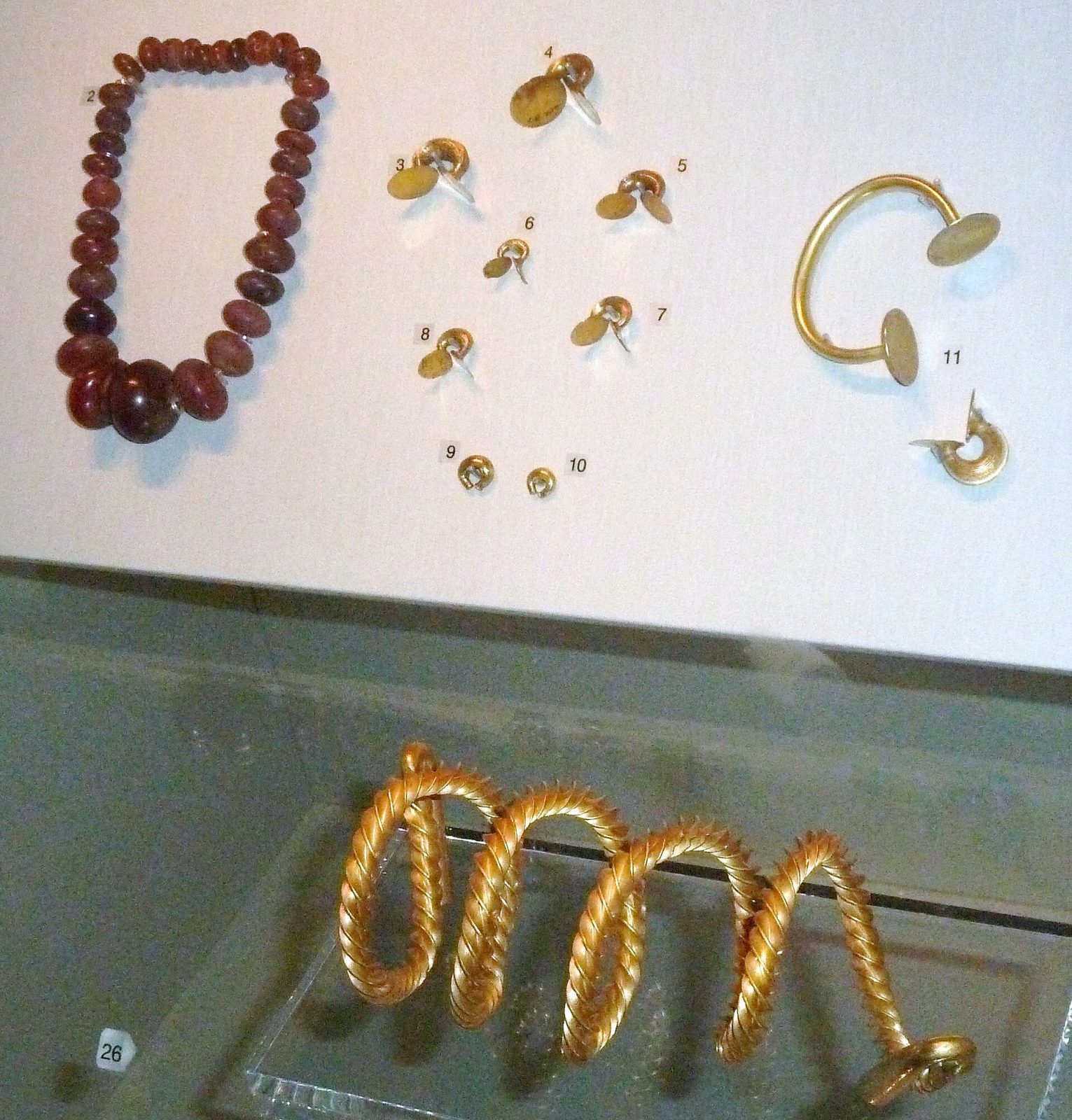
In September 2015 detectorists in East Cambridgeshire found a Bronze Age gold torc weighing 730 grams, the largest ever found in England. Ely Museum raised £220,000 to buy it. In May 2024 thieves smashed its case and it has not been seen since.

FF 439

Made about 1300 to 1100 BC · found 2009

Corrard gold torc

Northern Ireland · Jewellery

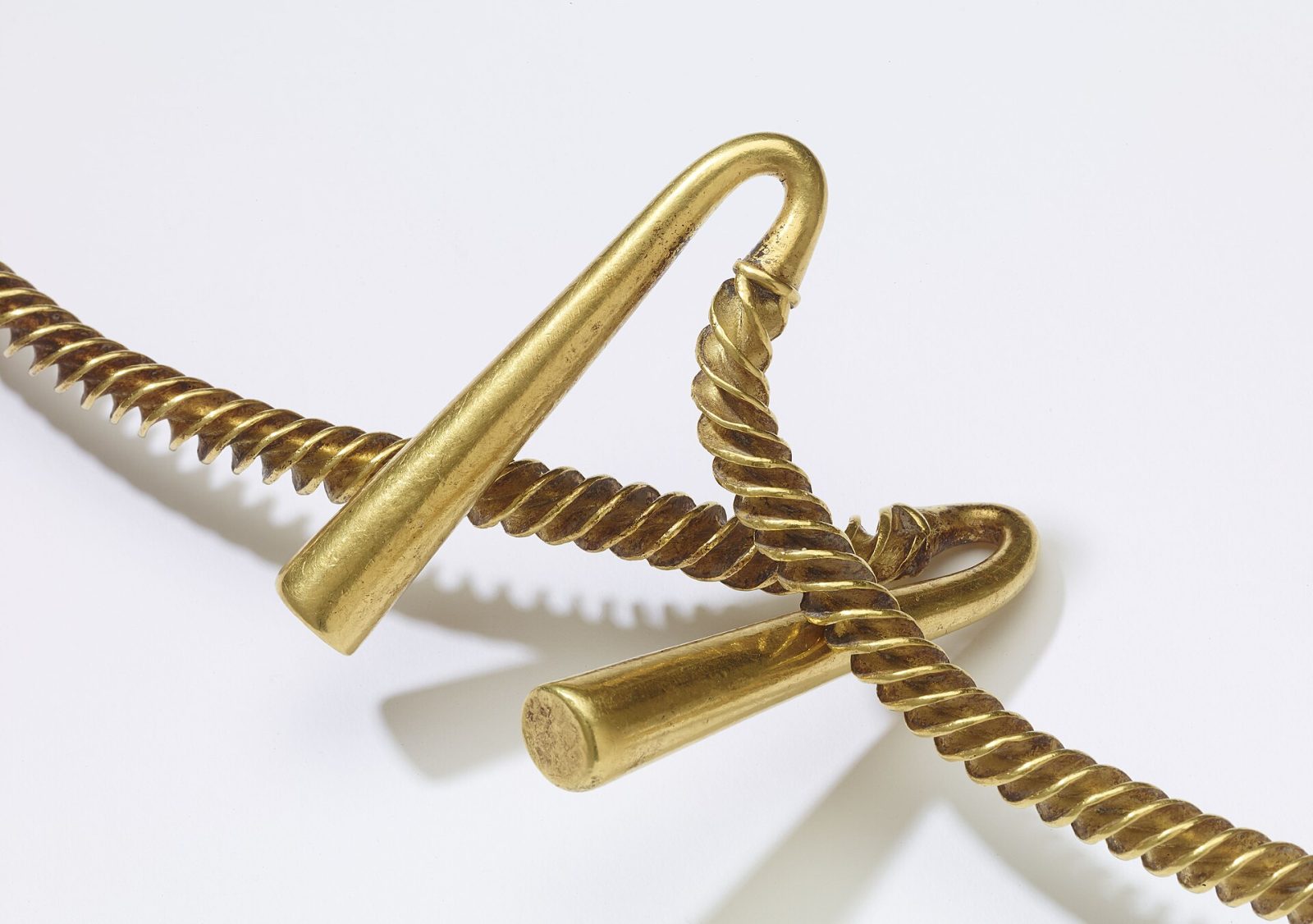
On 20 December 2009 farmer and detectorist Ronnie Johnston found a coiled gold bar in boggy ground beside Upper Lough Erne in County Fermanagh. He took it for a car suspension spring. It was a 3,000-year-old gold torc, now in the Ulster Museum.

FF 574

Late Bronze Age, about 1260-910 BC · found 2001

Carpow logboat

Scotland · Artefacts

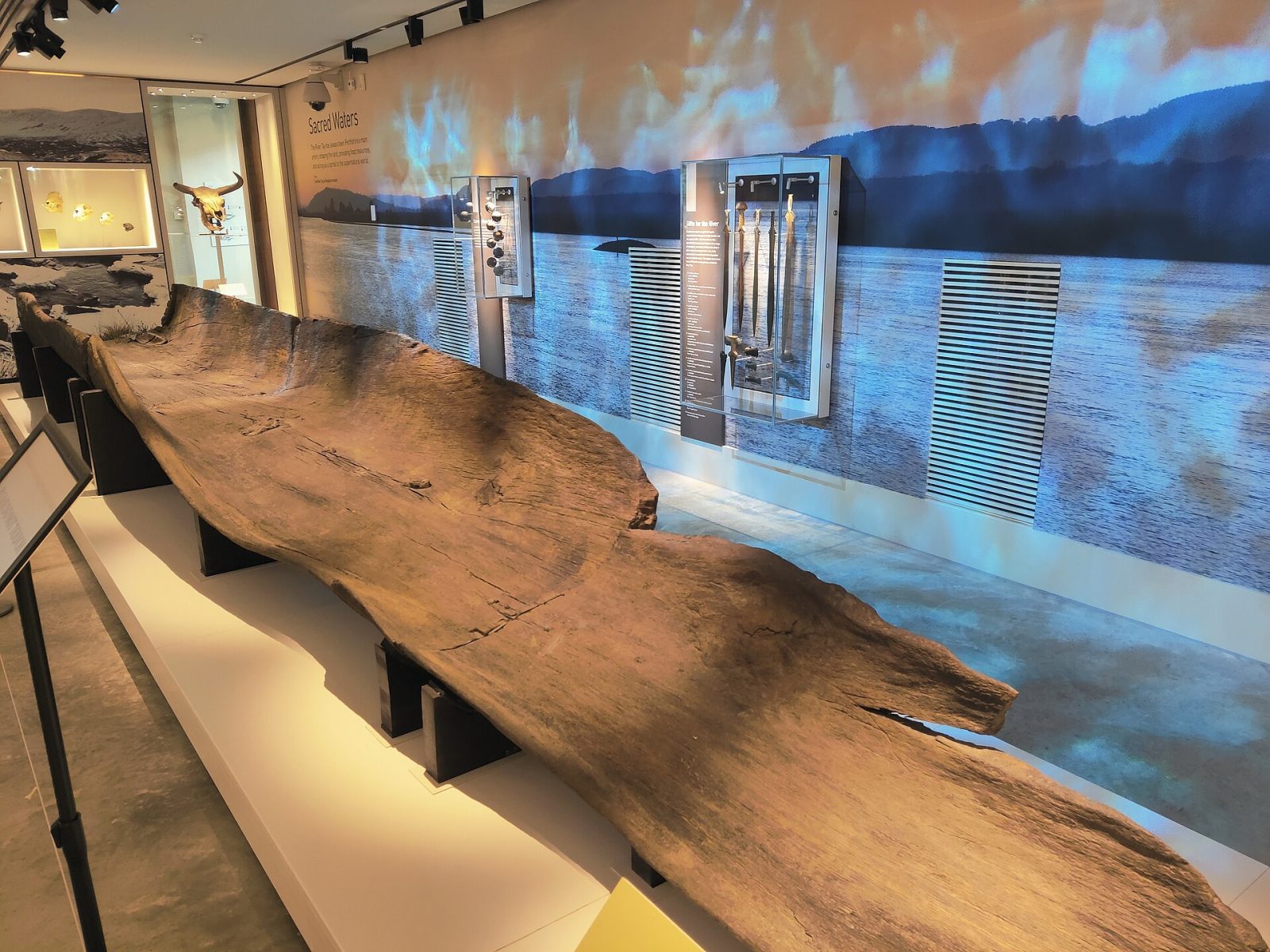
In August 2001 detectorist Scott McGuckin recognised a timber eroding from Carpow Bank, on the River Tay near Abernethy, as a logboat. It was carved from one oak trunk in the Late Bronze Age, about 3,000 years ago, and is now the largest object in the new Perth Museum.

FF 220

Buried about 1131 to 1012 BC · found 1986

Sanxingdui

China · Artefacts

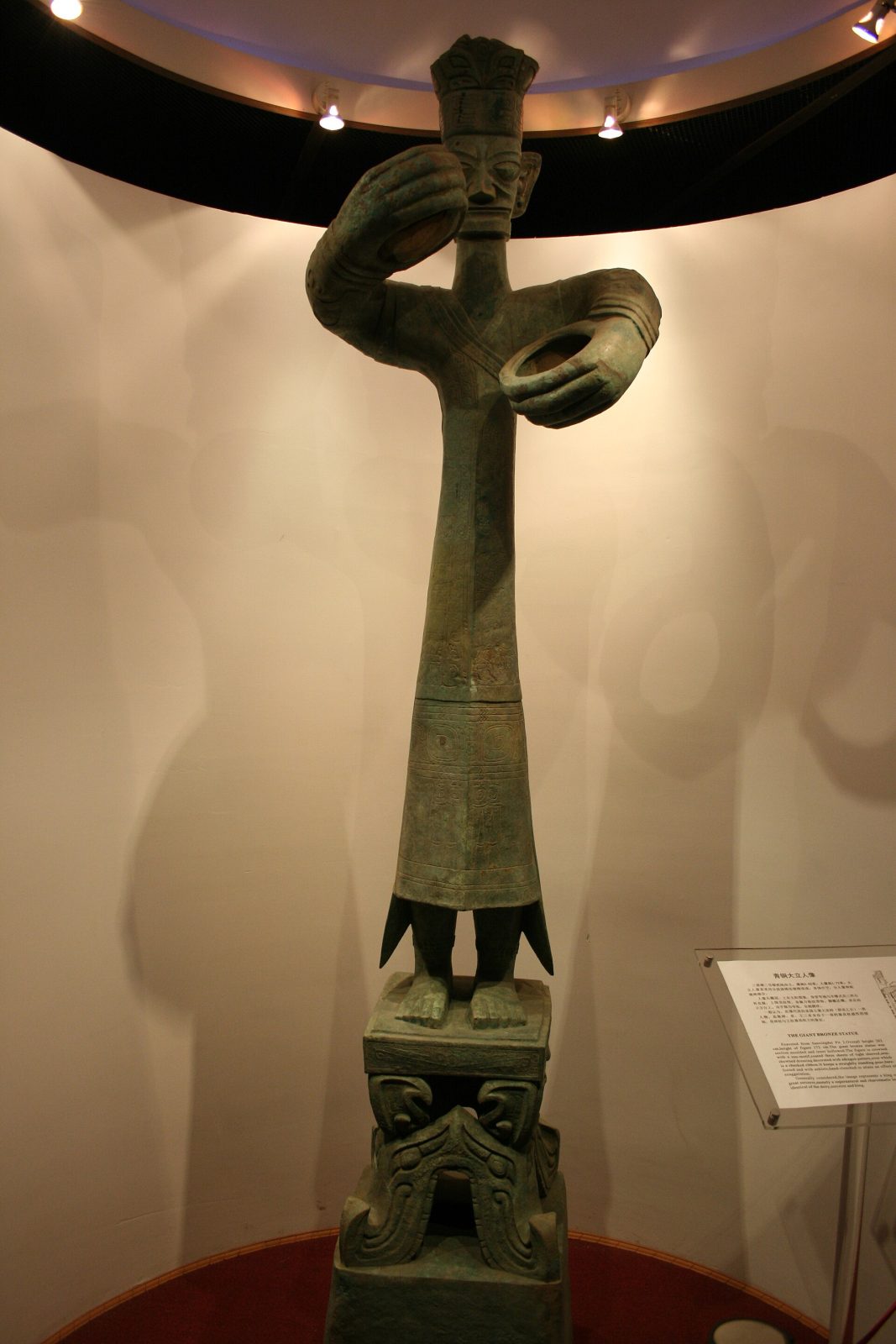
In the summer of 1986 workers digging clay for a brickworks near Guanghan in Sichuan, China, broke into two pits packed with bronzes unlike anything known from ancient China: giant masks with bulging eyes, a life-size standing figure and bronze trees nearly four metres tall.

FF 154

Late Bronze Age, about 1150 to 800 BC · found 2000

Milton Keynes Hoard

England · Jewellery

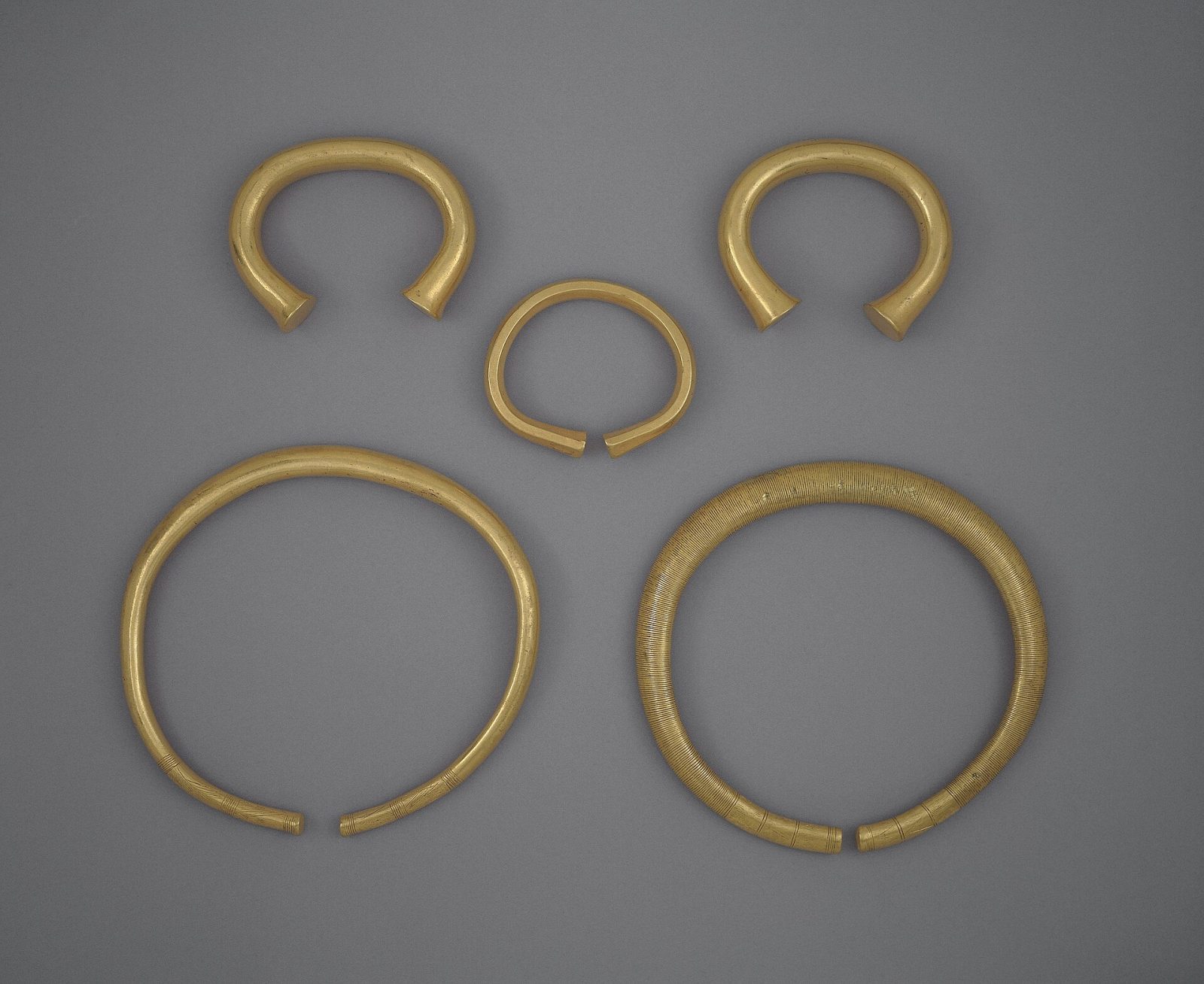
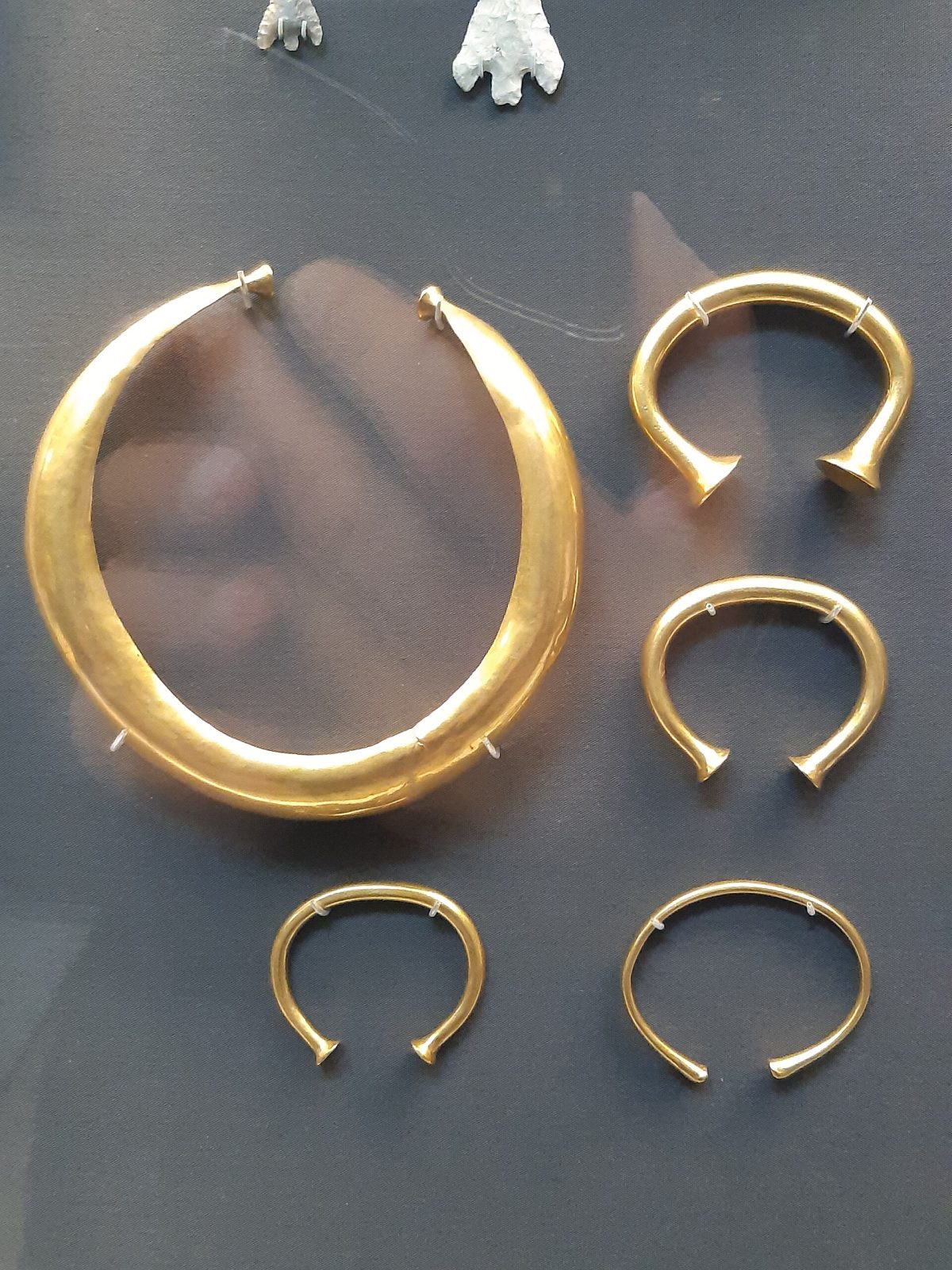
In 2000 two metal detectorists in Milton Keynes found two gold torcs and three heavy gold bracelets packed inside a plain pottery bowl. Weighing over two kilograms, it is one of the largest Bronze Age gold finds in Britain, and the pot made it the first that could be dated by its pottery.

FF 557

Iron Age metalworking, about 1100-600 BC · found 2002

Saruq al-Hadid

United Arab Emirates · Weapons

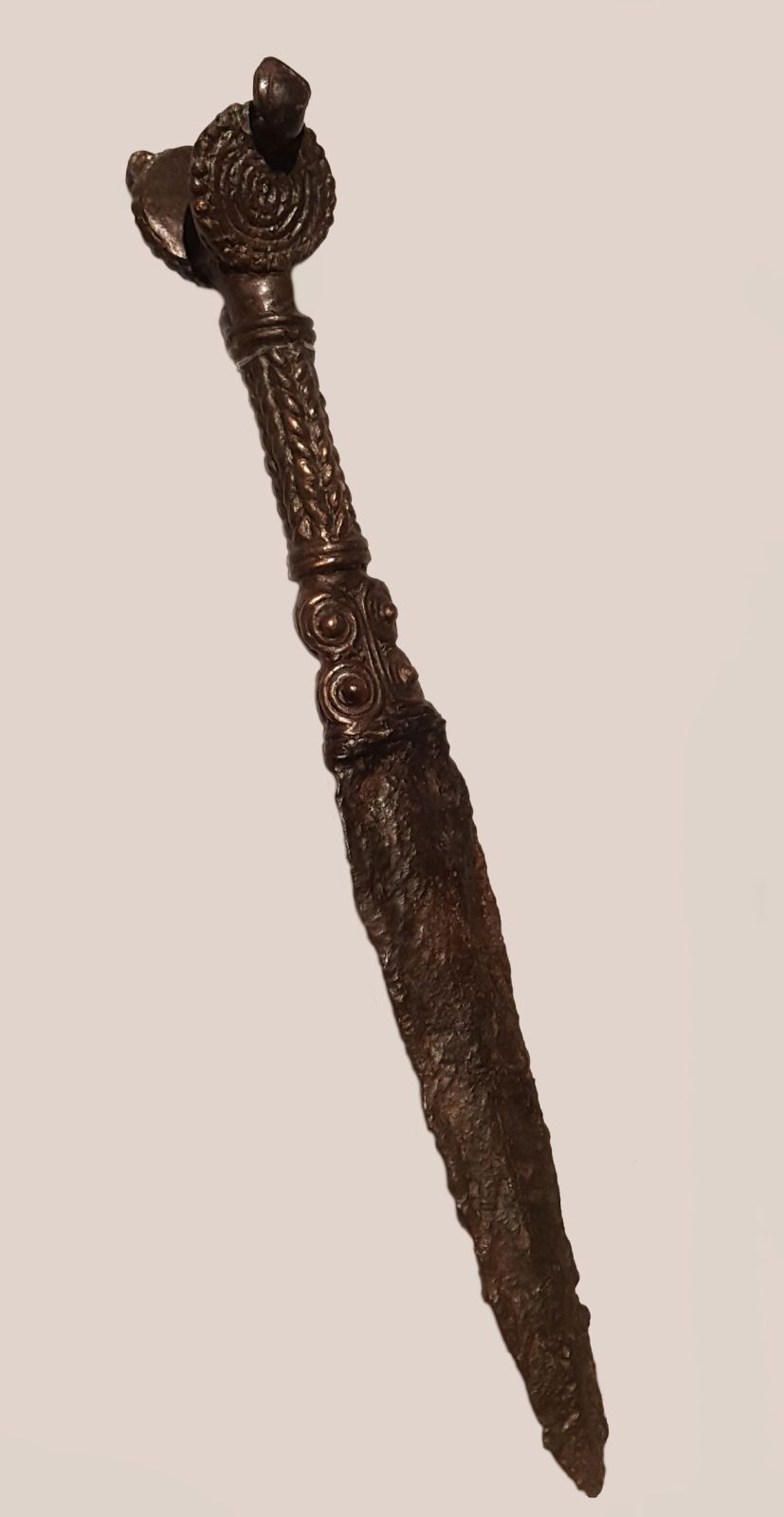
In 2002 Sheikh Mohammed bin Rashid Al Maktoum, flying over the desert south of Dubai, noticed a patch of dark dunes. It was a crust of ancient copper slag, and beneath it archaeologists have found more than 12,000 objects, among them Iron Age swords, daggers and gold jewellery.

FF 567

Late Bronze Age, about 1050-900 BC · found 1829

Dunaverney flesh-hook

Northern Ireland · Tools

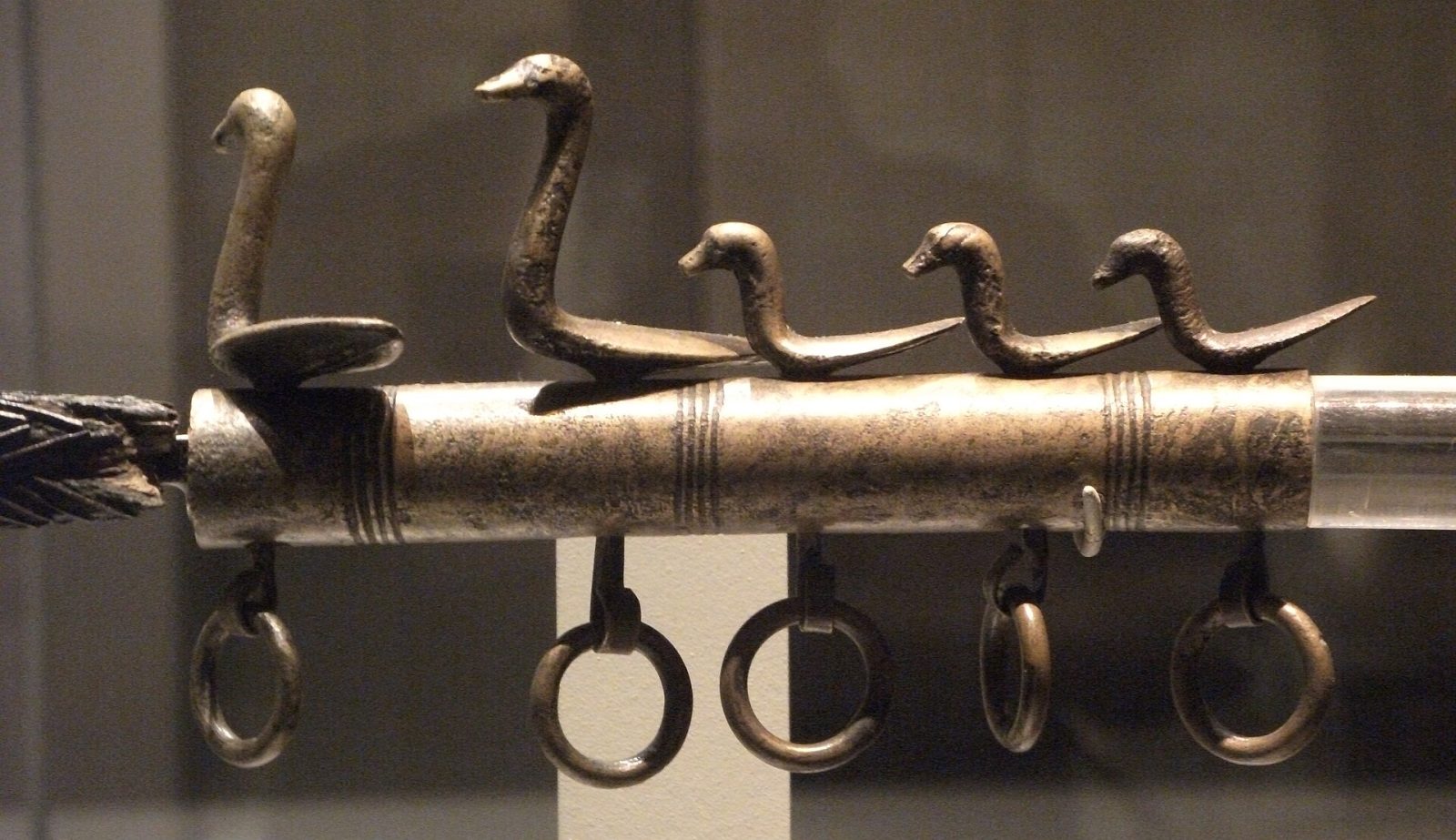
In 1829 men cutting turf in a bog at Dunaverney, near Ballymoney in County Antrim, found pieces of bronze decorated with ravens and a family of swans. It is a Late Bronze Age flesh-hook, used to lift meat from a cauldron at feasts, and is now in the British Museum.

FF 122

Buried about 1000 to 800 BC · found 1913

Eberswalde Hoard

Germany · Hoards

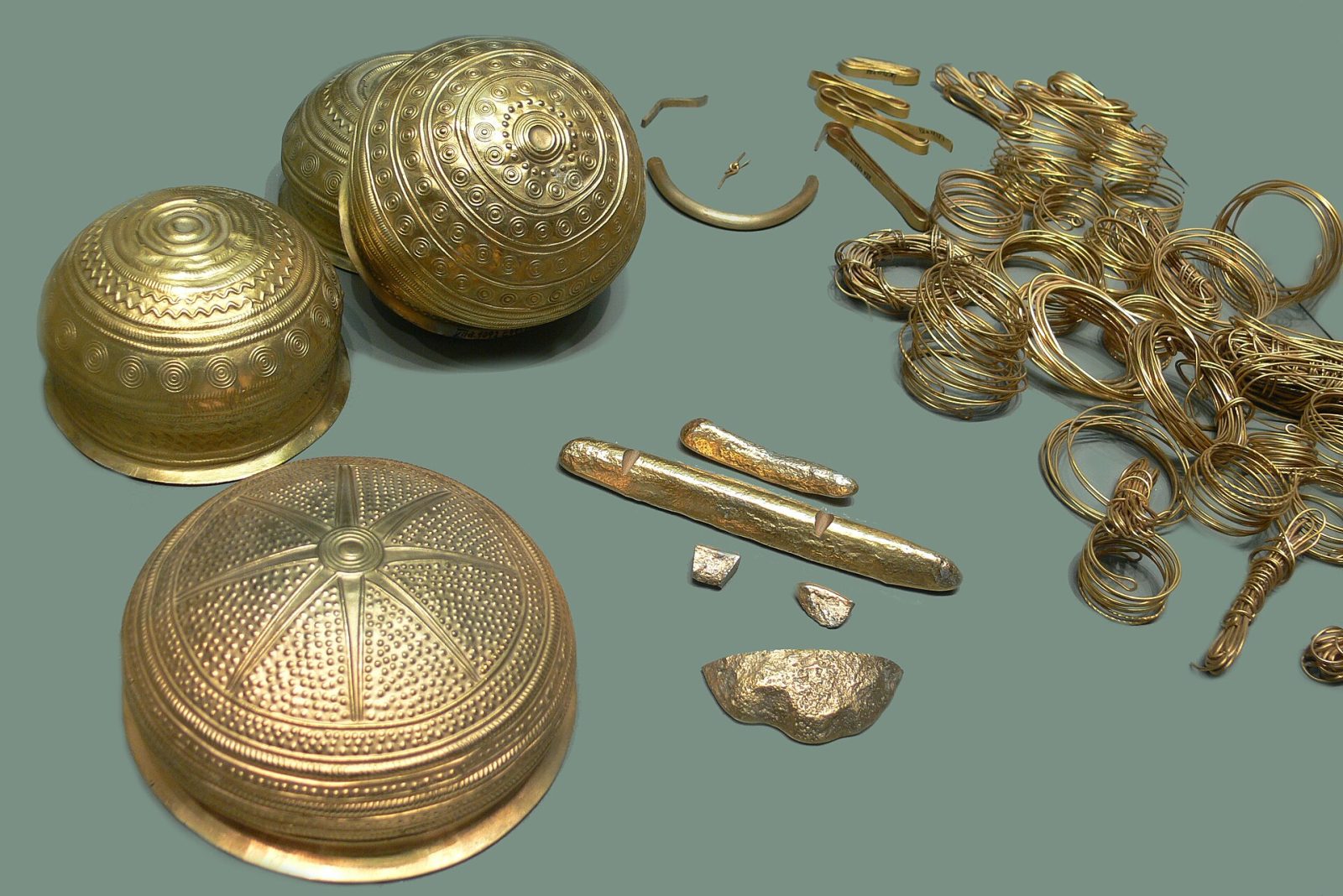
In 1913 a worker digging foundations at a brass works near Eberswalde, north-east of Berlin, found a clay pot holding 81 gold objects, the largest prehistoric gold hoard ever found in Germany. Since 1945 it has been in Moscow.

FF 293

Inscription about 1000 BC; the coffin may be older · found 1923

Ahiram sarcophagus

Lebanon · Artefacts

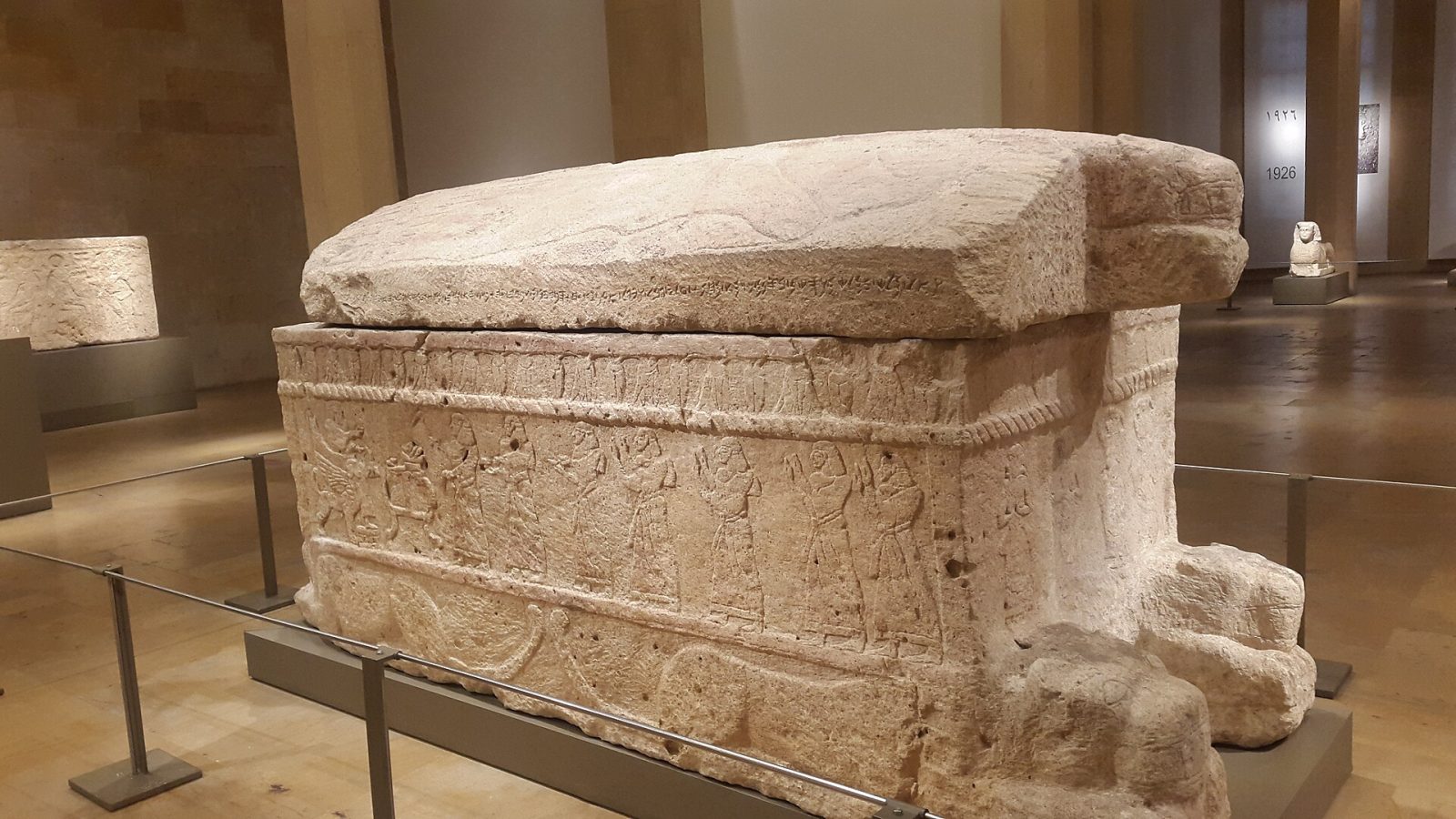
In 1922 a landslide at Byblos in Lebanon exposed royal tombs. In 1923 the archaeologist Pierre Montet found the tomb of King Ahiram, whose stone coffin carries one of the earliest texts in the Phoenician alphabet, ending in a curse on anyone who disturbs it.

FF 403

Made about 1000 to 750 BC · found 2018

Shropshire Sun Pendant

England · Jewellery

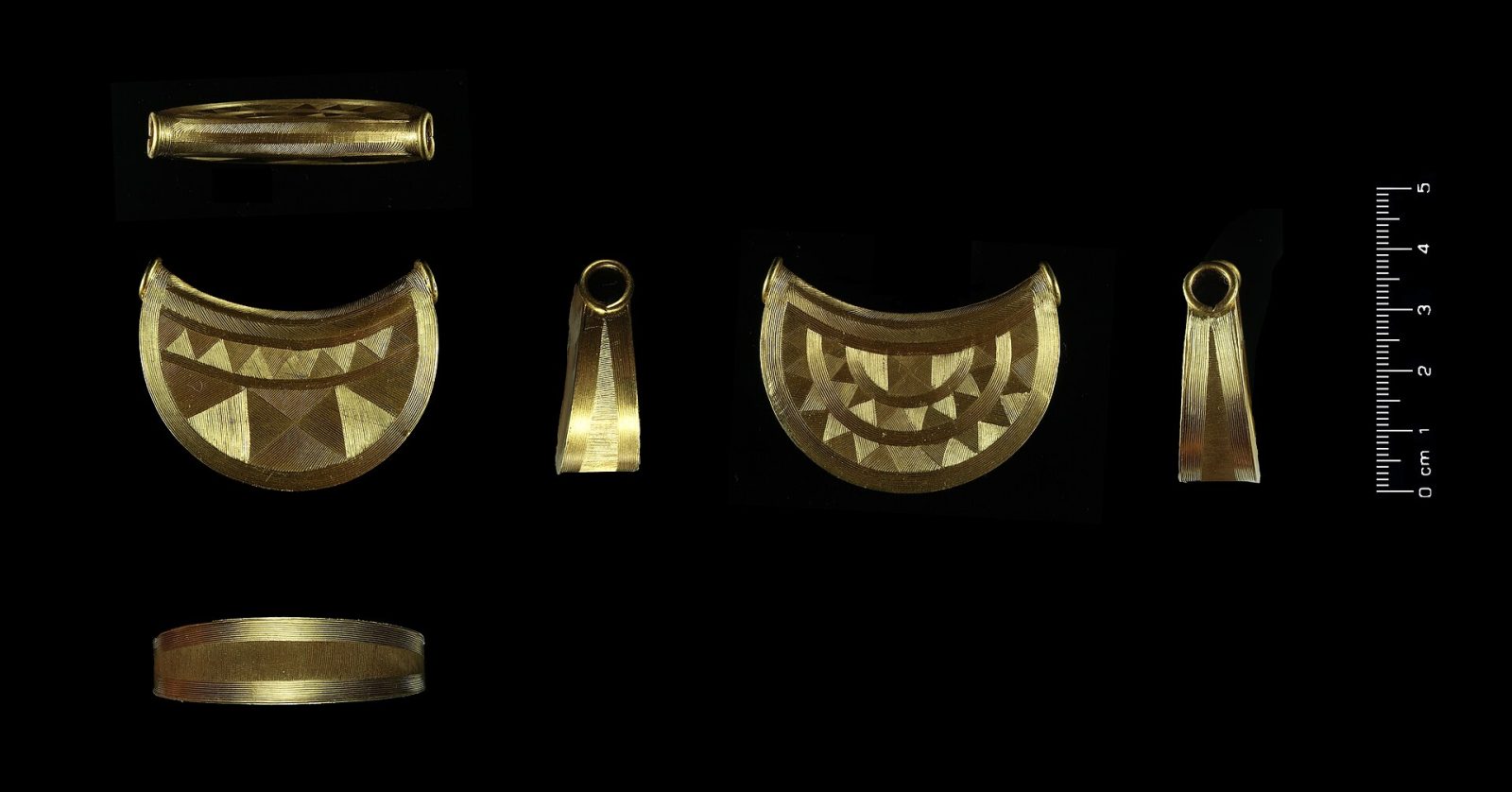
In May 2018 a metal detectorist in the Shropshire Marches found a small hollow gold pendant, about 3,000 years old, engraved with patterns like sunbursts. Only the second Bronze Age bulla ever found in England, it was bought by the British Museum for £250,000.

FF 150

Buried about 900 to 600 BC · found 1825

Dowris Hoard

Ireland · Hoards

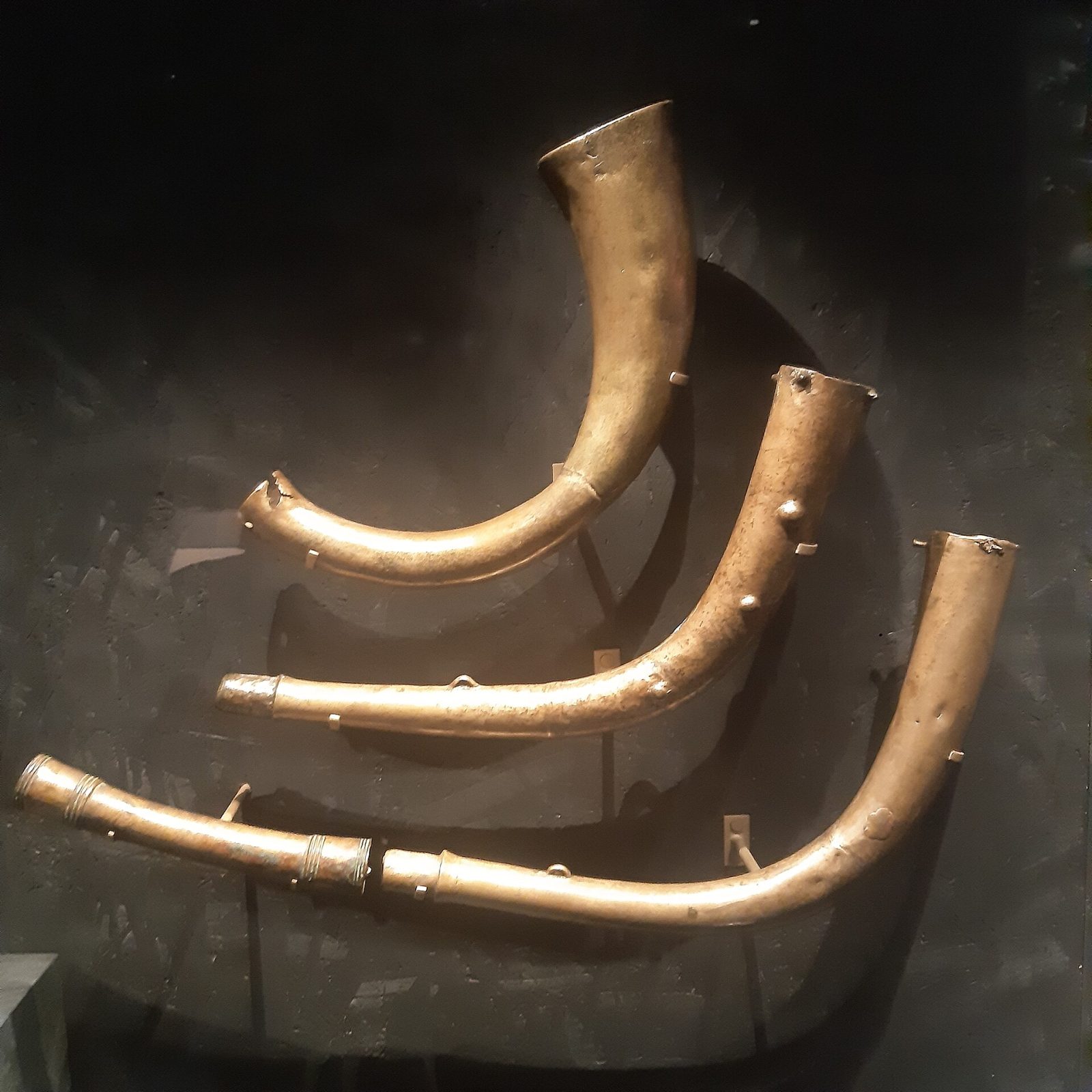
In the 1820s two men trenching potatoes near Birr in County Offaly found around 200 Bronze Age bronzes: horns, buckets, swords, spearheads and strange pear-shaped rattles. The hoard gave its name to the last phase of the Irish Bronze Age.

FF 539

Made about 850 to 350 BC · found 1984

Peinan jade earring, Taiwan

Taiwan · Jewellery

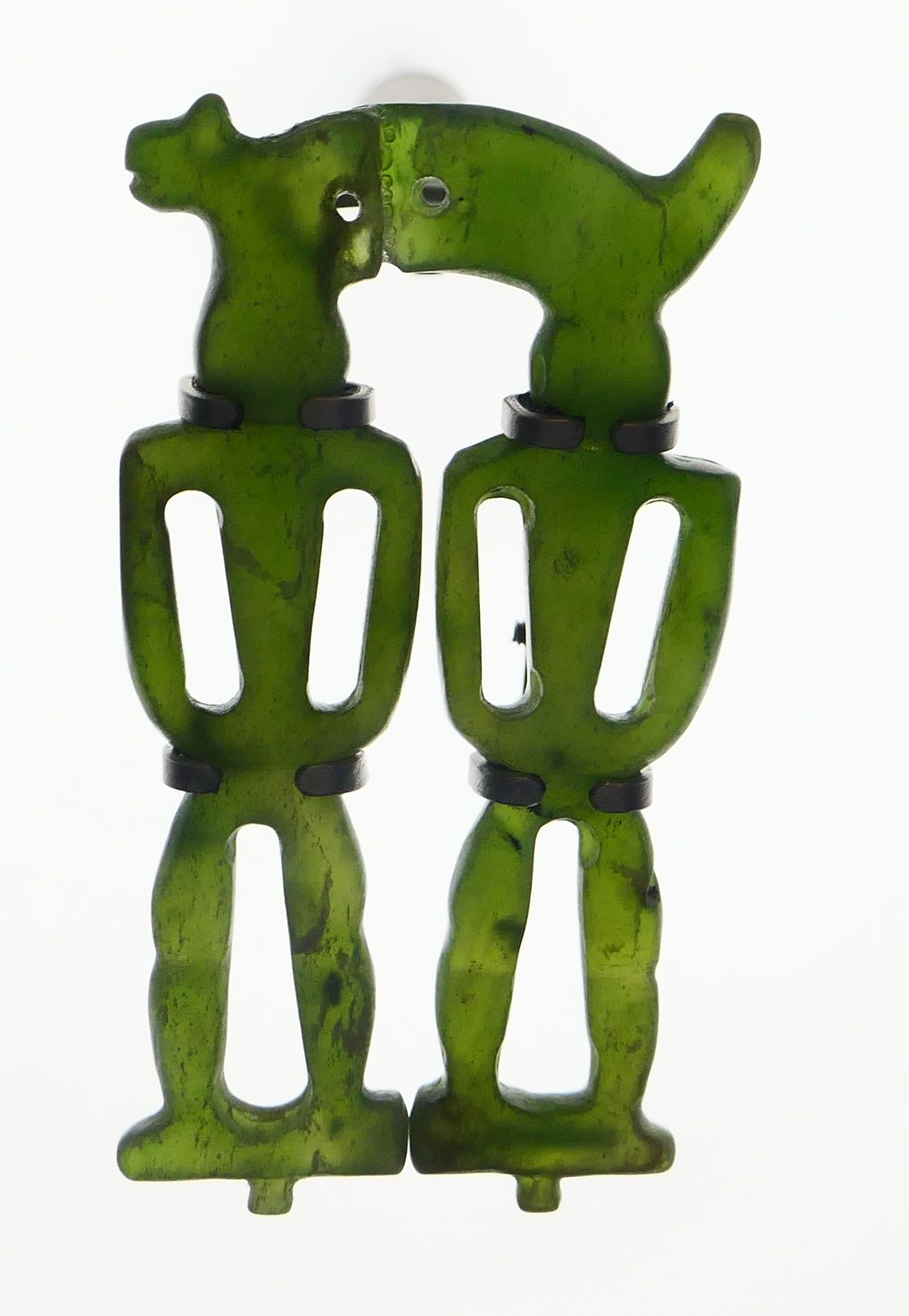
In 1980 railway works at Taitung in Taiwan uncovered a prehistoric cemetery of slate coffins. In 1984 archaeologists found in one coffin a carved jade earring of two human figures carrying an animal on their heads. It is now one of Taiwan's national treasures.

FF 136

Made about 800 to 700 BC · found 1932

Gleninsheen Gorget

Ireland · Jewellery

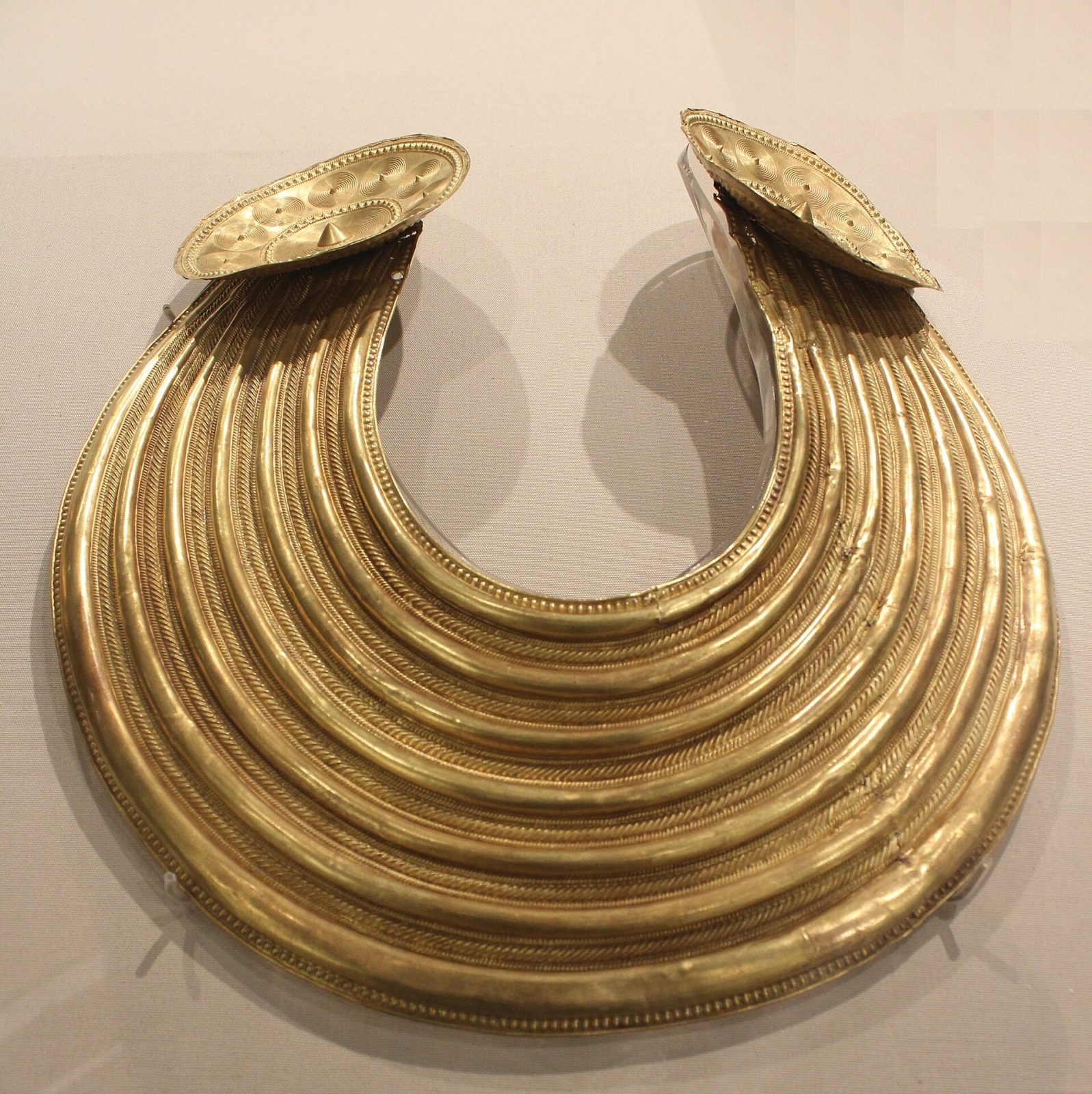
In the early 1930s a young man out rabbiting in the Burren, County Clare, found a gold collar folded in two and pushed into a crack in the limestone. It is one of the finest pieces of Bronze Age goldwork from Ireland.

FF 155

Buried about 800 to 700 BC · found 1854

Mooghaun Hoard

Ireland · Hoards

In March 1854 navvies building the Limerick to Ennis railway in County Clare moved a stone and found a chamber full of gold: about 150 Bronze Age bracelets and collars. Most of it was sold to dealers and melted down; only 29 pieces survive.

FF 195

About 800 to 600 BC · found 1911

Llyn Fawr Hoard

Wales · Hoards

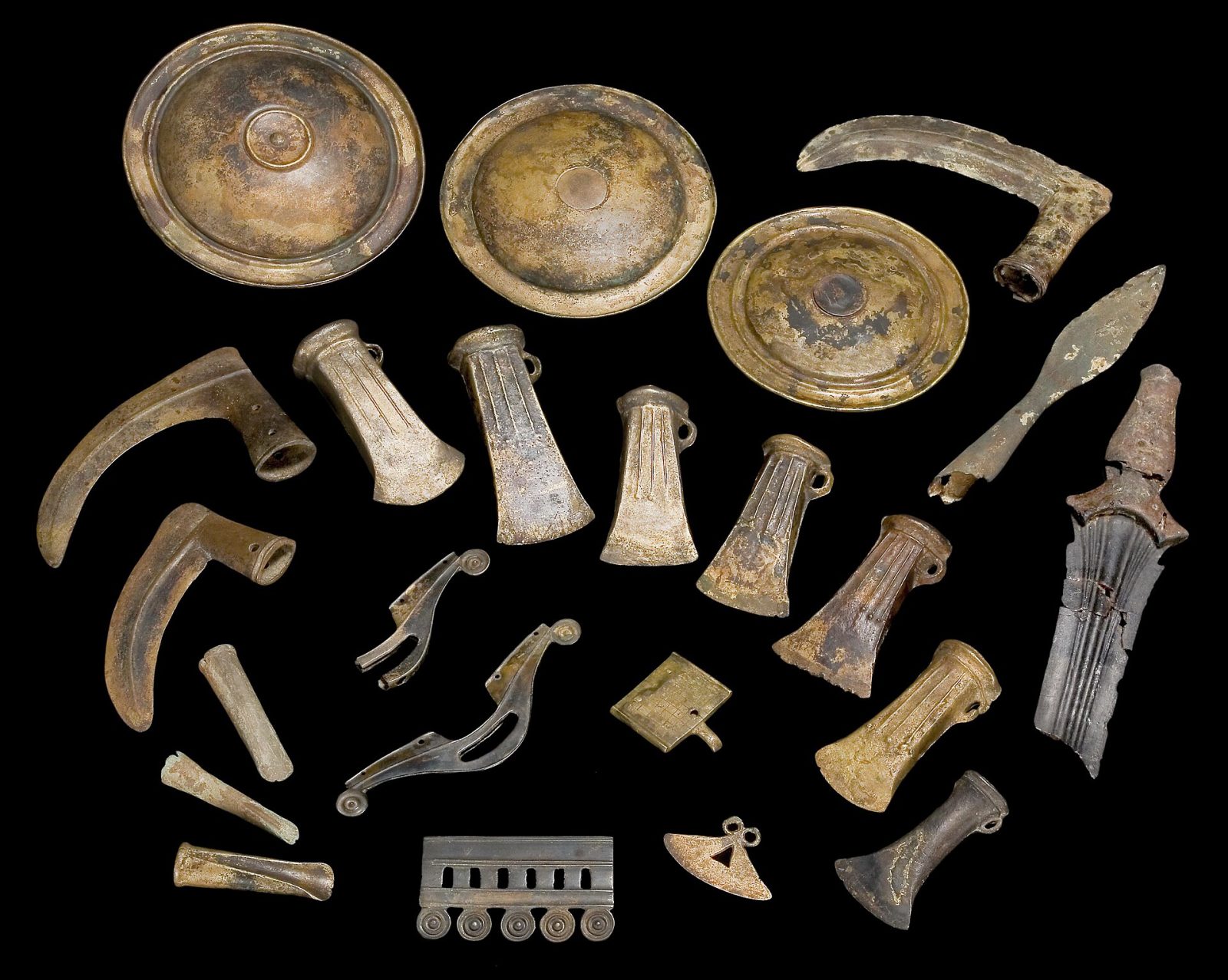
Between 1911 and 1912 workmen turning a mountain lake in the Rhondda into a reservoir found a hoard of bronze and iron in the peat: cauldrons, axes, sickles and an iron sword, among the earliest iron objects ever found in Britain.

FF 218

Burials of about 800 to 400 BC · found 1846

Hallstatt cemetery

Austria · Artefacts

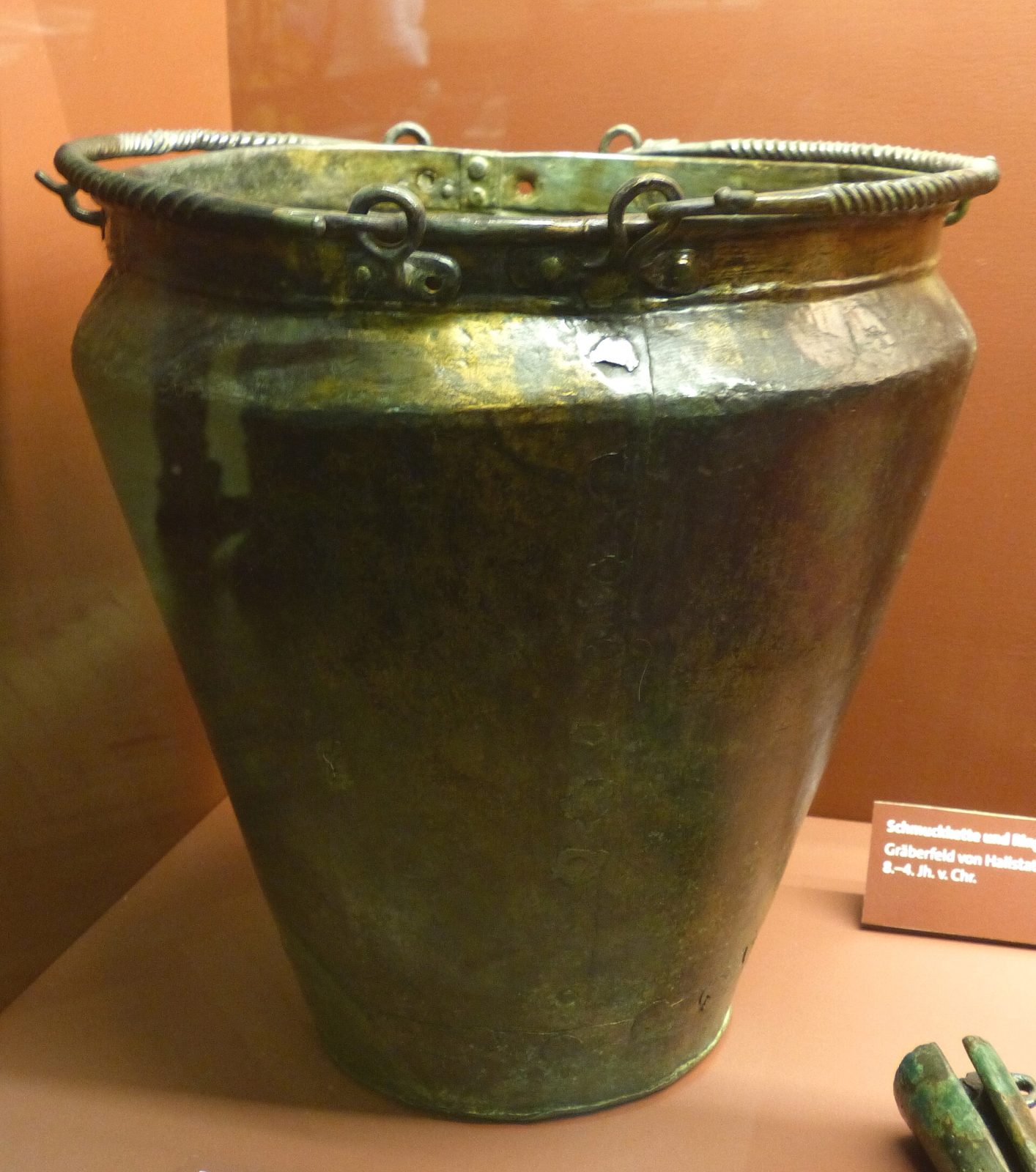
In November 1846 miners digging gravel above the Austrian lake village of Hallstatt struck ancient graves. Over the next 17 years the mine manager, Johann Georg Ramsauer, excavated nearly a thousand burials and recorded them in watercolour, and the site gave its name to the early Iron Age of Europe.

FF 581

8th-7th century BC · found 1880

Glasinac bird chariot

Bosnia and Herzegovina · Artefacts

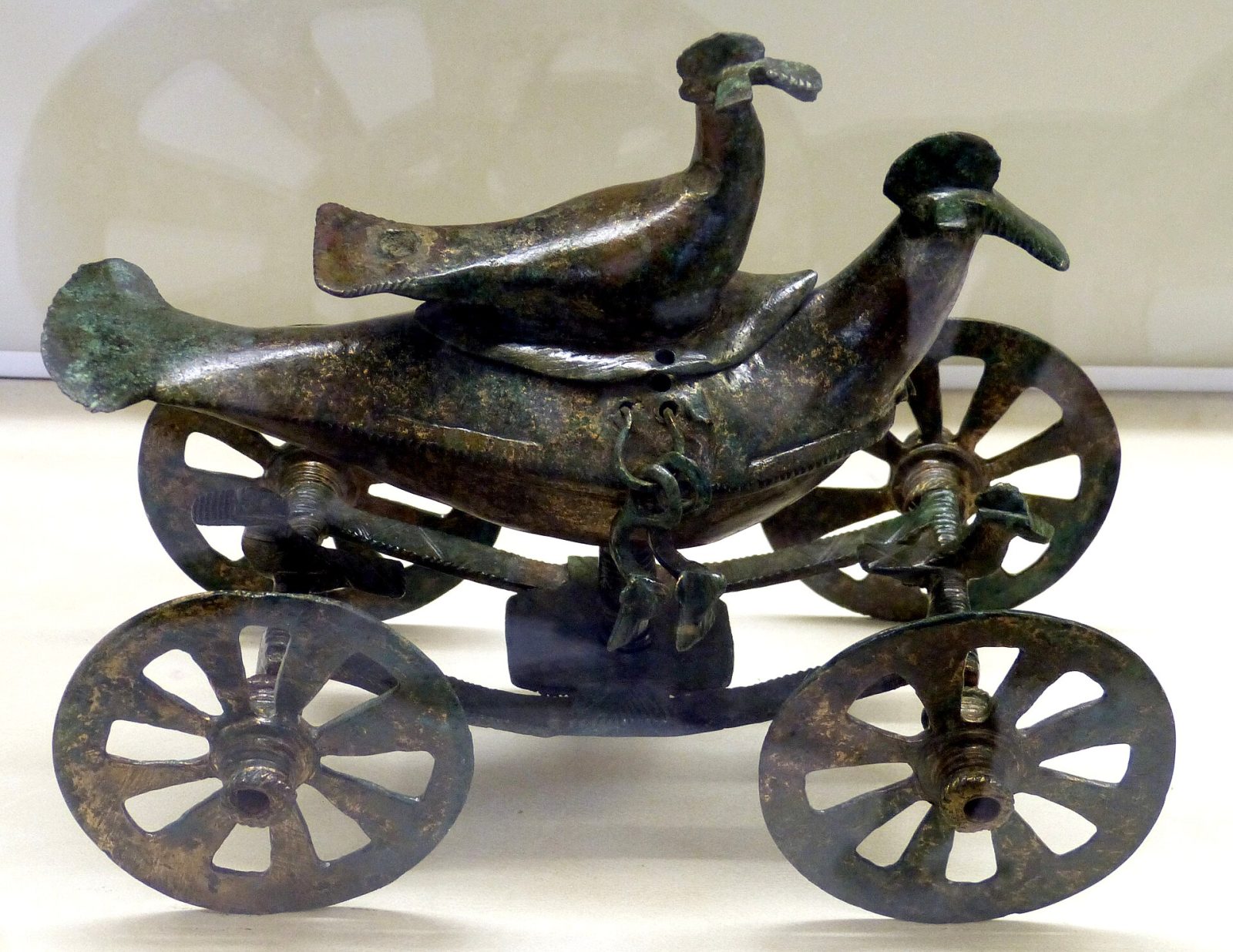
In March 1880 Austro-Hungarian soldiers building a road across the Glasinac plateau in Bosnia dug into stone burial mounds for rubble. One held a small four-wheeled bronze wagon carrying a duck-shaped vessel. About 2,700 years old, it is now in the Natural History Museum in Vienna.

FF 371

Made about 750 to 710 BC · found 1850

Nimrud lens

Iraq · Mystery

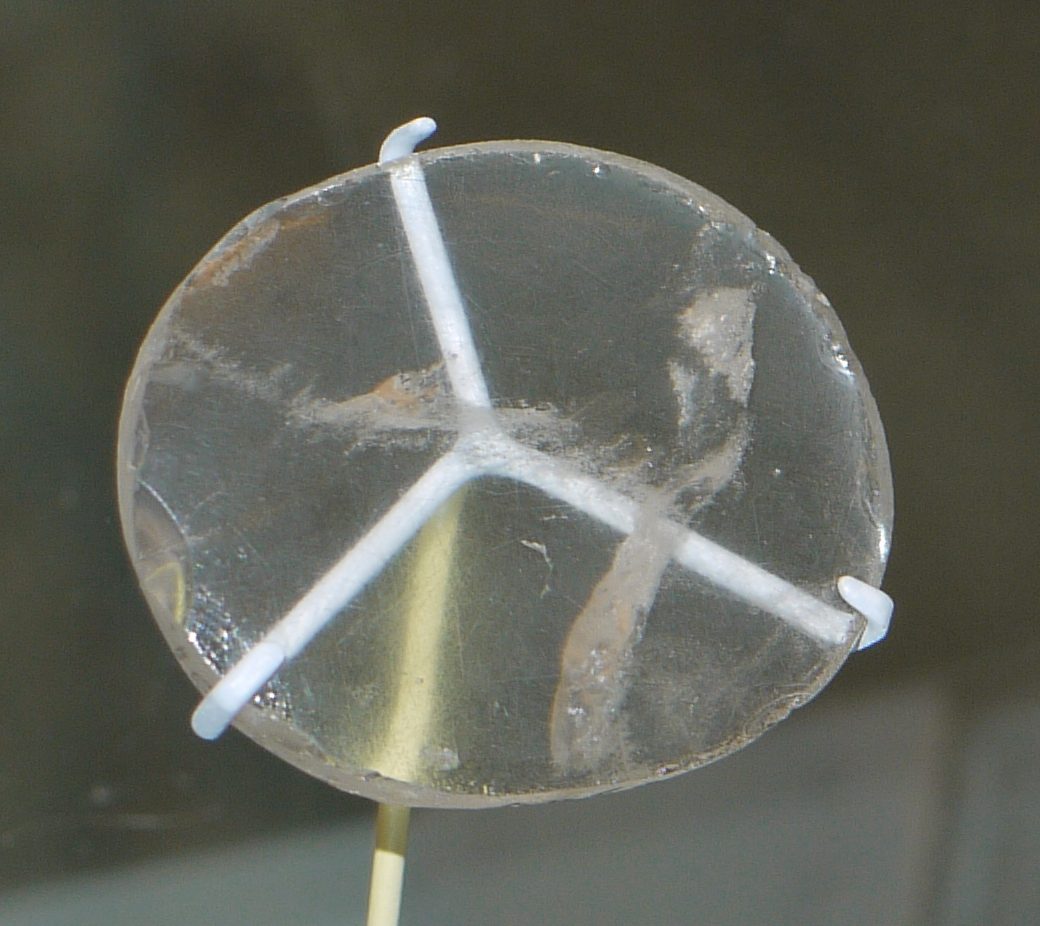
In 1850 Austen Henry Layard found a small oval of polished rock crystal in the Assyrian palace at Nimrud in Iraq. It magnifies and focuses light, and a famous scientist declared it the oldest lens in the world. Whether anyone used it as one is still argued over.

FF 313

Made between the 7th and 2nd centuries BC

Peter the Great's Siberian gold

Russia · Artefacts

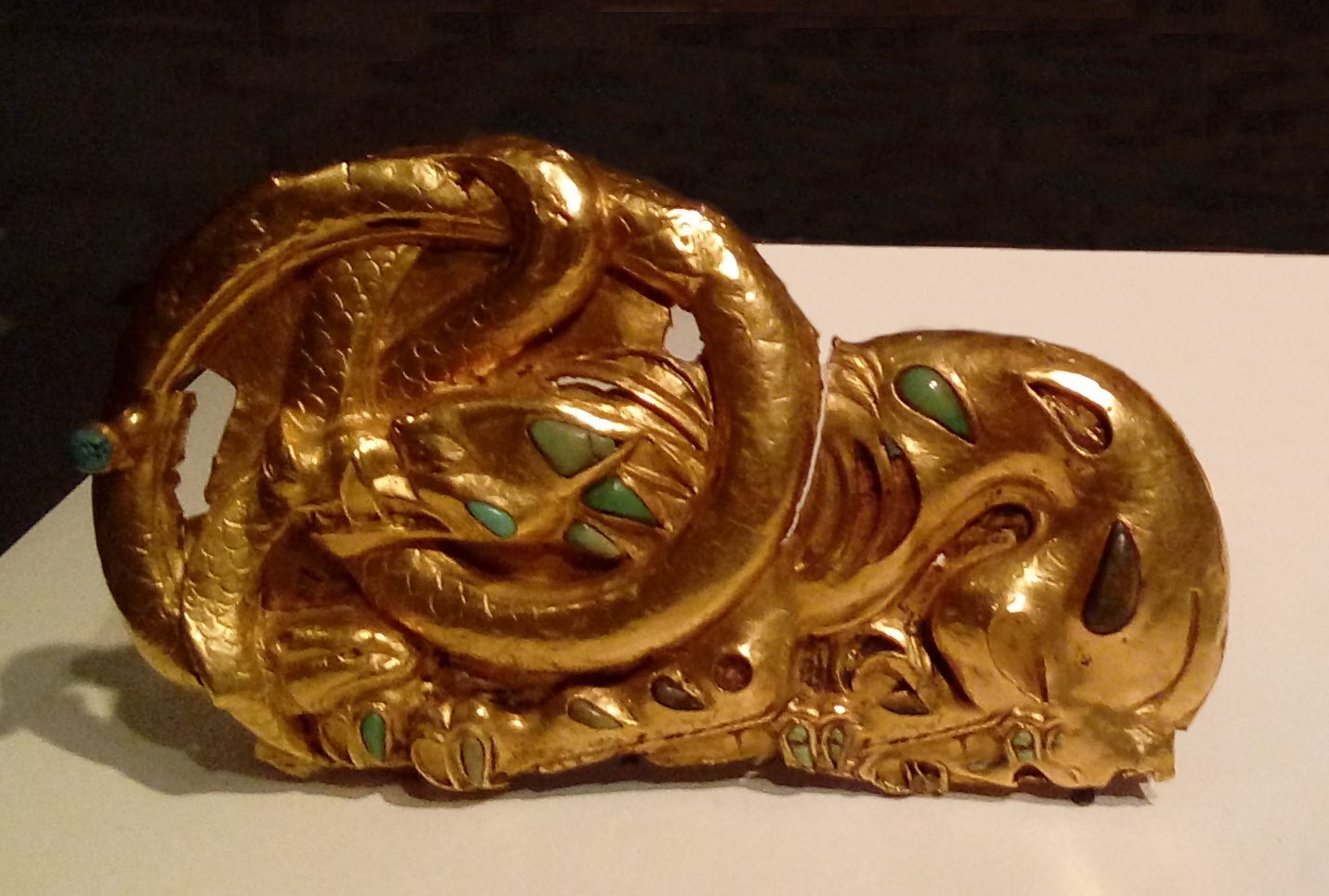
In 1715 to 1717 the governor of Siberia sent Peter the Great about 250 gold plaques and ornaments dug from ancient burial mounds by gangs of grave robbers. The tsar's response, a decree of 1718 rewarding finders, is often called Russia's first heritage law.

FF 470

Made in the early 7th century BC

Praeneste fibula

Italy · Jewellery

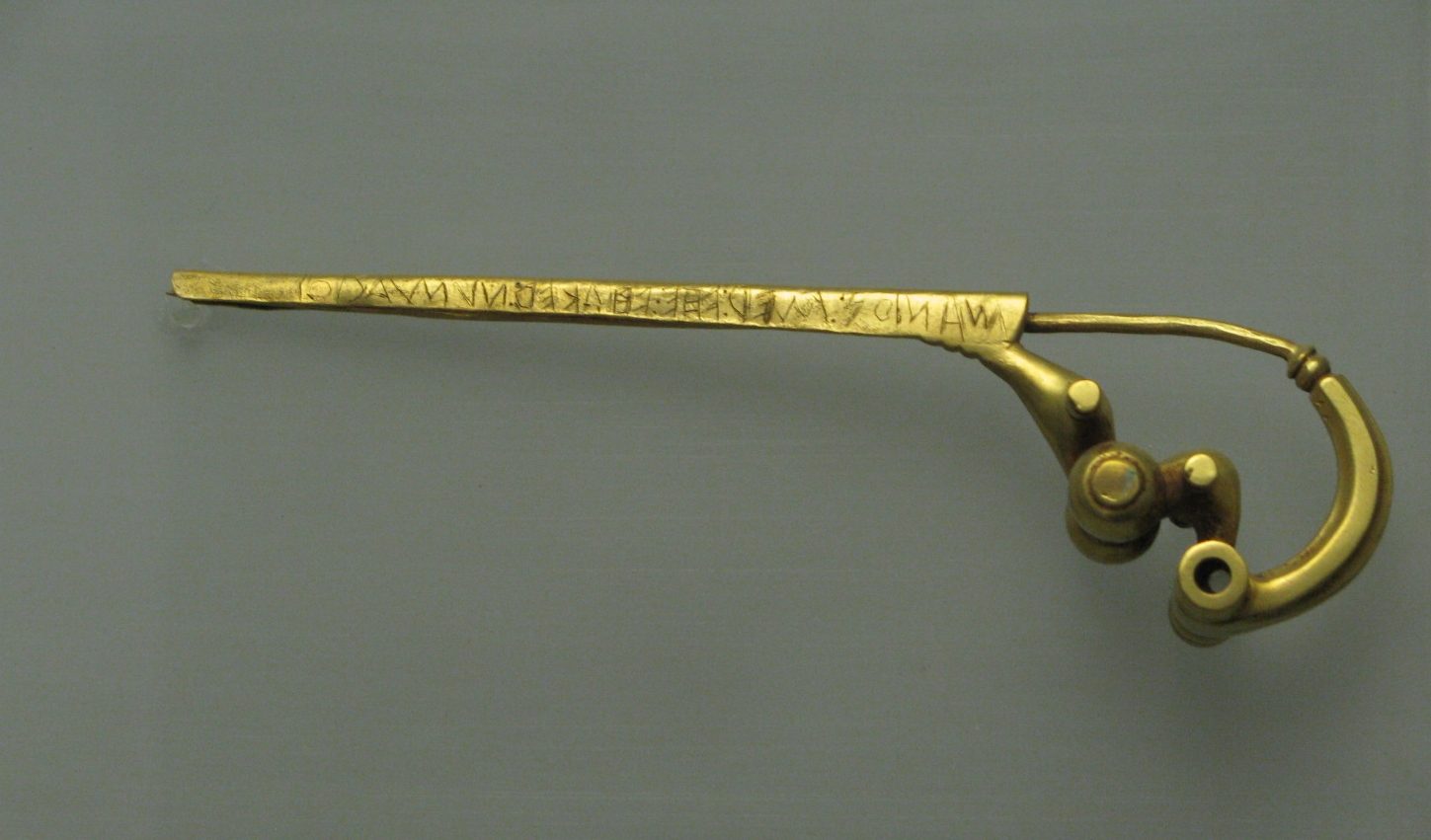
In 1887 the archaeologist Wolfgang Helbig unveiled a gold brooch from Palestrina, near Rome, inscribed 'Manius made me for Numerius', the oldest known Latin. A century later it was branded a forgery by Helbig and a dealer, until microscope tests in 2011 found it genuine.

FF 441

Made about 675 to 650 BC · found 1836

Regolini-Galassi gold fibula

Italy · Jewellery

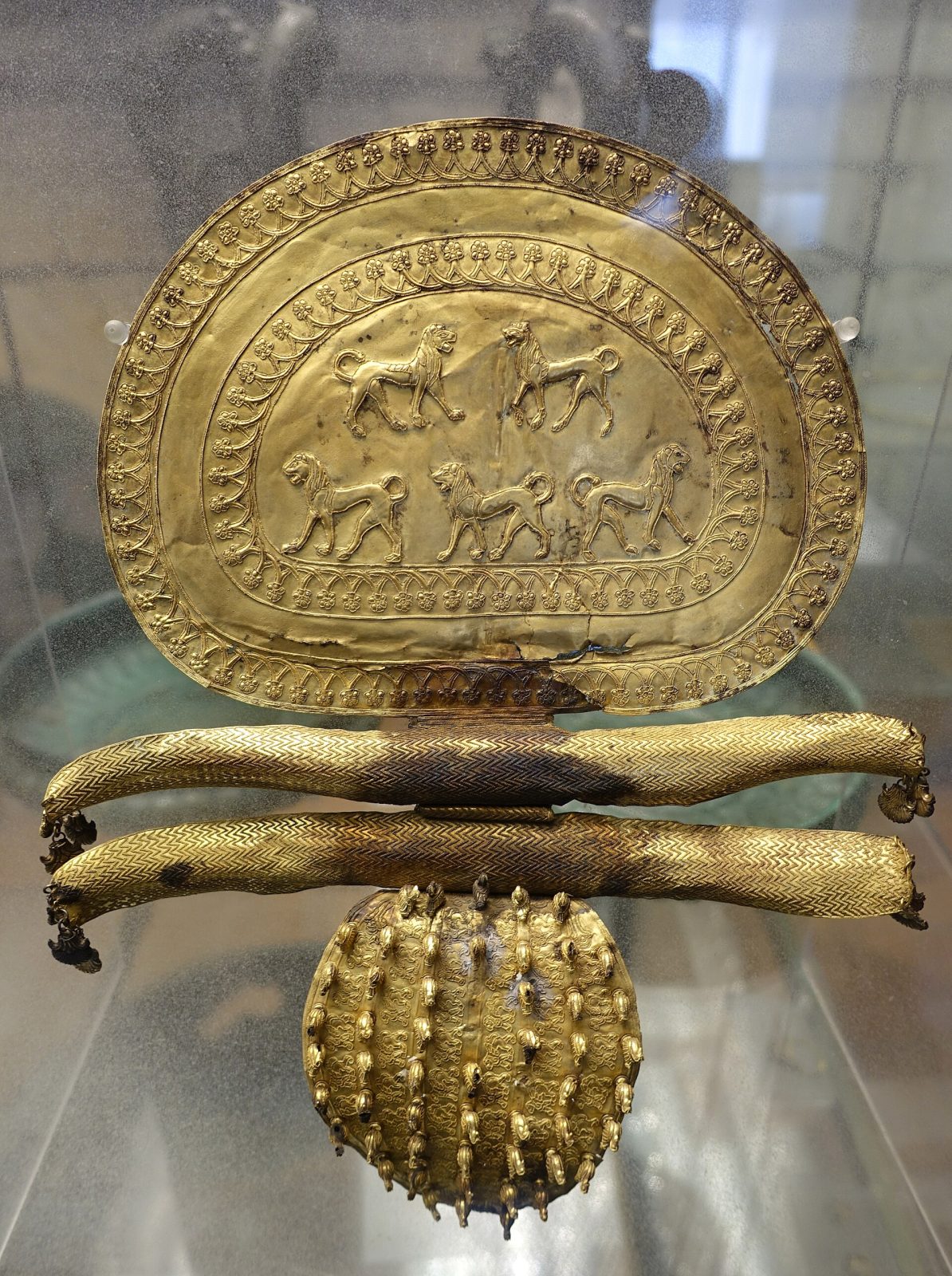
In April 1836 a village archpriest and a general digging in a great burial mound at Cerveteri, north of Rome, broke into an Etruscan tomb that had never been robbed. Among its treasures was a gold brooch over 30 centimetres long, covered in tiny gold ducks.

FF 177

Buried about 600 BC · found 1851

Strettweg Cult Wagon

Austria · Artefacts

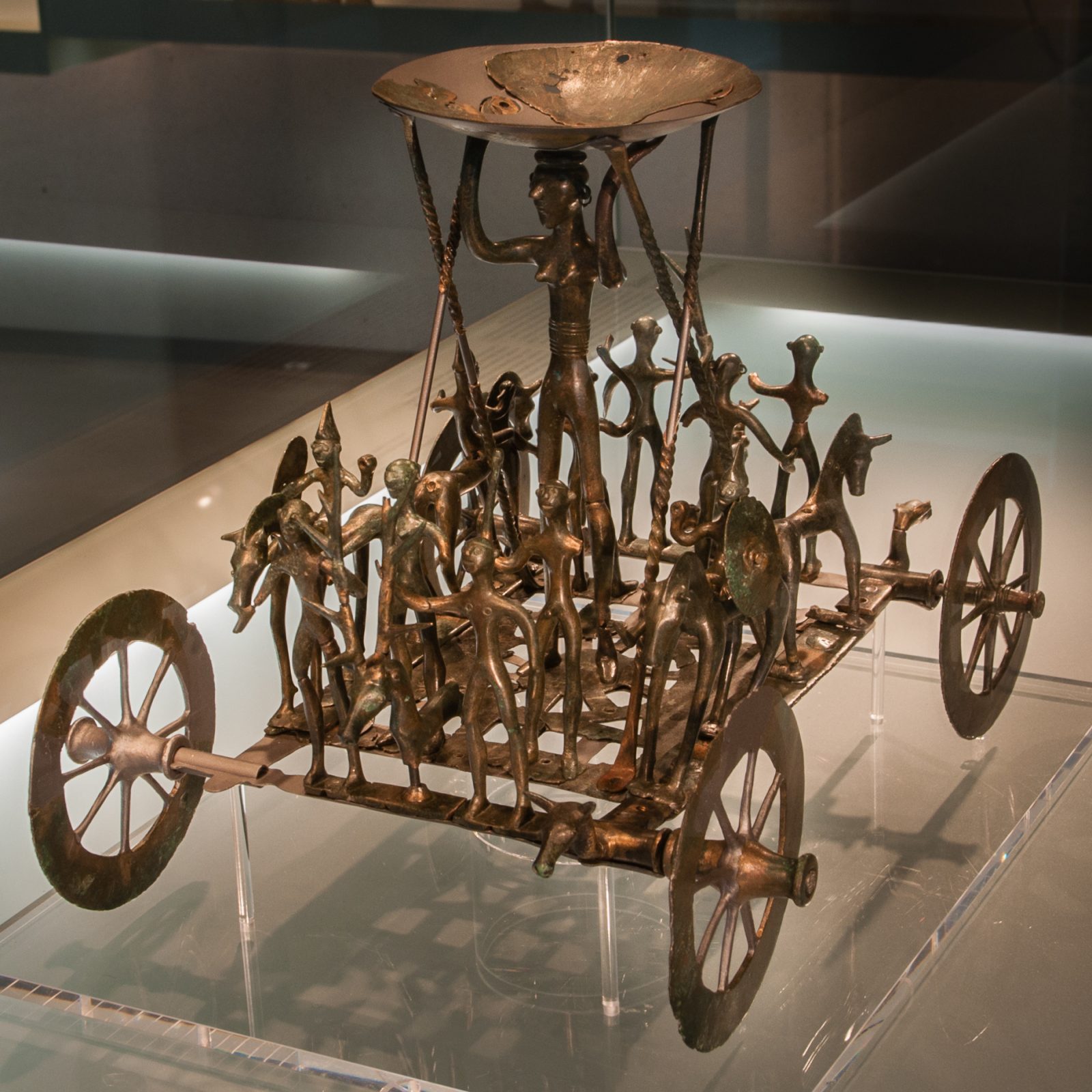
In 1851 a farmer working his field near Judenburg in Austria hit the stone chamber of an Iron Age burial mound. Inside was a small bronze wagon carrying a goddess or priestess, warriors and a stag, one of the masterpieces of early European art.

FF 200

Lydian, about 650 to 546 BC · found 1966

Lydian Hoard

Turkey · Hoards

In the 1960s villagers in western Turkey dynamited their way into ancient Lydian burial mounds and sold the treasure abroad. The Metropolitan Museum of Art bought it, Turkey sued and won it back, and then the museum director at home swapped its star piece for a fake.

FF 266

Late 7th century BC · found 2001

Arzhan-2 royal tomb

Russia · Artefacts

In 2001 Russian and German archaeologists excavating a burial mound in Tuva, southern Siberia, found a royal grave the looters had missed because it lay off-centre. A king and queen lay in it with about 5,700 gold objects, including capes sewn with thousands of tiny gold panthers.

FF 511

Struck in Lydia about 650 to 600 BC · found 2014

Lydian electrum coin, Sozopol

Bulgaria · Coins

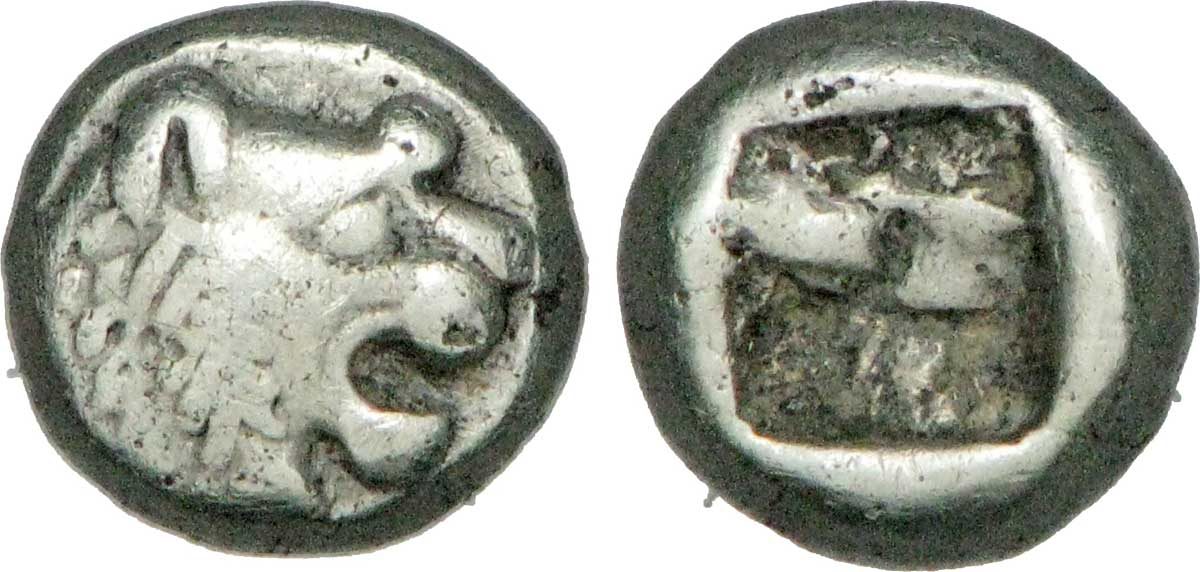
In 2014 a diver on holiday at Sozopol on Bulgaria's Black Sea coast spotted a glint in shallow water and picked up a tiny coin of electrum, a natural alloy of gold and silver. It was struck in the kingdom of Lydia in the 7th century BC, among the first coins ever made.

FF 196

Late 7th or early 6th century BC · found 1920

Treasure of Aliseda

Spain · Jewellery

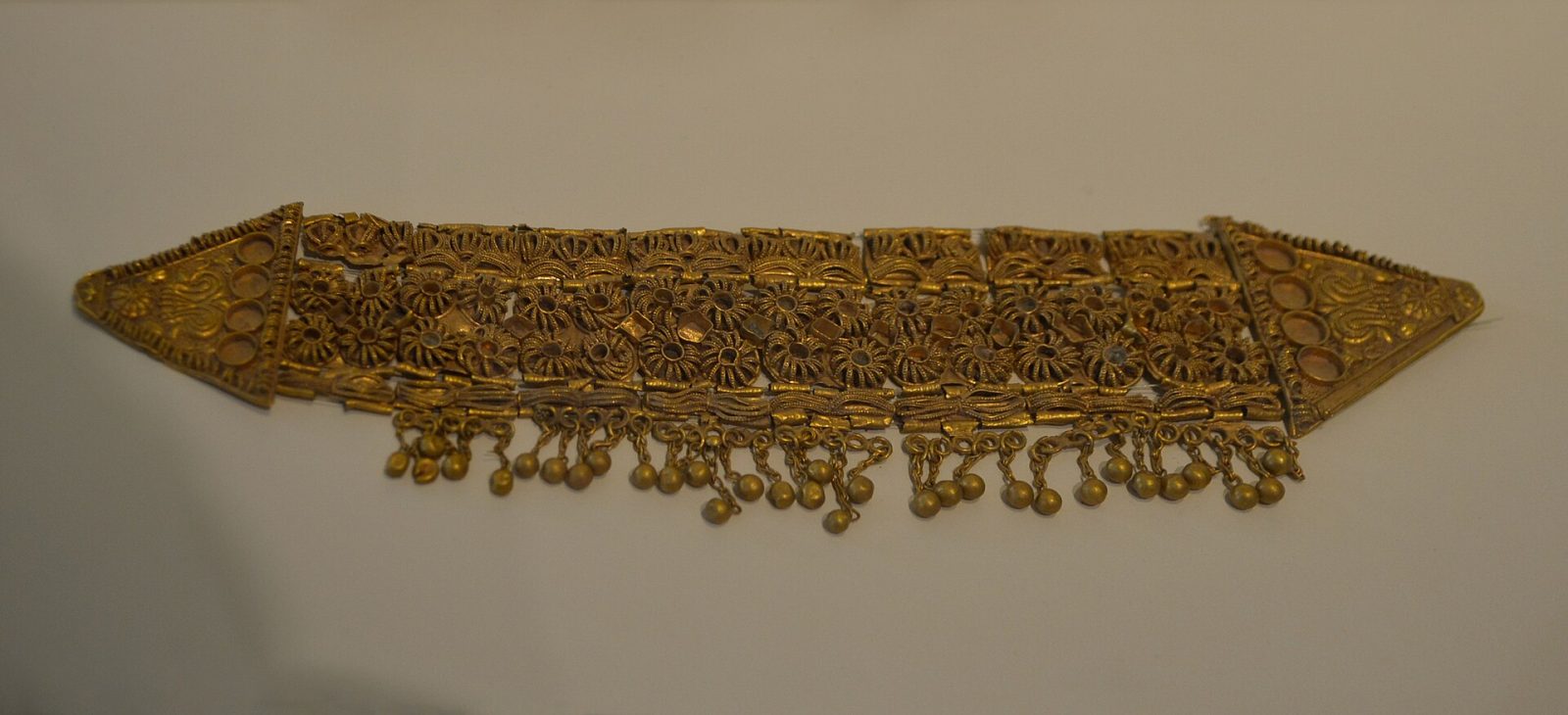
On 29 February 1920 a boy digging clay for a tile kiln at Aliseda in western Spain struck a hoard of gold: a diadem, a great belt, earrings, necklaces and rings. Much of it was sold to goldsmiths before the authorities stepped in.

FF 188

6th century BC · found 1923

Tápiószentmárton Stag

Hungary · Artefacts

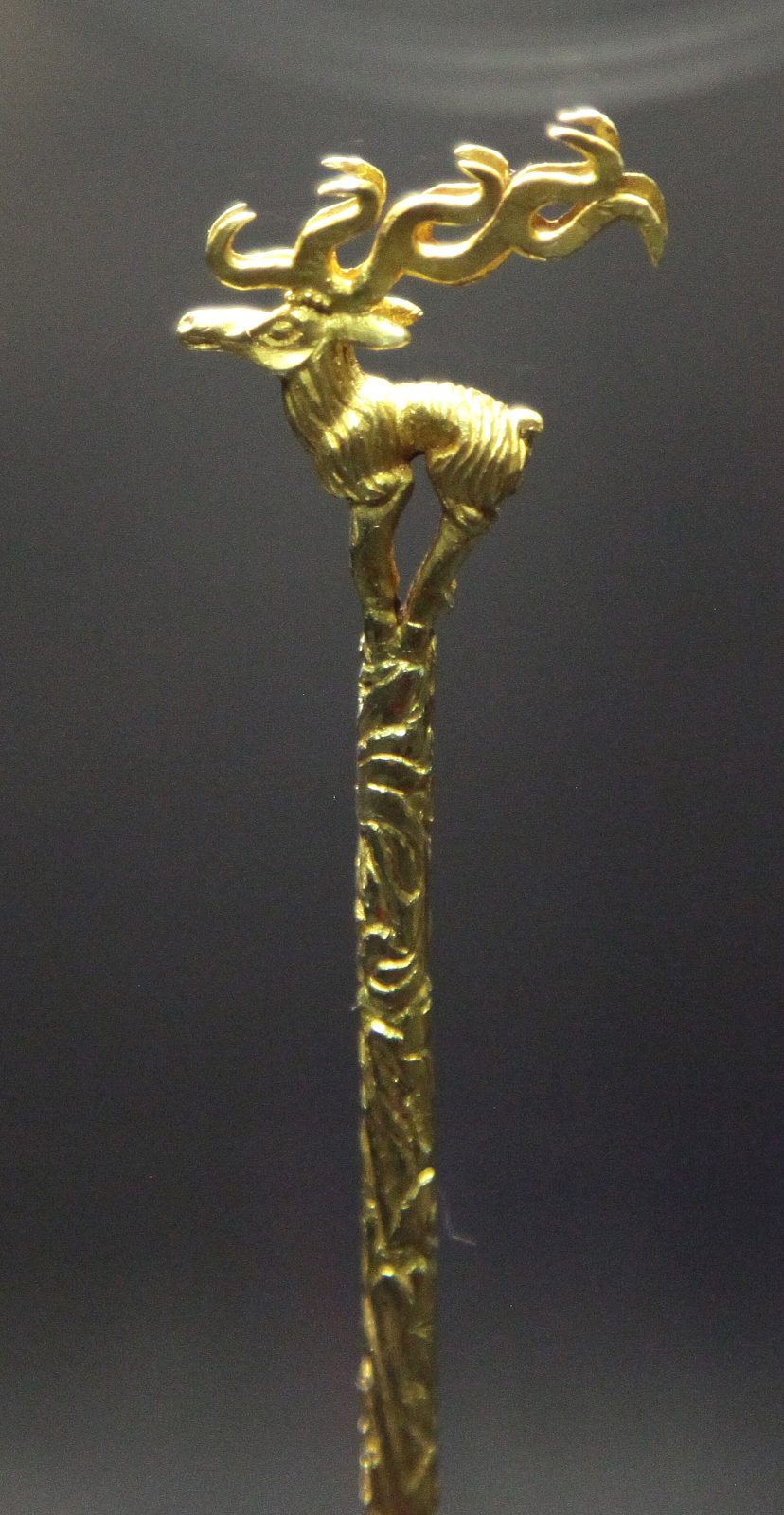
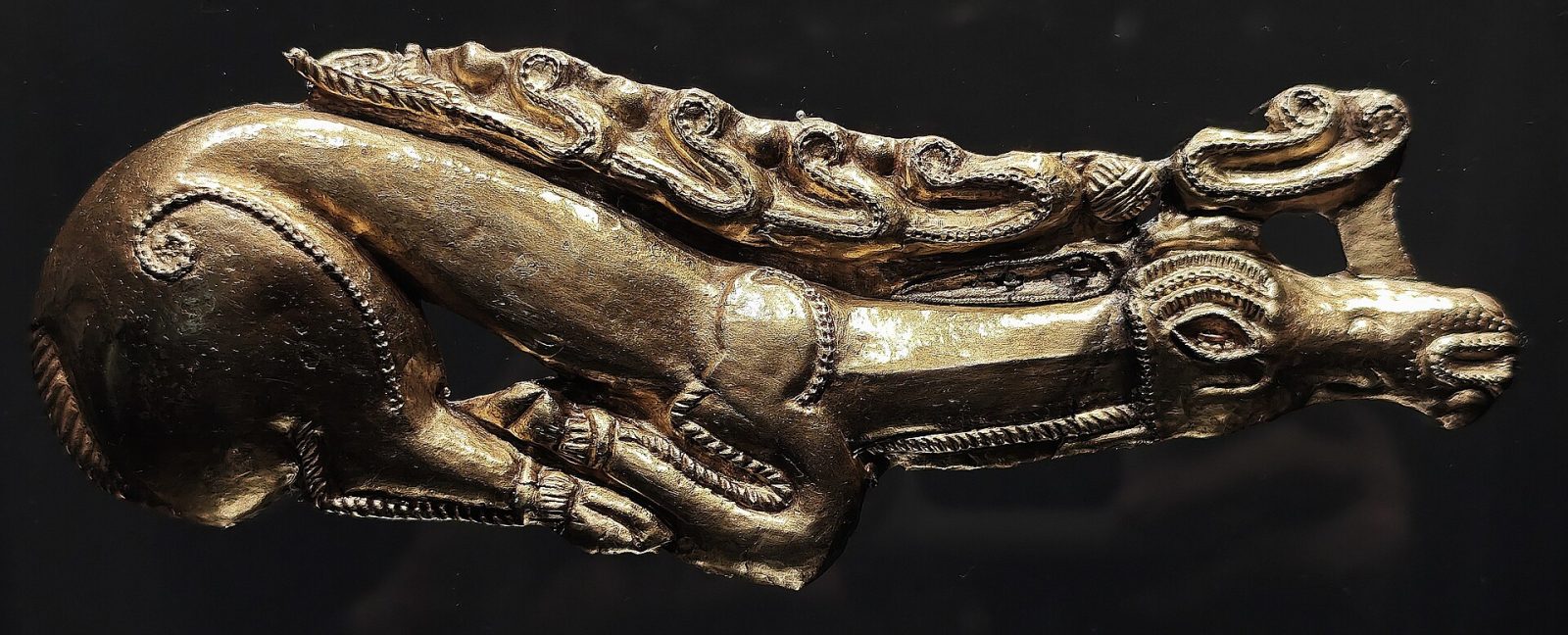
In 1923 an archaeologist digging on a Hungarian estate found a crouching stag of thin gold and silver alloy, folded up and hidden beside a hearth. It is one of the finest pieces of Scythian art in central Europe, and a symbol of the Hungarian National Museum.

FF 278

La Tolita culture, about 600 BC to AD 400 · found 1912

La Tolita gold

Ecuador · Jewellery

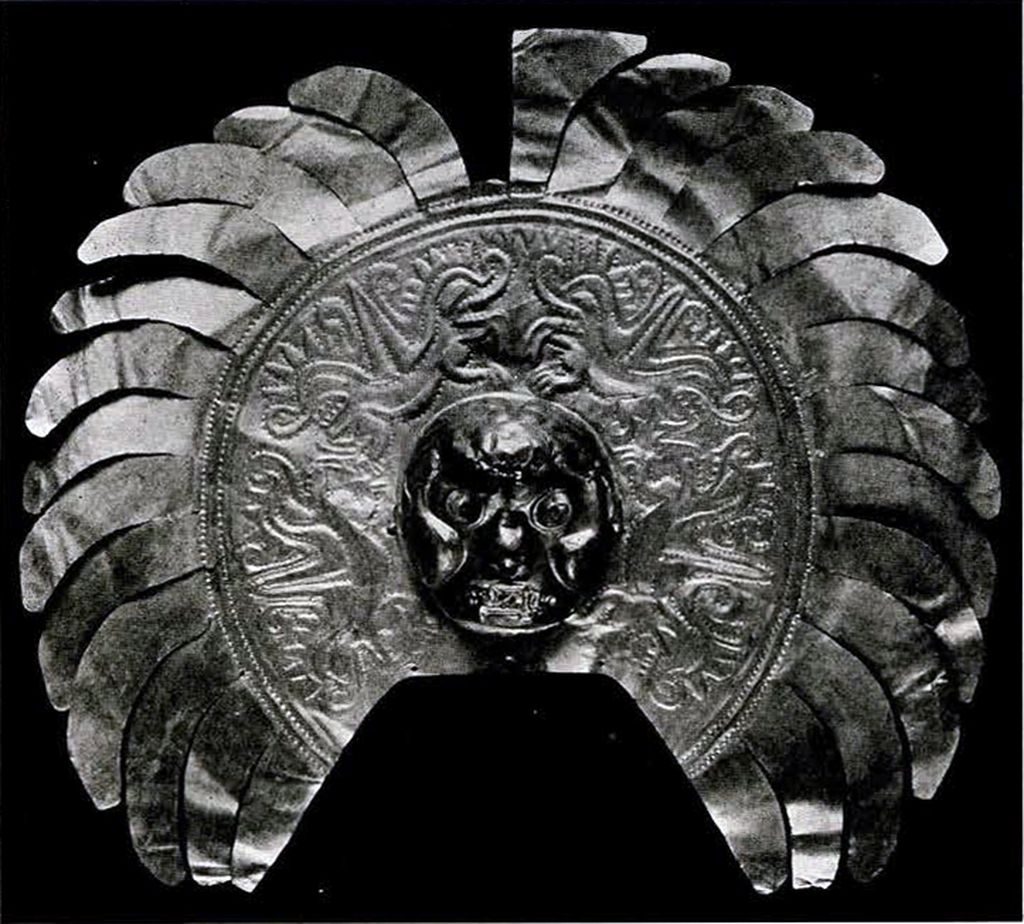
In 1912 Pablo Isaías Sánchez, digging foundations for his brewery on the island of La Tolita in Ecuador, uncovered a pottery chest full of gold: breastplates, a gold bat and about a thousand small plaques, the work of a culture that mastered platinum two thousand years ago.

FF 538

Struck about 600 to 200 BC · found 1933

Wari-Bateshwar silver coins

Bangladesh · Hoards

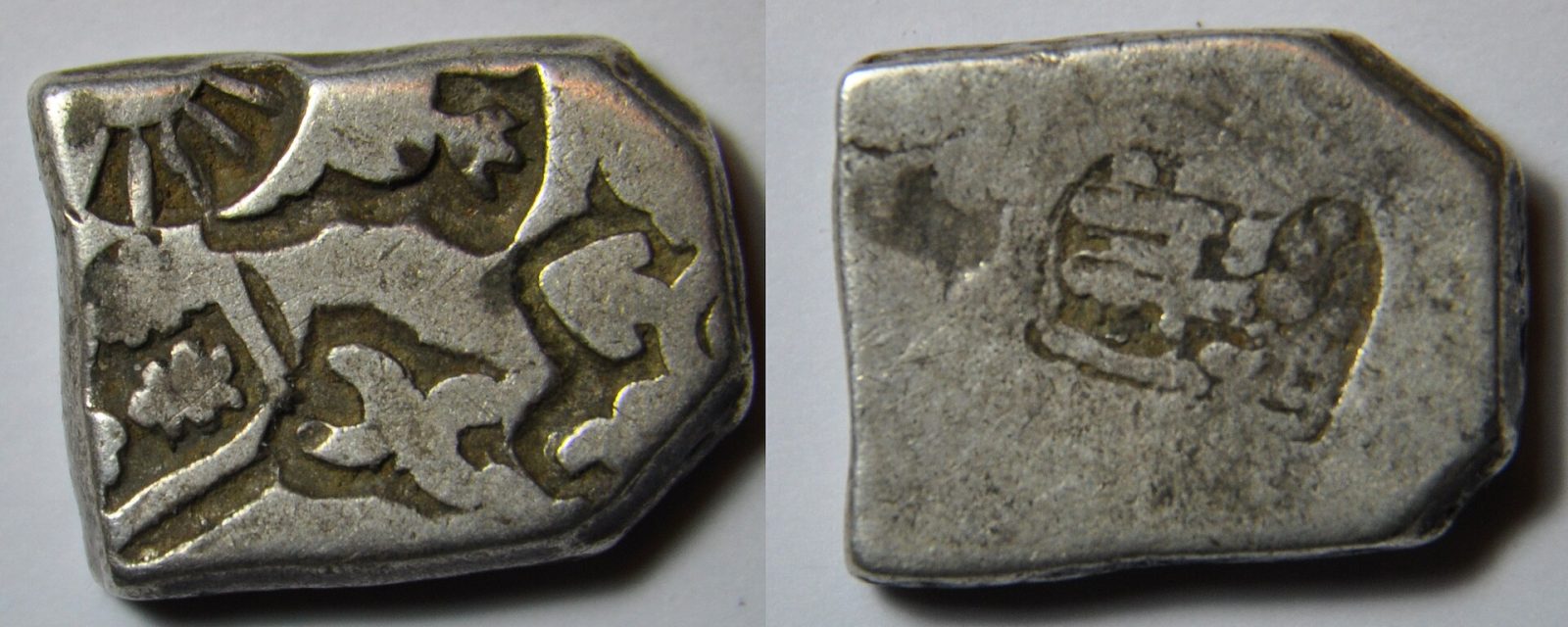
In 1933 labourers digging at Wari, in what is now Bangladesh, found a pot of tiny silver punch-marked coins up to 2,600 years old. A local schoolteacher, Hanif Pathan, saved some of them and spent his life searching the fields, leading archaeologists to a forgotten city.

FF 542

Made in the 6th or 5th century BC · found 1955

Bastar helmets, Albania

Albania · Weapons

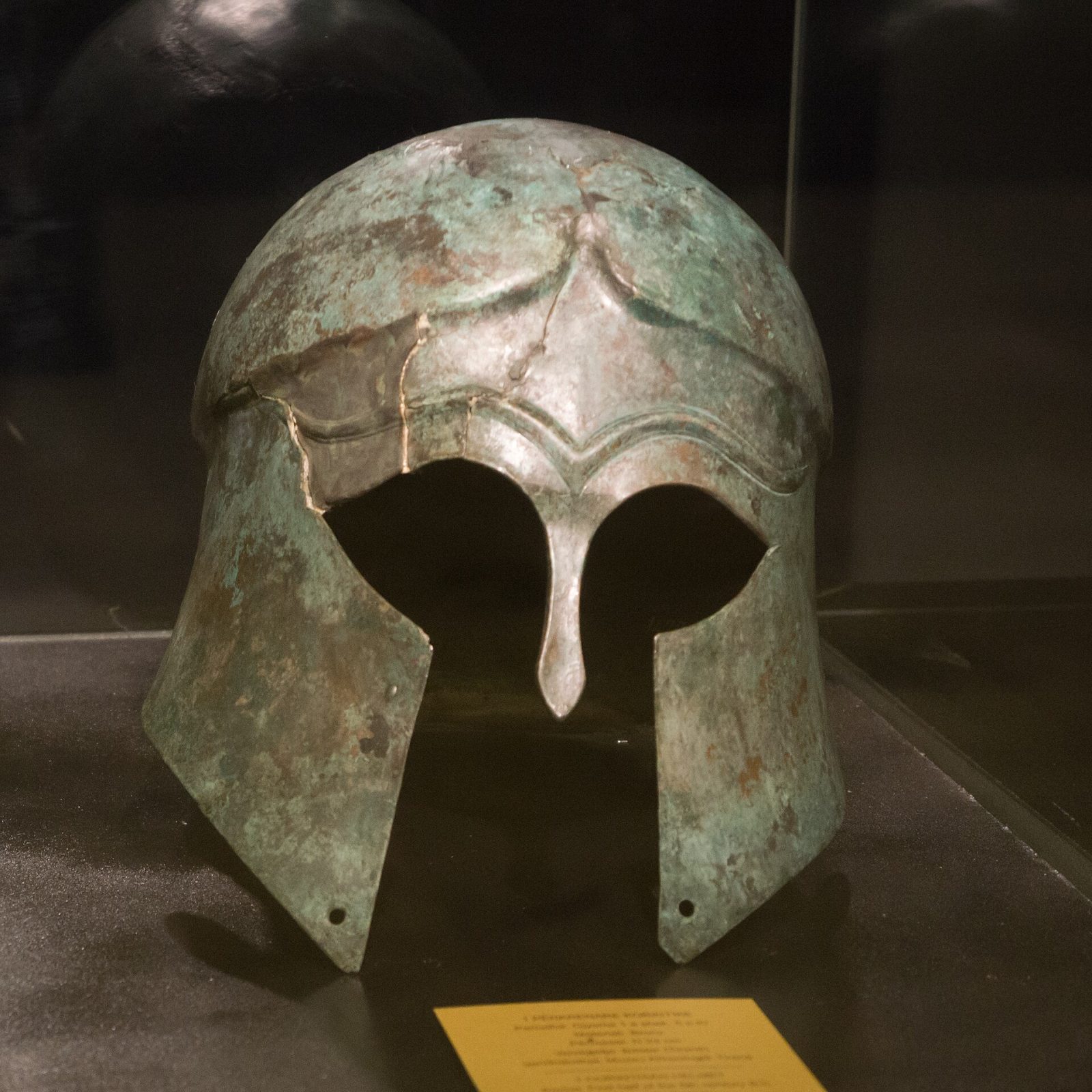
In 1955 farm work on a hill called Qytezë at Bastar, north-east of Tirana in Albania, uncovered two bronze helmets lying close together: one of the Illyrian type and one Corinthian. Dated to the 6th or 5th century BC, they are now in the National Archaeological Museum in Tirana.

FF 348

Buried about 530 BC · found 1977

Hochdorf chieftain's grave

Germany · Artefacts

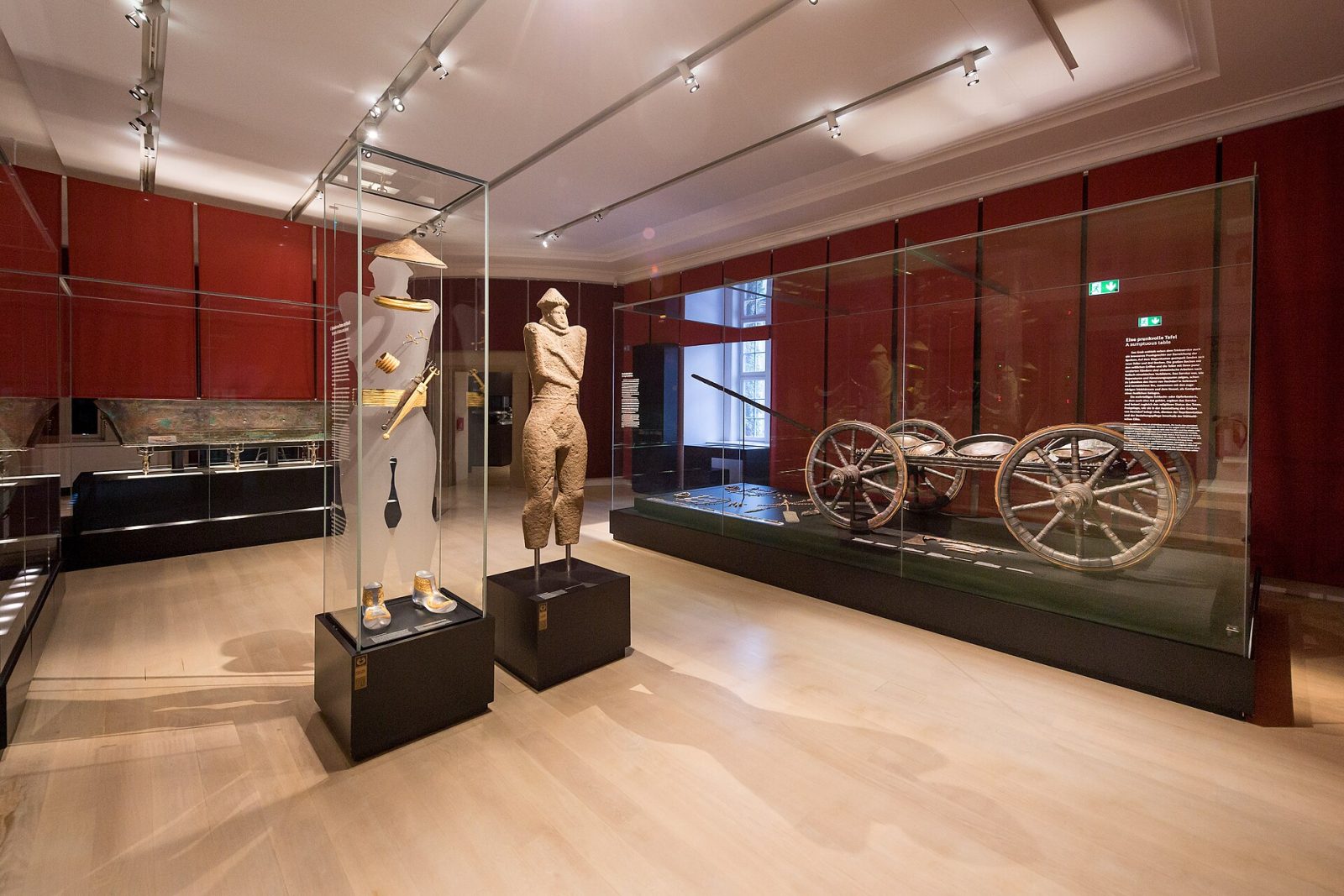
In 1977 Renate Leibfried, a volunteer for the Baden-Württemberg monuments office, showed archaeologists a low rise in a field at Hochdorf that she had first reported in 1968. Under it lay the unrobbed grave of a Celtic chieftain of about 530 BC, with a bronze couch on wheels, 600 grams of gold and a 500-litre cauldron.

FF 130

Buried around 500 BC · found 1953

Vix Krater

France · Artefacts

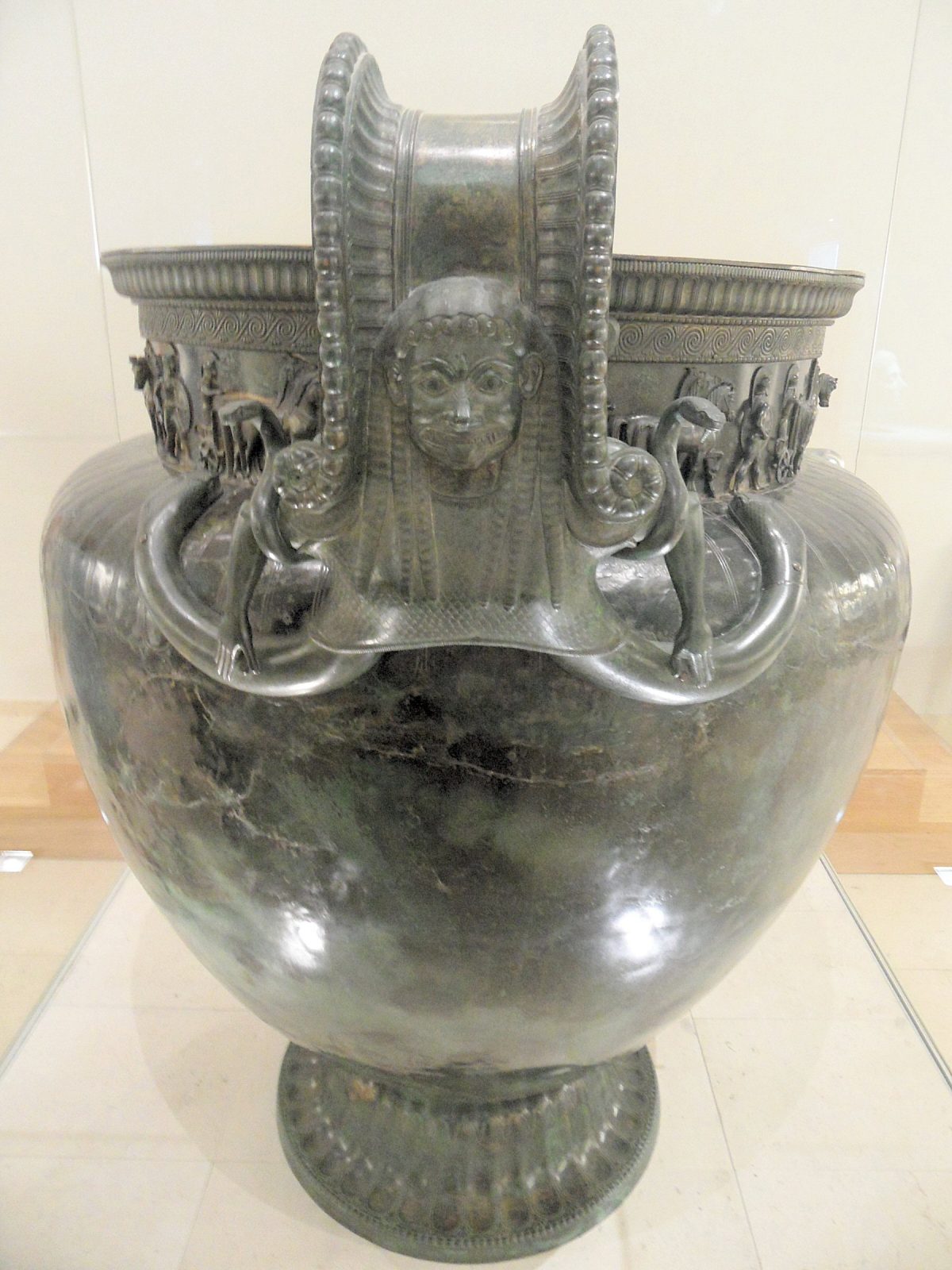
In 1953 archaeologists in Burgundy opened the grave of a Celtic woman buried around 500 BC with a wagon, a gold torc and a Greek bronze krater 1.64 metres tall. In July 2026 thieves stole the torc from the museum.

FF 227

Made about 500 BC · found 1882

Vettersfelde Treasure

Poland · Hoards

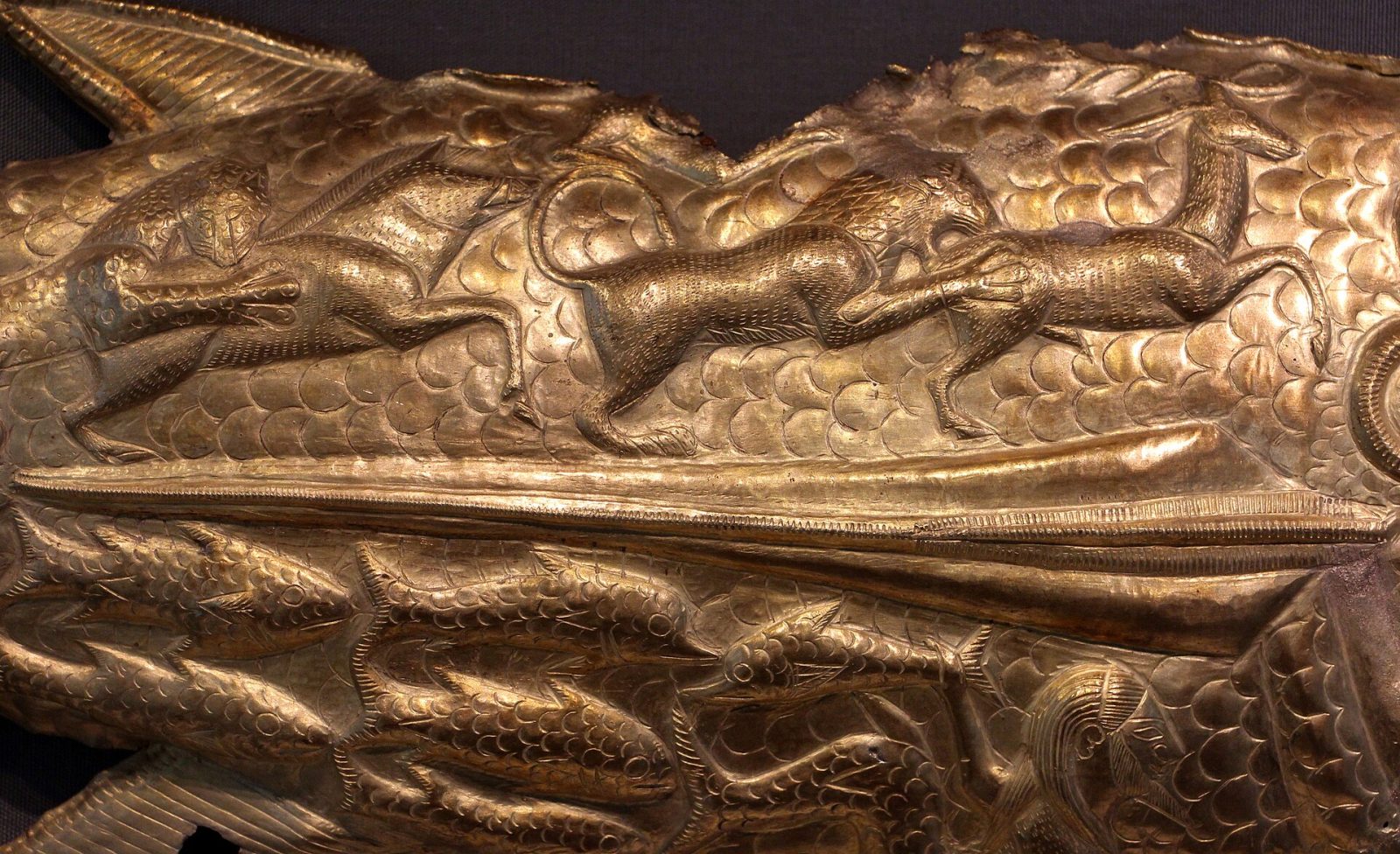
In 1882 a farmer ploughing a field at Vettersfelde, now Witaszkowo in western Poland, turned up Scythian gold, including a great golden fish covered with hunting animals. It had been made by Greek craftsmen on the Black Sea around 500 BC, far from where it was found.

FF 296

Late 6th century BC · found 1918

Trebenište gold masks

North Macedonia · Artefacts

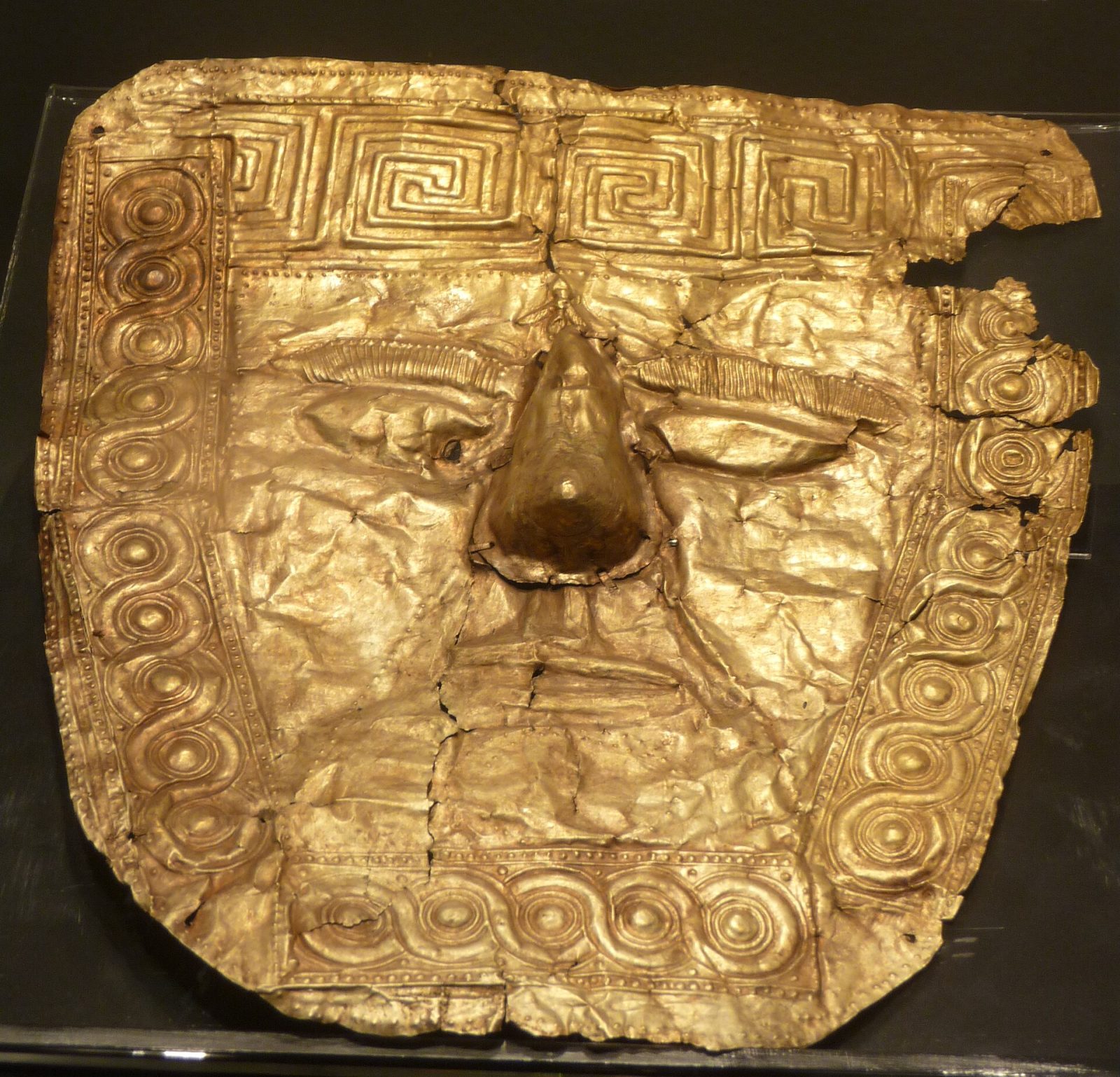
In the spring of 1918 Bulgarian soldiers repairing a road near the village of Trebenište, by Lake Ohrid in what is now North Macedonia, broke into a rich grave. It held a gold funerary mask, a gold hand with a ring and a great bronze wine bowl, from about 525 to 500 BC.

FF 274

About 515 BC, reign of Darius I · found 1933

Persepolis foundation tablets

Iran · Artefacts

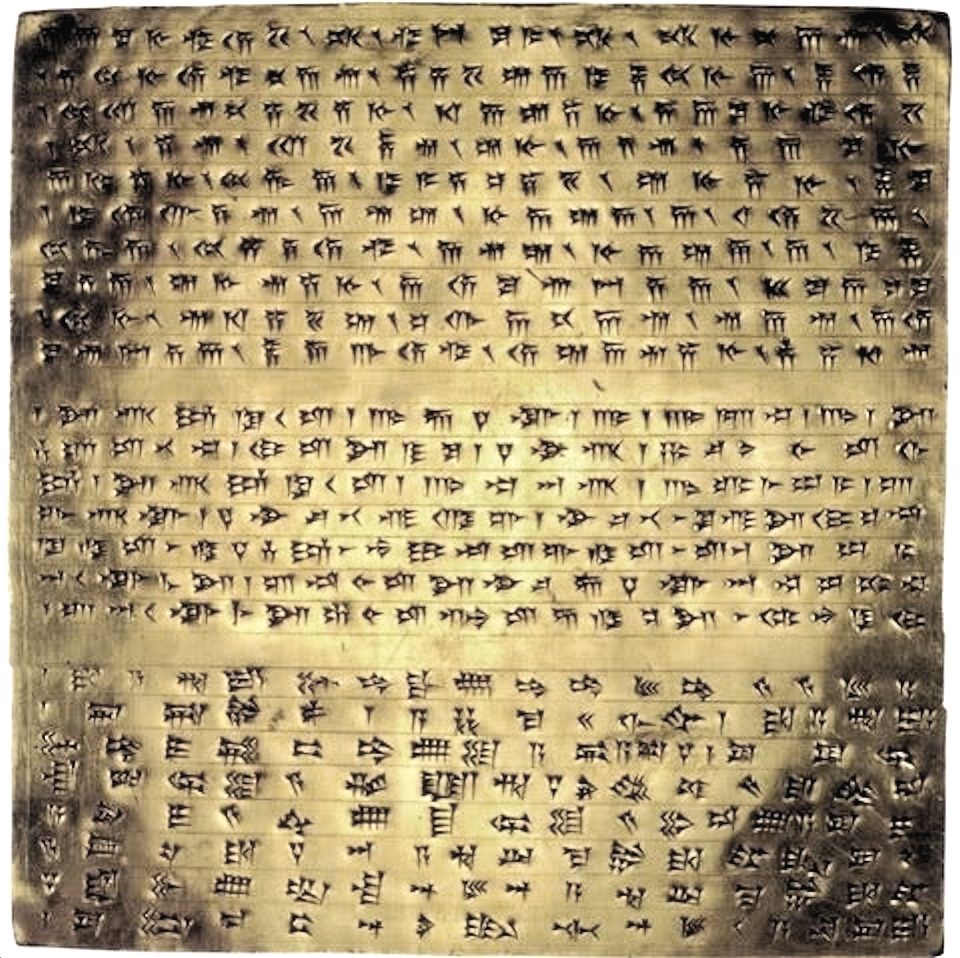
In September 1933 excavators at Persepolis in Iran found stone boxes under two corners of King Darius's great audience hall. Each held a gold and a silver tablet naming the extent of his empire, and beneath them lay some of the earliest coins ever found in a foundation deposit.

FF 161

Made in the late 6th to mid 4th century BC · found 1985

Rogozen Treasure

Bulgaria · Hoards

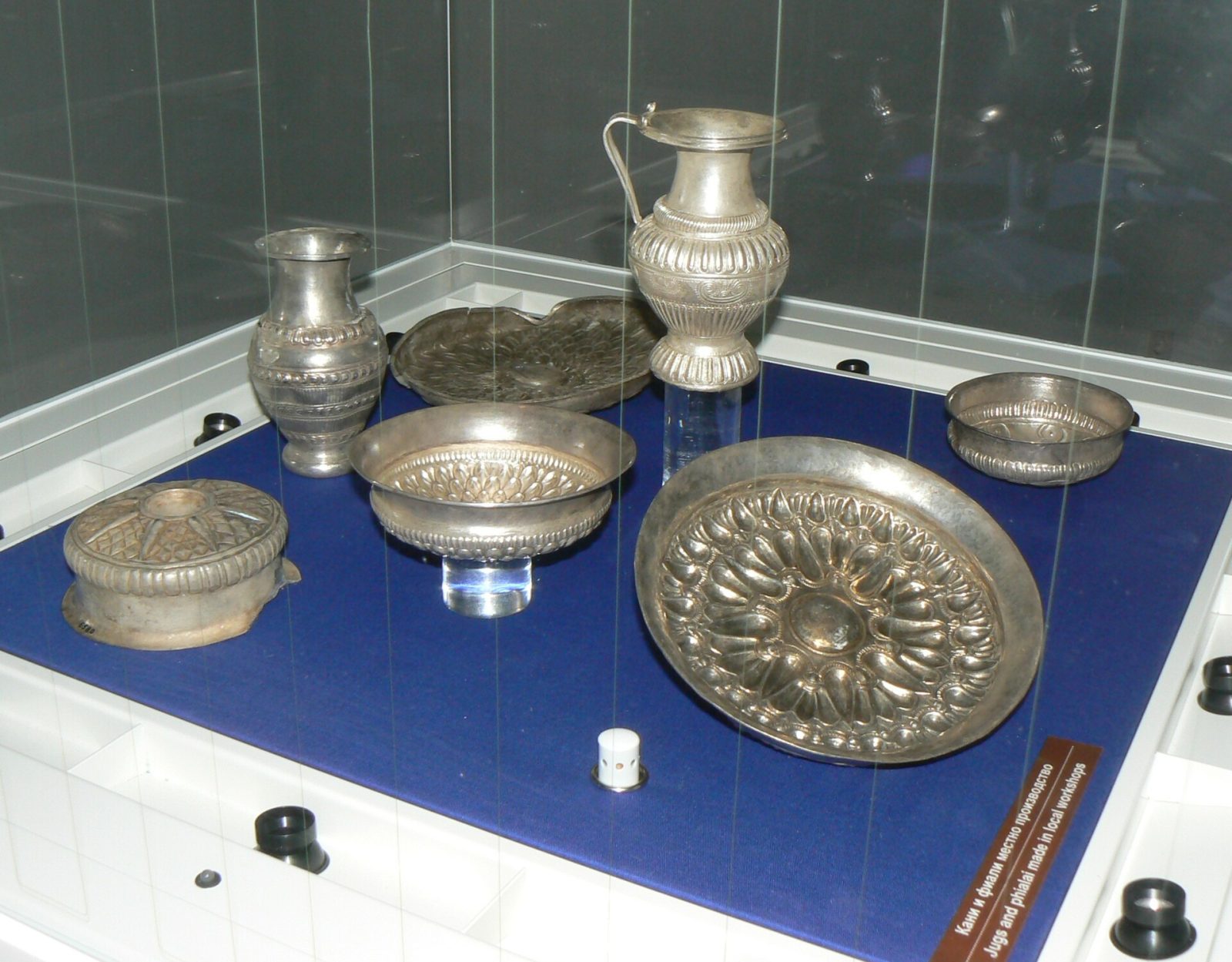
In 1985 a tractor driver digging to water his vegetable garden in north-west Bulgaria found 65 silver vessels, and archaeologists then found 100 more a few metres away. Many are inscribed with the names of Thracian kings.

FF 189

About 500 to 450 BC · found 1882

Vače Situla

Slovenia · Artefacts

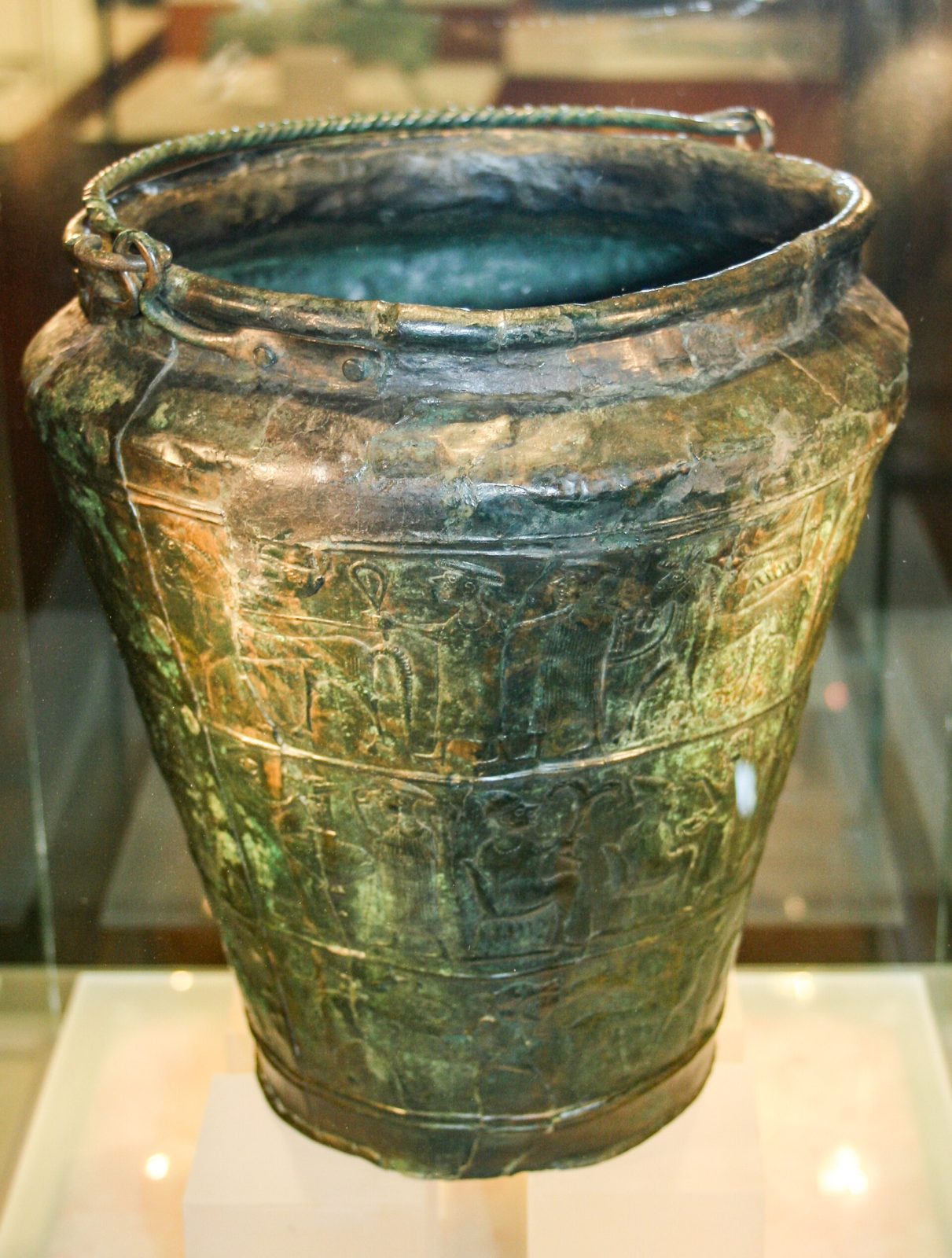
In 1882 a Slovenian farmer digging on his land found a bronze bucket in an Iron Age warrior's grave. Its three bands of decoration show a procession, a feast and two boxers fighting for a helmet, and it is now a national symbol of Slovenia.