Famous finds

The finds every detectorist knows: hoards turned up by ploughs, builders and fellow detectorists, and the treasures that changed what we know about the past. Oldest first, by when they were made or buried. Each one is on the finds timeline too.

507 famous finds, oldest first · page 7 of 13. Jump to: Prehistoric · Bronze Age · Iron Age · Roman · Early Medieval · Medieval · Post-Medieval · Modern

FF 19

Buried shortly after AD 407 · found 1992

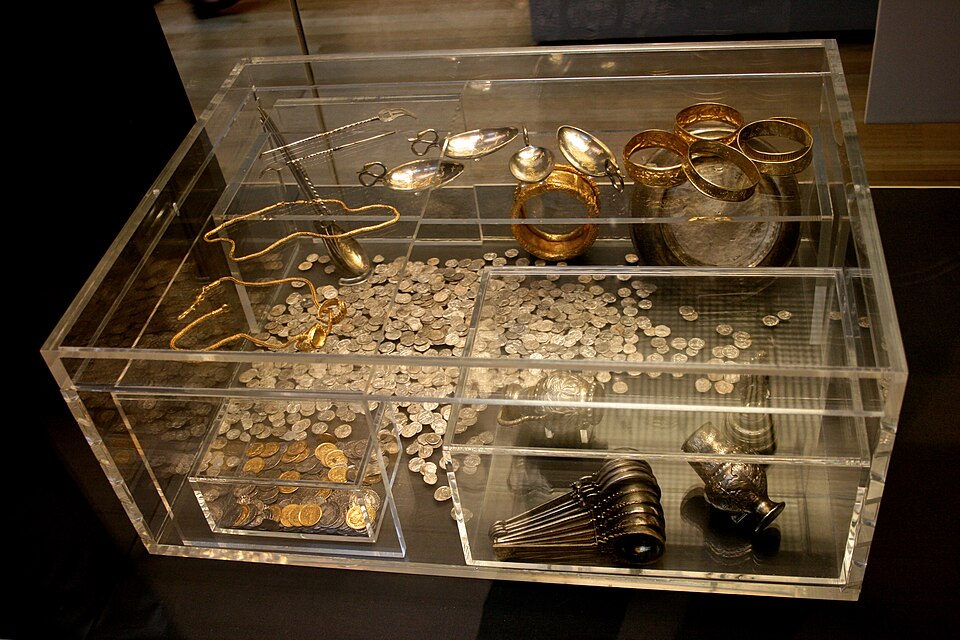
Hoxne Hoard

England · Hoards

In 1992 a farmer lost a hammer and asked a friend with a metal detector to find it. He found the Hoxne Hoard instead: nearly 15,000 Roman coins and 200 pieces of gold and silver, now in the British Museum.
FF 235

Buried in the early 5th century AD · found 1854

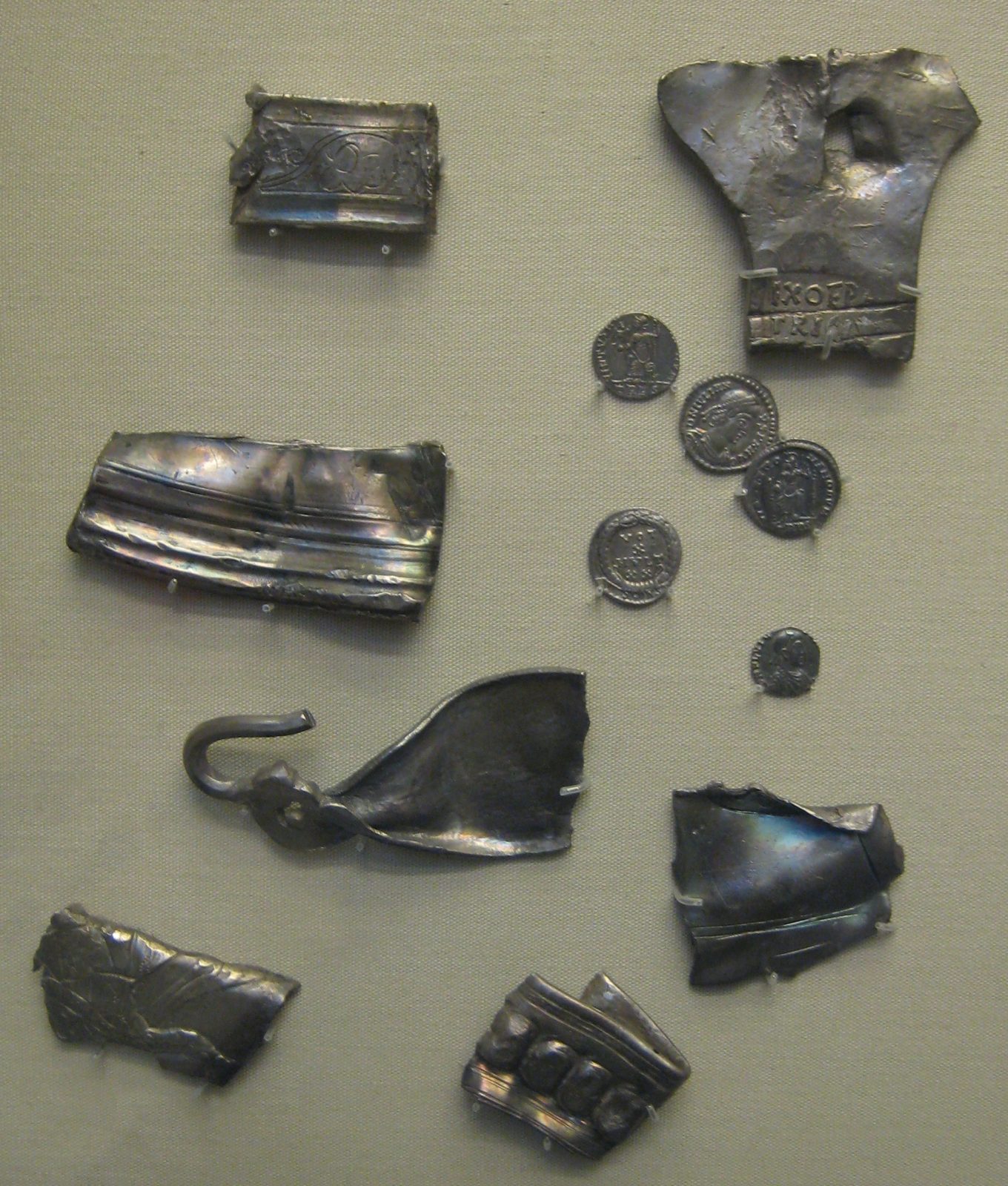
Coleraine Hoard

Northern Ireland · Hoards

In 1854 a labourer digging at Ballinrees, west of Coleraine in what is now Northern Ireland, found more than 1,500 late Roman silver coins with silver ingots and chopped-up silver plate. It is one of the most important Roman finds ever made in Ireland, now in the British Museum.
FF 467

Struck AD 408 to 450, in the reign of Theodosius II · found 1854

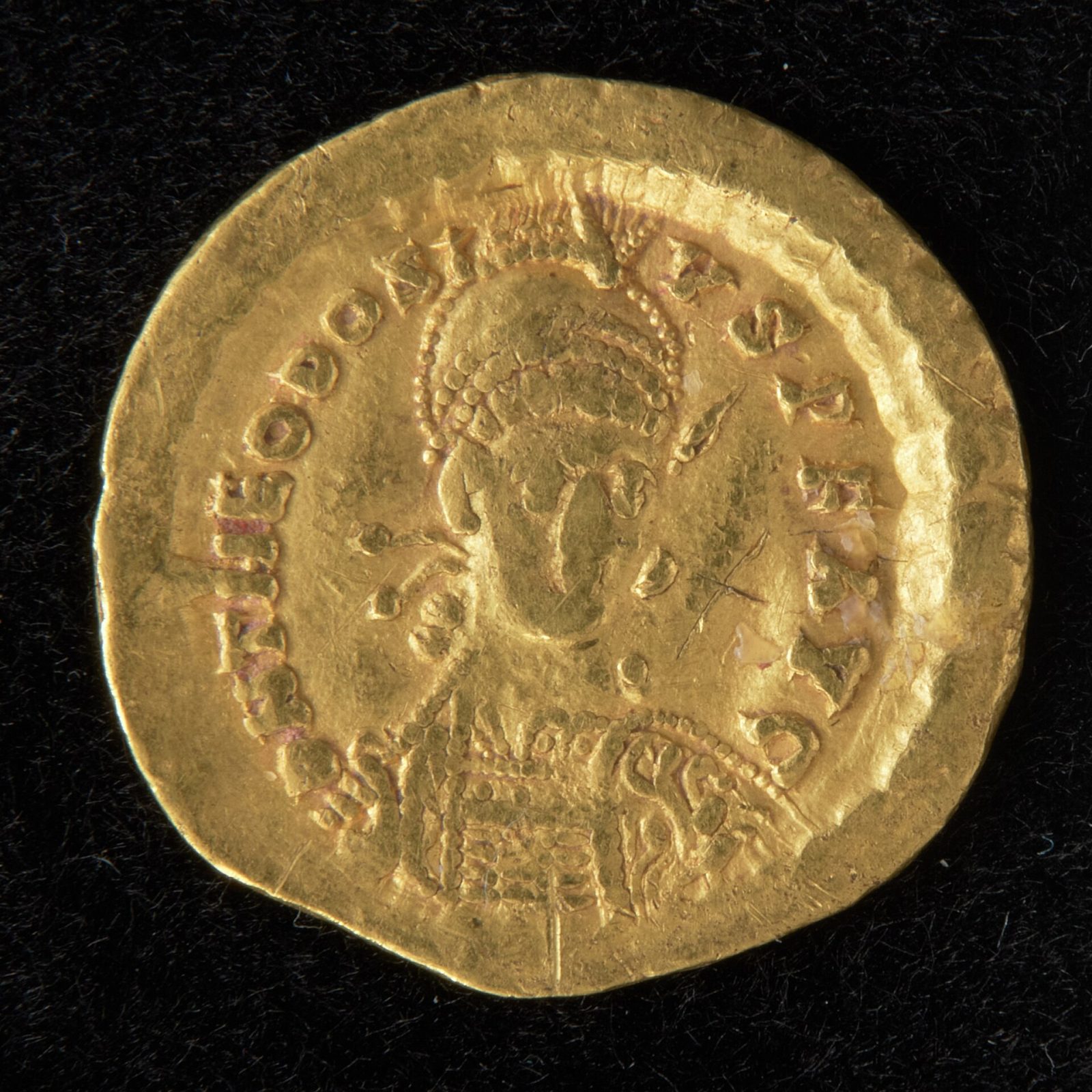
Guleboda gold solidus

Sweden · Coins

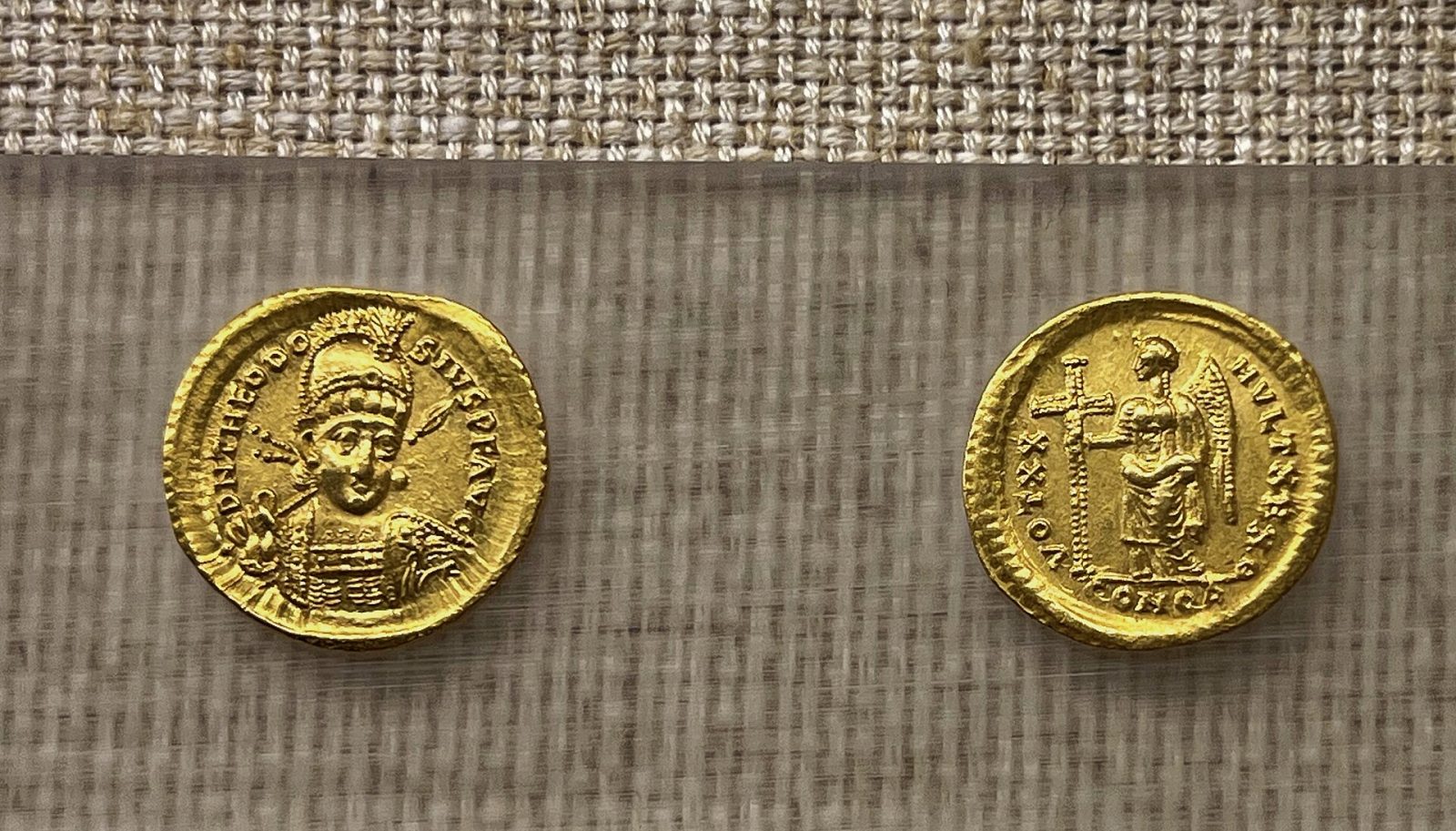
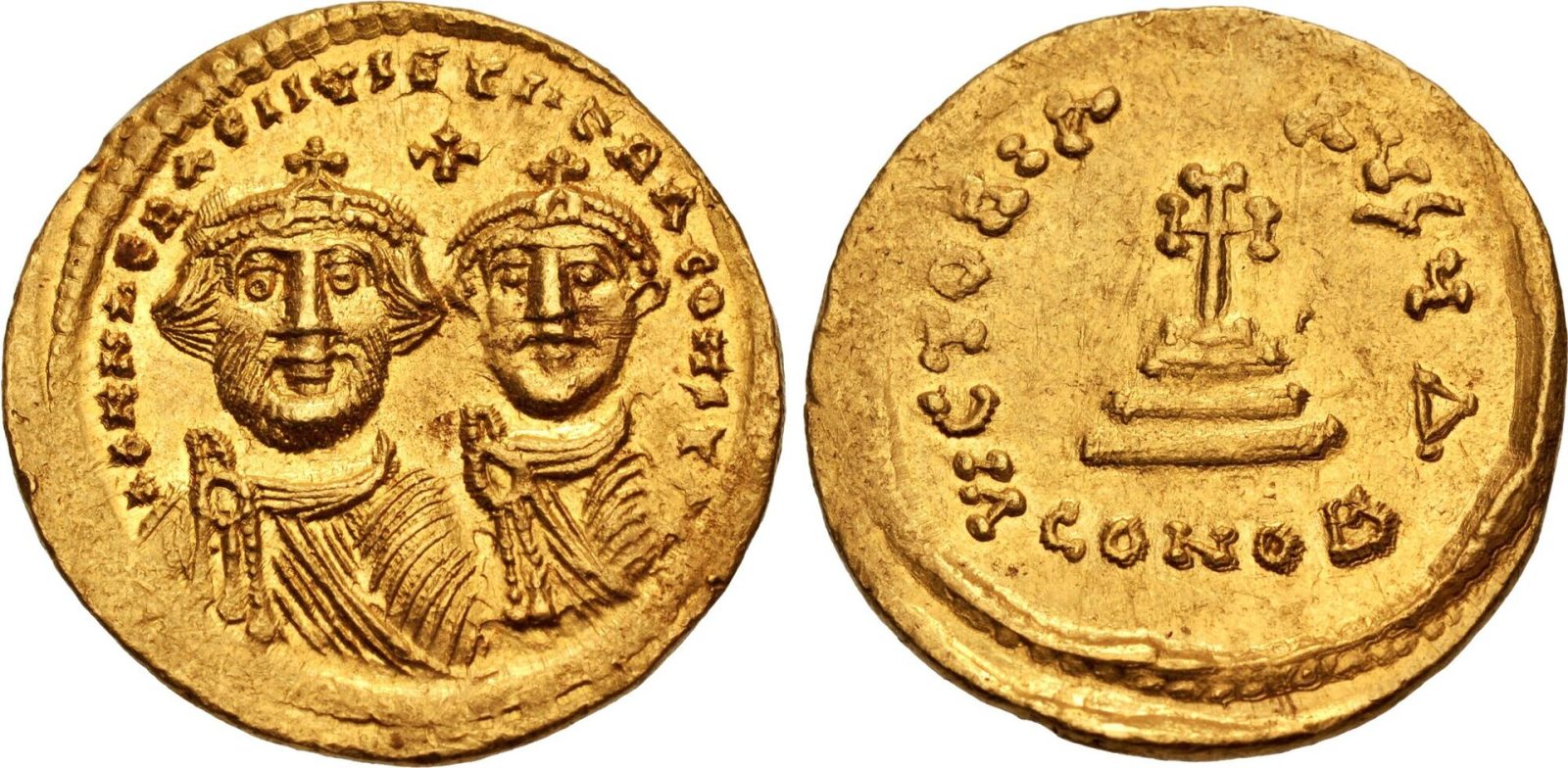
In 1854 the farmer Peter Magnus Svensson ploughed up a gold coin in his field at Guleboda, in Småland in southern Sweden. It was a solidus of Theodosius II, emperor in Constantinople, pierced so that it could be worn, and it went to the Swedish History Museum.
FF 425

Struck about AD 411 to 413 · found 2004

Jovinus gold solidus

England · Coins

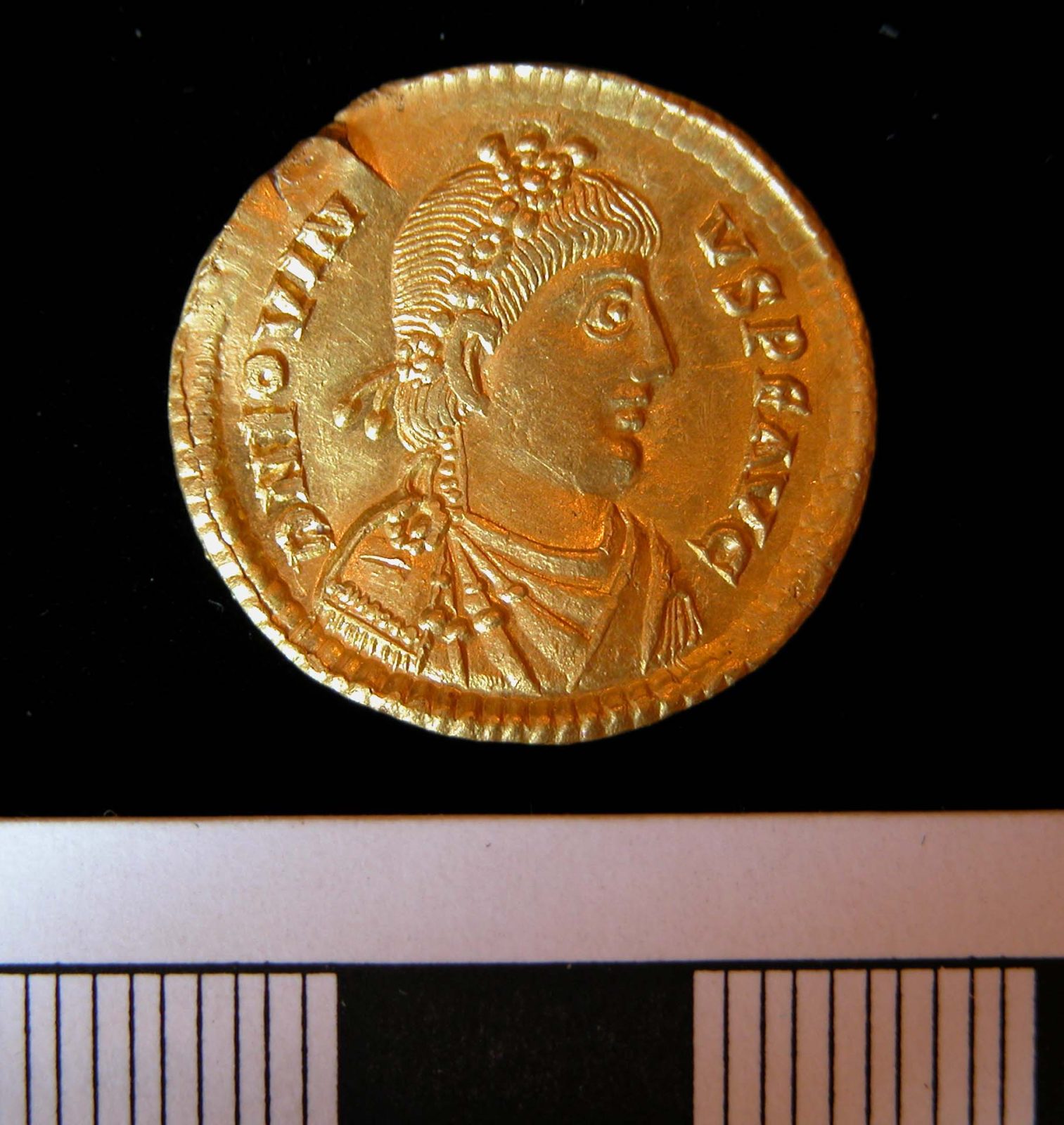
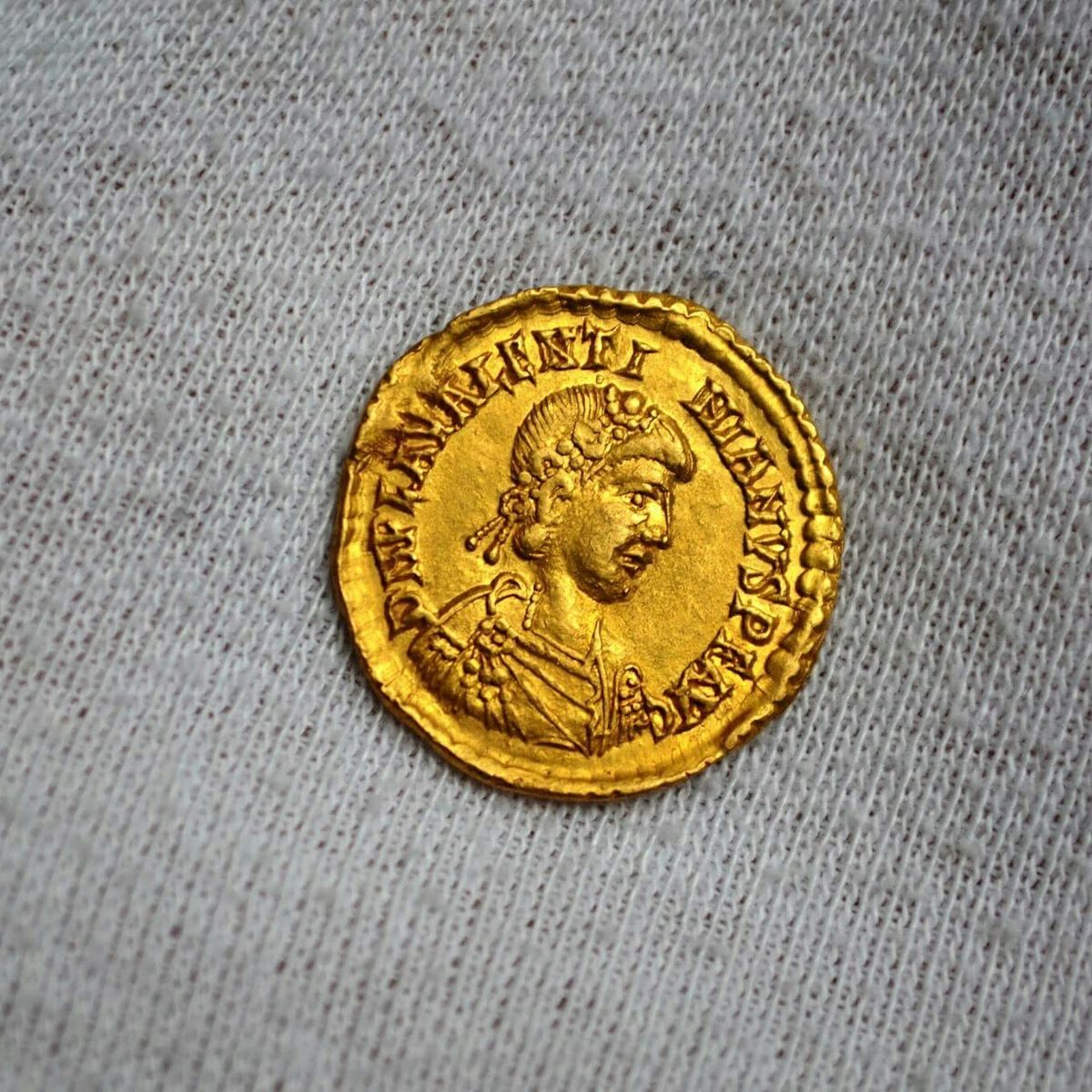
On 7 May 2004 a detectorist in woodland at Willesborough Lees near Ashford in Kent found a gold solidus of Jovinus, a usurper who ruled part of Gaul from 411 until his execution in 413. It was struck after Roman rule in Britain had ended.

FF 488

Struck in Constantinople about AD 420 to 423 · found 2019

Theodosius II solidus, Zippori

Israel · Coins

In February 2019 four ninth-graders orienteering beside the Zippori stream in the Galilee spotted a gold coin on the ground. It was a solidus of the emperor Theodosius II, struck in Constantinople around 420, the first of its type found in Israel. They handed it to their teacher.

FF 145

Buried about AD 481 to 482 · found 1653

Treasure of Childeric

Belgium · Artefacts

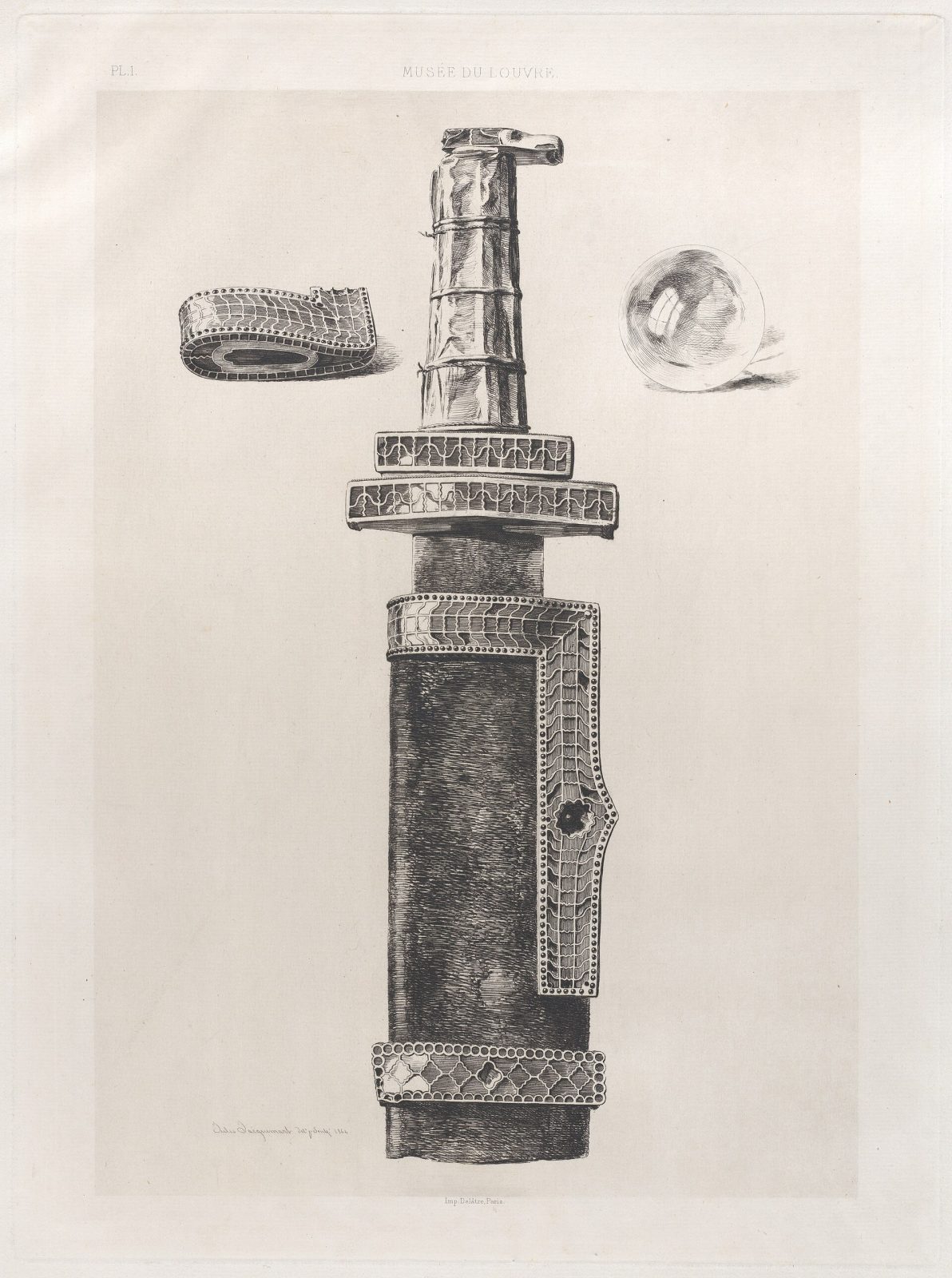
In 1653 a workman at Tournai, in what is now Belgium, uncovered the grave of Childeric, king of the Franks and father of Clovis, with gold, garnets and a ring bearing his name. Most of it was stolen from Paris in 1831 and melted down.

FF 230

Late 5th or early 6th century AD · found 1921

Geumgwanchong gold crown

South Korea · Jewellery

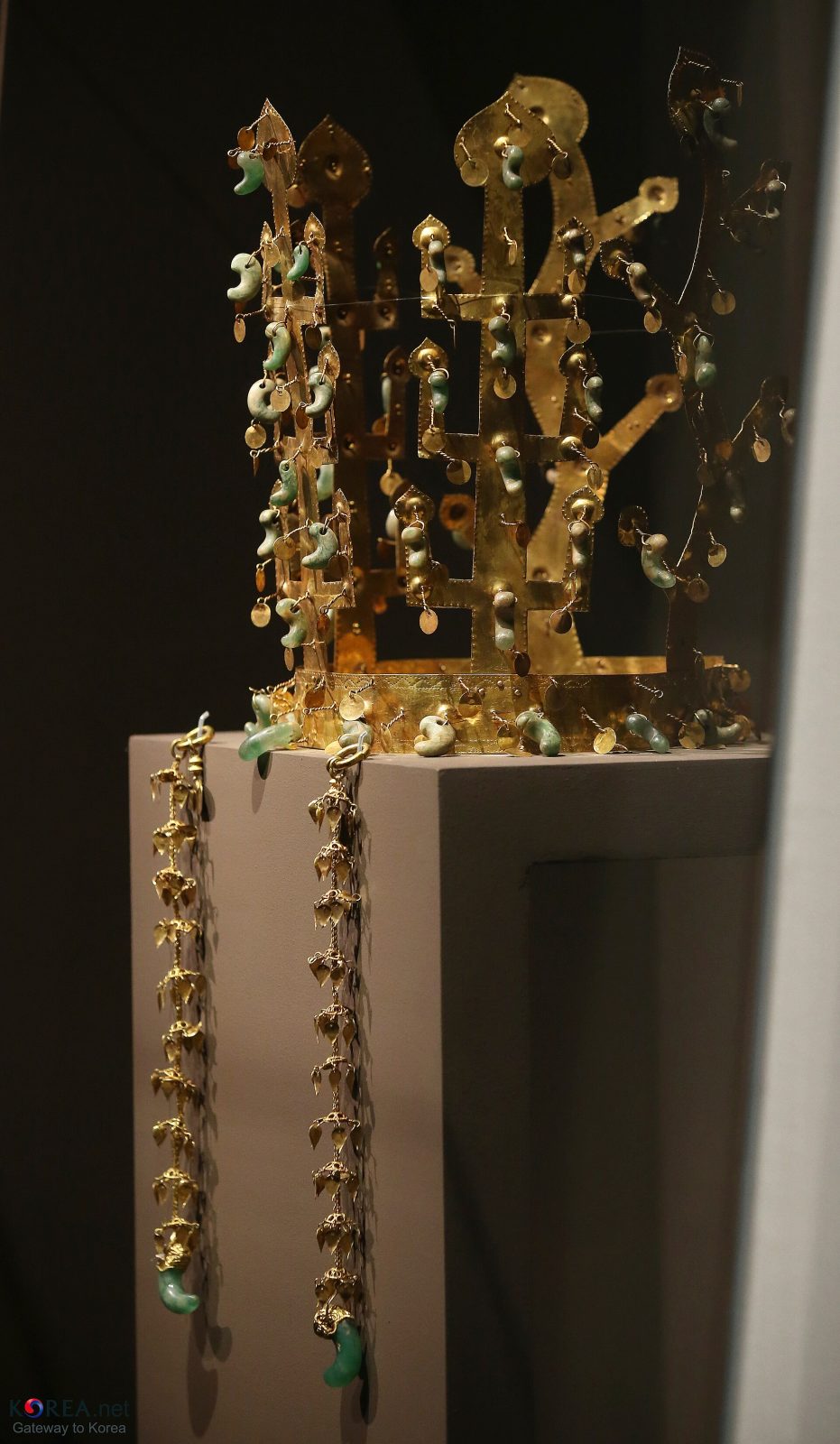
In September 1921 a tavern-keeper extending his house in Gyeongju, South Korea, dug into an ancient tomb. Inside was the first gold crown of the Silla kingdom ever found, with tree- and antler-shaped uprights hung with jade, and tens of thousands of beads.

FF 271

Cemetery used about AD 450 to 900 · found 1930

Sitio Conte gold

Panama · Jewellery

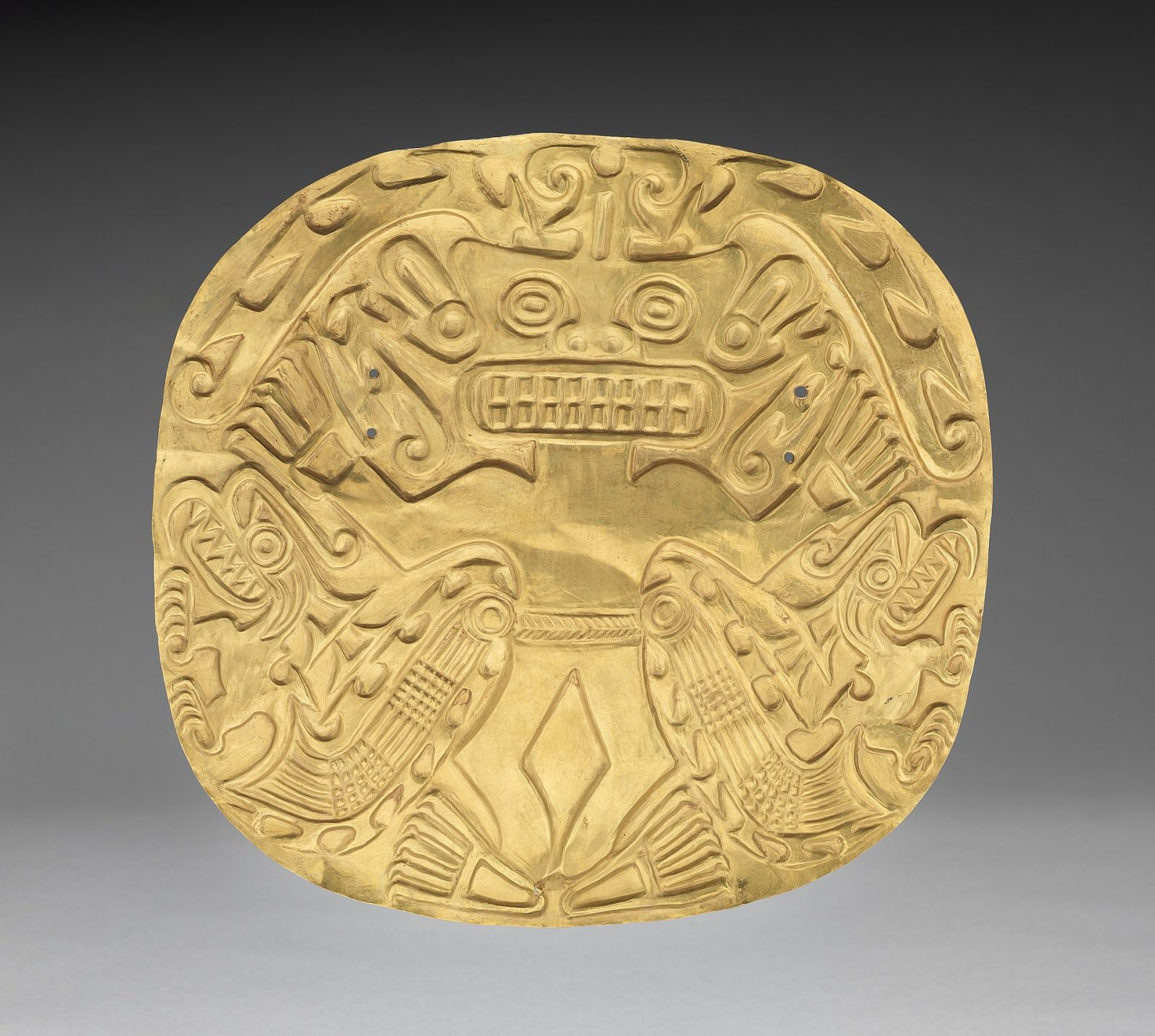
Around 1900 the Río Grande de Coclé in Panama shifted its course and cut into an ancient cemetery, washing gold out of its banks. Excavations by Harvard and Penn in the 1930s and 1940 found chiefs buried with gold plaques, cuffs and emeralds, made around AD 450 to 900.

FF 253

Buried after AD 461, perhaps around AD 500 · found 1997

Patching Hoard

England · Hoards

In the spring of 1997 two metal detectorists found gold and silver coins, gold rings and chopped-up silver in a field at Patching, West Sussex. Buried decades after Roman rule ended, it is the latest Roman coin hoard known from Britain.

FF 444

Struck about AD 468 to 472 · found 2020

Anthemius gold solidus

England · Coins

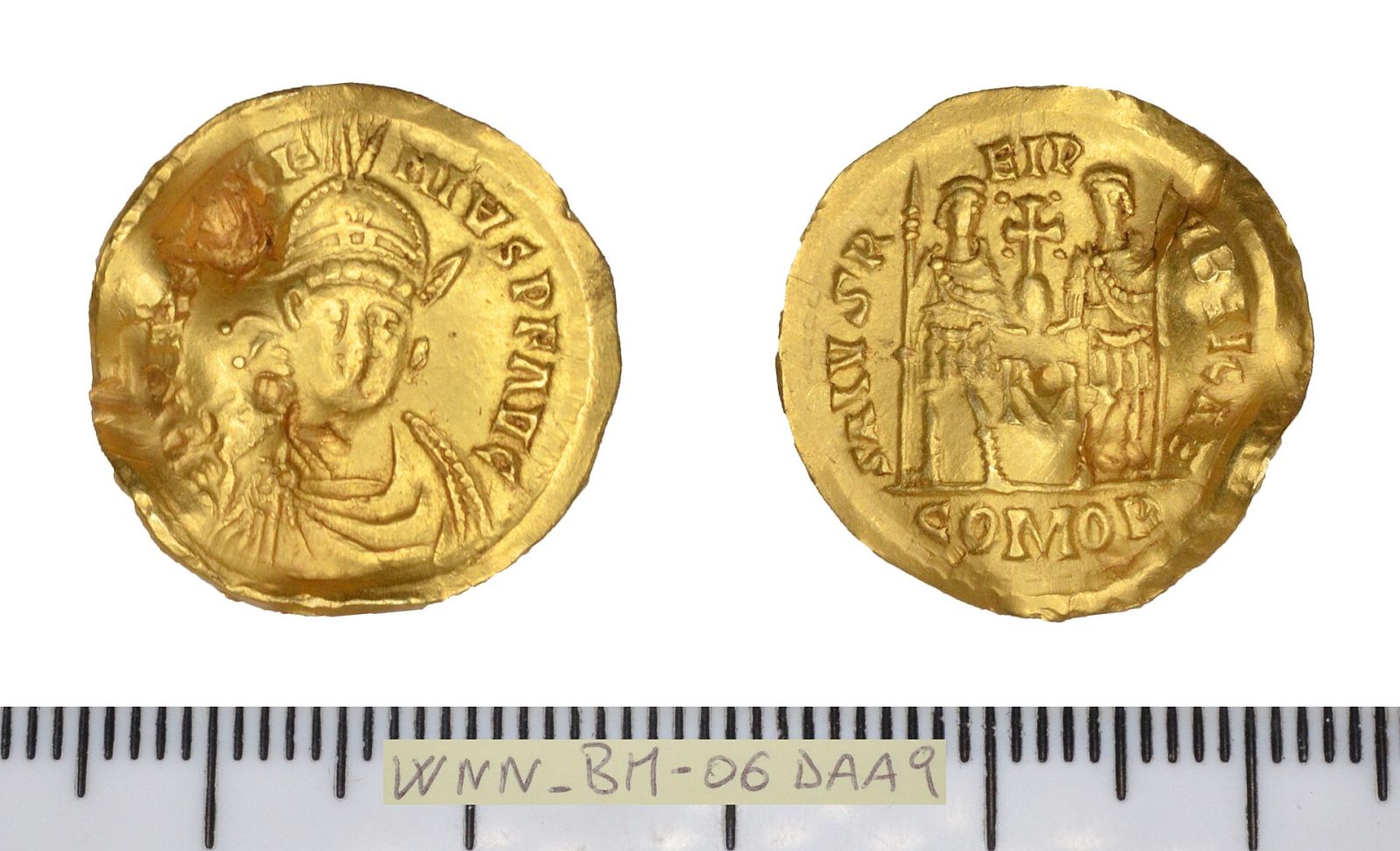
On 10 January 2020 a detectorist at Wantisden in Suffolk found a gold solidus of Anthemius, Western Roman emperor from 467 to 472, struck in Rome. It was the first coin of its type ever recorded by the Portable Antiquities Scheme.

FF 303

Inscribed in AD 471 (some scholars read 531) · found 1968

Inariyama sword

Japan · Weapons

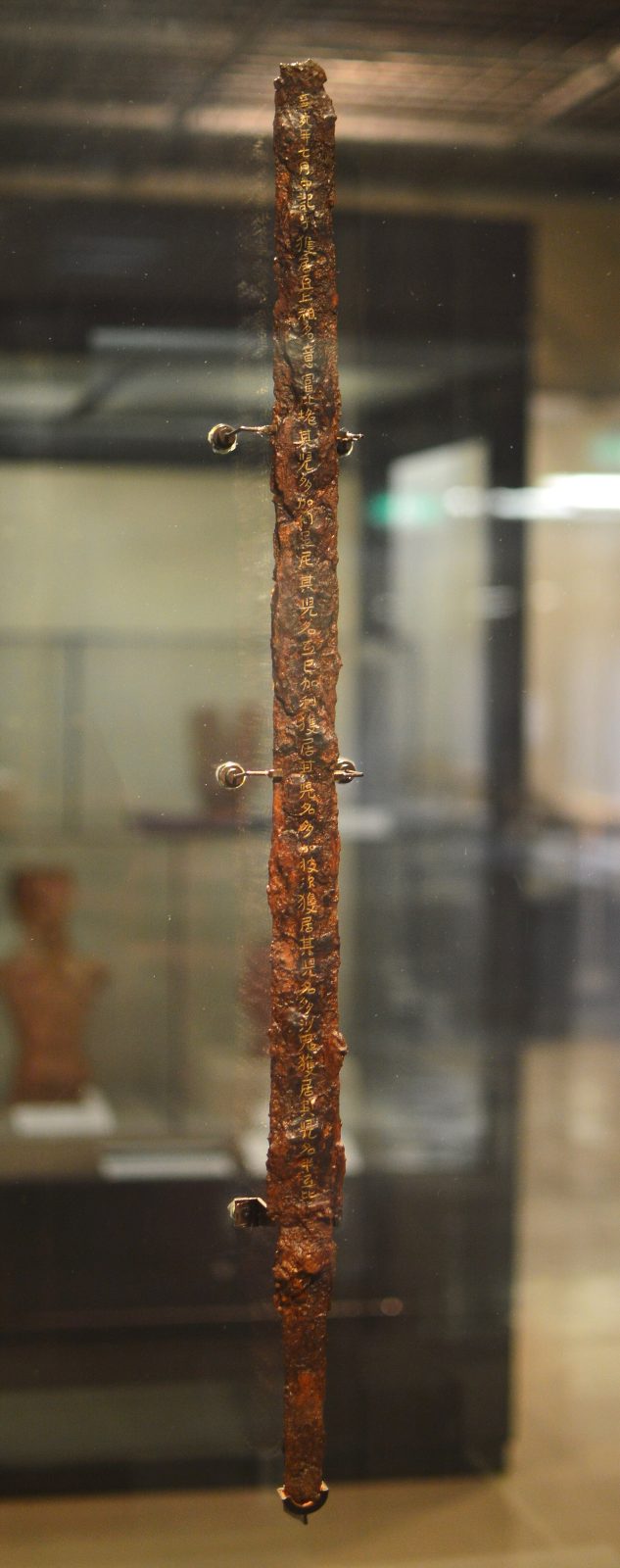
In 1968 archaeologists excavating the Inariyama burial mound in Saitama, Japan, found a rusted iron sword. Ten years later, X-rays revealed 115 characters inlaid in gold, naming a Great King and recording one of the earliest datable written texts from Japan.

FF 197

Buried about AD 500 · found 1933

Snartemo Sword

Norway · Weapons

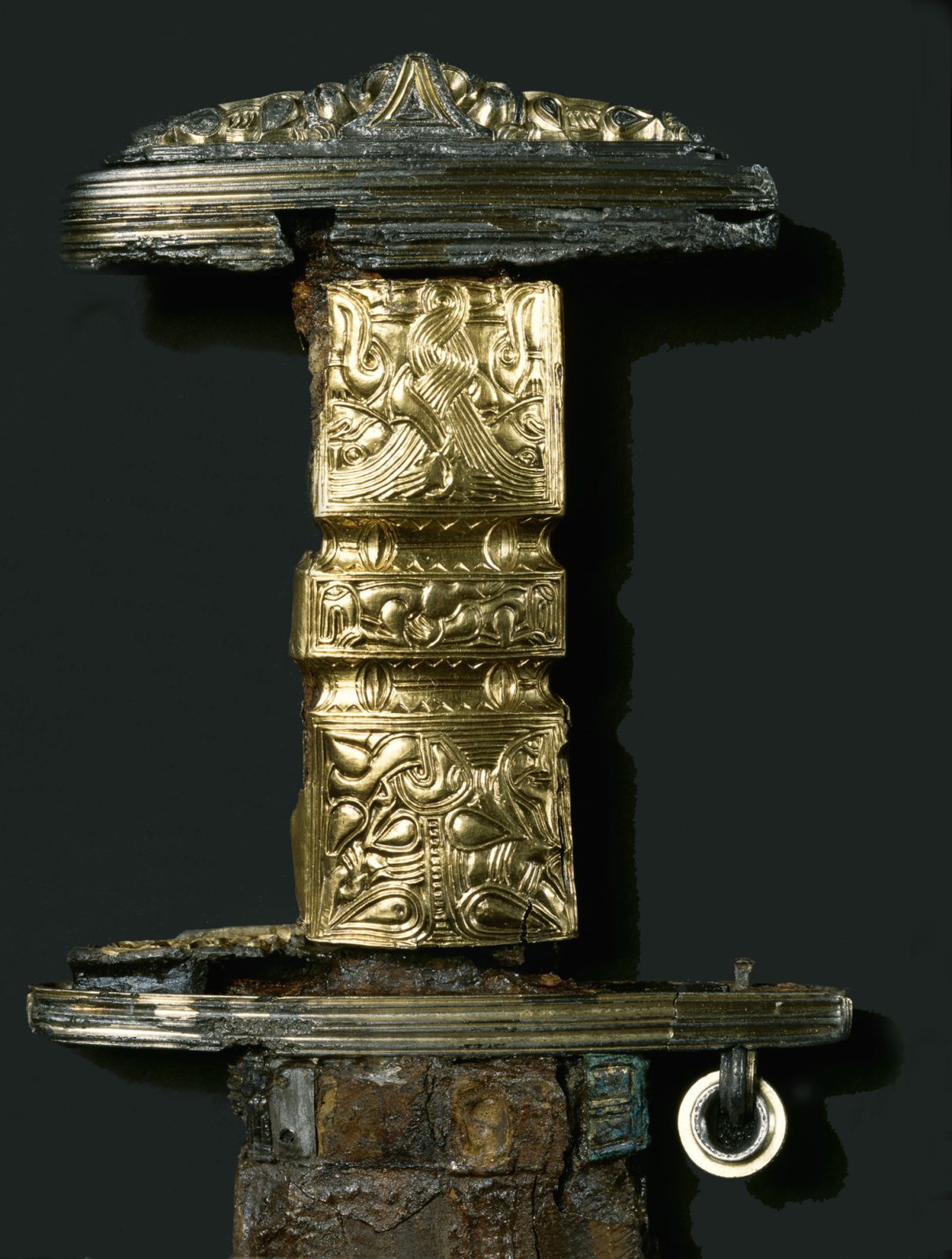
In October 1933 two brothers clearing land on a farm at Snartemo in southern Norway lifted a stone slab and found a chamber grave. In it lay a warrior with a sword whose hilt is covered in gold, one of the finest weapons of the Migration Period.

FF 362

Buried in the 520s · found 1845

Gourdon Treasure

France · Hoards

In April 1845 Louise Forest, a shepherd girl in Burgundy, kicked up a gold coin in a field near Gourdon. Under a Roman tile marked with a cross she found a gold chalice and paten set with garnets and about a hundred gold coins, buried in the early 6th century.

FF 489

Made in the Migration Period, about AD 475 to 525 · found 1860

Färjestaden gold collar

Sweden · Jewellery

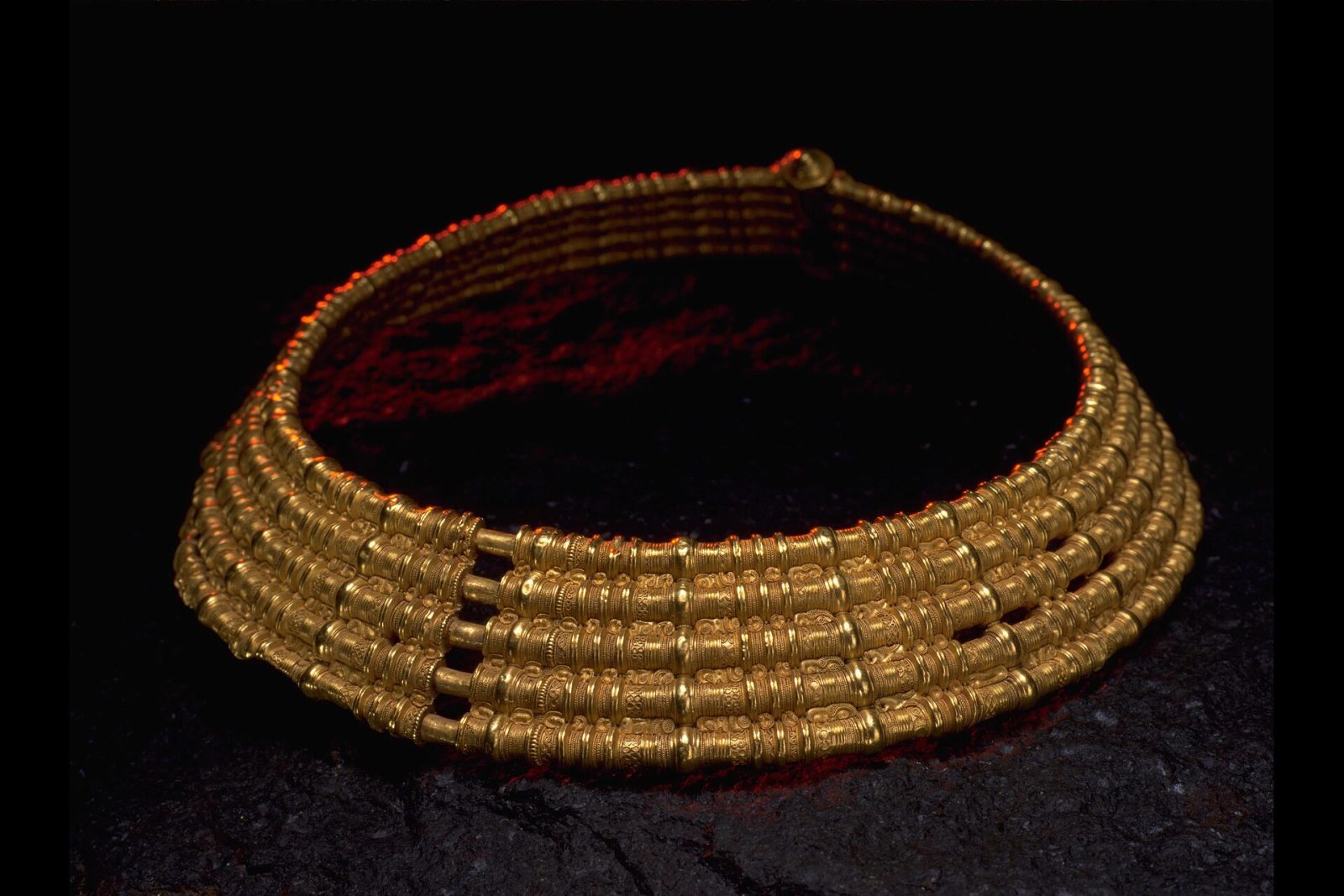
In 1860 farmhands digging by a road at Färjestaden on the Swedish island of Öland uncovered a five-ringed gold collar of the 5th century. One of them, a teenager, reportedly asked what the rubbish was. The state paid a reward worth about twelve years of a maid's wages.

FF 561

Made about AD 500 · found 1893

Domagnano Treasure

San Marino · Jewellery

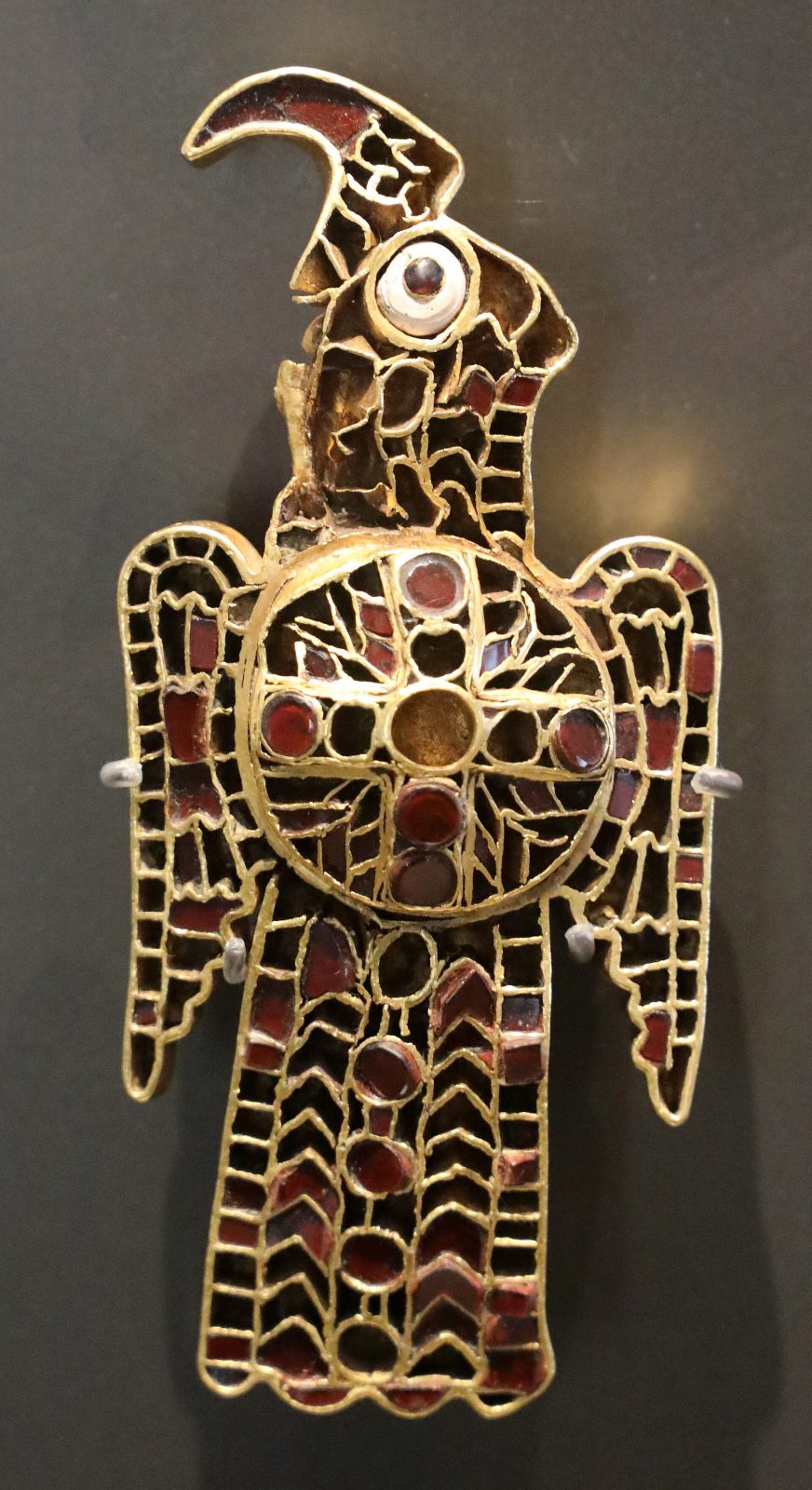
In October 1893 gold and garnet jewellery came out of the ground on Vito Serafini's land at Domagnano in San Marino. Made around AD 500 for a wealthy Ostrogothic woman, it was quickly sold to dealers and is now split between Nuremberg, London, Abu Dhabi and New York.

FF 408

Struck about AD 493 to 526 · found 1894

Theodoric gold medallion

Italy · Coins

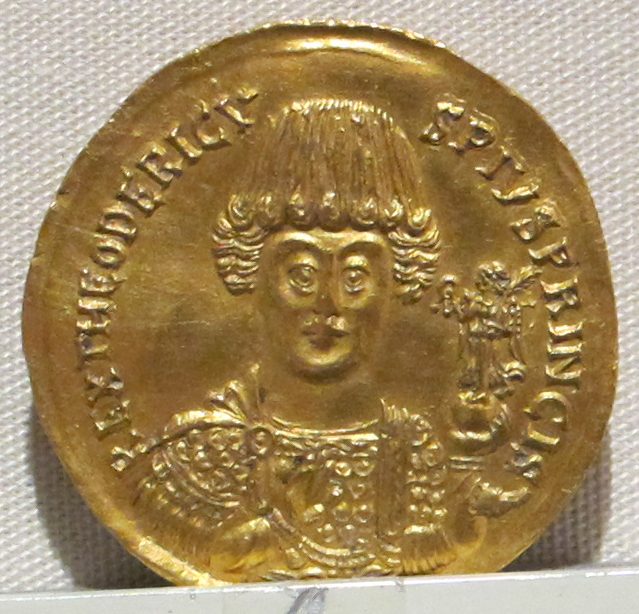
In December 1894 a farm worker near Senigallia in central Italy found a gold coin worth three solidi bearing the portrait of Theodoric the Great, the Ostrogothic king of Italy. Turned into a brooch in antiquity, it is the only known portrait of him on any object.

FF 149

Buried in the 6th or 7th century AD · found 1819

Norrie's Law Hoard

Scotland · Hoards

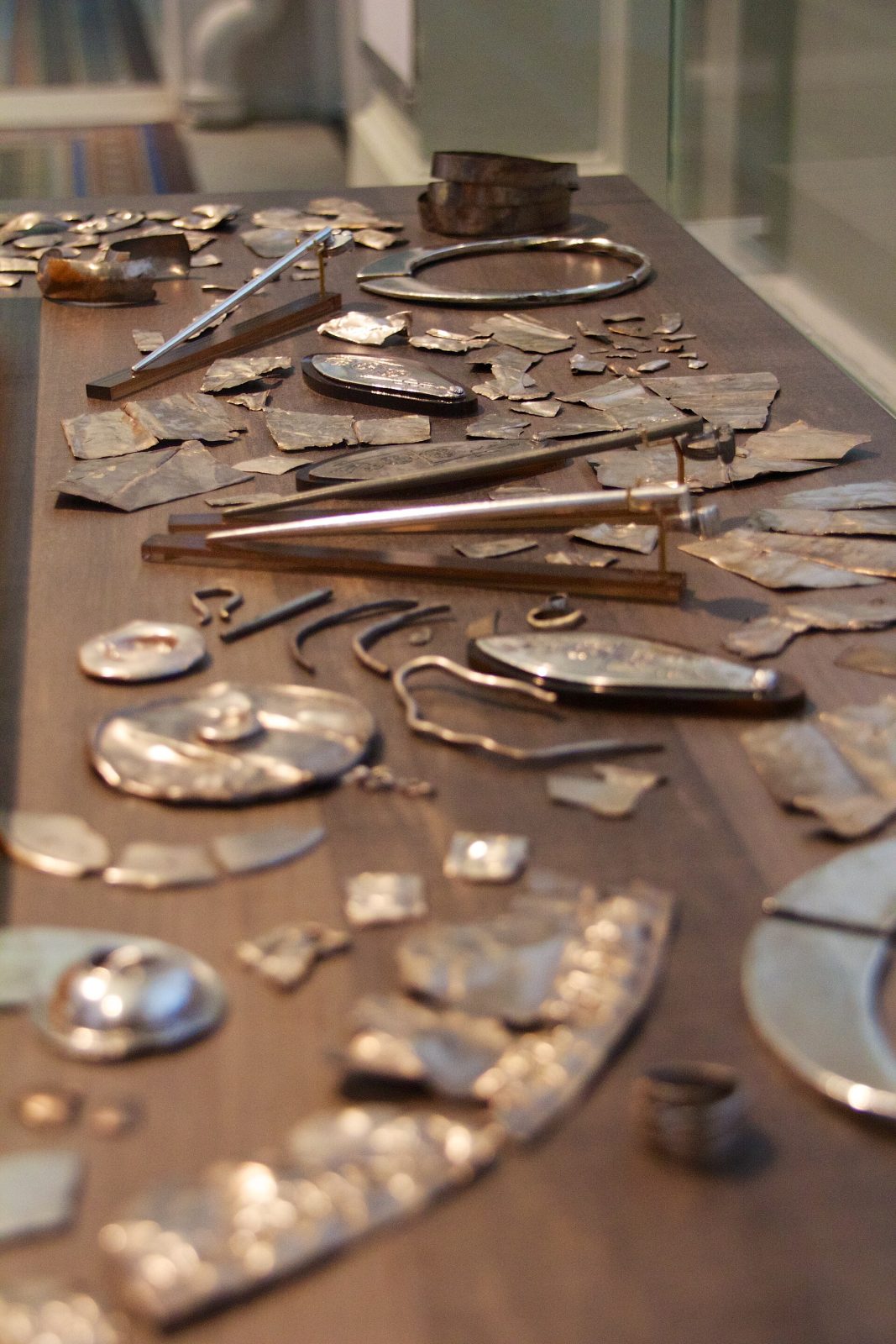
Around 1819 a great hoard of silver came out of a cairn at Norrie's Law in Fife. Most of it was sold as scrap and melted down. What survives includes rare silver plaques engraved with Pictish symbols.

FF 238

Made about AD 500 to 700 · found 1862

Sultanganj Buddha

India · Artefacts

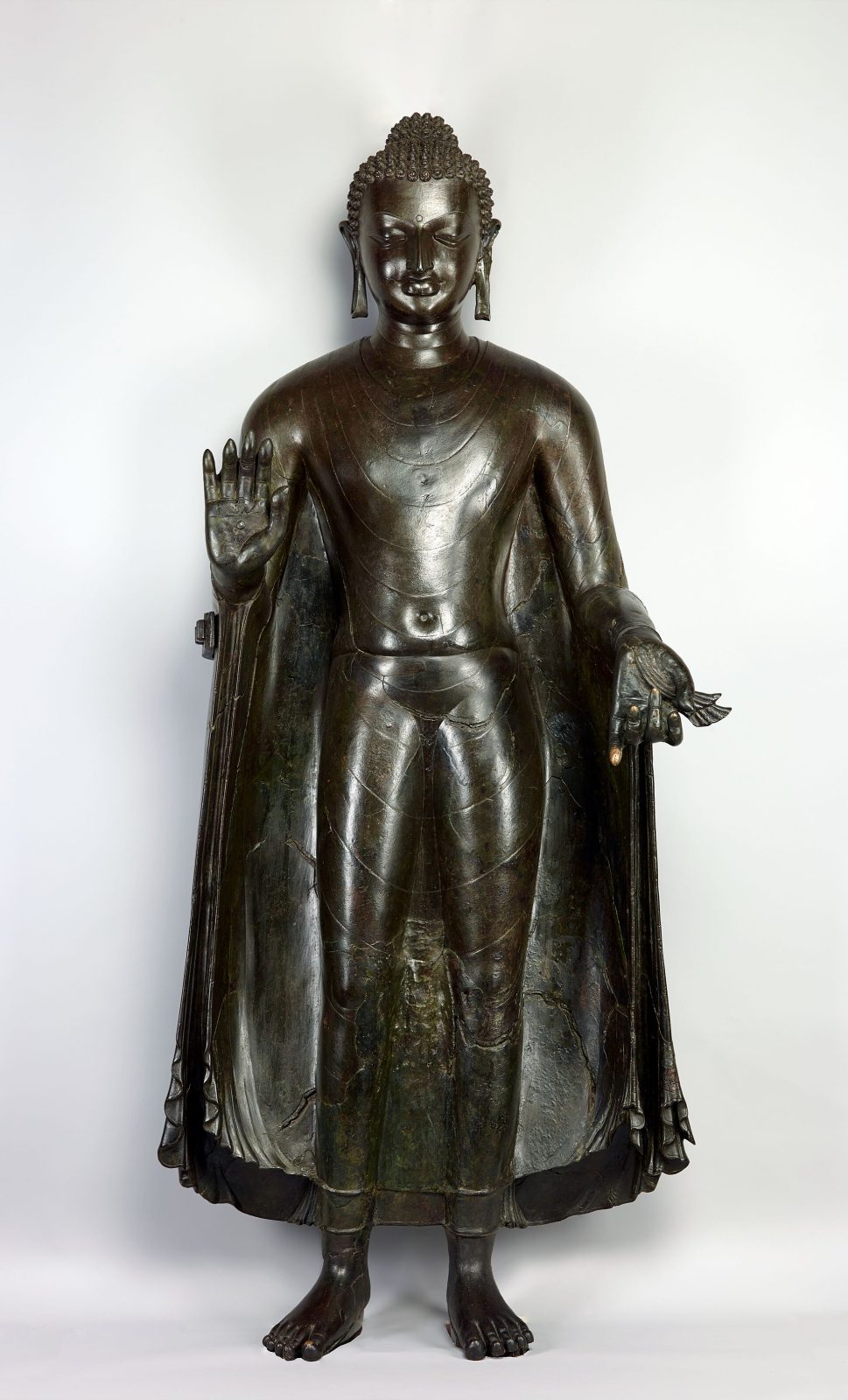
In 1861 or 1862 a railway engineer building a station at Sultanganj in Bihar, India, dug up a copper statue of the Buddha more than two metres tall. Shipped to Birmingham in 1864, it is the largest complete metal statue of its age to survive.

FF 318

Tiwanaku, about AD 500 to 1100 · found 1957

Ponce Monolith

Bolivia · Artefacts

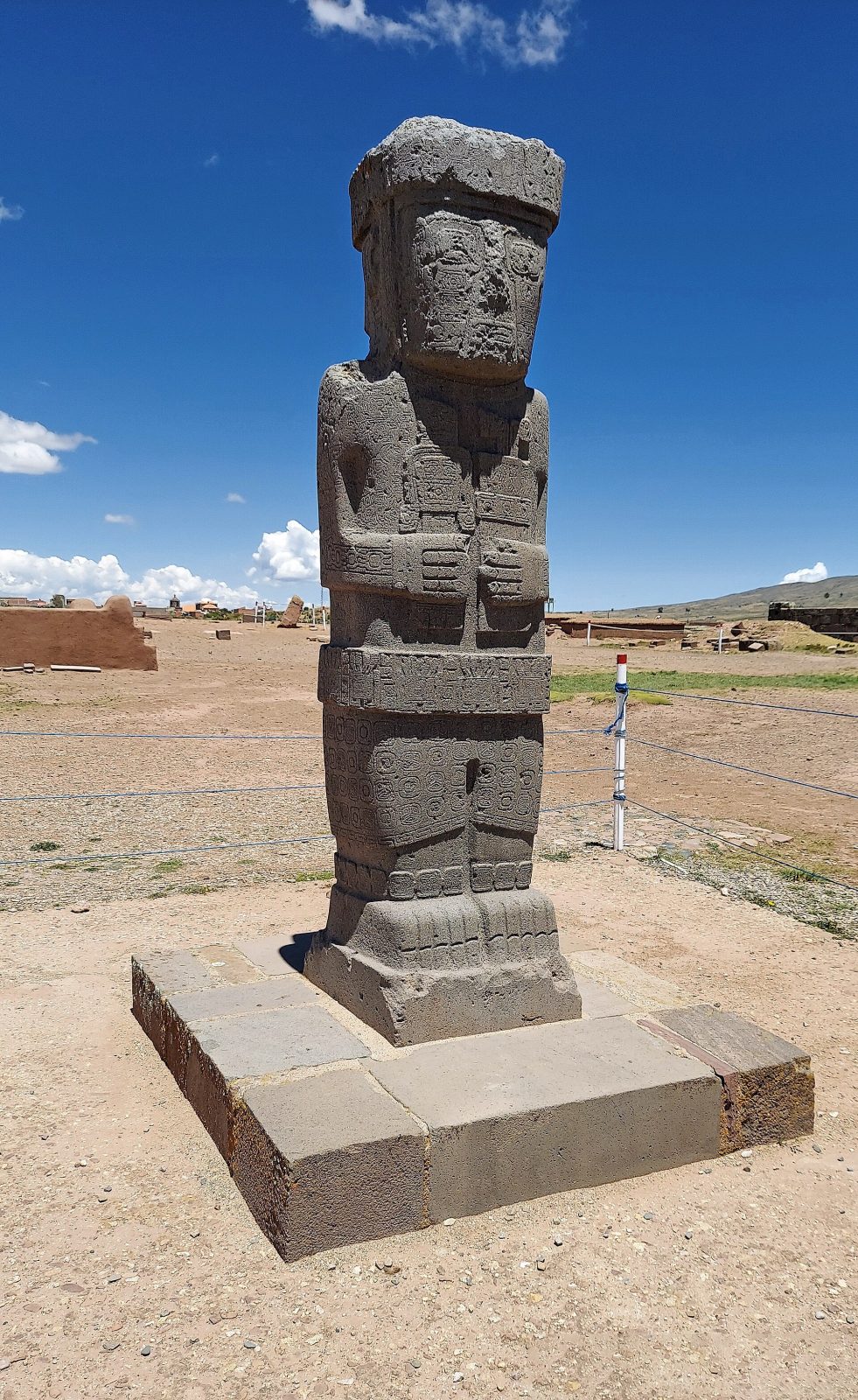
In 1957 Bolivian archaeologist Carlos Ponce Sanginés and his team uncovered a three-metre stone figure lying on its side inside the Kalasasaya at Tiwanaku, near Lake Titicaca. Carved between about AD 500 and 1100, it is the best-preserved complete sculpture of the Tiwanaku culture.

FF 451

Made in the early 6th century AD, buried in 525 · found 1971

King Muryeong's gold earrings

South Korea · Jewellery

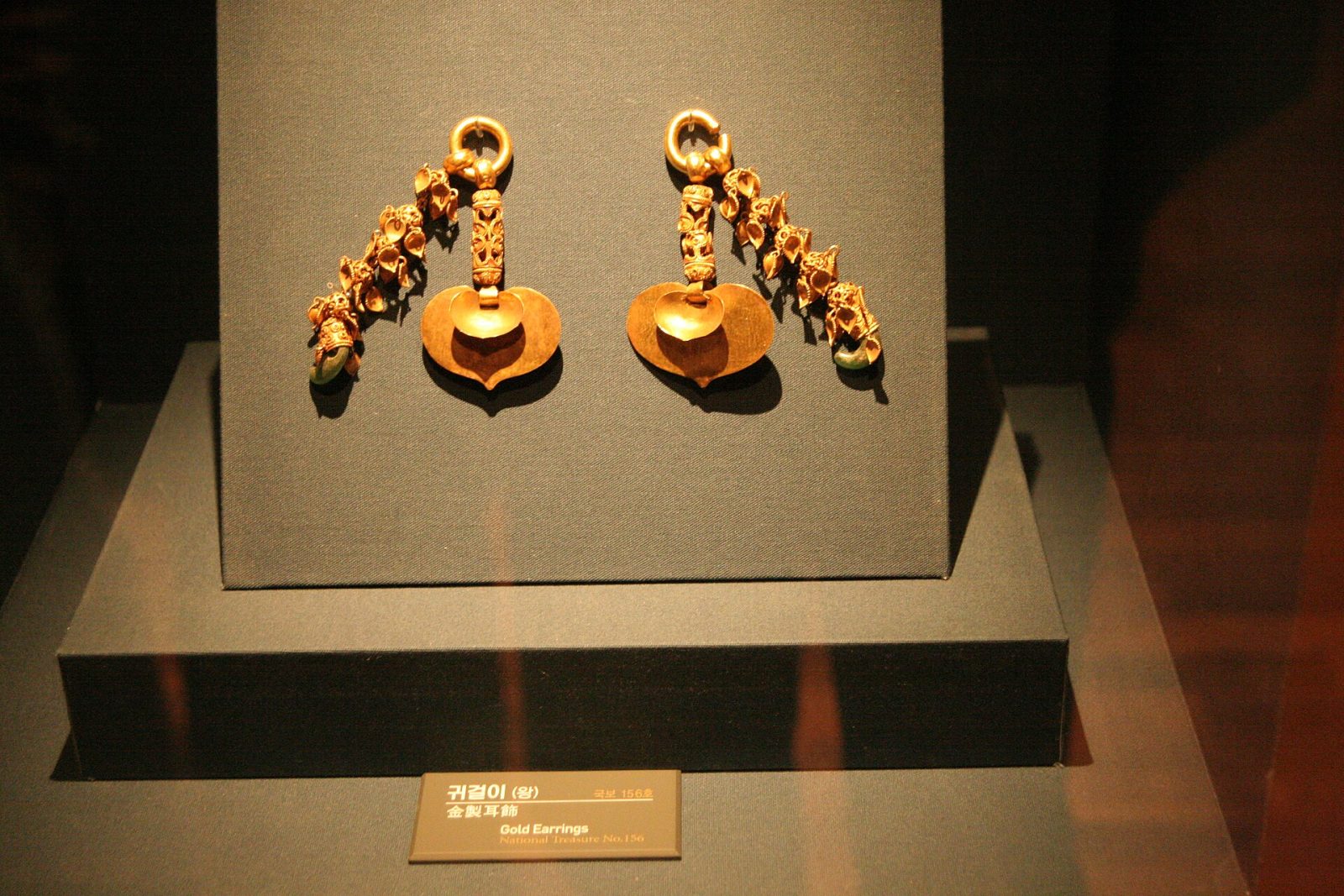
On 5 July 1971 workers digging a drain at the Songsan-ri royal tombs in Gongju, South Korea, struck the brick arch of an unknown, unlooted tomb. It was King Muryeong's, buried in 525. Among some 4,600 objects were his near-pure gold earrings.

FF 272

Late Aksumite, about AD 540 to 645 (tentative)

Beta Samati ring

Ethiopia · Jewellery

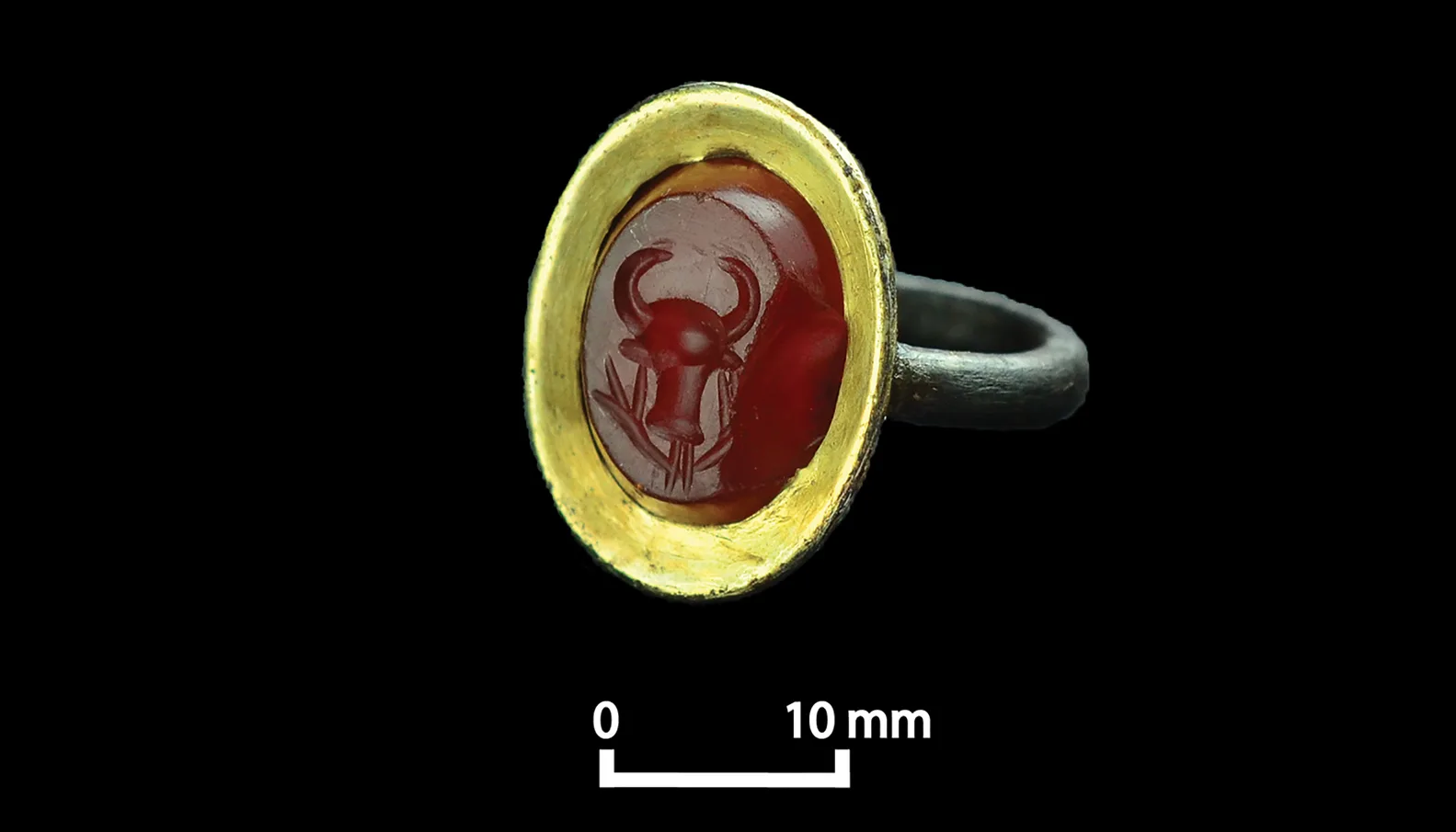
Excavating a hill in northern Ethiopia that local villagers pointed out to them, archaeologists found a lost town of the kingdom of Aksum, a 4th-century church, and buried beneath its floor, a ring set with a carnelian carved with a bull's head.

FF 422

Buried in the second half of the 6th century · found 1959

Ring of Queen Aregund

France · Jewellery

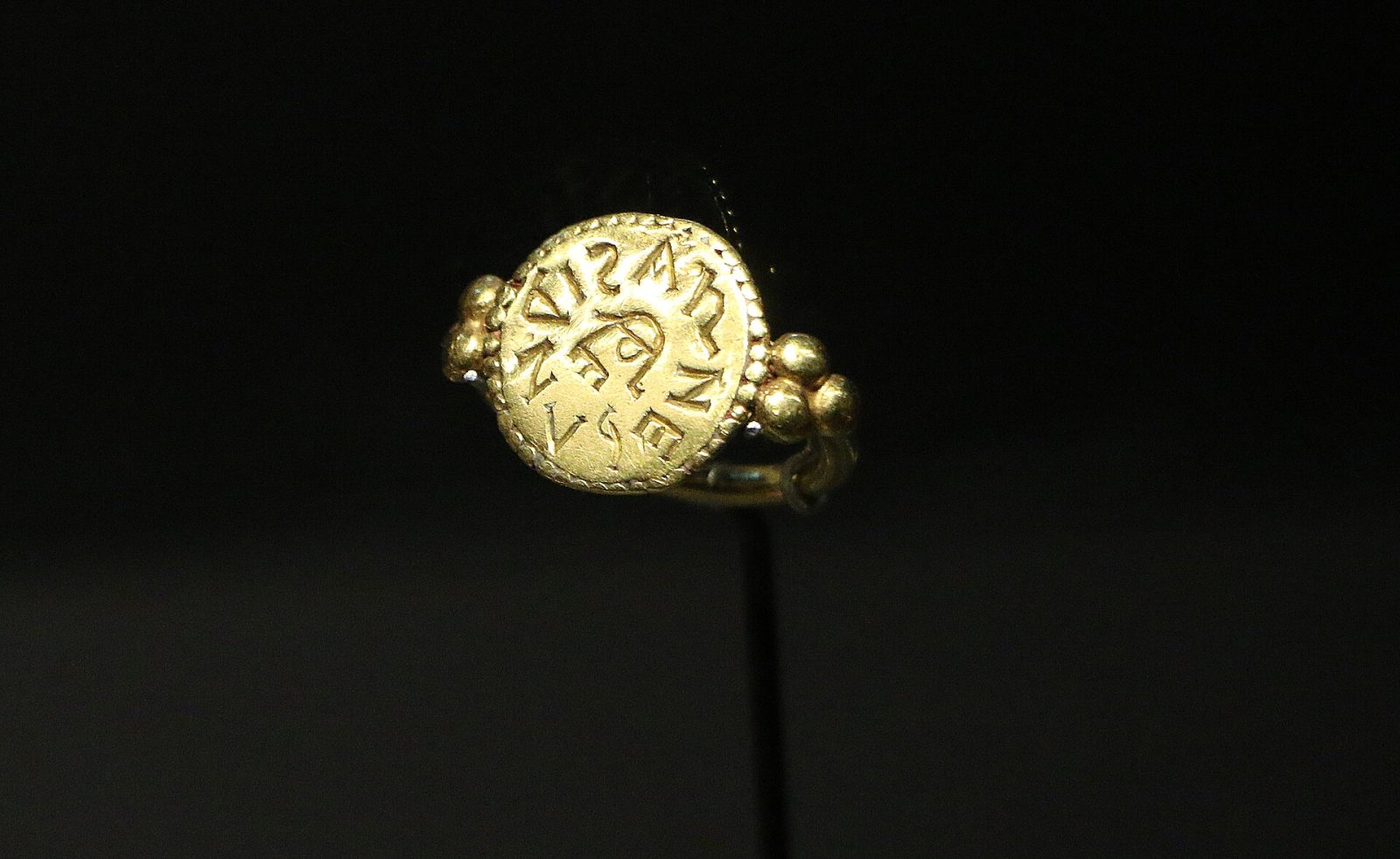
In 1959 archaeologist Michel Fleury opened a sarcophagus beneath the Basilica of Saint-Denis near Paris and found a richly dressed woman wearing a gold ring inscribed ARNEGUNDIS and REGINE. It identified her as Aregund, a 6th-century Frankish queen.

FF 184

Late 6th or early 7th century AD · found 1771

Kingston Brooch

England · Jewellery

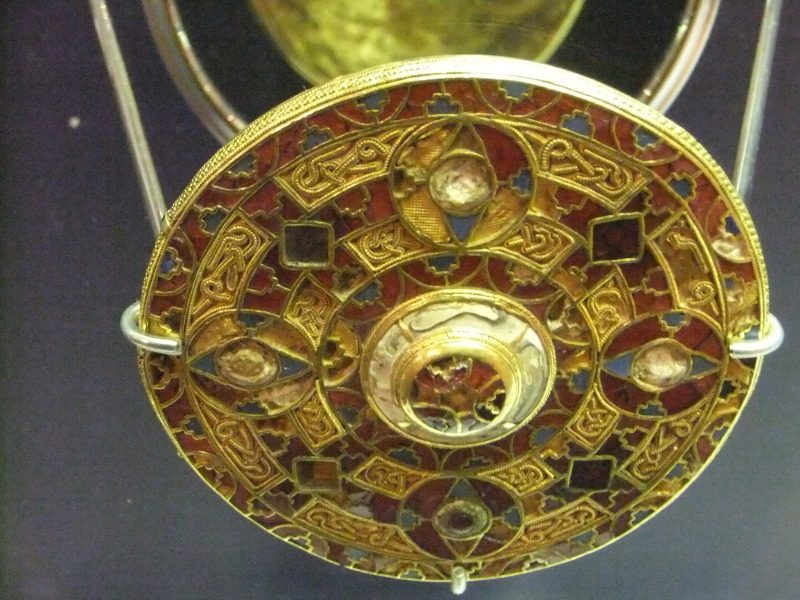
On 5 August 1771 the antiquarian Bryan Faussett's excavations on Kingston Down in Kent opened the grave of a woman buried with the largest and finest Anglo-Saxon gold brooch ever found, set with garnets, blue glass and shell.

FF 412

Made in the late 6th or early 7th century · found 1953

Wijnaldum fibula

Netherlands · Jewellery

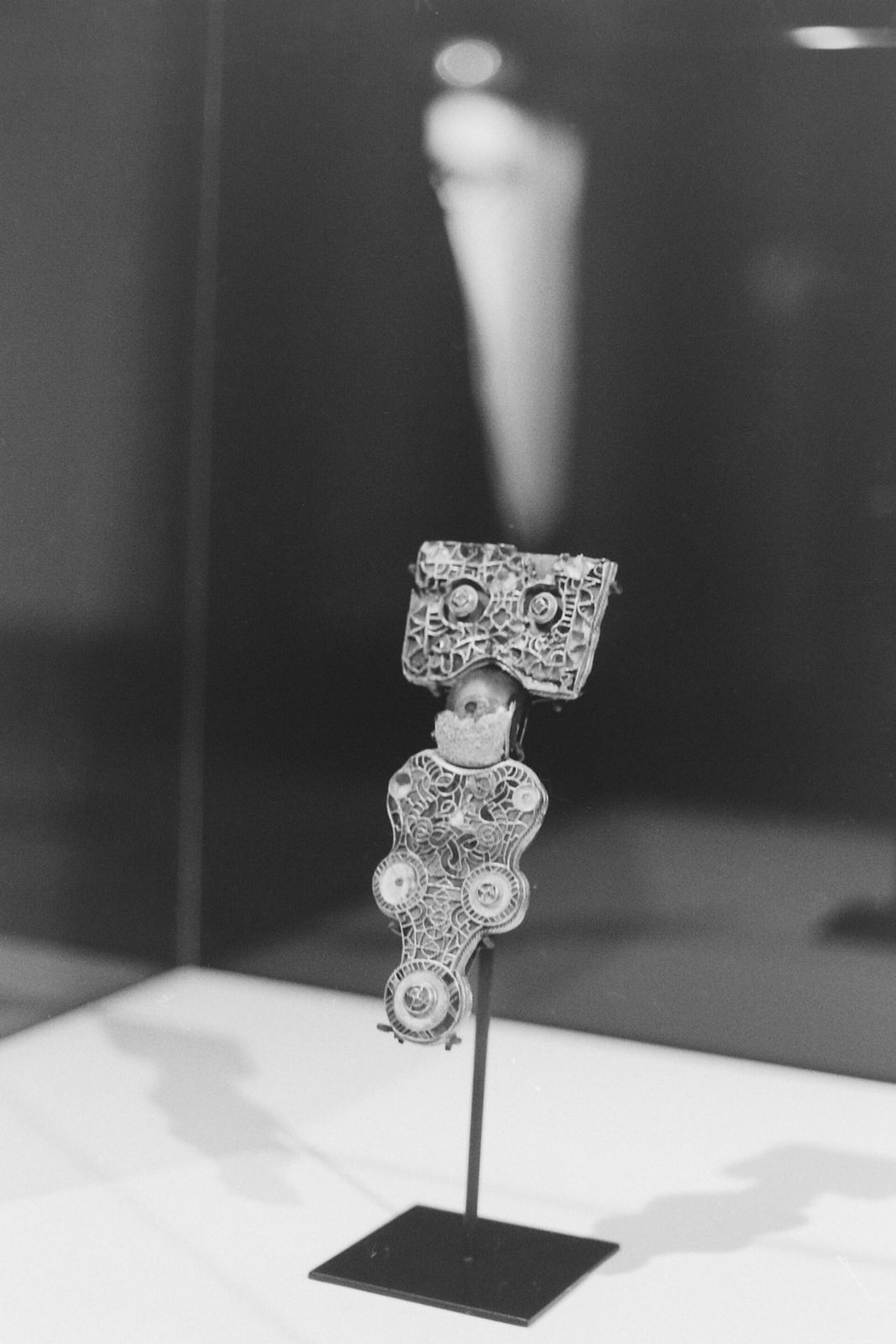
In 1953 a farmhand digging a drainage trench on a terp mound at Wijnaldum in Friesland turned up part of a great gold and garnet brooch. Detectorists and excavators found more fragments over the next forty years. It is the largest early medieval inlaid jewel found in the Netherlands.

FF 536

Buried about AD 600 to 650 · found 1968

Altun Ha jade head, Belize

Belize · Jewellery

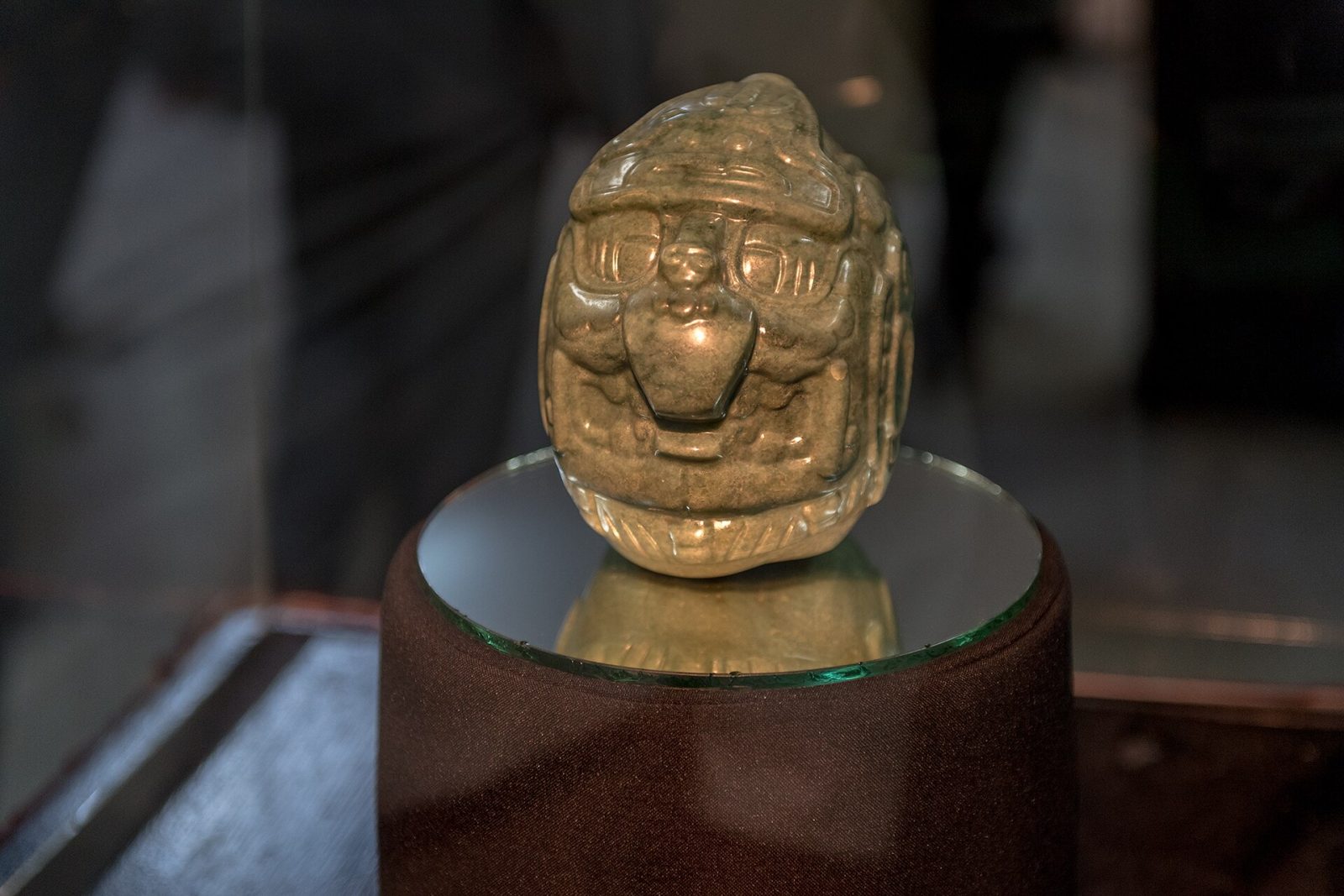
In 1968 the Royal Ontario Museum team excavating the Maya city of Altun Ha in Belize opened the earliest of seven royal tombs in a temple. On the dead ruler's right wrist lay a carved jade head of the sun god weighing 4.42 kg, now Belize's national symbol.

FF 503

Made about AD 600

Ballinderry Brooch

Ireland · Jewellery

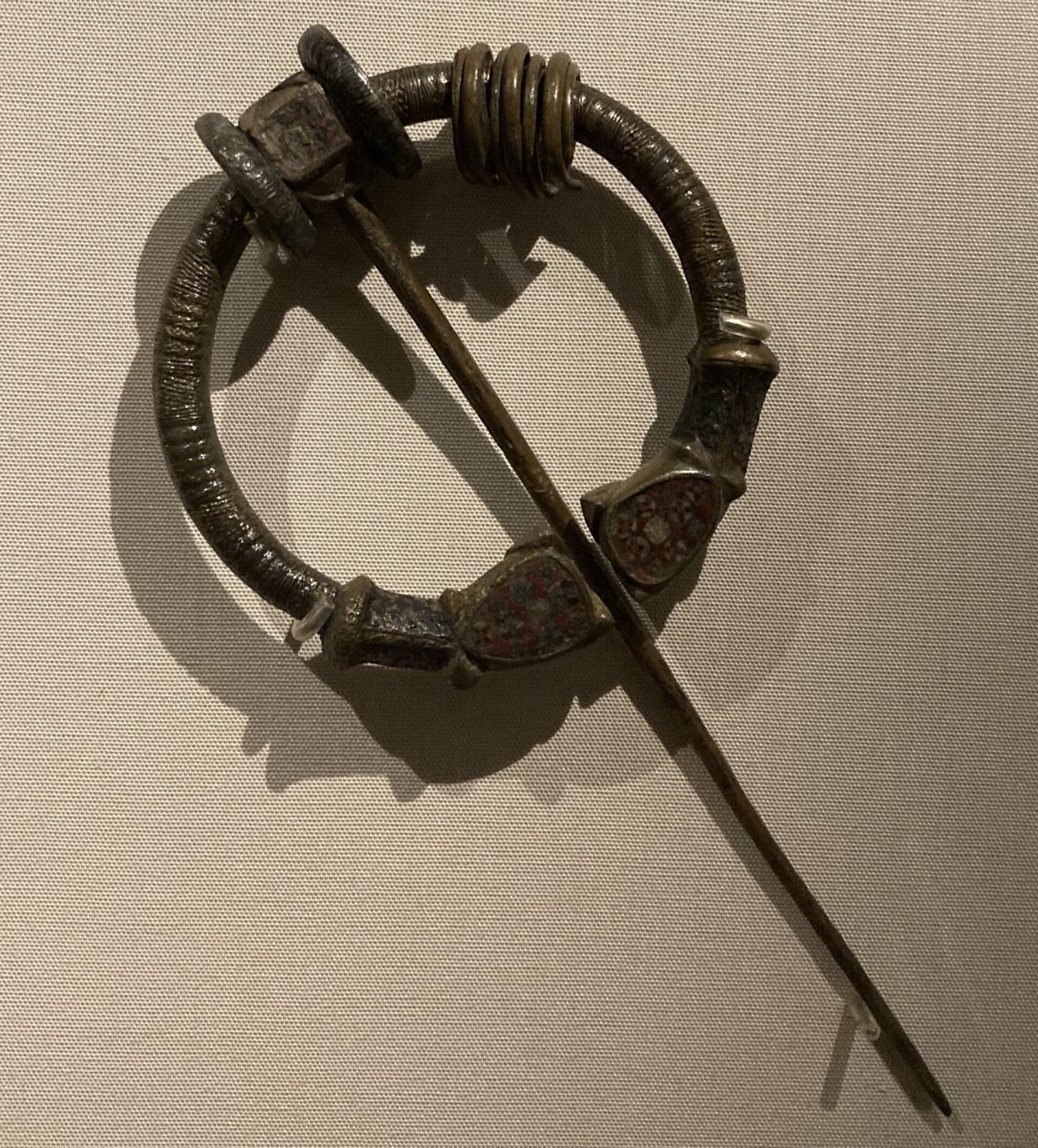
In the 1930s a Harvard expedition excavating a crannog, an artificial island dwelling, on Ballinderry Lough in County Offaly found a bronze brooch beneath a timber floor. Made around AD 600, it is the most elaborate brooch of its kind ever found in Ireland.

FF 113

Made in the 7th century AD · found 1858

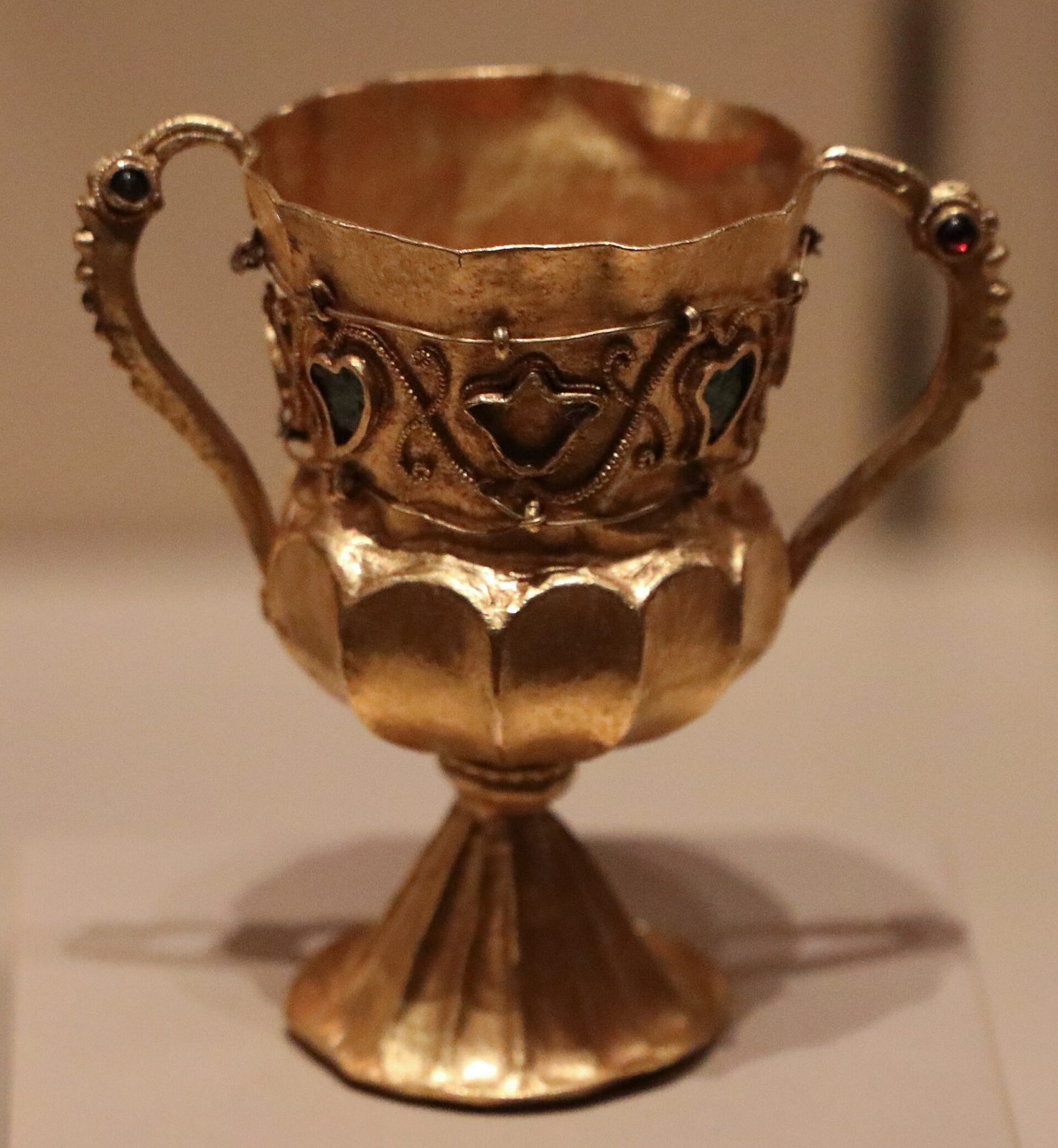
Treasure of Guarrazar

Spain · Hoards

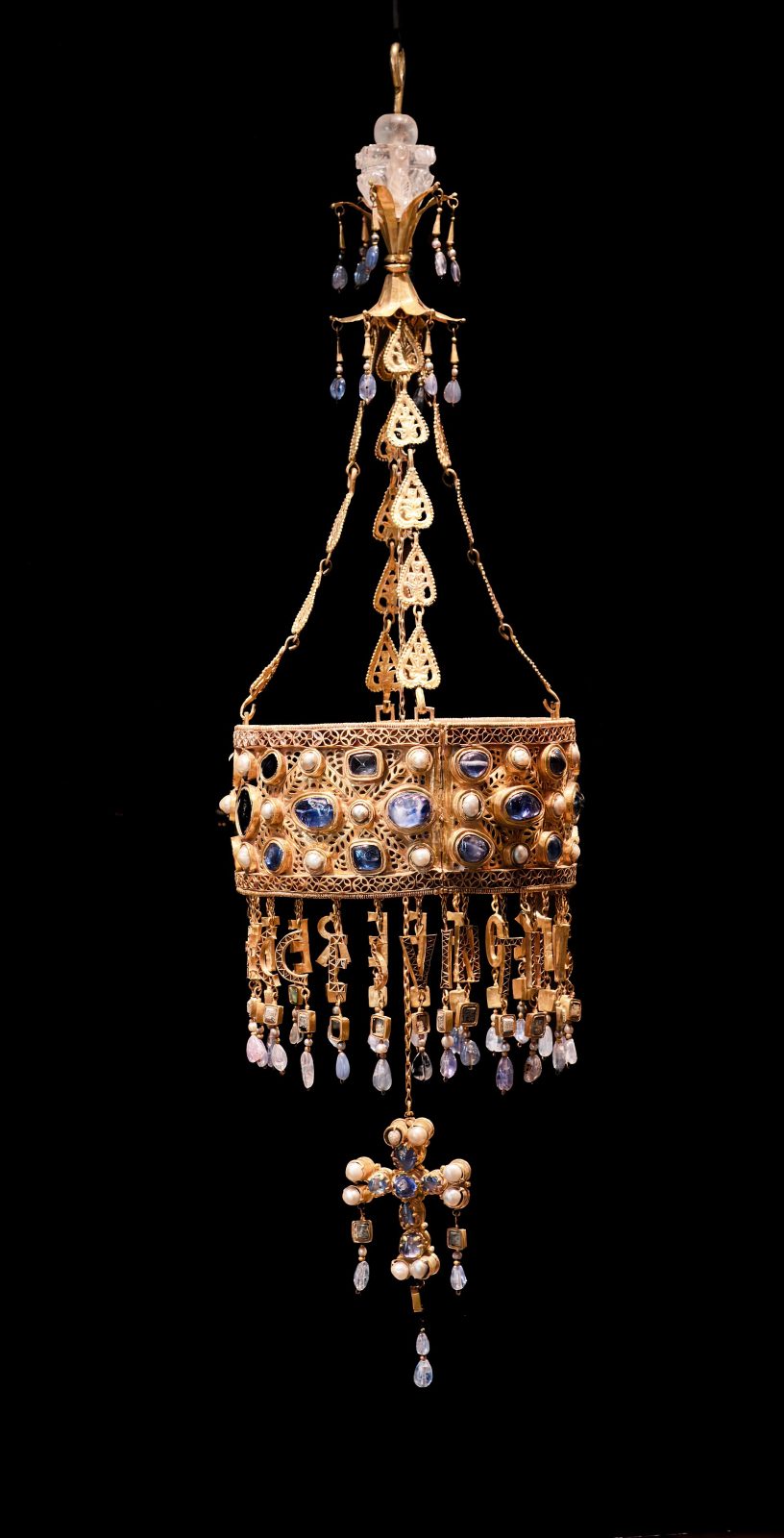
In 1858 gold was spotted in a pit beside a spring near Toledo in Spain. It was the treasure of the Visigothic kings: jewelled votive crowns and crosses, one of which spells out the name of King Reccesuinth.

FF 142

Made in the 7th century AD (about 650) · found 1848

Benty Grange Helmet

England · Weapons

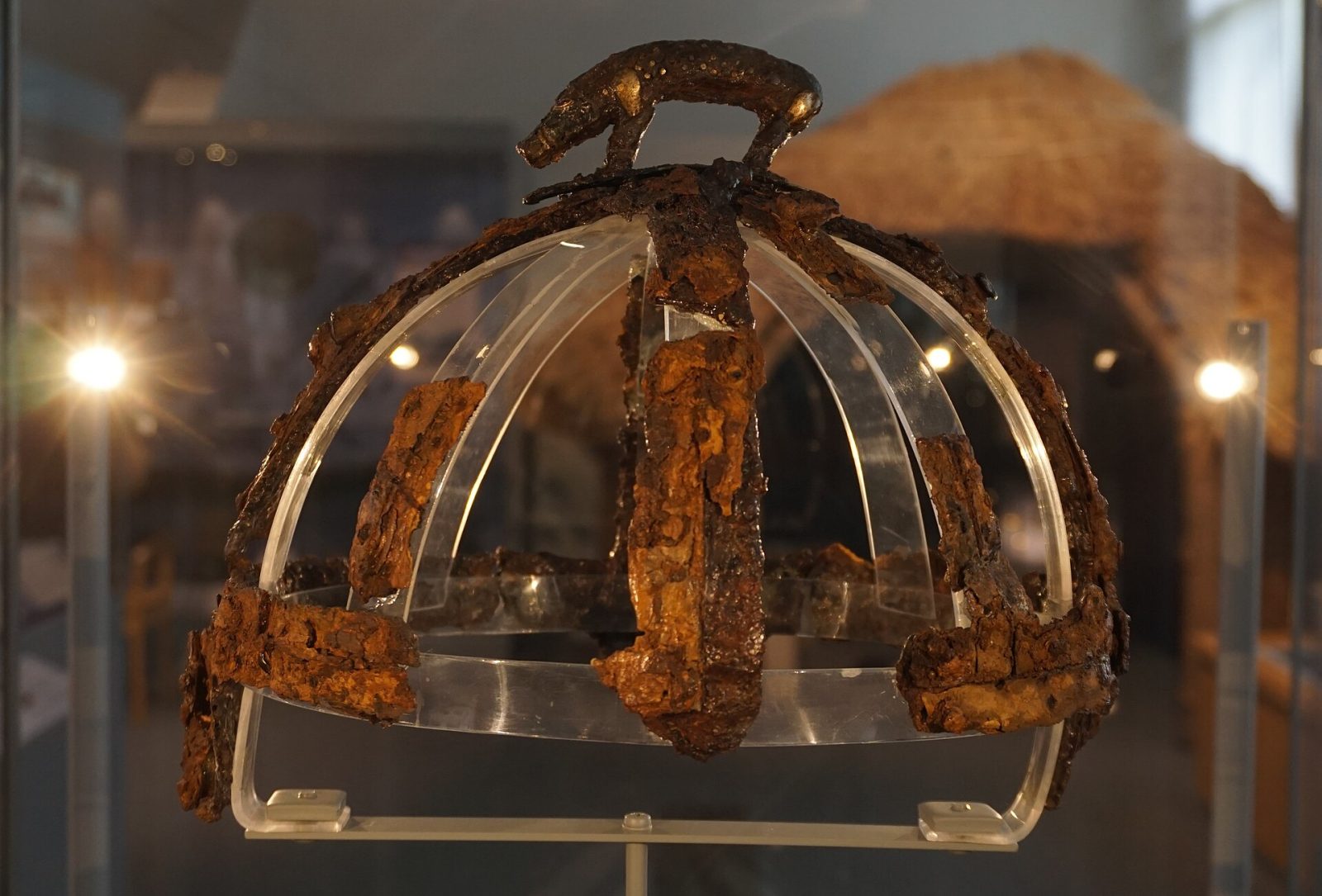
In 1848 the antiquary Thomas Bateman opened a burial mound on a Derbyshire farm and found the first Anglo-Saxon helmet ever discovered, topped with a bronze boar and bearing a silver Christian cross.

FF 146

Made in the 7th to 9th centuries AD · found 1799

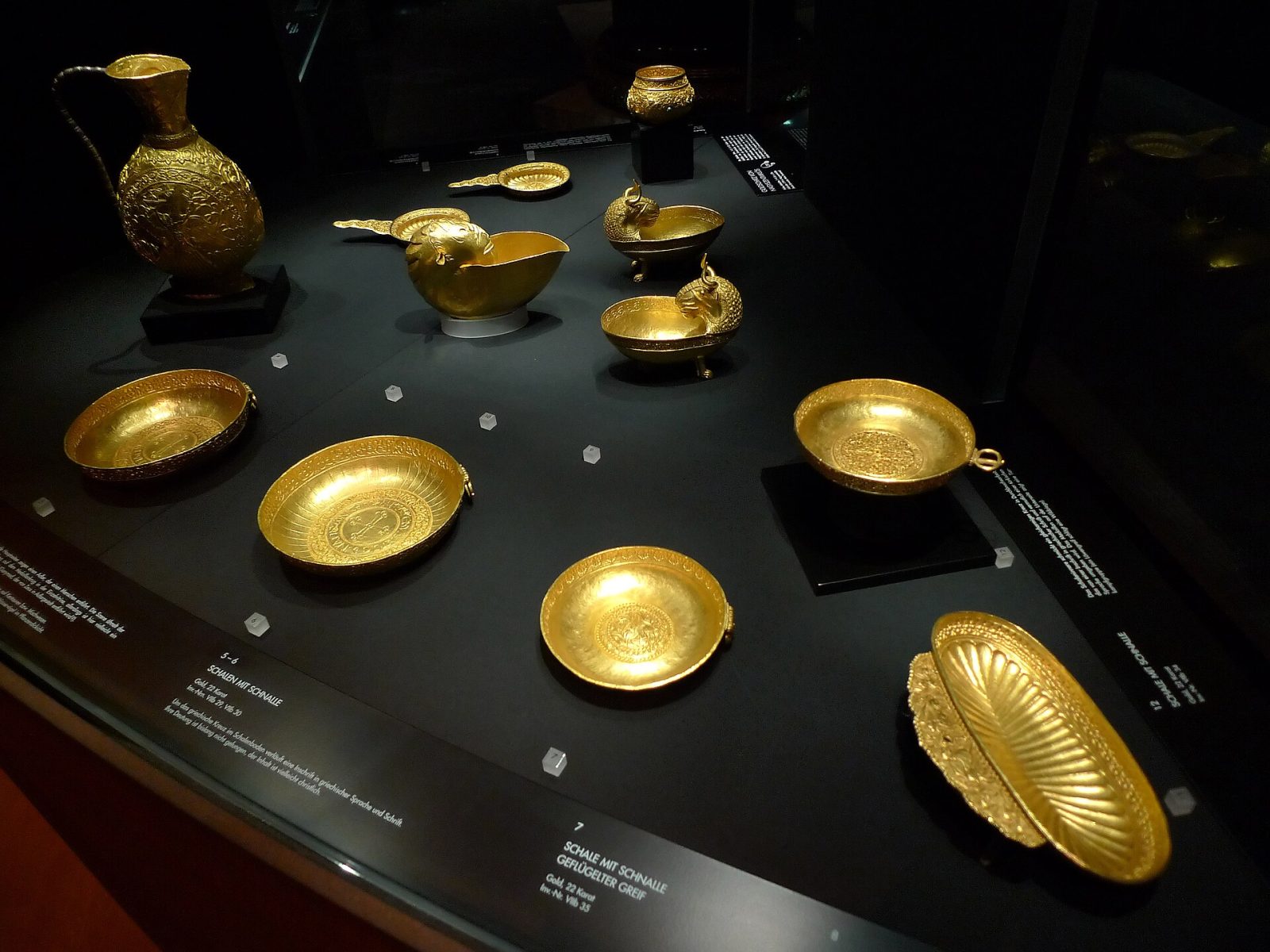
Nagyszentmiklós Treasure

Romania · Hoards

In 1799 a farm worker near Nagyszentmiklós, now Sânnicolau Mare in Romania, dug up 23 gold vessels weighing about 10 kilograms. It is the largest known gold treasure of the early Middle Ages, and who made it is still argued over.

FF 202

Buried about AD 620 to 640 · found 1883

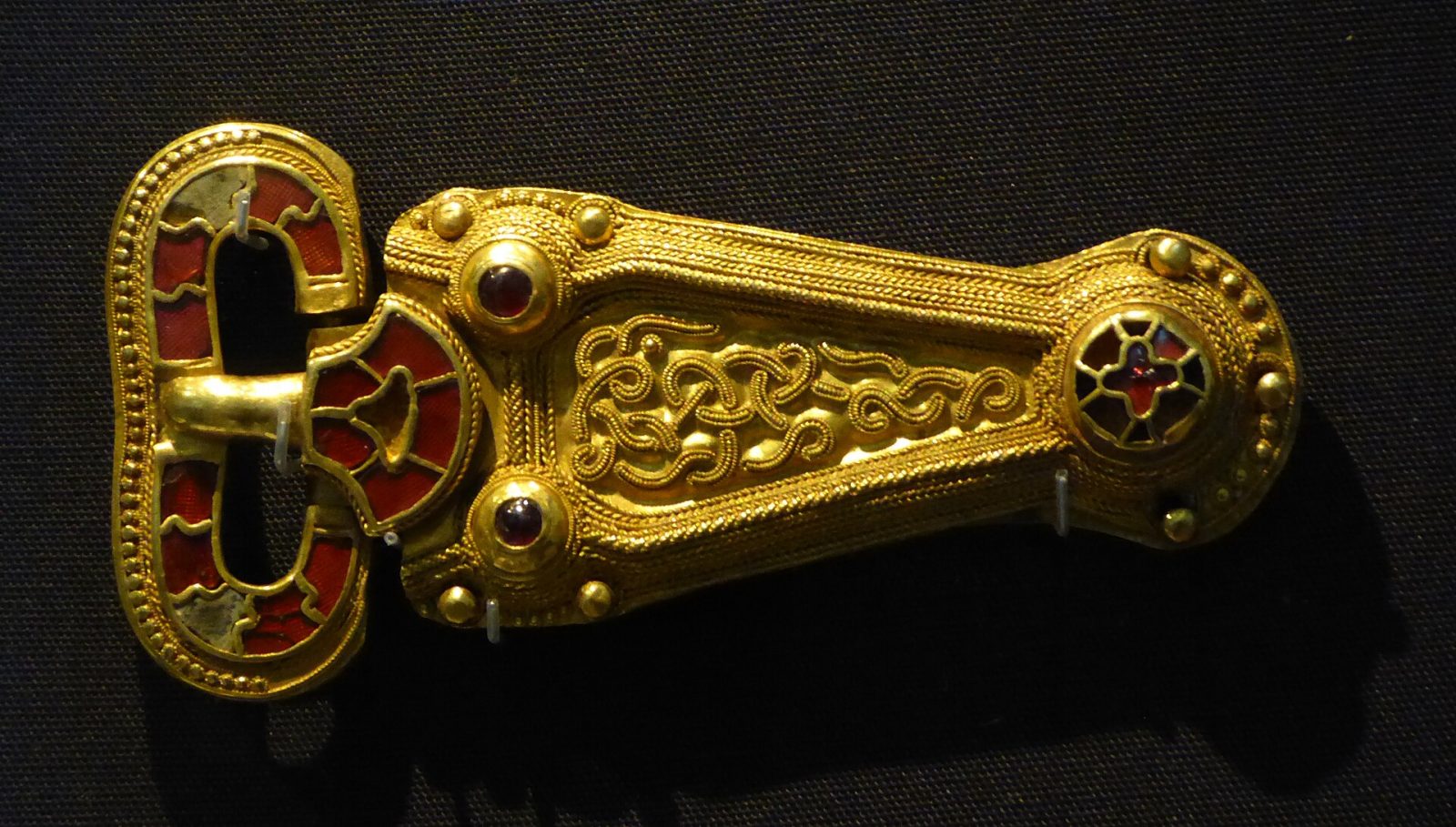
Taplow Burial

England · Artefacts

In October 1883 Victorian antiquarians tunnelled into a great mound in Taplow churchyard, under an ancient yew. They found an Anglo-Saxon warrior buried with weapons, drinking horns, a lyre and a gold buckle: the richest Anglo-Saxon burial known until Sutton Hoo.

FF 411

Made about AD 600, buried about 650 · found 1881

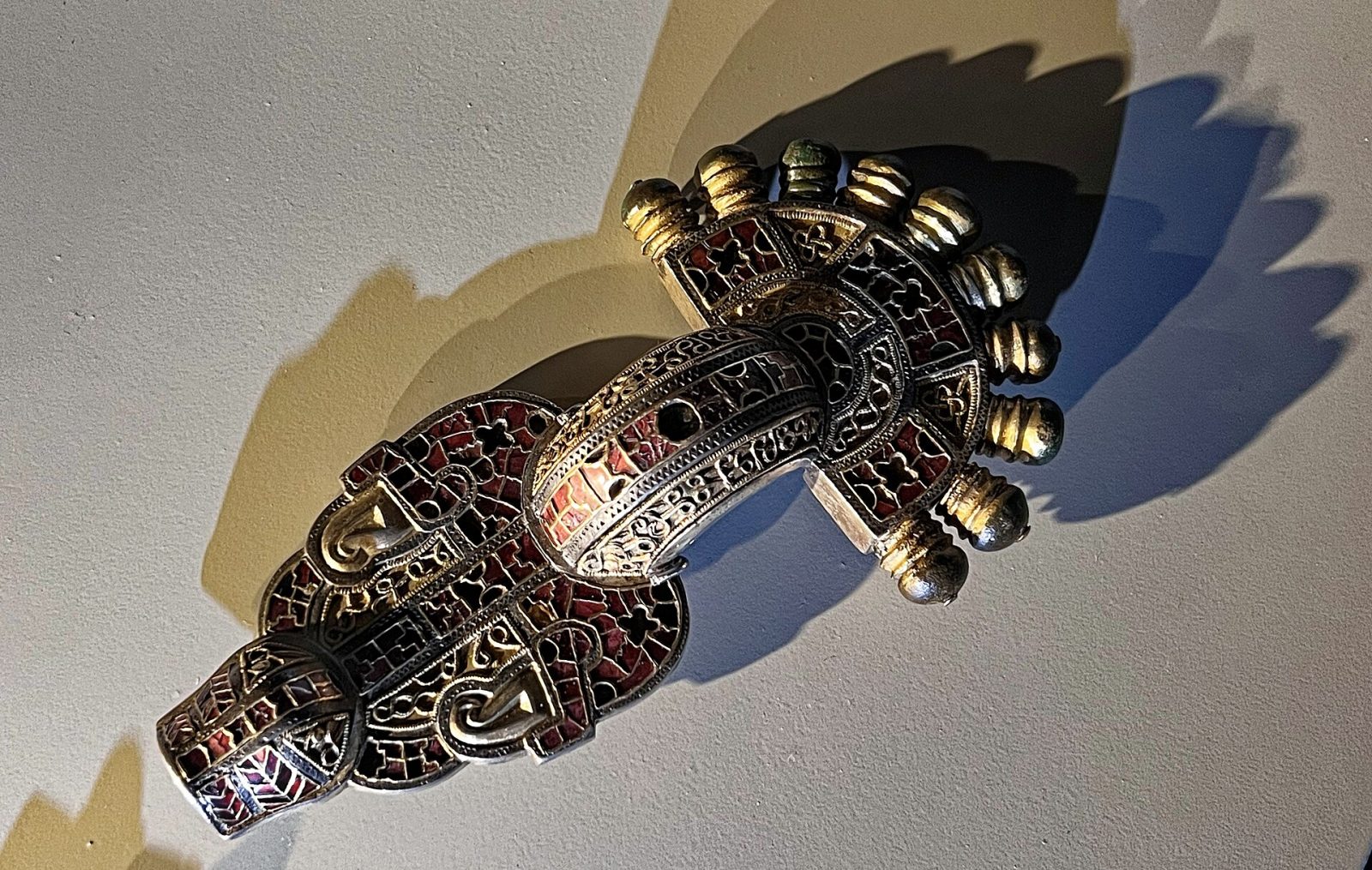
Wittislingen Brooch

Germany · Jewellery

In November 1881 two quarrymen breaking stone at Wittislingen in Bavaria broke into a rich early medieval grave. Its great silver-gilt and garnet brooch, inscribed with a woman's epitaph and its maker's name, is one of the treasures of Munich's archaeology museum.
FF 483

Made in the 7th century AD · found 1856

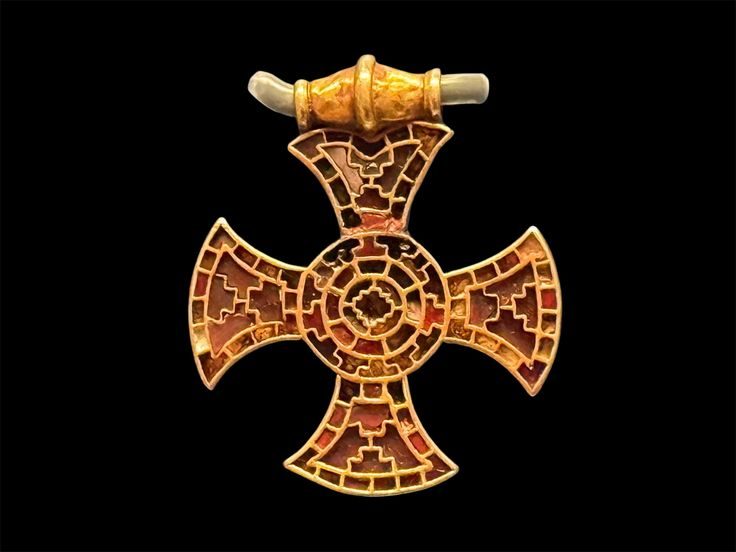
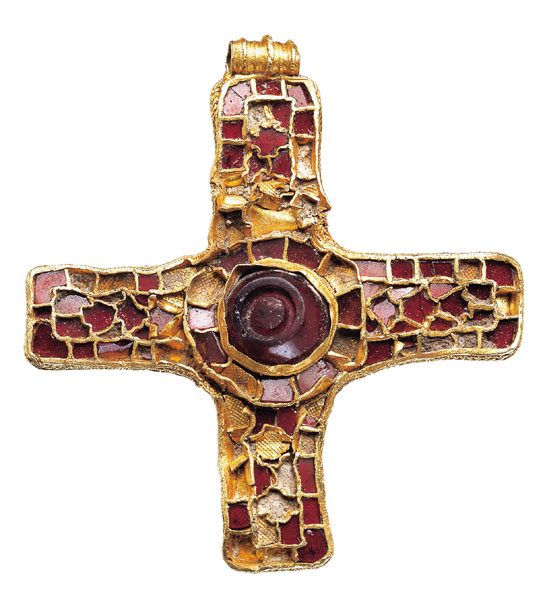
Ixworth Cross

England · Jewellery

In February 1856 a man digging gravel at Stanton, near Ixworth in Suffolk, found a gold cross set with garnets, a gold brooch and iron fittings where a body had decayed away. It is one of only five Anglo-Saxon gold and garnet crosses known.

FF 540

Made between the 7th and 12th centuries AD · found 1936

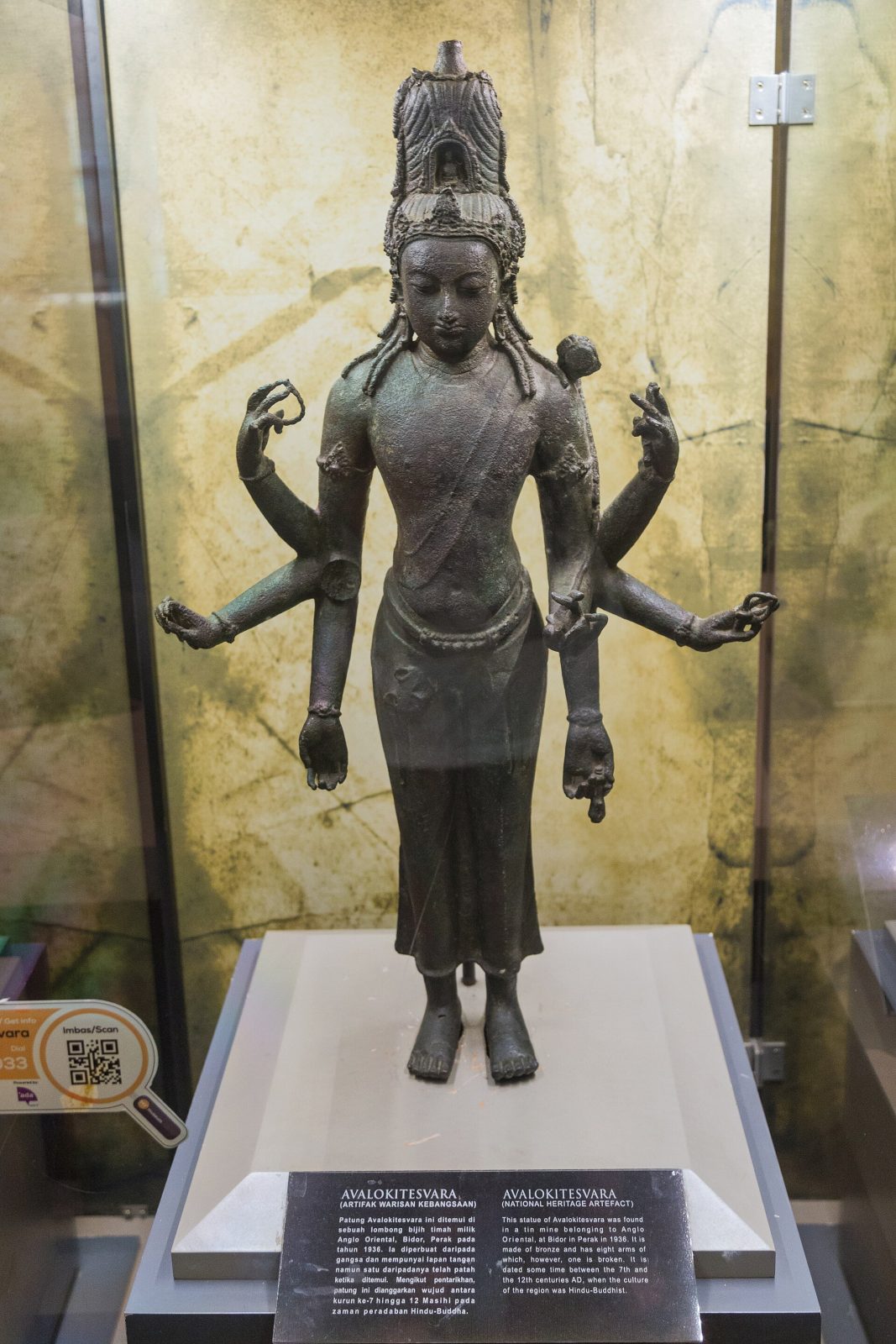
Bidor Avalokiteshvara

Malaysia · Artefacts

In 1936 miners working a tin mine at Bidor in Perak, Malaysia, uncovered a bronze statue of the Buddhist bodhisattva Avalokiteshvara with eight arms, 93 cm tall and weighing 63 kg. Made between the 7th and 12th centuries, it is now in the National Museum in Kuala Lumpur.

FF 543

Byzantine gold, probably hidden before 870 · found 1525

St Helena gold hoard, Malta

Malta · Hoards

In 1525 the young sons of two Maltese farmers found about 1,300 Byzantine gold coins, which islanders called the money of St Helena. A goldsmith, a judge, friars and a merchant scrambled for a share, until the King claimed it all. Nothing is known to survive.

FF 551

Late Classic Maya, about AD 600-800 · found 1947

Nebaj jade plaque

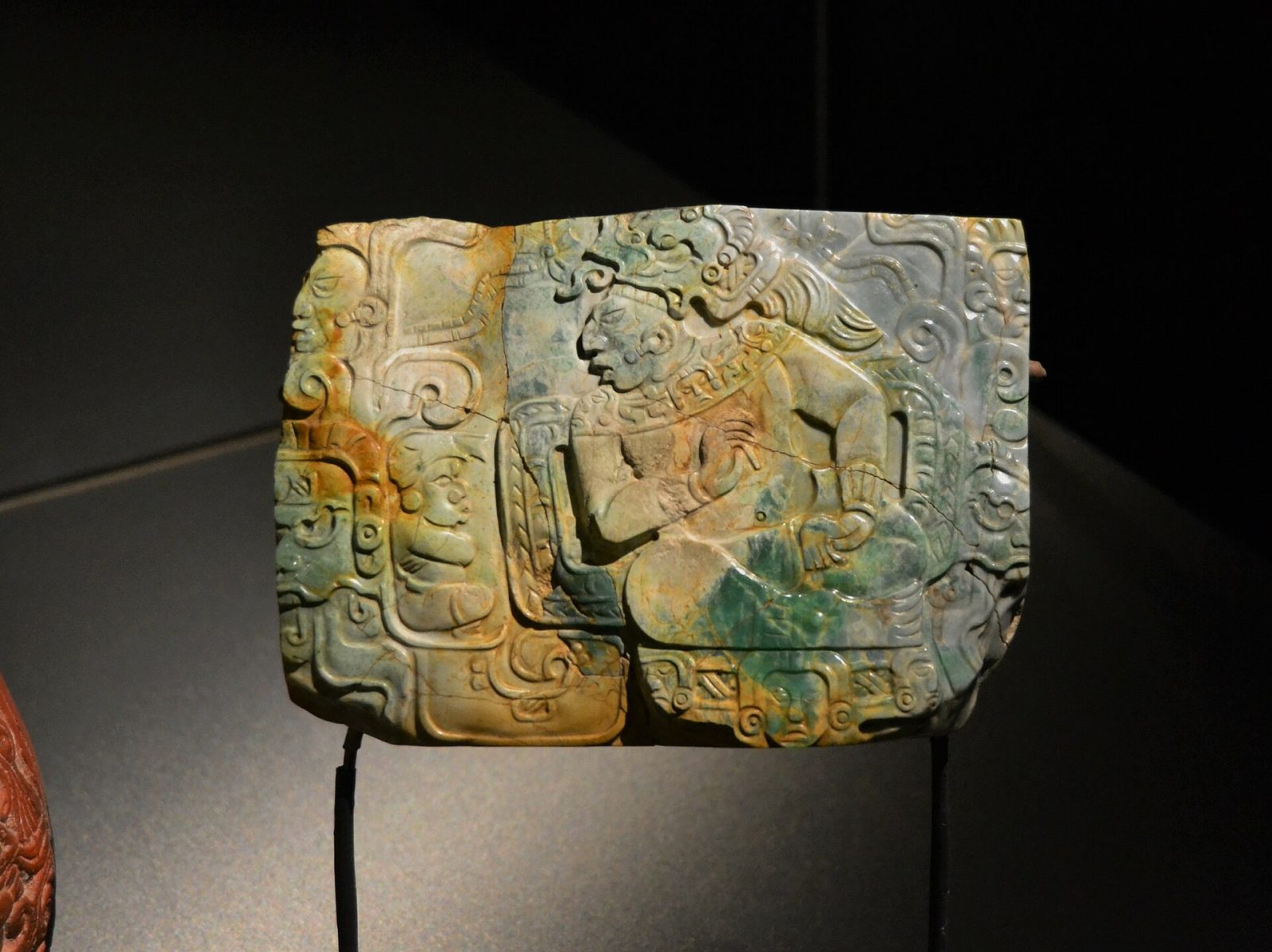
Guatemala · Jewellery

In 1947 a Carnegie Institution team led by A. Ledyard Smith, digging a deep pit into a mound at Nebaj in Guatemala's highlands, found a carved jade breast plaque showing a seated Maya ruler. It is now held by the national archaeology museum in Guatemala City.

FF 80

Buried about 610 to 635 · found 1939

Sutton Hoo ship burial

England · Artefacts

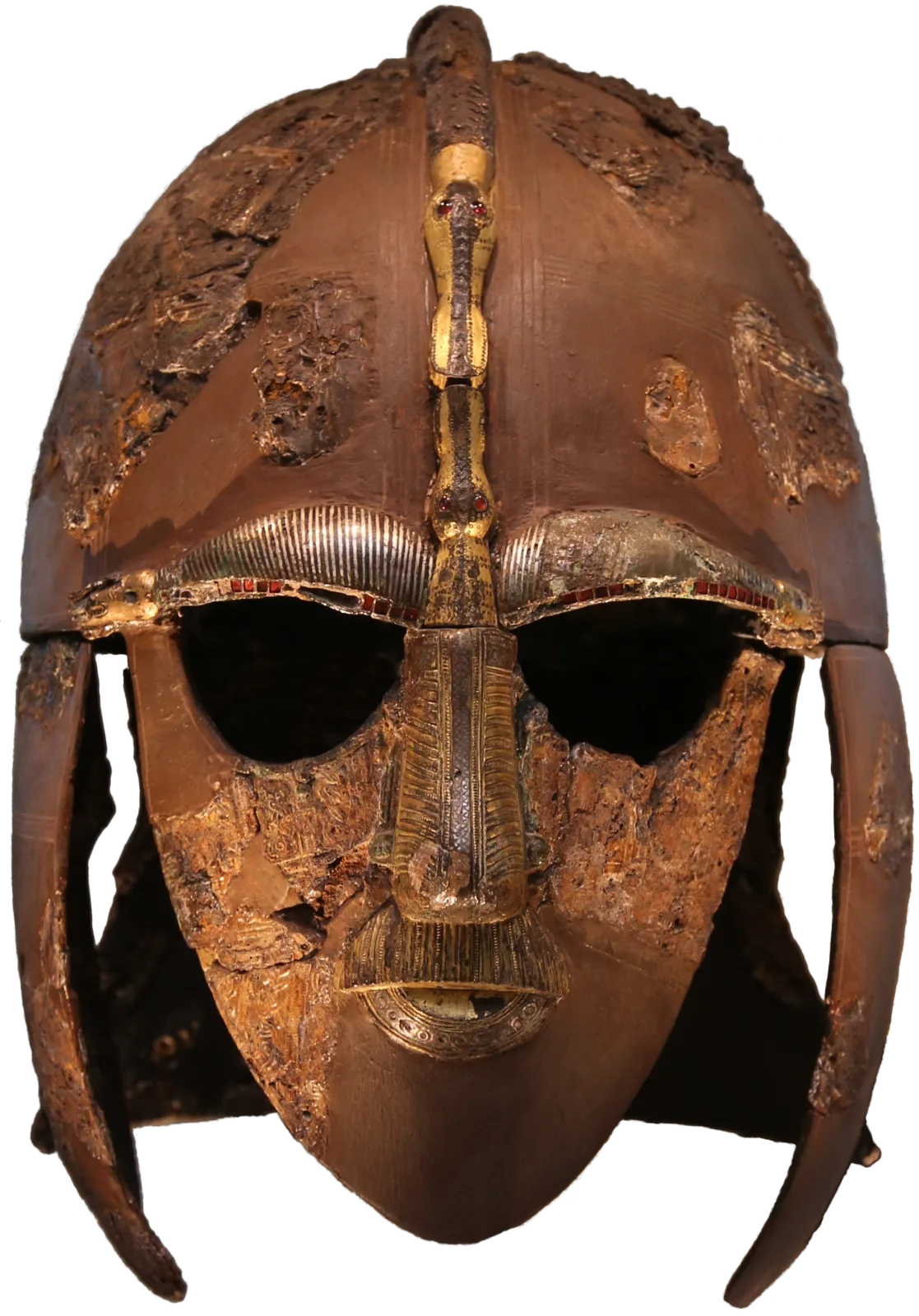
In 1939 a self-taught archaeologist uncovered the outline of a 27-metre ship under a Suffolk burial mound, and inside it the richest Anglo-Saxon burial ever found: a helmet, gold and garnet fittings and silver from Byzantium.
FF 449

Made in the 7th century AD · found 1990

Harford Farm brooch

England · Jewellery

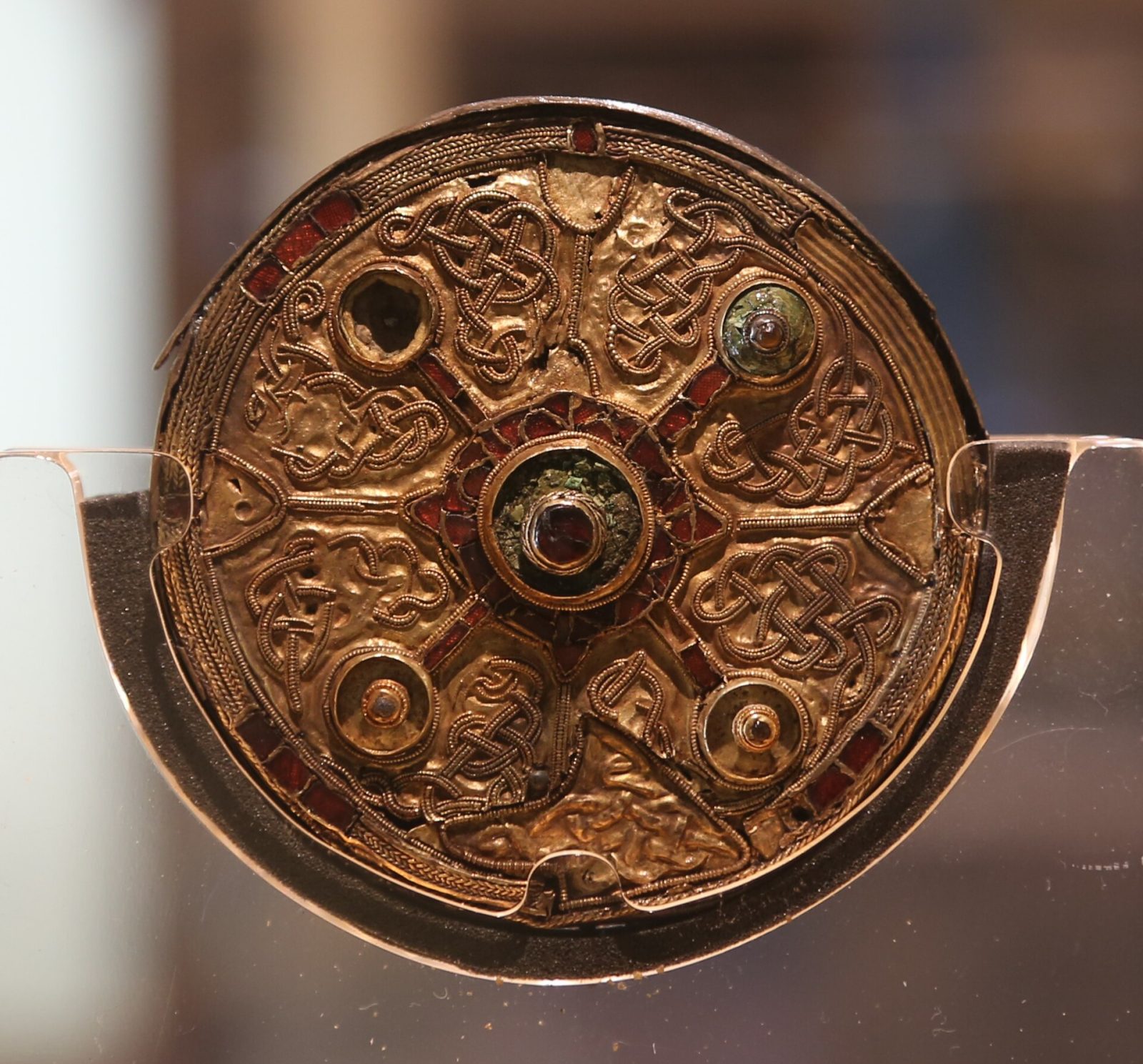
In 1990 archaeologists digging ahead of the Norwich Southern Bypass at Harford Farm, Caistor St Edmund, found an Anglo-Saxon gold and garnet disc brooch in a woman's grave. On its back, in runes, a repairer had signed his work: Luda.
FF 520

Struck at Eliocroca (Lorca), AD 612 to 621 · found 2021

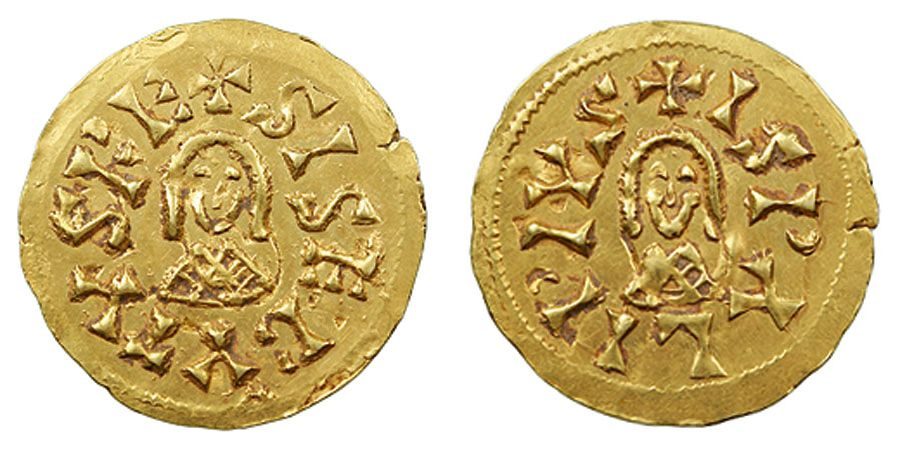
Sisebut gold tremissis, León

Spain · Coins

On 19 October 2021 a resident of León in northern Spain, digging trenches for a porch in his walled garden, found a small gold coin of Sisebut, King of the Visigoths. It came from the mint of Lorca, 600 km away, and carries a spelling of the town's name never seen before.

FF 404

Struck about AD 620 to 660 · found 2015

York gold shilling

England · Coins

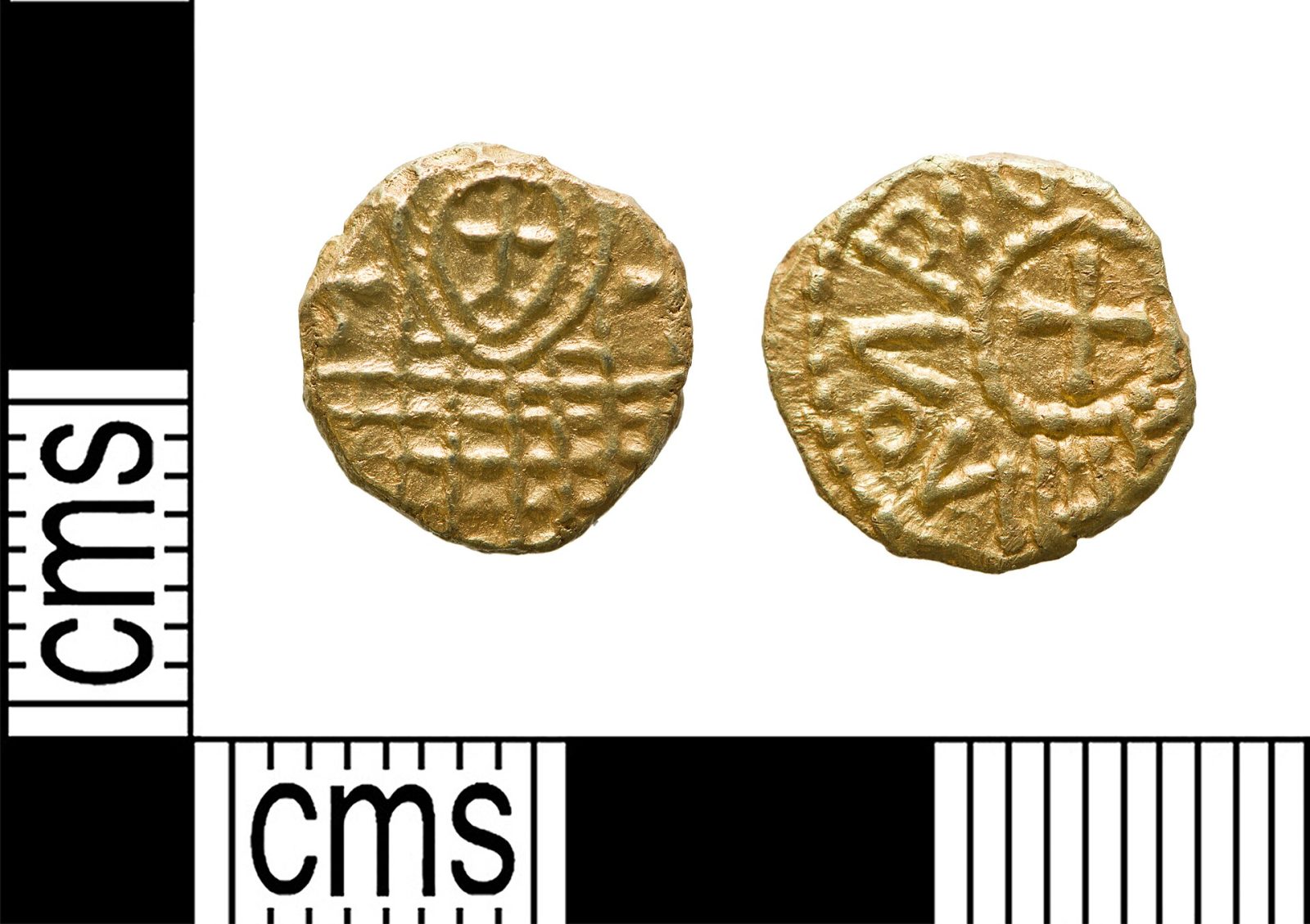
On 1 December 2015 Ian Greig, who had bought his first metal detector a week earlier, found a tiny Anglo-Saxon gold shilling at Fulford on the edge of York. It belongs to the first coinage ever struck in York, and only about nineteen of its type were known.

FF 461

Made about AD 620 to 660

Holderness Cross

England · Jewellery

In the 1960s farmer Ronald Wray saw a gold cross lying in his stack-yard at Burton Pidsea in East Yorkshire, washed clear by rain. Nobody could identify it, and it spent thirty years in a drawer before a museum recognised it as a 7th-century Anglo-Saxon pectoral cross.