Famous finds

The finds every detectorist knows: hoards turned up by ploughs, builders and fellow detectorists, and the treasures that changed what we know about the past. Oldest first, by when they were made or buried. Each one is on the finds timeline too.

507 famous finds, oldest first · page 12 of 13. Jump to: Prehistoric · Bronze Age · Iron Age · Roman · Early Medieval · Medieval · Post-Medieval · Modern

FF 214

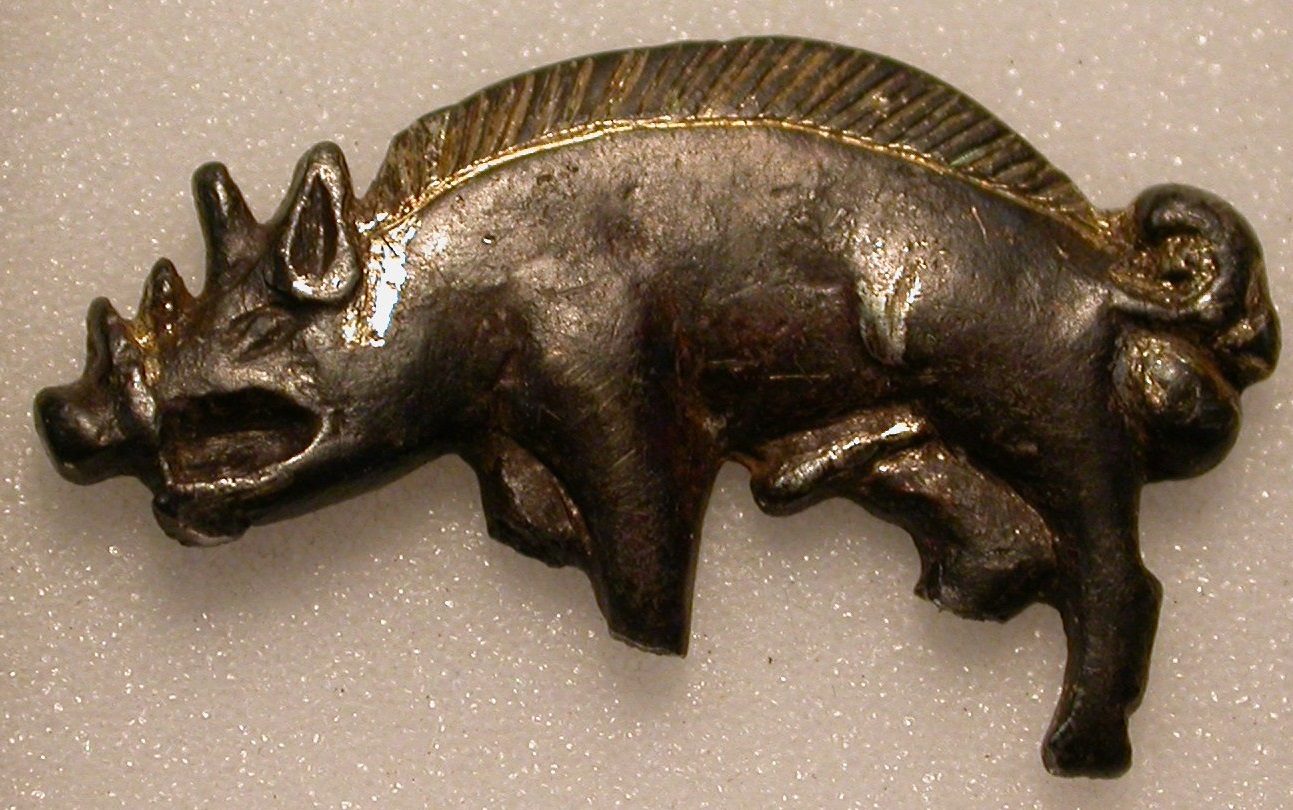
Lost at the Battle of Bosworth, 22 August 1485 · found 2009

Bosworth Boar badge

England · Jewellery

In 2009 a volunteer detectorist on a battlefield survey in Leicestershire found a tiny silver-gilt boar, the badge of Richard III, beside the remains of a medieval marsh. With dozens of cannonballs, it showed that the Battle of Bosworth was fought about three kilometres from where everyone thought.
FF 392

Struck between April and June 1483 · found 2016

Edward V gold angel

England · Coins

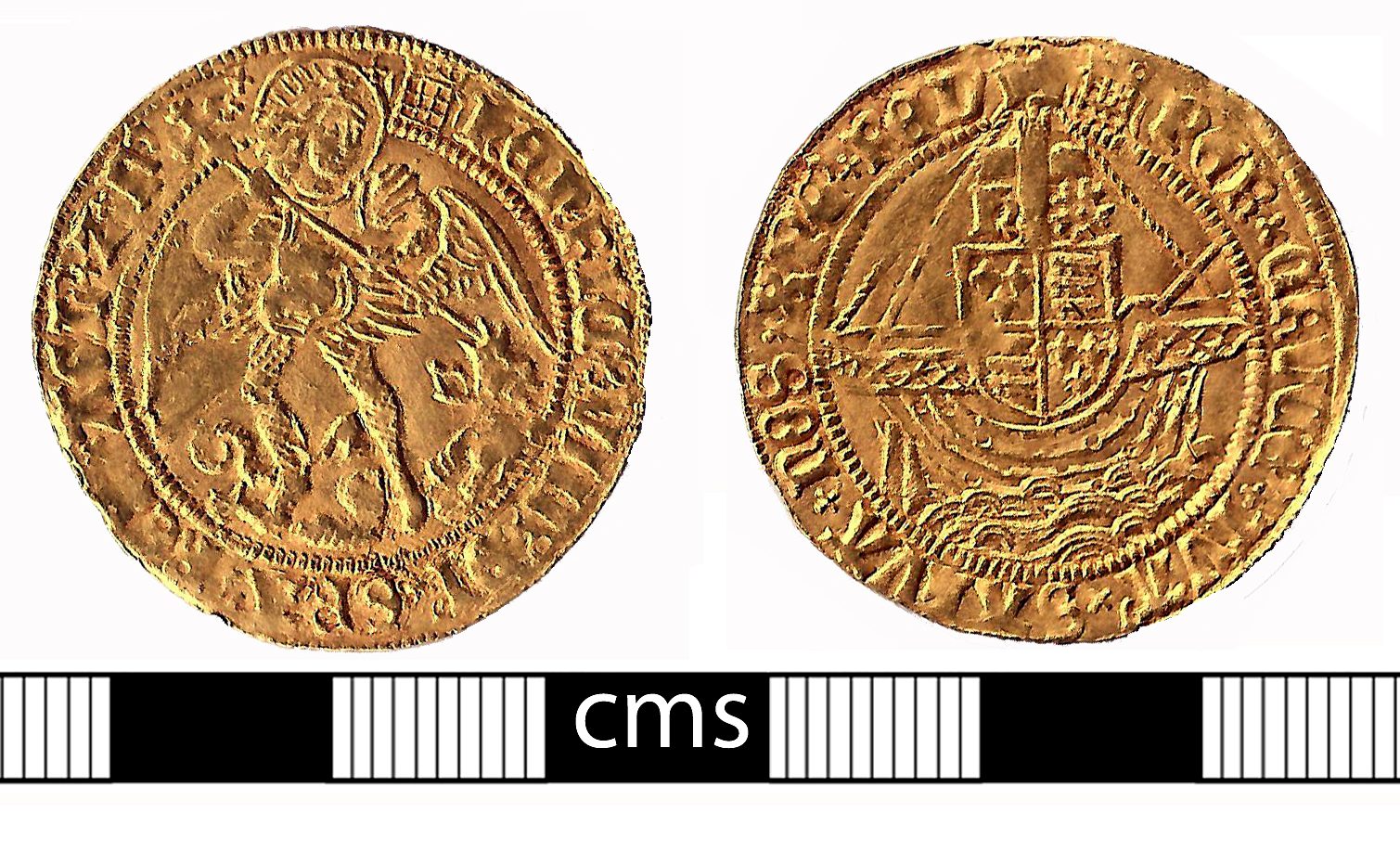
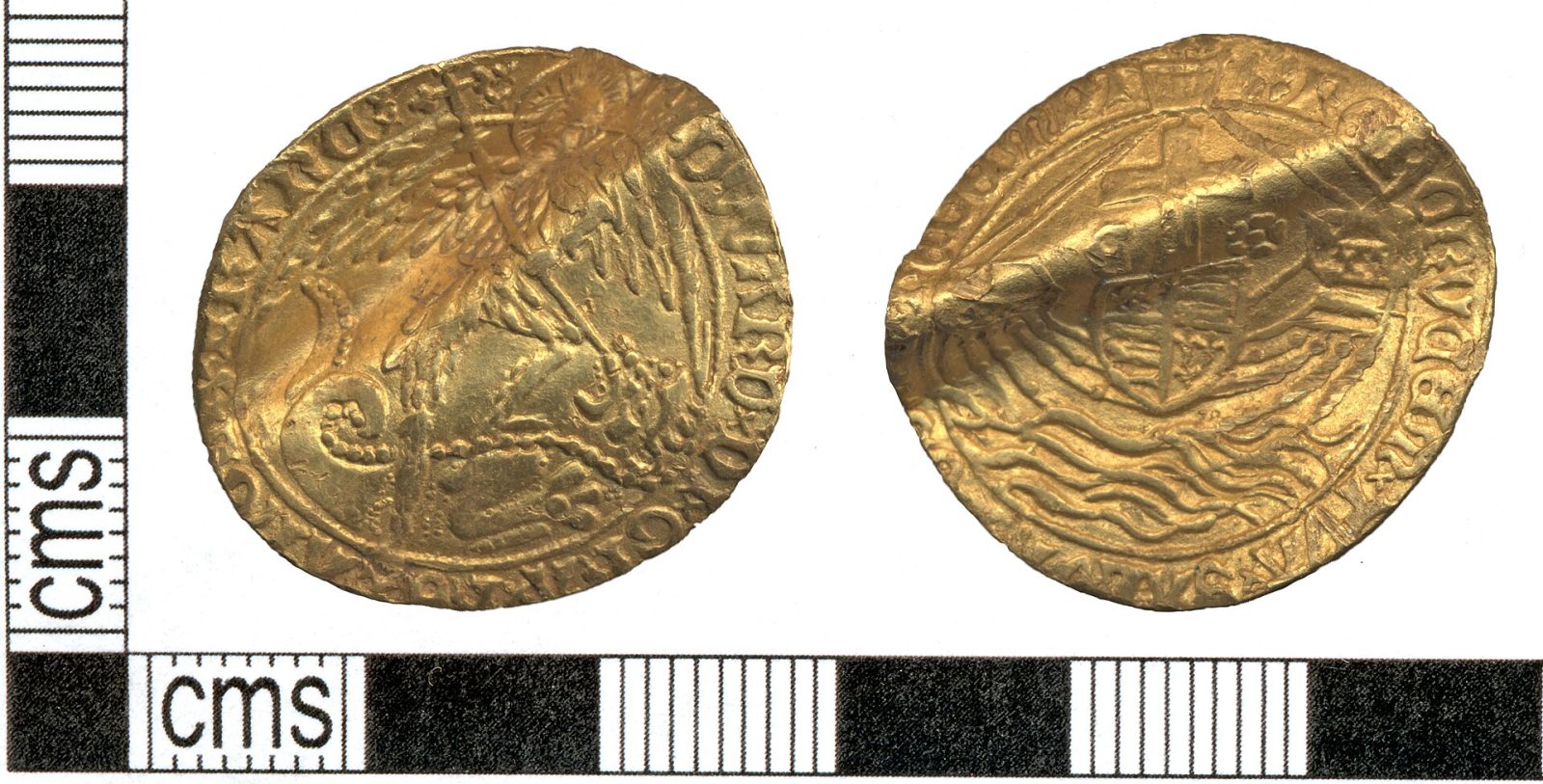
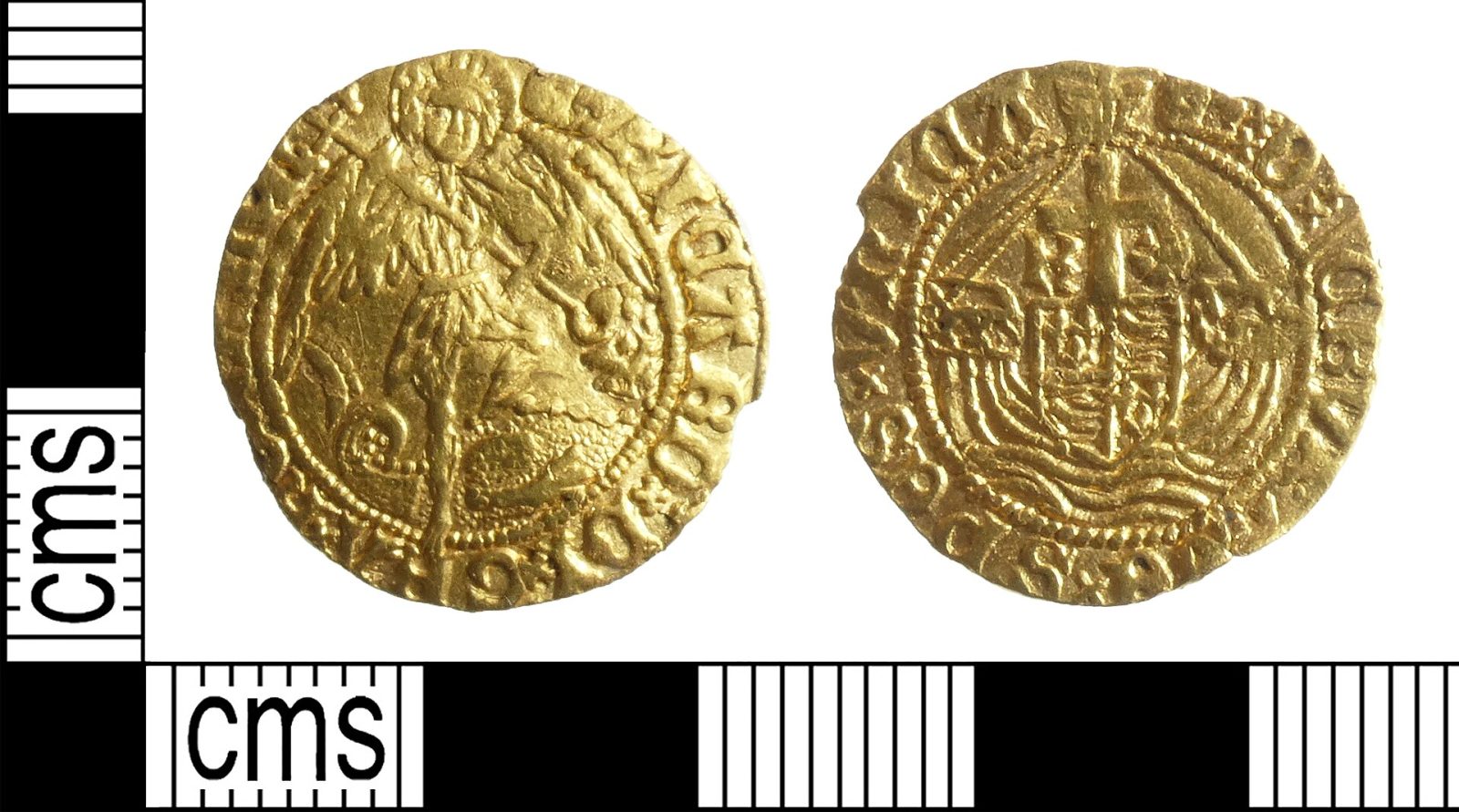
In August 2016 Brian Biddle, detecting for only 18 months, dug what he thought was a bottle top in a field at Tolpuddle in Dorset. It was a gold angel struck in 1483 in the name of Edward V, the boy king who vanished in the Tower of London.
FF 393

Struck between 1483 and 1485 · found 2019

Richard III half-angel

England · Coins

In September 2019 detectorist Dave Bethell found a gold half-angel of Richard III near Buckingham, one of only seven known. He wanted it to stay in the town, and with Art Fund help the Buckingham Old Gaol Museum bought it instead of an overseas collector.

FF 399

Struck at Canterbury between 1493 and 1499 · found 2021

Cupids Cove half groat

Canada · Coins

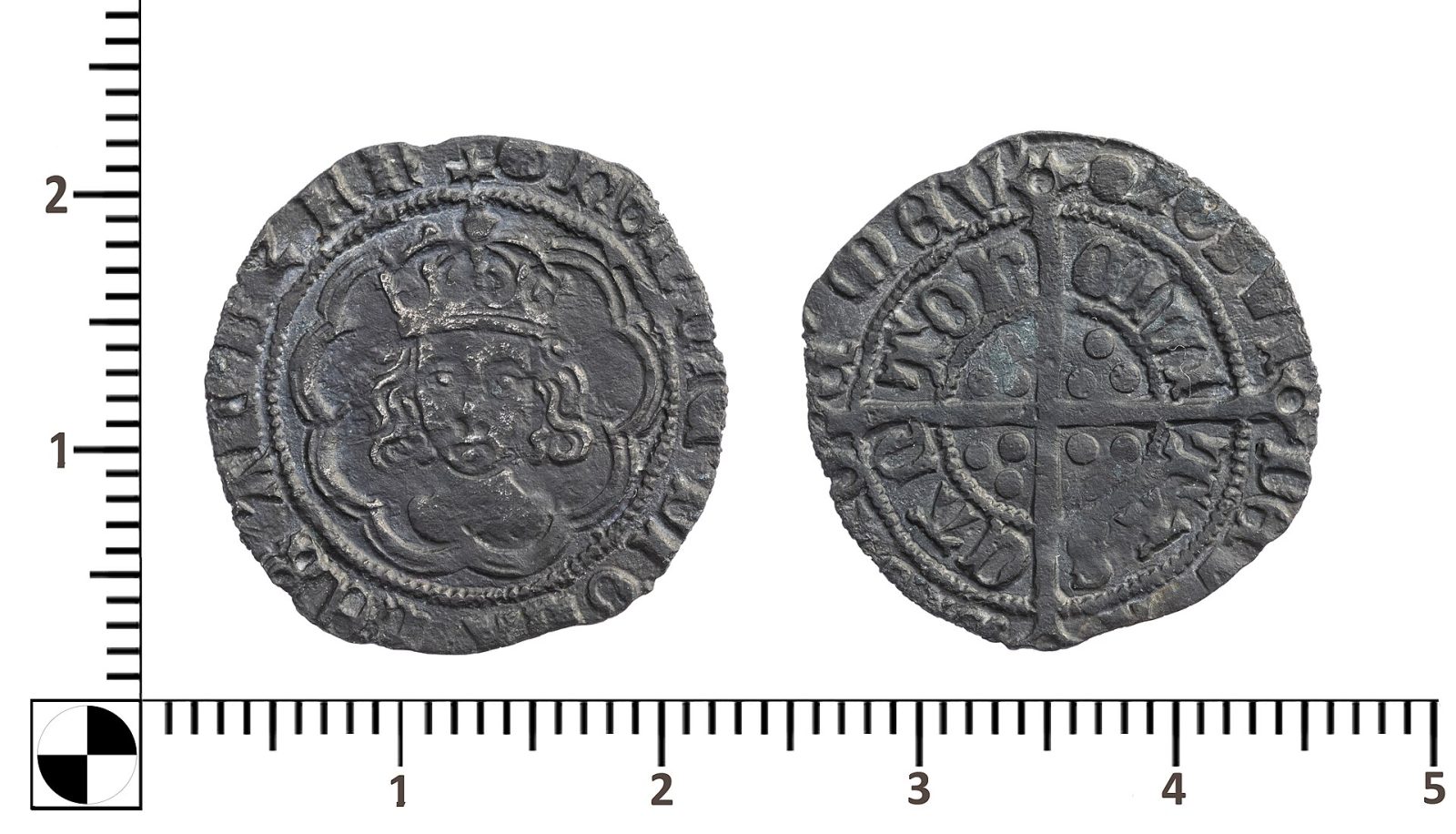
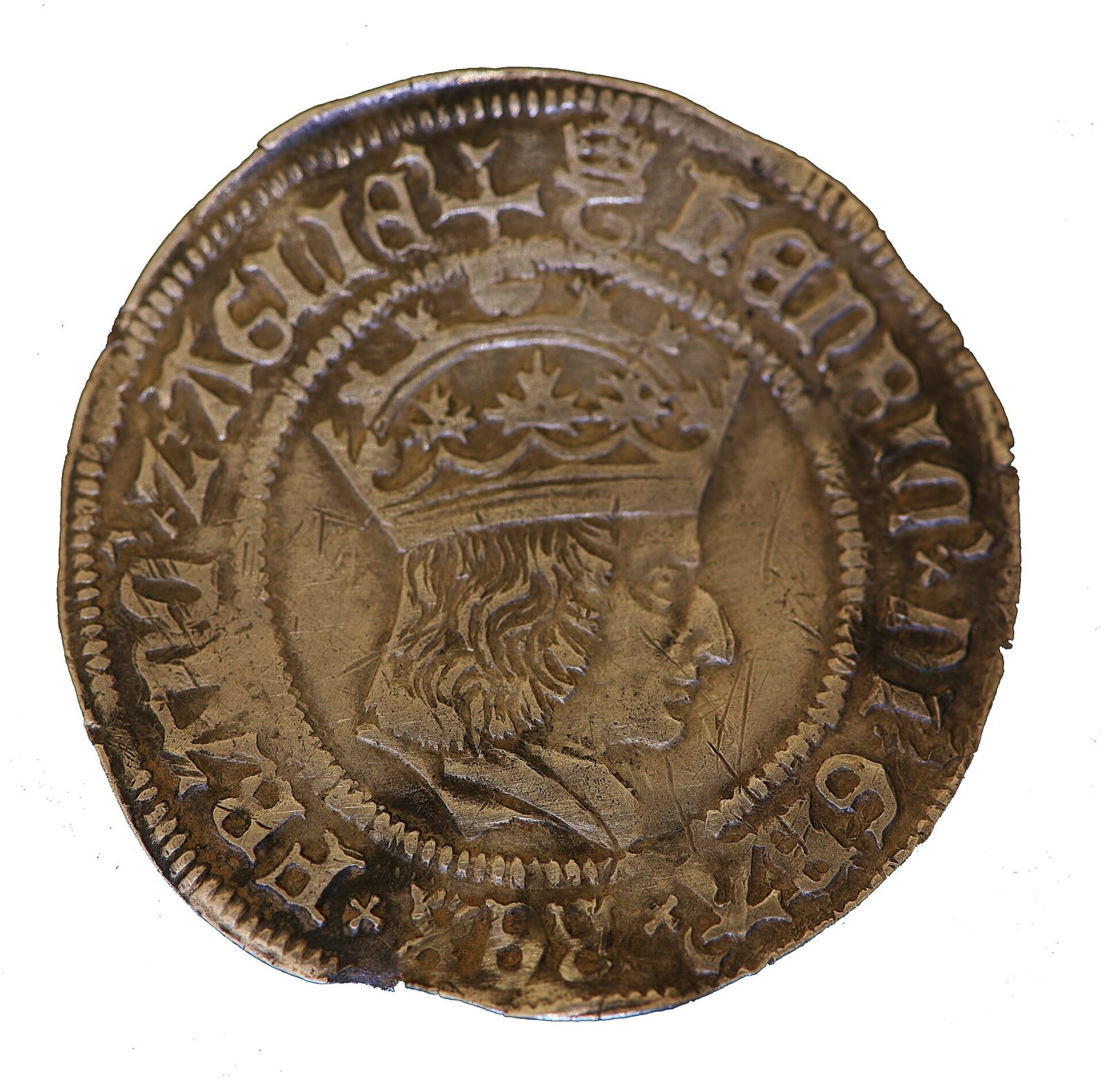
In September 2021 archaeologists at Cupids Cove in Newfoundland, England's first colony in Canada, found a silver half groat of Henry VII, struck at Canterbury in the 1490s. It is thought to be the oldest English coin ever found in Canada.

FF 534

Made about 1496 to 1501, lost in May 1503 · found 2014

Sodré astrolabe, Oman

Oman · Artefacts

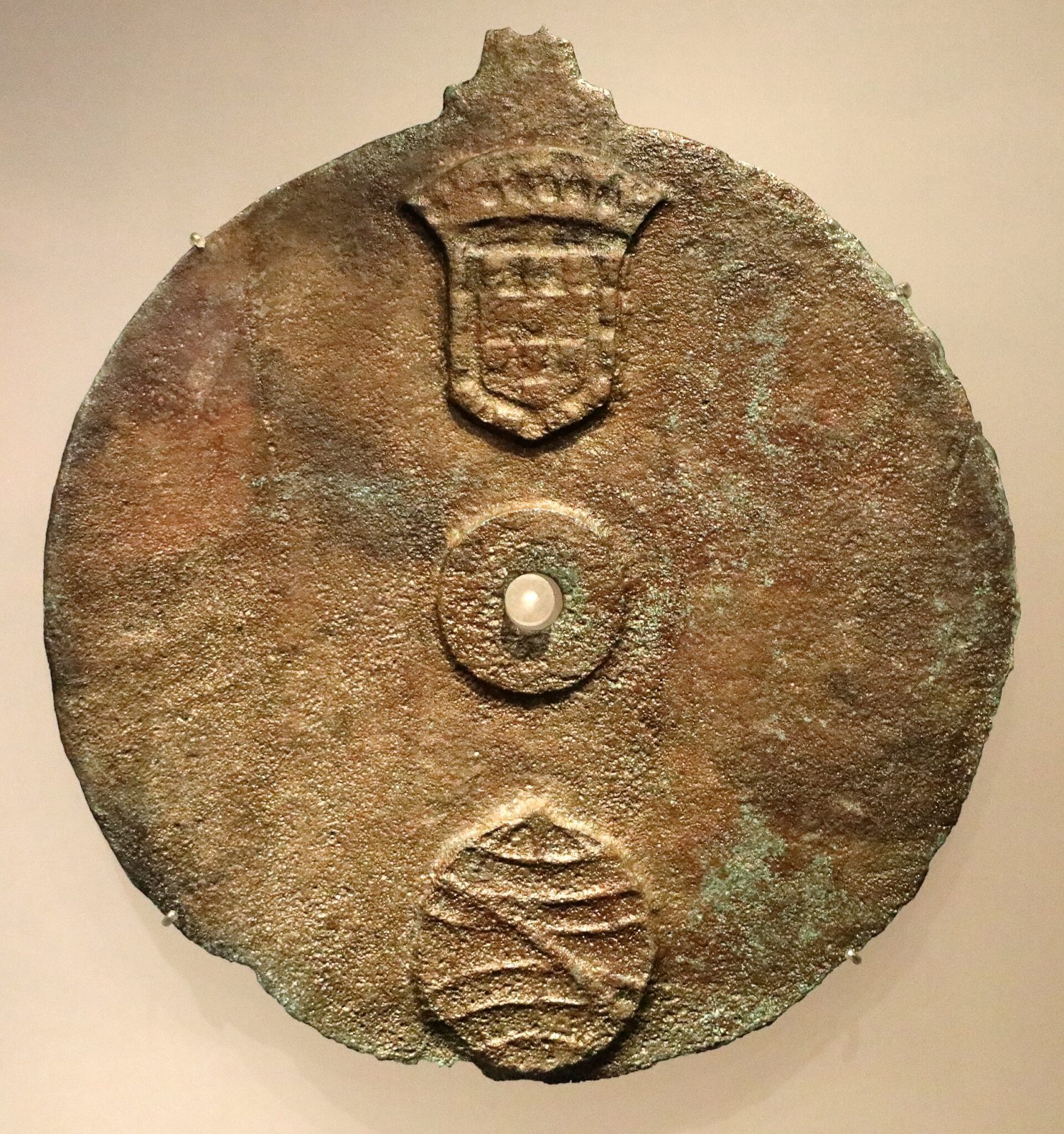
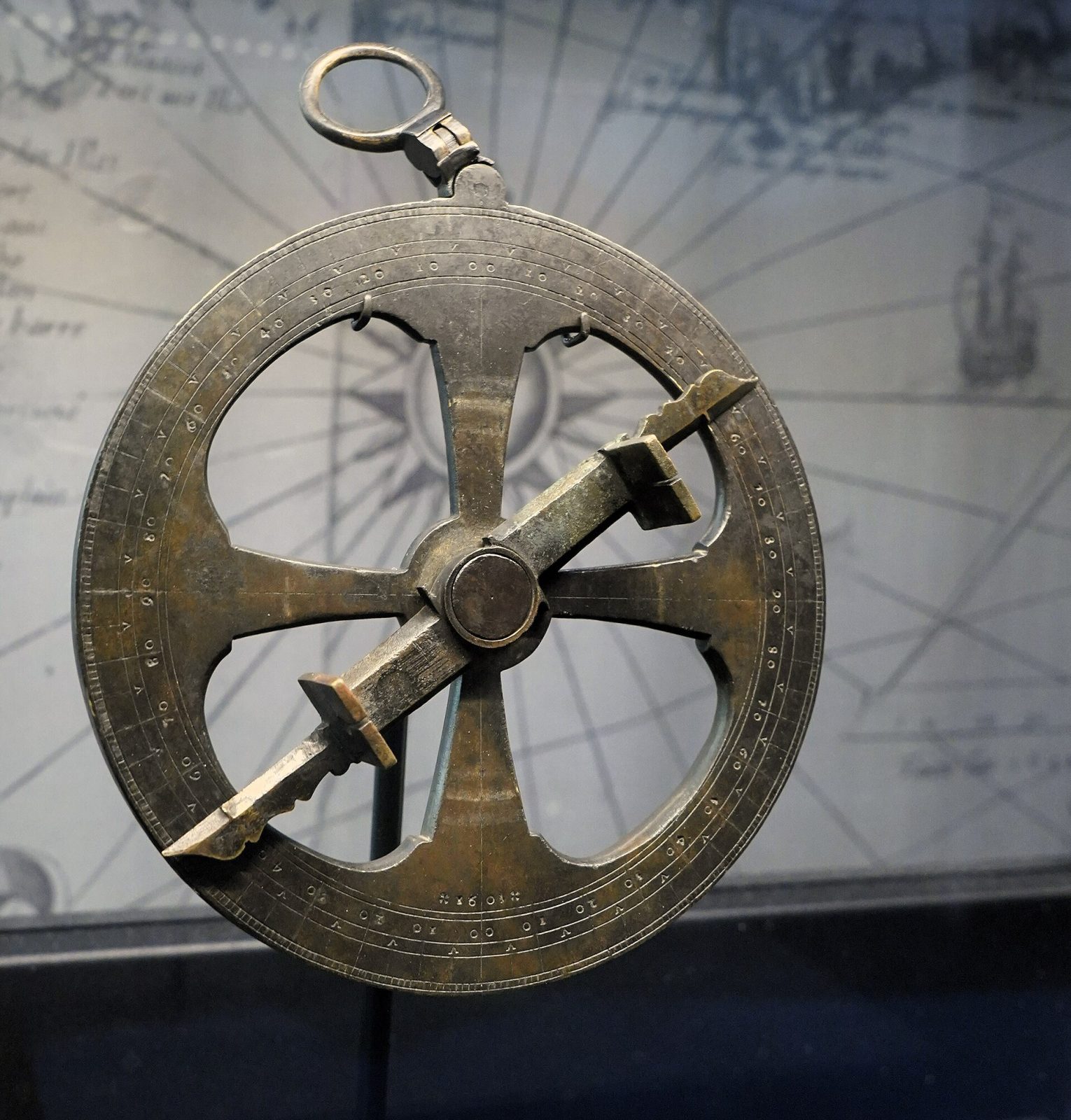
On 8 May 2014 divers excavating a Portuguese wreck off Al Hallaniyah island, Oman, raised a bronze disc bearing the arms of Portugal. Laser scans later revealed the scale of a mariner's astrolabe, made around 1496 to 1501: the earliest verified example in the world.

FF 401

Made in the early 16th century · found 2009

Hockley Pendant

England · Jewellery

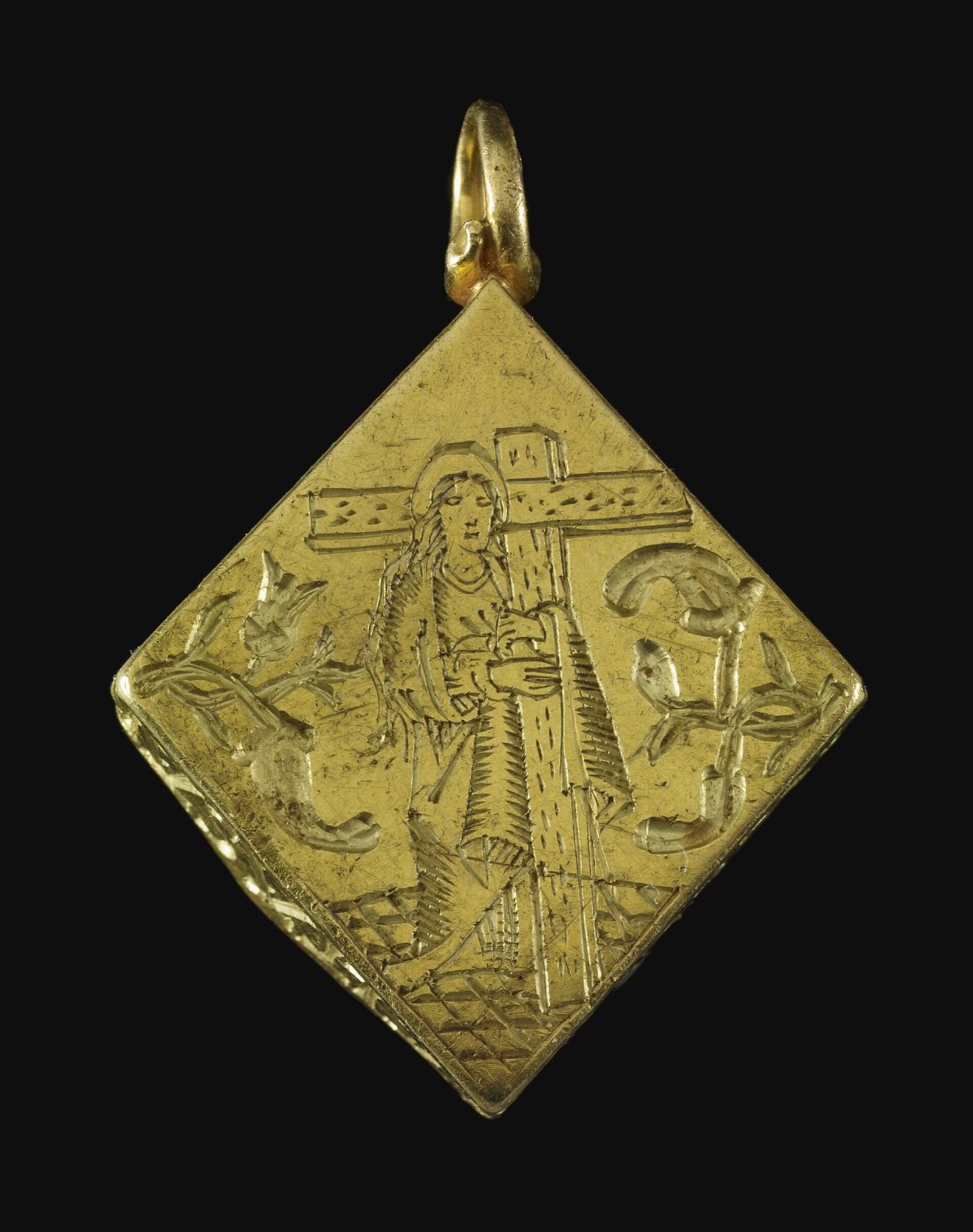
In May 2009 three-year-old James Hyatt, detecting with his father in a field at Hockley in Essex, found a gold reliquary pendant of the early 1500s. The papers guessed it was worth millions; it was valued at £70,000 and bought by the British Museum.

FF 550

Made for royal burials between 1506 and 1551 · found 2024

Vilnius Cathedral regalia

Lithuania · Jewellery

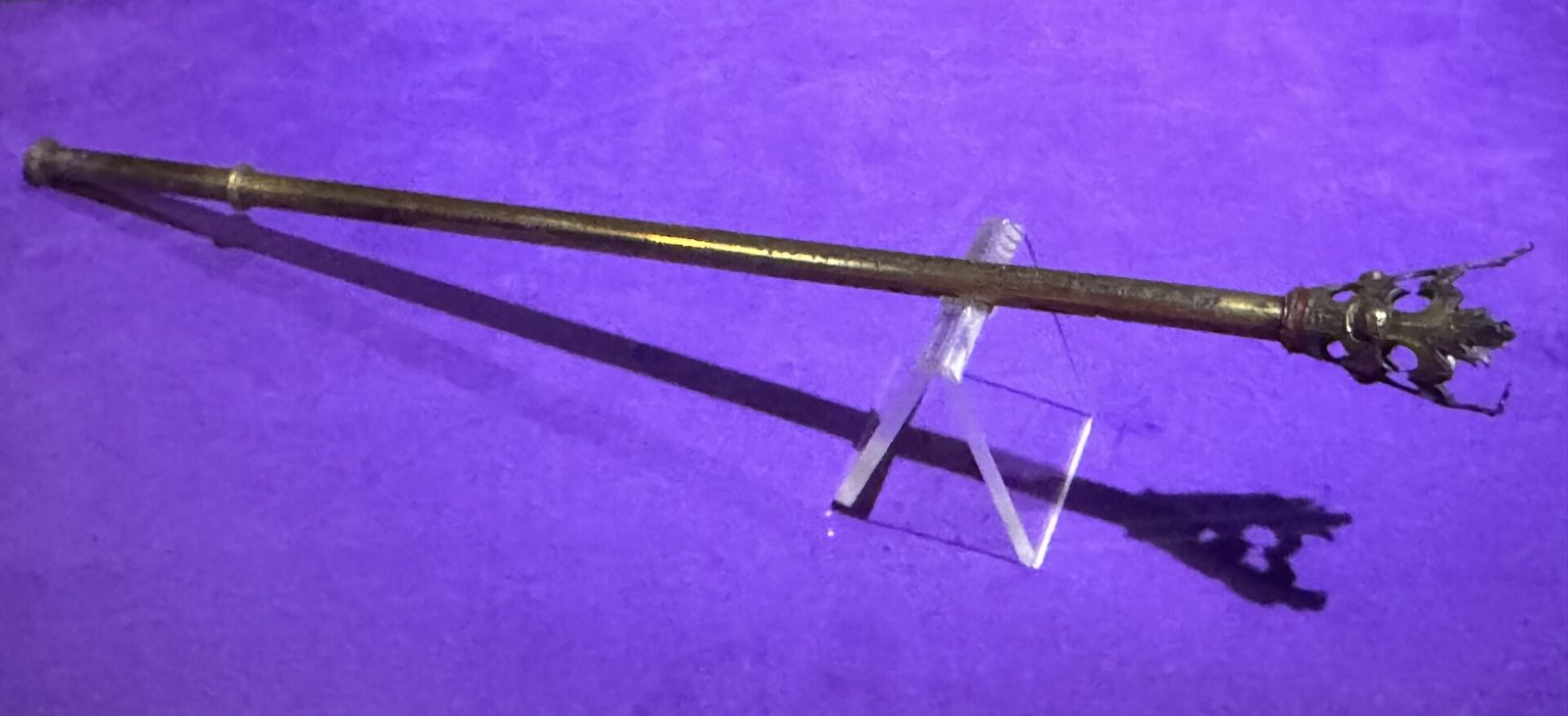
In December 2024, museum specialists searching the crypt of Vilnius Cathedral with old plans and an endoscopic camera found an iron box under a staircase. Inside, wrapped in 1939 newspapers, were the gold funeral crowns, sceptre and jewellery of three Polish-Lithuanian rulers.

FF 232

Probably made about 1518 · found 2019

Tudor heart pendant

England · Jewellery

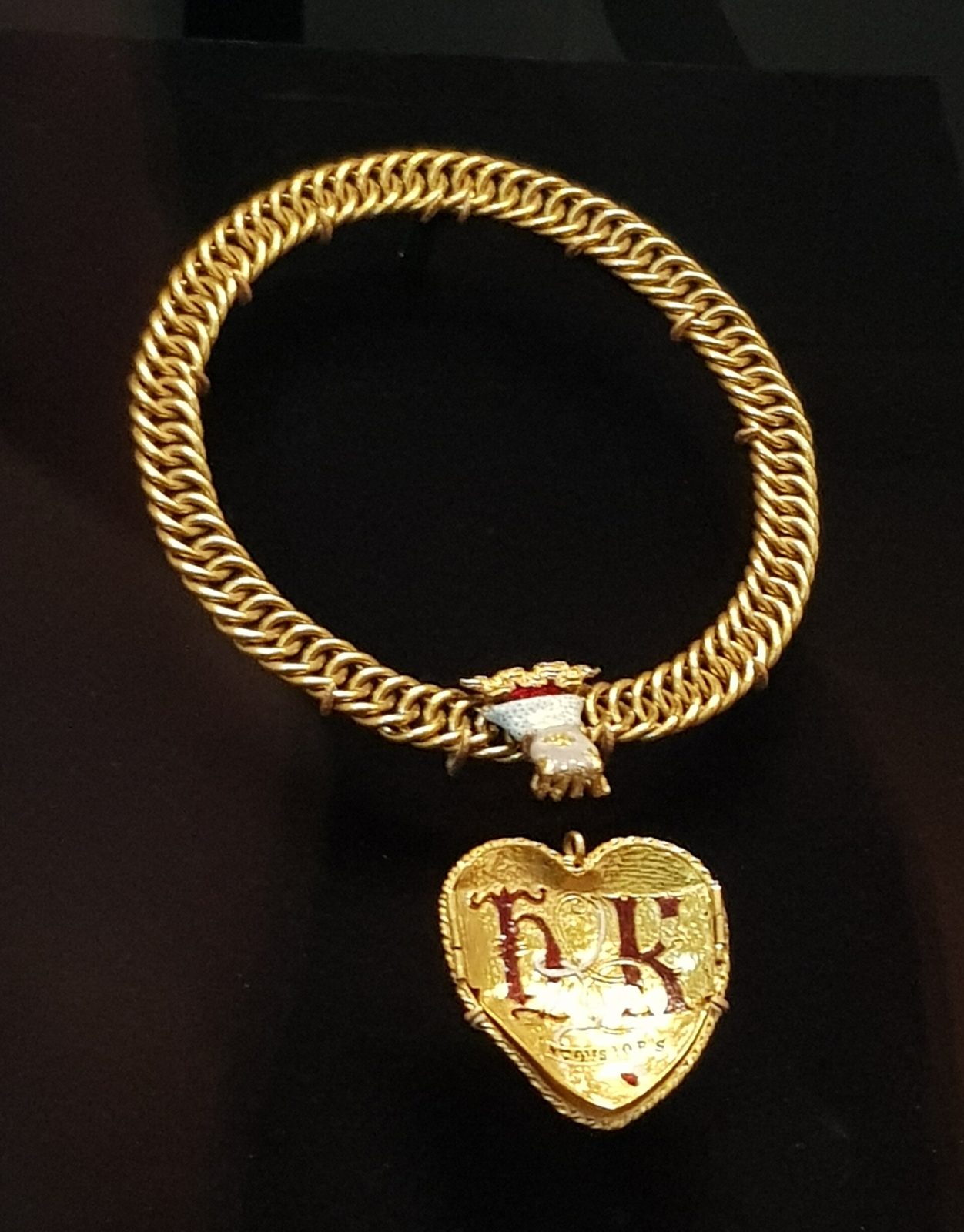
In December 2019 Charlie Clarke, who had been detecting for only six months, found a gold heart-shaped pendant in a Warwickshire field. It carries the initials of Henry VIII and Katherine of Aragon, and in 2026 the British Museum raised £3.5 million to buy it.

FF 495

Struck in the reign of Henry VIII, 1509 to 1547 · found 2025

Henry VIII angel, Isle of Wight

England · Coins

In 2025 Mark Smedmor, out with his wife Bridget and the Vectis Searchers club on the Isle of Wight, nearly ignored a signal he thought was an alloy can. It was a barely worn gold angel of Henry VIII, which he took to the island's Finds Liaison Officer.

FF 245

Built in 1511; sank on 19 July 1545 · found 1971

Mary Rose

England · Artefacts

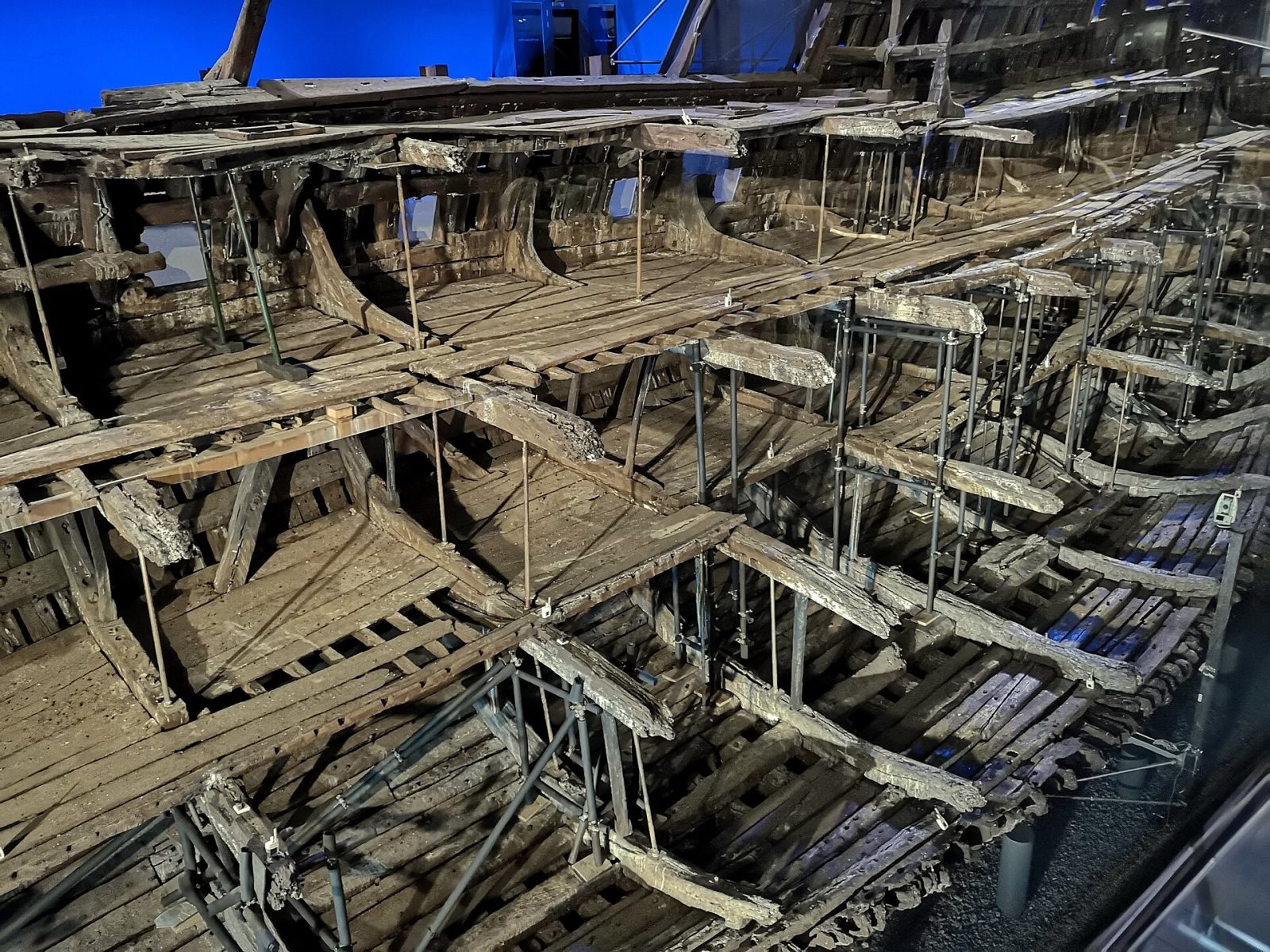
Henry VIII's warship the Mary Rose sank in the Solent in 1545 with most of her crew. In 1971 a volunteer diving team led by Alexander McKee found her, and in 1982 her hull was raised. About 19,000 objects were recovered, from longbows to gold coins.

FF 435

Struck at Tournai between 1514 and 1518 · found 2021

Henry VIII Tournai groat

England · Coins

On 15 May 2021 a detectorist in East Lindsey, Lincolnshire, found a silver groat of Henry VIII struck not in London but at Tournai, a French-speaking city he captured in 1513. Only the second of its type on the national database, it was rated a find of national importance.

FF 521

Struck at Constantinople, 1520 to 1566 · found 2022

Suleiman gold coin, Bohemia

Czech Republic · Coins

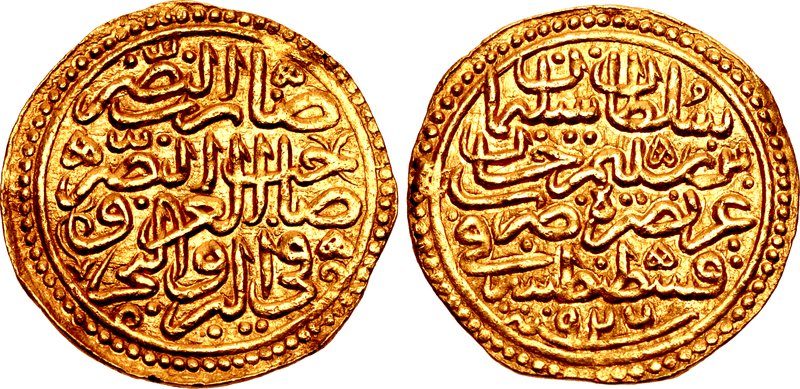
On 26 June 2022 detectorist Miloš Hrdý found a gold coin of the Ottoman sultan Suleiman the Magnificent just three centimetres below a meadow at Polizy, in eastern Bohemia, Czech Republic. He gave it to the Museum of East Bohemia in Hradec Králové.

FF 355

Buried about 1648 · found 1996

Tregwynt Hoard

Wales · Hoards

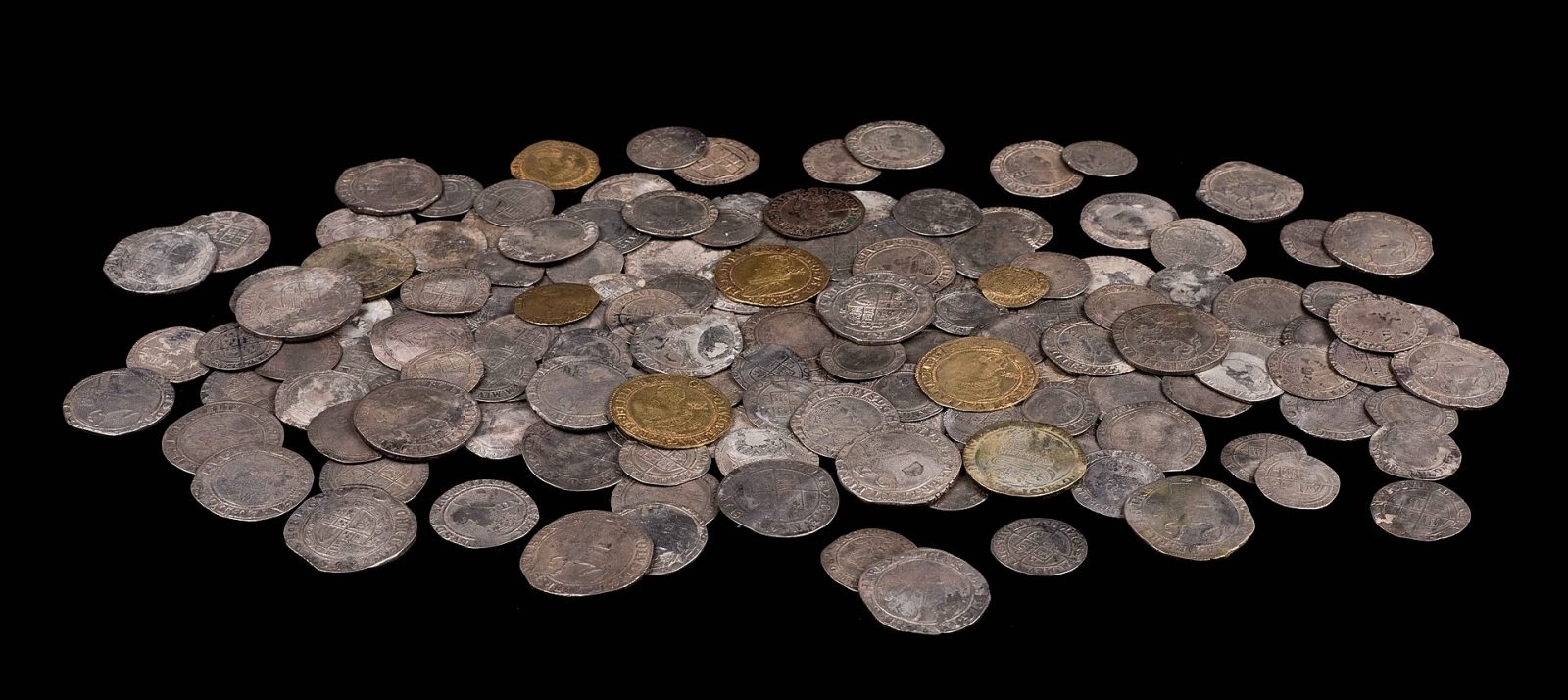
In September 1996 the owners of Tregwynt Mansion near Fishguard were levelling the lawn for a tennis court when coins appeared. A local detectorist asked to search, and 500 gold and silver coins and a gold posy ring came up, buried around 1648 during the Second Civil War.

FF 552

Late 16th century, lost about 1594 · found 1955

Tucker Cross

Bermuda · Jewellery

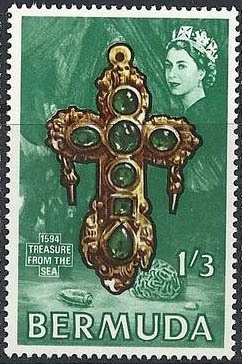
In September 1955 the Bermudian diver Teddy Tucker found a gold cross set with seven emeralds on a 16th-century Spanish wreck off Bermuda. In February 1975, hours before the Queen opened the island's new maritime museum, it was found to have been replaced by a fake. It has never been recovered.

FF 424

Struck in 1553 or 1554 · found 2019

Mary I gold half-angel

England · Coins

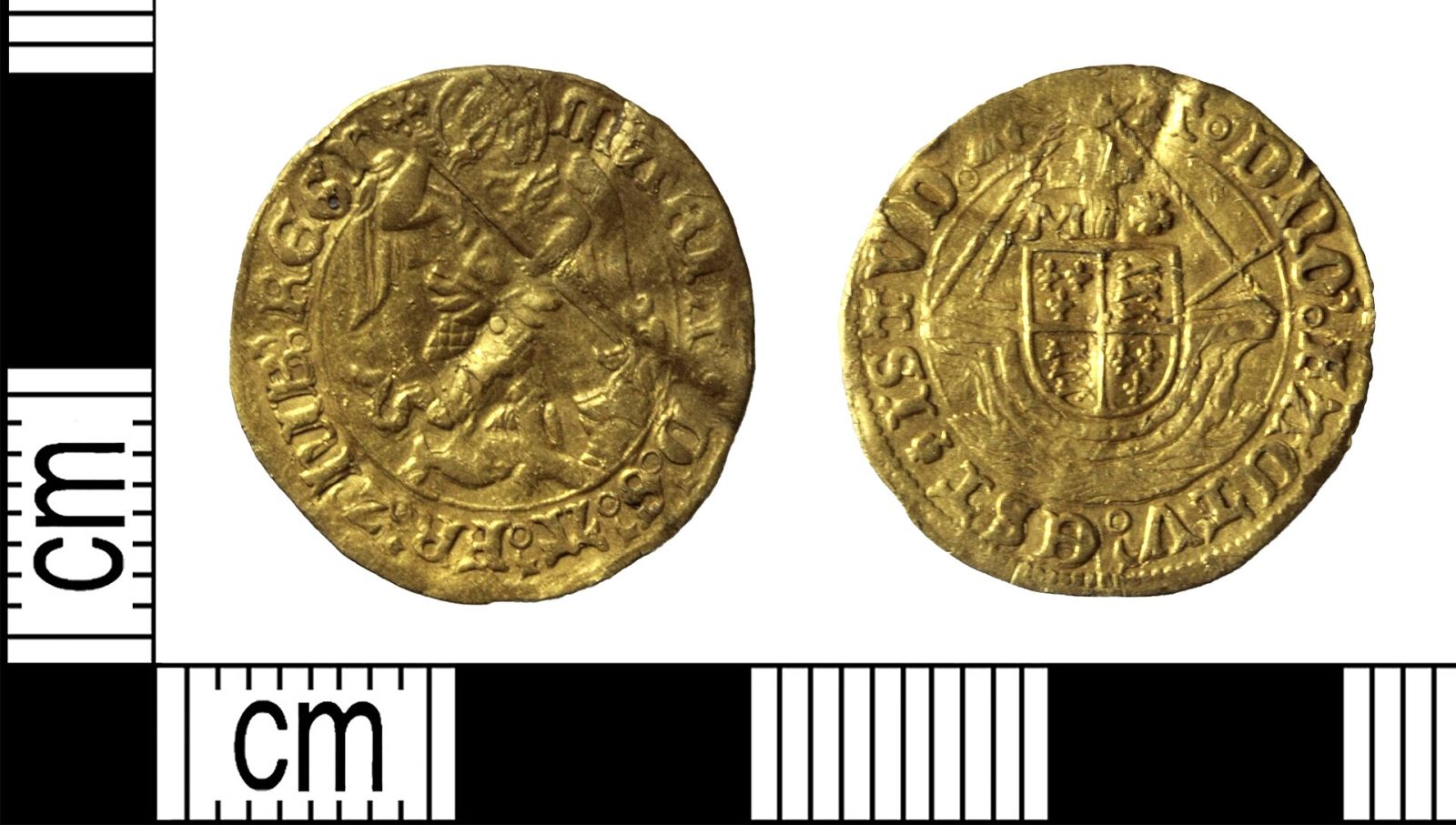
A detectorist at Kirby Bellars in Leicestershire found a gold half-angel of Mary I, struck in 1553 or 1554 before she married Philip of Spain. Creased in the shape of a cross, the extremely rare coin was recorded in 2020 and offered at auction that year.

FF 523

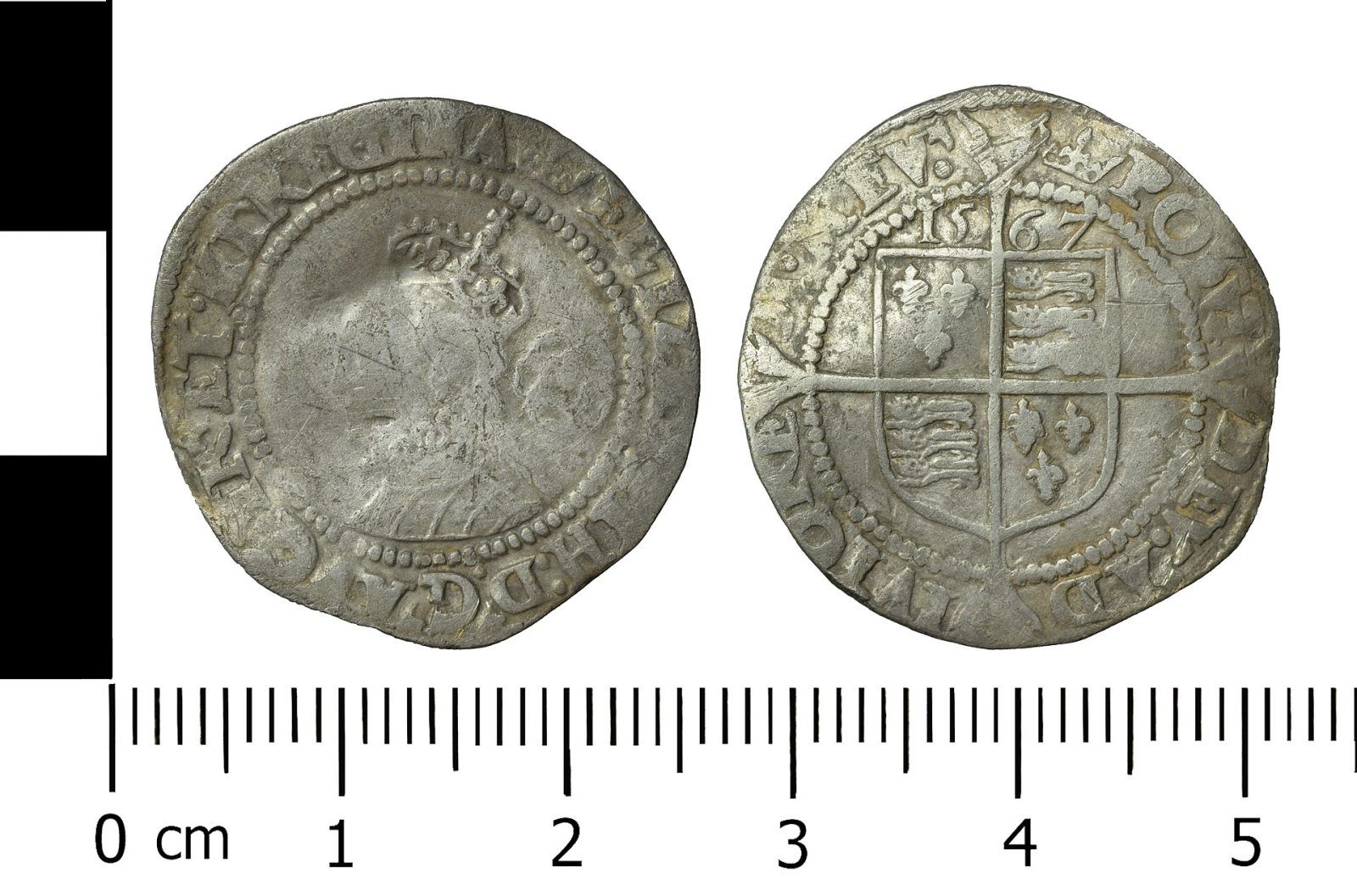
Struck in London in 1567 · found 1974

Elizabeth I sixpence, California

United States · Coins

In November 1974 archaeologist Charles Slaymaker, digging the Coast Miwok village at Olompali in Marin County, California, found an English silver sixpence of Elizabeth I dated 1567. It may have arrived with Francis Drake, who landed on that coast in 1579.

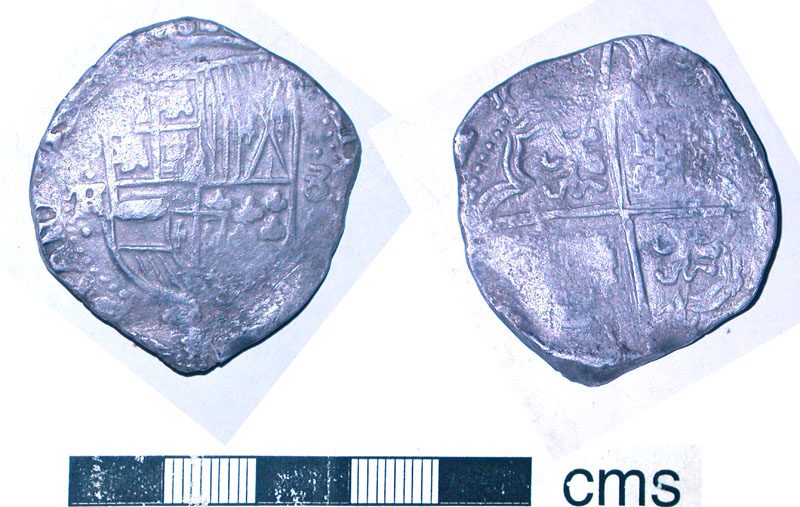
FF 529

Struck at Potosí, laid in 1584 · found 2026

Piece of eight, Port Famine

Chile · Coins

Archaeologists using metal detectors on the Strait of Magellan in Chile, in work announced in 2026, found a silver piece of eight of Philip II on a foundation stone of a ruined church. It matched an account of the founding of Rey Don Felipe in 1584, the colony later called Port Famine.

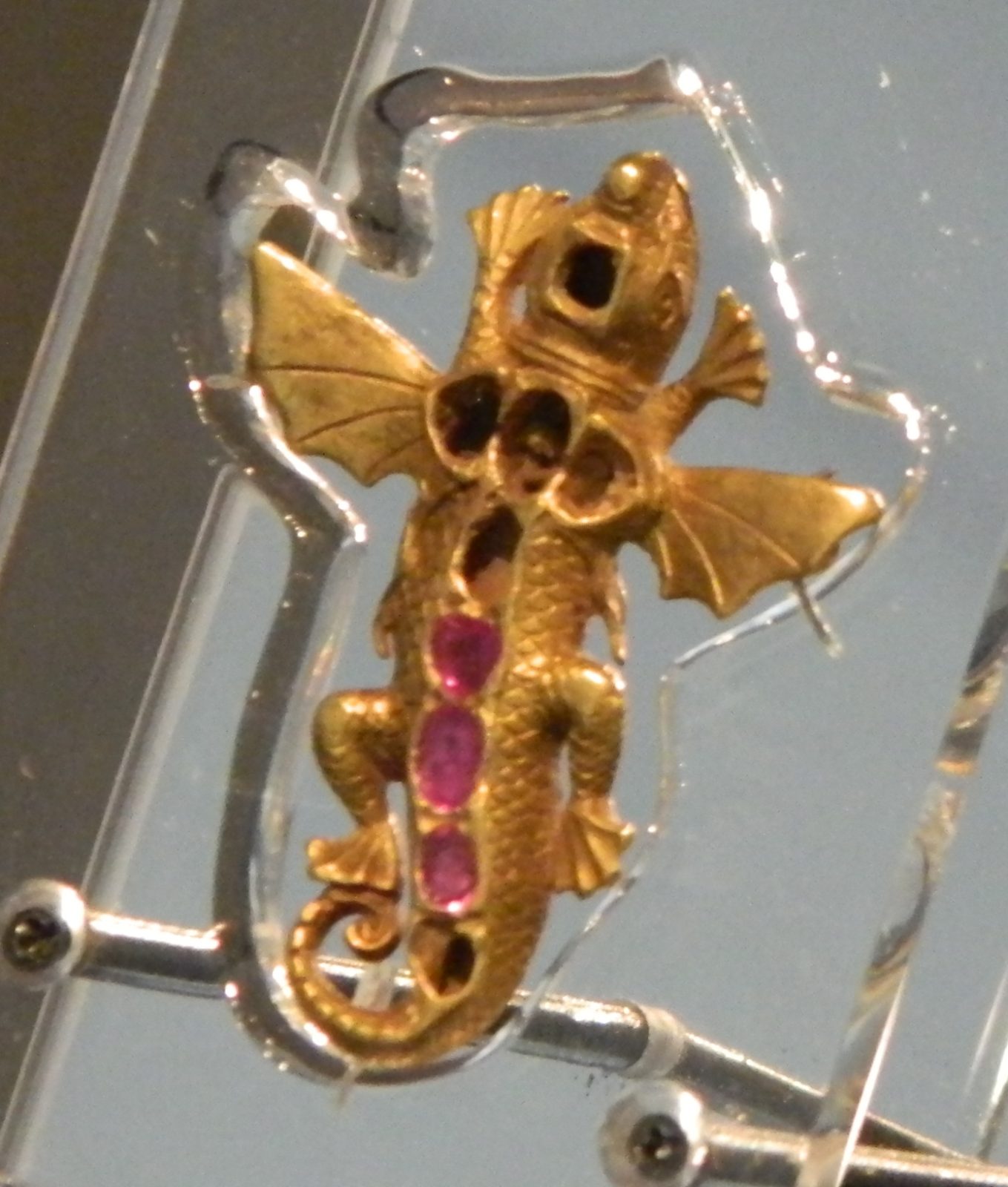
FF 234

Wrecked in October 1588 · found 1967

Girona Armada treasure

Northern Ireland · Jewellery

In 1967 the Belgian diver Robert Sténuit found the wreck of La Girona, a Spanish Armada galleass lost off the Antrim coast in 1588. His team raised gold coins, rings, chains and a ruby-set salamander pendant, now in the Ulster Museum.

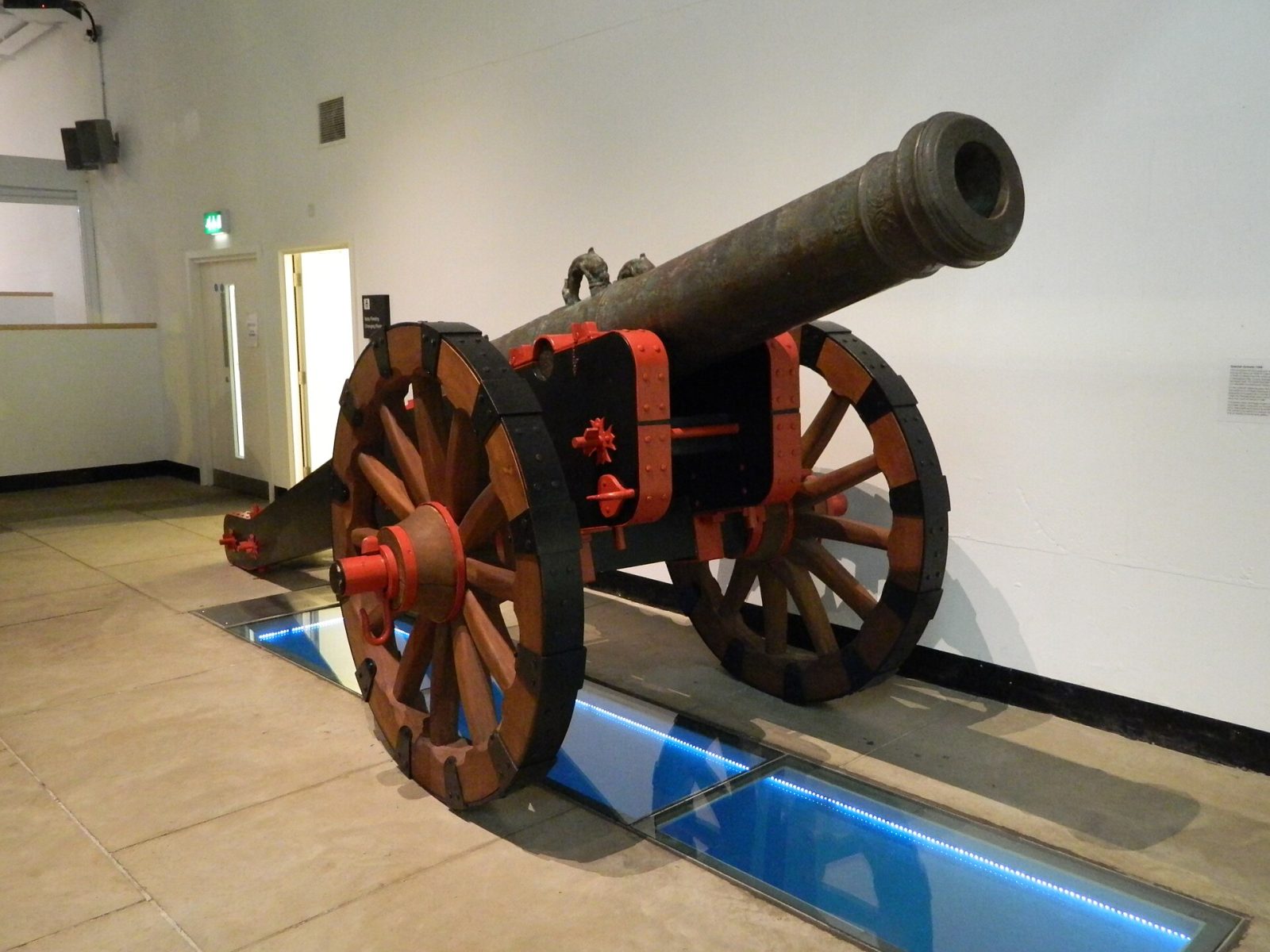
FF 323

Wrecked in September 1588; its siege guns were cast in 1556 · found 1971

La Trinidad Valencera

Ireland · Weapons

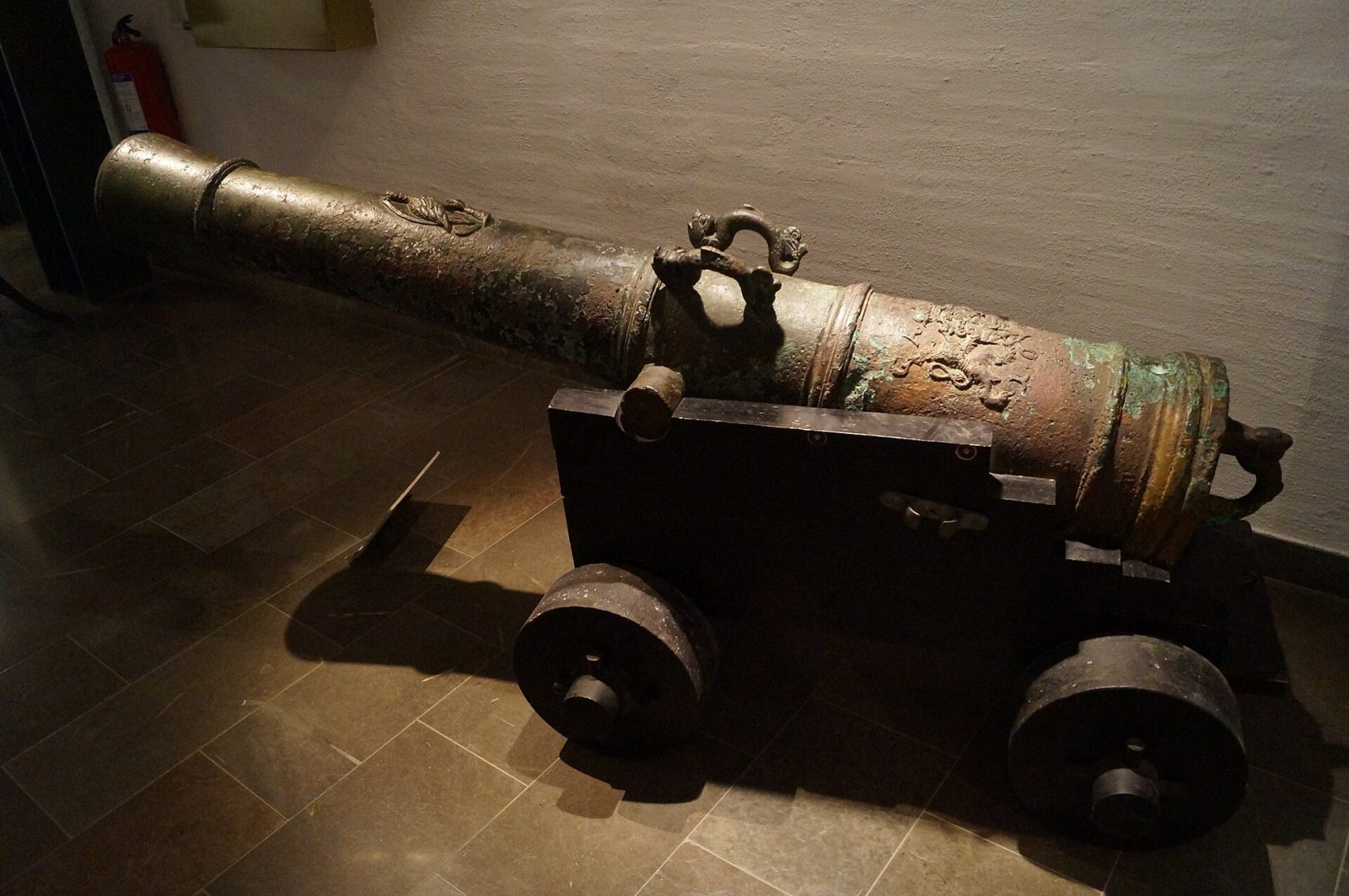
On 20 February 1971 divers from the City of Derry Sub-Aqua Club found the wreck of La Trinidad Valencera, one of the largest ships of the Spanish Armada, in Kinnagoe Bay, Co. Donegal. Among the finds were massive bronze siege guns cast for Philip II of Spain in 1556.

FF 261

Sank on 14 December 1600 · found 1991

San Diego galleon

Philippines · Artefacts

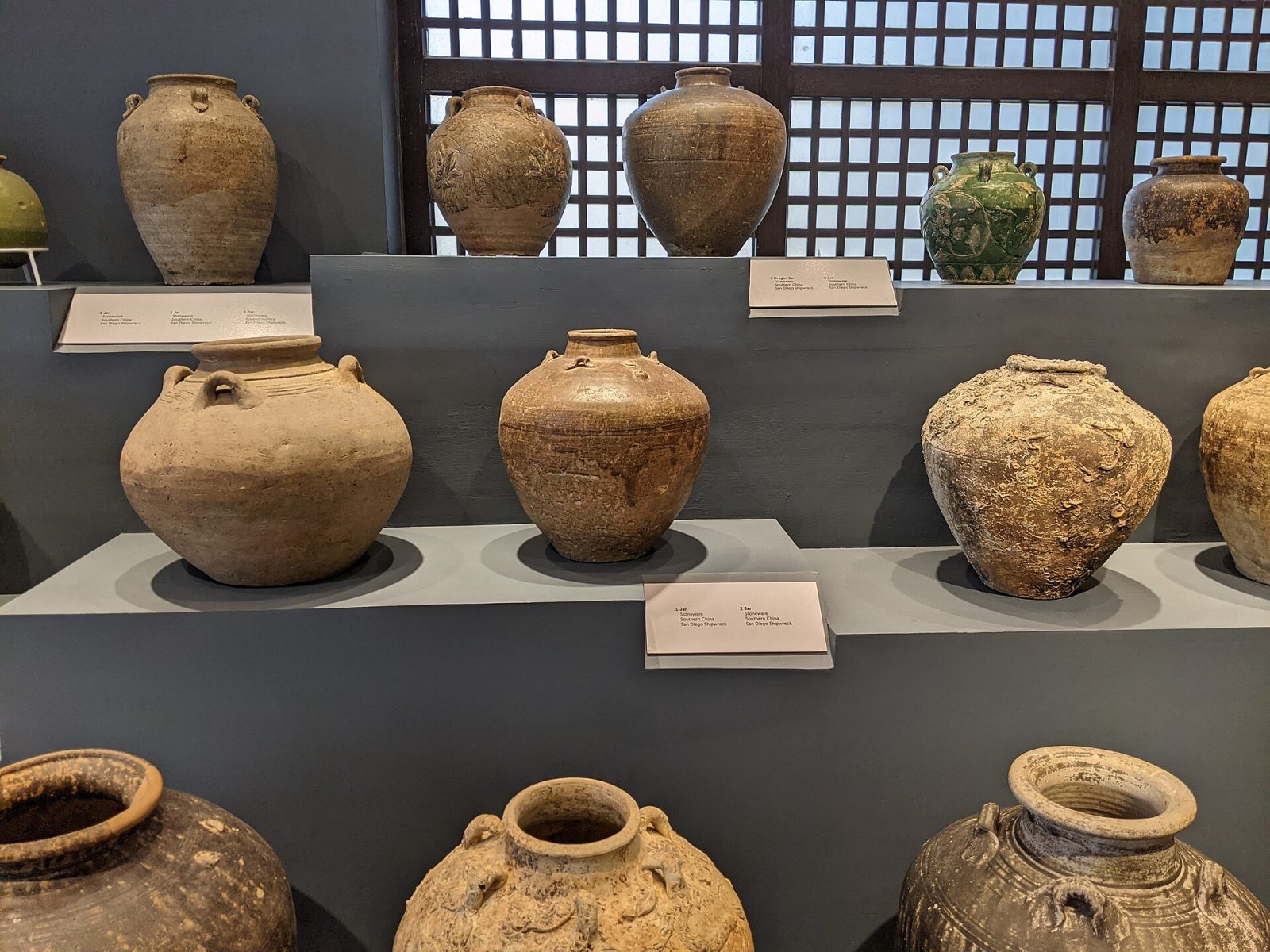
On 14 December 1600 the overloaded Spanish galleon San Diego sank off Fortune Island in the Philippines after a battle with a Dutch ship, taking hundreds of men with her. In 1991 Franck Goddio's team found her 52 metres down and recovered thousands of objects.

FF 553

Coins struck up to 1641; wrecked 1641 · found 1978

Concepción silver

Dominican Republic · Hoards

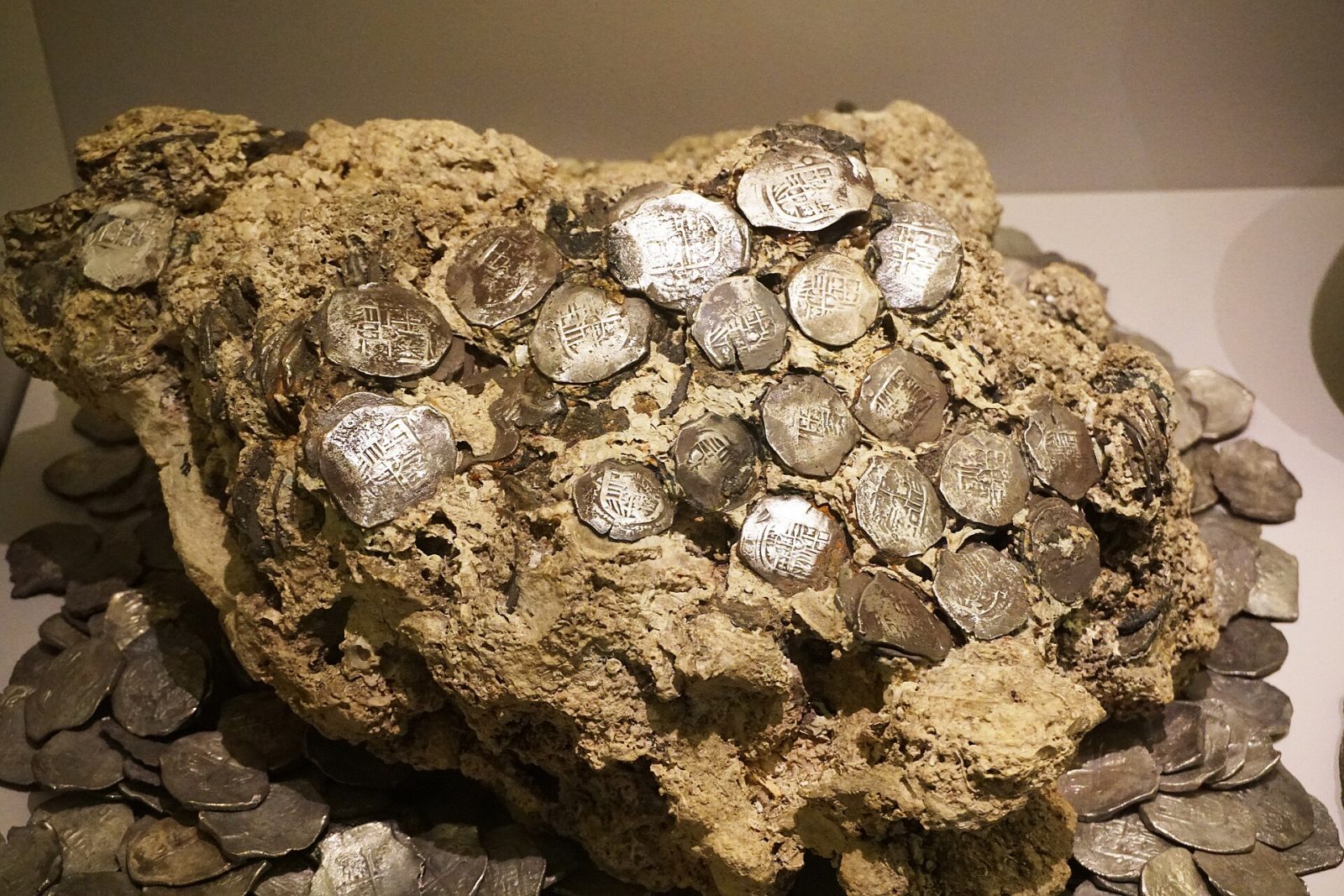
The Spanish galleon Nuestra Señora de la Concepción sank on the Silver Bank north of Hispaniola in 1641. William Phips raised tons of her silver in 1687, and in 1978 Burt Webber's team found the wreck again, recovering tens of thousands more coins.

FF 199

Made in 1603, perhaps lost in 1613 · found 1867

Champlain's Astrolabe

Canada · Artefacts

In 1867 a 14-year-old boy helping his father clear trees beside a lake in Ontario found a brass mariner's astrolabe dated 1603. It is said to have been lost by the explorer Samuel de Champlain in 1613, a story historians still argue about.

FF 259

Built 1626 to 1628; sank 10 August 1628 · found 1956

Vasa warship

Sweden · Artefacts

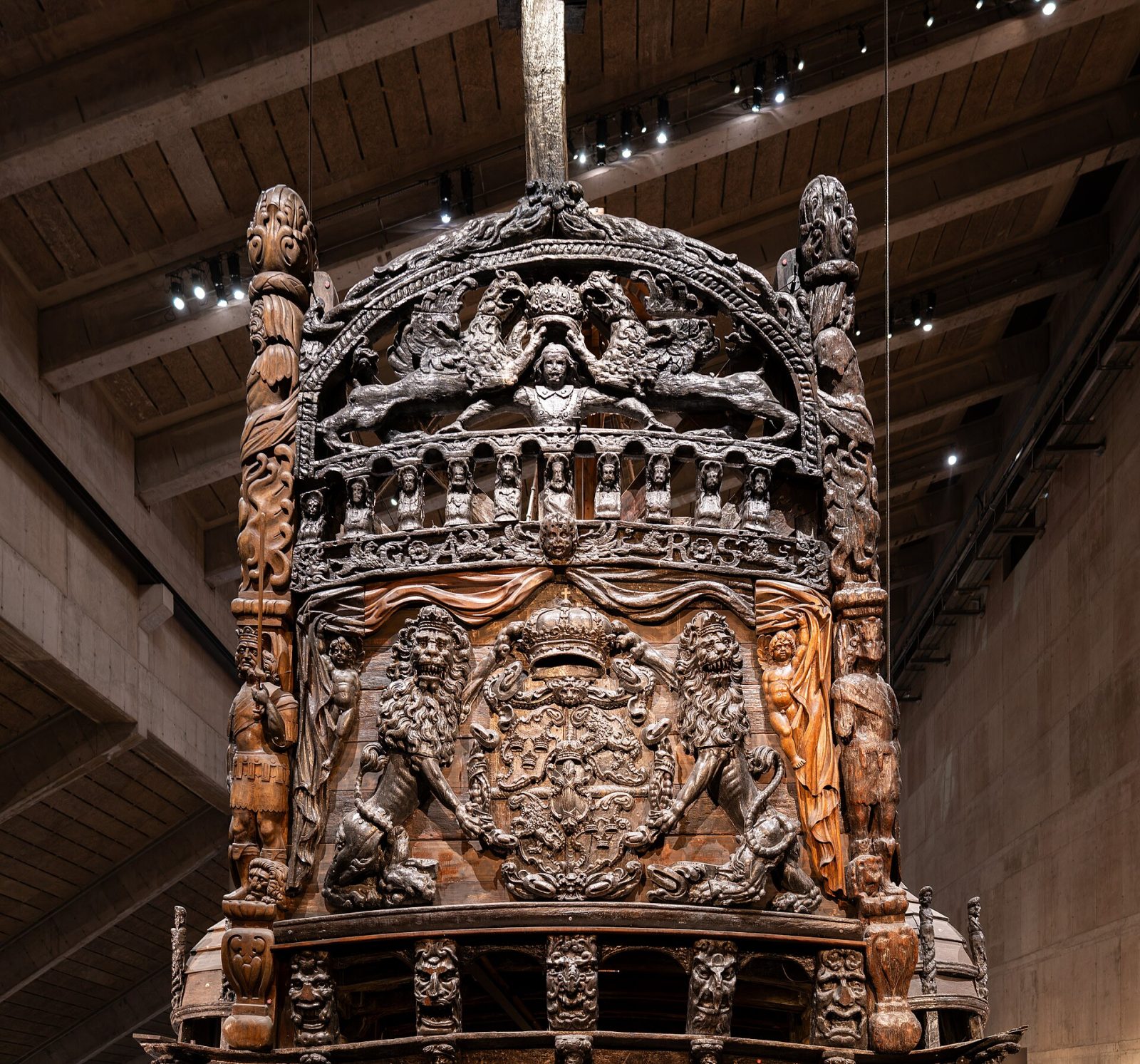
The Swedish warship Vasa sank in Stockholm harbour on her maiden voyage in 1628. In 1956 an amateur researcher, Anders Franzén, found her with a coring device, and in 1961 she was raised almost intact. She is now the best-preserved 17th-century ship in the world.

FF 338

Wrecked on 4 June 1629 · found 1963

Batavia shipwreck

Australia · Artefacts

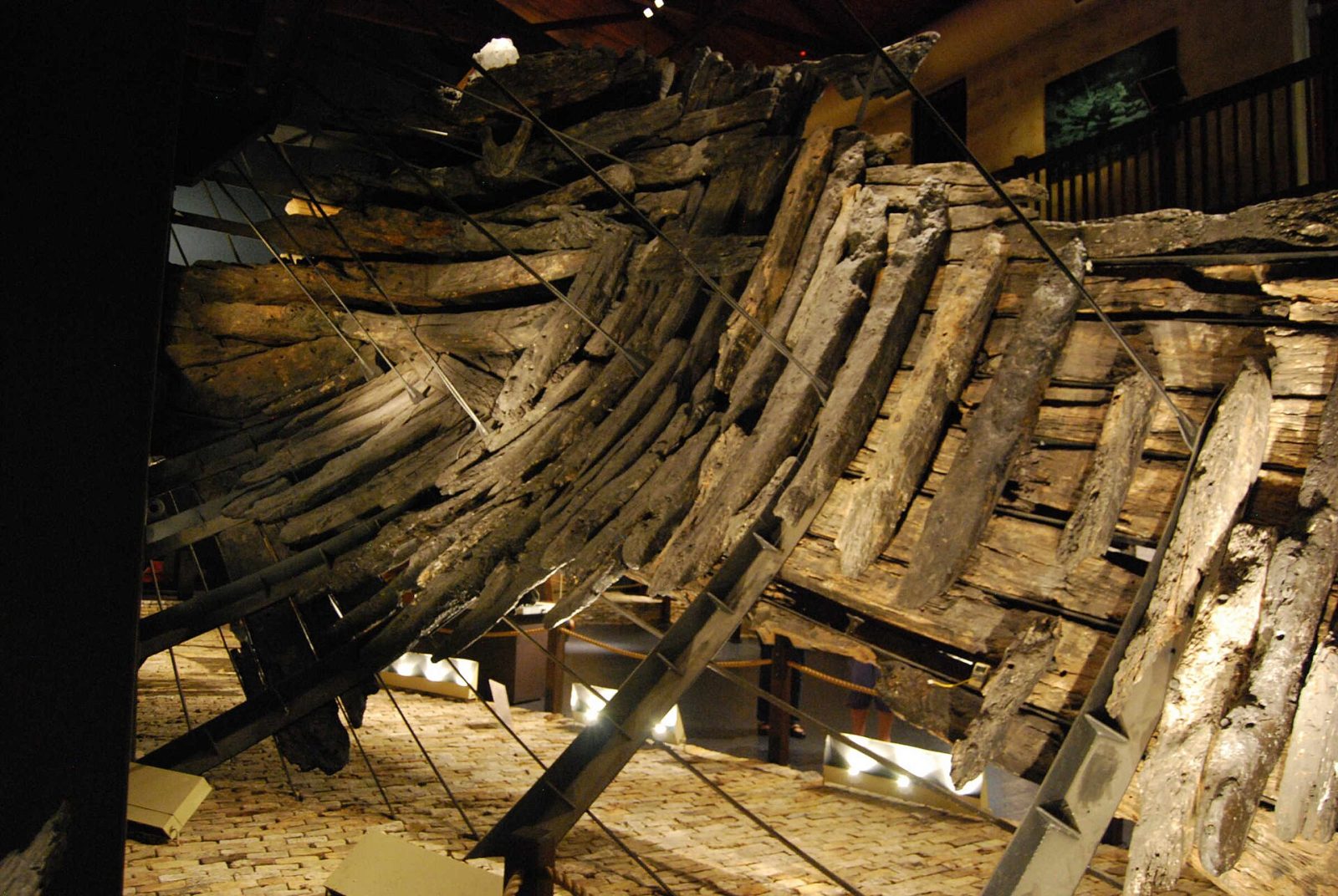
In June 1629 the Dutch East India Company ship Batavia struck a reef in the Houtman Abrolhos islands off Western Australia, and mutineers murdered more than 100 survivors. Found in 1963, the wreck has given up its hull, cannon, coins and a prefabricated stone gateway.

FF 86

Buried between 1640 and 1666 · found 1912

Cheapside Hoard

England · Jewellery

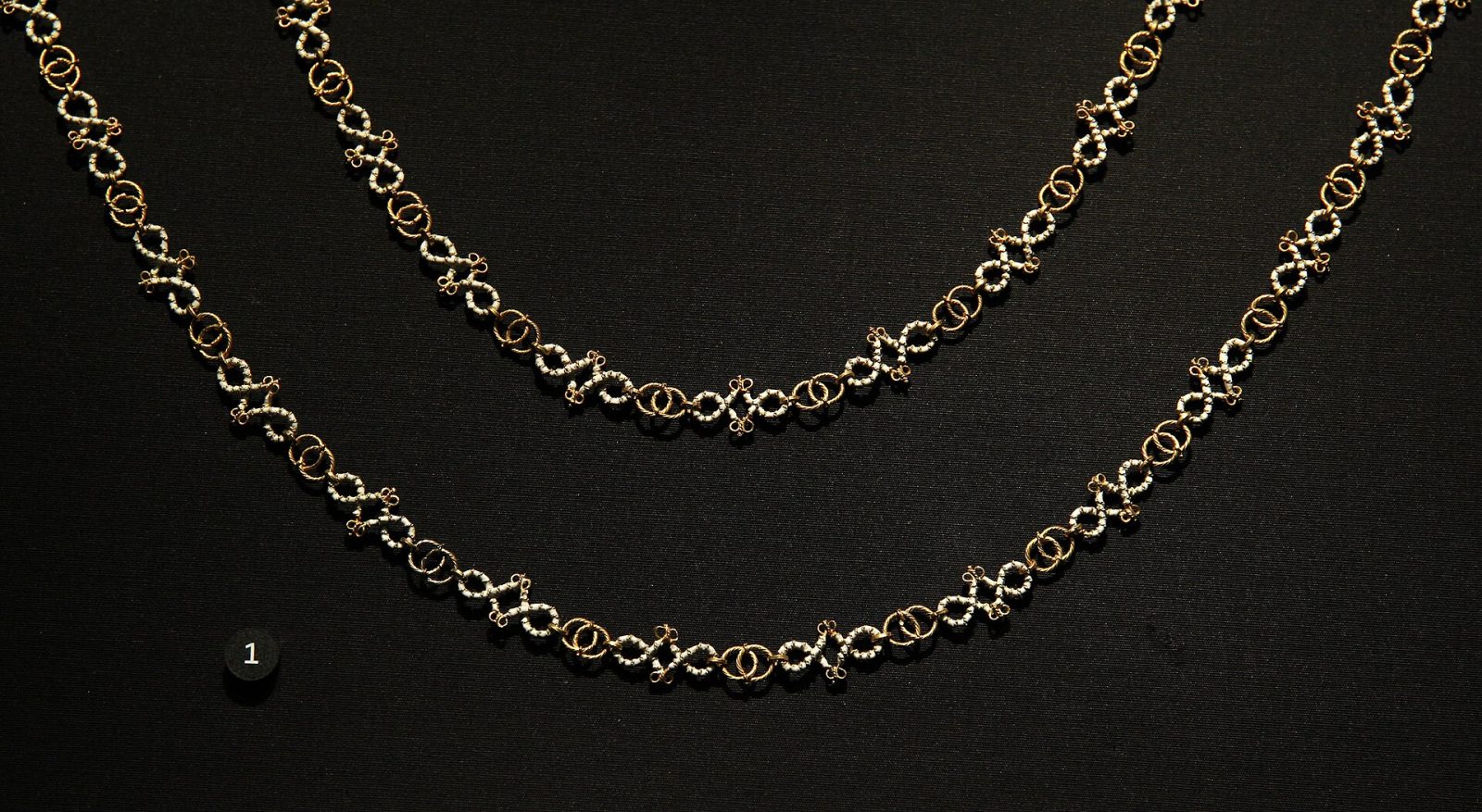
In 1912 workmen demolishing a building in Cheapside, in the City of London, broke into a buried box holding about 500 pieces of Elizabethan and Jacobean jewellery: the stock of a 17th-century goldsmith.

FF 300

Buried about 1643, during the Civil War · found 2011

Bitterley Hoard

England · Hoards

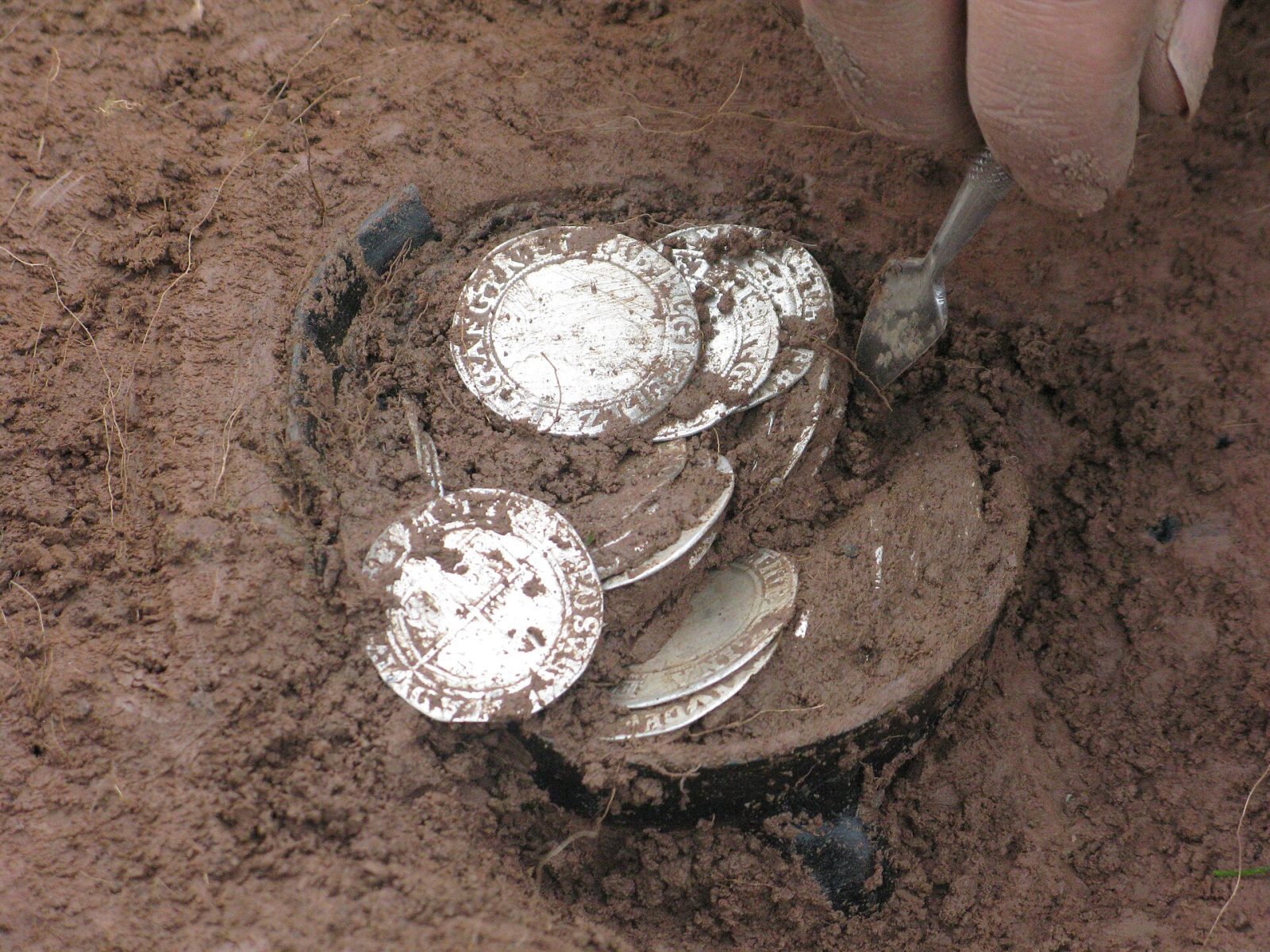
In February 2011 metal detectorist Howard Murphy found the top of a pot full of silver coins on farmland near Bitterley in Shropshire, and stopped to call the Finds Liaison Officer. Inside a four-handled cup were 138 coins in a leather purse, hidden during the Civil War.

FF 243

Buried in 1644 · found 1985

Breckenbrough Hoard

England · Hoards

In June 1985 a farmer levelling a stockyard at Breckenbrough in North Yorkshire found a pot holding more than 1,500 silver and gold coins. Buried with them in 1644, during the English Civil War, were two paper receipts for cheese, still legible.

FF 530

Made during the siege of Scarborough Castle, 1645 · found 1995

Scarborough siege crown

England · Coins

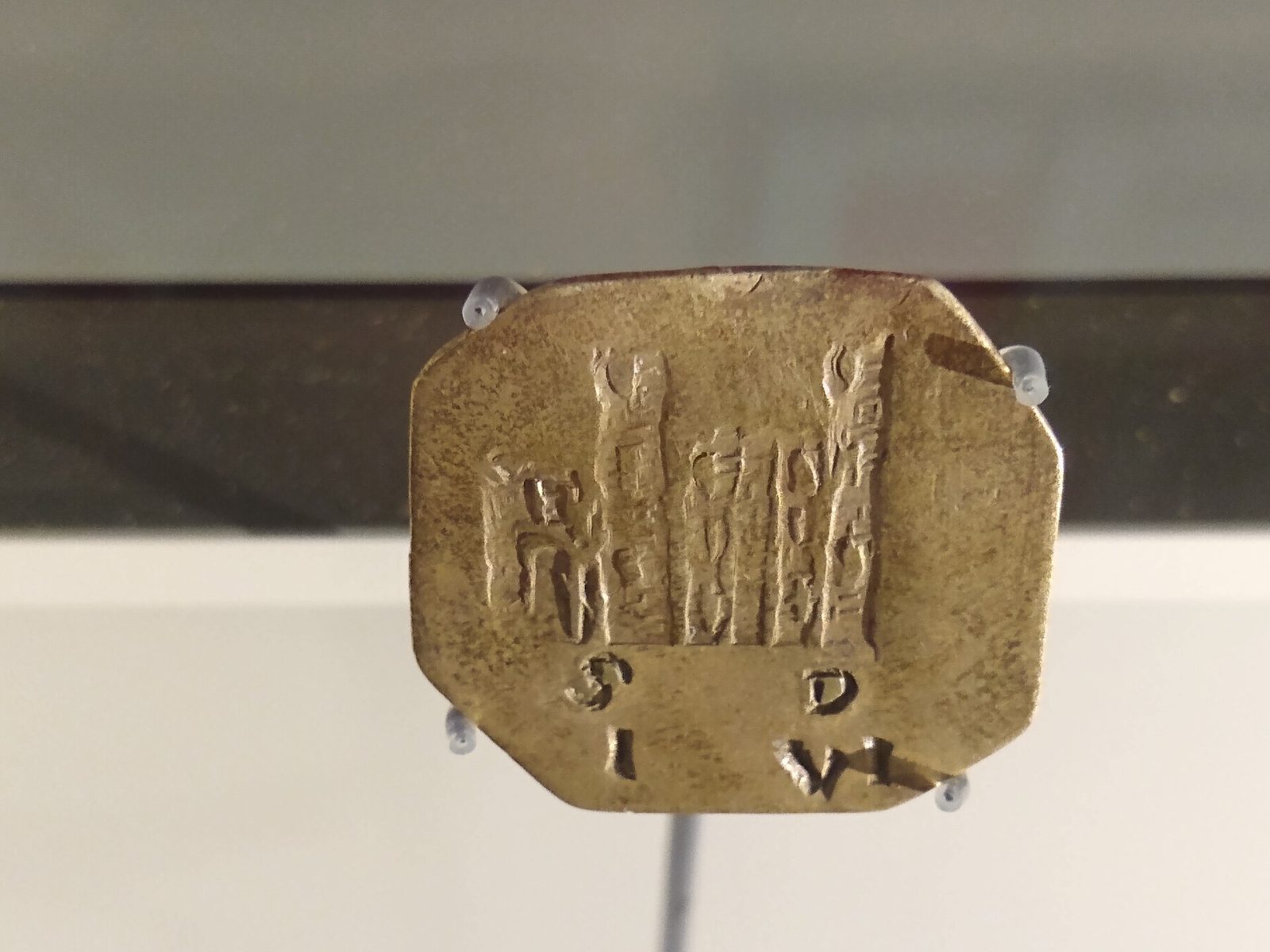
Around 1995 a metal detectorist in Lincolnshire found a rough, worn piece of silver stamped with a castle and the letters V S. Years later it was identified as a five-shilling piece of emergency money struck during the siege of Scarborough Castle in 1645.

FF 546

Made after the execution of Charles I in 1649 · found 2025

Royalist locket, Oswestry

England · Jewellery

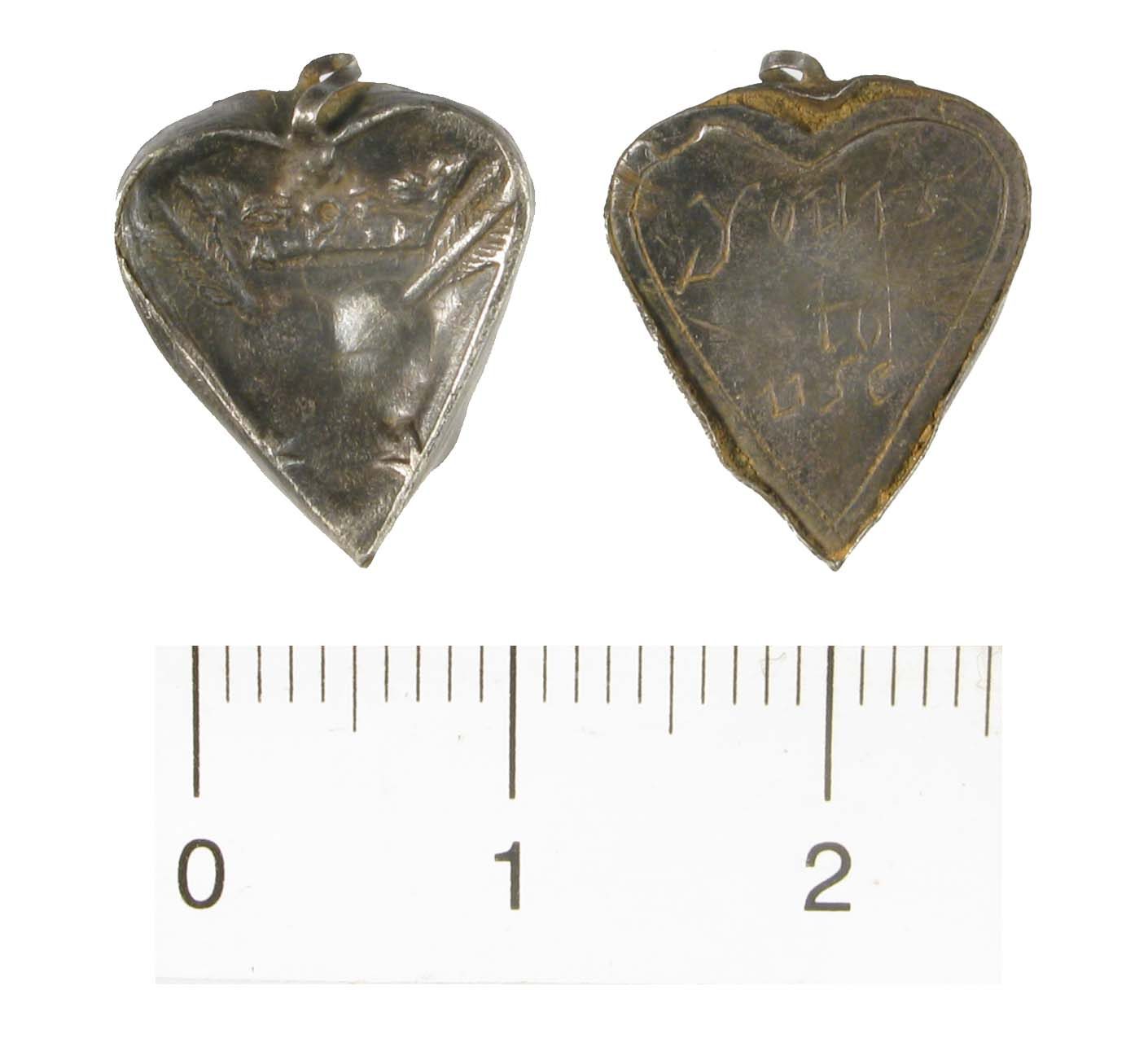
In 2025 Shropshire detectorist Chris Langston dug up a small heart-shaped piece in a field outside Oswestry, engraved with a heart pierced by two arrows and a drop of blood. It is thought to be the front of a Royalist locket mourning Charles I, and it was declared Treasure in 2026.

FF 459

Struck in Boston in 1652 · found 1990

East Hampton NE sixpence

United States · Coins

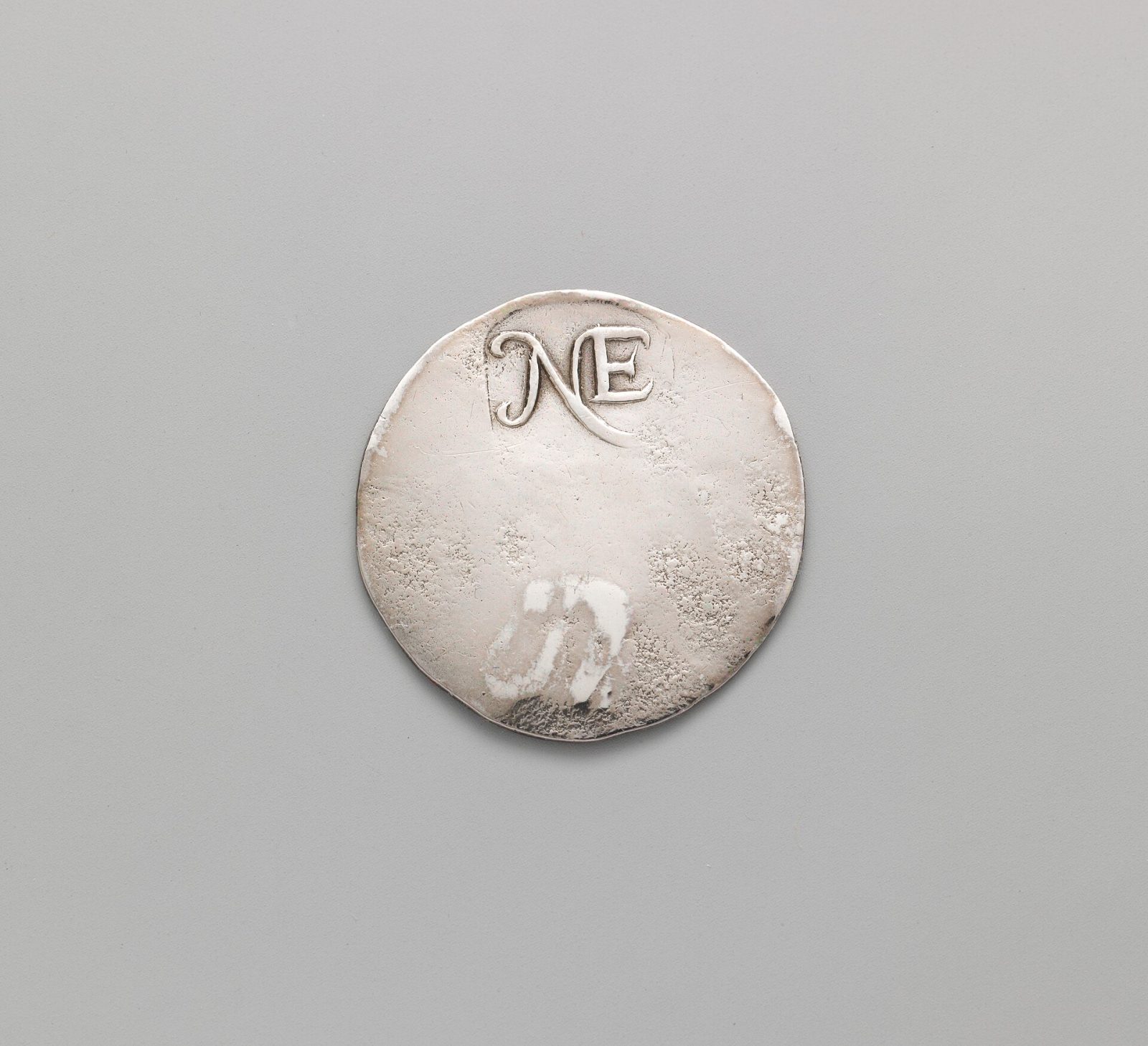
In 1990 Lillian Rade was metal detecting with her boyfriend in a frozen potato field near East Hampton, Long Island, when she found a 1652 Massachusetts 'NE' sixpence, from the first coins struck in what became the United States. Only about eight are known.

FF 590

Struck 1655, lost about 1756-57 · found 2021

Fort Halifax 1655 liard

United States · Coins

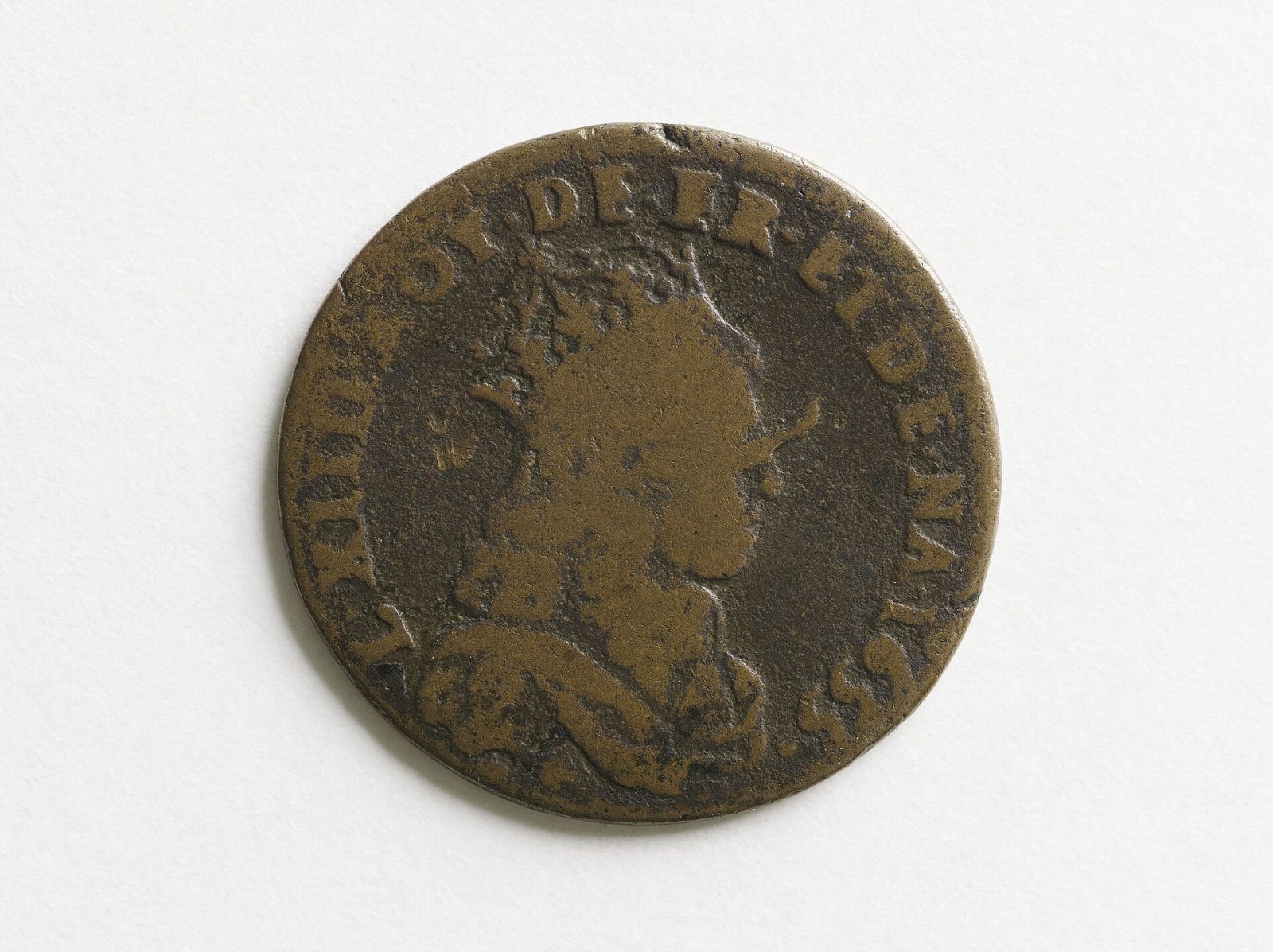
On 16 June 2021 a detecting team led by US Army veterans found a worn French copper liard dated 1655 at Fort Halifax, Pennsylvania, a provincial post of 1756. Why French coins reached a fort built to fight the French is the puzzle that this small find raised.

FF 514

Dated 1652, struck about 1660 to 1667 · found 2014

Oak Tree threepence, Clipstone

England · Coins

On 31 August 2014 John Stoner, on a club dig in a potato field at King's Clipstone in Nottinghamshire, found a thin silver coin he knew was not English. It was a Massachusetts Oak Tree threepence dated 1652, one of the first coins made in what became the United States.

FF 487

Cast about 1667 to 1671, in the reign of the Kangxi emperor · found 2011

Kangxi coin, Yukon

Canada · Coins

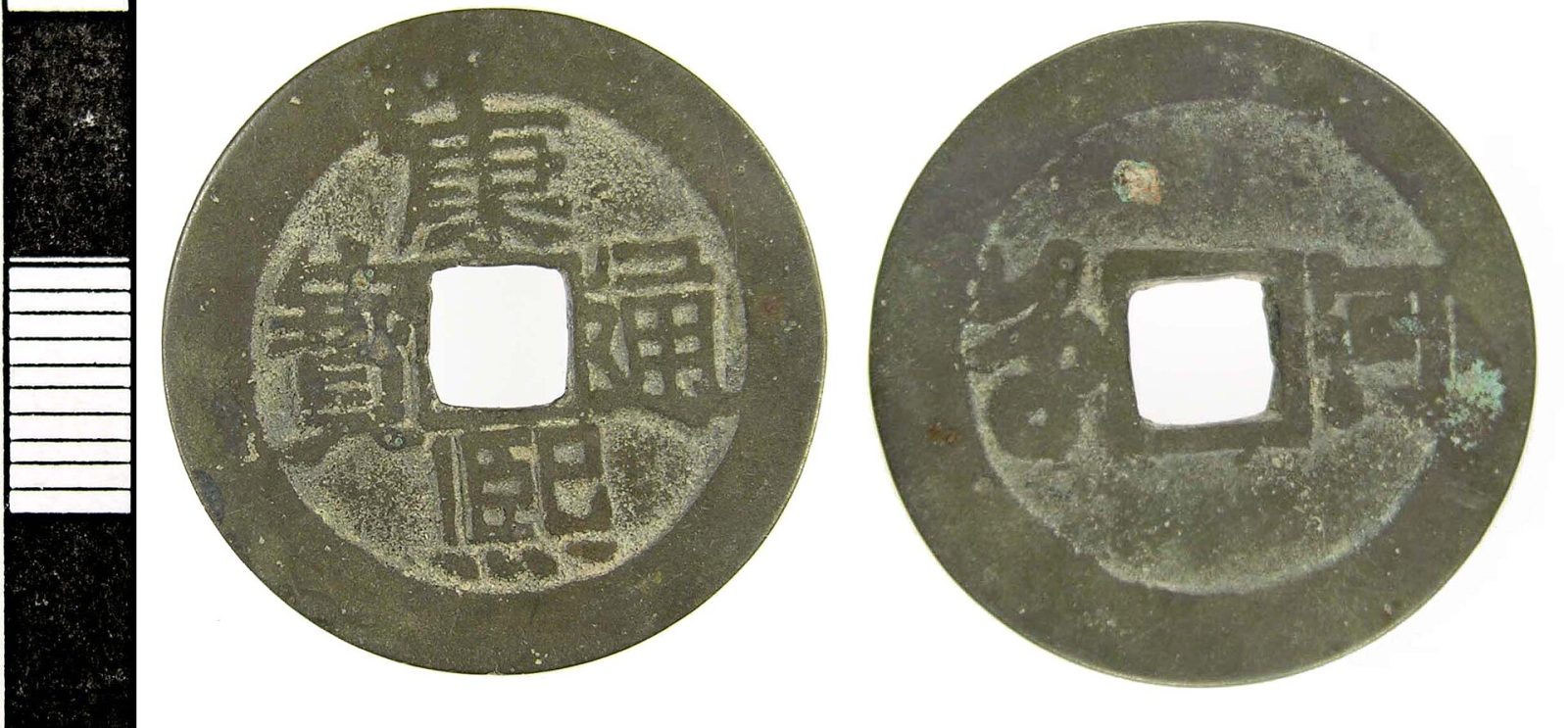
In summer 2011 archaeologists surveying the route of a mine road near Carmacks, Yukon, turned over their first shovel of topsoil and saw a Chinese coin dangling from the turf. Cast in the reign of the Kangxi emperor around 1667 to 1671, it had travelled thousands of miles inland.

FF 528

Dated 1652, struck about 1667 to 1682 · found 2015

Pine Tree shilling, Vineyard

United States · Coins

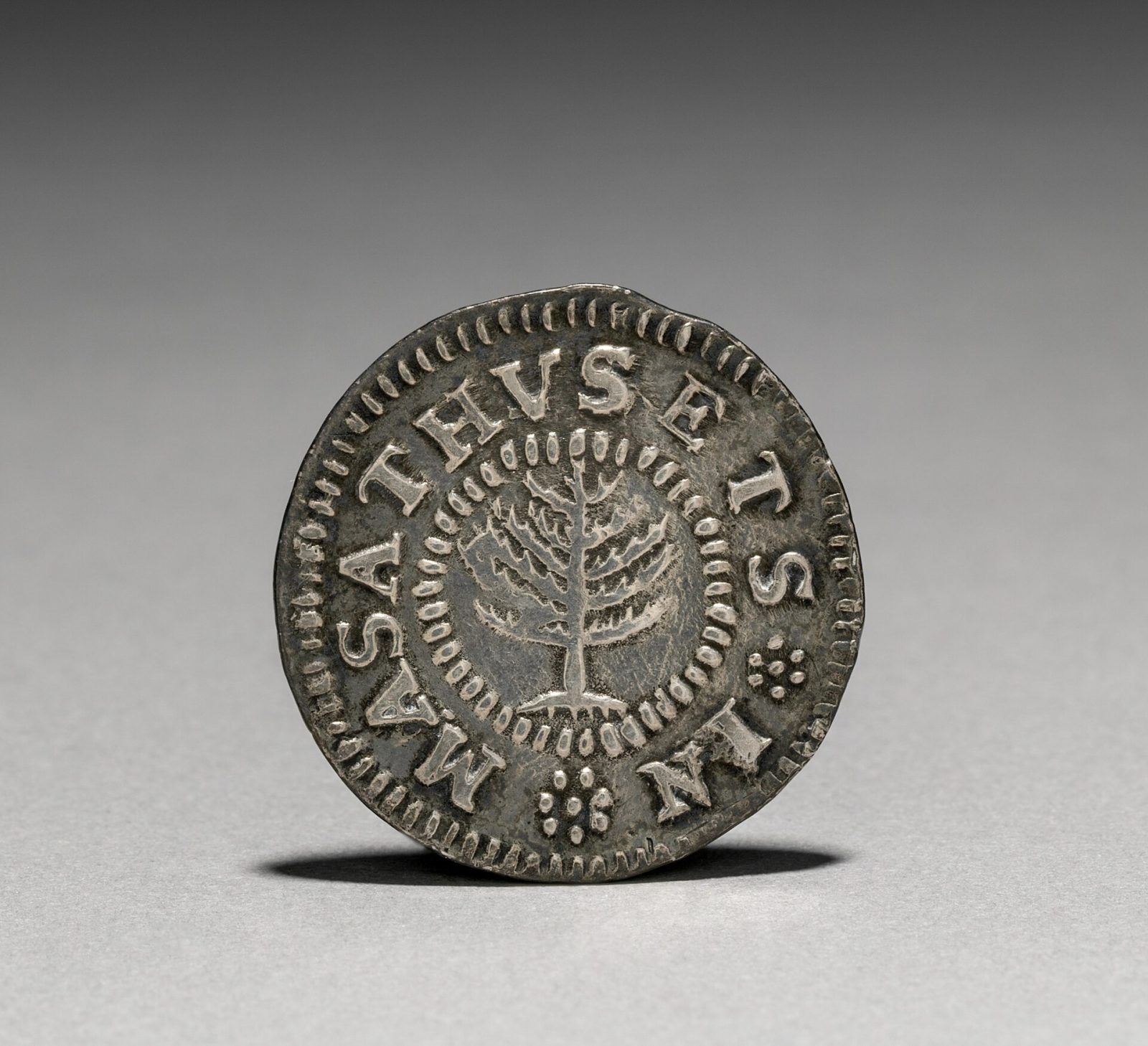
In December 2015 Tim Sauer, a carpenter from Edgartown on Martha's Vineyard, found a Massachusetts Pine Tree shilling on a town beach. He put it in his pocket with the modern change and only noticed the date the next day. It is the oldest coin known from the island.

FF 328

Sank on 1 June 1676 · found 1980

Kronan warship

Sweden · Weapons

The Swedish flagship Kronan exploded and sank off Öland during a battle in June 1676, taking about 800 men with her. Anders Franzén found the wreck in 1980, and divers have since raised over 40 bronze cannons and some 255 gold coins, Sweden's largest gold-coin find.

FF 260

Built 1684; wrecked in the winter of 1686 · found 1995

La Belle shipwreck

United States · Artefacts

In July 1995 divers searching Matagorda Bay in Texas found a bronze cannon bearing the arms of the French navy. It came from La Belle, a ship of the explorer La Salle, wrecked in 1686. Archaeologists built a dam around the wreck and excavated it as if on dry land.

FF 498

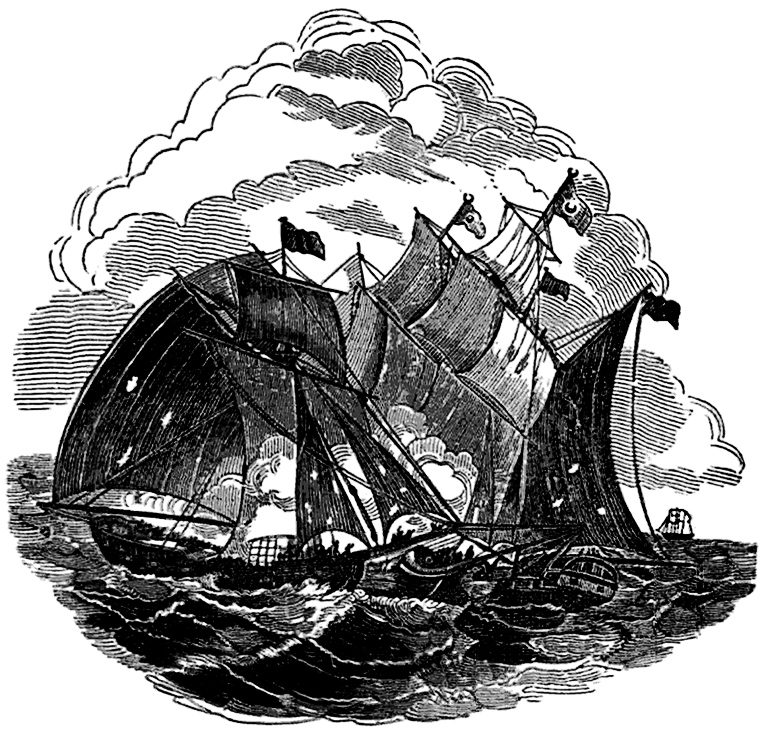
Struck in Yemen in 1693 · found 2014

Henry Every's Yemeni coin

United States · Coins

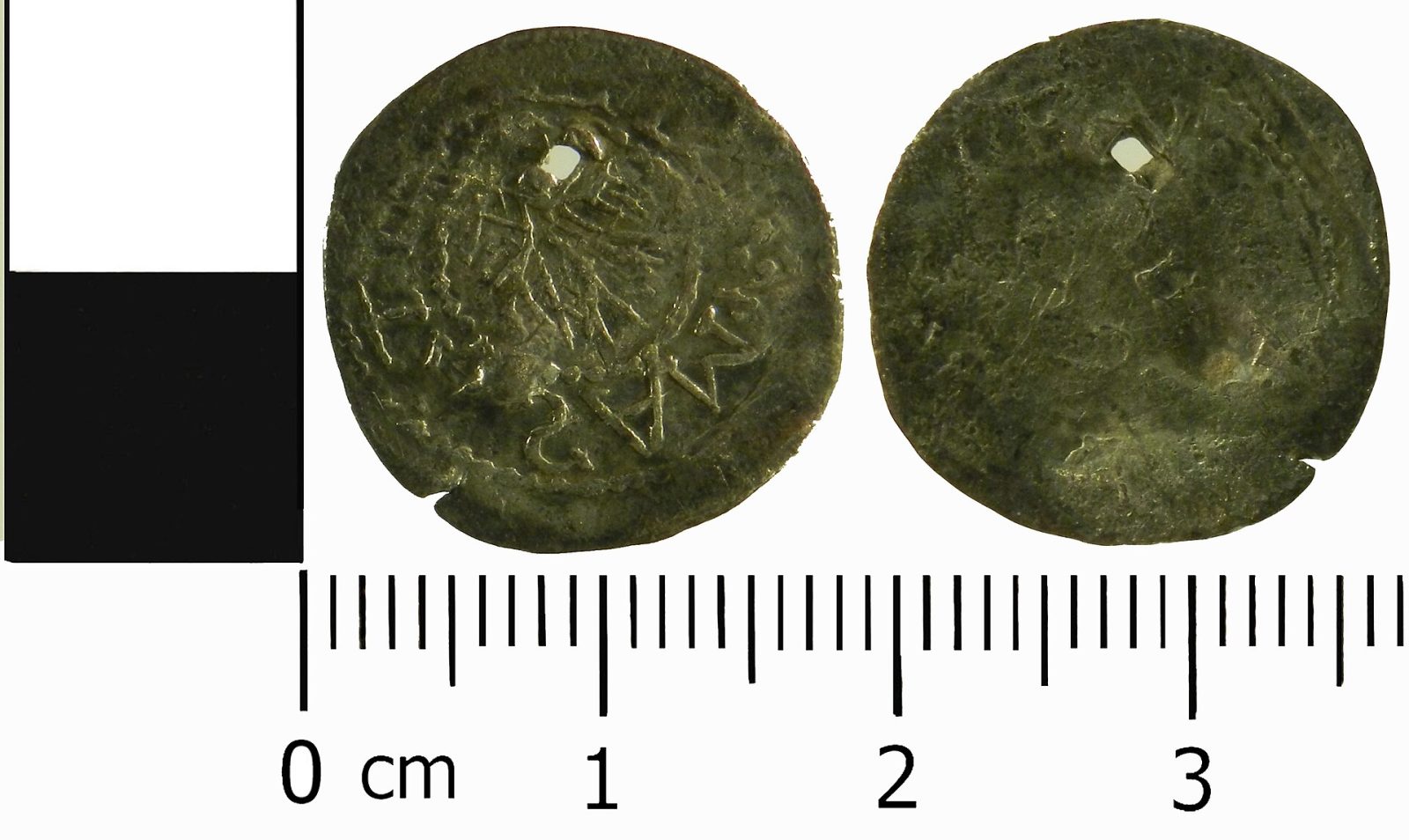
In 2014 detectorist Jim Bailey found a darkened silver coin with Arabic script at a fruit farm in Middletown, Rhode Island. Struck in Yemen in 1693, it led him to argue that the crew of the pirate Henry Every spent their loot in colonial New England.

FF 317

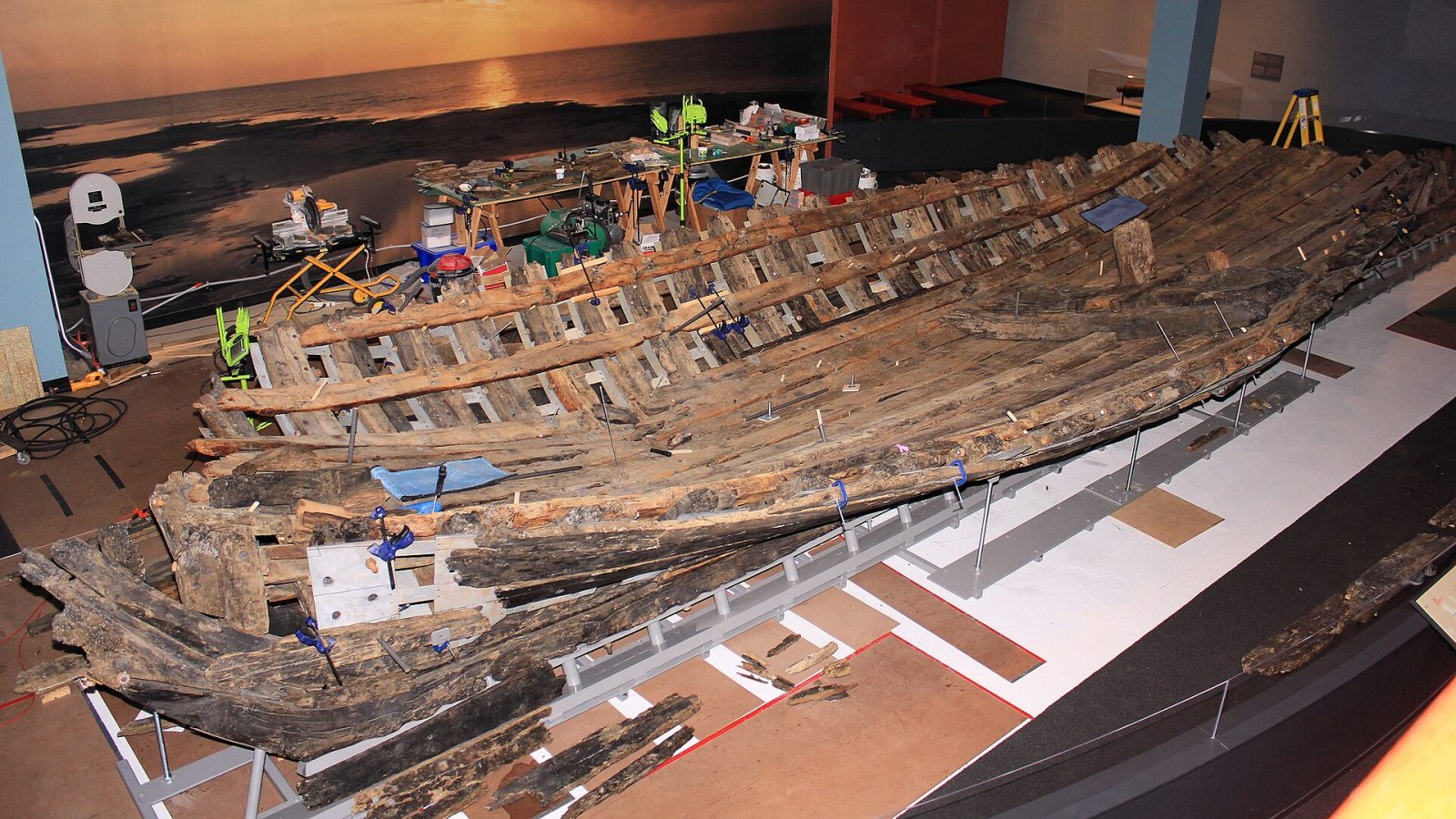
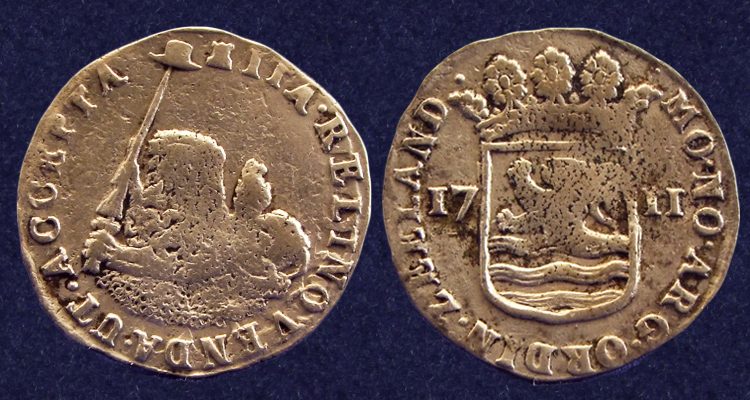
Coins struck in 1711; the ship was wrecked in 1712 · found 1927

Zuytdorp coins

Australia · Hoards

In 1926 and 1927 station families on the remote coast north of Kalbarri found silver coins dated 1711 on top of sheer cliffs. In 1954 stockman Tom Pepper led geologist Phillip Playford to the spot, and the wreck of the Dutch ship Zuytdorp, lost in 1712, was identified below.

FF 191

Wrecked 31 July 1715 · found 1961

1715 Treasure Fleet

United States · Hoards

On 31 July 1715 a hurricane wrecked eleven Spanish treasure ships off the east coast of Florida. Two and a half centuries later a builder picking up coins on the beach with a surplus mine detector found the wrecks, and the fleet's gold and silver is still being recovered today.

FF 306

Cast in 1716; the ship sank in April 1717 · found 1985

Whydah Gally bell

United States · Artefacts

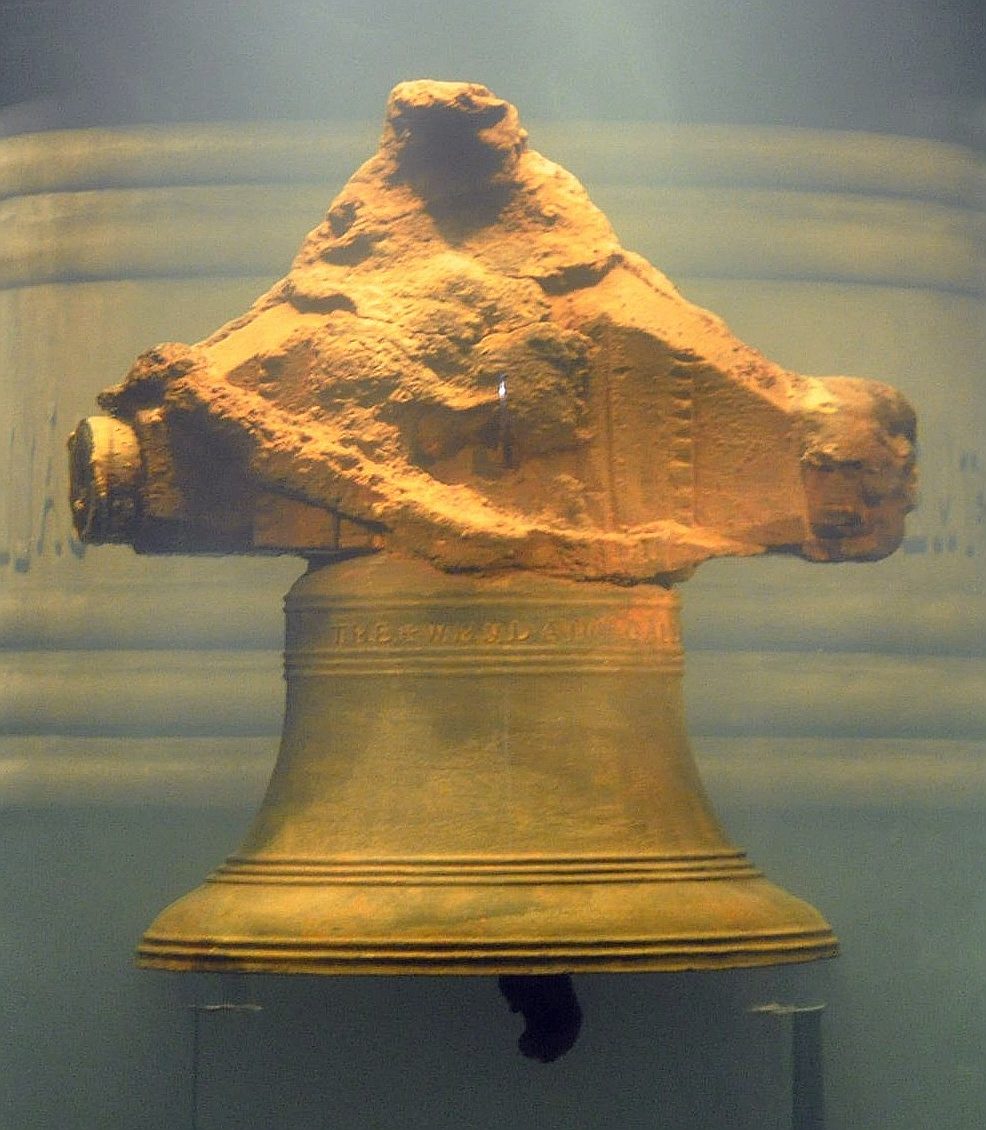
The pirate ship Whydah Gally sank off Cape Cod in a storm in April 1717. Explorer Barry Clifford found the wreck in 1984, and in October 1985 his divers raised its bronze bell, inscribed with the ship's name: the first pirate wreck ever identified beyond doubt.