Famous finds

The finds every detectorist knows: hoards turned up by ploughs, builders and fellow detectorists, and the treasures that changed what we know about the past. Oldest first, by when they were made or buried. Each one is on the finds timeline too.

507 famous finds, oldest first · page 3 of 13. Jump to: Prehistoric · Bronze Age · Iron Age · Roman · Early Medieval · Medieval · Post-Medieval · Modern

FF 228

5th to 4th century BC · found 1877

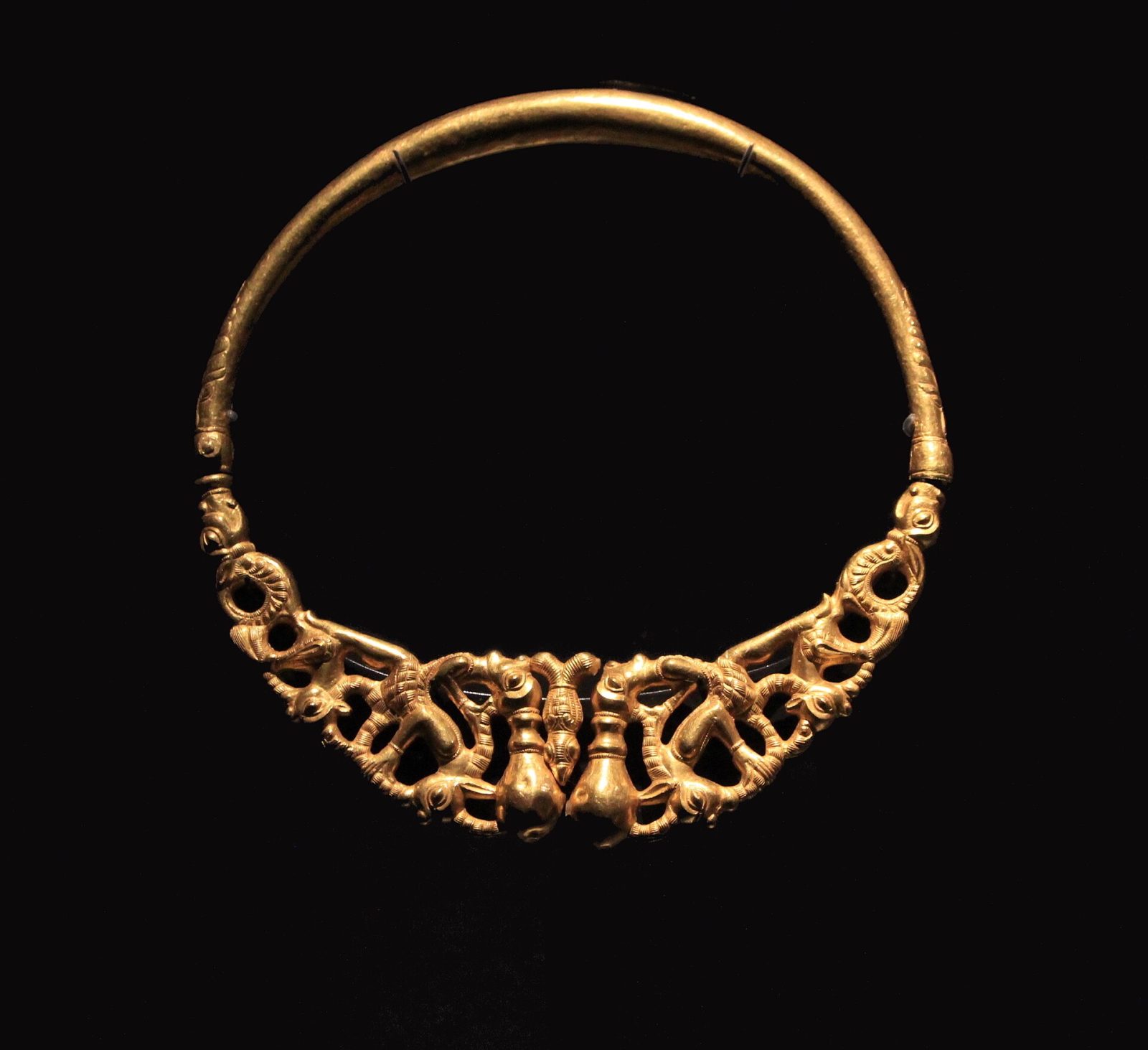
Oxus Treasure

Tajikistan · Hoards

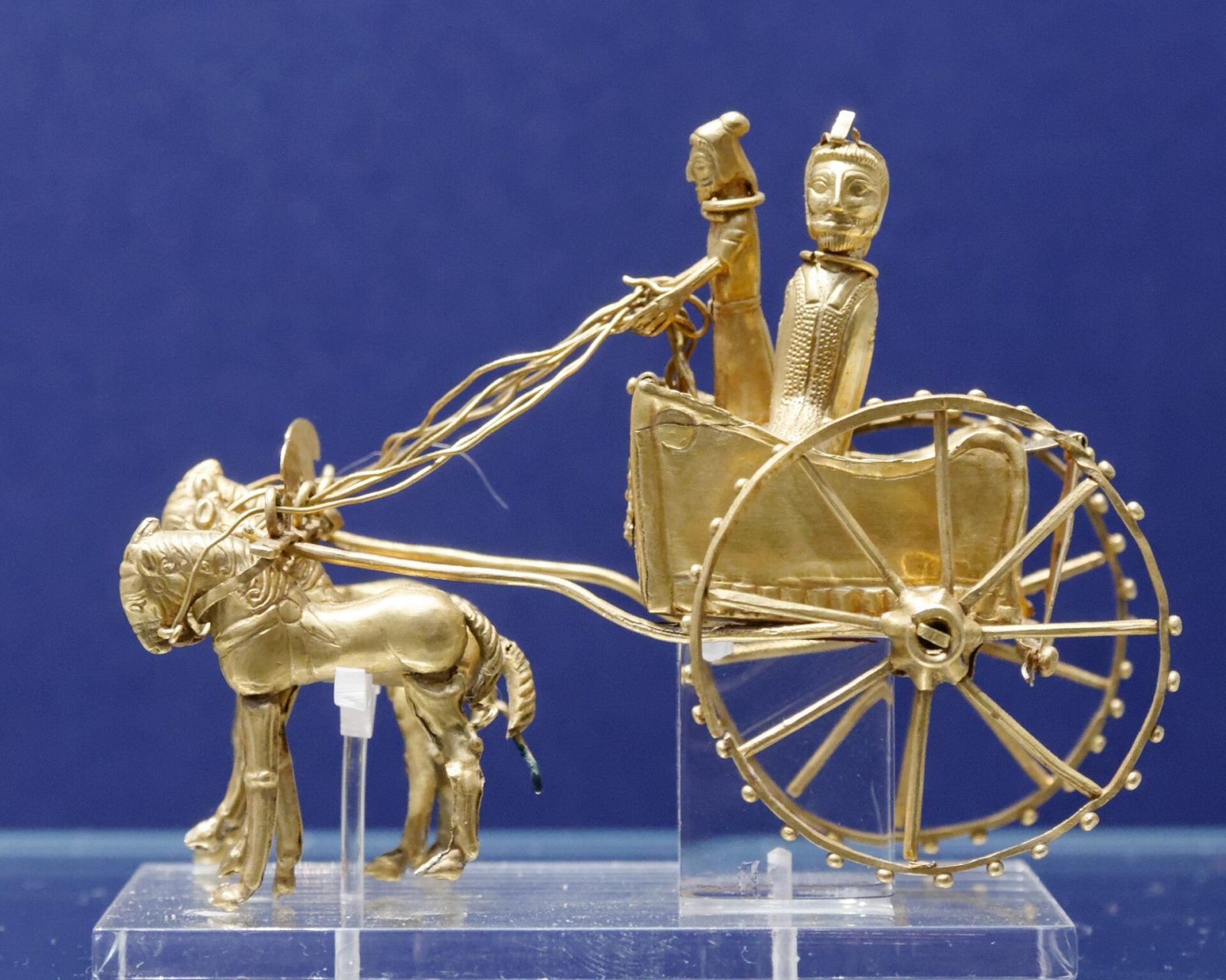
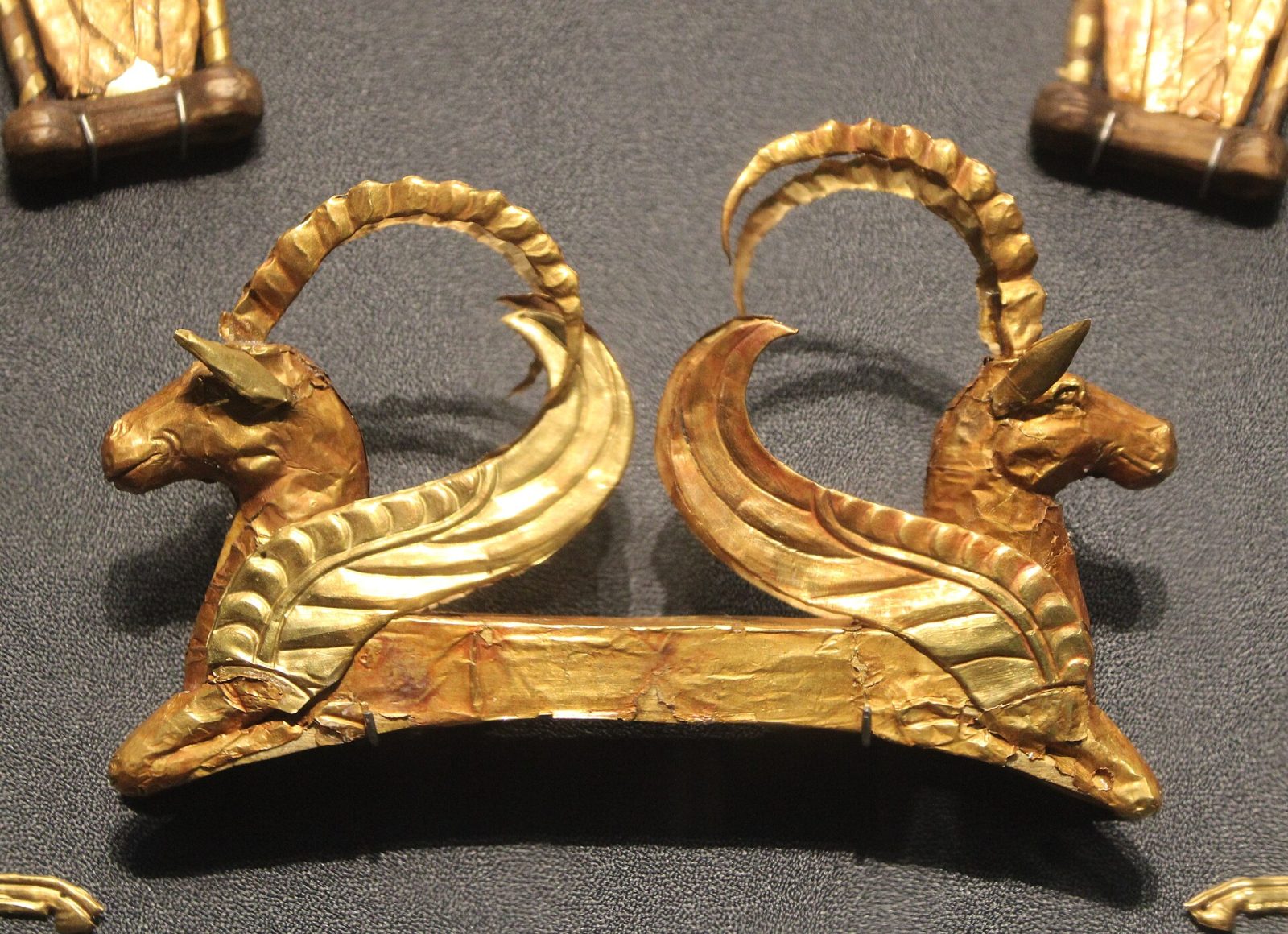
Around 1877 a hoard of Persian gold and silver was found on the banks of the Oxus river in Central Asia. In 1880 the merchants carrying it to India were robbed by bandits, and a British officer rescued most of it in the night. It is now in the British Museum.
FF 240

Made mostly in the 5th century BC; buried about 100 BC · found 1811

Negau helmets

Slovenia · Weapons

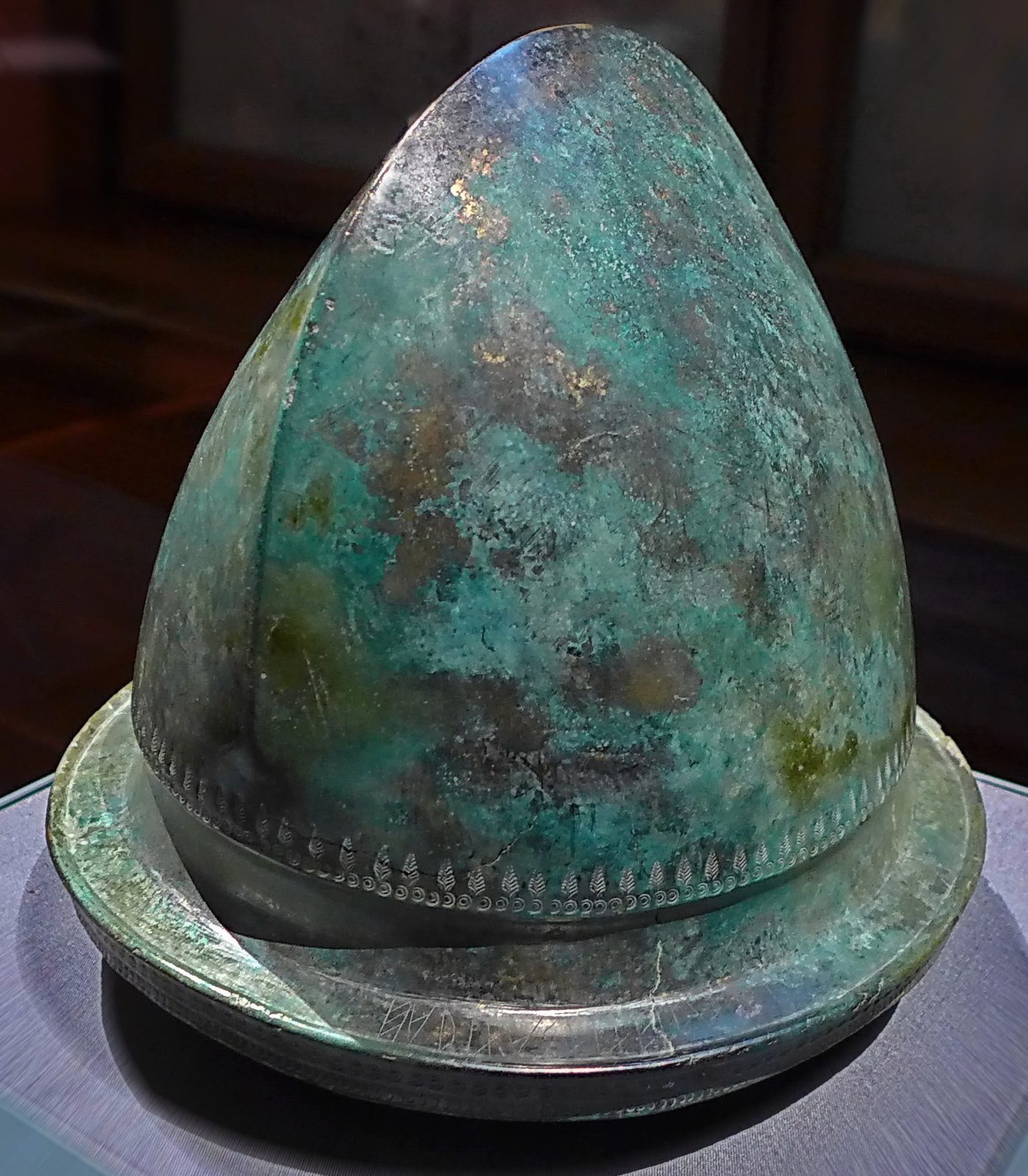
In November 1811 a farmer ploughing new land at Ženjak in what is now Slovenia found 26 bronze helmets stacked together. Some were melted down for scrap. One of the survivors carries an inscription reading harigasti teiva, among the oldest known words in a Germanic language.

FF 270

About 500 BC to AD 1, Dong Son culture · found 1893

Ngoc Lu bronze drum

Vietnam · Artefacts

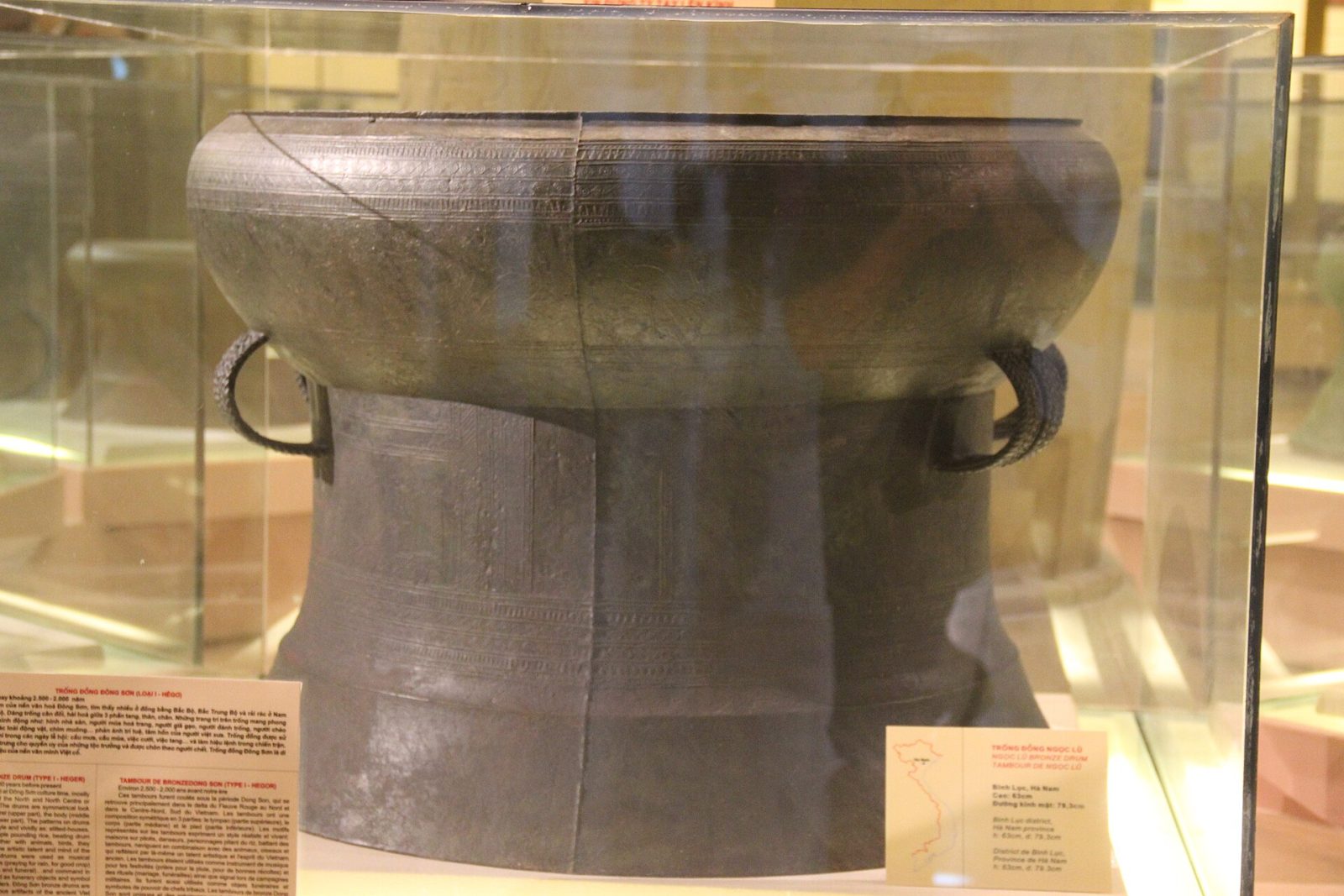
In 1893 villagers building a dyke beside the Red River in northern Vietnam dug up a great bronze drum. Decorated with dancers, houses on stilts, birds and war-boats, the Ngoc Lu drum is the finest of the Dong Son culture and a National Treasure of Vietnam.

FF 250

Made for King Goujian, who reigned 496 to 465 BC · found 1965

Sword of Goujian

China · Weapons

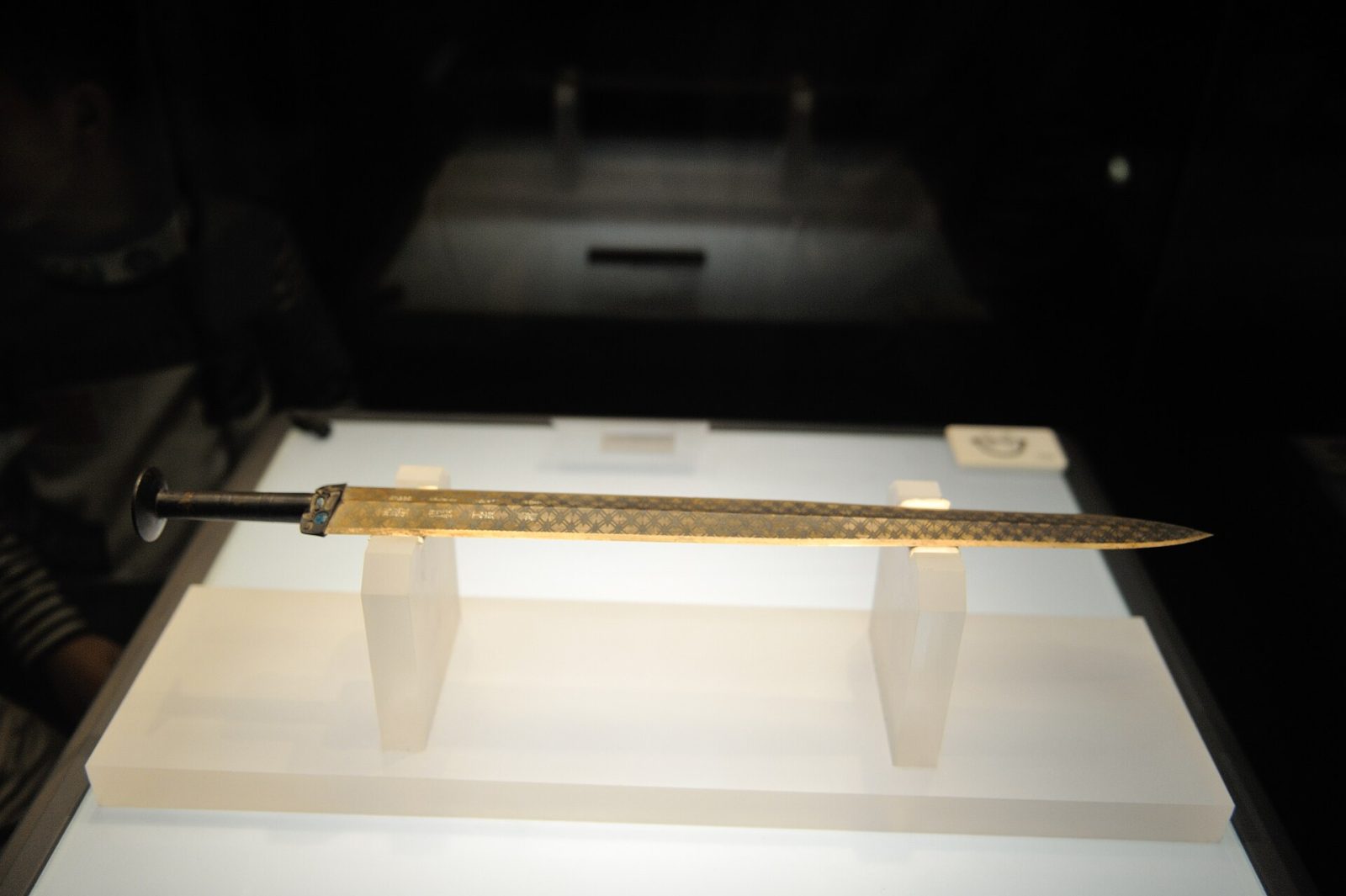
In December 1965 archaeologists excavating ancient tombs in Hubei, China, ahead of a canal scheme drew a bronze sword from its scabbard and found it bright and sharp. Its inscription names Goujian, a king of Yue who reigned from 496 to 465 BC.

FF 452

Made in the Warring States period, 5th to 3rd century BC · found 1972

Aluchaideng eagle gold crown

China · Jewellery

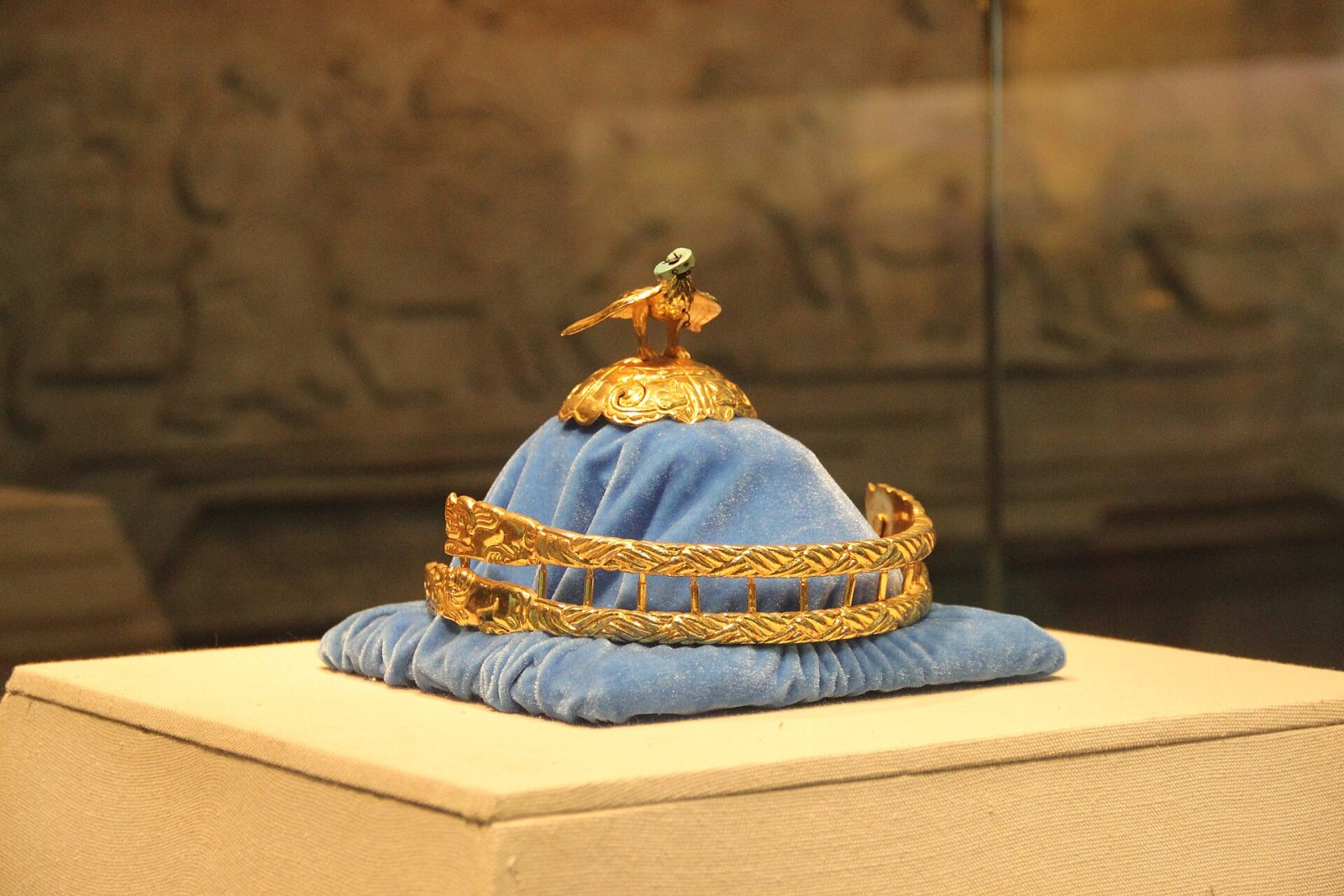
In the winter of 1972 farmers working land at Aluchaideng in Inner Mongolia, China, turned up gold. Some pieces went home with them and had to be recovered. Among more than 200 objects was a gold crown topped by an eagle with a turquoise head, weighing almost 1.4 kilograms.

FF 350

Made about 450 to 400 BC · found 1996

Glauberg prince

Germany · Artefacts

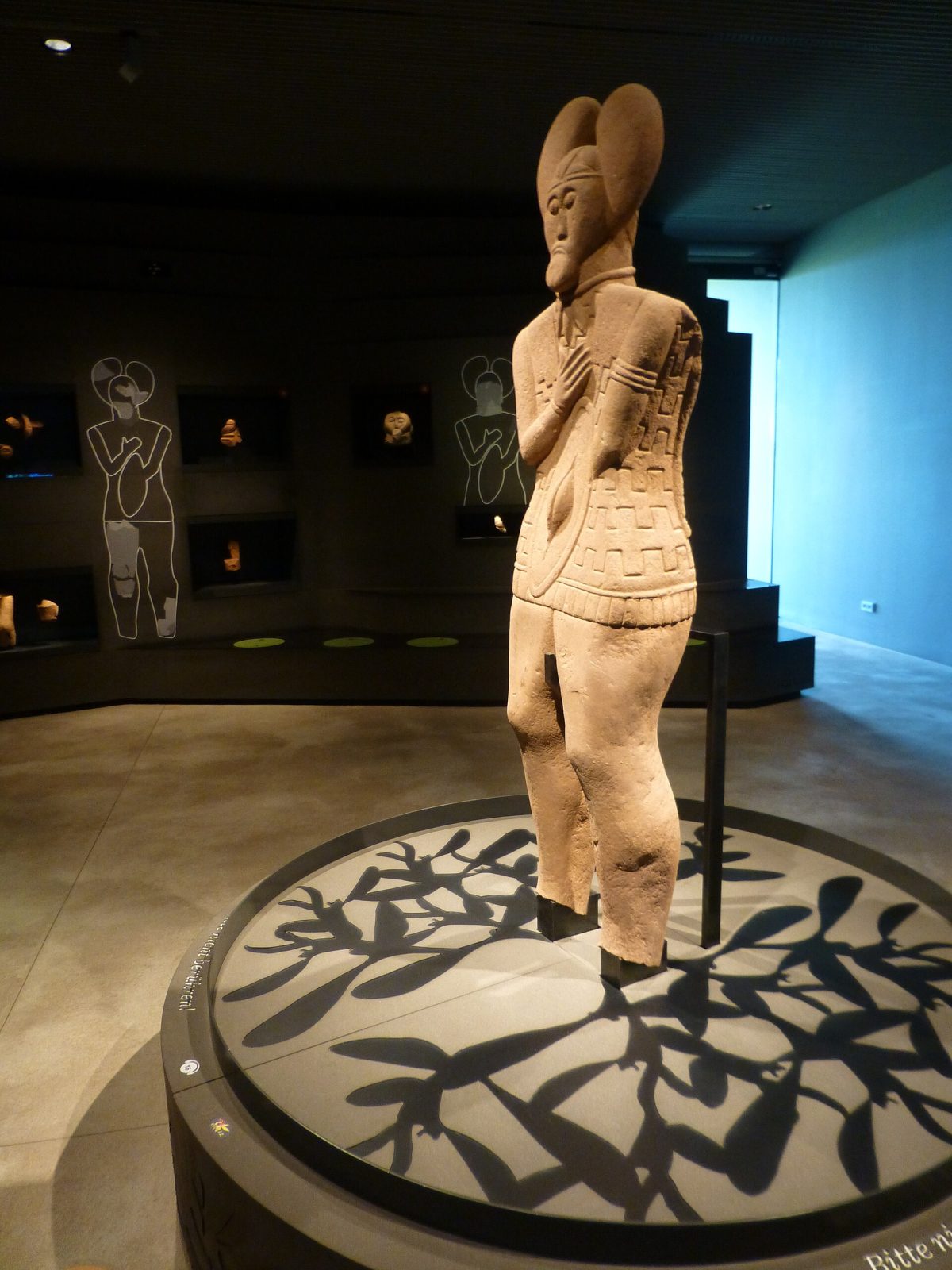
In 1988 Werner Erk, a retired teacher from Glauburg in Hesse, asked the pilot of a sightseeing flight to pass over the Glauberg and photographed marks in the crops. Excavations found an unrobbed princely grave of about 400 BC and, in 1996, a life-size sandstone statue of the man buried in it.

FF 109

Made about 400 to 250 BC · found 2016

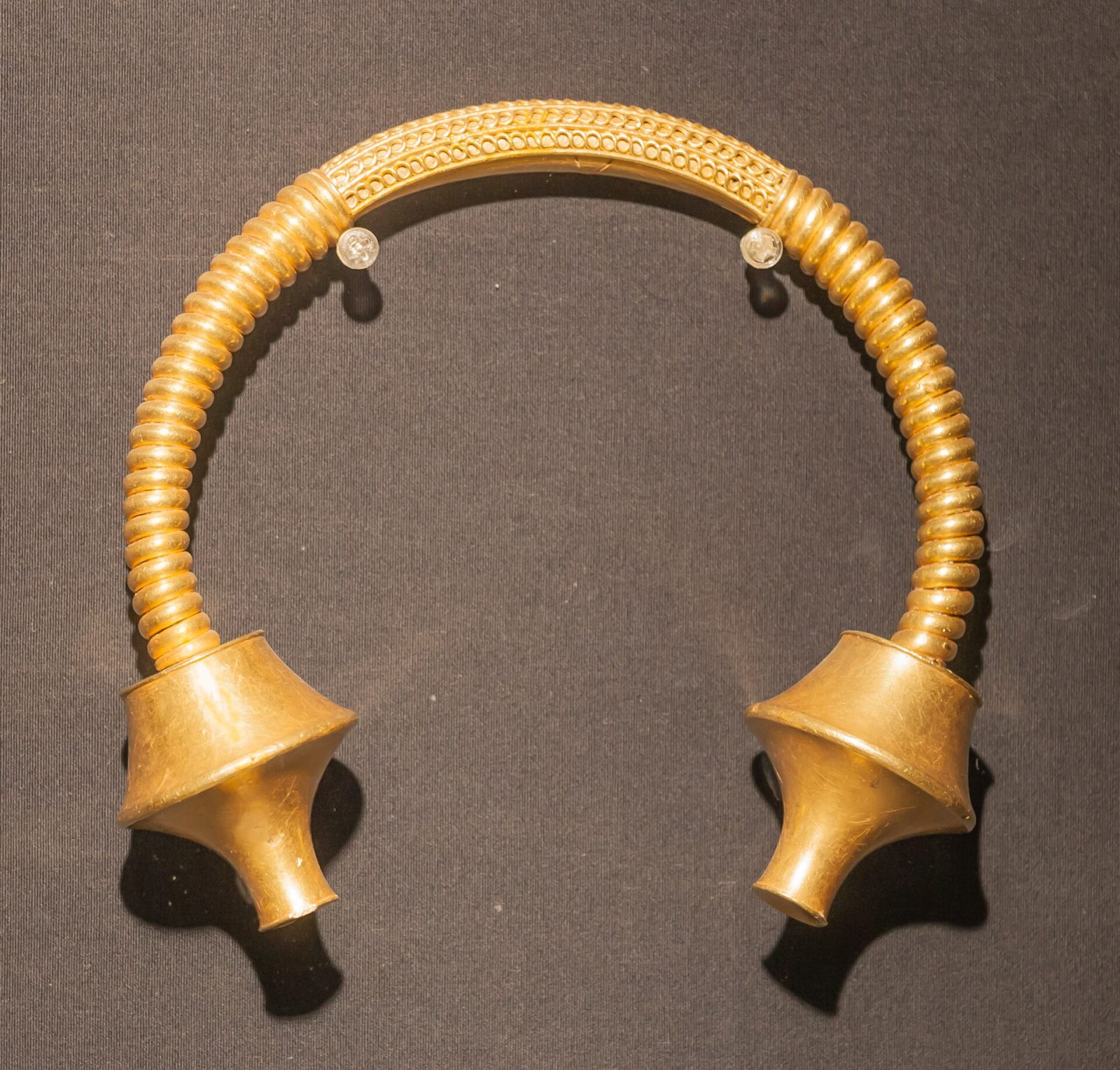
Leekfrith Torcs

England · Jewellery

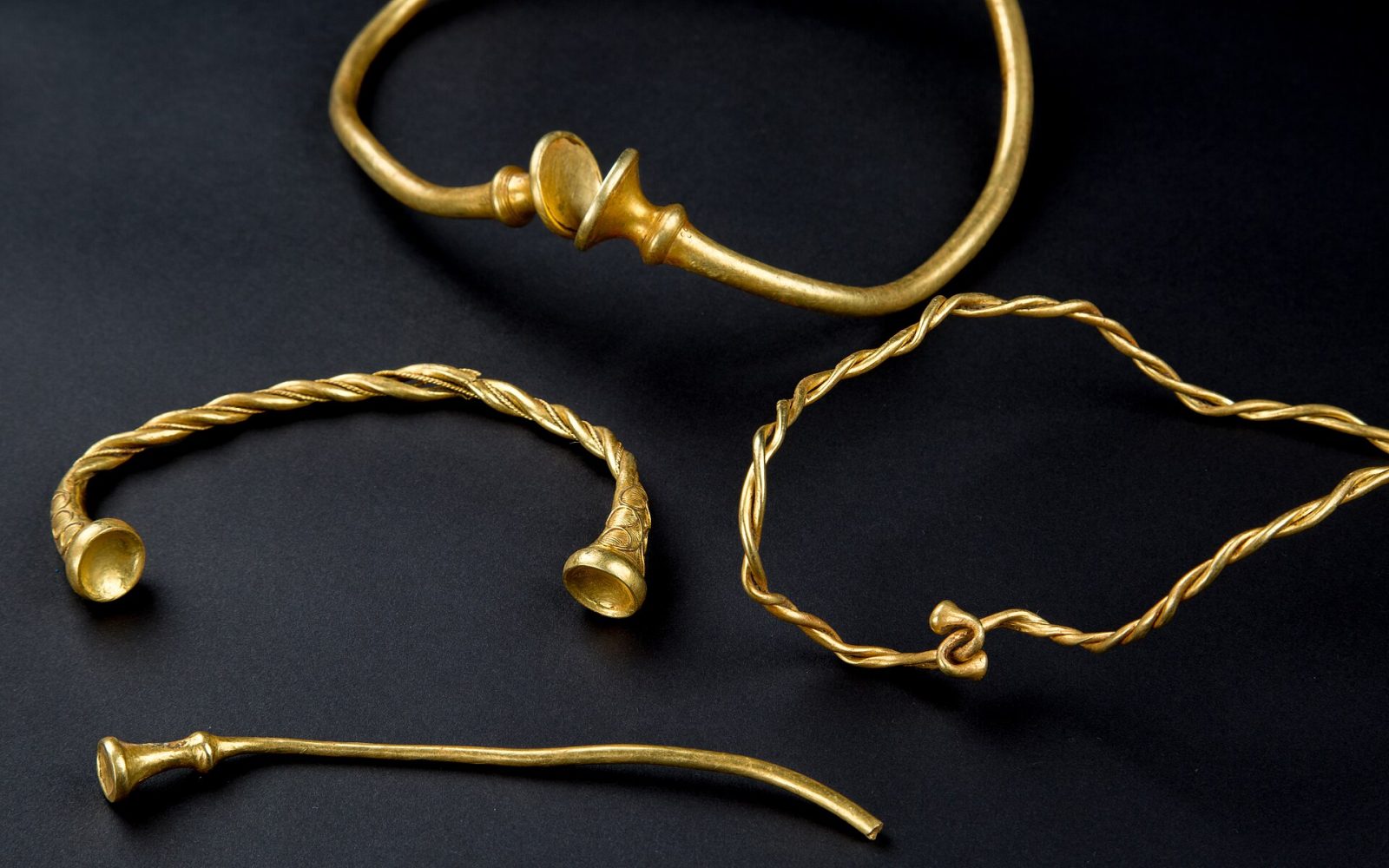
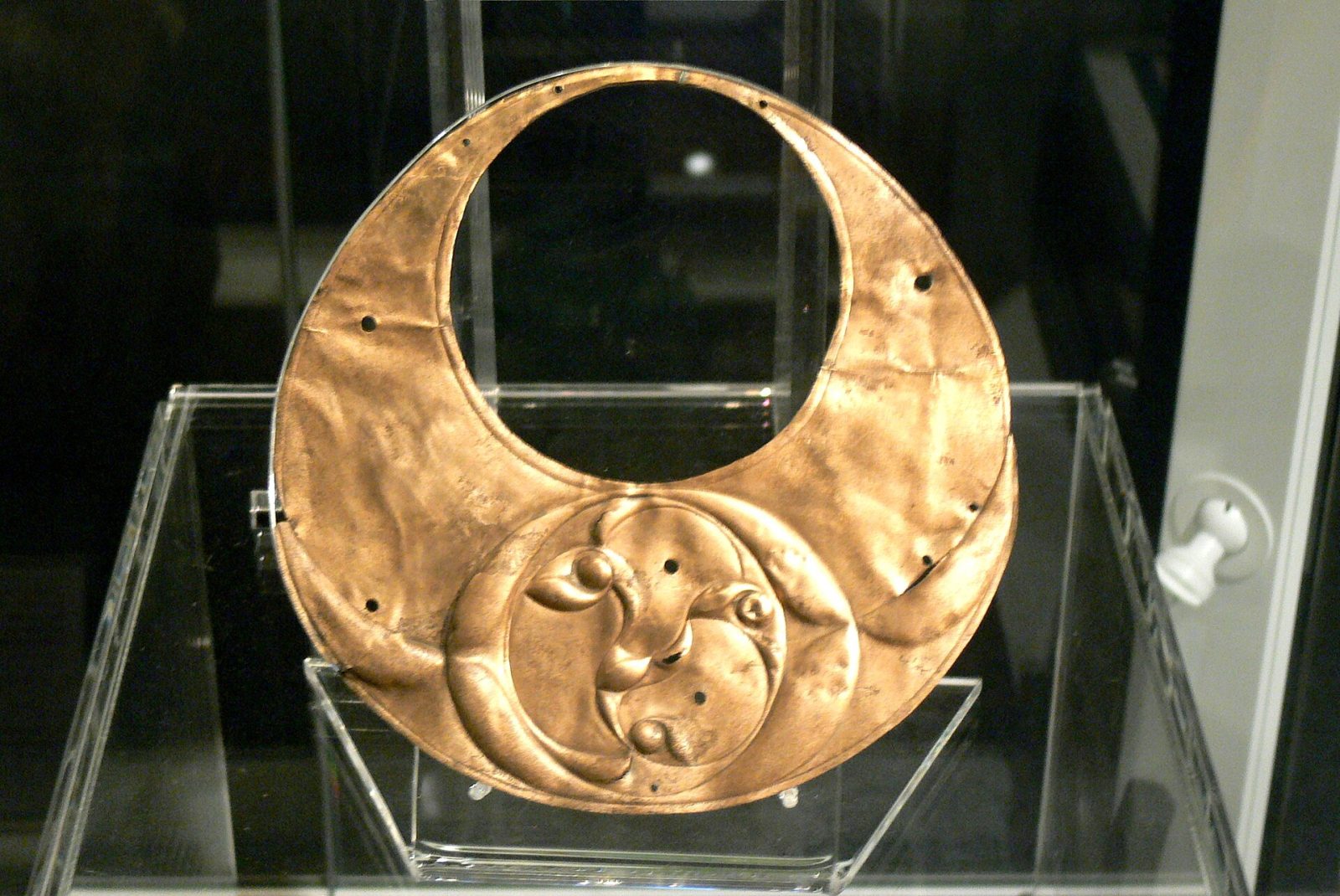
In December 2016 two detectorists searching a field near Leek in Staffordshire found three gold torcs and a bracelet. Made around 400 to 250 BC, they are thought to be the earliest Iron Age gold ever found in Britain.

FF 134

Made about 400 to 300 BC · found 1826

Witham Shield

England · Weapons

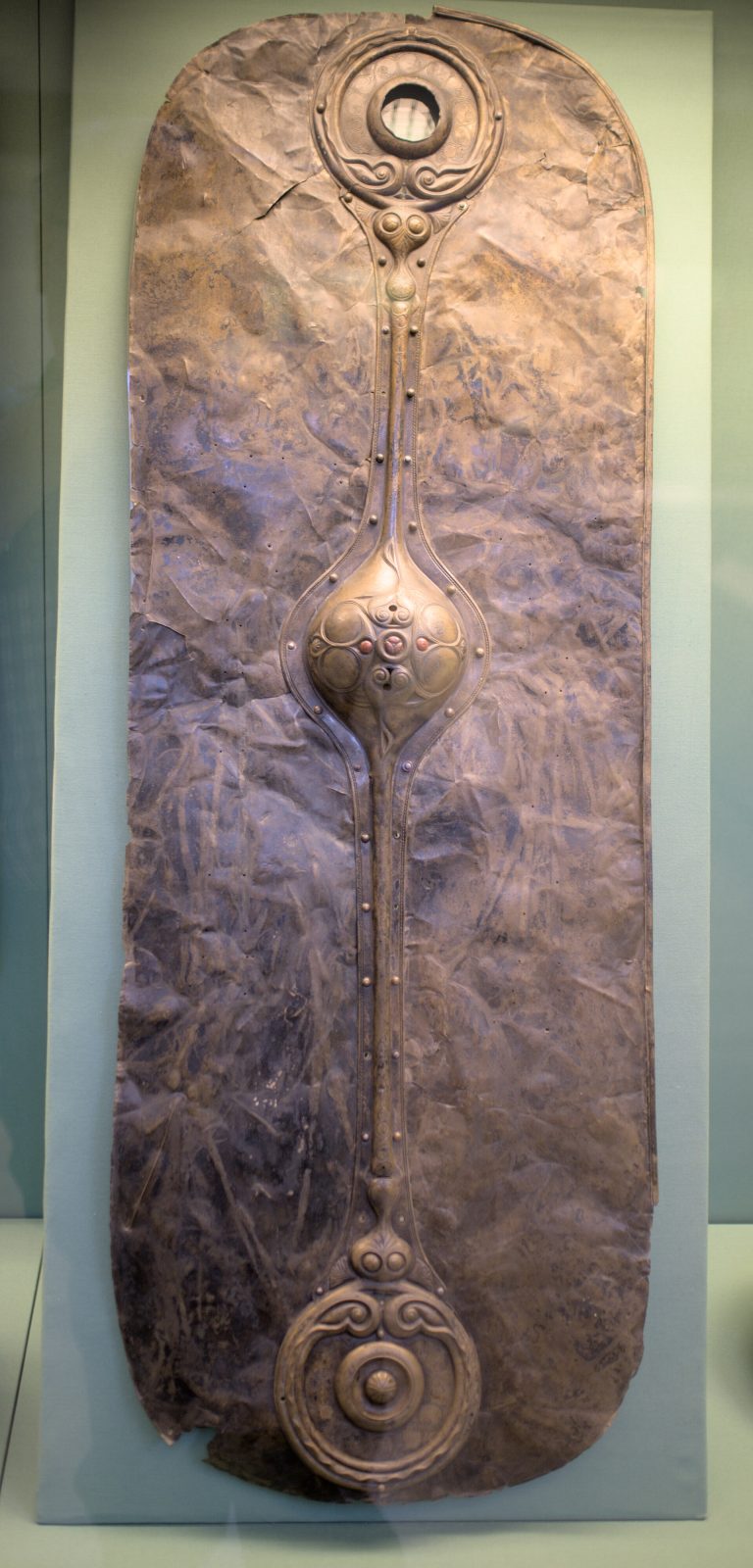
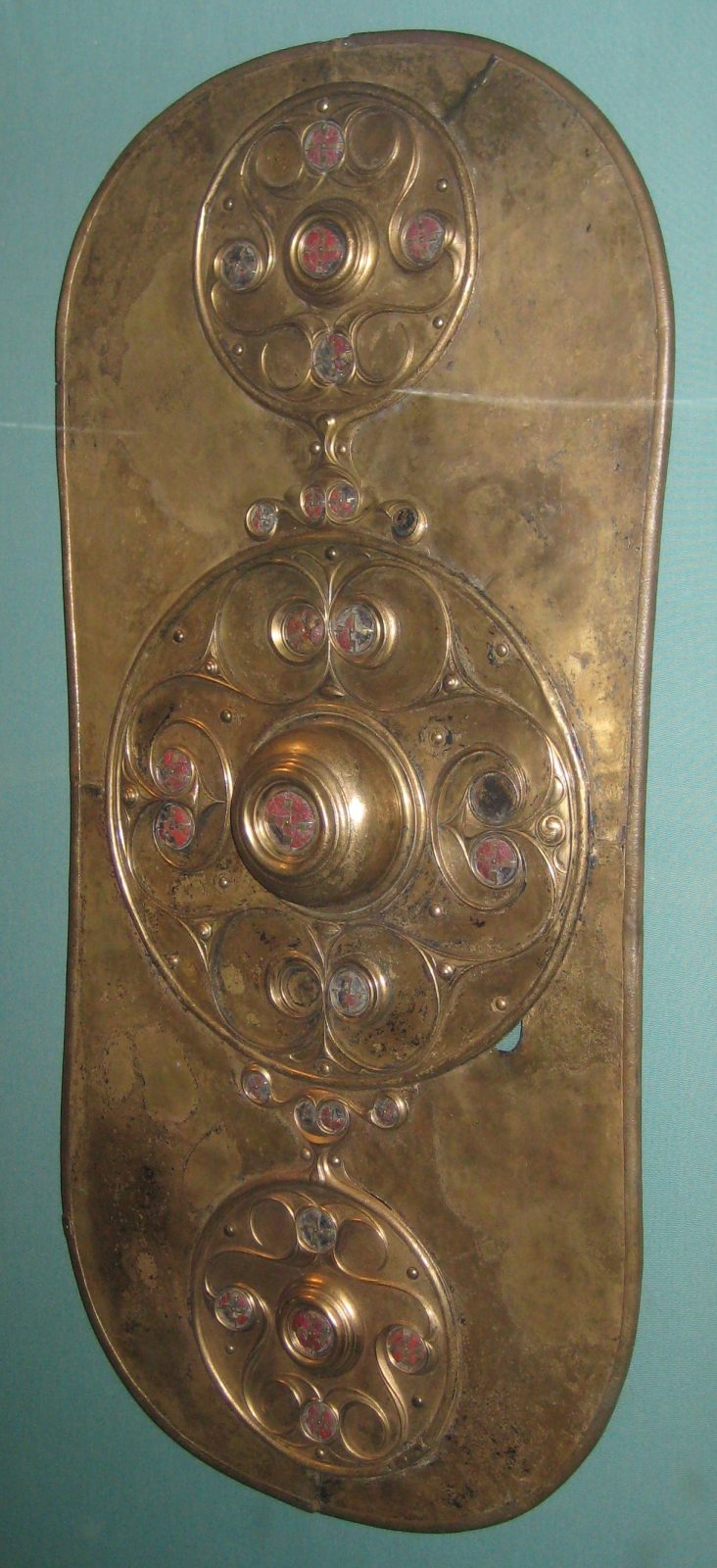
Dredged from the River Witham near Lincoln in 1826, this long bronze shield facing is a masterpiece of early Celtic art. A leather boar once fixed to it has vanished, leaving only its outline.

FF 179

4th century BC · found 1962

Erstfeld Gold

Switzerland · Jewellery

In August 1962 two Italian workers clearing scree above Erstfeld in the Swiss Alps saw seven gold rings slide out from between two huge boulders. The Celtic neck and arm rings, never worn, may have been an offering for a safe crossing of the Alps.

FF 219

4th century BC · found 1974

Borovo Treasure

Bulgaria · Hoards

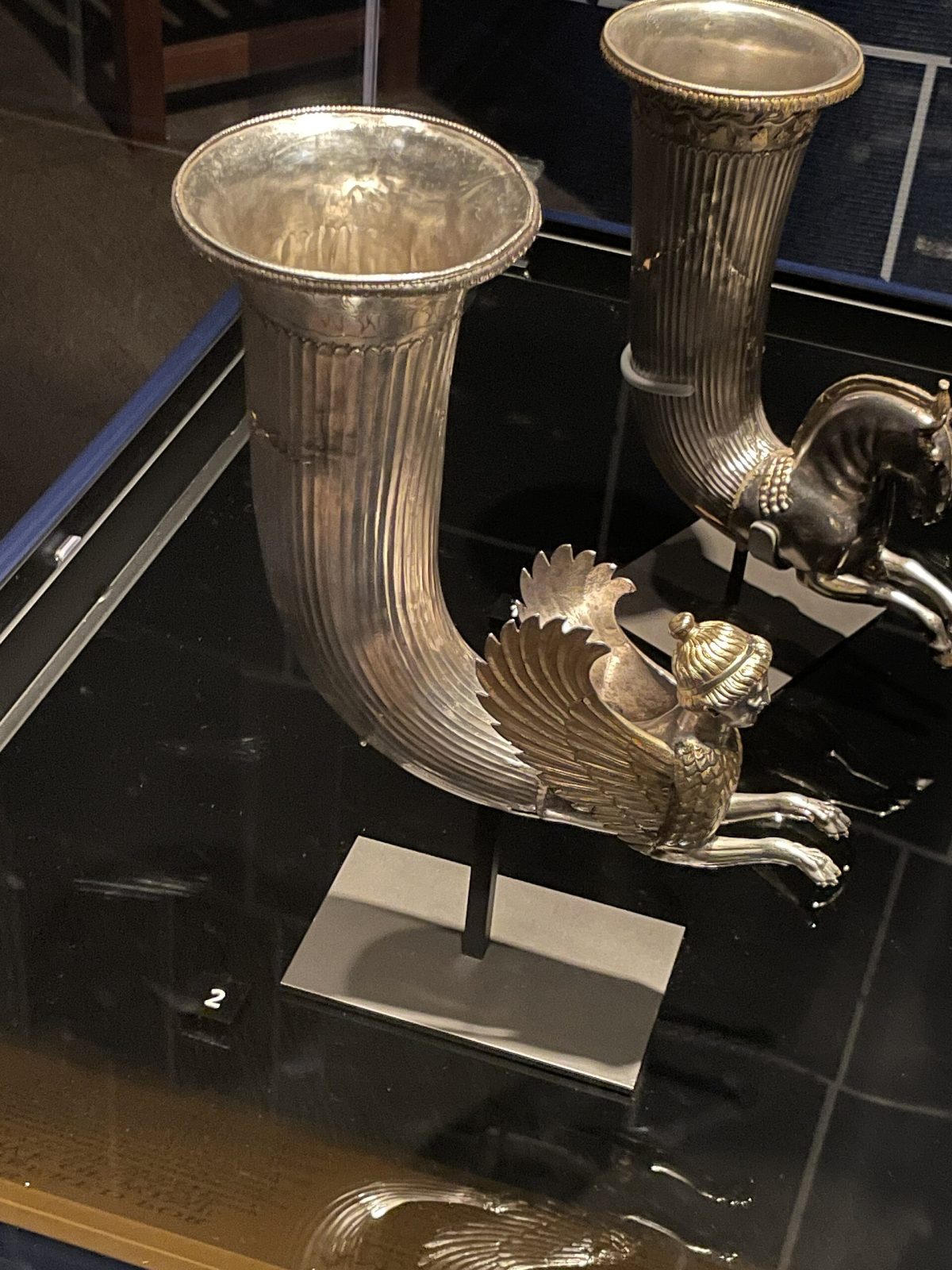
Late in 1974 a tractor driver ploughing a field near Borovo in northern Bulgaria struck a set of silver-gilt drinking vessels: three horn-shaped rhyta ending in a horse, a bull and a sphinx, a bowl and a jug, some inscribed with the name of a Thracian king.

FF 268

4th to 3rd century BC · found 1969

Issyk Golden Man

Kazakhstan · Jewellery

In 1969 a burial mound near Issyk, east of Almaty in Kazakhstan, gave up a Saka warrior dressed in more than 4,000 gold ornaments, with a tall gold-covered headdress and a silver bowl bearing writing no one can read. The Golden Man is now a national symbol.

FF 325

Sacrificed about 350 BC · found 1921

Hjortspring boat

Denmark · Weapons

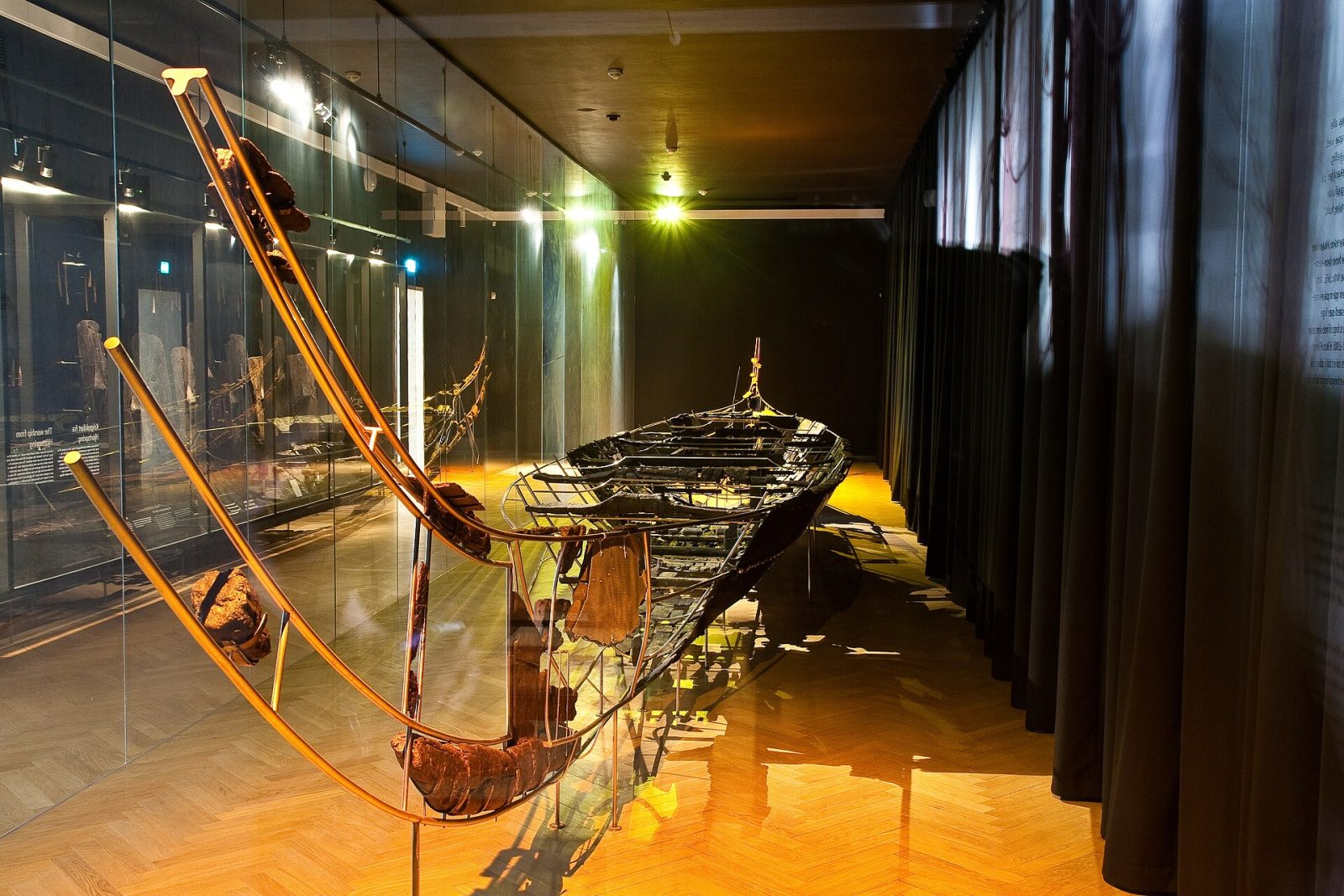
In the 1880s peat cutters on the Danish island of Als dug up old weapons and timbers but told no one. Excavated in 1921 and 1922, the Hjortspring bog gave up Northern Europe's oldest plank-built boat and the weapons of a defeated war band, sacrificed around 350 BC.

FF 239

Made about 350 BC · found 1981

Agris Helmet

France · Weapons

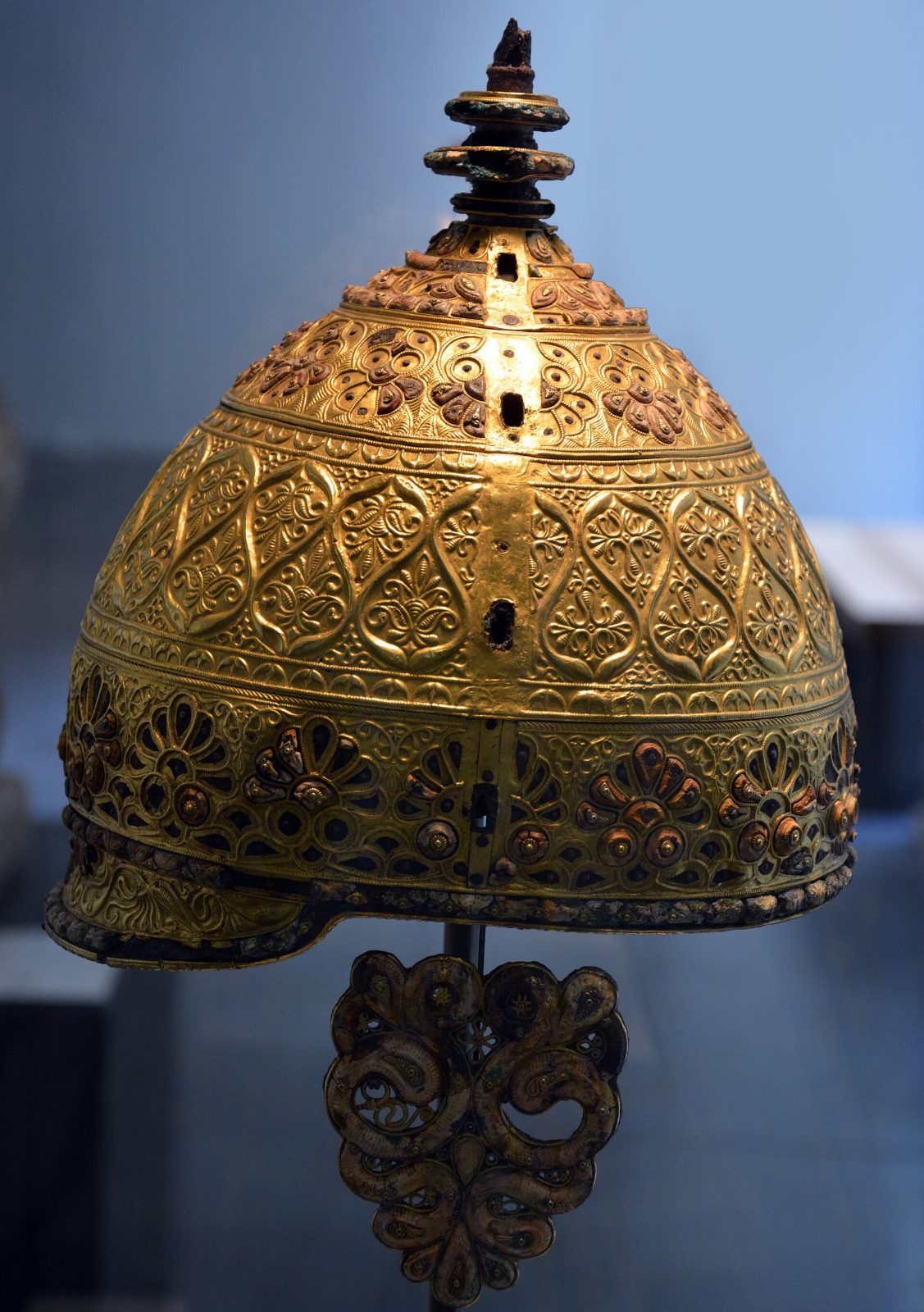
In May 1981 cavers exploring a newly found cave at Agris in western France spotted pieces of gold-covered metal on the spoil of a badger's burrow. They were part of a Celtic parade helmet of about 350 BC, covered in pure gold leaf and studded with coral.

FF 231

Made about 370 to 320 BC · found 1962

Derveni Krater

Greece · Artefacts

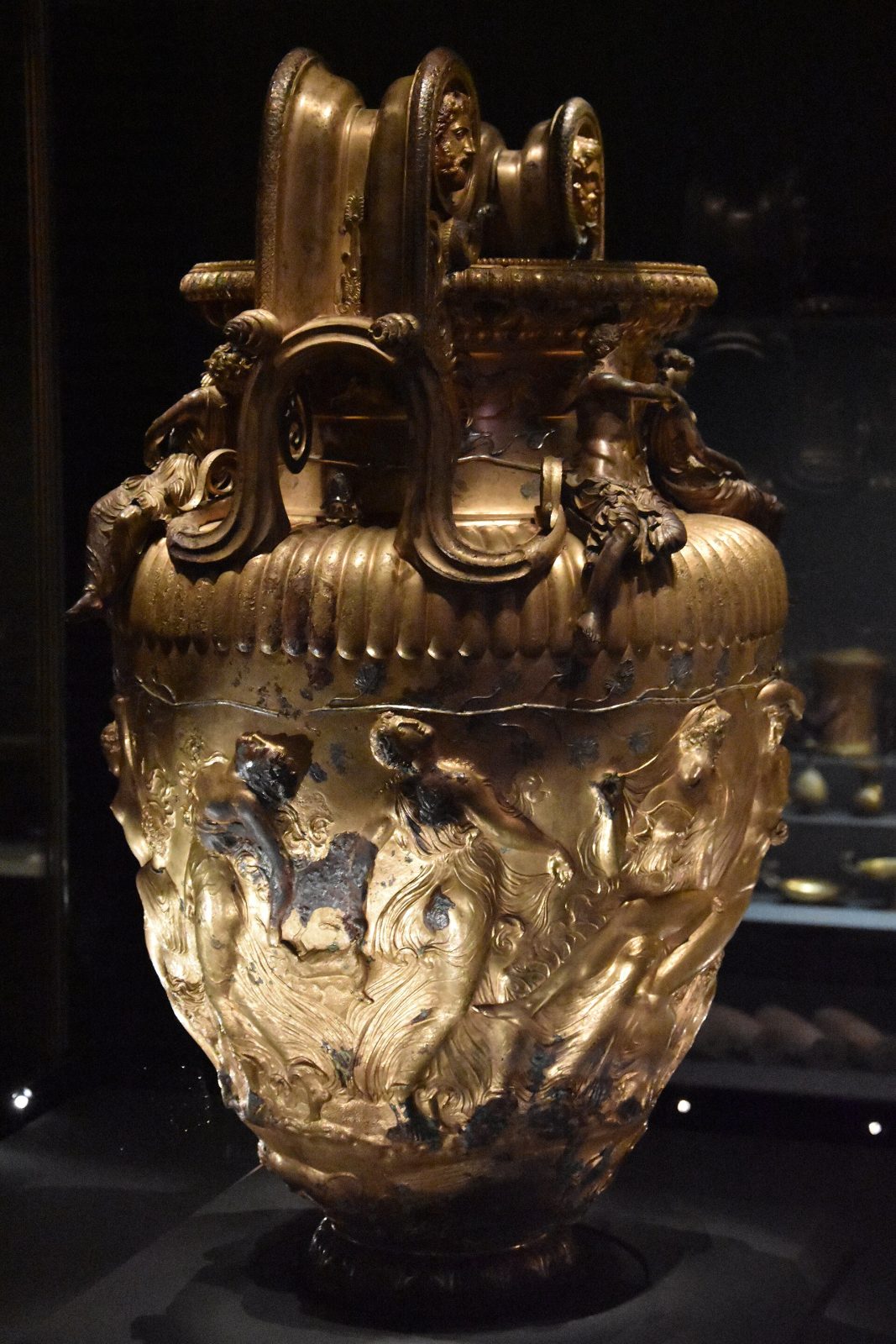
In January 1962 a machine widening a road near Thessaloniki in Greece broke into ancient graves. One held a huge bronze mixing bowl that gleams like gold, covered with figures of Dionysus and his followers, used as the urn for a Macedonian couple's ashes.

FF 265

Made about 360 to 340 BC · found 1971

Tovsta Mohyla pectoral

Ukraine · Jewellery

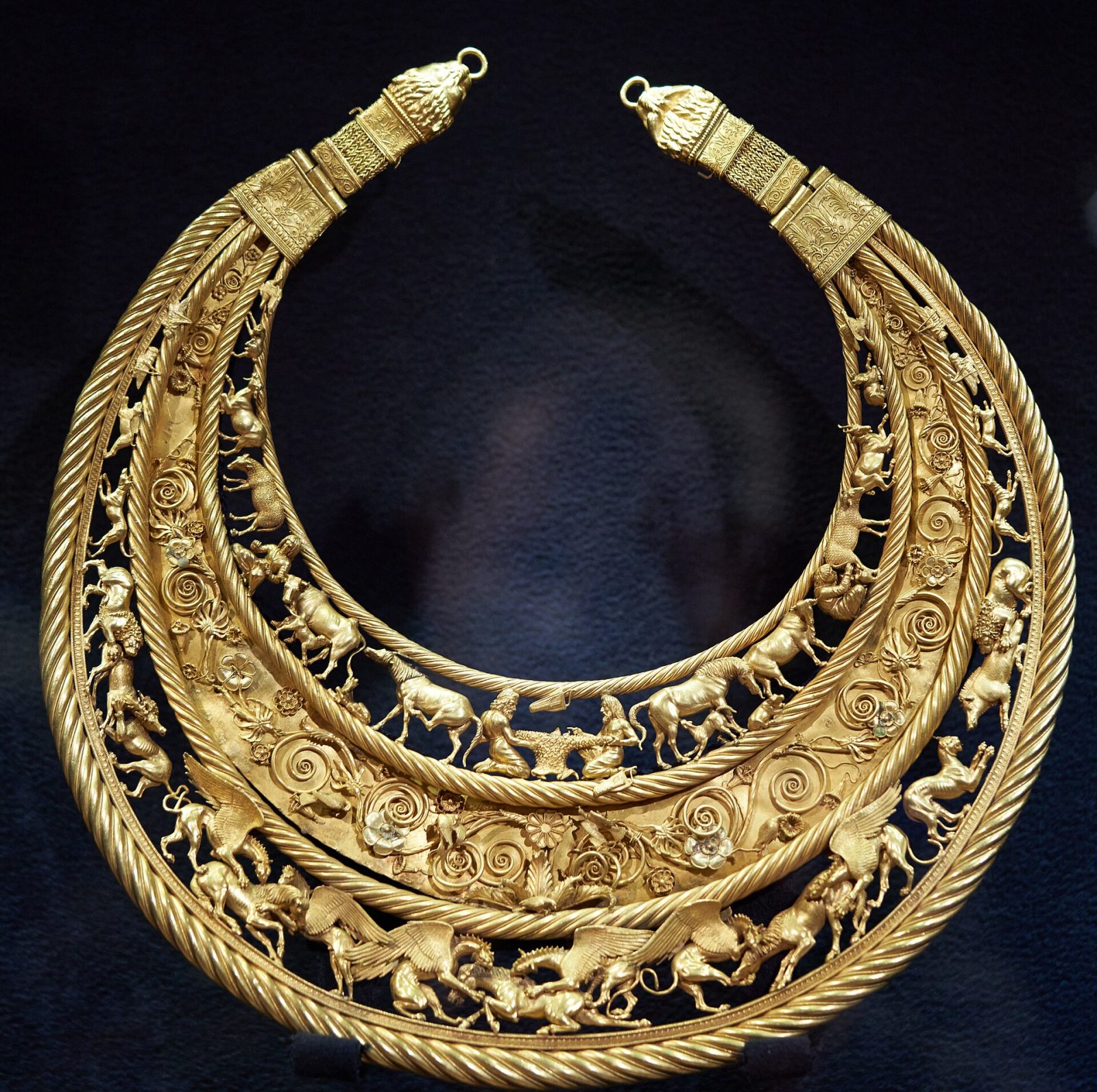
On 21 June 1971 the Ukrainian archaeologist Borys Mozolevsky, digging a Scythian burial mound ahead of a quarry, found a gold pectoral lying in the tomb's entrance passage, missed by ancient robbers. Weighing about 1.15 kilograms, it is one of the masterpieces of ancient goldwork.

FF 115

Made about 350 to 50 BC · found 1857

Battersea Shield

England · Weapons

In 1857 work in the Thames at Battersea for the first Chelsea Bridge brought up a bronze shield cover decorated with swirling Celtic designs and red glass. It was never meant for battle.

FF 276

Late 4th century BC · found 2004

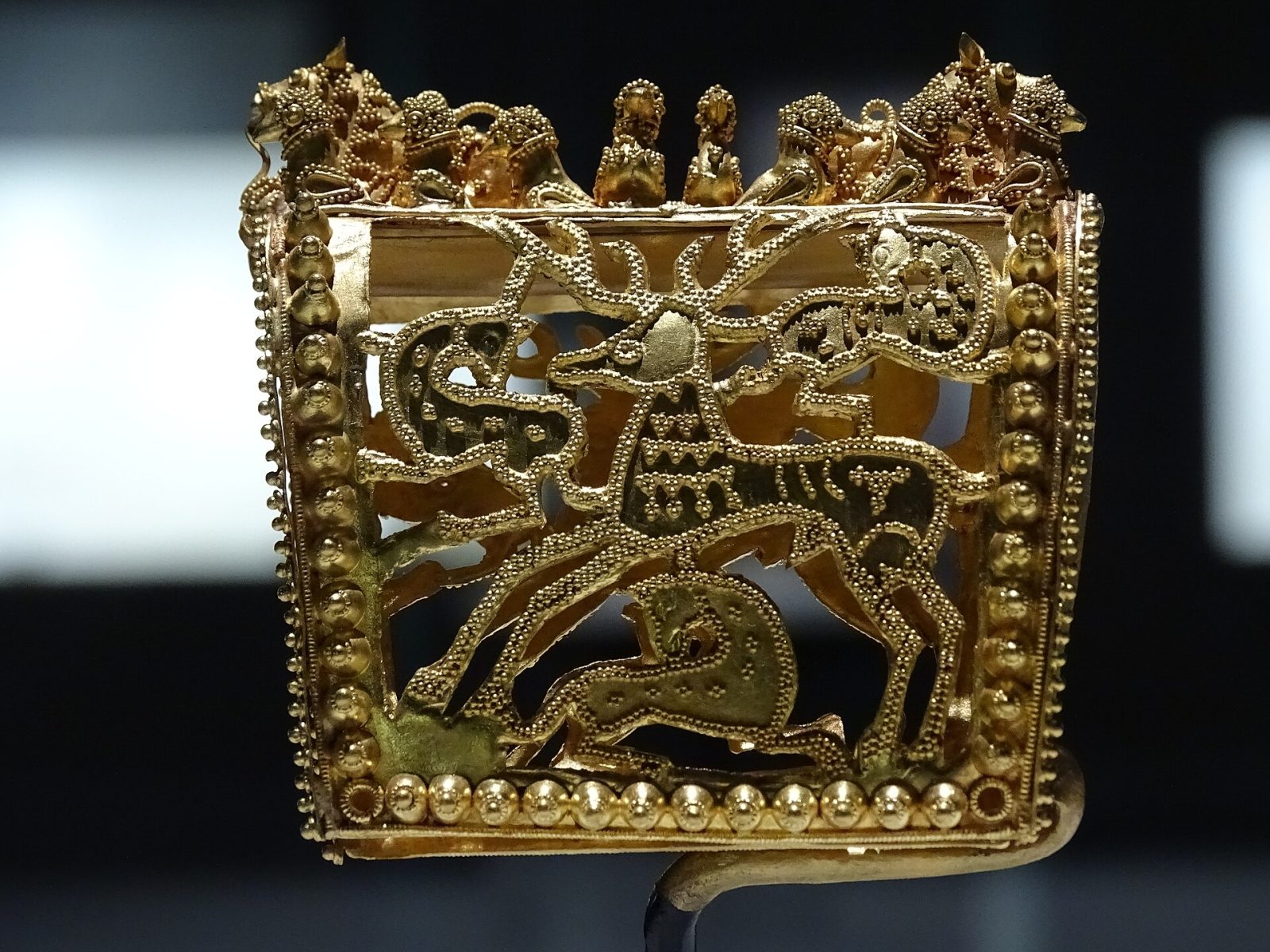
Vani gold headdress

Georgia · Jewellery

In 2004 archaeologists at Vani in western Georgia, ancient Colchis, opened a grave where a noble lay with four companions and a horse, wearing a gold headdress with griffins, a stag and deer. Vani's gold made it famous as the land of the Golden Fleece.

FF 334

Buried in 336 BC, or about 316 BC if the tomb is Philip III's · found 1977

Tomb of Philip II, Vergina

Greece · Artefacts

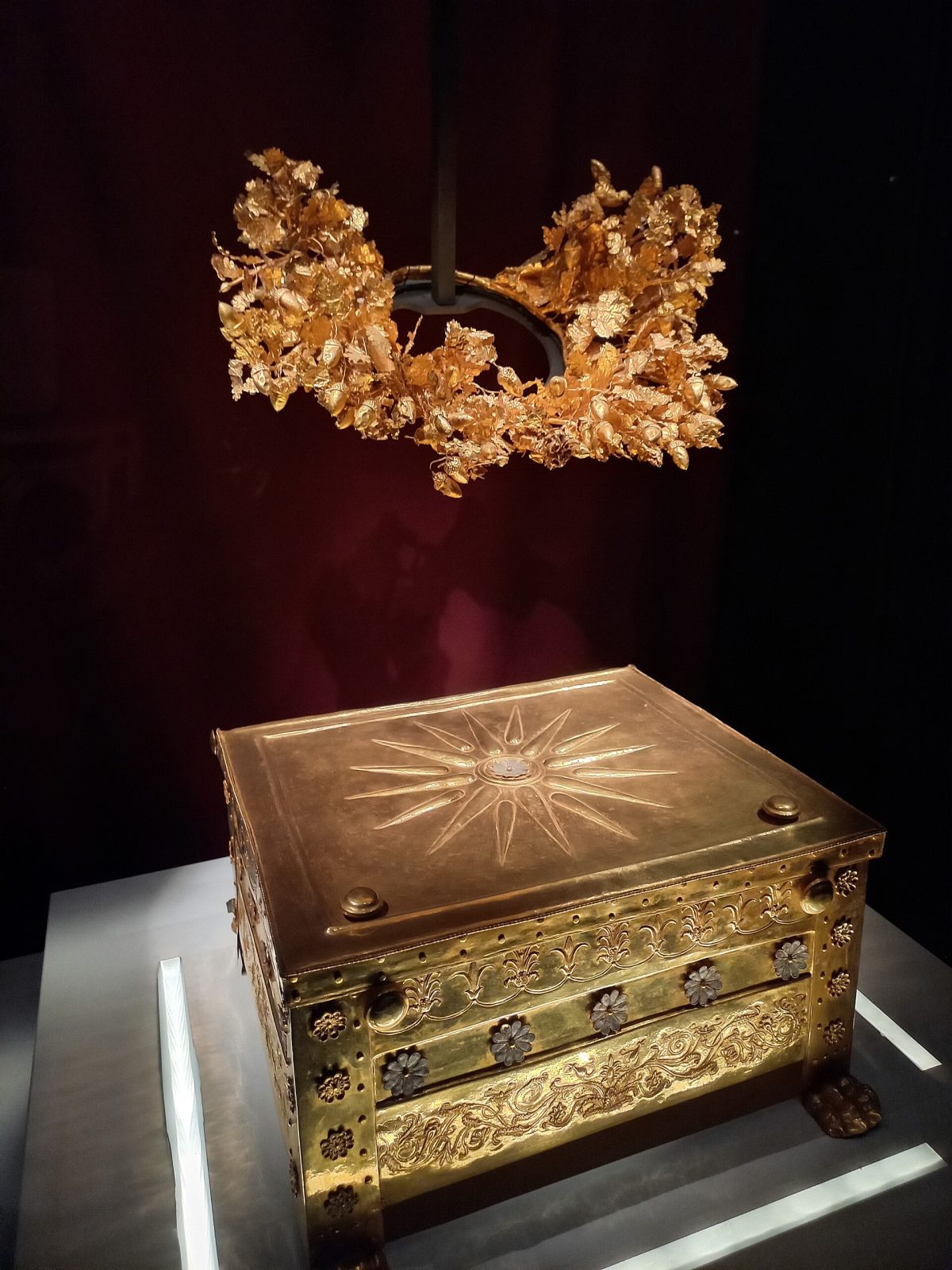
On 8 November 1977 archaeologist Manolis Andronikos entered an unlooted royal tomb beneath the Great Tumulus at Vergina in northern Greece. Inside were a gold chest of cremated bones, a gold oak wreath and armour, attributed to Philip II of Macedon, father of Alexander the Great.

FF 106

Made about 300 BC · found 1949

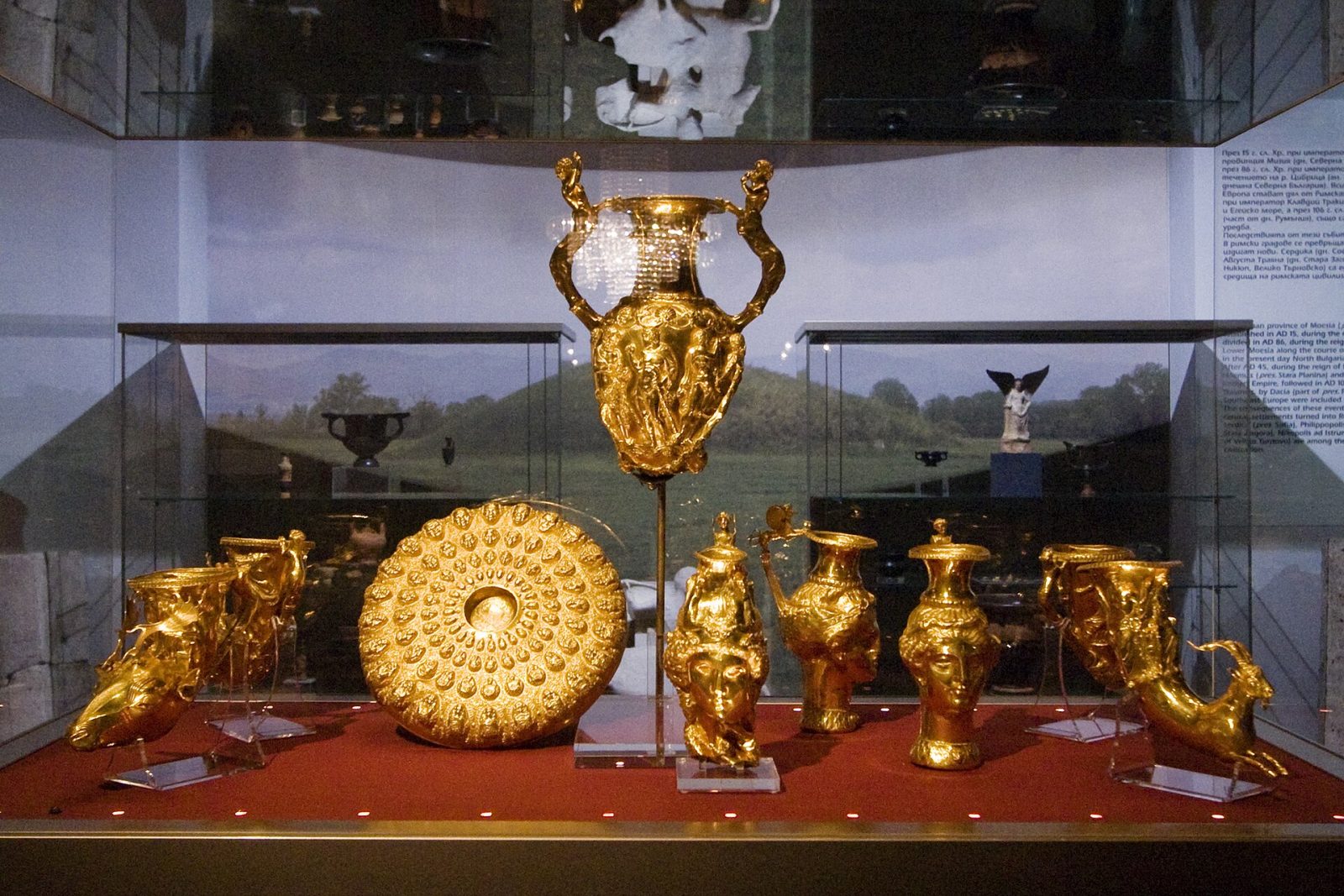
Panagyurishte Treasure

Bulgaria · Hoards

In 1949 three brothers digging clay for a tile works in Bulgaria uncovered nine solid gold vessels, more than 6 kilograms of Thracian gold made around 300 BC for feasting and drinking wine.

FF 502

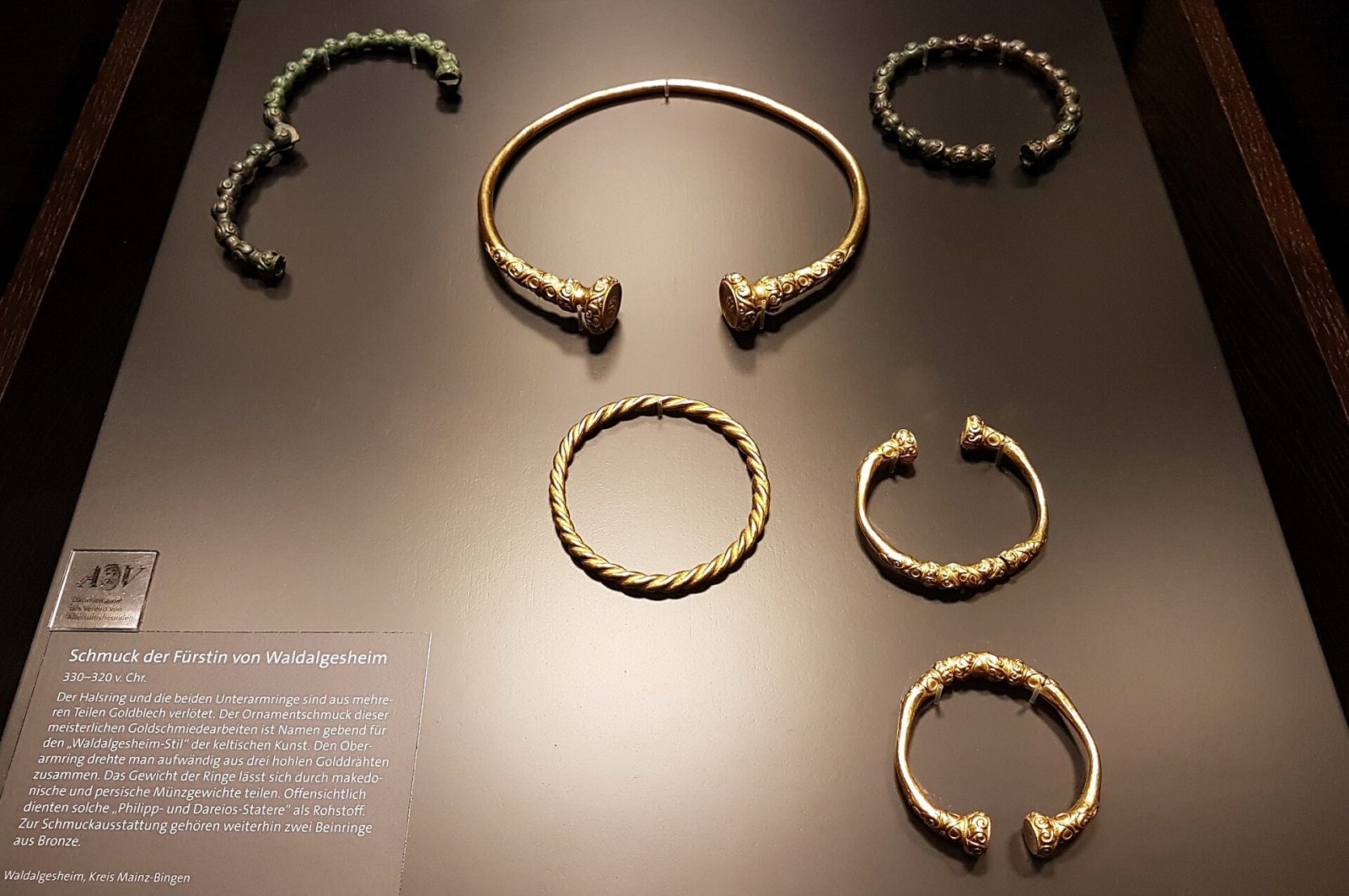
Made about 330 to 320 BC · found 1869

Waldalgesheim gold torc

Germany · Jewellery

On 18 October 1869 the farmer Peter Heckert, digging a pit to store beets at Waldalgesheim in the Rhineland, struck a Celtic chariot burial. Among more than 30 objects was a gold torc whose style gave its name to a whole phase of Celtic art.

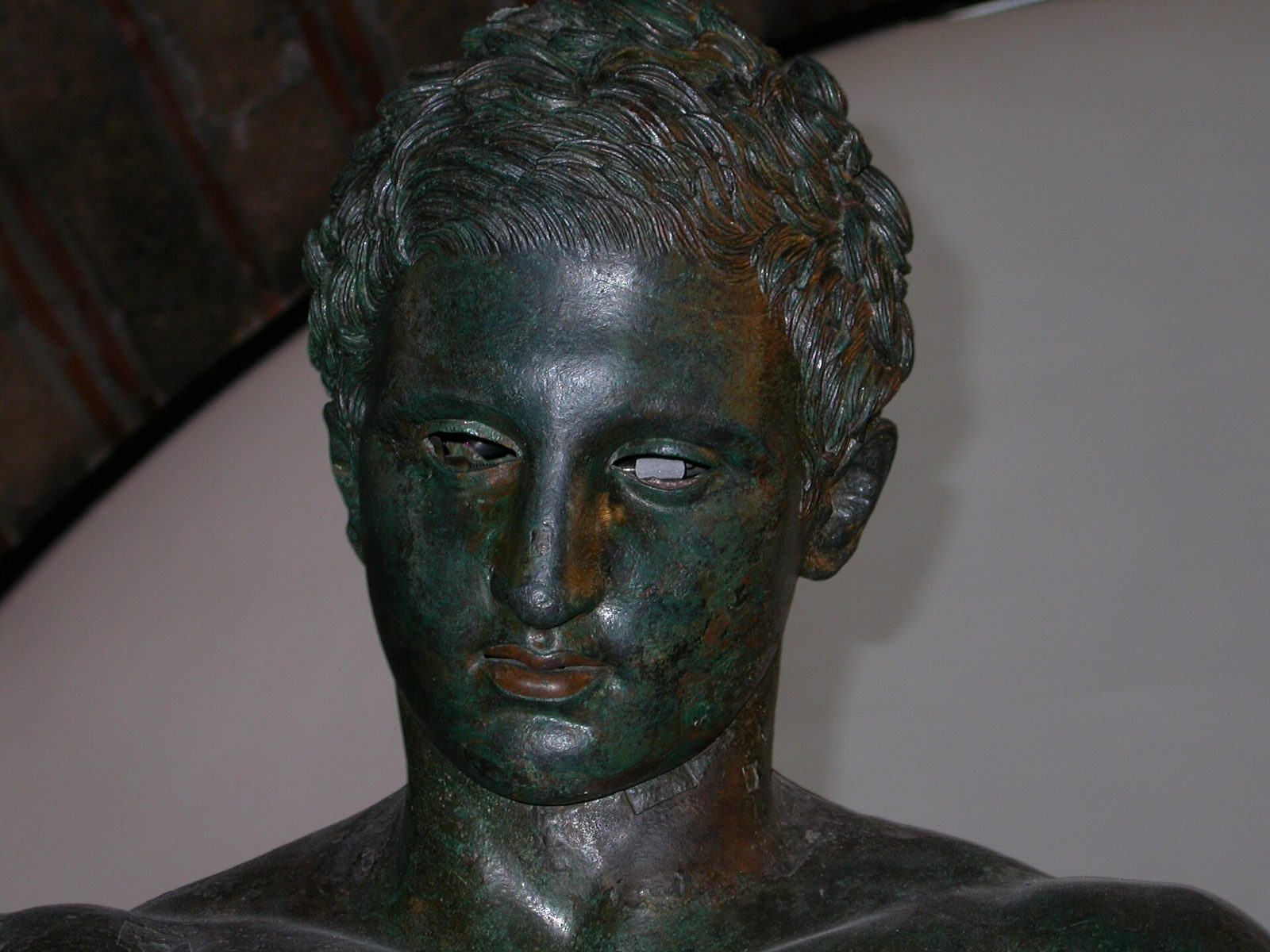
FF 556

Made about 300 BC, or perhaps in the 2nd century BC · found 1861

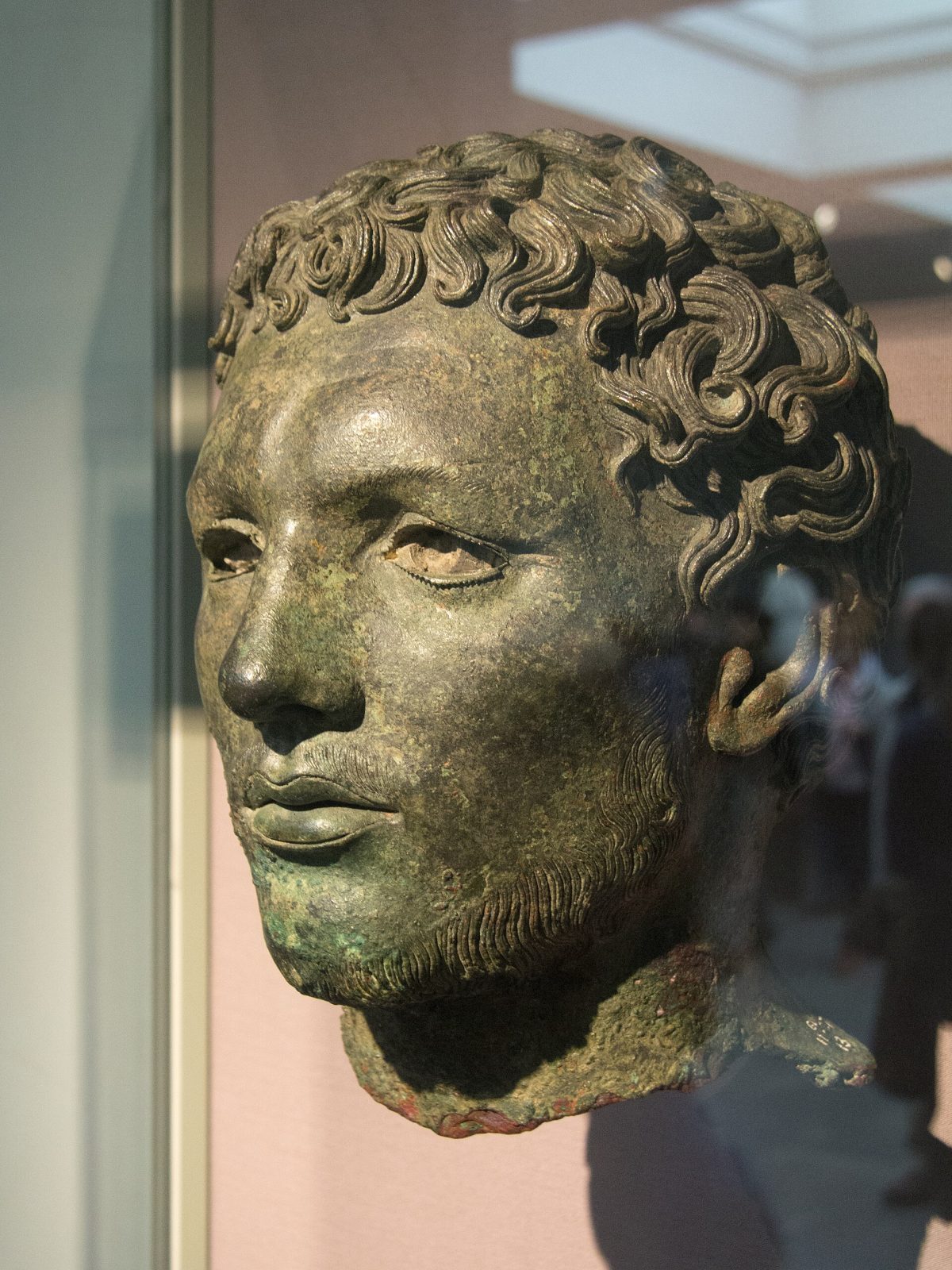
Cyrene bronze head

Libya · Artefacts

In August 1861 two British officers, Robert Murdoch Smith and Edwin Porcher, found a life-size bronze head on the original floor of the Temple of Apollo at Cyrene in Libya. It portrays a North African man, perhaps a Numidian prince, and is now in the British Museum.
FF 116

Offered about 300 BC to AD 100 · found 1942

Llyn Cerrig Bach hoard

Wales · Hoards

While RAF Valley on Anglesey was being built in the Second World War, workmen digging peat found an old iron chain and used it to pull a lorry out of the mud. It was a 2,000-year-old slave chain from an Iron Age offering site.

FF 164

Made about 300 to 200 BC · found 1812

Torrs Pony-cap

Scotland · Artefacts

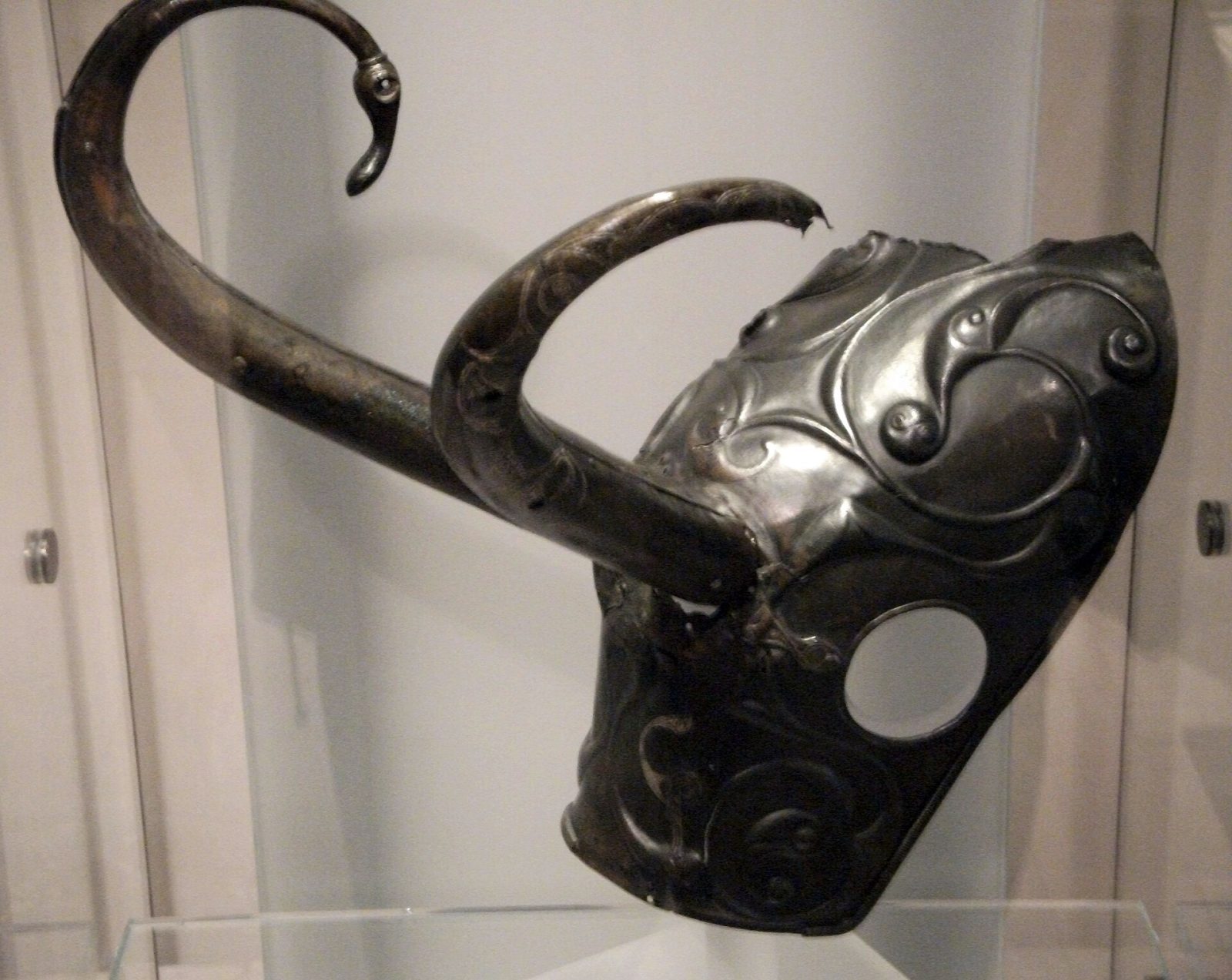
Early in the 19th century workmen draining a bog at Torrs, near Castle Douglas, found a bronze cap with two curving horns. It passed to Sir Walter Scott, and is now one of the masterpieces of Iron Age art in the National Museum of Scotland.

FF 254

Buried about 300 to 200 BC · found 1987

Kirkburn Sword

England · Weapons

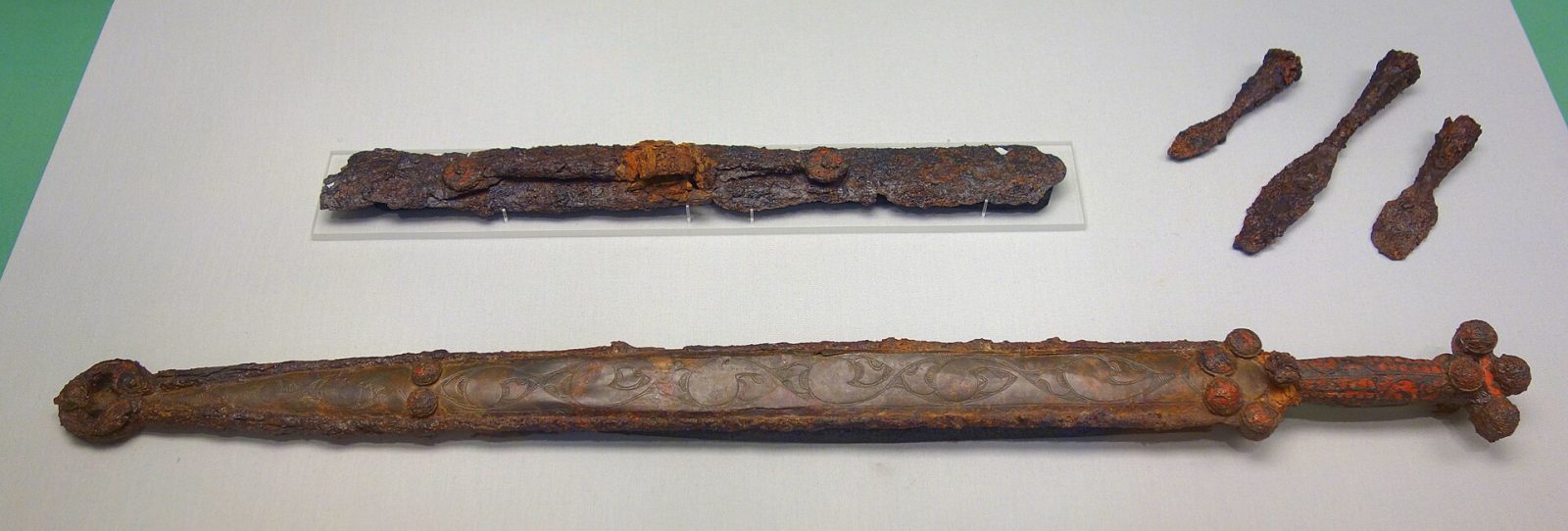
In September 1987 British Museum archaeologists excavating an Iron Age cemetery at Kirkburn in East Yorkshire found a young man buried with a sword in a decorated scabbard and three spears thrust into his grave. The sword's handle is the finest of its kind to survive.

FF 332

Made about 300 to 200 BC · found 1882

Lisnacrogher scabbards

Northern Ireland · Weapons

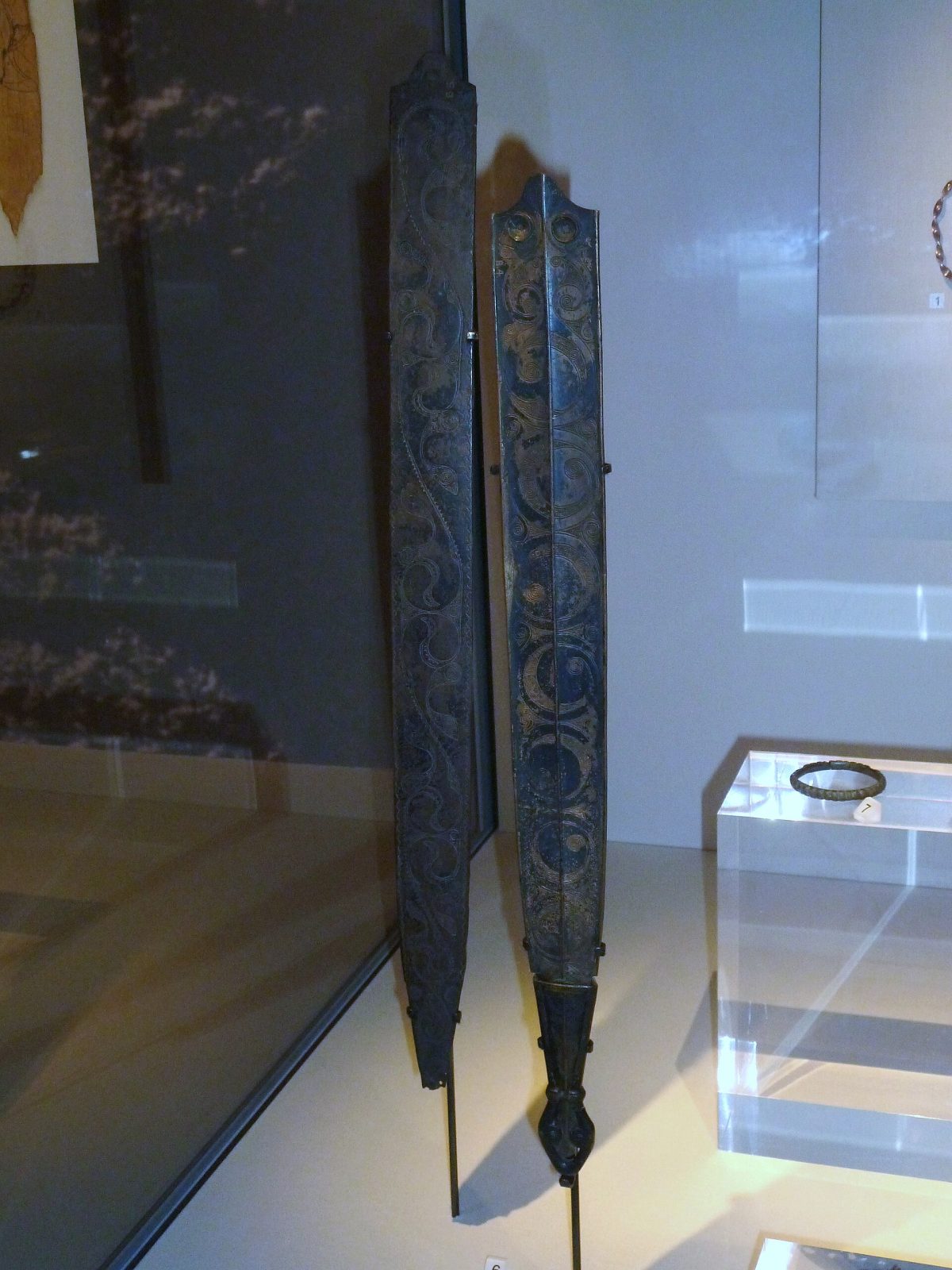
Around 1882, turf cutters working a drained lough at Lisnacrogher near Ballymena in Co. Antrim found the timbers of a crannog. Among the finds were bronze sword scabbards engraved with swirling Celtic designs, made about 300 to 200 BC and among the finest Iron Age metalwork from Ireland.

FF 491

Made in the 3rd or 2nd century BC · found 1945

Burela gold torc

Spain · Jewellery

In 1945 a farmer working at the Chao de Castro hillfort in Burela, Galicia, in north-west Spain, found a massive gold torc, reportedly first mistaken for the handle of a cauldron. At about 1.8 kilograms, it is the largest torc ever found in Galicia.

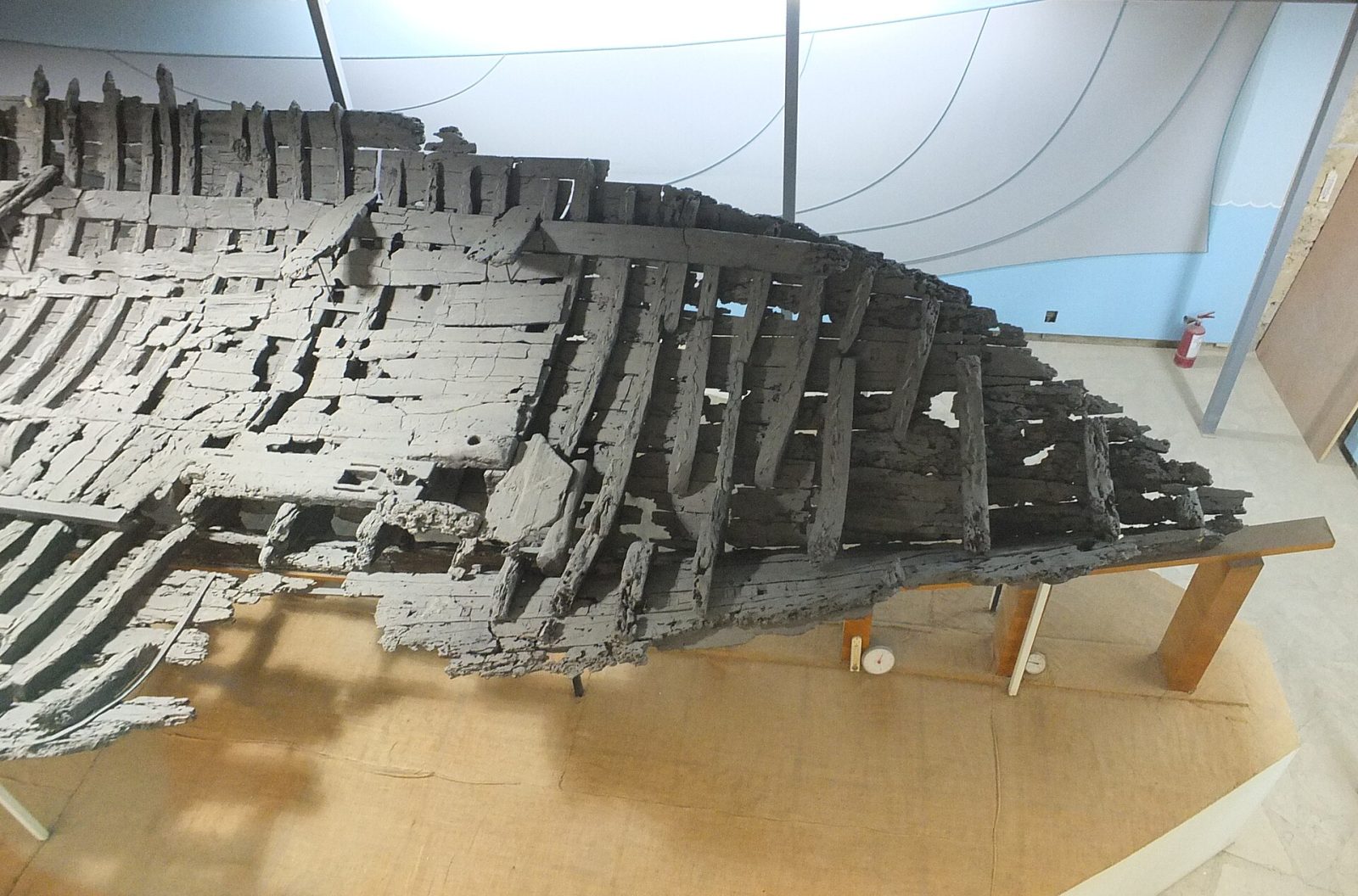
FF 264

Sank about 286 to 272 BC · found 1965

Kyrenia ship

Cyprus · Artefacts

In November 1965 a sponge diver off Kyrenia in northern Cyprus spotted a mound of ancient jars on the seabed. It was a small Greek merchant ship, sunk around 2,300 years ago with its cargo of wine jars, millstones and thousands of almonds, and its hull is preserved.

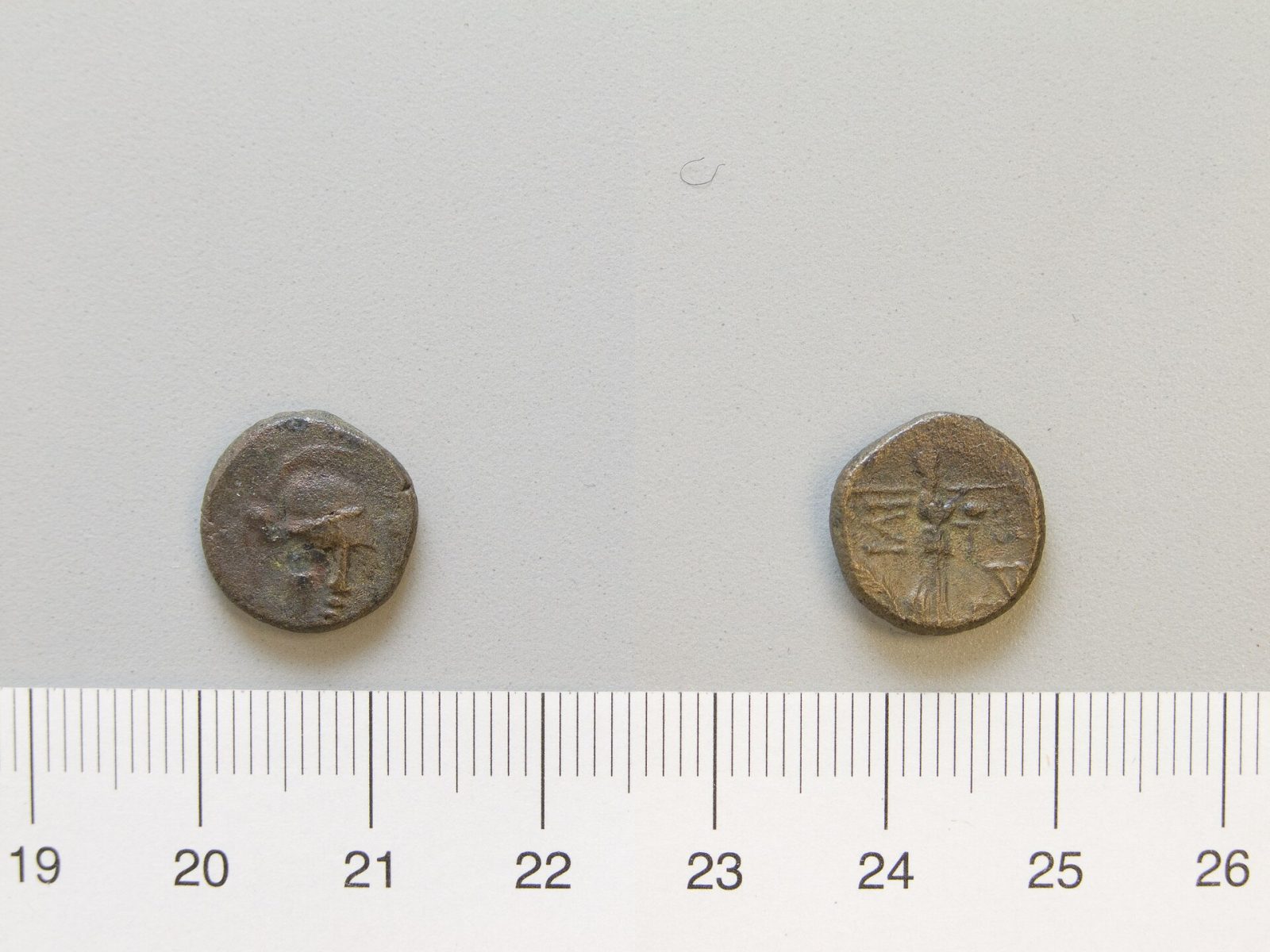
FF 478

Struck at Ilion about 281 to 261 BC · found 2025

Ilion coin, Berlin-Spandau

Germany · Coins

In summer 2025 a 13-year-old boy found a tiny bronze coin on farmland in Spandau, Berlin. It had been struck at Ilion, ancient Troy, around 281 to 261 BC. It is the first ancient Greek object ever found in Berlin, and it lay on a prehistoric cemetery.

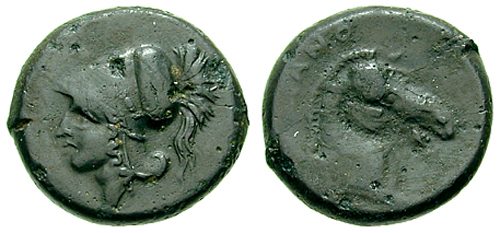
FF 533

Struck in Italy, middle of the 3rd century BC · found 2024

Minerva bronze, Augusta Raurica

Switzerland · Coins

In 2024 archaeologists on a rescue dig at Augusta Raurica, the Roman town at Augst near Basel, found a small bronze coin with the head of Minerva and a horse's head. Struck in Italy in the 3rd century BC, it is the oldest coin ever found there.

FF 562

Coins of about 260-230 BC, buried perhaps 229-228 BC · found 2010

Risan Ballaios Hoard

Montenegro · Hoards

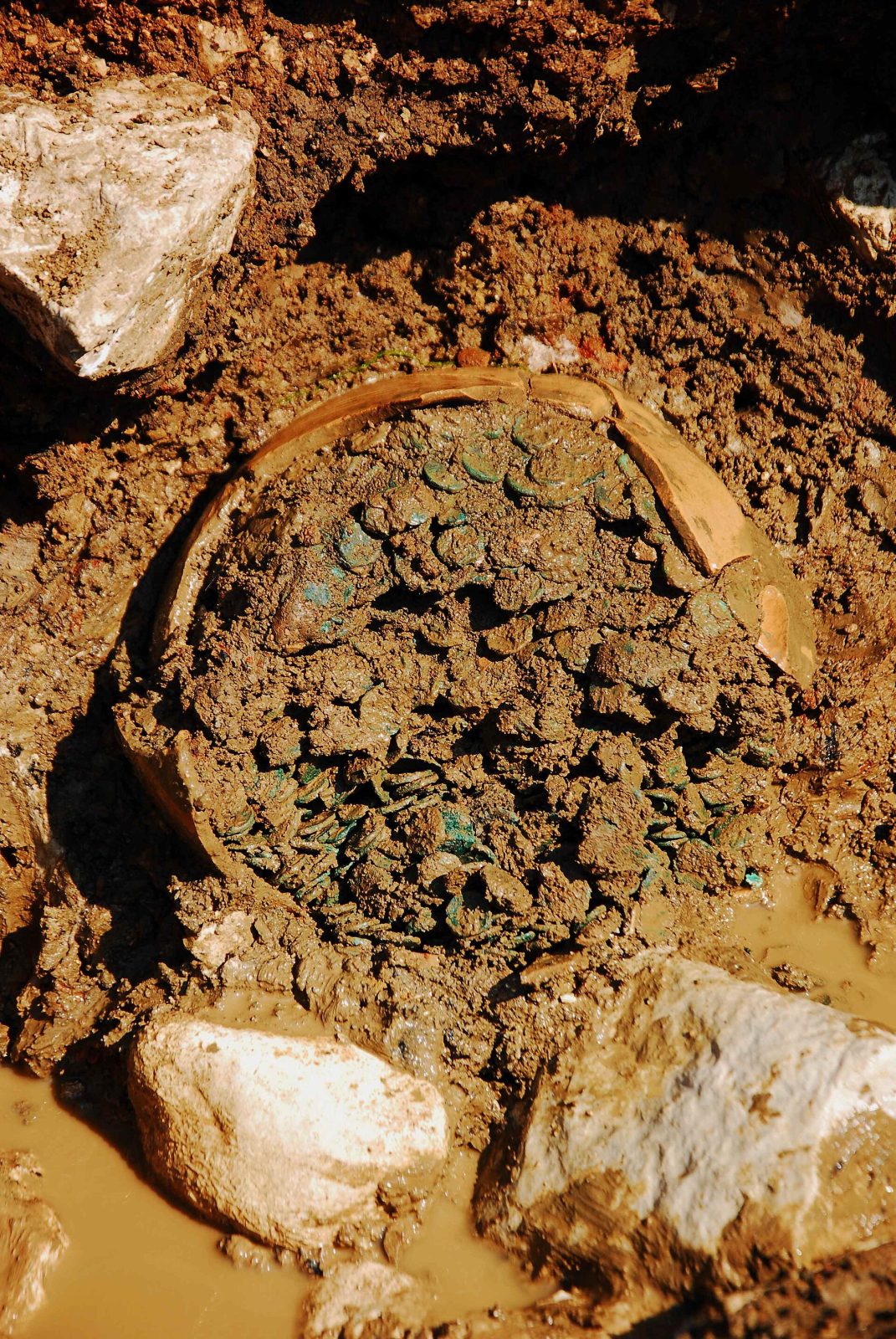
In June 2010 a University of Warsaw team excavating ancient Rhizon, now Risan in Montenegro, found a pot under a house floor packed with 4,656 bronze coins of the Illyrian king Ballaios. Weighing nearly 15 kg, it may have been hidden as Rome went to war with the Illyrians.

FF 192

About 250 to 50 BC · found 2005

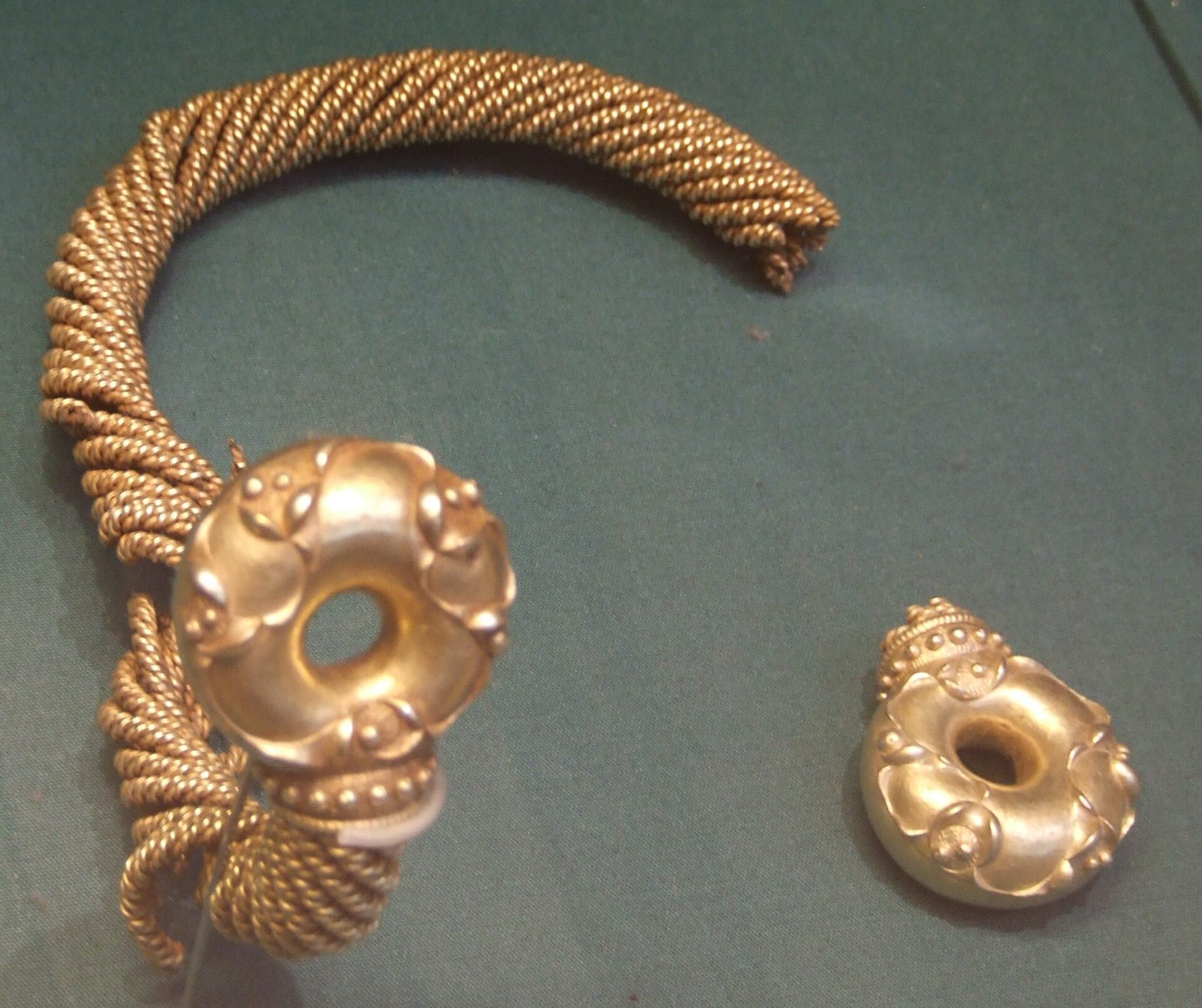
Newark Torc

England · Jewellery

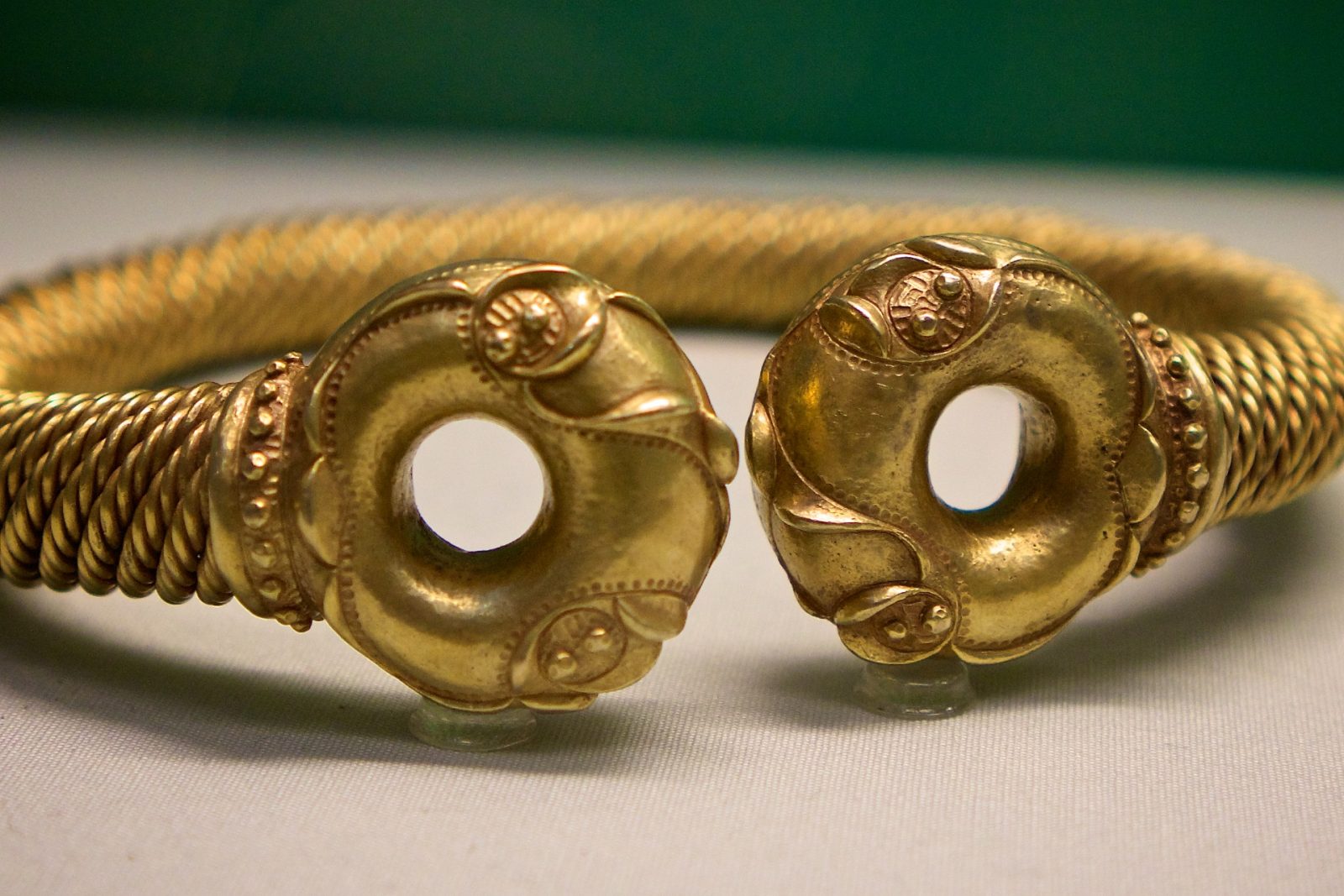
In February 2005 a detectorist searching a field near Newark in Nottinghamshire found a gold torc made from eight ropes of twisted wire, buried in a pit more than 2,000 years ago. It is one of the finest pieces of Iron Age gold ever found in Britain.

FF 251

About 250 to 175 BC · found 1961

Ciumești Helmet

Romania · Weapons

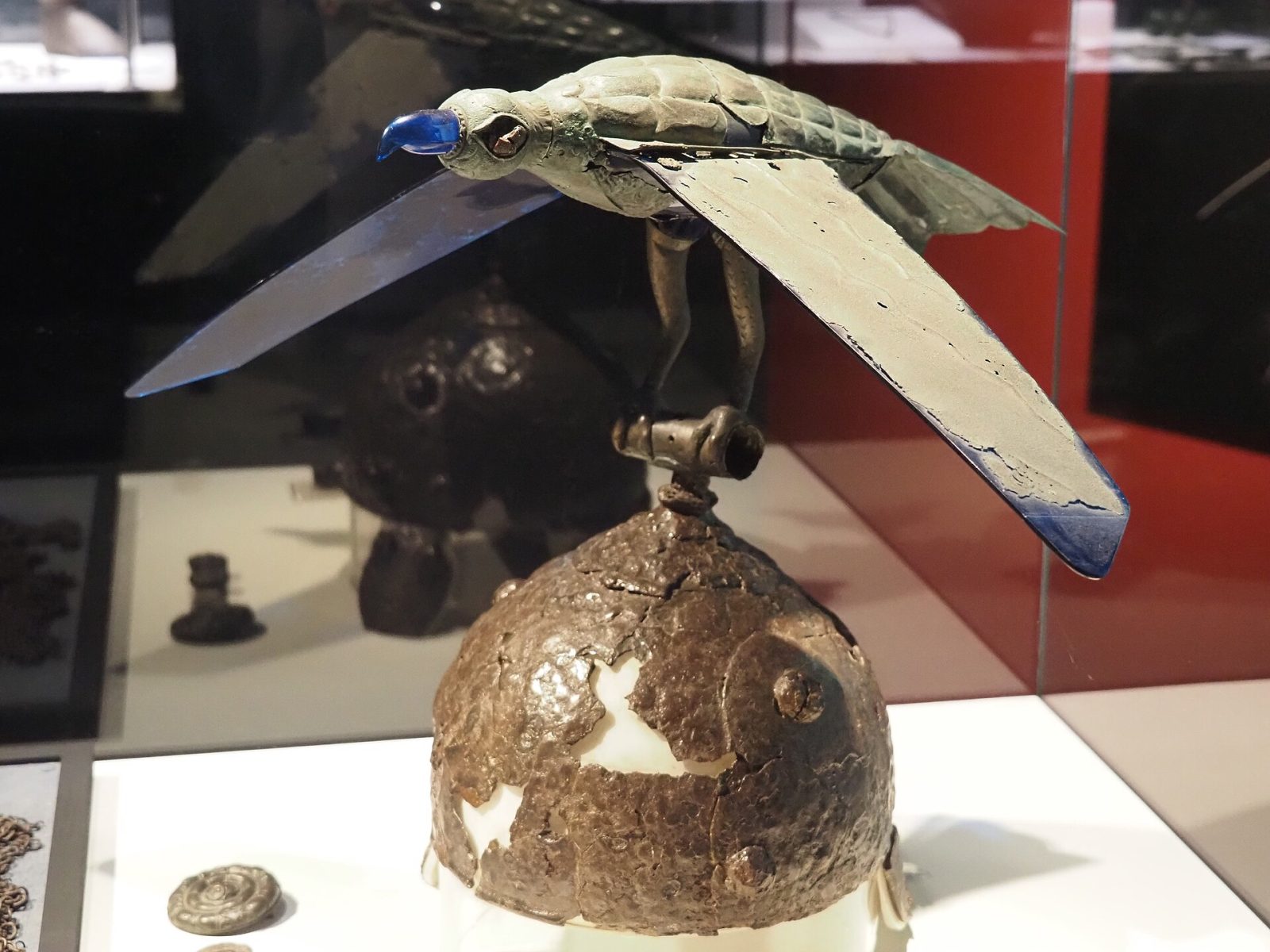
In 1961 workers levelling ground at Ciumești in north-western Romania found the grave of a Celtic chieftain. His iron helmet is crowned with a bronze bird of prey whose hinged wings moved as he walked, the only real helmet of its kind ever found.

FF 299

Parthian, about 3rd to 1st century BC · found 1948

Nisa ivory rhytons

Turkmenistan · Artefacts

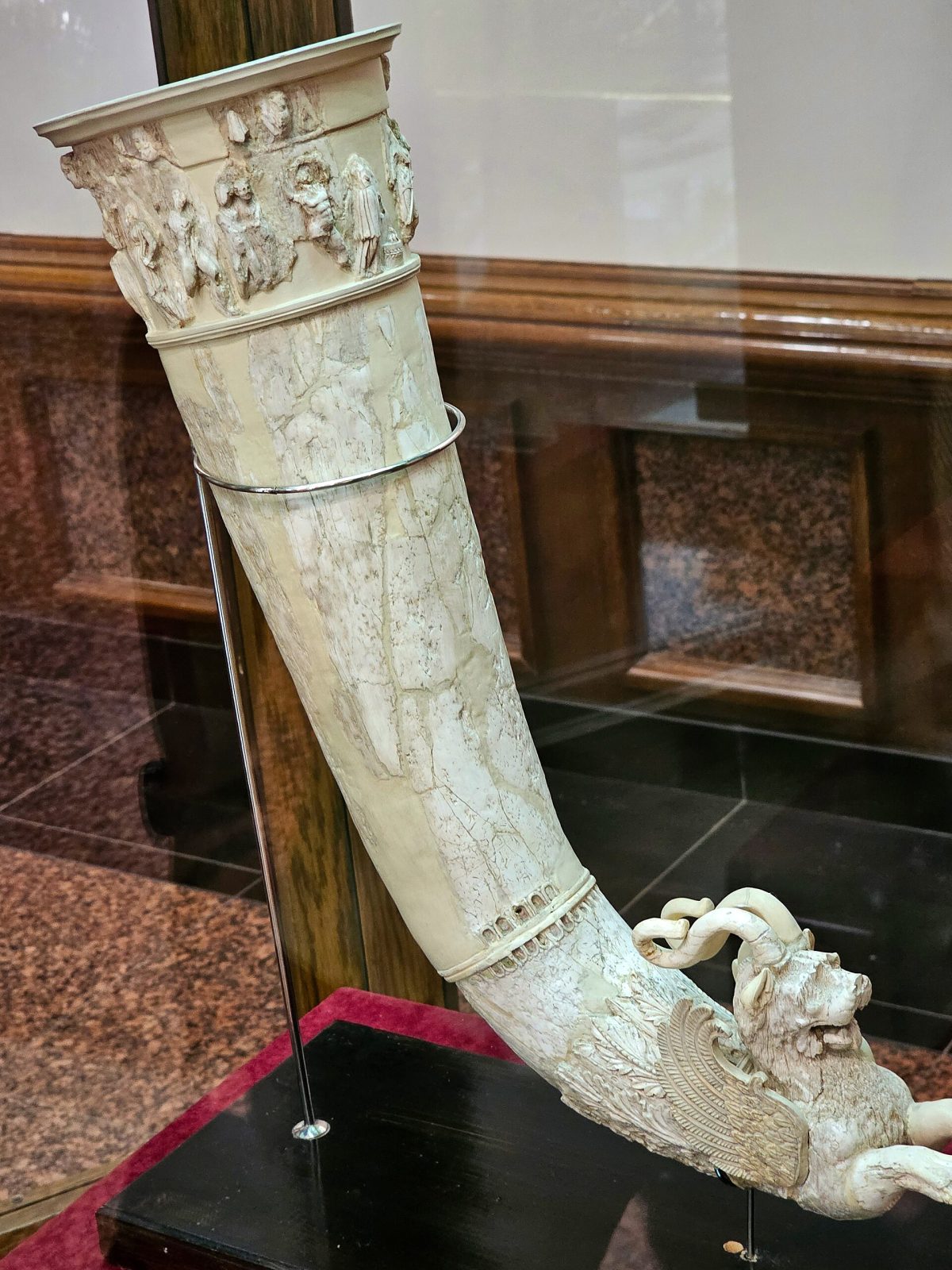
In the autumn of 1948 archaeologists excavating the treasury of Old Nisa, an early capital of the Parthian kings in Turkmenistan, found dozens of carved ivory drinking horns still lying on the bench where they had been stored, decorated with griffins, centaurs and Greek gods.

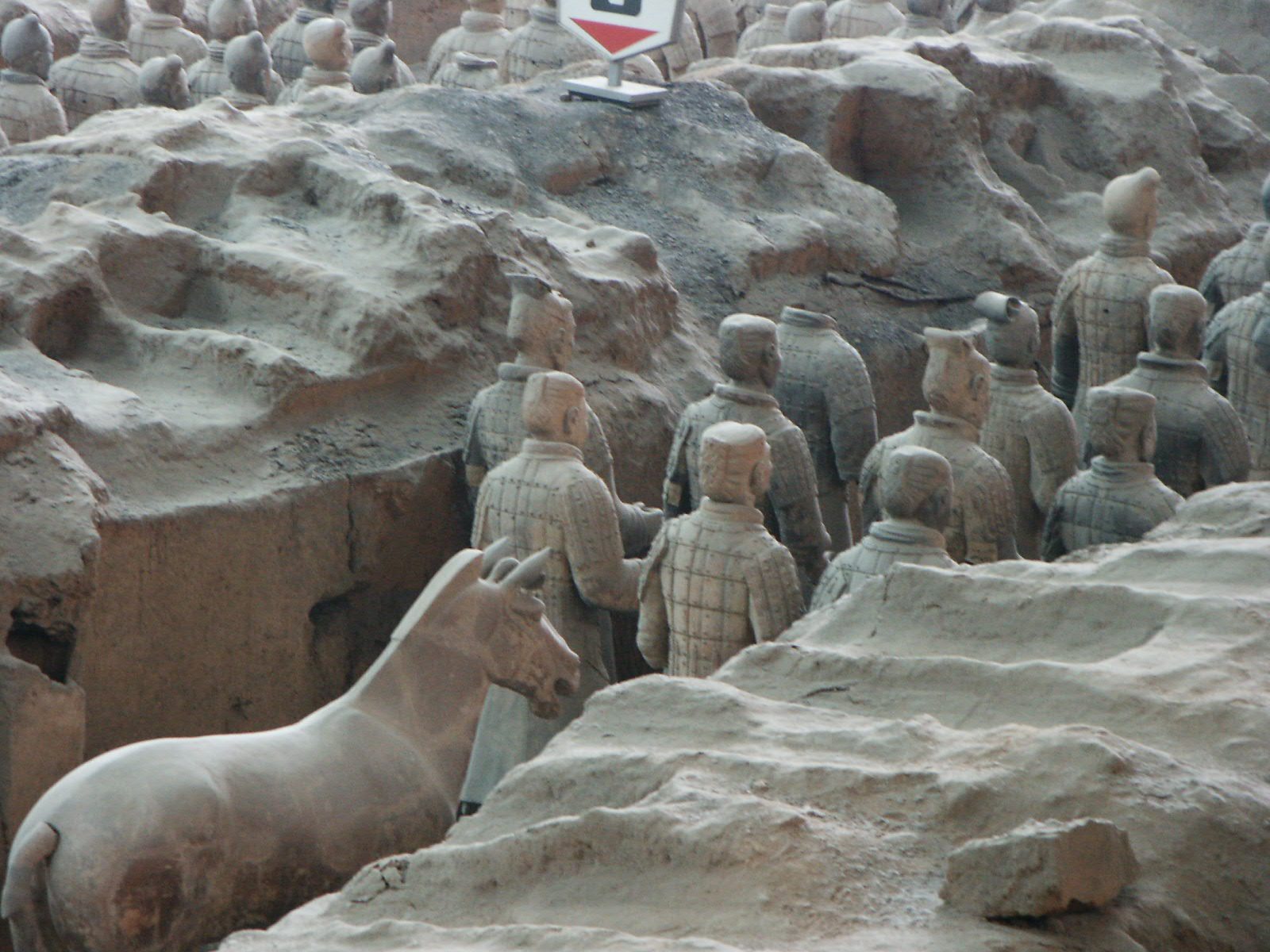
FF 285

Made about 246 to 210 BC (Qin dynasty) · found 1974

Terracotta Army

China · Artefacts

In March 1974 farmers digging a well during a drought near Xi'an in China brought up pieces of a clay figure and a bronze arrowhead. They had found the buried army of Qin Shi Huang, China's first emperor: thousands of life-size soldiers, with real bronze weapons still sharp.

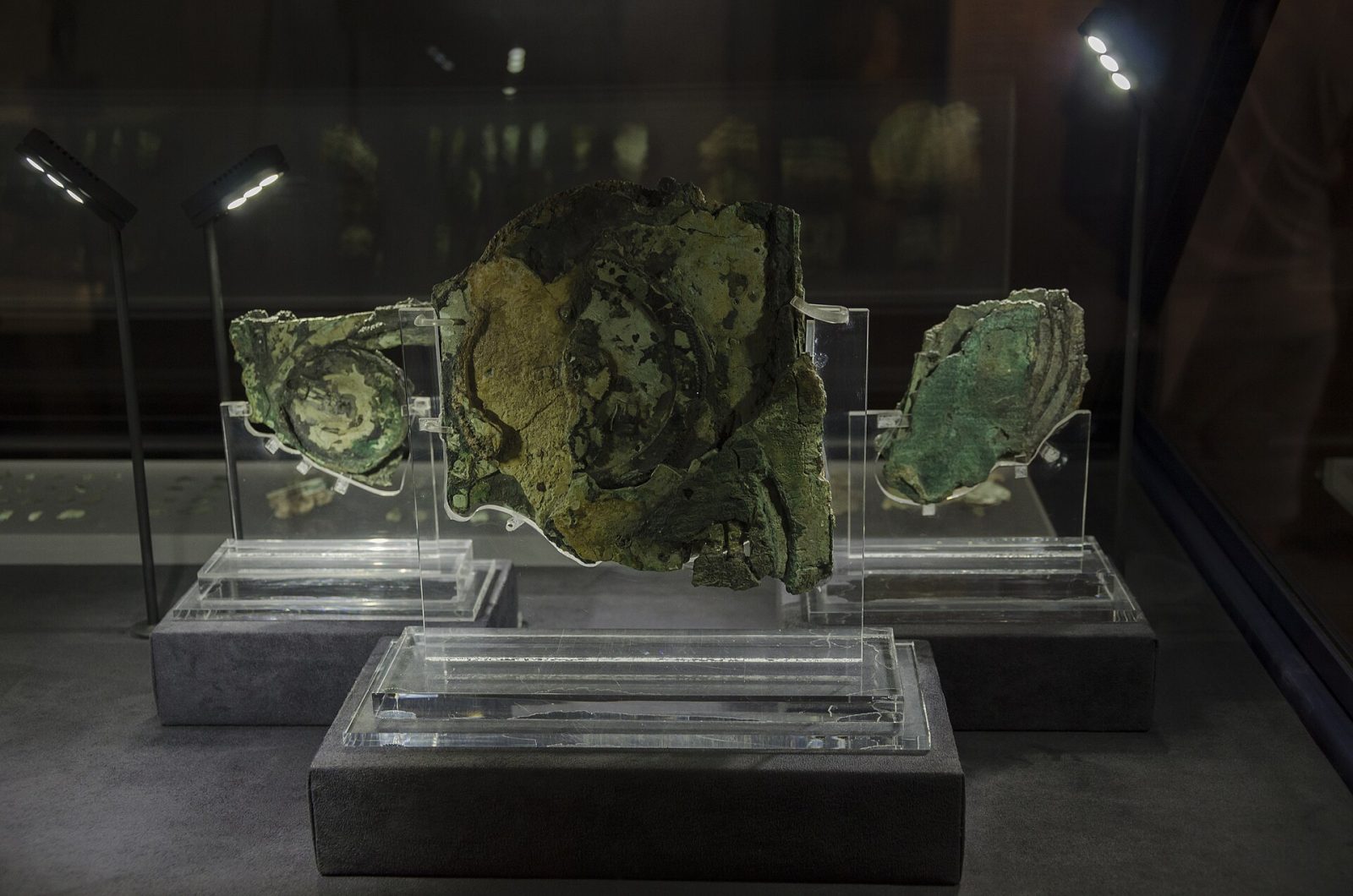
FF 137

Made in the 2nd century BC; lost at sea about 70 to 60 BC · found 1901

Antikythera Mechanism

Greece · Artefacts

In 1901 sponge divers salvaging an ancient shipwreck off the Greek island of Antikythera brought up lumps of corroded bronze. Inside were gear wheels: the remains of a machine that modelled the heavens, built more than 2,000 years ago.

FF 203

About 200 to 50 BC · found 1965

Sedgeford Torc

England · Jewellery

In May 1965 an Iron Age gold torc was caught on a harrow in a Norfolk field, with one of its ends missing. At Easter 2004 a metal detectorist taking part in a local archaeology project found the lost end in the same field, and the two were reunited in the British Museum.
FF 211

Cast in the 2nd or 1st century BC · found 1996

Croatian Apoxyomenos

Croatia · Artefacts

In 1996 a Belgian diver exploring the seabed off the Croatian island of Lošinj spotted a bronze statue lying between two rocks 45 metres down. It turned out to be a nearly complete ancient Greek-style athlete, with a mouse's nest from antiquity still inside it.
FF 356

Buried in the 1st century BC · found 1771

Podmokly Hoard

Czech Republic · Hoards

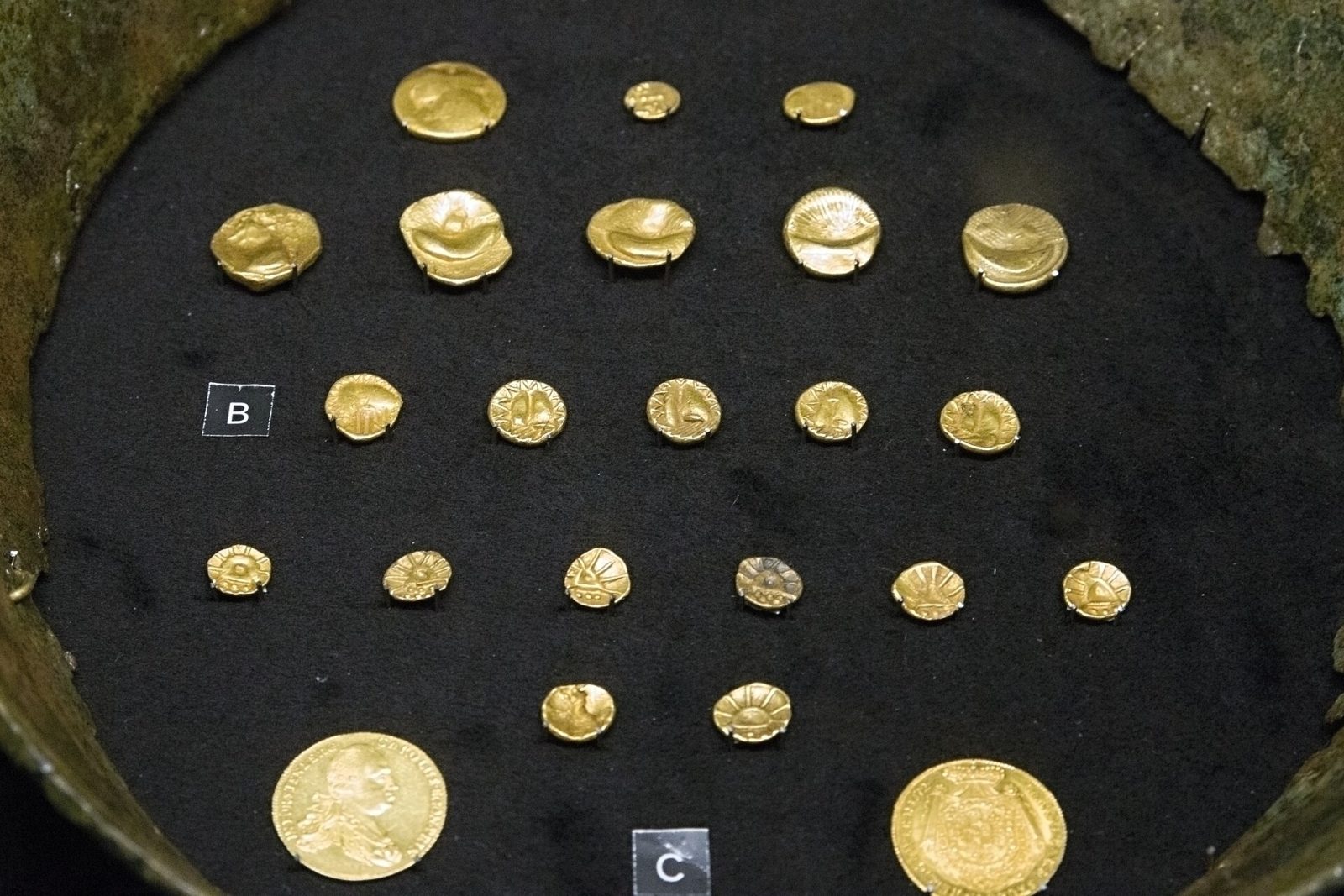
In June 1771, after a violent storm, a farm labourer mowing hay in Bohemia found that the swollen Podmokly stream had washed a bronze cauldron out of its bank, spilling thousands of Celtic gold coins. Almost all of them were melted down, and only a few dozen survive.

FF 286

Decree of 196 BC · found 1799

Rosetta Stone

Egypt · Artefacts

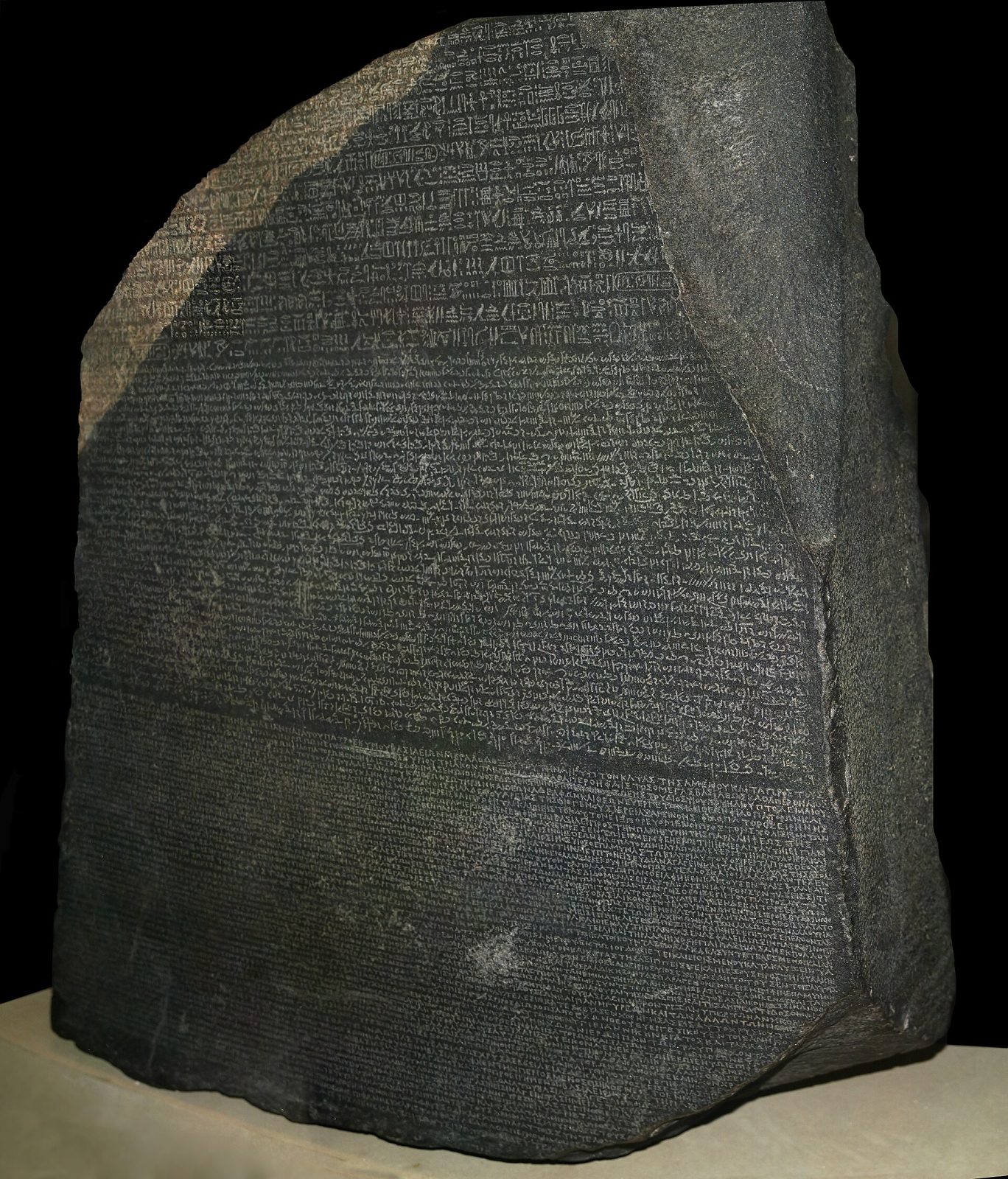
In July 1799 French soldiers rebuilding a fort near Rosetta in Egypt found an inscribed stone built into an old wall. It carried the same decree in hieroglyphs, Demotic and Greek, and it became the key to reading ancient Egyptian. It has been in the British Museum since 1802.

FF 447

Struck in 191 or 190 BC · found 2010

Tel Kedesh gold mnaieion

Israel · Coins

On the final day of excavations at Tel Kedesh in northern Israel in June 2010, student Andrew Boos, sweeping a wall for photographs, saw a bright yellow circle in the dirt. It was a gold coin of 191 BC, the most valuable ever found in an Israeli excavation.