Famous finds

The finds every detectorist knows: hoards turned up by ploughs, builders and fellow detectorists, and the treasures that changed what we know about the past. Oldest first, by when they were made or buried. Each one is on the finds timeline too.

507 famous finds, oldest first · page 5 of 13. Jump to: Prehistoric · Bronze Age · Iron Age · Roman · Early Medieval · Medieval · Post-Medieval · Modern

FF 575

1st-2nd century AD (by style) · found 1855

Corleck Head

Ireland · Artefacts

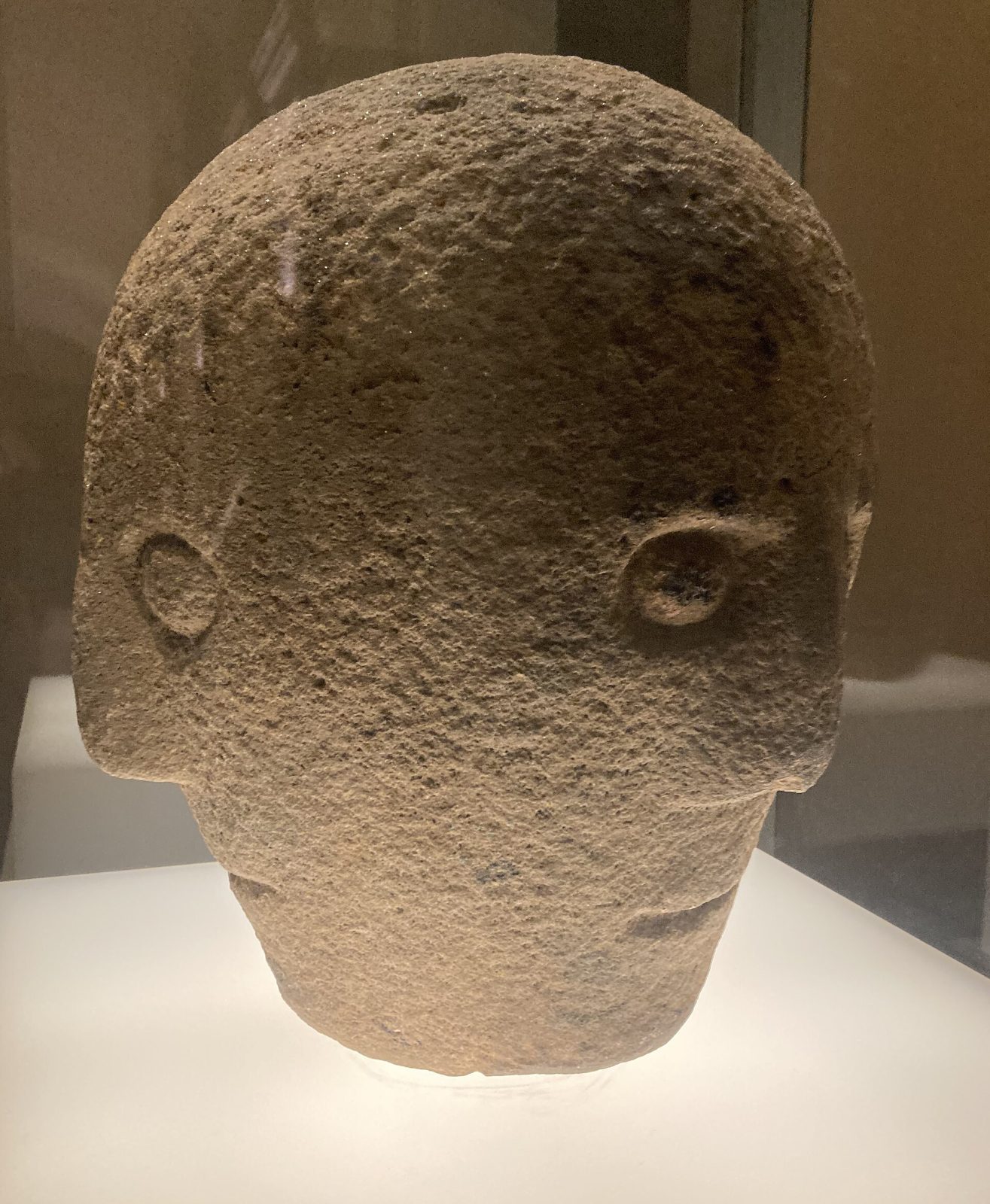
Around 1855 a farmer gathering stones near Corleck Hill in County Cavan found a carved head with three faces. It stood for decades on a farm gatepost before a folklorist recognised it in the 1930s. Probably of the 1st or 2nd century AD, it is now in the National Museum of Ireland.
FF 166

The battle of AD 9 · found 1987

Kalkriese (Varus battle)

Germany · Weapons

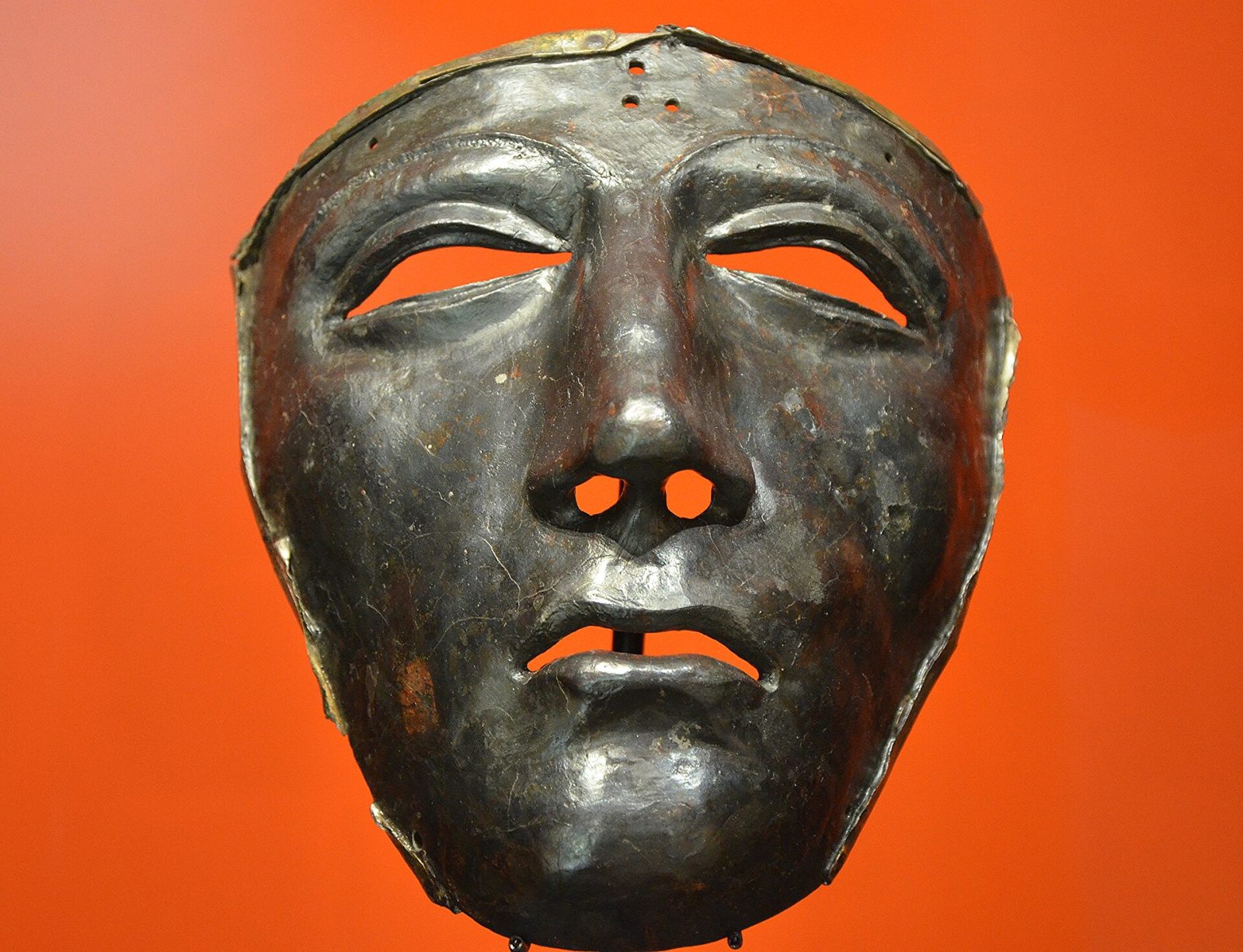
In 1987 a British Army officer with a metal detector, stationed at Osnabrück, found Roman silver coins near Kalkriese in northern Germany. His finds led archaeologists to what is widely accepted as the site where three Roman legions were destroyed in AD 9.

FF 519

Struck about AD 10 to 43 · found 2026

Cunobelin stater, Saffron Walden

England · Coins

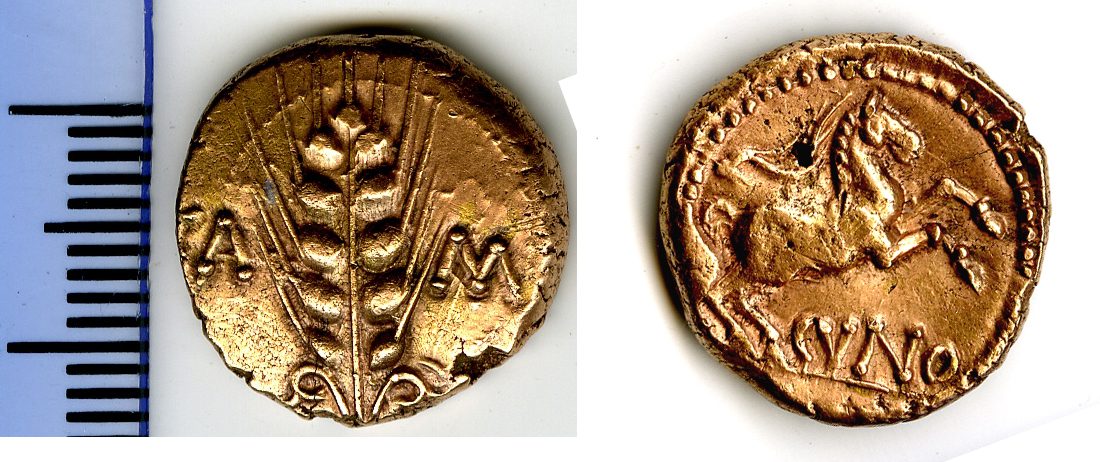
On 5 March 2026 assistant director Matt Bell, on his first metal-detecting outing with his friend, the This Country actor Charlie Cooper, found a gold stater of Cunobelin in a field near Saffron Walden, Essex. Cooper dropped to his knees.

FF 369

Made about AD 14 to 18 · found 1848

Sword of Tiberius

Germany · Weapons

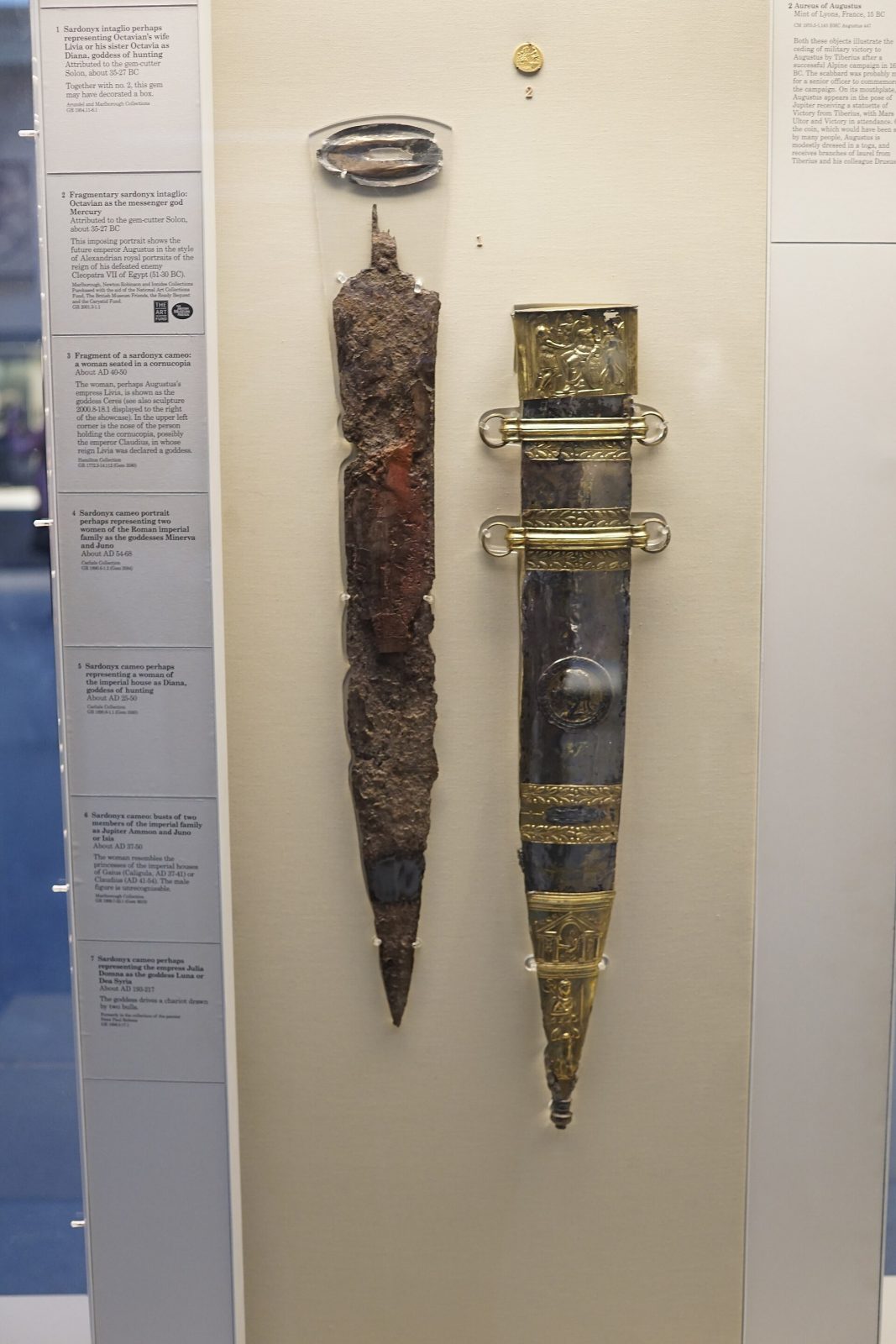
On 10 August 1848 railway workers at Mainz on the Rhine dug a Roman sword out of a ditch, still in its scabbard. The scabbard shows the emperor Tiberius receiving a figure of Victory, and the sword is now one of the treasures of the British Museum.

FF 275

1st century AD · found 1952

Copper Scroll

West Bank · Artefacts

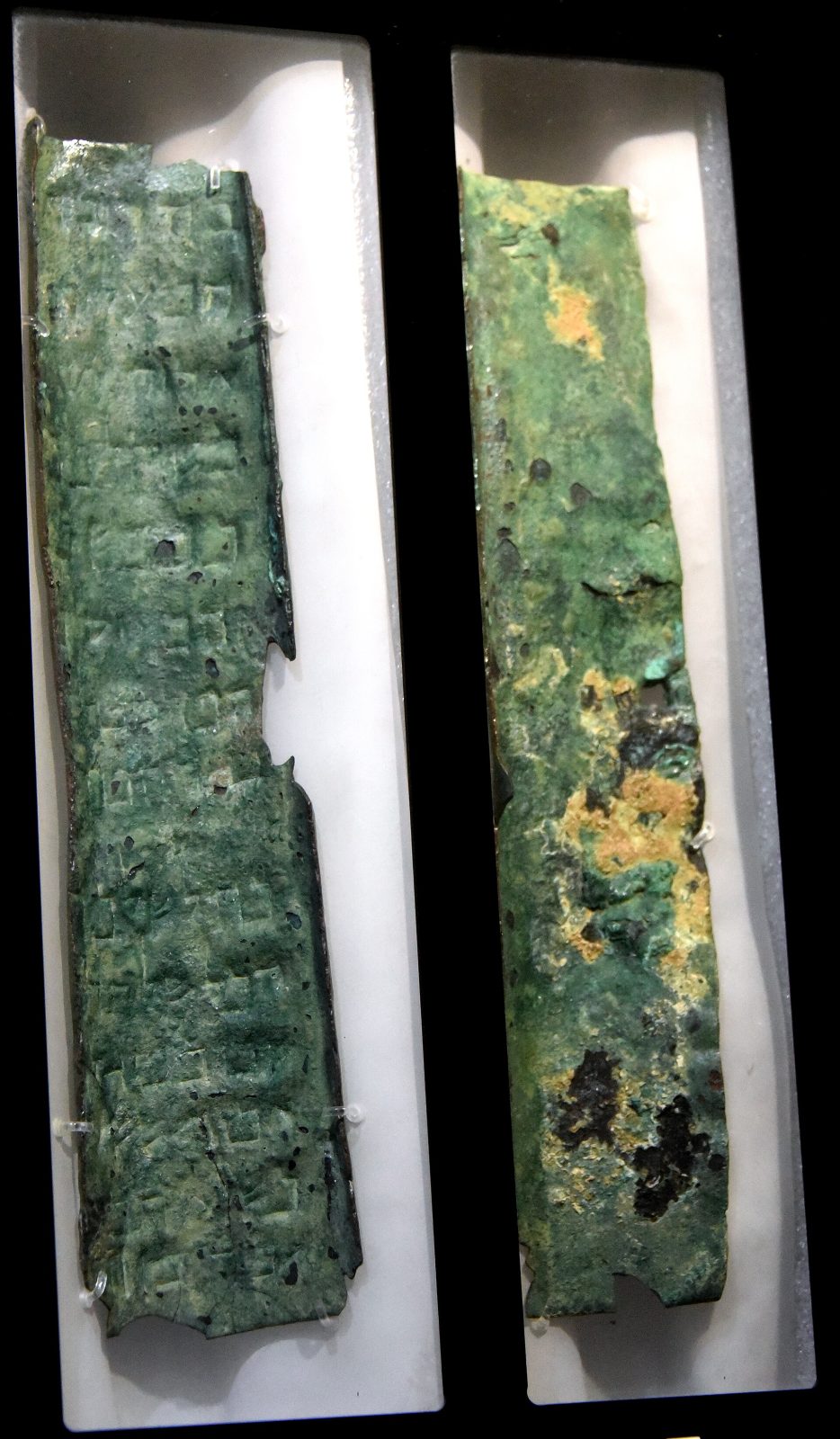
In March 1952 archaeologists searching the caves near Qumran, by the Dead Sea, found two rolls of corroded copper. When they were finally cut open, the text proved to be a list of 64 hiding places for gold, silver and sacred objects. None of the treasure has ever been found.

FF 370

Built about AD 37 to 41 · found 1929

Nemi ships

Italy · Artefacts

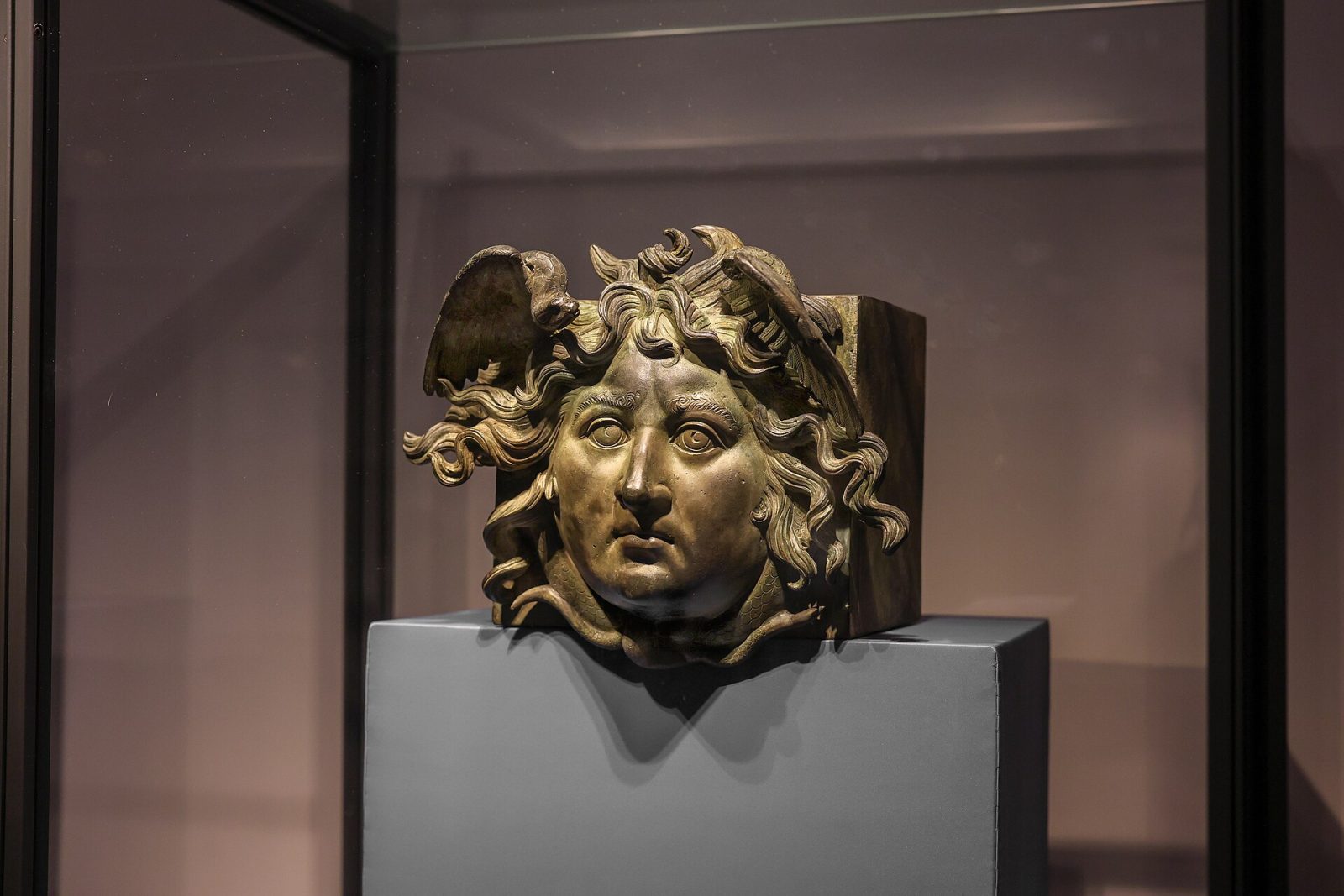
For five centuries people snagged timbers from two vast Roman ships at the bottom of Lake Nemi near Rome. In 1928 to 1932 the lake was partly drained and Caligula's ships were raised whole. They burned in 1944, but their bronze fittings survive in Rome.

FF 414

Struck about AD 40 to 43 · found 2016

Caratacus silver minim

England · Coins

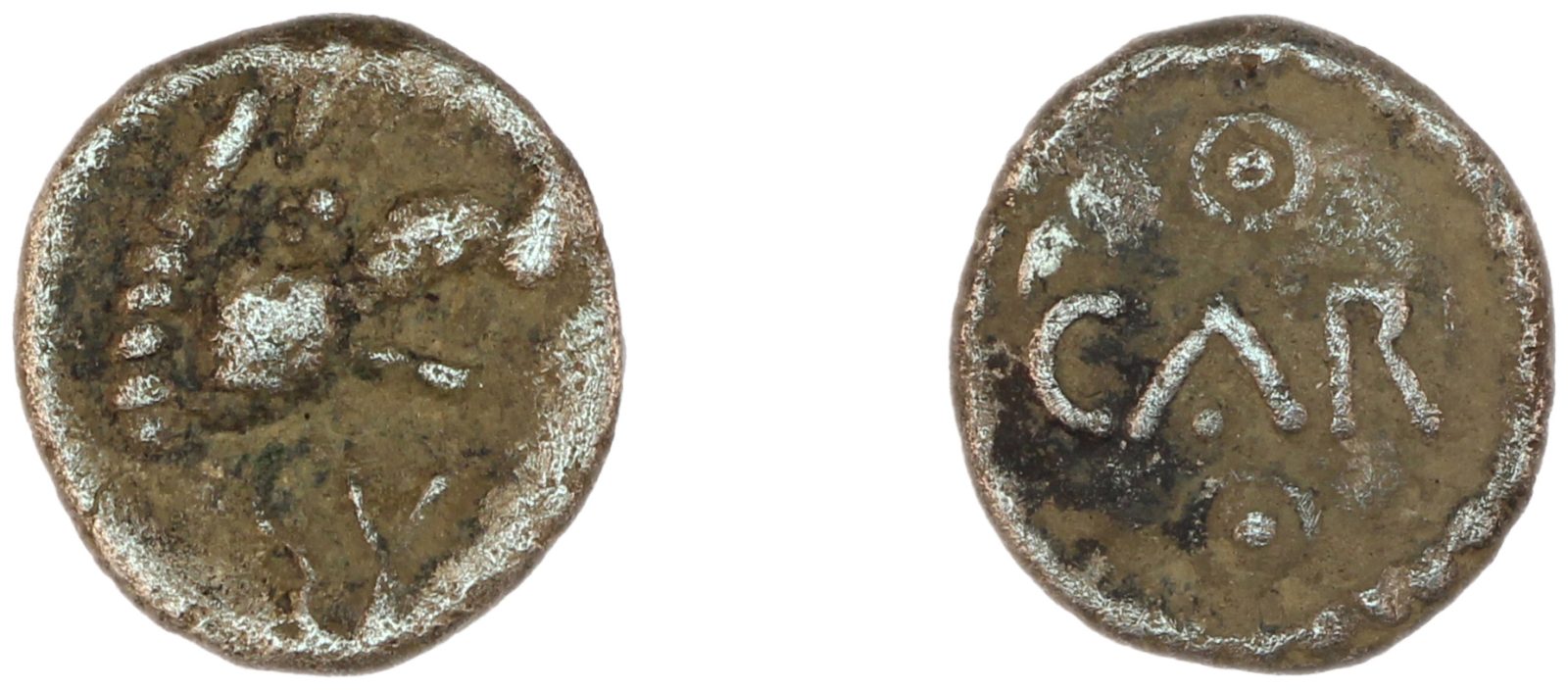
On 28 April 2016 detectorist Andrew Aartsen found a tiny silver coin at Greywell in Hampshire, weighing only 0.27 grams. Marked CAR and CV, it linked the British resistance leader Caratacus to his father Cunobelinus, settling a doubt that had lasted more than a century.

FF 518

Struck about AD 40 to 43 · found 2013

CVNO/DVBN quarter stater

England · Coins

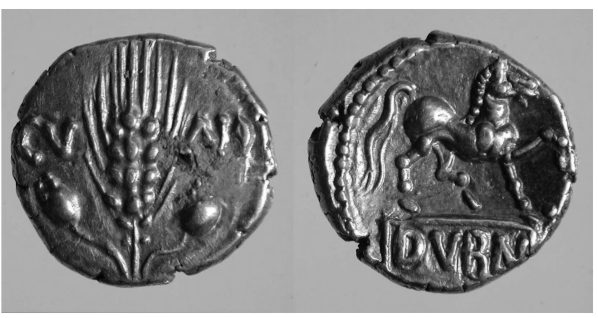
On 5 October 2013, 19-year-old Tom Lesurf, at a detecting rally at Bourne End, Bedfordshire, found his first gold coin after 15 minutes. It named both Cunobelin and a ruler called DVBN, and only three others were known, all from the Hallaton hoards.

FF 307

Made in the 1st or 2nd century AD

Lochar Moss collar

Scotland · Jewellery

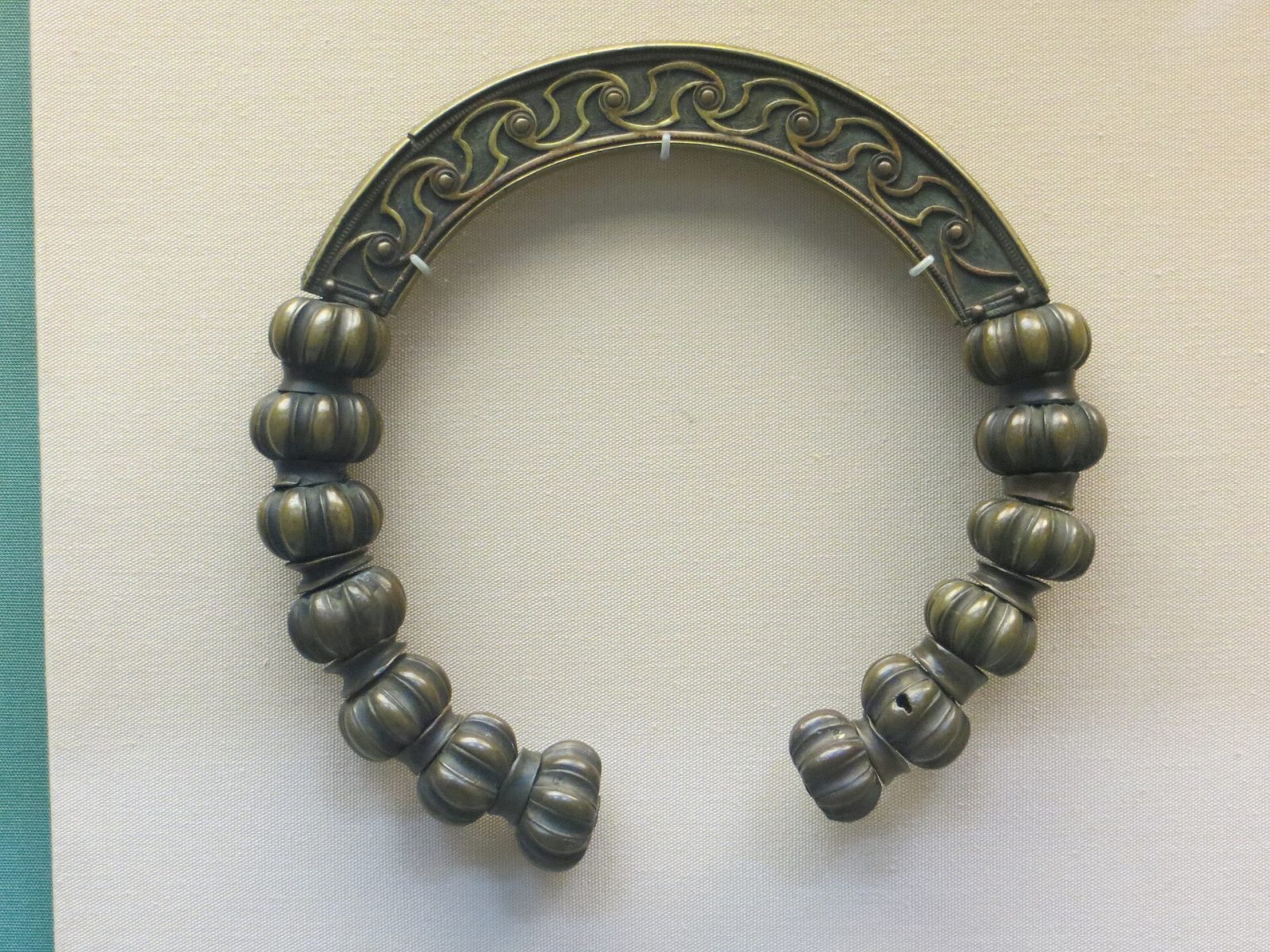
In the 1840s peat-cutters on Lochar Moss, near Dumfries in south-west Scotland, dug up a small bronze bowl. Packed inside it, dismantled, was a beaded collar made in the 1st or 2nd century AD, when Roman armies were pushing into Scotland.
FF 208

Given in AD 57 (Eastern Han) · found 1784

King of Na gold seal

Japan · Artefacts

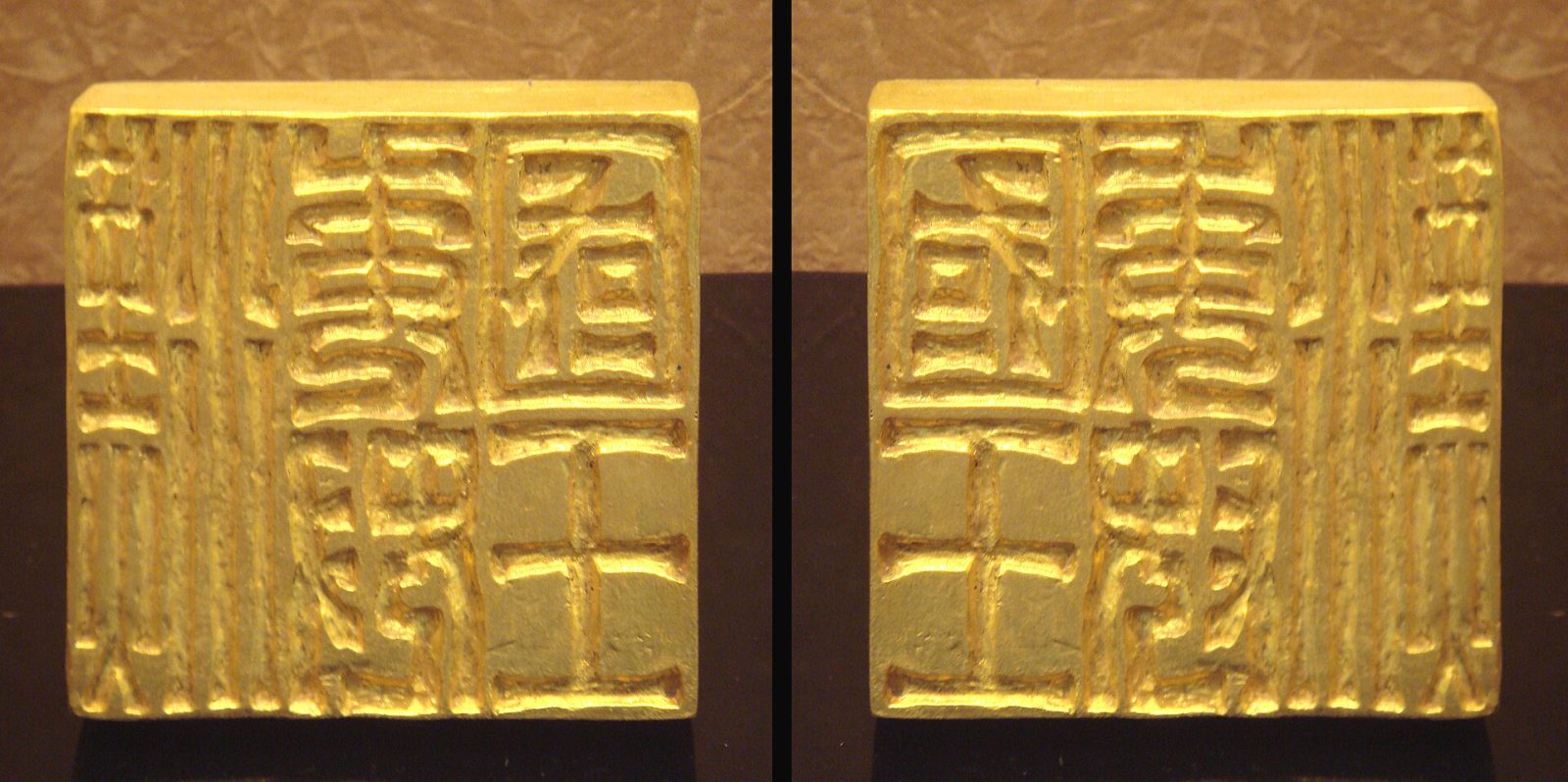
In 1784 a farmer repairing an irrigation ditch on Shikanoshima island in Japan found a tiny gold seal with a snake on top. It is thought to be the seal a Chinese emperor gave to a Japanese king in AD 57, and it is one of Japan's National Treasures.

FF 222

Hidden in AD 60 or 61 · found 2014

Fenwick Treasure

England · Jewellery

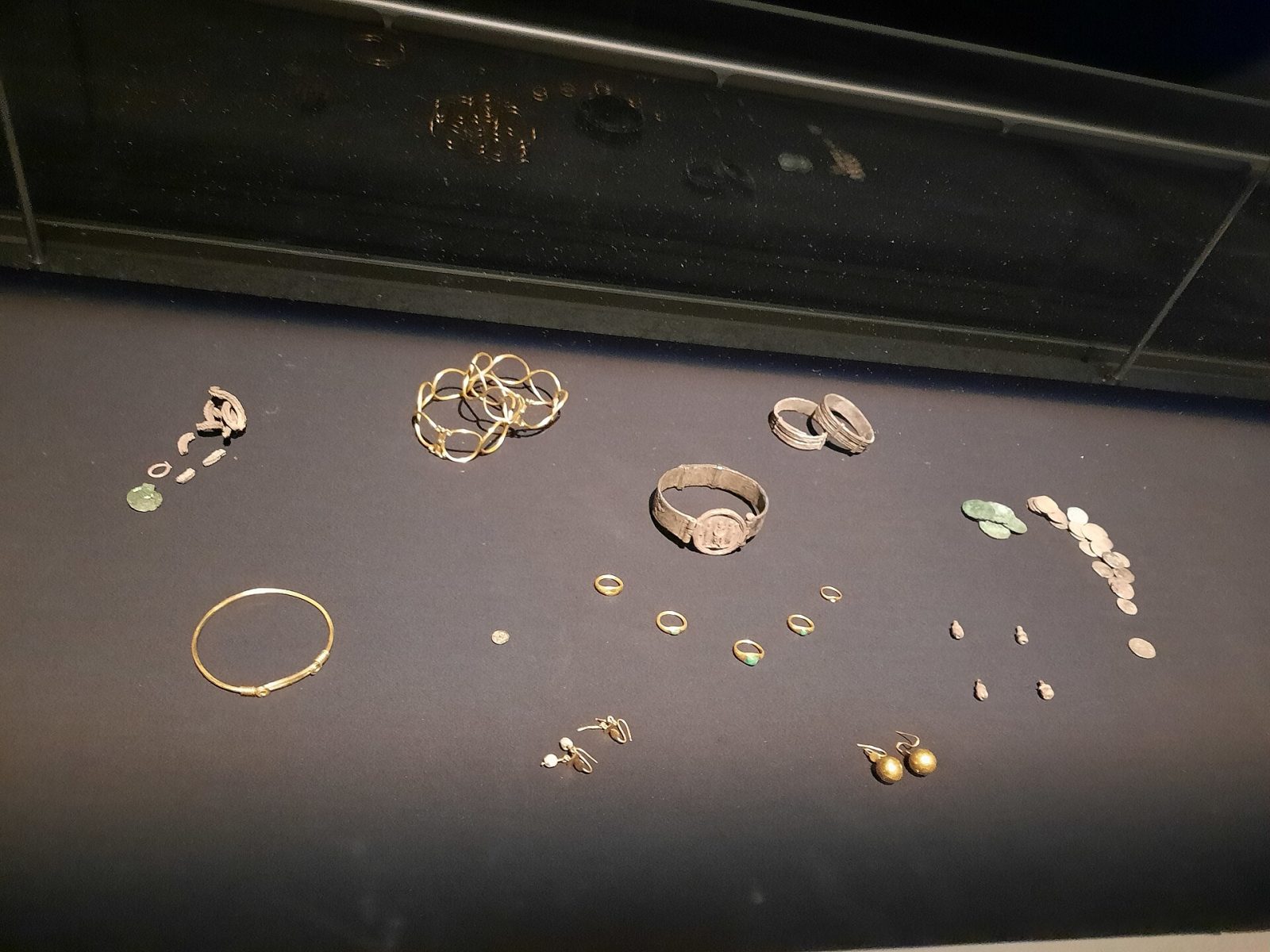
In 2014, days before a dig under a Colchester department store was due to end, archaeologists found a pit beneath a burnt Roman floor holding gold and silver jewellery and coins. It had been hidden as Boudica's army destroyed the town in AD 60 or 61.

FF 570

Cast under Nero, AD 63-69 · found 2019

Rossett Roman lead pig

Wales · Artefacts

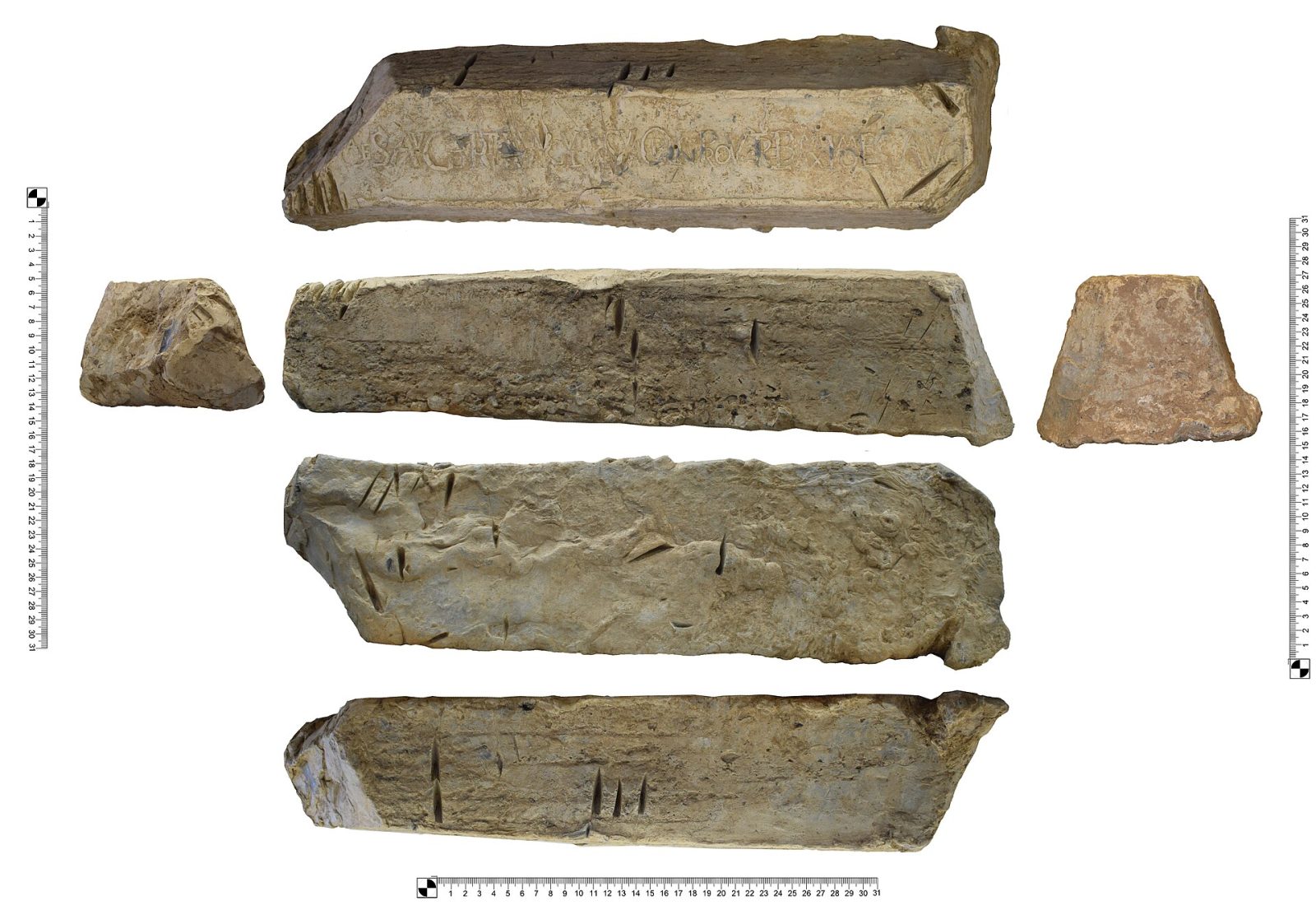
In September 2019 detectorist Rob Jones found the corner of an inscribed lead block in a field near Rossett, Wrexham, and called the Finds Officer. It was a 63 kg Roman ingot cast under Nero and naming the governor Trebellius Maximus, and it led to North Wales's first known Roman villa.

FF 144

Coins struck AD 64 to 160; buried about AD 160 · found 1995

Didcot Hoard

England · Hoards

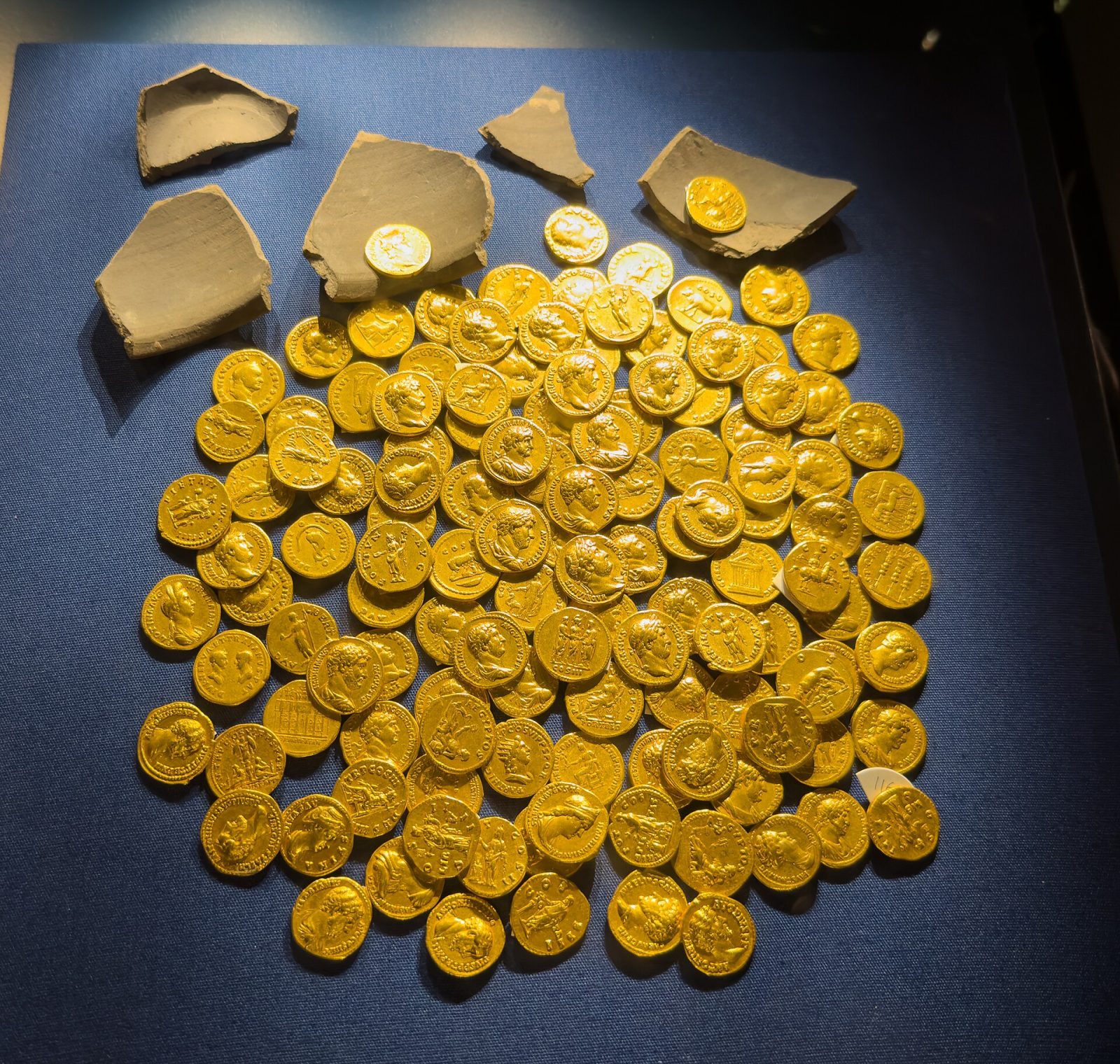
In 1995 a metal detectorist near Didcot in Oxfordshire found a small pot holding 126 Roman gold aurei, buried around AD 160. It was worth about ten years' pay for a Roman soldier.

FF 157

Coins of AD 64 to 196, buried about AD 196 · found 1993

Trier Gold Hoard

Germany · Hoards

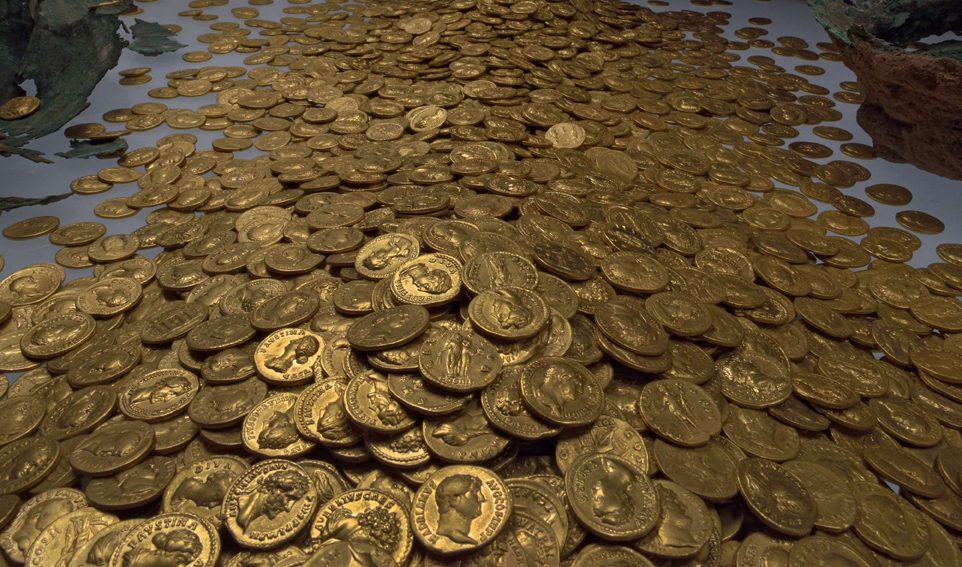
In 1993 a digger building a hospital car park in Trier tore open a bronze pot holding more than 2,600 Roman gold coins and sent many of them off to a spoil heap. Metal detectorists recovered them and handed them in. It is the largest Roman gold hoard ever found.
FF 507

Struck about AD 64 to 65 · found 2014

Nero aureus, Vindolanda

England · Coins

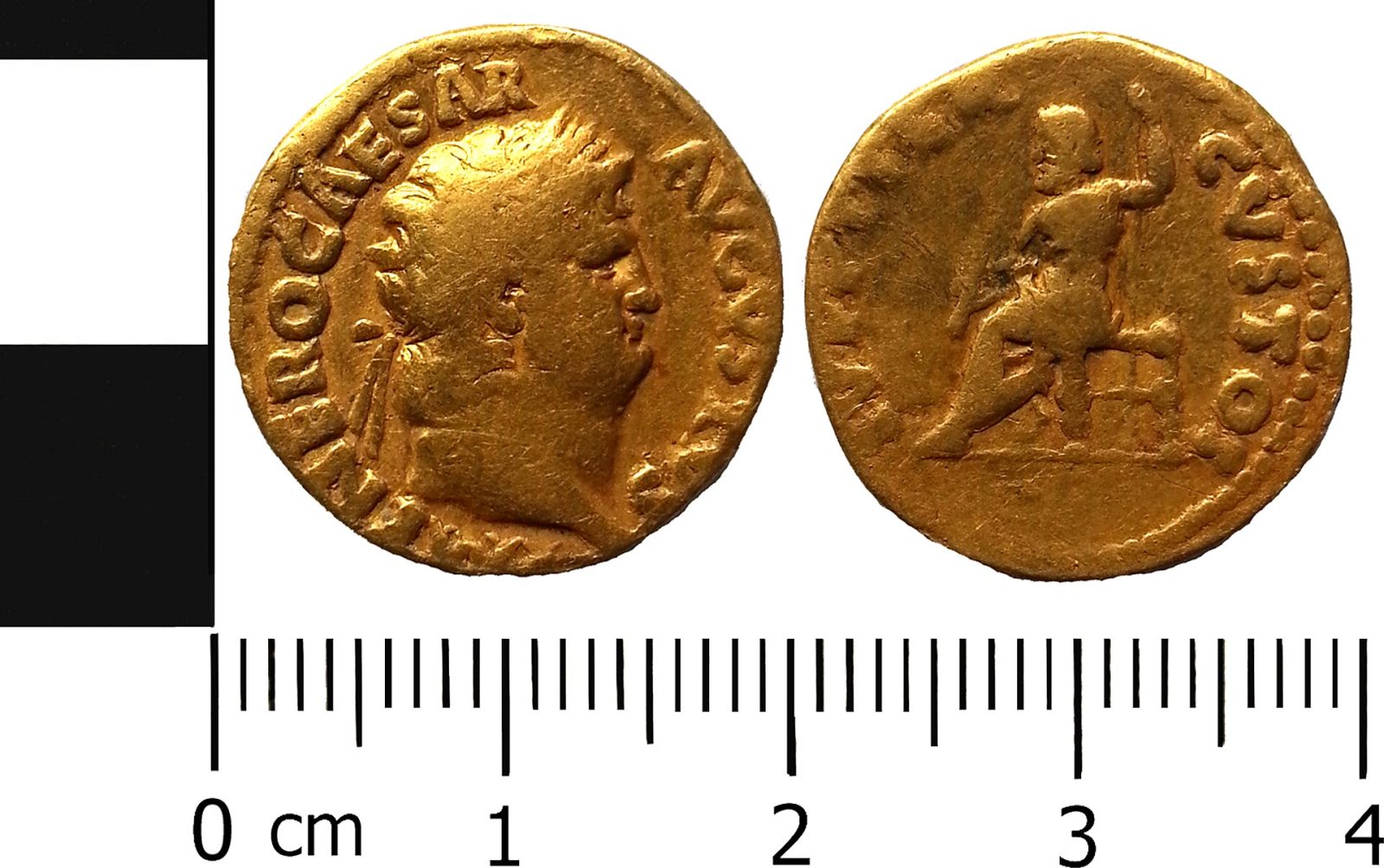
In June 2014 Marcel Albert, a volunteer from Nantes who had dug at Vindolanda for six years, found a gold aureus of the emperor Nero in a 4th-century layer of the fort beside Hadrian's Wall. It was the first gold coin from Vindolanda in more than forty years of excavation.

FF 527

Struck in year two of the revolt, AD 67 to 68 · found 2021

Great Revolt shekel, Jerusalem

Israel · Coins

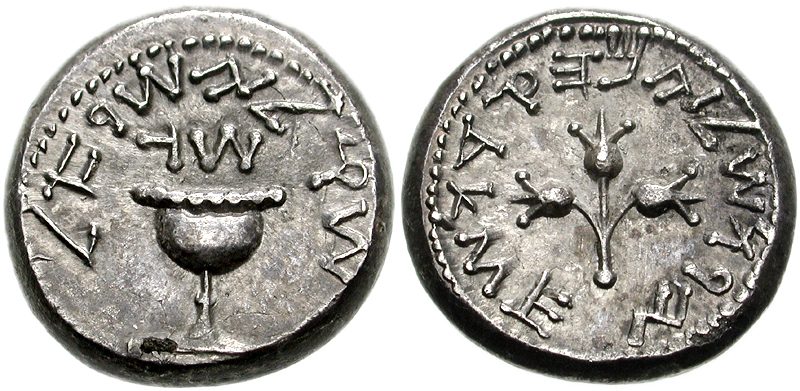
In 2021 Liel, an 11-year-old from Petah Tikva, was sifting soil from the Pilgrimage Road in Jerusalem's City of David with her family when she spotted a silver coin. It was a shekel struck in the second year of the Jewish revolt against Rome, AD 67 to 68.

FF 466

Struck about AD 69 to 70 · found 2017

Vespasian gold aureus

England · Coins

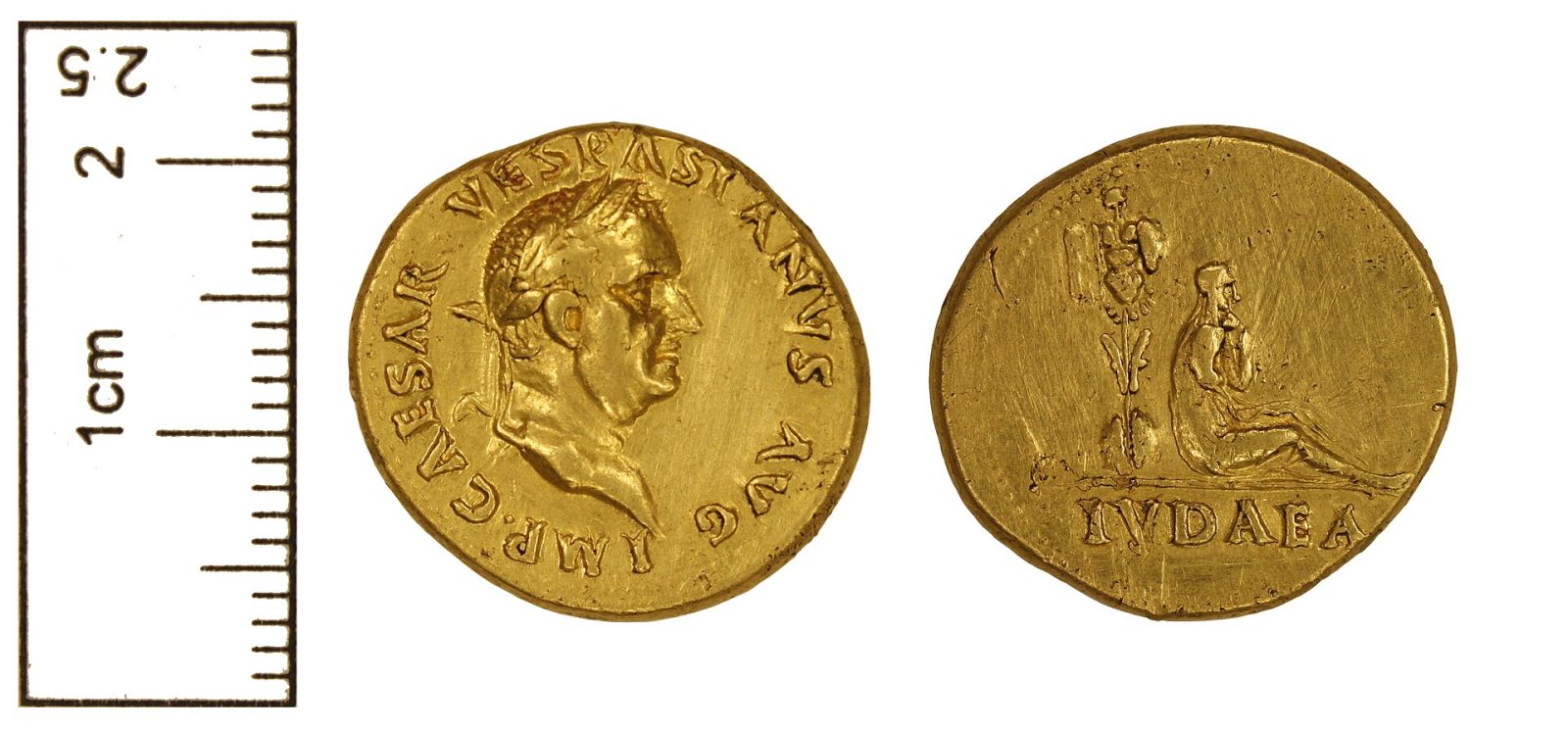
In 2017 a metal detectorist near March in Cambridgeshire found a gold aureus of Vespasian, the general who conquered much of southern Britain before becoming emperor. Struck around AD 69 to 70 to mark his war in Judaea, it shares its dies with a coin in the British Museum.

FF 497

Struck in AD 69 · found 2024

Vitellius gold aureus

England · Coins

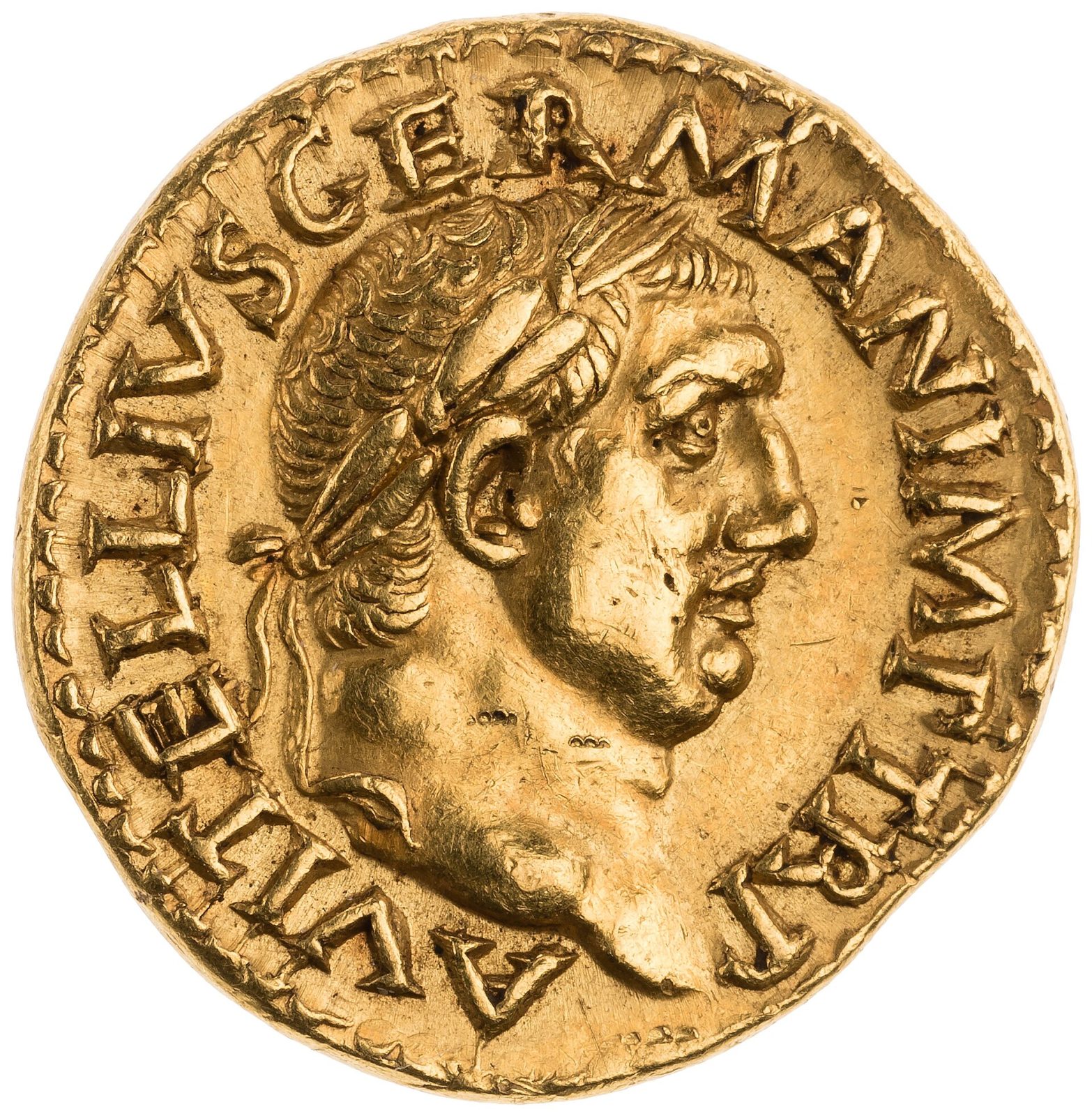
In May 2024 Ron Walters, a 76-year-old retired welder, found a gold aureus of Vitellius, who ruled Rome for eight months in AD 69, in a field near Wall Heath, Dudley, that he had searched for six years. It is believed to be the first Vitellius aureus found in the British Isles.

FF 473

Struck at Antioch, AD 72 to 73

Vespasian Antioch aureus

England · Coins

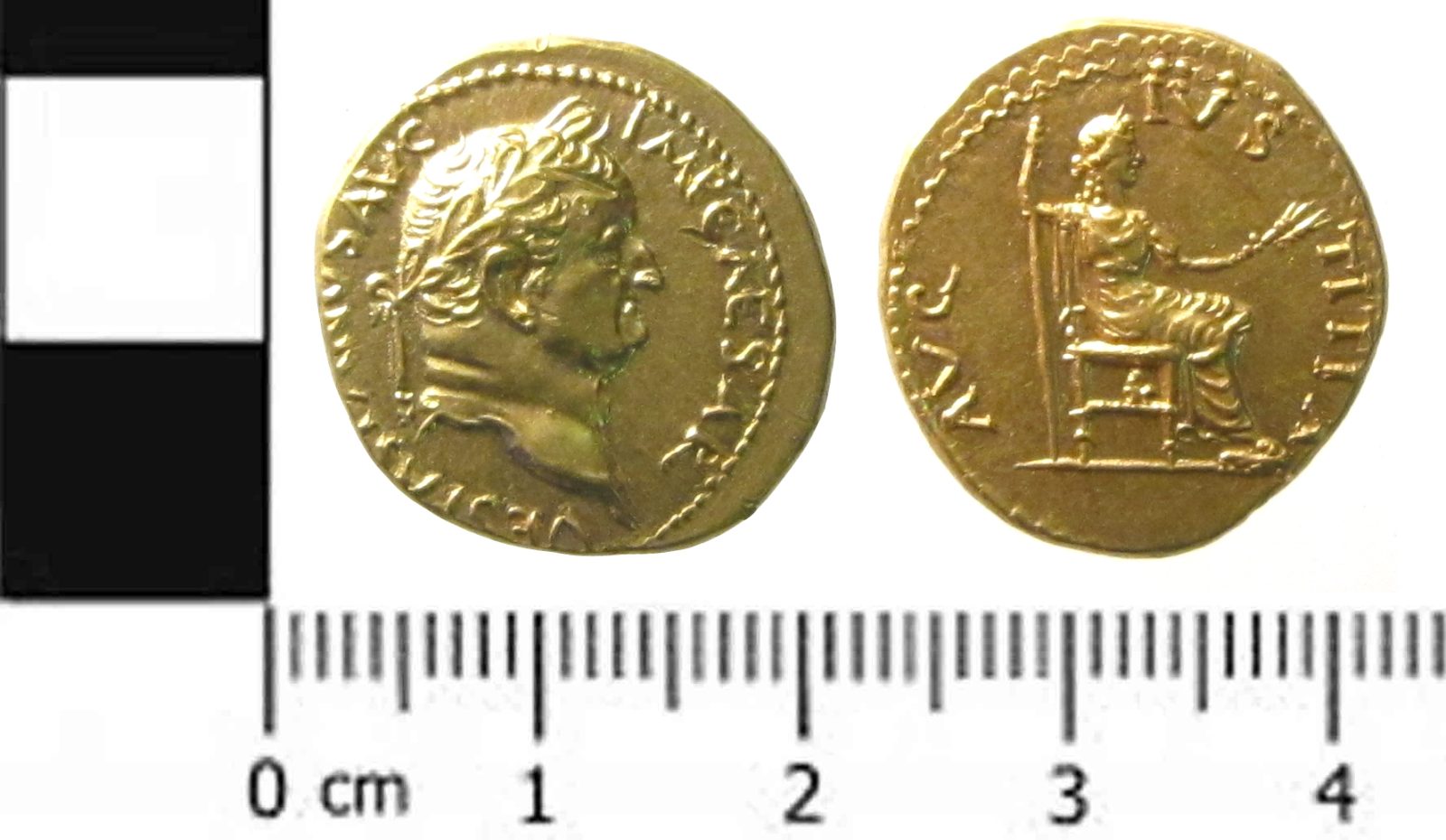
In 2011 a gold aureus of Vespasian found in North Lincolnshire was recorded with the Portable Antiquities Scheme. Struck at Antioch in Syria, it was a type known only from an 1882 description of a coin in a collection at Lyon that had been melted down around 1793.

FF 126

Made in the late 1st or early 2nd century AD · found 1796

Ribchester Helmet

England · Weapons

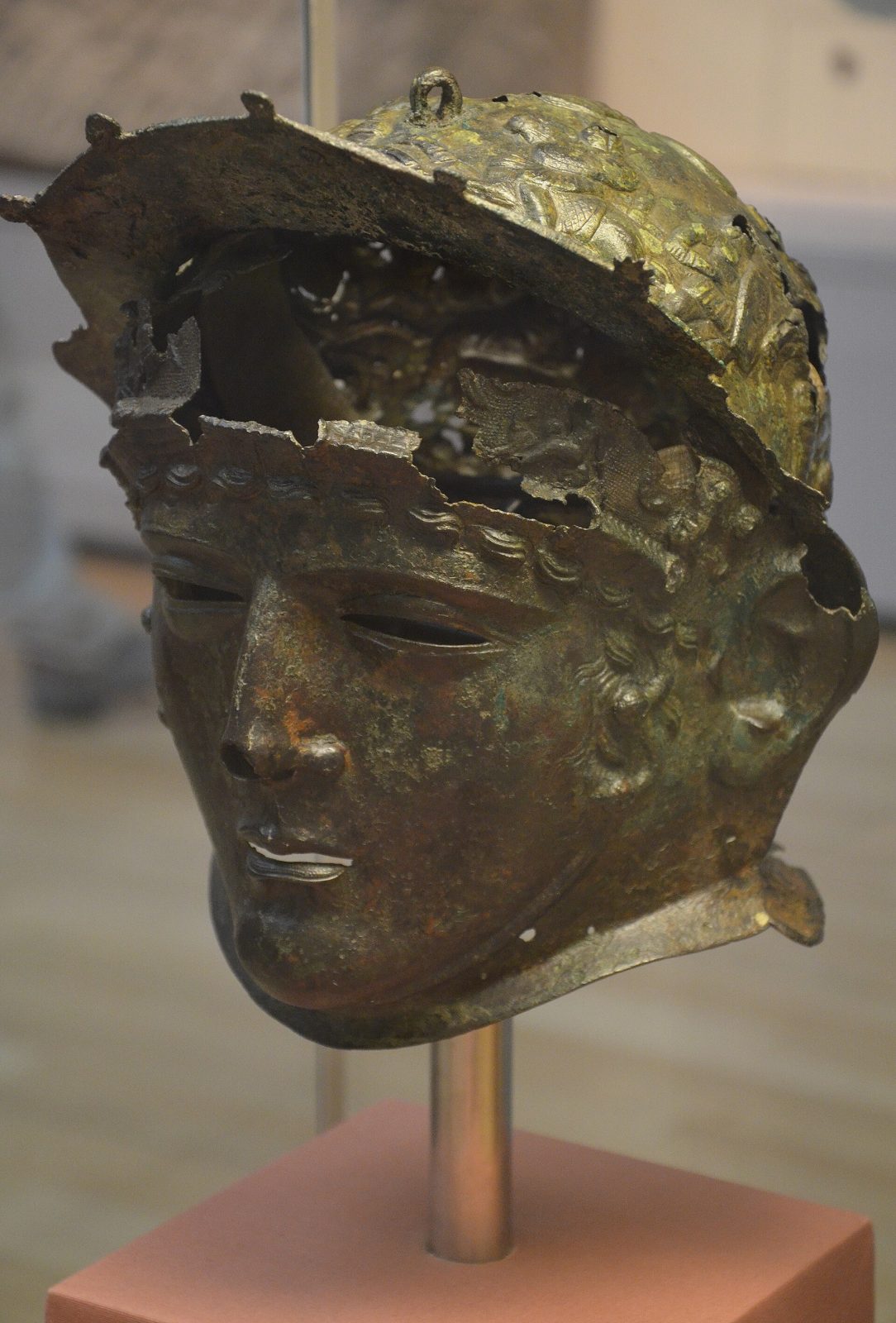
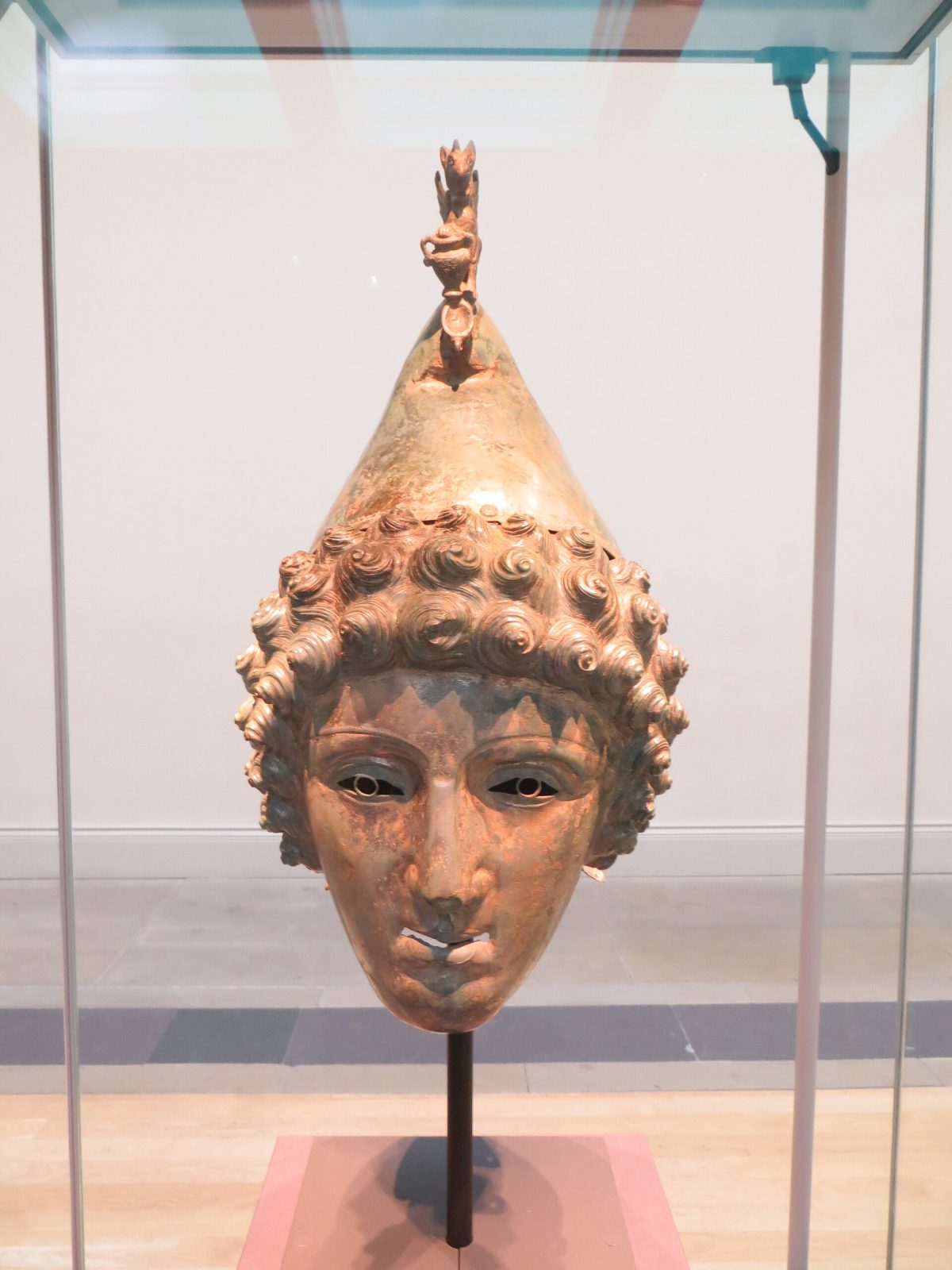
In the summer of 1796 a clogmaker's son playing near the Roman fort at Ribchester in Lancashire found a hoard of Roman cavalry equipment, including one of the finest Roman helmets ever found in Britain.

FF 174

About AD 80 to 250 · found 1816

Deskford Carnyx

Scotland · Artefacts

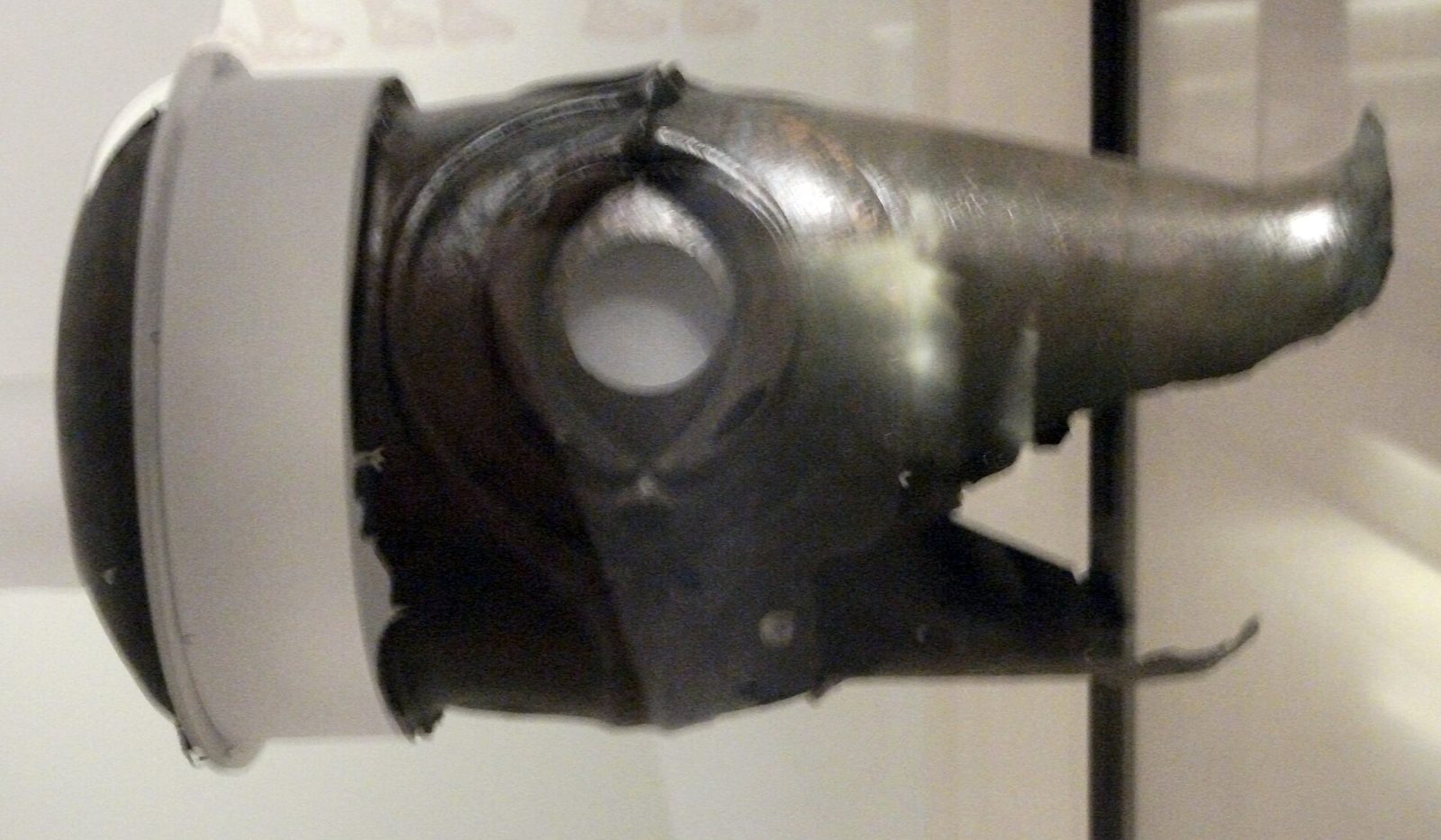
Around 1816 workers in a peat bog at Leitchestown, Deskford, in north-east Scotland found the bronze head of a carnyx, a Celtic war trumpet shaped like a boar. It is the only carnyx head ever found in Britain, and it was deliberately taken apart before it went into the bog.

FF 256

About AD 80 to 200 · found 1866

Carlingwark Hoard

Scotland · Hoards

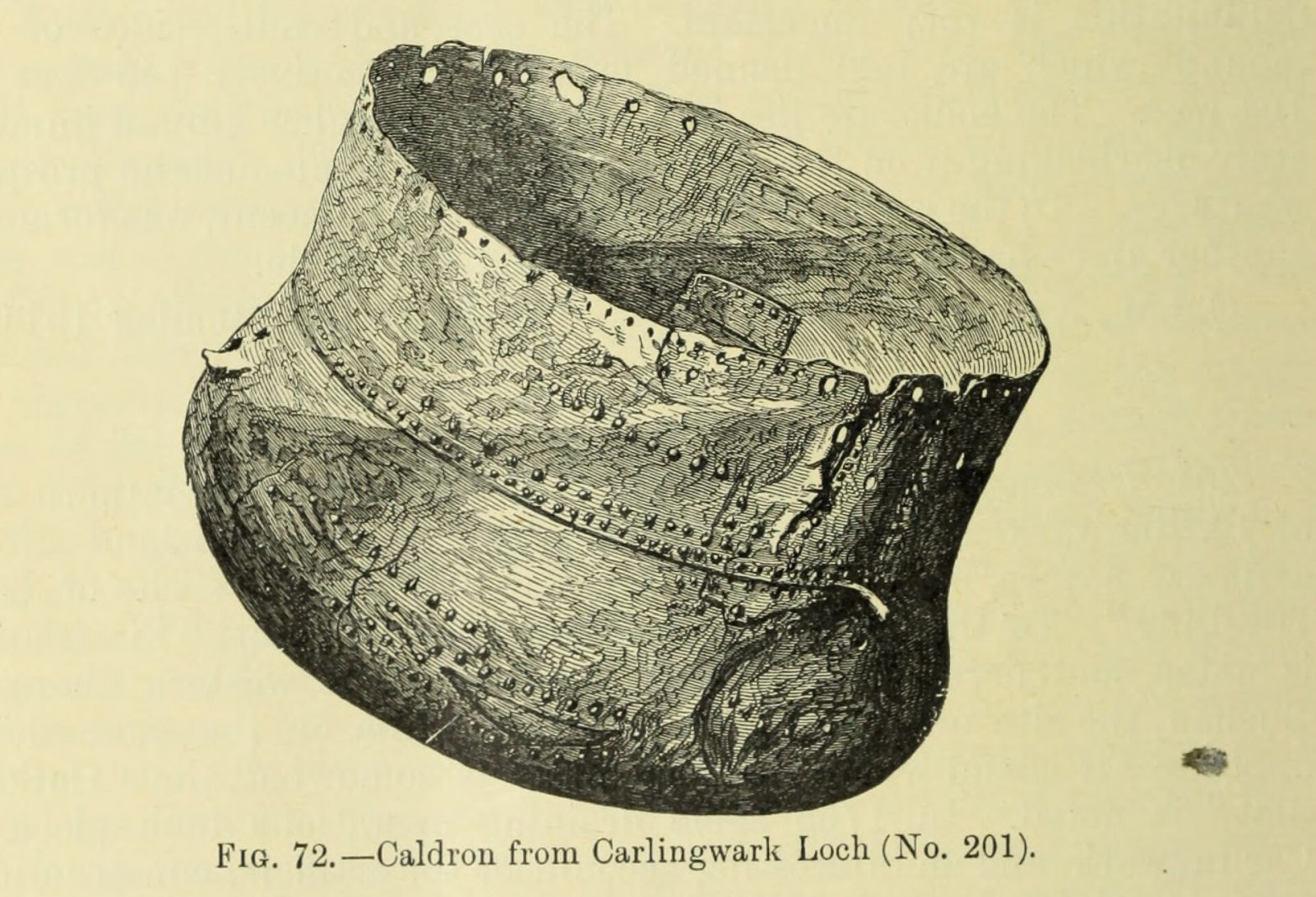
Around 1866 two fishermen on Carlingwark Loch, by Castle Douglas in Galloway, brought up an ancient bronze cauldron. Packed inside were about a hundred iron objects: hammers, a saw, files, punches, a gridiron, chain mail and eight sword tips, from the 1st or 2nd century AD.

FF 143

Made in the 2nd century AD · found 2003

Staffordshire Moorlands Pan

England · Artefacts

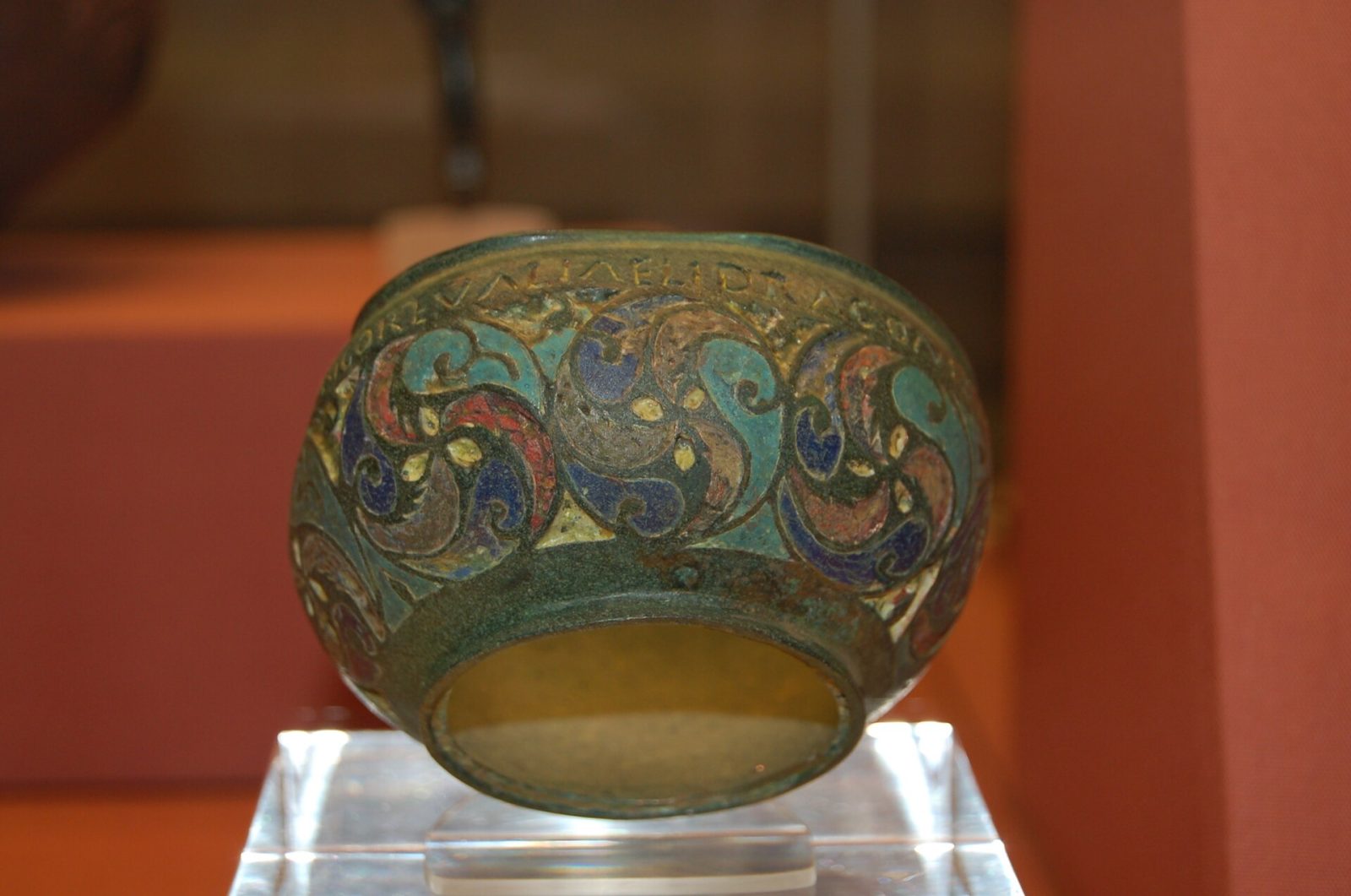
In 2003 metal detecting near Ilam in the Staffordshire Moorlands turned up a small enamelled Roman pan inscribed with the names of four forts on Hadrian's Wall, some 200 miles from the Wall itself.

FF 592

2nd-3rd century AD · found 2023

Willersey Roman swords

England · Weapons

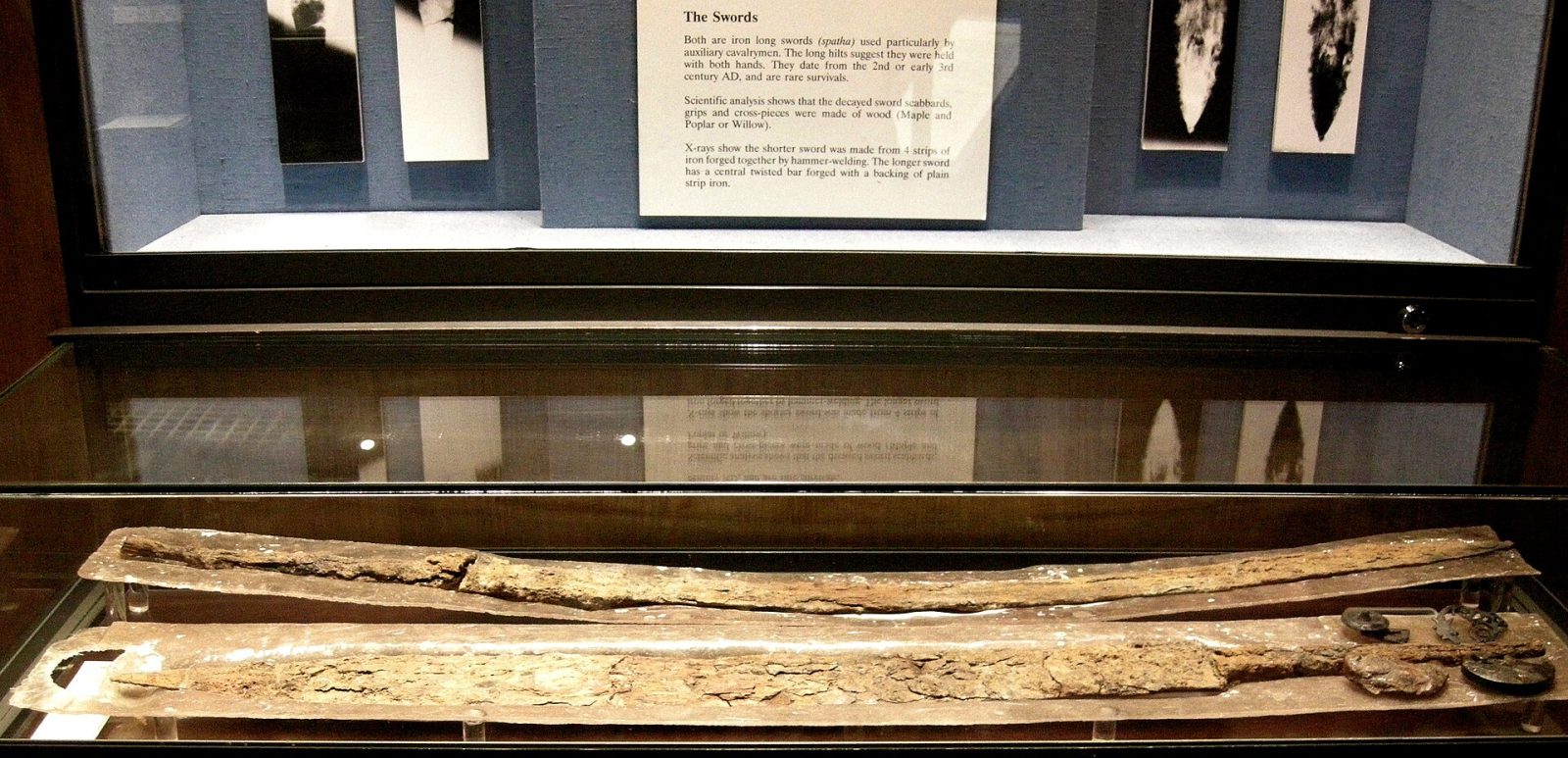
In March 2023 novice detectorist Glenn Manning found two Roman cavalry swords at a rally near Willersey, in the north Cotswolds. Buried with a broken bowl, they are a very rare pair, and they led archaeologists to a settlement running from the Iron Age to the Roman period.
FF 479

Struck in Rome in AD 107 · found 2016

Trajan 'Divus Augustus' aureus

Israel · Coins

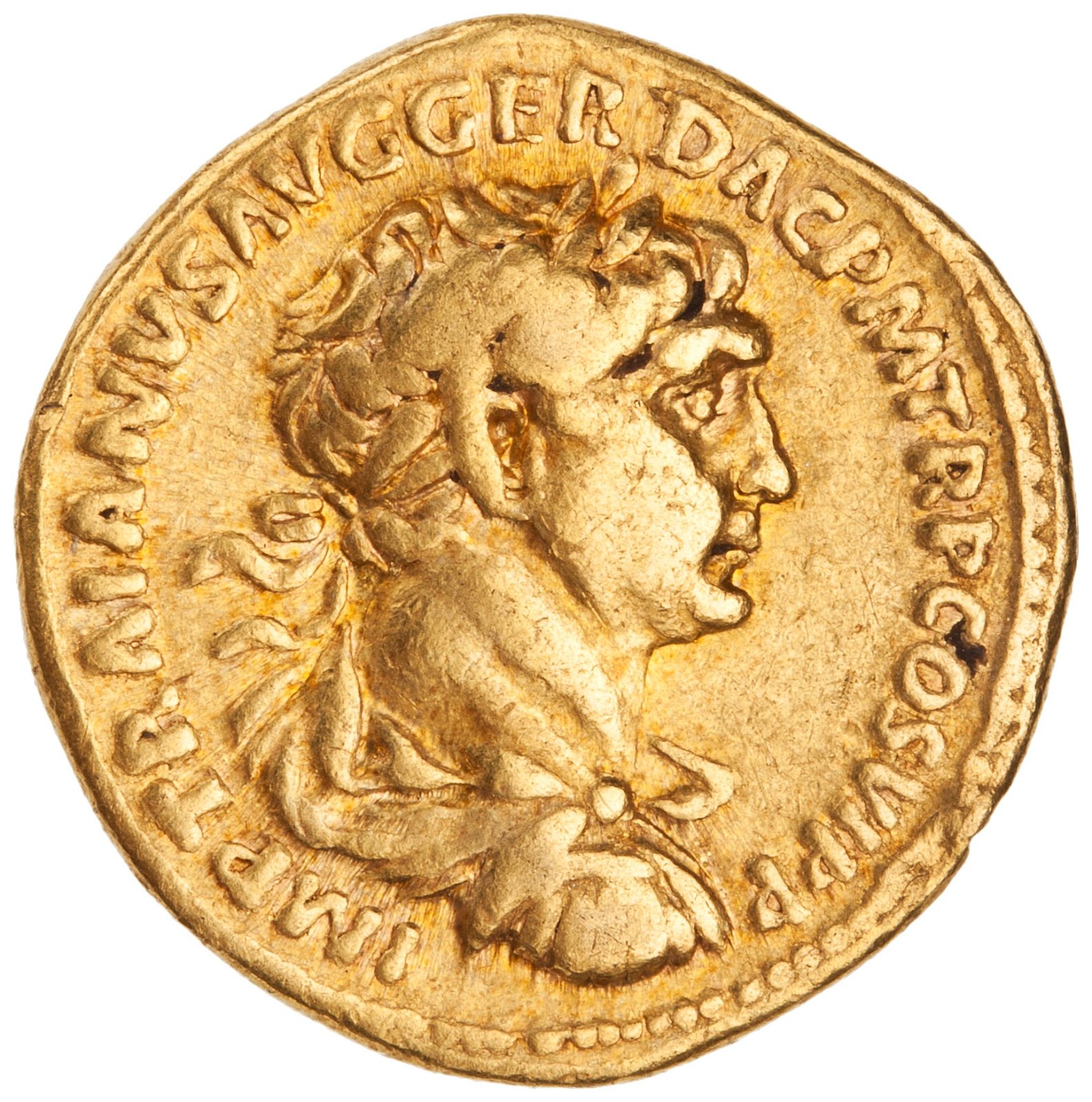
In March 2016 Laurie Rimon, hiking with friends in the eastern Galilee in Israel, spotted something shining in the grass. It was a gold aureus struck by the emperor Trajan in AD 107 in honour of Augustus, reportedly only the second known. She handed it to the authorities within hours.
FF 103

Made about AD 150 to 250 · found 2010

Crosby Garrett Helmet

England · Weapons

In 2010 a young detectorist in Cumbria found a Roman cavalry helmet with a face mask, in dozens of pieces. Because the law did not count it as Treasure, it was restored and sold at auction for about £2.3 million to a private collector.

FF 153

Later 2nd century AD · found 2020

Ryedale Hoard

England · Hoards

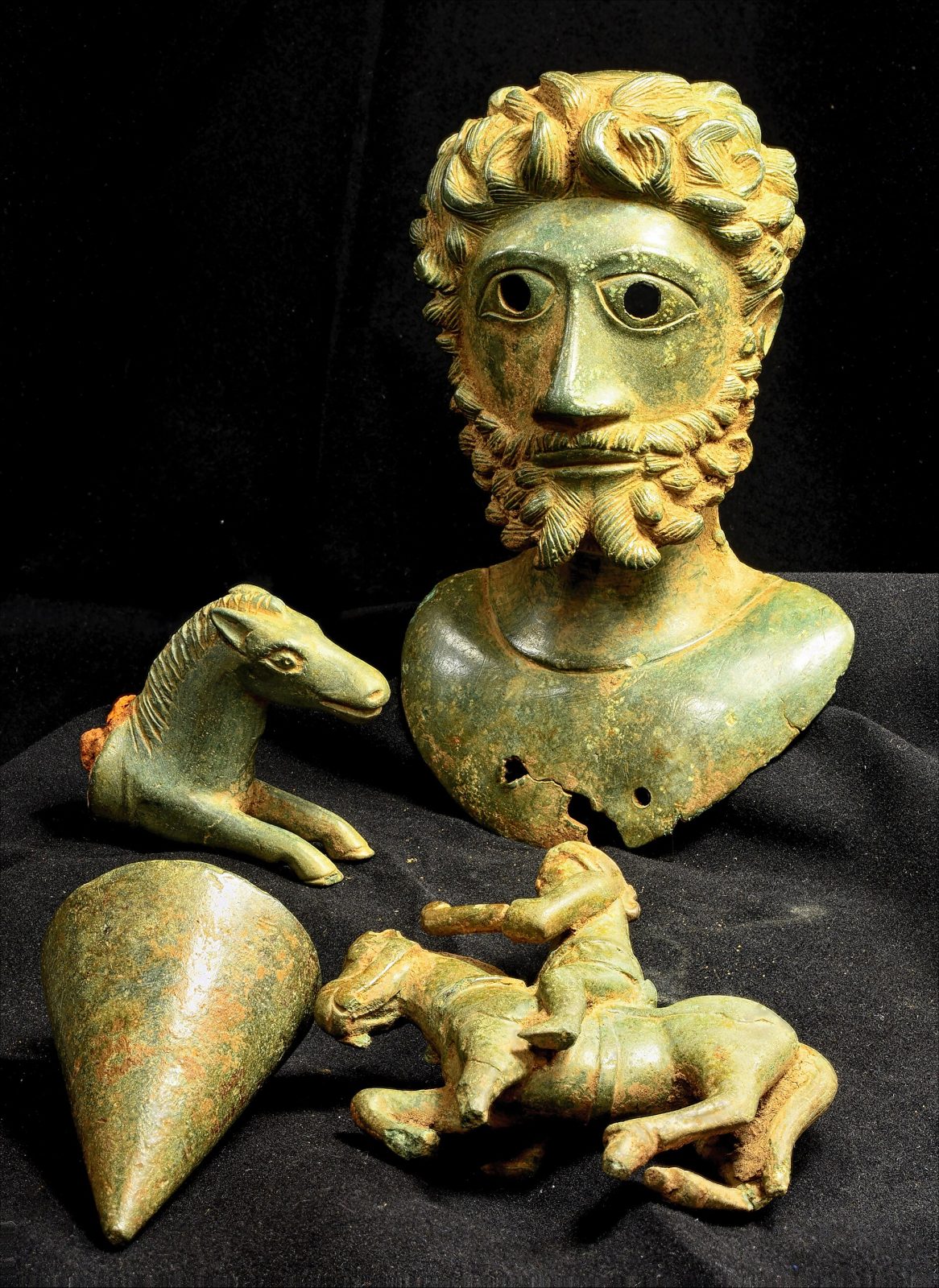
In May 2020 two detectorists in North Yorkshire found a bronze bust of the emperor Marcus Aurelius, a figure of Mars on horseback and two other Roman objects. Because they were not gold or silver, they were not Treasure and went to auction, before a donor helped the Yorkshire Museum buy them.

FF 244

Mid-2nd to early 3rd century AD · found 1997

Cramond Lioness

Scotland · Artefacts

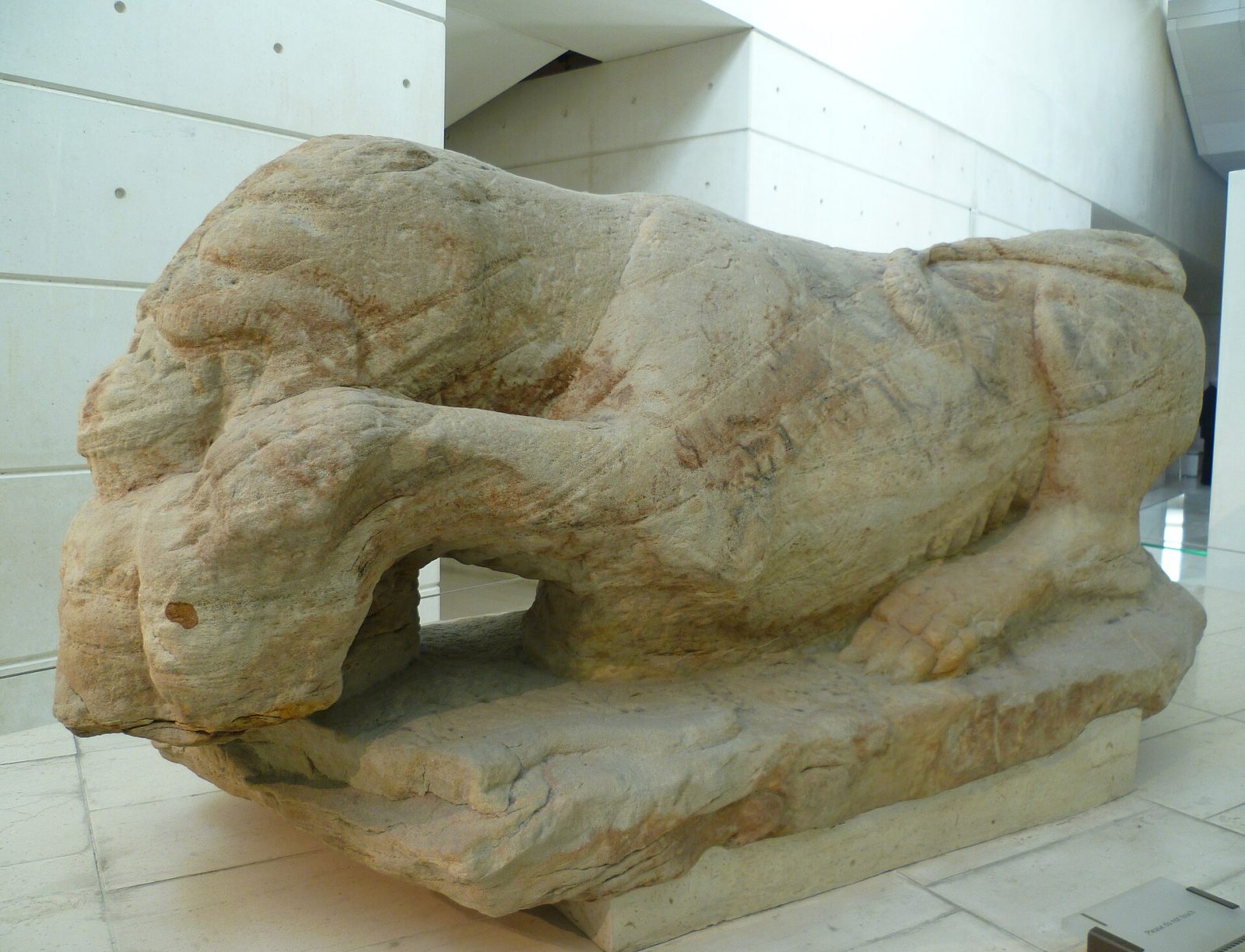
In the winter of 1996 to 1997 Robert Graham, the ferryman at Cramond near Edinburgh, saw a carved head sticking out of the mud beside his ferry steps. It was a Roman tomb sculpture of a lioness devouring a captive, more than 1.5 metres long.

FF 324

Buried about AD 155 · found 1985

Snettisham Jeweller's Hoard

England · Jewellery

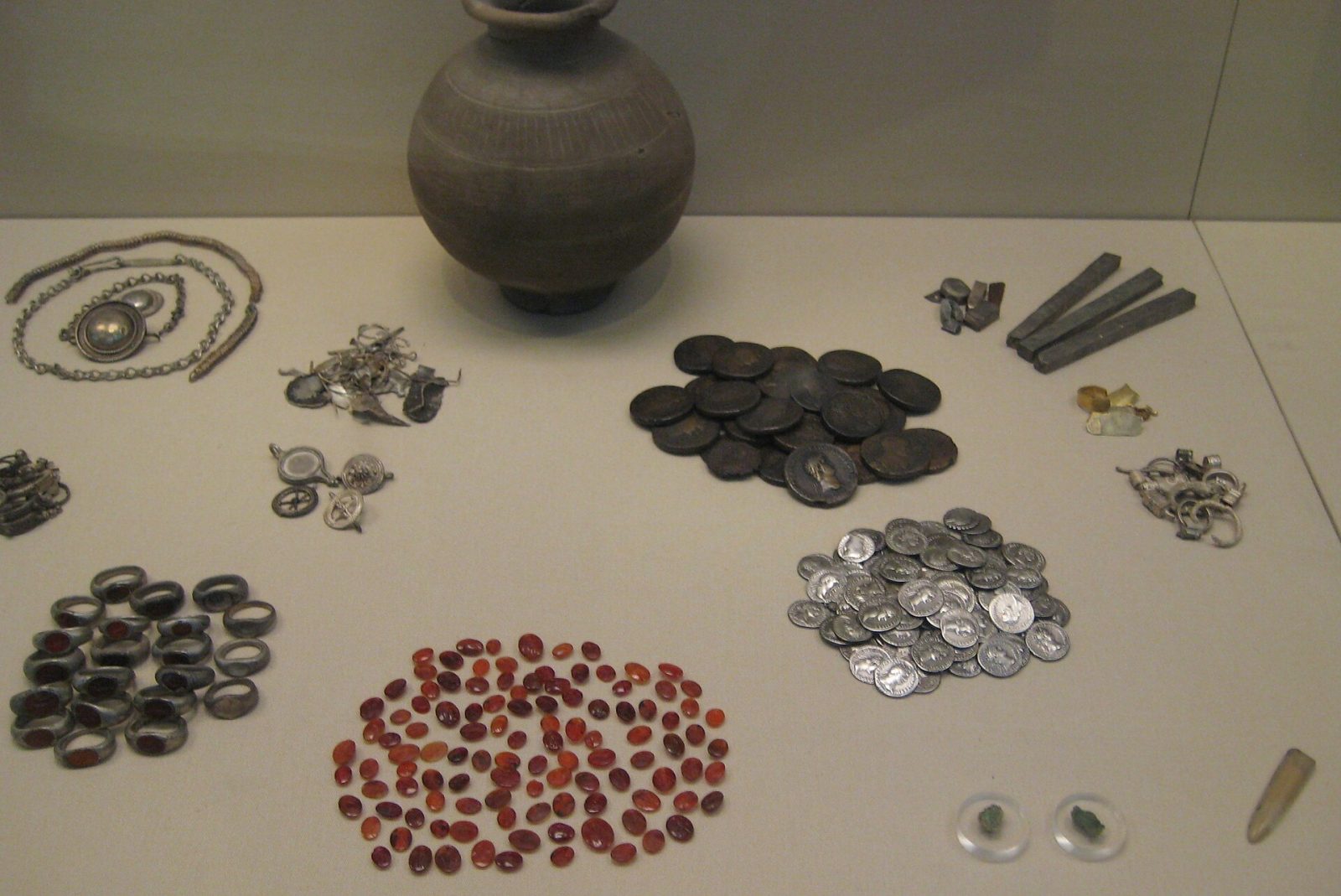
In 1985 builders preparing a house plot in Snettisham, Norfolk, dug up a small Roman pot. Inside was the working stock of a jeweller buried around AD 155: 110 coins, 117 engraved gemstones, silver rings and bracelets, ingots, scrap gold and a polishing tool.

FF 327

In use until the house burned, about AD 260 · found 1989

Rimini surgeon's instruments

Italy · Tools

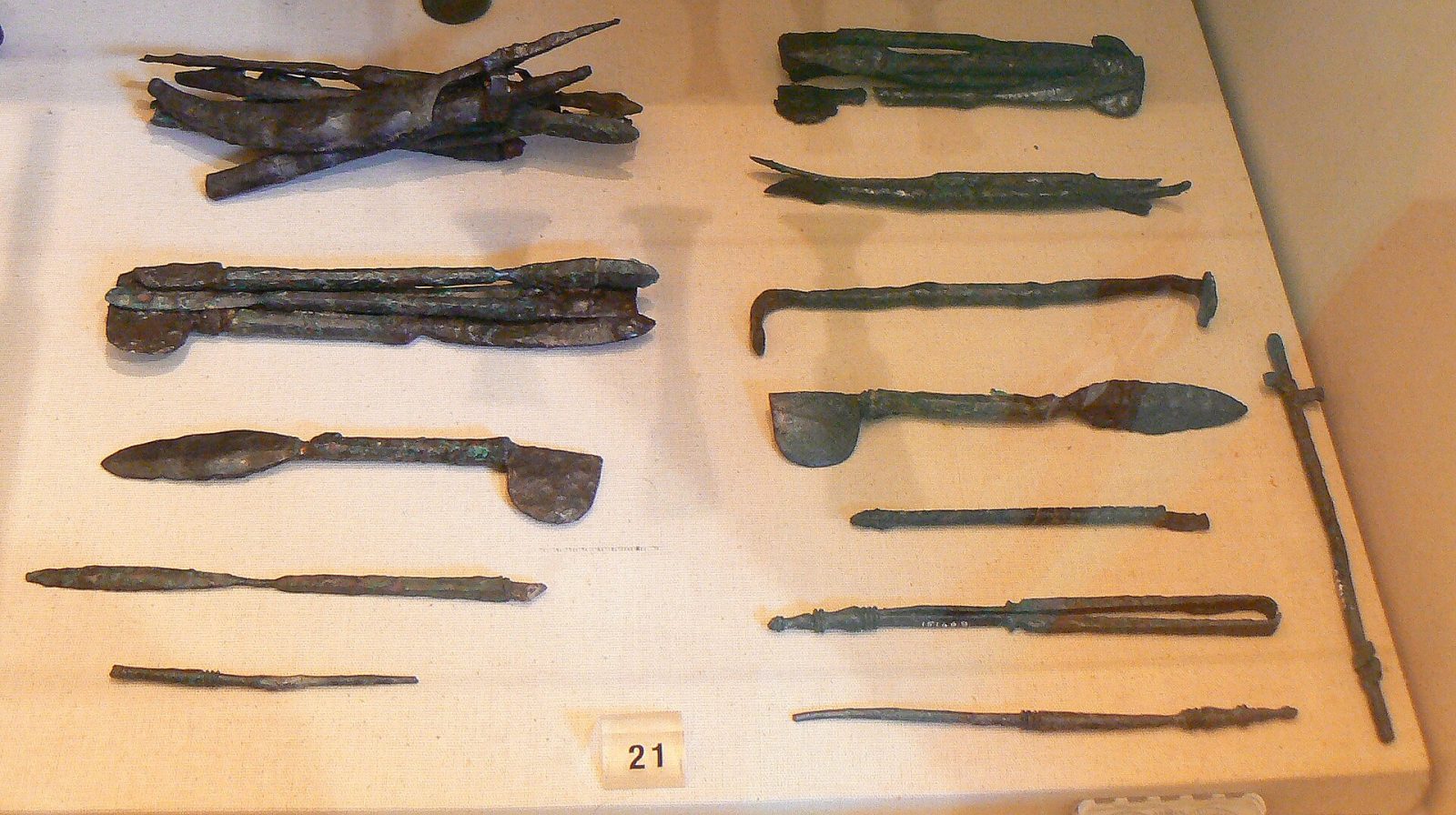
In July 1989 redevelopment work in Piazza Ferrari, Rimini, uncovered a Roman house that had burned in the mid-3rd century AD. Inside was the medical practice of a doctor probably called Eutyches, with about 150 surgical instruments, the richest set known from the ancient world.

FF 389

Copied from a gold coin of AD 152 · found 1944

Óc Eo Antoninus Pius pendant

Vietnam · Jewellery

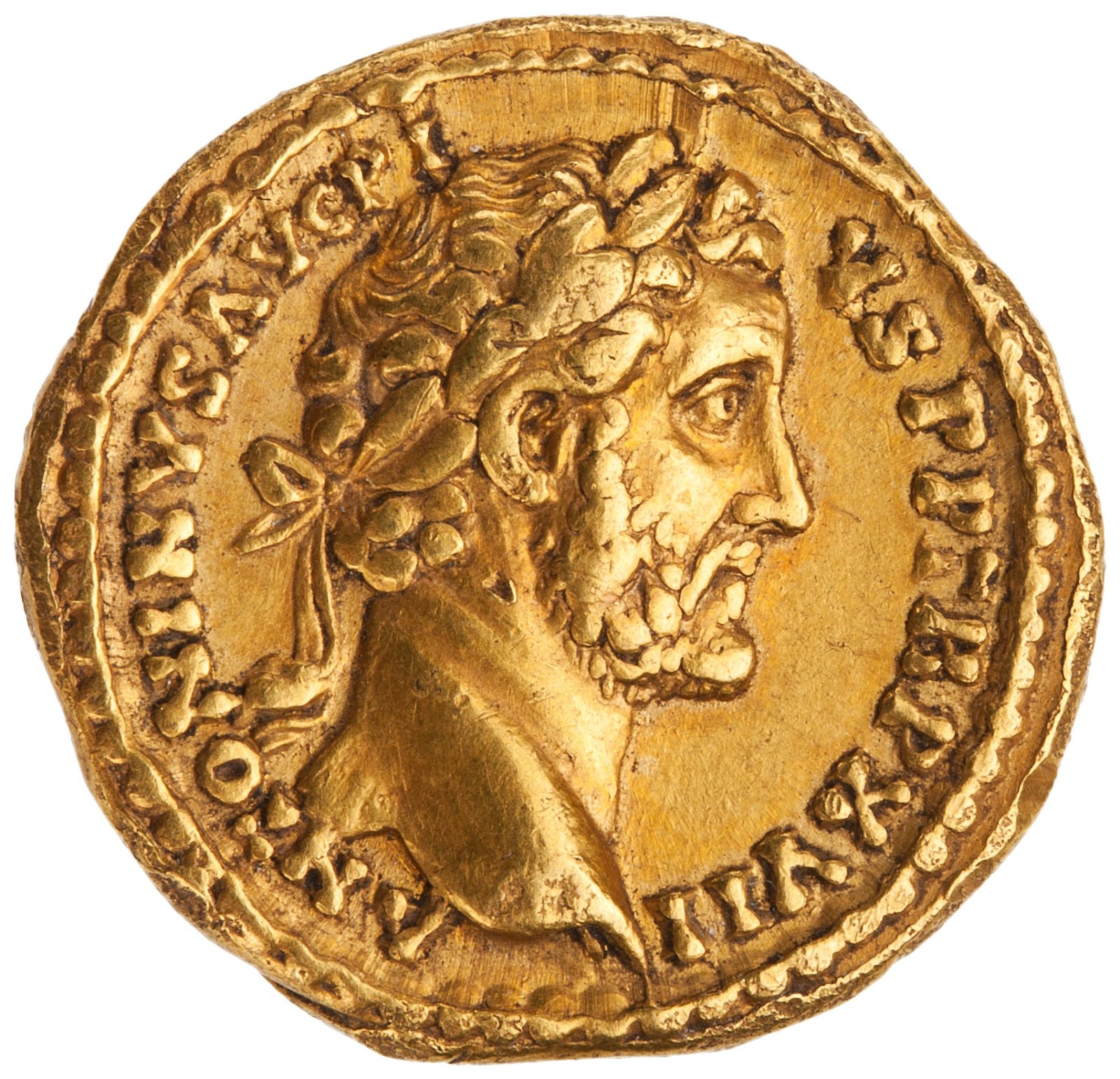
In 1944 the French archaeologist Louis Malleret's work at Óc Eo in southern Vietnam produced a gold disc showing the Roman emperor Antoninus Pius. Long called a Roman medallion, it is now seen as a local copy worn as a pendant. It has been missing since 1975.

FF 499

Struck in the reign of Marcus Aurelius, AD 161 to 180 · found 2022

Bremen sandpit denarius

Germany · Coins

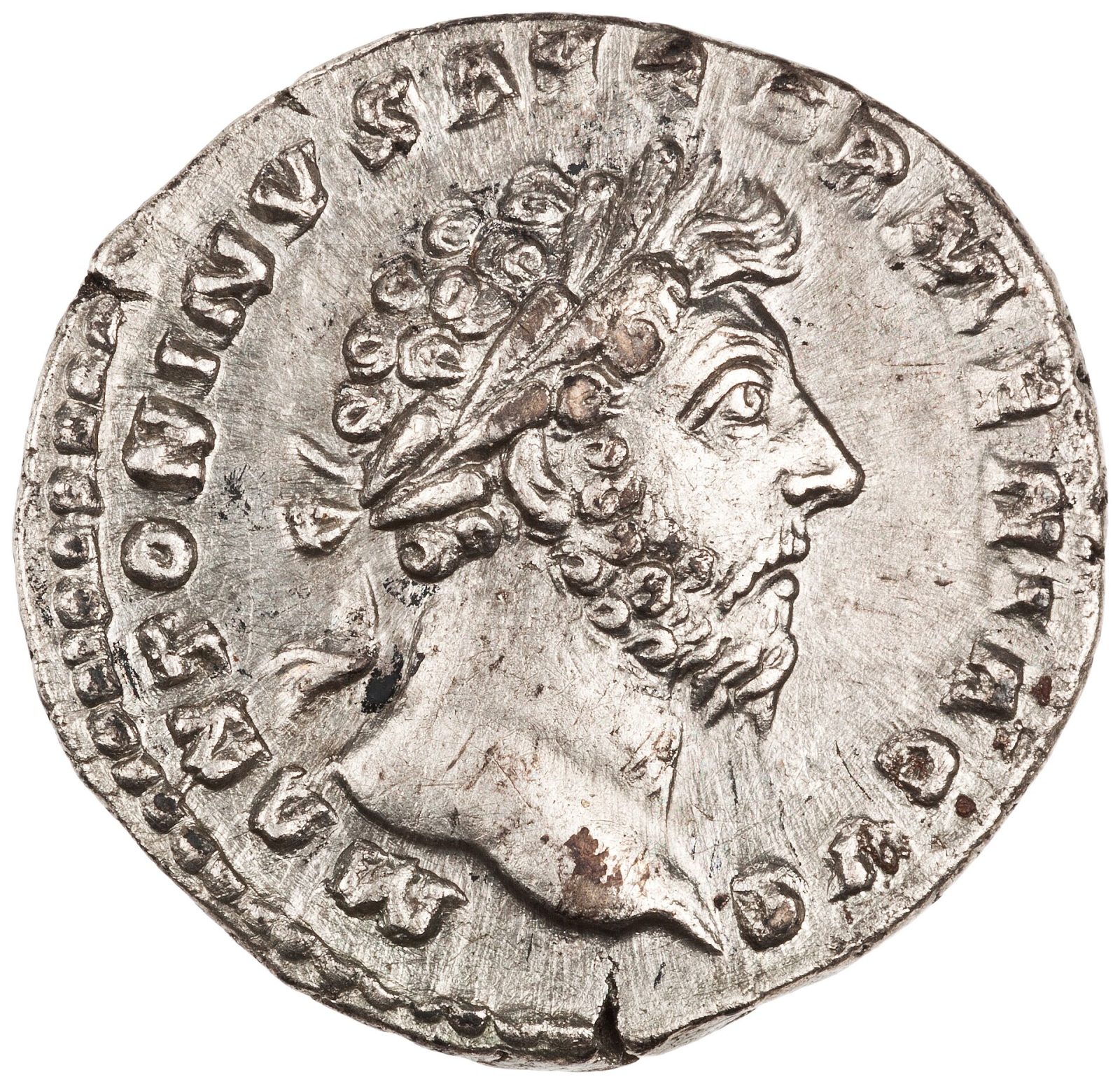
In August 2022 eight-year-old Bjarne found a worn silver coin while playing in the sandpit of his primary school in Bremen, Germany. It was a Roman denarius of the emperor Marcus Aurelius, only the third Roman coin ever found in the city.

FF 201

Moche, about AD 250 · found 1987

Lord of Sipán

Peru · Artefacts

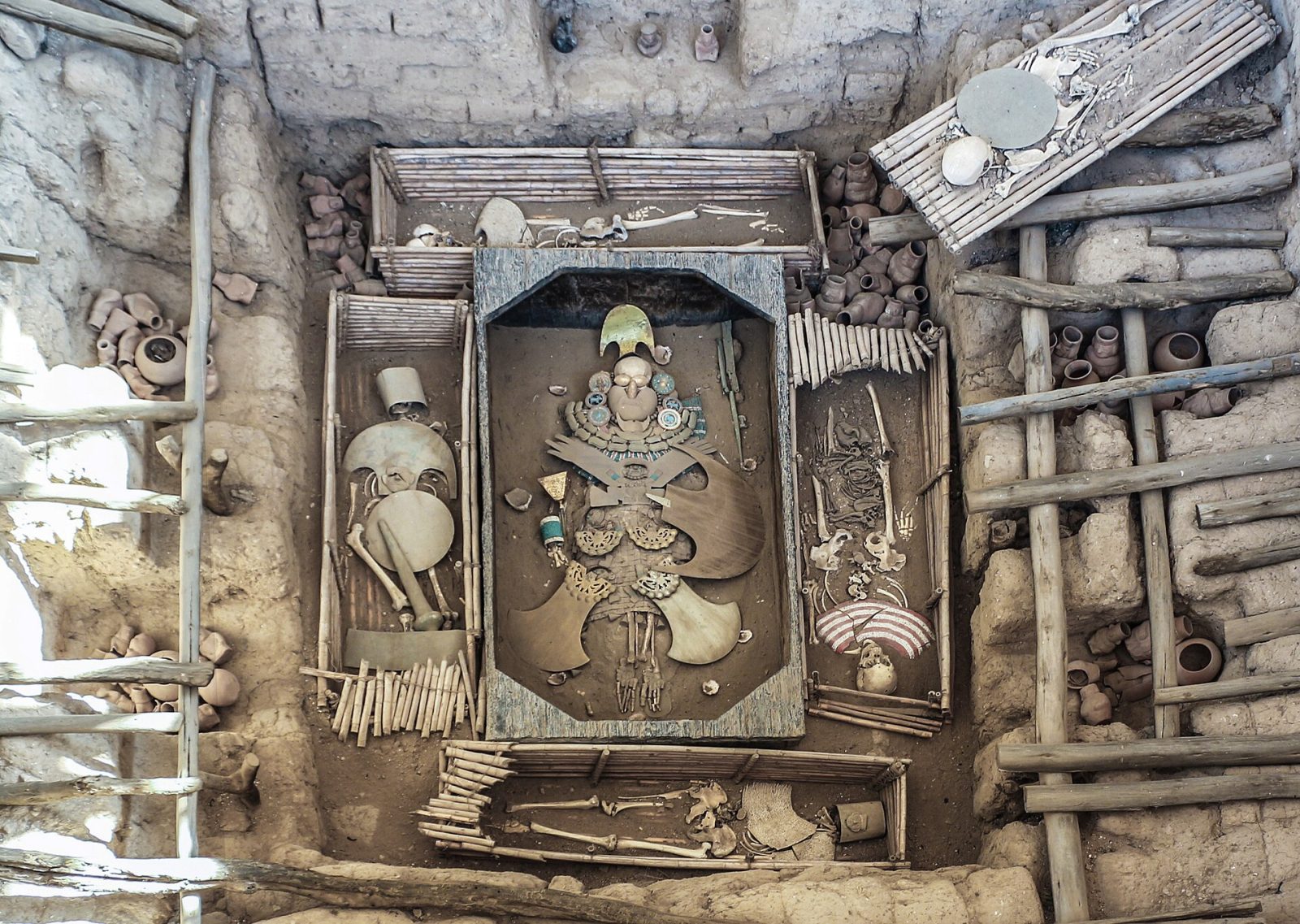
In 1987 looters digging into an adobe pyramid in northern Peru found a tomb full of gold and quarrelled over the spoils. The police were tipped off, and the archaeologist Walter Alva went on to find an untouched royal tomb nearby: the Lord of Sipán, buried around AD 250.

FF 249

Main deposit about AD 205 · found 1950

Illerup Ådal weapon sacrifice

Denmark · Weapons

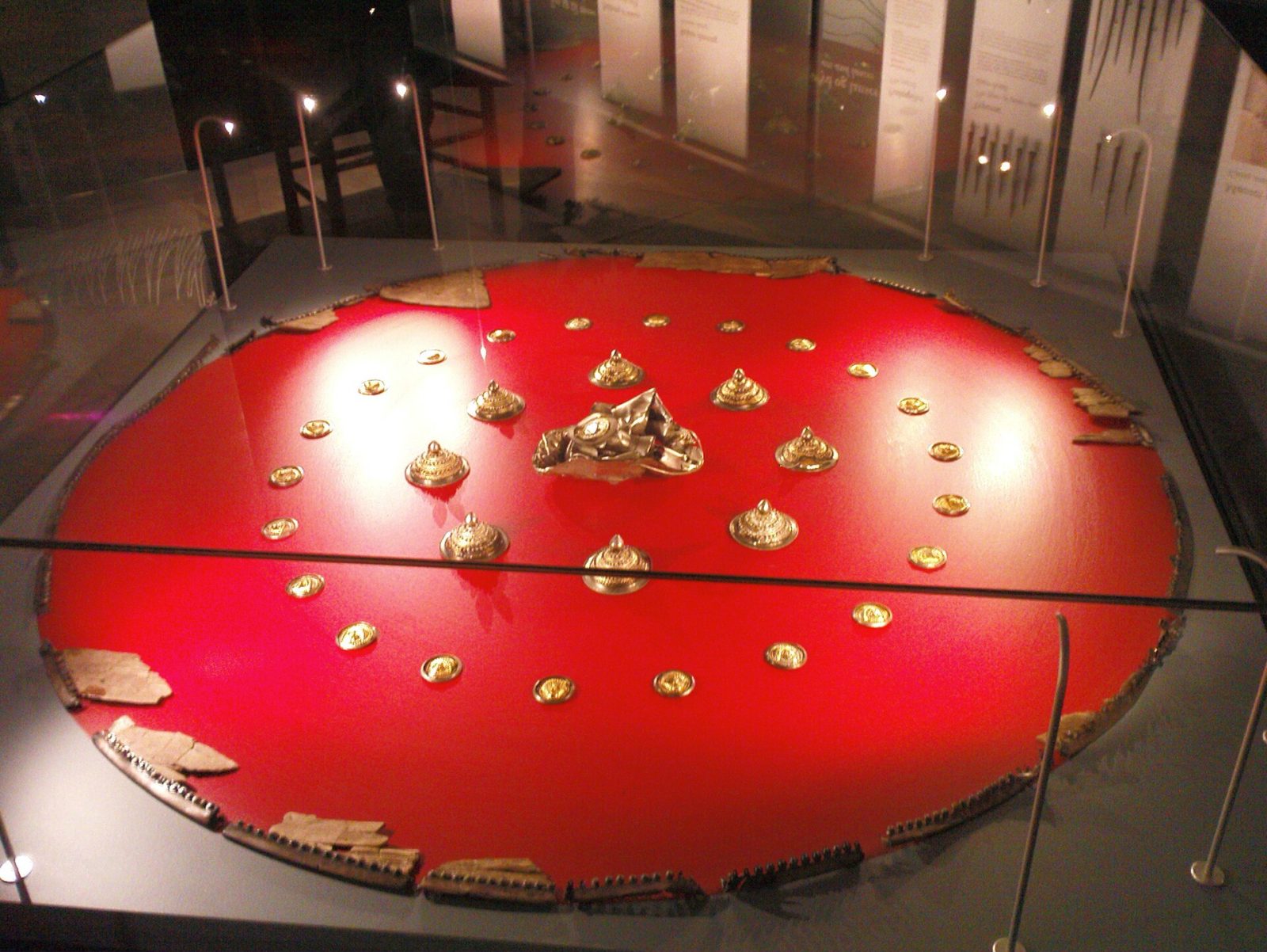
In May 1950 workers digging drainage ditches in a peat bog near Skanderborg in Denmark struck ancient weapons. Excavations recovered about 15,000 objects, the equipment of an invading army defeated around AD 205 and thrown into a lake as an offering.

FF 360

Fought about AD 235 · found 2000

Harzhorn battlefield

Germany · Weapons

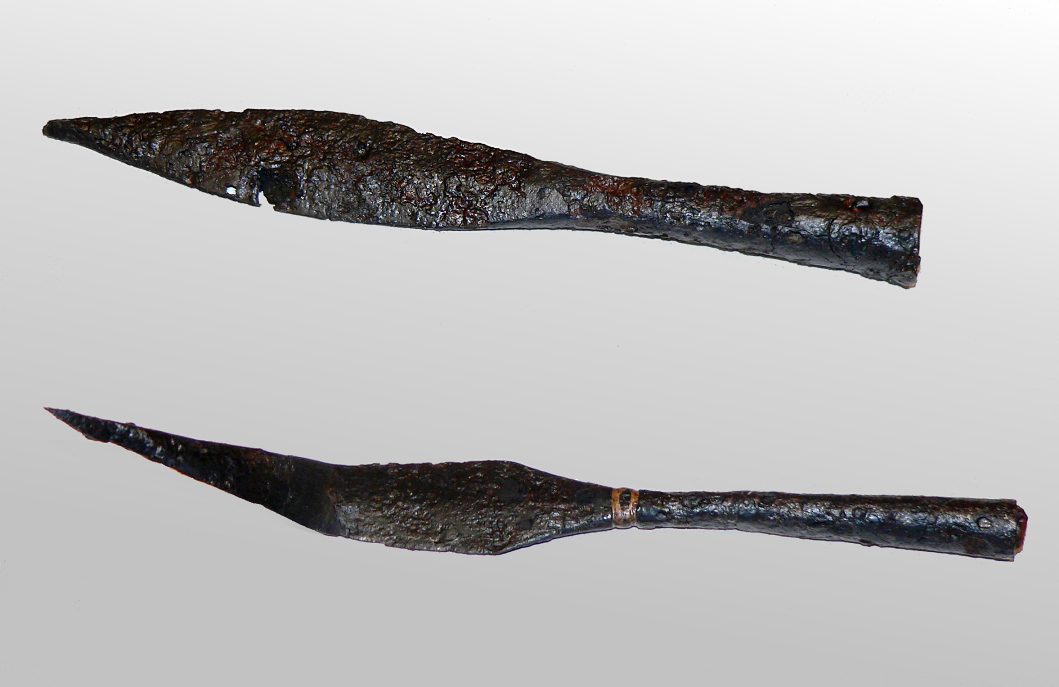
In 2000 two amateurs with metal detectors looking for a medieval castle in Lower Saxony picked up iron objects, including what they thought was a candleholder. Eight years later it was recognised as a Roman hipposandal, and the hill turned out to be a Roman battlefield of about AD 235.

FF 152

Coins of AD 244 to 282, buried about AD 355 to 361 · found 2011

Bredon Hill Hoard

England · Hoards

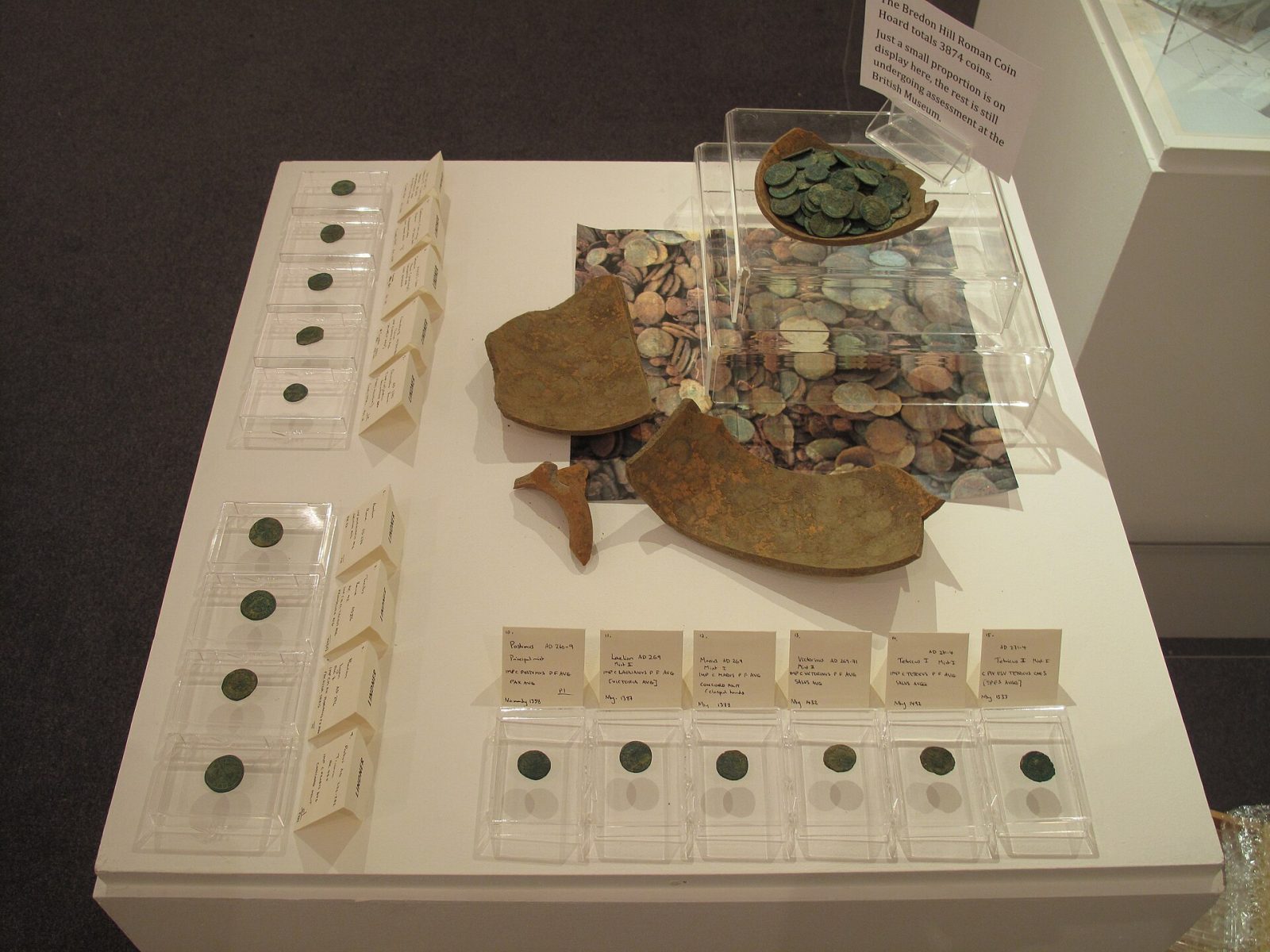
In June 2011 two detectorists from Redditch found a pot of 3,784 Roman coins in the ruins of a Roman building on Bredon Hill in Worcestershire. The excavation that followed showed the hoard may have been buried a century after its latest coin was struck.

FF 119

Buried in the later 3rd or 4th century AD · found 2002

Ashwell Hoard

England · Hoards

In 2002 a detectorist in Hertfordshire found Roman gold and silver votive plaques, jewellery and a silver figurine. Their inscriptions named a goddess nobody knew had existed: Senuna.

FF 322

Buried in the late 3rd or 4th century AD · found 2023

Norton Disney dodecahedron

England · Mystery

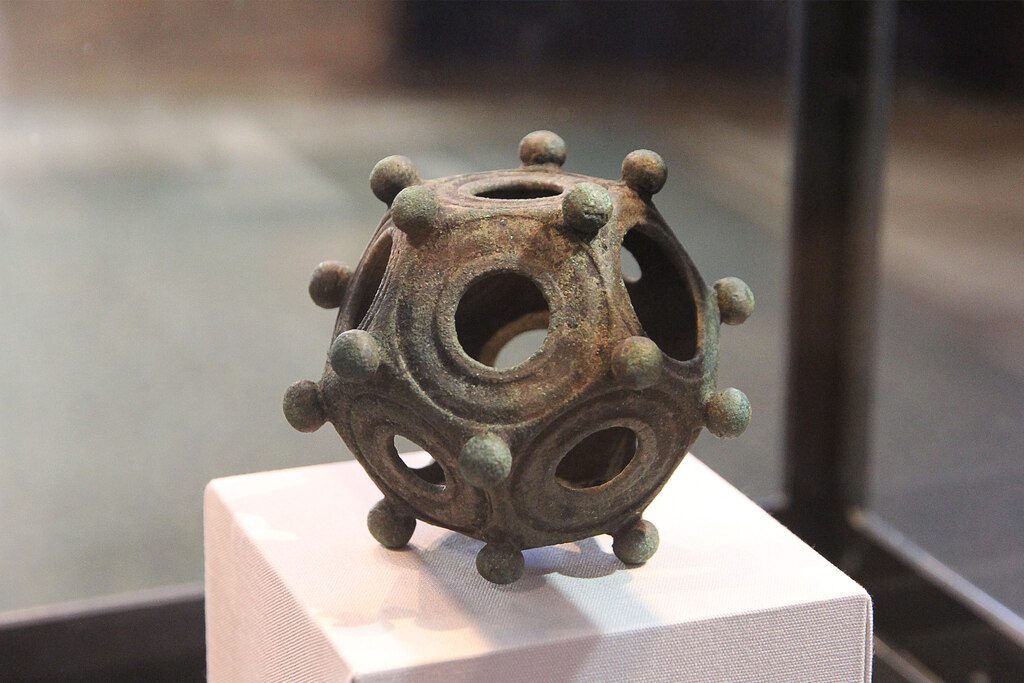
In June 2023 a volunteer on a community dig near Norton Disney in Lincolnshire uncovered a complete Roman bronze dodecahedron, a hollow twelve-sided object whose purpose nobody knows. It is one of only 33 found in Britain, and one of very few with a recorded findspot.

FF 522

Struck AD 251 to 253 · found 2022

Volusianus gold binio, Hungary

Hungary · Coins

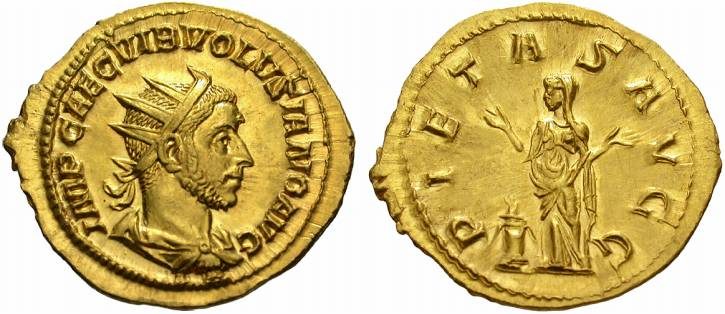
In early 2022 a metal-detector survey of a Roman settlement in Somogy County, Hungary, ahead of road building, turned up a gold double aureus of the emperor Volusianus, who ruled from 251 to 253. It was the only gold coin from the site.

FF 379

Probably struck in the AD 260s · found 1713

Sponsian gold coin

Romania · Coins

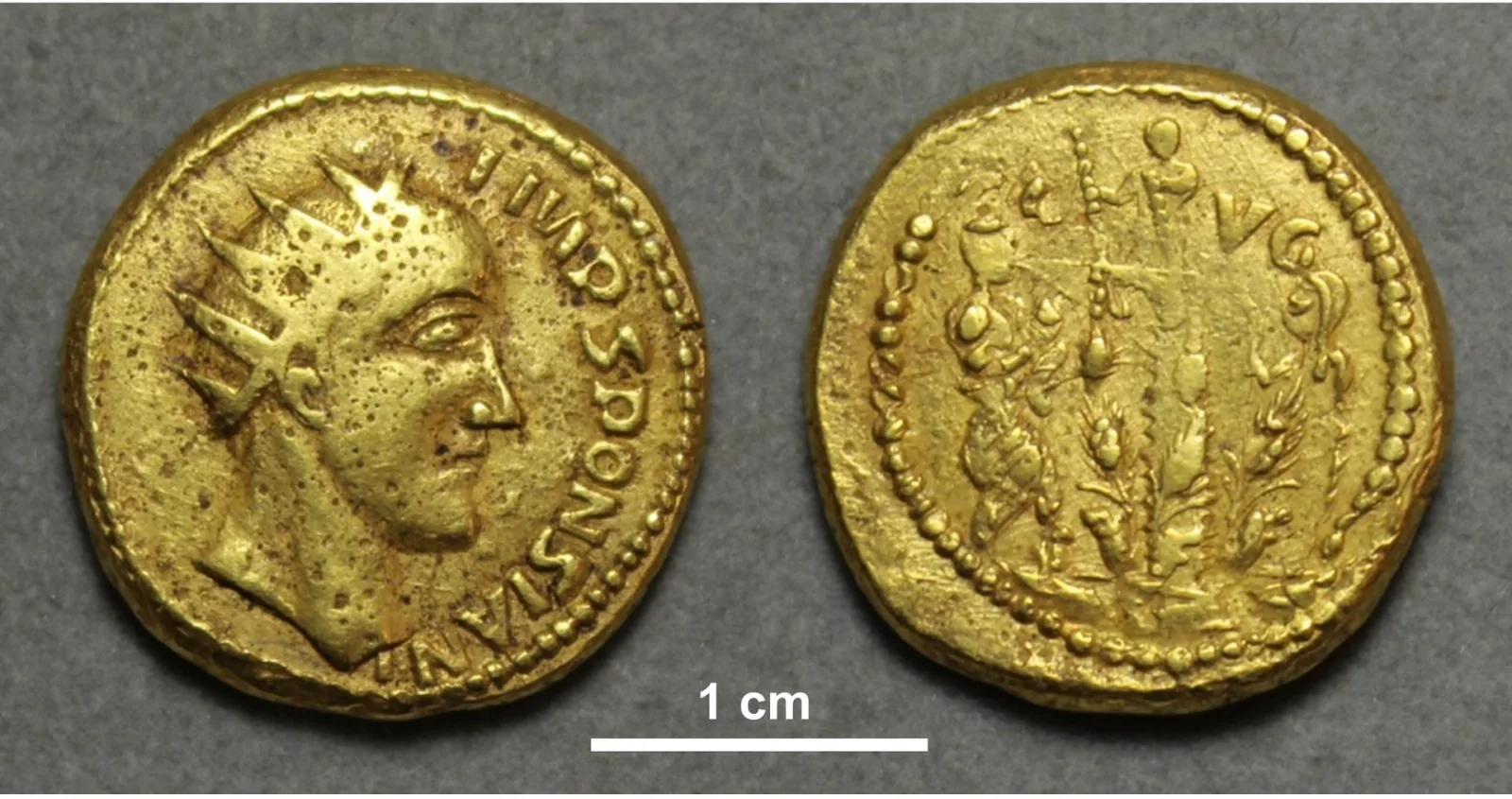
In 1713 an imperial official in Vienna bought gold coins said to have been found in Transylvania. One named an emperor, Sponsian, unknown to any historian, and was written off as a forgery. In 2022 scientists argued it is genuine and that Sponsian really existed.